Brutalist aesthetics: from concrete to pixel

20 de dic. de 2024 — Juanma La Volpe
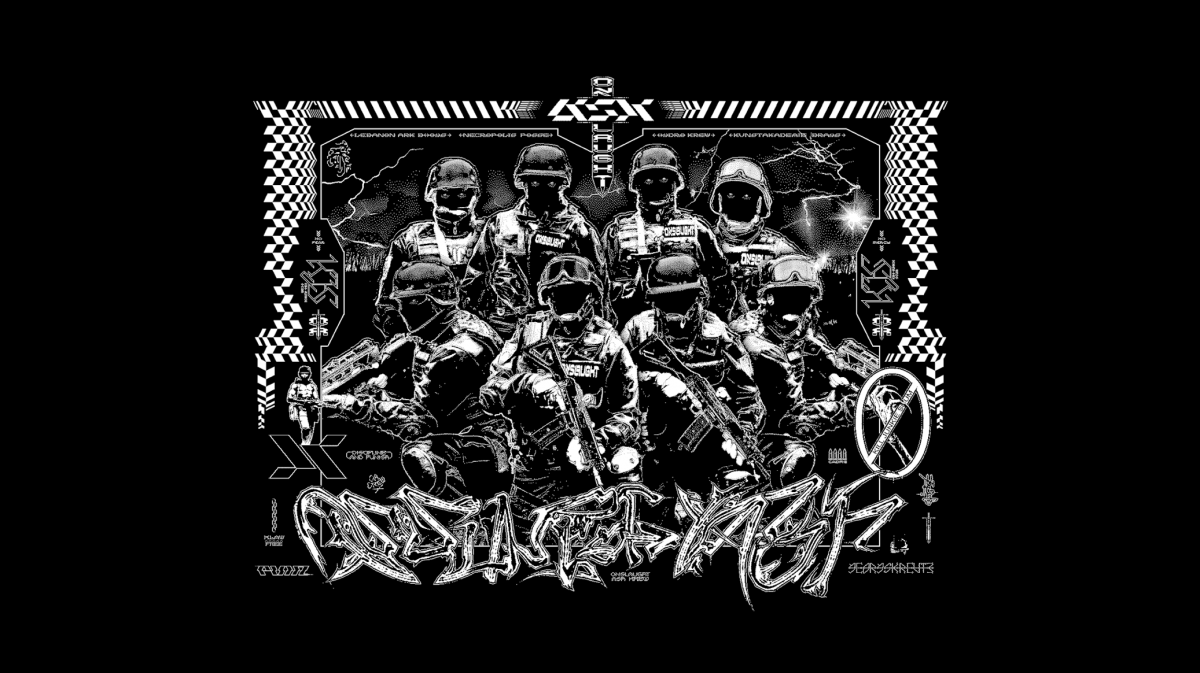
In the UX era, where every pixel seems carefully designed to care for the human behind the screen, there is a disruptive design movement inspired by the architectural movement of brutalism, known for its imposing concrete structures and unadorned functionality. What does this movement that rejects visual perfection seek?
From architecture to digital
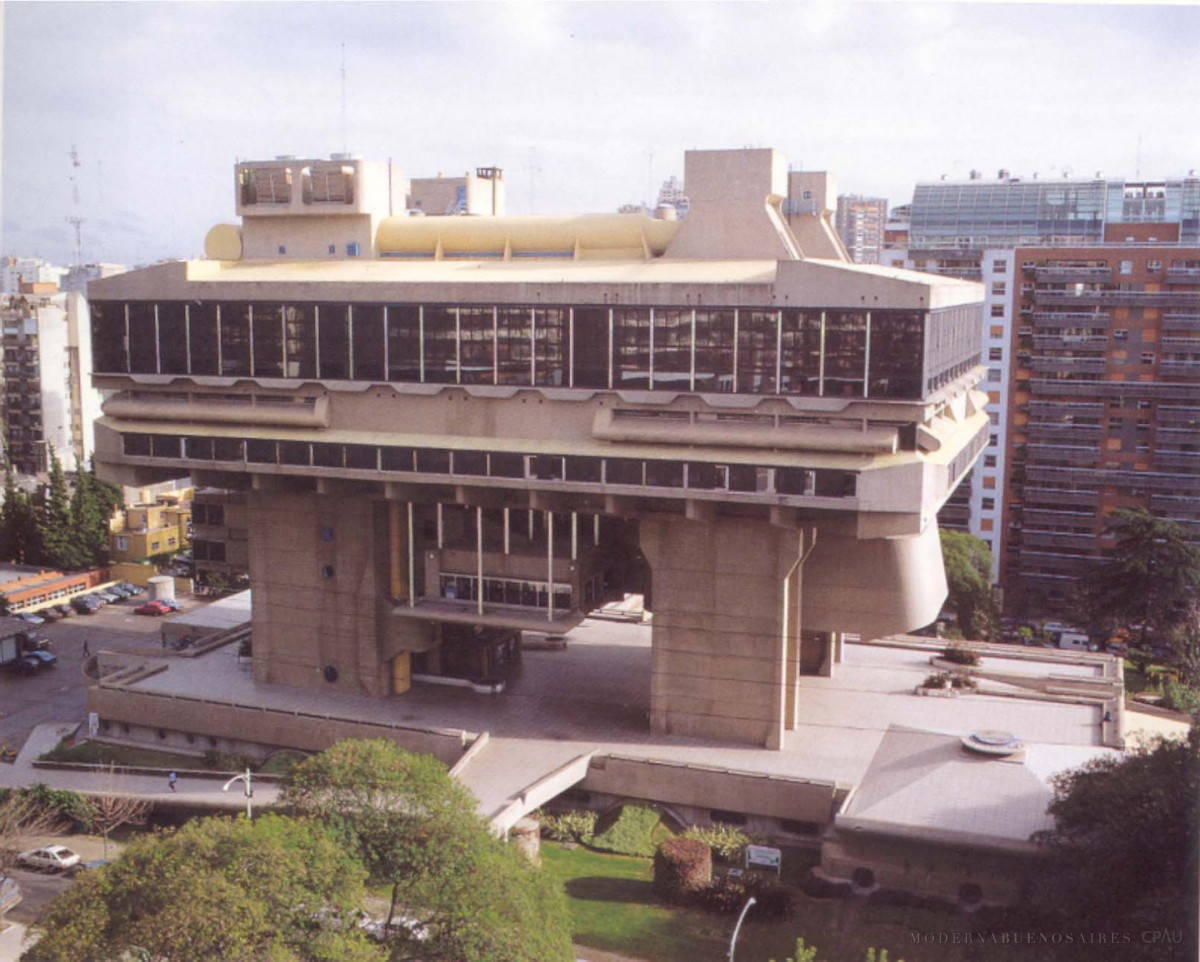
Architectural brutalism was born in the postwar period, in the 1950s, as an expression of austerity and functionality. Europe has a very important brutalist tradition, visible for example in buildings like the Barbican Centre in London, the University of East Anglia, and many community housing projects across the continent. Argentina is not far behind and even had a genius in the field in Clorindo Testa, the architect behind impossible and beautiful designs like the Biblioteca Nacional de Buenos Aires or the Banco de Londres in downtown Buenos Aires, now the headquarters of Banco Hipotecario, at Reconquista 101.
In the digital realm, brutalism emerges as a response to the saturation of hyper-refined and homogeneous web designs. Where the UX cult advances, brutalism resists by breaking with these new conventions and offering a raw visual experience.
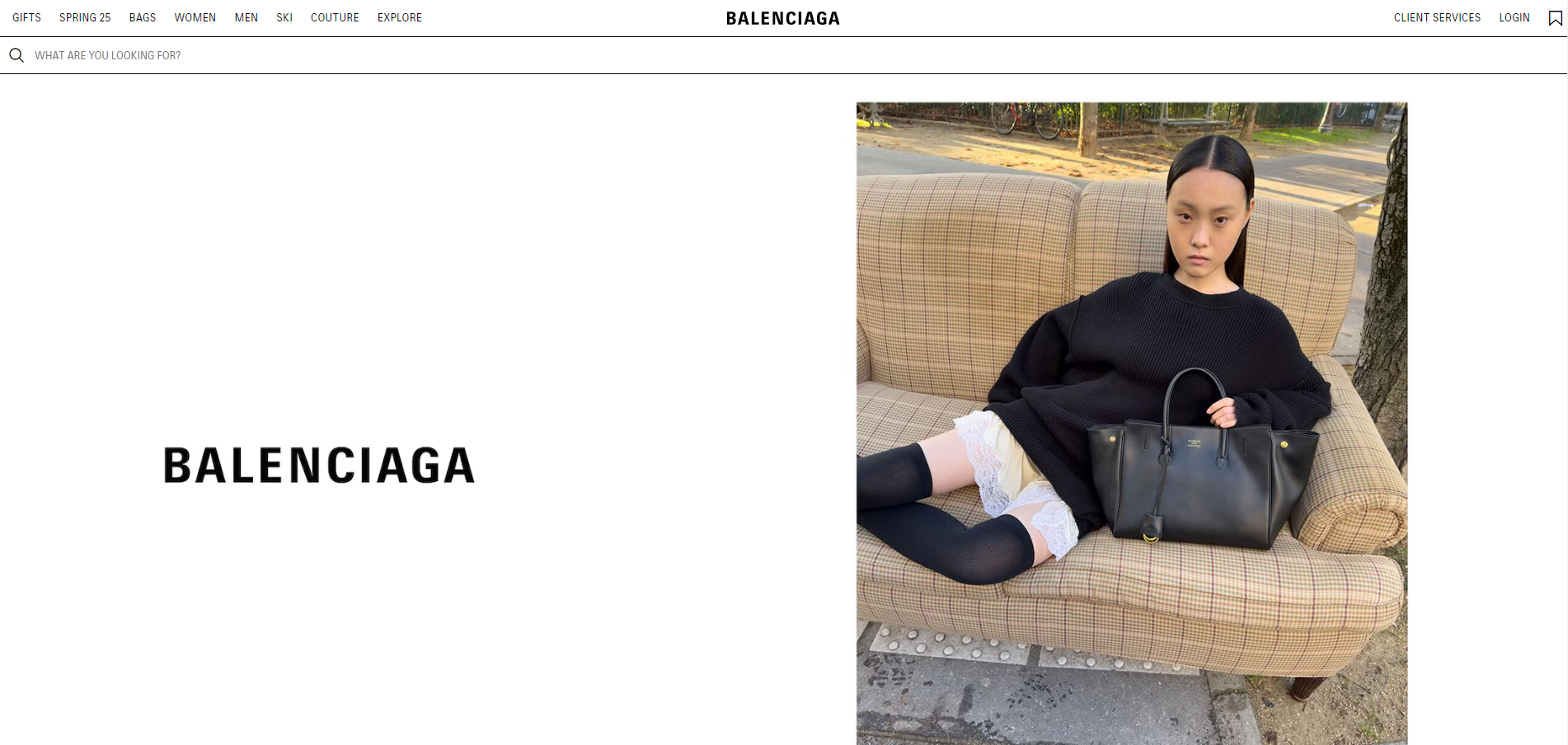
Tired of everything looking the same
Digital brutalism is a countercultural statement that creates tension with user-centered design (UX) principles. While its goal is to offer a more direct and raw experience, it conflicts with usability best practices that seek intuitive and accessible interfaces for everyone. The brutalist aesthetic can hinder navigation by prioritizing artistic expression over user comfort.
Not everything is black and white; there can also be a middle ground between the functionality and accessibility that UX preaches and the authentic, defiant whim of digital brutalism, which in this context clashes with conventional expectations while inviting us to think about what it means to design for people.
Ultimately, while traditional digital design focuses on the user and seeks universal conventions to improve the experience, brutalism tells you: "It's tough for each of us here, please, I'm asking you, a little mosh pit over there, nothing more."
How to make it BRUTAL
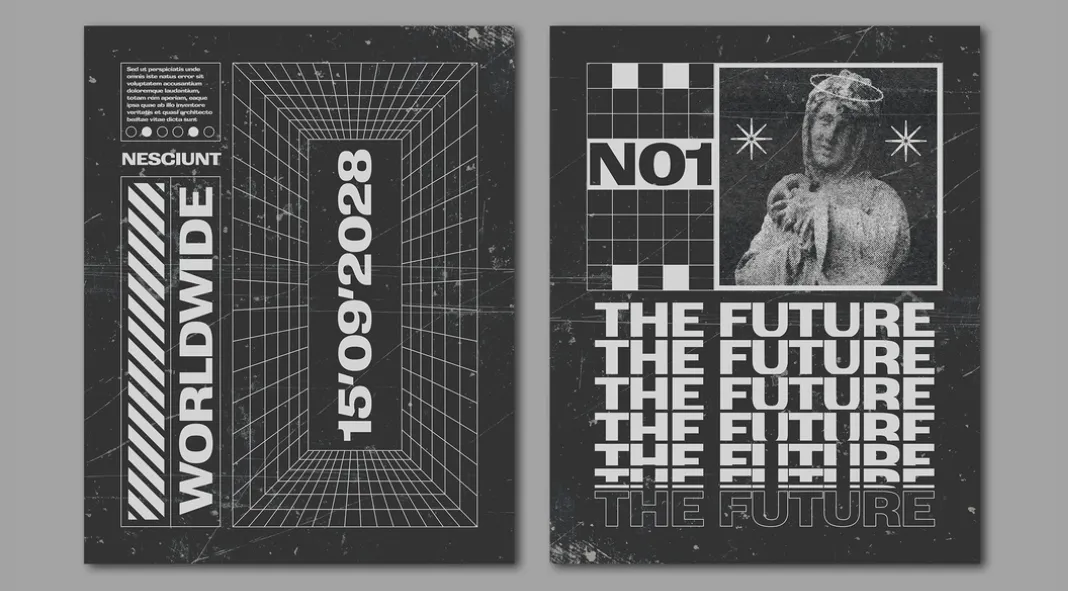
We have talked about philosophy and counterculture, but let us also review what a brutalist design looks like. Let us start with the raw aesthetic and extreme minimalism in its colors, typefaces that tend to be monospaced and large, and the addition of iconic elements. This blends with functional interfaces for web design in whimsical spaces, and with a digital nostalgia for that early web of the 1990s.
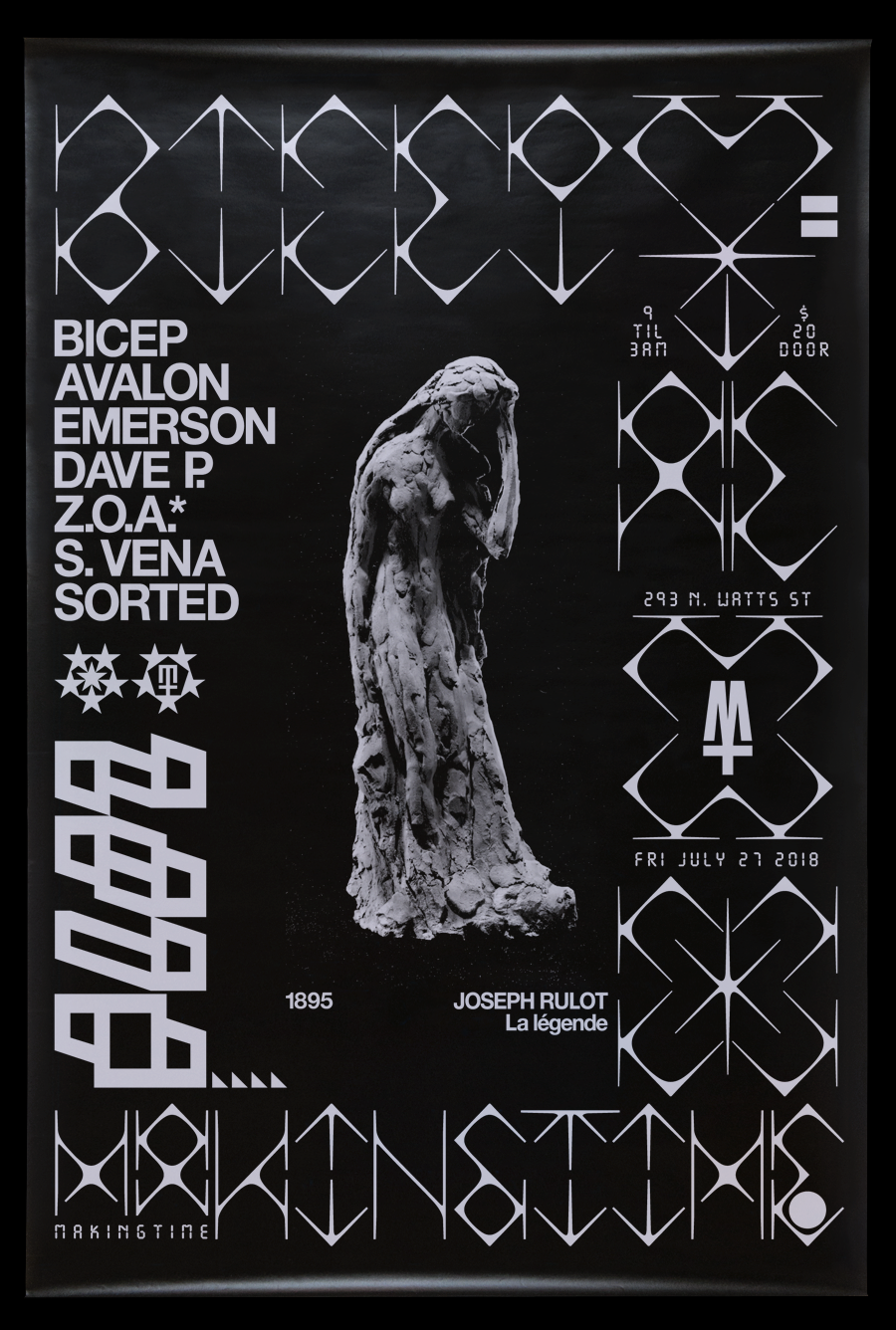
It is also common to use retrofuturistic elements, hard icons like geometric shapes, and black metal-style typefaces. The combination, depending on the elements used, can evoke cyberpunk, post-Soviet, and oppressive imagery. Something that closely aligns with the aesthetics that in music are pursued by techno, industrial, retro new wave, or trap, extensively developed by David Rudnick.

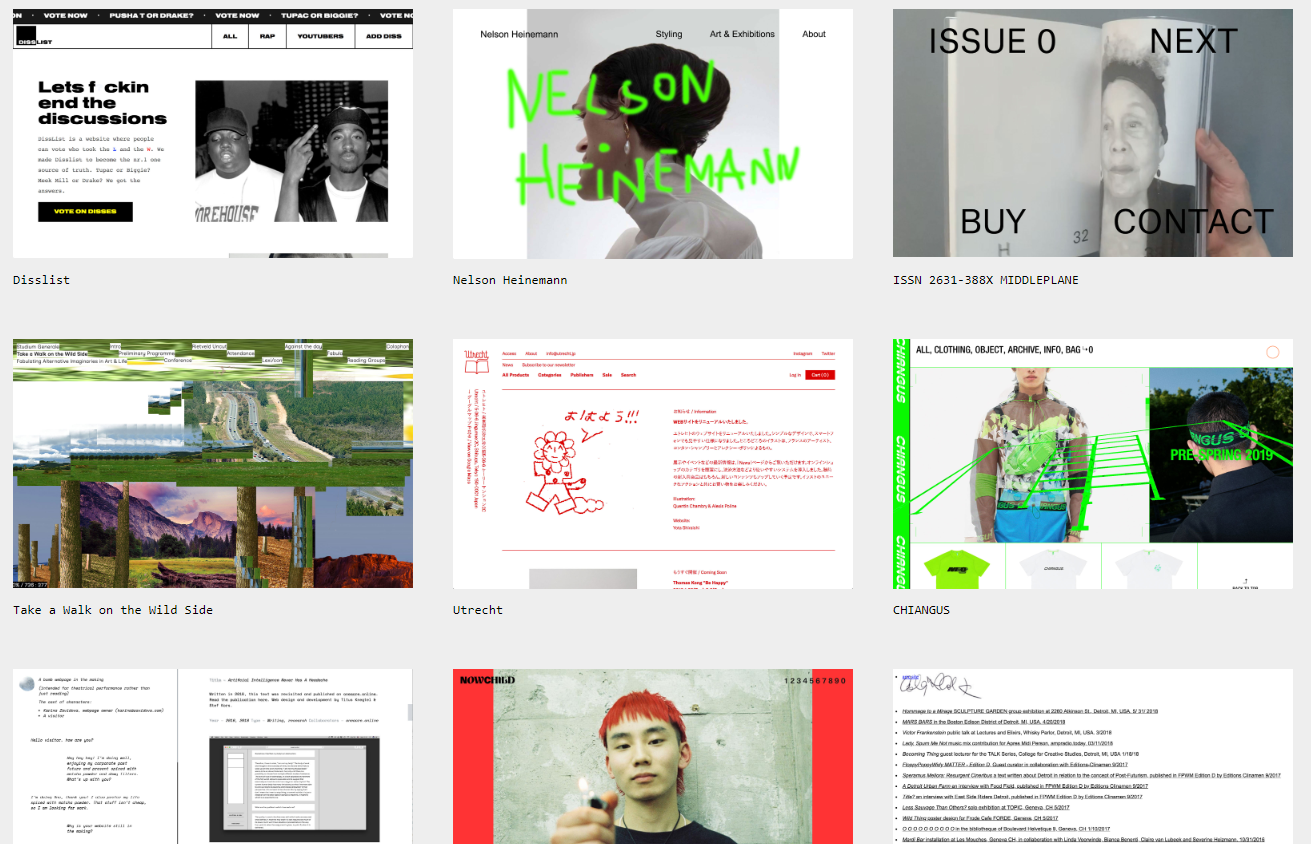
As for web brutalism, you can discover more examples at Brutalist Websites, a site that collects websites with this kind of vibe and interviews their designers. The page states that "in its rawness and lack of concern for looking comfortable or easy, brutalism can be seen as a reaction by a younger generation against the lightness, optimism, and frivolity of current web design."
And while everything may seem like chaos, designer David Copeland published guidelines on his site that he constantly updates, on how to use brutalism for web design without losing sight of basic UX ideas.
The future of brutalism -- is there a future?
This niche movement, which eventually seeps into the corporate world, emerging brands, and clothing and music design, represents a response from the opposite extreme to what is the norm today. I do not think it is something ephemeral, but it may mutate until it loses several of its elements and becomes something else. But it is important to see what happens outside the norm, to understand that great changes come from the margins, and to pay attention to the opposite extremes of what we are accustomed to seeing.