The first masked wrestlers in lucha libre
1 de ago. de 2025 — Juanma La Volpe
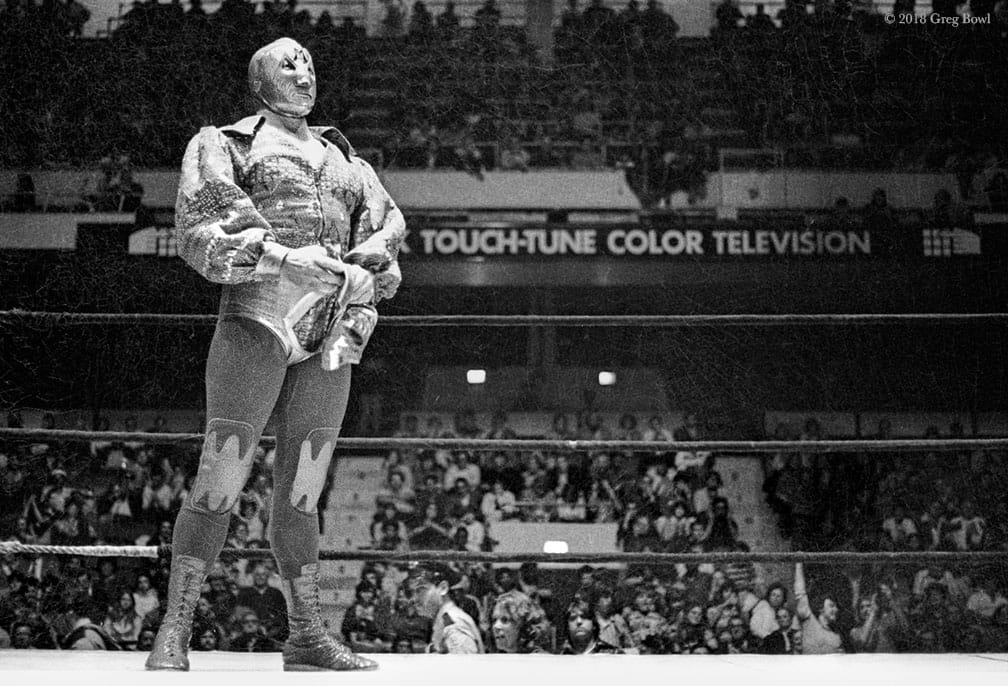
In the culture of lucha libre, a wrestler's mask is the most important symbol of identity. That mask can be made of makeup, fabric, leather, or kayfabe. But every wrestler wears a mask that creates the character: some allow them to become someone else, while others simply unleash who they truly are. When we talk about masks, we automatically think of Mexican lucha libre, because of its legacy, but its history is far more curious and its use knows no borders.
From the Paris World's Fair to Mexico
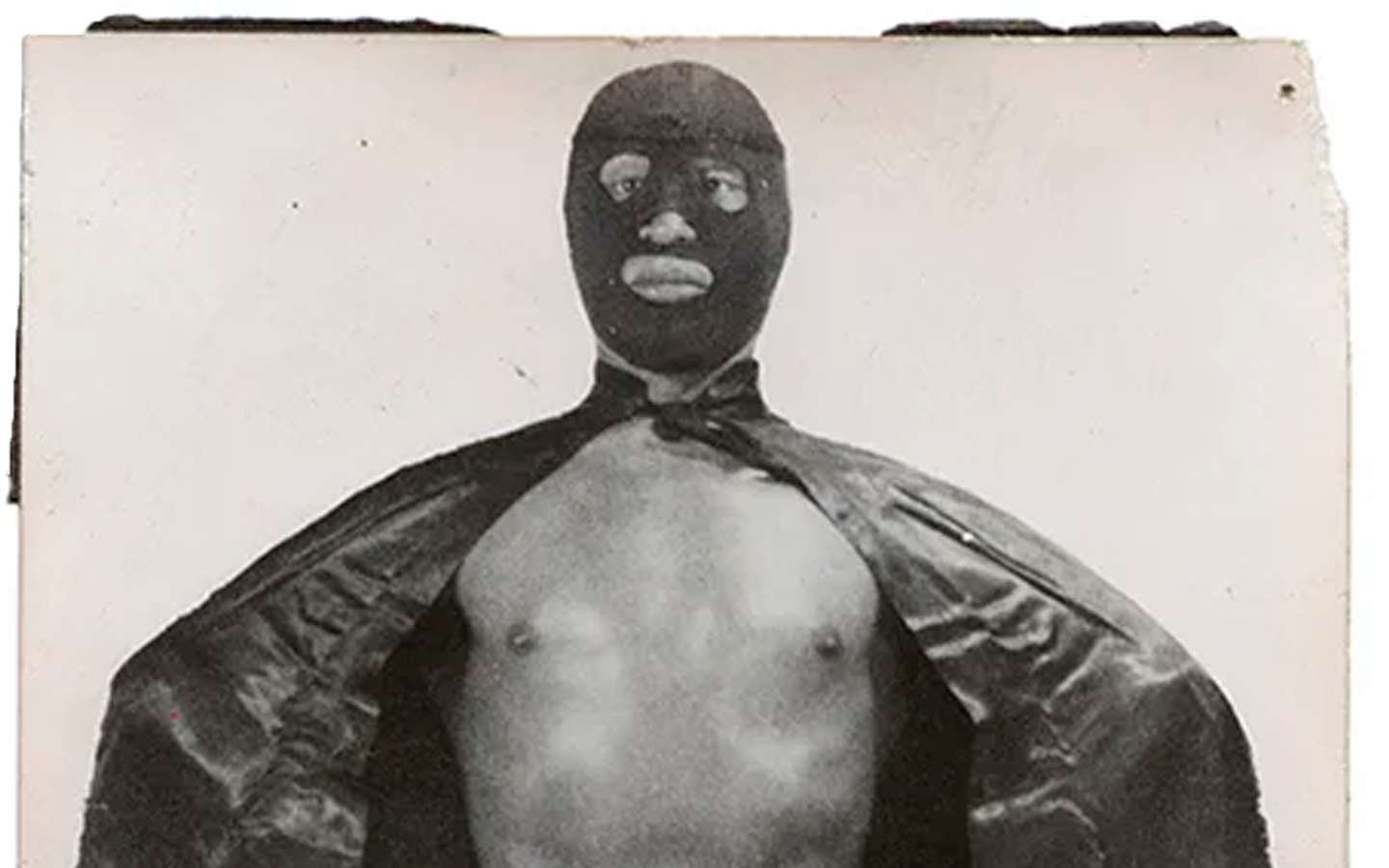
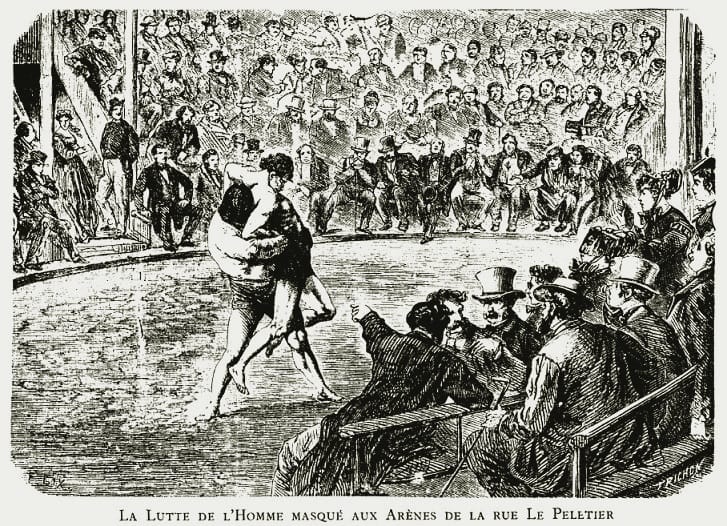
The history of masked wrestlers doesn't start in Mexico. In fact, like much of lucha libre's traditions, it comes from France. The oldest reference to a masked wrestler is the so-called The Masked Wrestler (Theobaud Bauer) during the Paris World's Fair in 1865. Theobaud, who belonged to a troupe of wrestlers as part of a French circus, wrestled under this character during the 1860s in Europe and a decade later was able to travel to the United States.
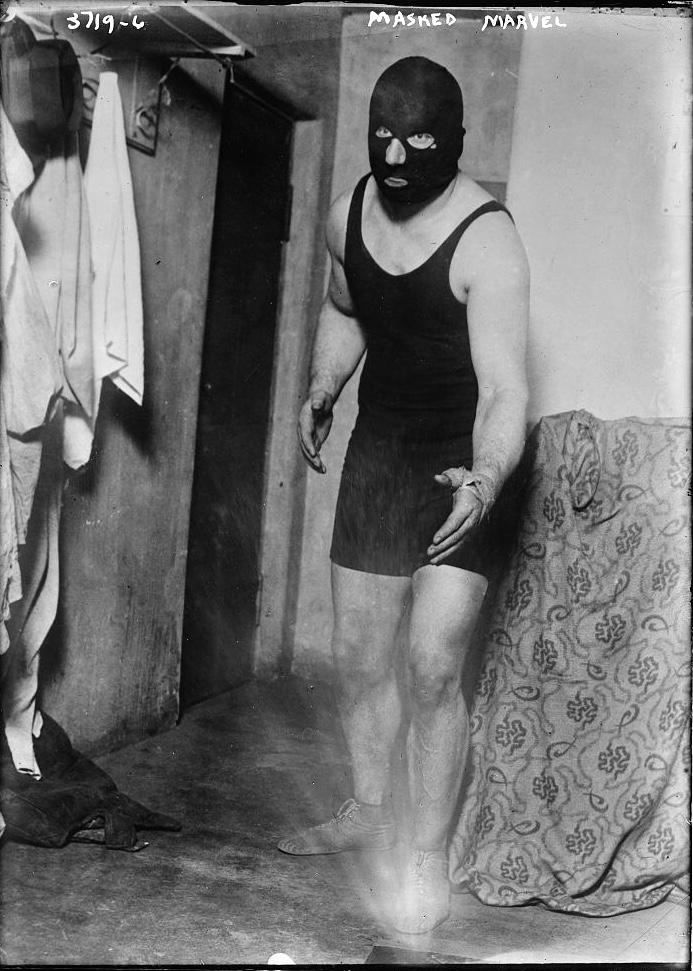
The Masked Wrestler would then be the first masked wrestler in the sport, but the first American one was born in 1915, under the name Masked Marvel (Mort Henderson). While building his wrestling promotion, Mexican promoter Salvador Lutteroth was inspired by Henderson and created Mexico's first masked wrestler, whom he called La Maravilla Enmascarada, who debuted during a show for the then-CMLL in 1934. The wrestler underneath wasn't Mexican, but rather a Texan named Cyclone MacKey. That day, something changed in the DNA of lucha libre and in the Mexican people forever.
Finally, in 1938, the first Mexican masked wrestler appeared, a heel who called himself El Murciélago Enmascarado (Jesús Quintero Velázquez), who serves as patient zero for this tradition that was quickly adopted in Mexican lucha libre. The way this tradition crossed borders is at the very least curious -- neither an American was the first in his own country, nor was a Mexican.
Masks and masked wrestlers
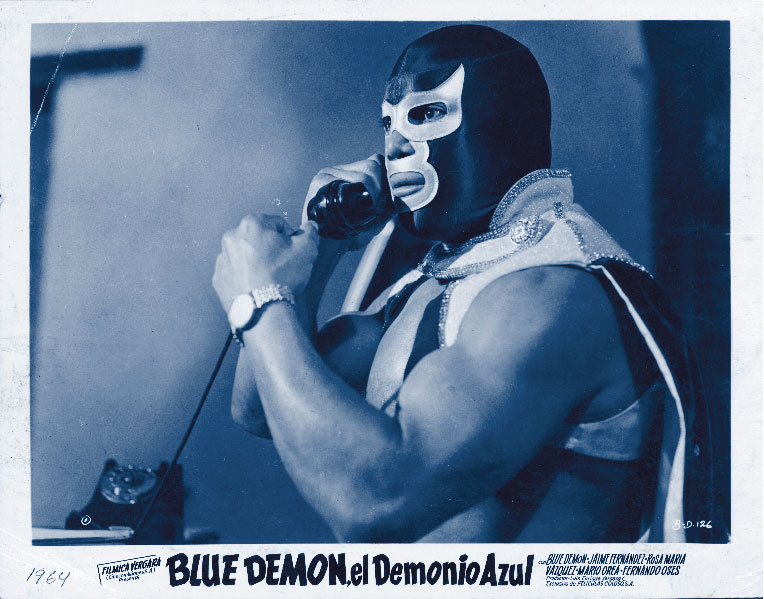
The Aztec tradition and its mythology began to be referenced in Mexican mask culture and, over time, the heroes who wore them built legacies that only made these myths grow. El Santo, Blue Demon, and Mil Máscaras -- perhaps the most important masked wrestlers in lucha libre -- were the main figures in transmitting this culture.
Within the tradition and legacy, the mask is the core of your identity and can be put on the line in a mask vs. mask match, the most important ritual in lucha libre. These matches carry the rule that the losing wrestler must remove their mask, reveal their face, and come out of anonymity.
The first Argentine masked wrestler
At the same time that La Maravilla Enmascarada was being presented in Mexico (1934), in Argentina, through wrestler and promoter Stanislaus Zbyszko, the legend of Máscara Roja was born -- not to be confused with the famous Caballero Rojo from Titanes en el Ring. The local masked wrestler was Alfredo Legarreta, who started wrestling under the name Máscara Roja at 24 years old, after his stint as a weightlifter. He and the Pole Zbyszko had many clashes in what was the main event of wrestling in Buenos Aires during the first half of the 1930s, until in 1935, in a match at the Luna Park, the Pole claimed the Hero's Mask.
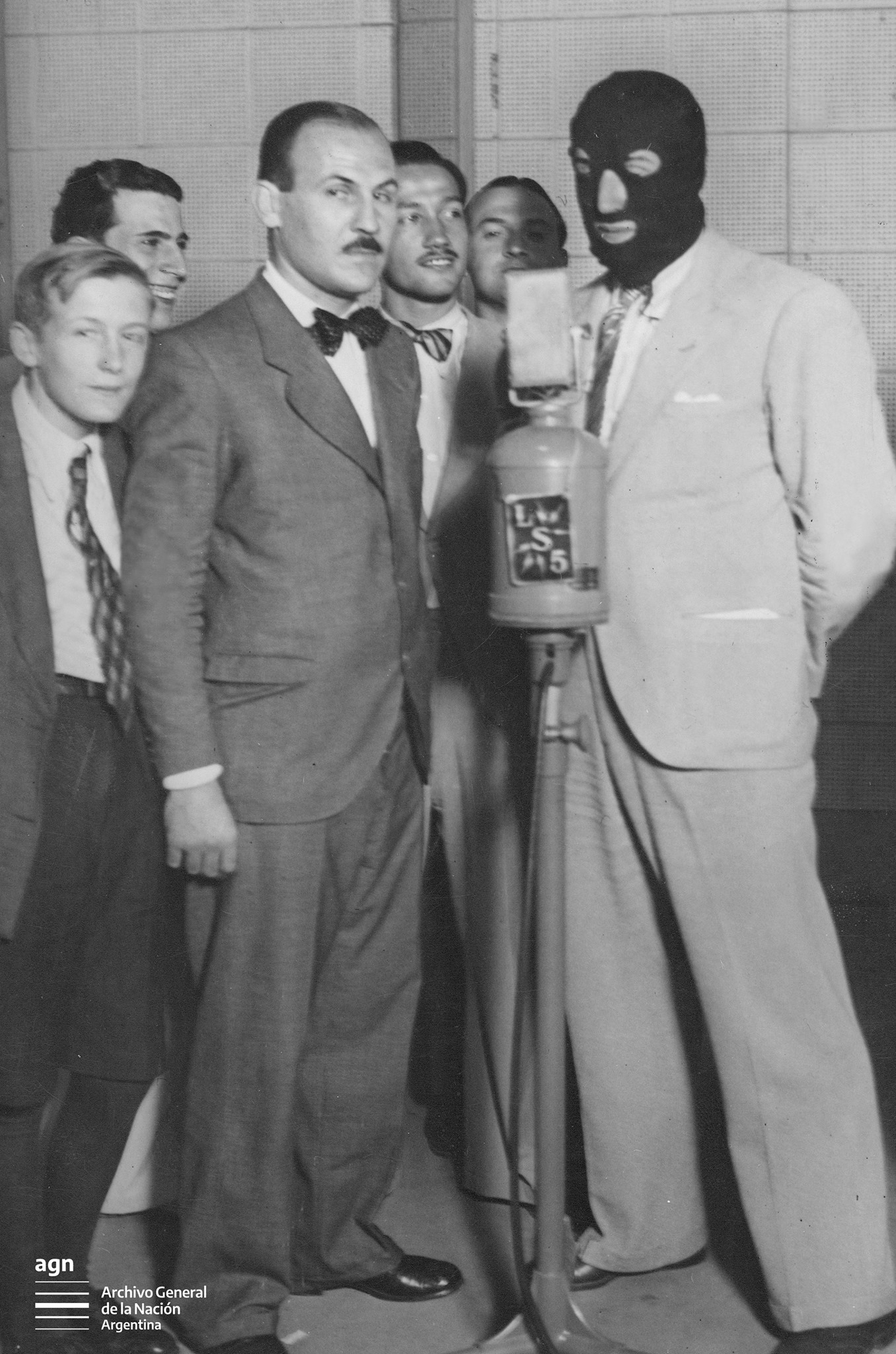
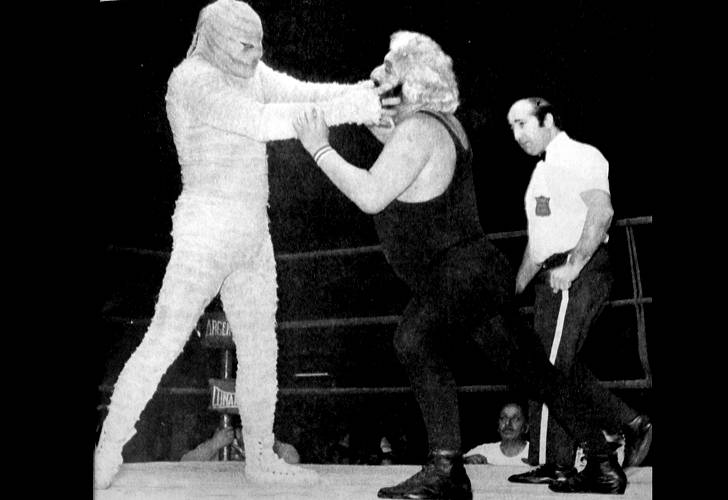
Lucha libre would change and move from Luna Park to TV, reaching absolute popularity with Titanes en el Ring, where we would see the debut of two of the most important masked wrestlers in the country, La Momia (1964) and Caballero Rojo (1968). Martín Karadagián was ahead of his time in wrestling production and character creation: things that we take for granted from Titanes en el Ring were perhaps happening for the first time in lucha libre. Back then, Karadagián created characters inspired by whatever was trending at the time. The creation of La Momia came during the height of Universal horror, and Caballero Rojo drew from medieval fantasy and superheroes.