20,000 Leagues of Vaporwave Travel
26 de feb. de 2026 — Lucas Boltrino
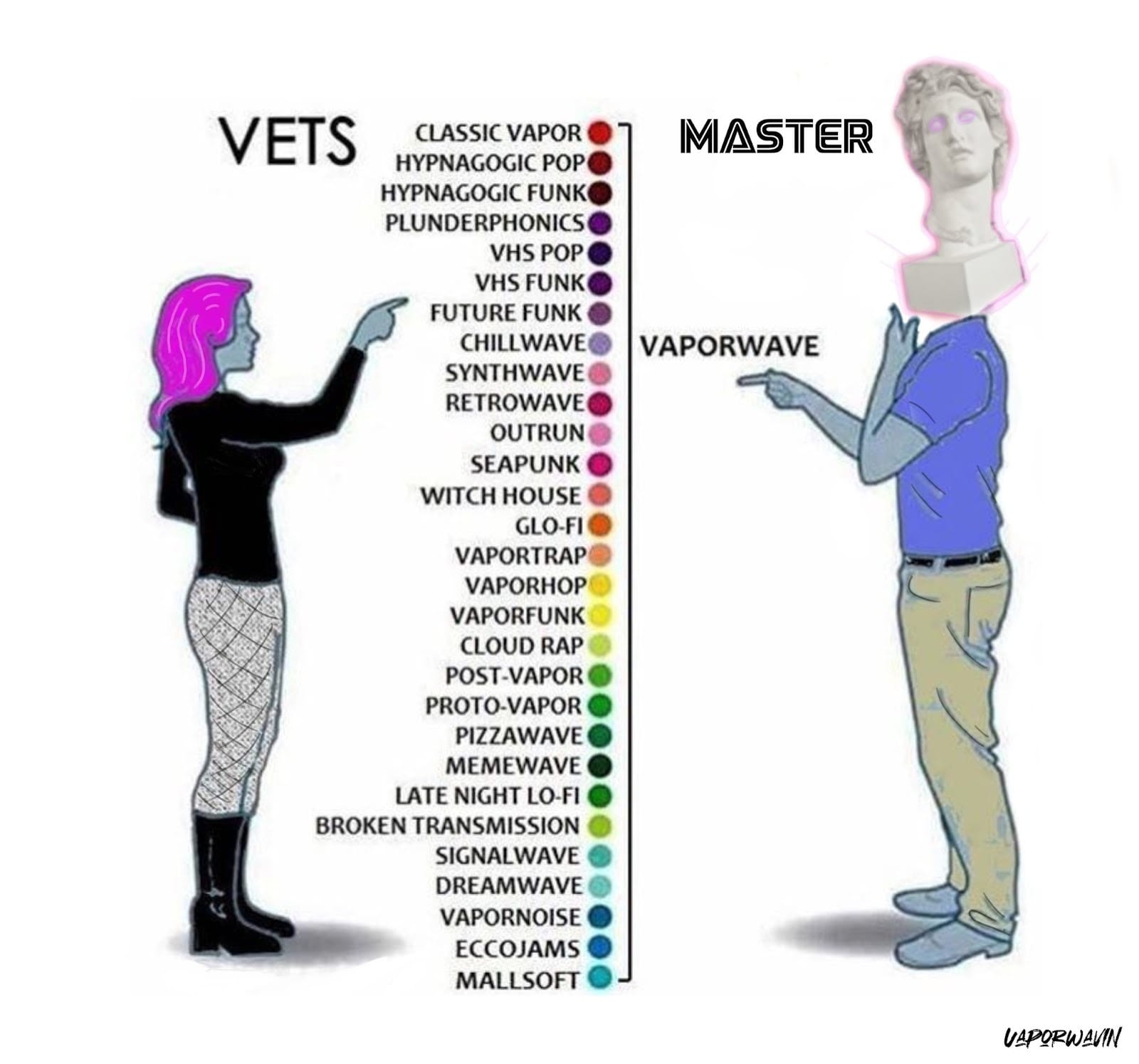
Disclaimer: occasionally, this space will use the term vaporwave to refer to other genres that, for purists (and there are always some), are completely different from the "original" vaporwave. However, to avoid confusion, we will group them under this term unless there is a more tangible difference, as is the case with synthwave. We must consider that there are bizarre offshoots like trumpwave or pizzawave.
As I write these lines, a thousand questions arise that still lack definitive answers. How can one explain such a vast universe, with so many facets, yet so easily recognizable once you step inside? Because talking about vaporwave, for those who have no idea what it is, means discussing one of the first artistic, cultural, and musical styles that were entirely born in the internet age.
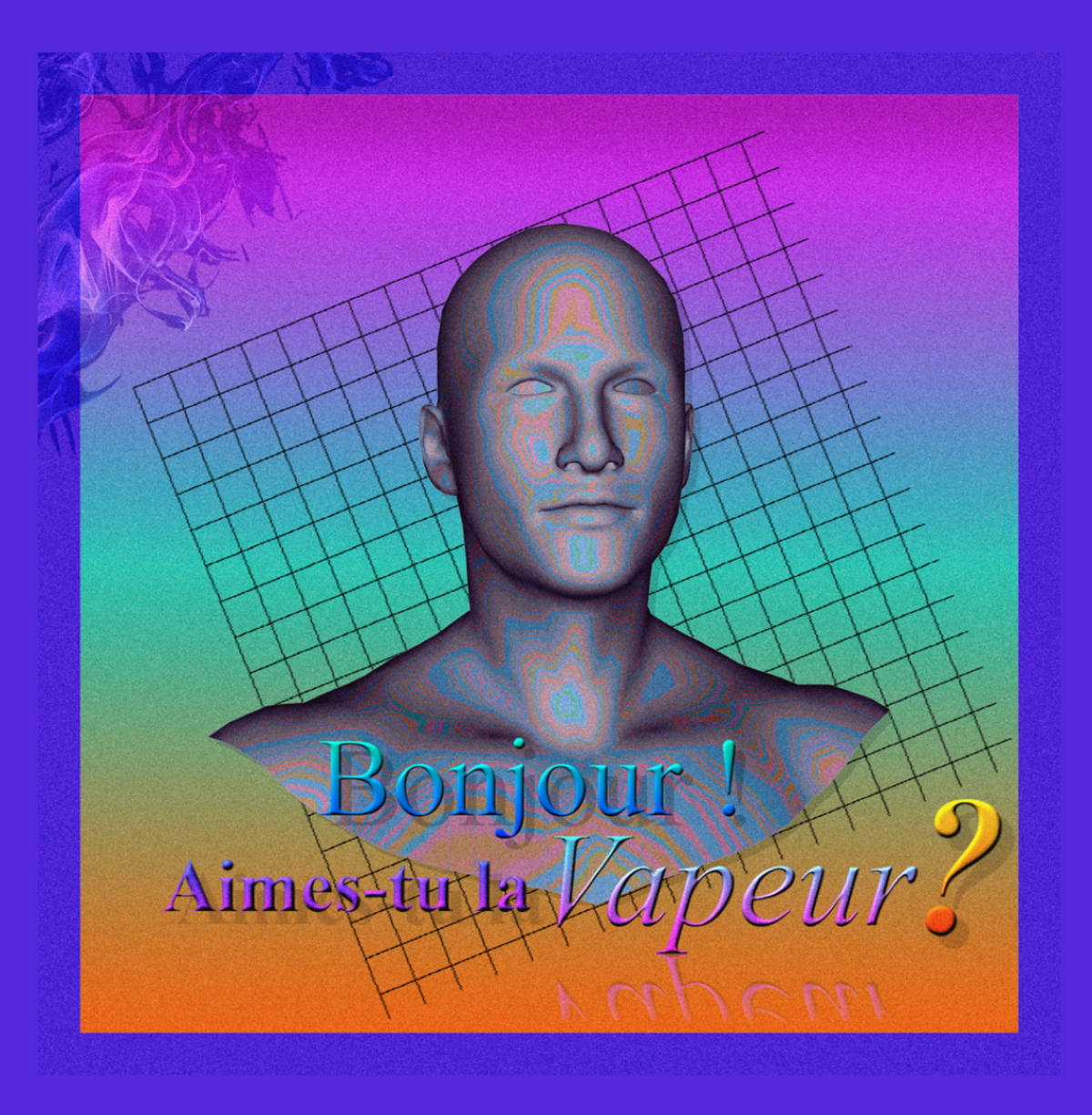
It’s about, in many cases, pink flamingos, relaxed, dreamy beats, accompanied by images of Hellenic sculptures with piercing gazes. It’s also about a group of people who, influenced by cultural consumption from a past they claim was better (mainly the eighties and nineties) and who believed that what was coming would be even better, unknowingly created a refuge for those wanting to momentarily escape the glaring spotlight of pop stars or the distorted guitars of rock, and without the mass appeal of mainstream electronic music DJs.
It’s about satire, mocking consumerism, but also about lively rhythms, pop sounds presented by an ad for an exotic drink featuring a Japanese model that reminds you of a place you’ve never visited but have heard about somewhere. It’s about a somewhat frustrated youth facing a Welfare State that not only failed to meet all their needs but also gifted them wars and crises whose aftershocks they still suffer from today, like the one in 2008.
It’s about, of course, the cyberpunk movement, synthesizers, drum machines, synthwave, the cousin of vaporwave, which intertwines to chart paths through dystopian futures that may never happen, but at least we can imagine how they might sound. It’s about crystal Pepsi, imaginary old operating systems, memes, and the first 3D renders. It’s about that and so much more (and without even covering the entirety of the tip of the iceberg).
Echoes of the past
There are so many origins of vaporwave that it’s hard to discern which one is the "true" one. Some place it at the end of the 2000s, while others claim that this world existed in the eighties, albeit under a different name. I believe that, as with contemporary cultural events, there is no date etched in stone that marks a starting point. However, there are approaches, and for these cases, good are the bits that, at times, are eternal.
The name most associated with the beginnings of the genre was the YouTube user sunsetcorp, also known as Daniel Lopatin. On July 19, 2009, he uploaded two videos to his account that would mark a turning point: “angel,” which borrowed a snippet from “Only Over You” by Fleetwood Mac, and the more popular, “nobody here,” which uses a phrase from Chris de Burgh’s “Lady In Red.” In both cases, he would use a looped snippet of that song, slowed down with changes in rhythm and vocal pitch, accompanied by ads for VCRs and music players from the eighties in the first video, and a gif image of a blurry multicolored pyramid with VHS filters.
That day marked the beginning of what is now known as vaporwave for many. So much so that, by the time this edition is published, if all goes well, on April 20, the documentary “Nobody Here: The Story of Vaporwave” will be released, interviewing several key figures of this movement from its origins, which raised a significant amount of funding through crowdfunding for its realization.
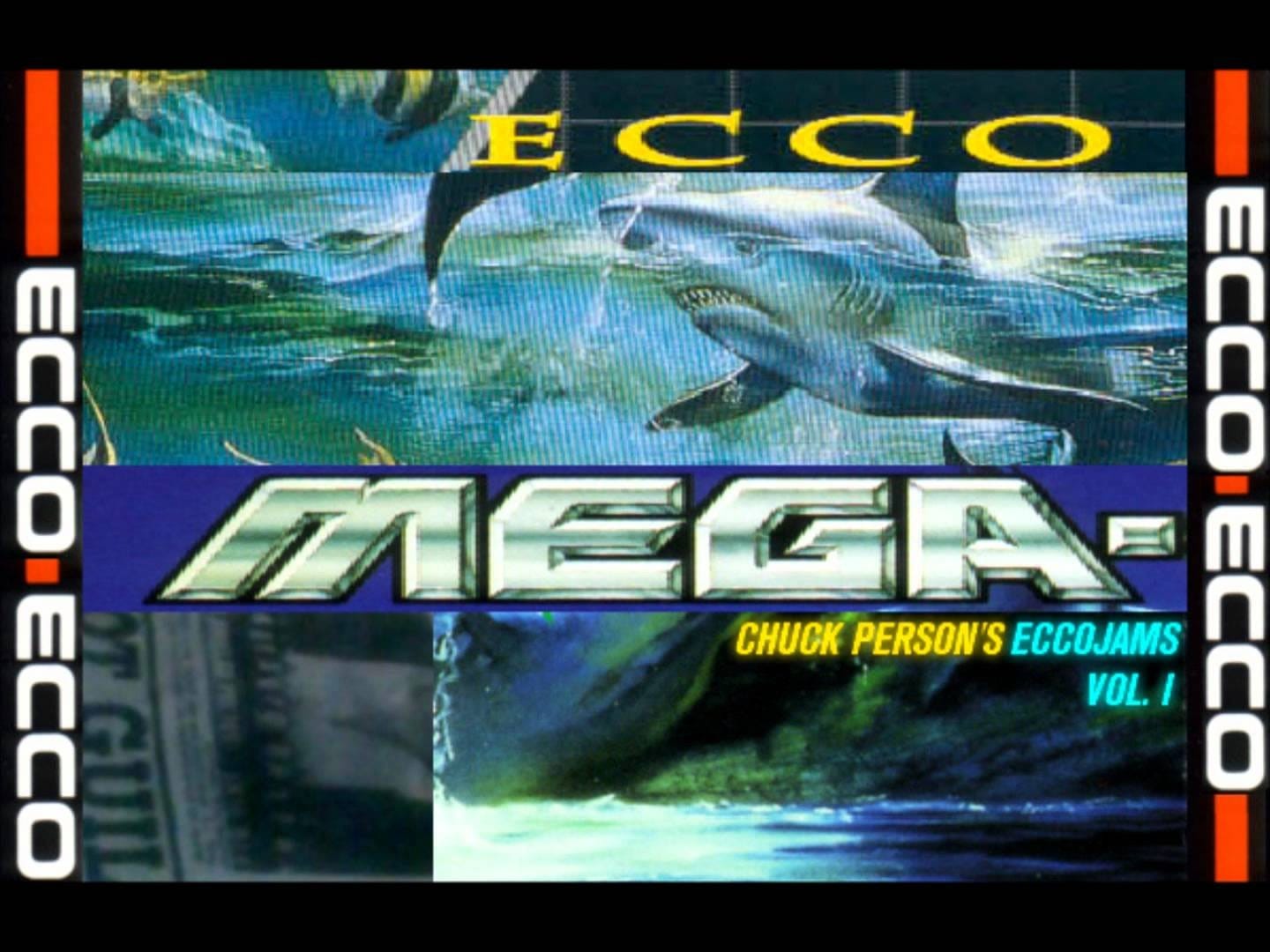
Alongside these two experiments, Daniel would release, in August 2010, the album that would define a subgenre of its own without him realizing it and that would be seminal for the development of vaporwave: Chuck Person's Eccojams Vol. 1, which included “angel” and “nobody here” among the fifteen tracks of this album, and whose cover pays homage to the iconic Ecco The Dolphin for Sega. Later, Daniel would state on Reddit that the idea behind this album was “a way to treat audio that had less to do with music and more with feelings,” an aspect that would accompany the genre throughout its history.
As with all major events in modern history, the Republic of Argentina has always been there. And Chris De Burgh, who for many is indirectly one of the fathers of vaporwave, was born in Venado Tuerto, Santa Fe province. So we can take pride in the fact that vaporwave is, in some way, a little bit Argentine.
Within this bag of sounds and aesthetics (which we now also know by the term aesthetic) that encompasses vaporwave, other artistic manifestations also appear, mixing, differentiating, amalgamating, emulsifying, and behaving like many of the distant universes they seek to illustrate. The vast majority share some common thread, with one of the most prominent being the reclamation of nostalgia for a bygone era, as well as the projection of a brighter, more promising future, where technology would elevate humanity to a new era of enlightenment, and there would be no need to ask an AI if the video of cats shaped like birds surfing is real or not.
Writers Simon Reynolds and Mark Fisher discuss throughout their books this yearning for nostalgia for lost futures and the longing for a future that never arrived within the term “hauntology,” which deserves its own article and was originally coined by Jacques Derrida.
This sentiment has even been reflected recently on vertical video platforms along with themes like dreamcore or weirdcore, where technological devices and futuristic wallpapers from the late nineties and early 2000s are valued, also dubbed Frutiger Aero, which could be seen as a sort of continuation of the reclamation for the retro that vaporwave initiated.
The universe is really quite confusing
Within this constellation of genres, subgenres, and other things, we have already mentioned Daniel Lopatin’s Ecco Jams (who, it’s worth noting, has worked with The Weeknd, Nine Inch Nails, and Sofia Coppola), which incorporates techniques now popularly known as slowed & reverbed, along with screwed & chopped, which laid several of the foundations of vaporwave. But there are also celestial bodies that took different paths, some more and some less related to the genre, and which are necessary to provide more context to this movement. Among these many destinations, we will briefly discuss a few of them, starting with another gigantic world fundamental to explaining vaporwave (with which it is often confused): synthwave.
This is a place where neon and, obviously, synthesizers showcase their presence, perhaps being the most explored (and most exploited) movement today due to internet searches, significantly aided in recent years by cultural consumption releases like Stranger Things, Tron: Legacy, and Ready Player One that have included this style in their soundtracks. Just typing “retro neon aesthetic” into Google Images yields hundreds and hundreds of burnt-out templates and images made with AI, all bastard children of synthwave.
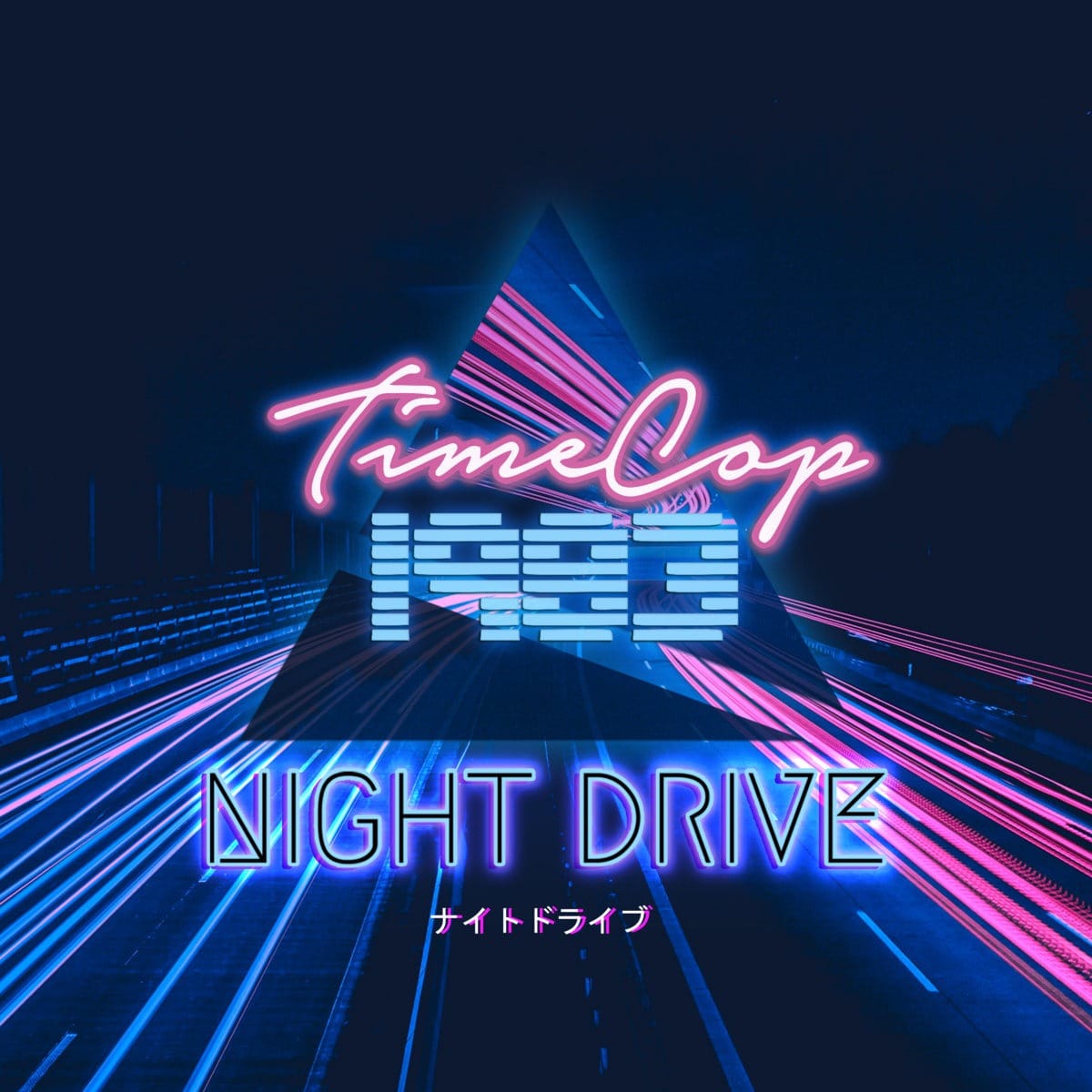
Within the genre, we can mention the one who has positioned it the most in recent years: Kavinsky, especially with his track “Nightcall,” which featured prominently in the 2011 film Drive. But we also cannot overlook Miami Nights 1984, Timecop1983, and The Midnight.
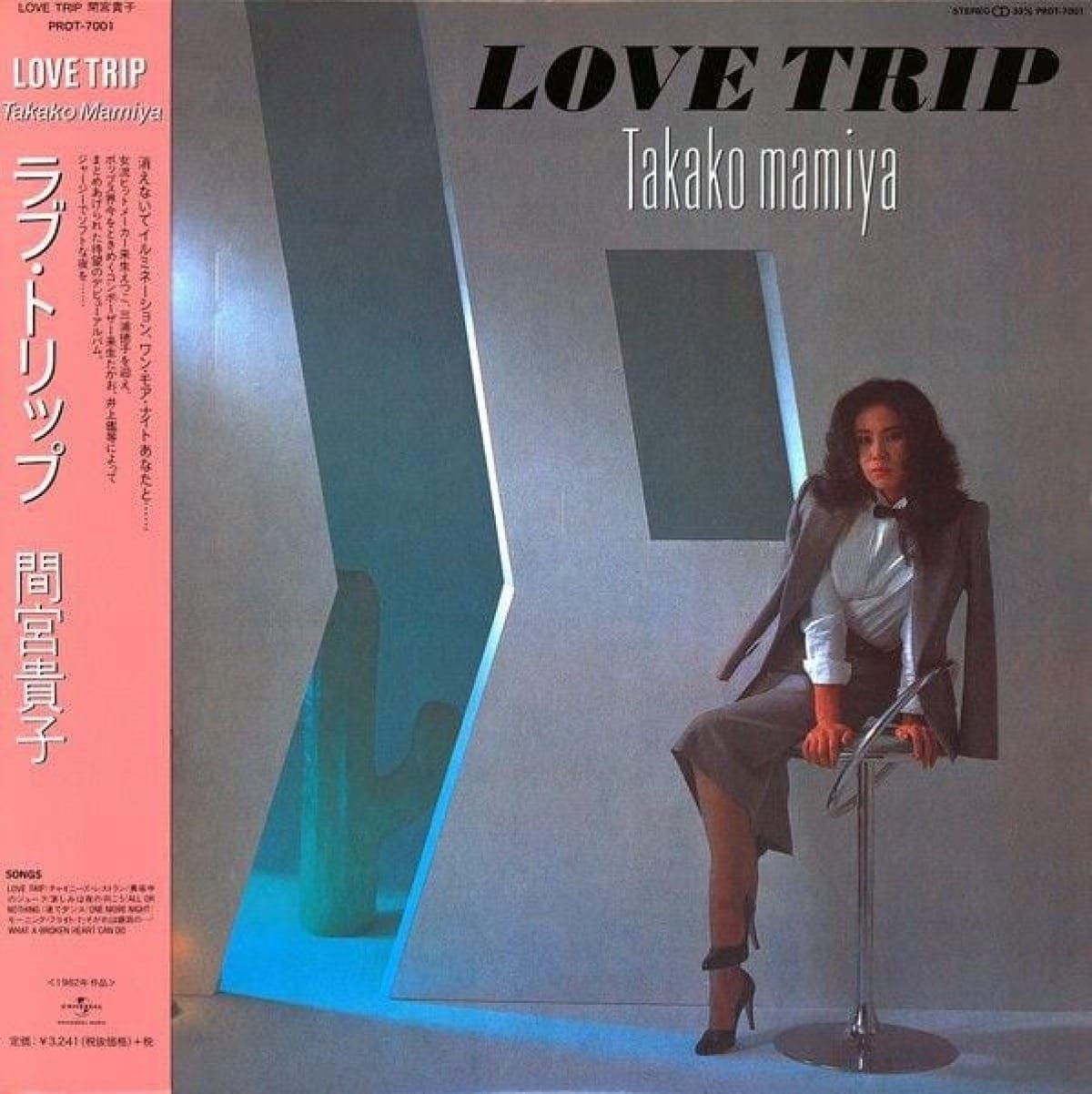
One cannot discuss vaporwave without associating it with the ancient city pop, a millennia-old planet that formed a long time ago, and which can be seen in the sky alongside its younger Phobos, future funk. Both lands, originating from the Empire of the Rising Sun, invite us to a more exotic, fresher, and, why not, happier world. One where we can think that tomorrow is better and that anything is possible. And if you don’t believe it, do yourself a favor and listen to “Stay With Me” by Miki Matsubara. Vaporwave took many of its elements both musically and visually, and this is where the boundaries between one genre and another begin to blur even more, often leading to city pop being labeled as vaporwave even when the piece in question is older than the origins of the movement itself.
Another movement worth mentioning that continues to enjoy considerable popularity today is lo-fi hiphop. Born shortly after the considered start of vaporwave and currently seen as a satellite drifting away from its main orbit, it is typically part of extensive playlists for relaxing before sleep, studying, or having in the background while doing household chores (who hasn’t stumbled upon the live video of the lo-fi girl?). As its name suggests, lo-fi hiphop includes all those pieces with a smooth hiphop sound, lacking much compositional depth, easily digestible, with a hint of low-quality sound, and strongly linked to chillout.
Have you ever walked into a shopping mall and heard soft music playing gently over the speakers? Have you ever been to one of those places with few people, and a strange feeling washed over you? That, in a nutshell, is the essence of mallsoft, which samples smooth jazz, bossa, and any other incidental music that might have played in such establishments decades ago, all filtered and processed through the lens of vaporwave, adorned with ambient sounds like footsteps and indistinct conversations. Unsurprisingly, many mallsoft album covers feature dreamy, vibrant shopping scenes, full of metallic colors and vivid palm trees, with Cat System Corp being one of its most significant references.
It's time to pause at the Neptune of this Solar System, where signalwave (also known as broken transmission) emerges, a genre primarily fueled by old television tapes, interspersed with typically soft beats or jingles and incidental music from those vintage recordings, as well as interference sounds reminiscent of classic glitch art. Among all the subgenres, this is perhaps the most prolific, with producers releasing several albums a week, drawing from an almost infinite source of material to nourish and further develop the genre.
Almost last but certainly not least, there are subgenres that, as mentioned, intertwine and share characteristics with other styles. Some have emerged in recent years, while others appeared almost simultaneously with vaporwave, each with varying degrees of acceptance and relevance. Below is a brief mention of a handful of them: barber beats (which have a cleaner sound compared to early vaporwave, with fewer reverb effects), vapornoise (a more "simple" version of vaporwave, often consisting of samples from advertisements with white noise effects and distortion), and utopian virtual (where the coordination of music and visuals is crucial, primarily recreating video games or "lost" corporate material).
Further out, more subgenres and concepts can be spotted that, for the average community member, are nothing more than sporadic experiments that never quite settled, heavy jokes, or dead memes. Here we could mention, among others, trumpwave (literally Donald Trump speeches mixed with funk, hip hop, or other dance formats), dariacore (something similar but featuring images from the Daria series, with a stronger presence of drum and bass), or simpsonwave (lo-fi hip hop and jazz samples with images and clips from The Simpsons).
Not everything that glitters is Spotify
The internet stopped being the mysterious space it once was in the early days of its massification. However, vaporwave, being a relatively “new” movement, continues to be a topic of debate in forums and on social networks that are a bit more niche than the popular ones like Reddit, where many of the artists involved discuss and debate the origins and boundaries of the genre with listeners and newcomers. A similar situation occurs with the dissemination of their music.
In the fierce battle between Spotify and YouTube, the latter seems to have a better rapport with vaporwave, having witnessed some of its earliest moments and being somewhat more permissive with the use of beats and samples from other major artists to create new sounds, a very common practice within the genre.
Nonetheless, there is another medium where artists feel comfortable sharing their music, and that is Bandcamp, which recently announced it would eliminate any content created with AI to prioritize 100% human-made art. It is widely accepted as the most artist-friendly store and platform for independent musicians and their listeners.
Unlike the major industry players, Bandcamp allows you to listen to the music of any artist without needing to purchase it and without annoying ads that disrupt your mood. As with everything in this new era, acquiring music from an artist you've just discovered comes with some benefits, the two most important being that the artist receives approximately 82% of what the user paid (increasing to 100% on Fridays) and that you can include the tracks in both your personal library and a playlist (listening for free does not allow this).
While emerging artists often set very friendly prices for their albums to gain exposure (and many even offer a “name your price” option, allowing you to get a full digital album for as little as a dollar), there is another method that producers use to make music more accessible to curious listeners: free Bandcamp codes.
When an emerging artist releases a new album or track, they have the option to give away a certain number of codes for people to redeem. And that's where the magic happens: albums that might otherwise be out of reach due to exchange rate limitations or simply because the artist is unknown now become a piece to discover, review, listen to, and re-listen to until you can't anymore. One of the most popular services is getmusic.fm, which has helped uncover projects that would otherwise have been forgotten.
Here are some recommendations and other projects that we could already call classics of the genre. It’s worth noting that, in several cases, limited physical copies of these works can be found to give even more support to their creators, who rarely meet the demands of major record labels.
Barbershop Simulator - slowerpace 音楽
Within the genre of “soundtrack for video games that never existed,” this work by slowerpace invites us to engage in a practice that has faded in this era of instant gratification: relaxing and listening to music while looking at the track names and cover art, which already gives us an idea of how this hypothetical game for the original PlayStation might look.
On the cover's header, it reads:
You run a barbershop catering to the most dangerous criminals in the city. Every haircut is not just a matter of style, but of survival. Gangsters confide their secrets to you, and a single misstep could turn a simple haircut into a fatal mistake. [...] Will you become the best barber in the underworld or get caught in the crossfire?
I stumbled upon this album while browsing the “vaporwave” tag on Bandcamp, and for a moment, I thought it was some pre-alpha version of a real PlayStation title. After finishing it, I was even more pleasantly surprised to discover several other equally impactful and visually well-crafted projects by slowerpace, which are often essential for fully enjoying a vaporwave album from start to finish. To mention just two in the same vein, the sequel to this “game,” Barbershop Simulator II, and Pyromaniacs.
NeoGeo FM - Zai Kowen
From Santiago del Estero (Argentina) comes this 2022 initiative that could easily have served as the soundtrack for Outrun from 1986, featuring danceable and fresh sounds, perfect for a sunny day at the beach in a convertible. Across 11 tracks, Manuel Heredia (his real name) pays small tributes to some of his favorite cultural influences (Initial D, Wangan Midnight) in his future funk phase, where he also nods to The Weeknd's fifth studio album (more specifically, Dawn FM, which featured Daniel Lopatin) with collaborations from other artists in the genre like Tenn, TV-FM, Kyoto, and davnnk, to name a few.
In a chat with Manuel, he shared that he began his journey in vaporwave around 2017, influenced by big names like Saint Pepsi (for whom he did some remixes) and Luxury Elite, and he hasn't stopped since. His Bandcamp account showcases his evolution, from classic vaporwave to what could be considered his disco phase. He hinted that his new project Shibuya (with the album title yet to be revealed) will be released in 2026.
Hurricane Watch - Florida Rains
Published in November 2024, Jake Hunter (the man behind Florida Rains) began his journey in signalwave influenced by his childhood experiences, when having The Weather Channel playing in the background at home brought him comfort, and he decided to share that feeling of refuge with the world as a tribute to his birthplace. Much of his early work is intertwined with weather reports mixed with advertisements from that era and incidental music typical of these channels, which also have their own label (climatewave).
Some of these albums gather material from real meteorological disasters in the region. Hurricane Watch, his debut work, is presented as follows:
It’s 1992 and you’re at home. The weather is calm, but an imminent storm is approaching. You turn on The Weather Channel and discover a tropical wave coming off the coast of West Africa. Eventually, that wave turns into a tropical storm. Then, into Hurricane Andrew. [...] You are about to experience the largest storm to ever make landfall in Florida. Hurricane Andrew claimed 65 lives and caused $27 billion in damages. This album is dedicated to the lives lost in this devastating natural disaster.
Some of his more recent projects fall into what some circles are starting to call corporatewave, which Jake himself considers one of the subgenres that are beginning to trend in the scene, where the predominant aesthetic shifts from Hellenic sculptures, palm trees, and pink hues to offices in towering skyscrapers equipped with dozens of computers from the '80s and '90s. Jake also asserts that "it’s up to the artists to keep trying to contribute something new that allows vaporwave to evolve and move forward." Notable works from this phase include Office Spacewave and Callcenter, in collaboration with Kratzwerk (not to be confused with the German group founded in the '70s).
…░t░h░e░ ░b░e░s░t░ ░o░p░t░i░o░n░ - LAPA
The name achieved its goal of making an impact, especially for those of us who remember the most significant air tragedy in Argentina. LAPA is the name of a project by an artist from San Juan, Argentina (who chose not to reveal his real name), who has traversed the entire spectrum of vaporwave listening: he first approached it as a joke, until he found a point of interest in Saint Pepsi that only intensified with the future funk of Macross 82-99, then with mallsoft, and finally with signalwave, which he adopted (over a year ago) as his home, and whose first work is featured in this article.
Just 5 audio pieces are enough to place the listener in a retro advertising block, with ads from the sadly infamous company that ceased operations in 2003, mixed with snippets of funky music, and, of course, frying sounds and glitches that time bestows. But it’s at the end of the fourth track that another element breaks the harmony established in the earlier tracks. Trying not to spoil too much to encourage listening to the EP, one concept will be mentioned: social critique. Something that will be present in all of LAPA's projects.
In a conversation with him, he shares that the name LAPA came as a suggestion from a colleague in response to the desire to mix "the core concept of mallsoft regarding its critique of consumerism with something that was Argentine." Upon reviewing his discography, there’s a clear drive to leave a blue and white mark in a community flooded with Eastern content, with titles like A Toda Hora, En Todo El País, which pays homage to public media and its importance in society (with a cover from ATC included) and LU4ZS Marambio, which pays tribute to the amateur radio of the Argentine base in Antarctica, demonstrating and encouraging producers from all latitudes to “show their stuff.”
Floral Shopee - Macintosh Plus
For many, this is where it all began. The quintessential synonym for vaporwave. The inspiration for tens of thousands of internet users who, captivated by Floral Shopee, wanted to feel that same chill they experienced the first time they hit play and created their own sounds.
Macintosh Plus is the name of one of the many projects by Vektroid, the mastermind behind this album dating back to 2011, and both the cover art and its music remain a rite of passage for those arriving at the vaporwave dock, and a subject of study in any discussion forum on the topic available on the internet. The statue of Helios, the Fuji advertisement, the intense pink background, the checkered floor like a chessboard, the kanji—its entire iconography has become part of the essence of the genre, and its early vinyls are highly sought after on online sales sites.
Among the samples used, modified, and shaped for this album are Fleetwood Mac and Toto, but the most significant is undoubtedly “It’s Your Move” by Diana Ross, another unwitting mother of vaporwave, for the track リサフランク420 / 現代のコンピュー (or, more simply, Lisa Frank 420/Modern Computing), the second track on the album, which has become a cult song and a symbol of post-2010 internet culture. After being remixed and used as a meme across the globe, it led to Vektroid's frustration and the complete removal of the album from streaming services for a time before it returned to its place.
Because vapor is stronger
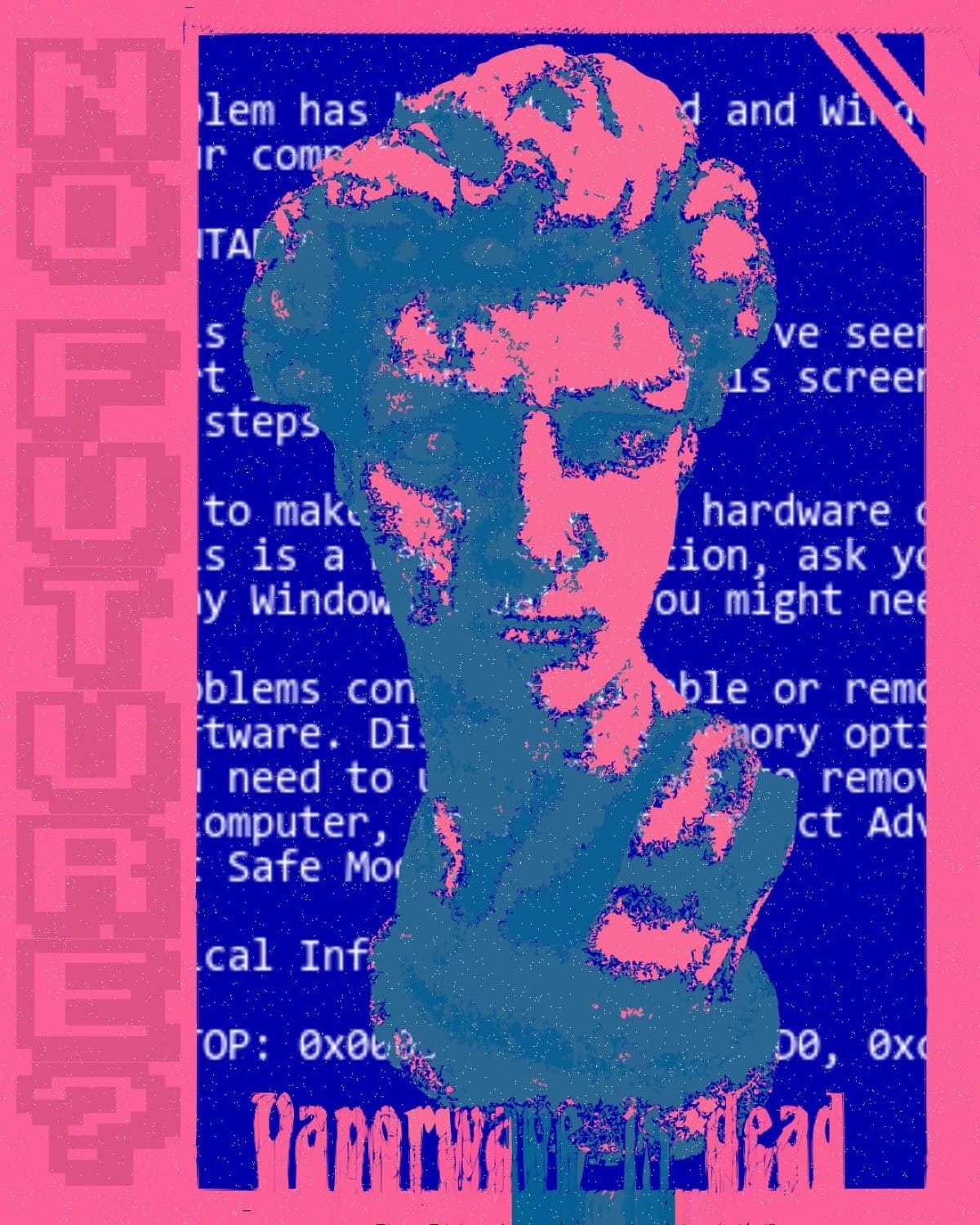
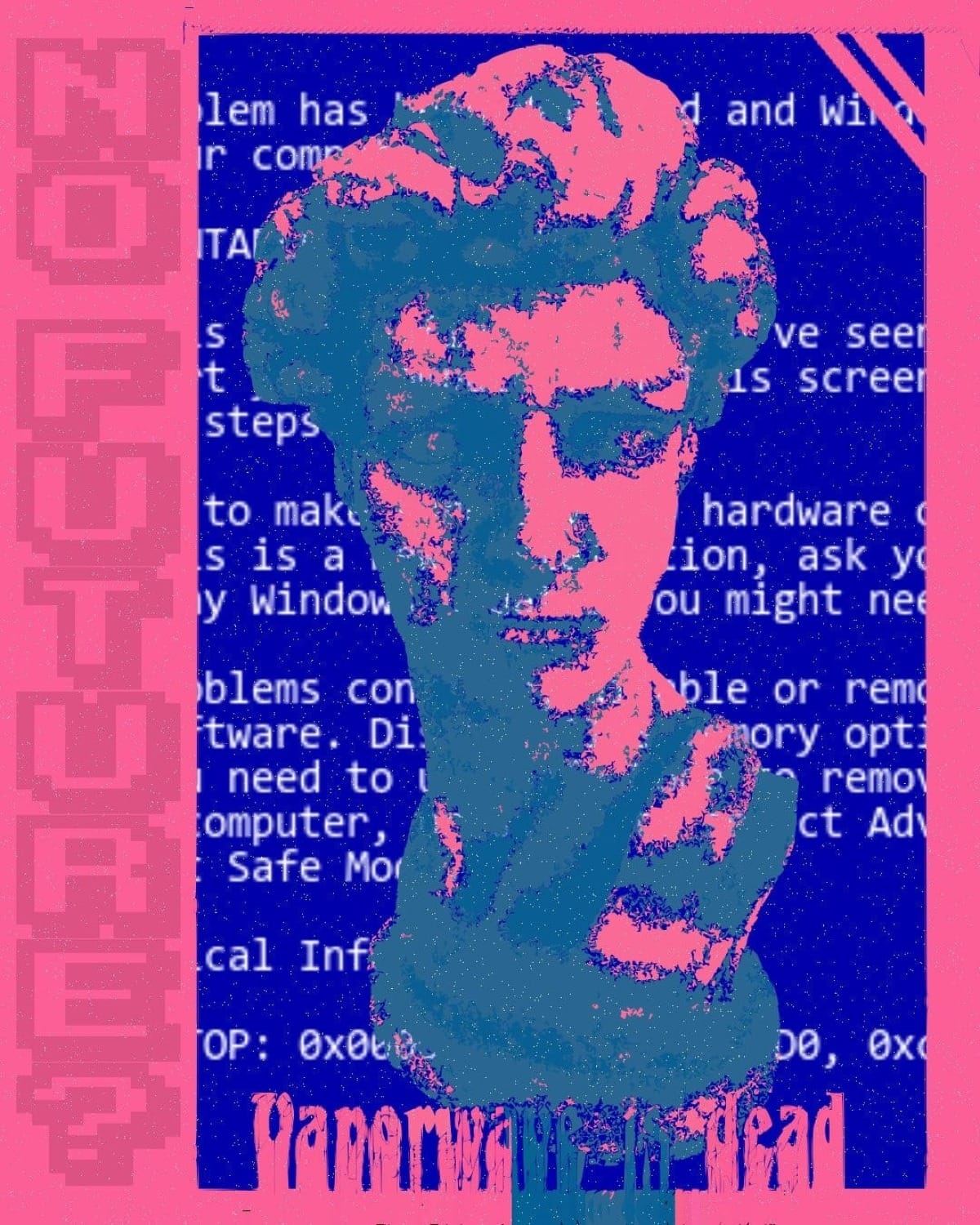
The phrase “vaporwave is dead” has appeared in the scene practically since the genre was born. Sebastián Da Vinn (DJ, producer, and a key figure in the field in Argentina, and one of the people behind Buenos Aires Outrun, the most important vaporwave party in our country) believes that the very ambiguity of the movement since its inception has led to claims that the genre was never alive, and that it often becomes a joke to say “vaporwave is dead, long live vaporwave.” At the same time, he argues that, rather than being dead, vaporwave has transformed and branched out into hundreds of different forms (not forgetting that death is, to some extent, a transformation).
It is also suggested that the genre has died because it no longer enjoys the popularity it once had in previous years. In response, both Sebastián and other key players in the movement emphasize that, in practical terms, the style is in very good health despite no longer being in the mainstream, and that it’s up to the artists to keep innovating and not rest on their laurels. Proof of this is the enormous number of record projects and physical albums that continue to sell daily, primarily on Bandcamp.
Surely, in such a dystopian era as the one we are living in, with a world increasingly under surveillance, with less privacy, a greater presence of automated systems, and even more frustrated societies, these visual and sonic refuges will remain for a good while to continue in community, close our eyes, slow down, and imagine a future that could have been but isn’t, yet with the faint hope that it might one day come to be, recreating a past that perhaps wasn’t seen as such but looks truly beautiful from the screen of a smartphone or a PC monitor.