Eleven years of e-ink: my experience using Kindle

15 de oct. de 2024 — Juan Ruocco 🧙♂️
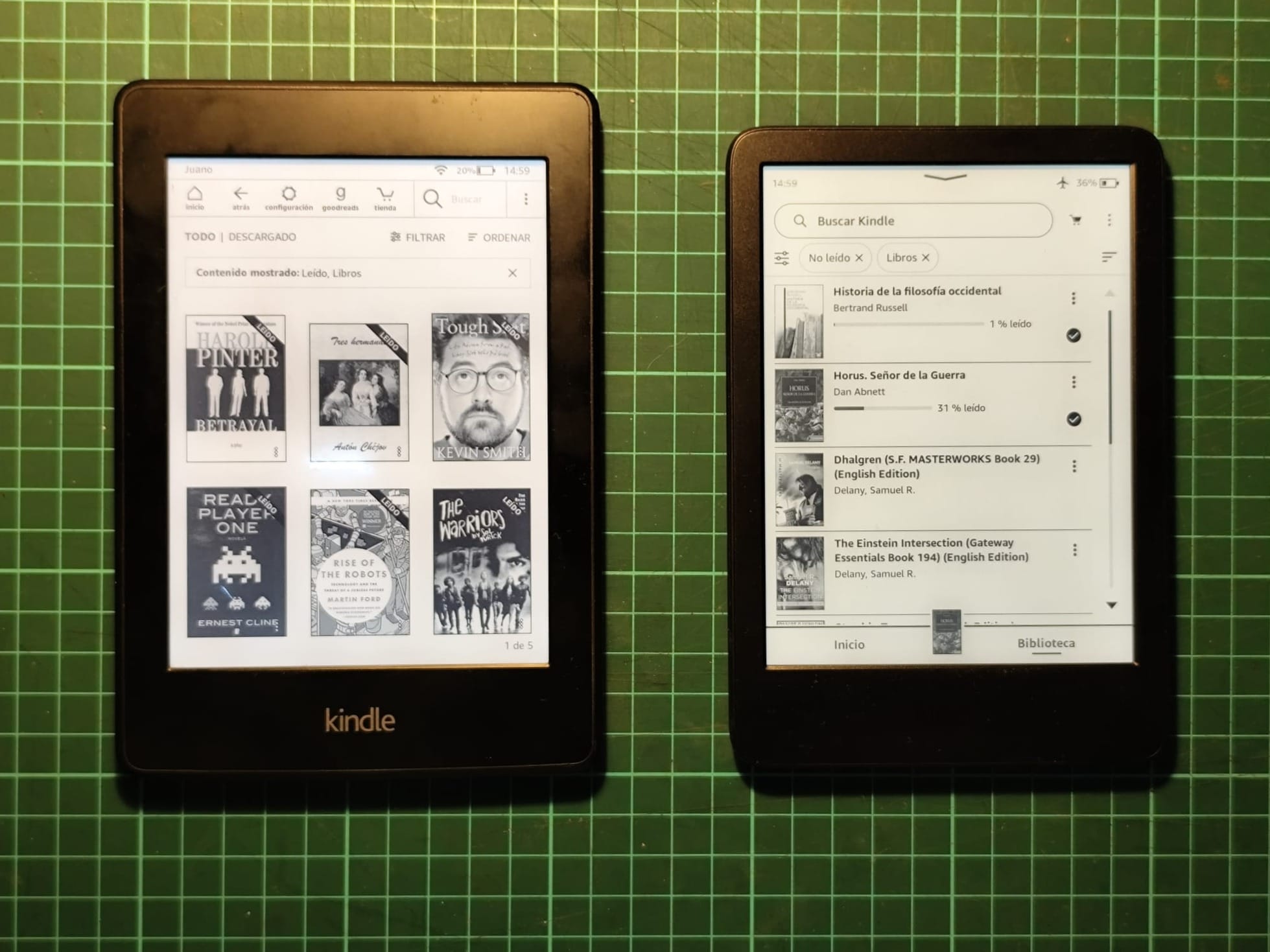
A few months ago, the screen on my Kindle 2013 model (6th generation) broke. Based on the type of crack, which looks like a scratch, I suspect the cats. But it may have bumped into some blunt object during a trip, or it may simply be the result of wear and tear. Either way, I looked into replacing the screen since the rest of the device was working perfectly, but in the meantime a trip to Chile came up (to visit a friend) and it ended up being easier to just buy a new one. That's how I retired from daily use a device that served me for eleven years without a single problem.
With the new Kindle in hand, I noticed several differences from the previous one, mostly in weight, port type, and size. But they were all improvements. The device is practically the same, just lighter, smaller, and with a USB-C port. All for the same price and without sacrificing a single millimeter of reading screen. With both in hand, I had no choice but to do a comparison and, in the process, analyze the phenomenon of e-ink readers.
E-ink or paper
When e-ink devices came out (with the Kindle being the equivalent of the iPhone), a debate opened up about whether books were going to continue to exist. You may be too young, or perhaps you forgot about the existence of that debate, or maybe you deliberately erased that information from your brain so you wouldn't have to store pointless arguments in your always-limited memory.
But, to nobody's surprise, the book as a format and/or technology, we could say as an artifact, didn't die. Although digital books continue to advance steadily. According to a report from the Argentine Book Chamber, of all books published for the first time in Argentina, 58% are in print and 32% in electronic formats. Back in 2016, that ratio was 83%-17%. It's true that the numbers themselves don't say much, but they serve to give a sense of how things are going.
Moreover, within that percentage of digital books, nearly half is explained by titles that coexist with the print format, and the other half by books that were only published digitally. That data point is more than curious: today there is a 19% of books that are exclusively for reading on screens. One out of every five published.
This boom or increase in digital books is not only attributable to devices like the Kindle but is framed within the constant increase in human exposure to screens and the ease of access to files like PDFs or ePubs to obtain information that otherwise wouldn't be available. But this goes beyond the scope of this article. Perhaps it's material for another one. The key point is how, in this context, a digital reader becomes a more than interesting tool.
Kindle 6th Generation
In my personal experience, the Kindle didn't replace books. In fact, I can't stop accumulating them. So much so that I recently had to buy a new bookshelf to fit them. I'm not complaining. But it's true that the device in question has a series of advantages.
First, there's the illusion of pirating absolutely everything. It's true that as soon as you get one of these devices you think: "I'm never buying a single damn book again." But as time passes and you understand how the device works and get used to it, that thought fades away.
The experience of reading on such a device is good, it's quite similar to a book, but it's not a book. There's something about flipping through pages at full speed that is irreplaceable; the simplicity of paper, being able to jot things down; not needing to have battery, and a very long list of items. The book as a format is irreplaceable, but the e-reader gives us a window to an infinite range of options without having to spend more money than the initial investment.
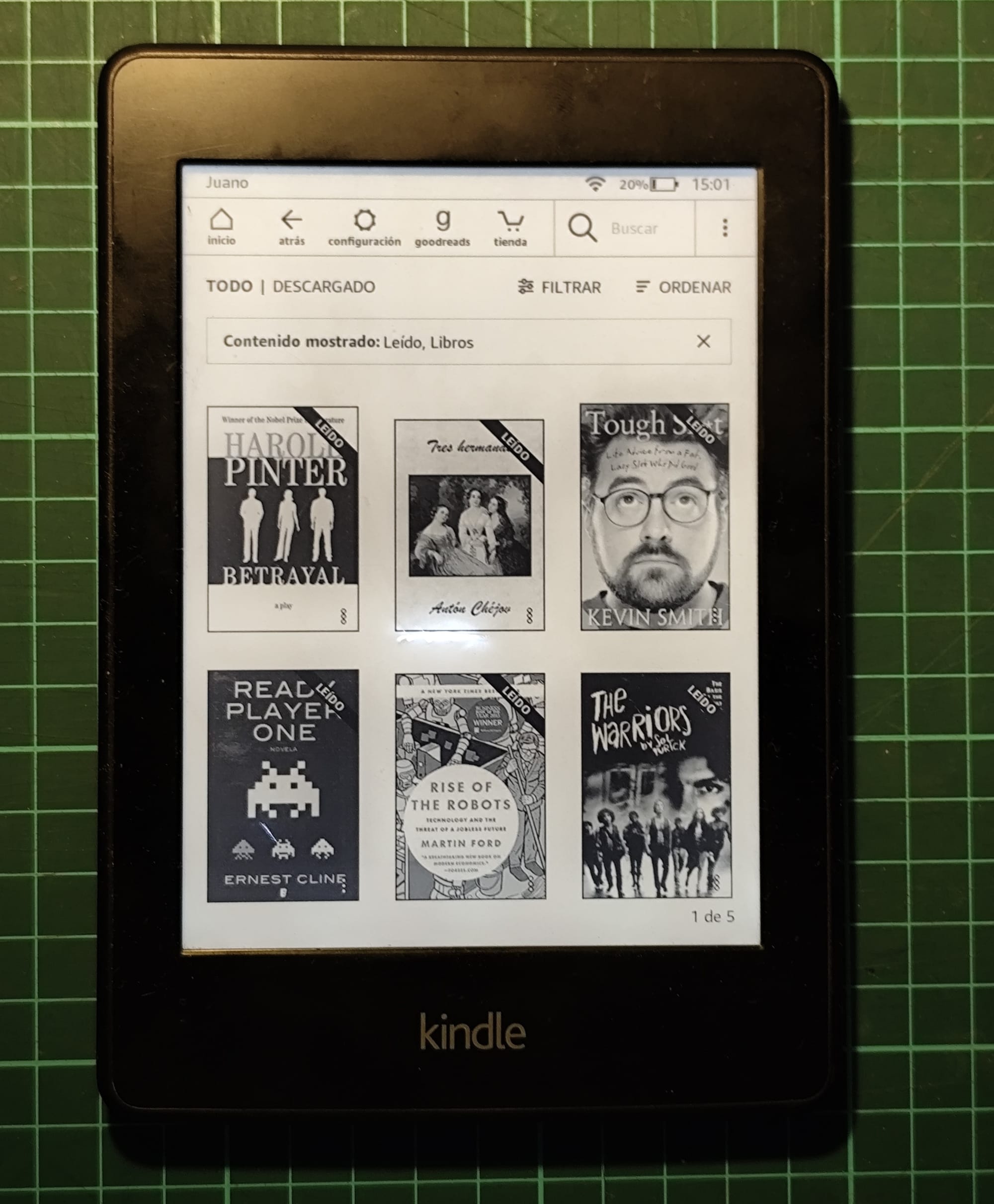
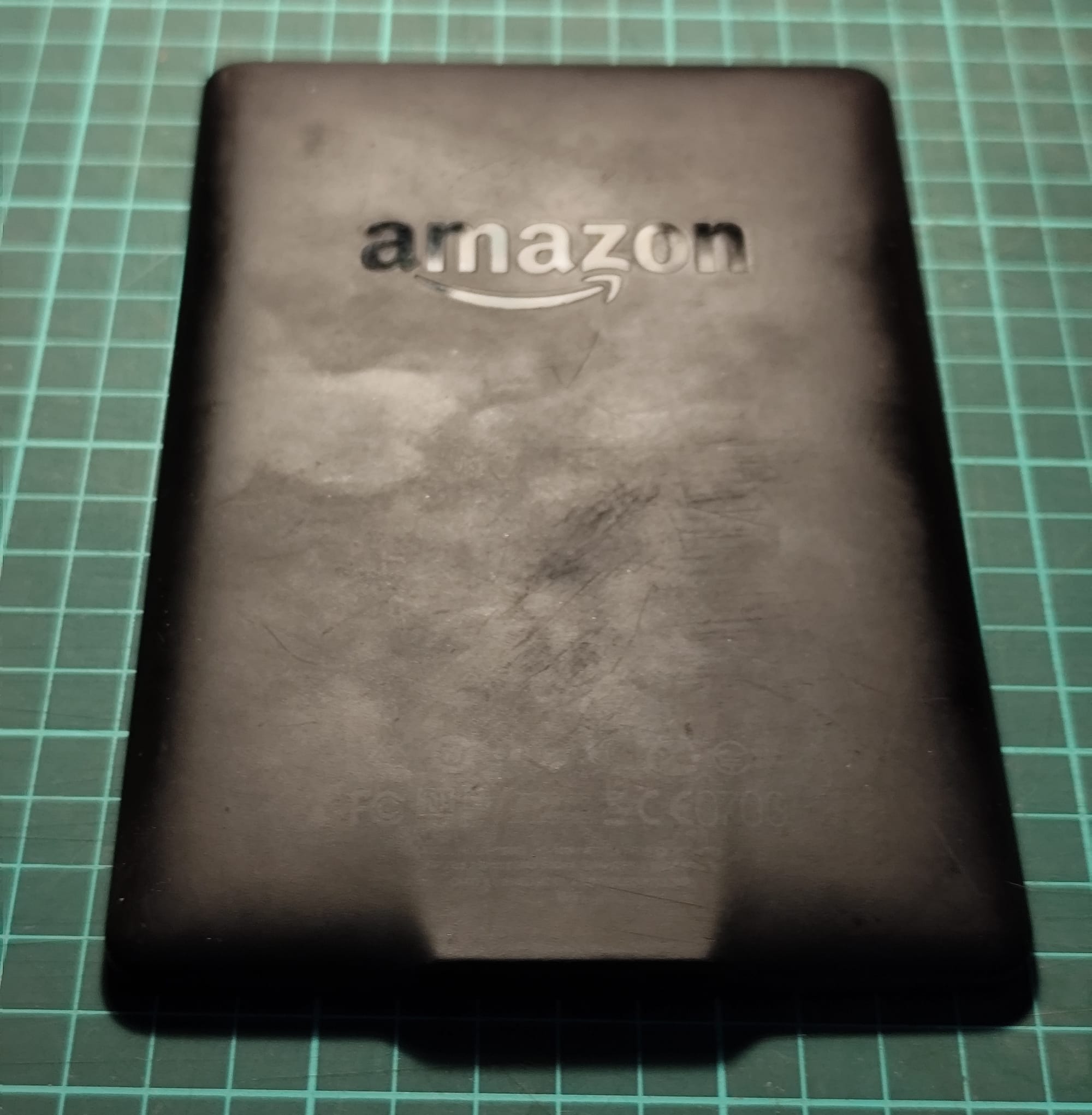
For books that can only be found in their original language, that are out of print, that are expensive, or that we simply don't want to buy, the device is excellent. On the other hand, for any reader who has neither the money to pay what a book costs nor the space to build their library, they are the ultimate solution. Access to an infinite catalog in just a couple of clicks in your hand.
In my experience, I feel that, in any case, I gave it fairly light use. Going through the library, I found that I read something like 42 books and about 57 articles -- including some PDFs or books that are counted as such, but it doesn't matter -- in these eleven years of use. Although it took me almost a year or a little more to replace it since the screen incident, we can average something like 4.2 books and 5.7 articles per year.
That's quite low, but it's clear that at the cost I paid for it (around 130 USD) it paid for itself. It's worth dividing that by the number I read to see that I effectively paid about 3 USD per book. Considering that right now a book in Argentina costs about seven to ten times that amount, the savings are significant.
That number changes a lot depending on whether you pay the price in Argentina or get it abroad, where it maintains a cost similar to what it was ten years ago. Still, if you're a reader like me, with light use, and you pay the highest price in Argentina, each book would come out to about 6 USD per copy. It's still a bargain. For someone who gives it moderate or intensive use, the Kindle literally pays for itself.
While it's clear by all accounts that I'm not an intensive user of the device, if there's a time of year where I use it the most and it truly shines -- it always does -- it's vacation time. The 6th generation Kindle is a relatively light object (no more than 200 g), small (17 cm x 12 cm), and it's a window to an infinite library. All of this in the middle of January on some beach in Santa Teresita (or anywhere along the Atlantic Coast, or the mountains, or the south, or sipping a caipirinha in Brazil) makes it completely justify the investment. Carrying a library without moving a single book is a huge advantage.
As a bonus, it's more comfortable to read on a Kindle at the beach than with a book, because beyond the size, the screen material doesn't produce uncomfortable glare, while a white page of paper is like having a lamp turned on hitting your face the entire time.
Kindle 11th Generation
Comparing the two devices side by side, I only see improvements in the new version. It weighs 158 g, making it lighter than my phone, which adds a tremendous improvement to the experience. It measures 15 cm x 10 cm, a size so absurd that it fits in a jeans or shirt pocket. The reduction in bezels is significant. The screen is still perfect and the same 6.8" size, and the inclusion of a USB-C port makes it compatible with all the chargers I have at home, in addition to reducing the part that added the most weight to the device in the previous version. Thanks to all of this, I predict at least a decade by my side.
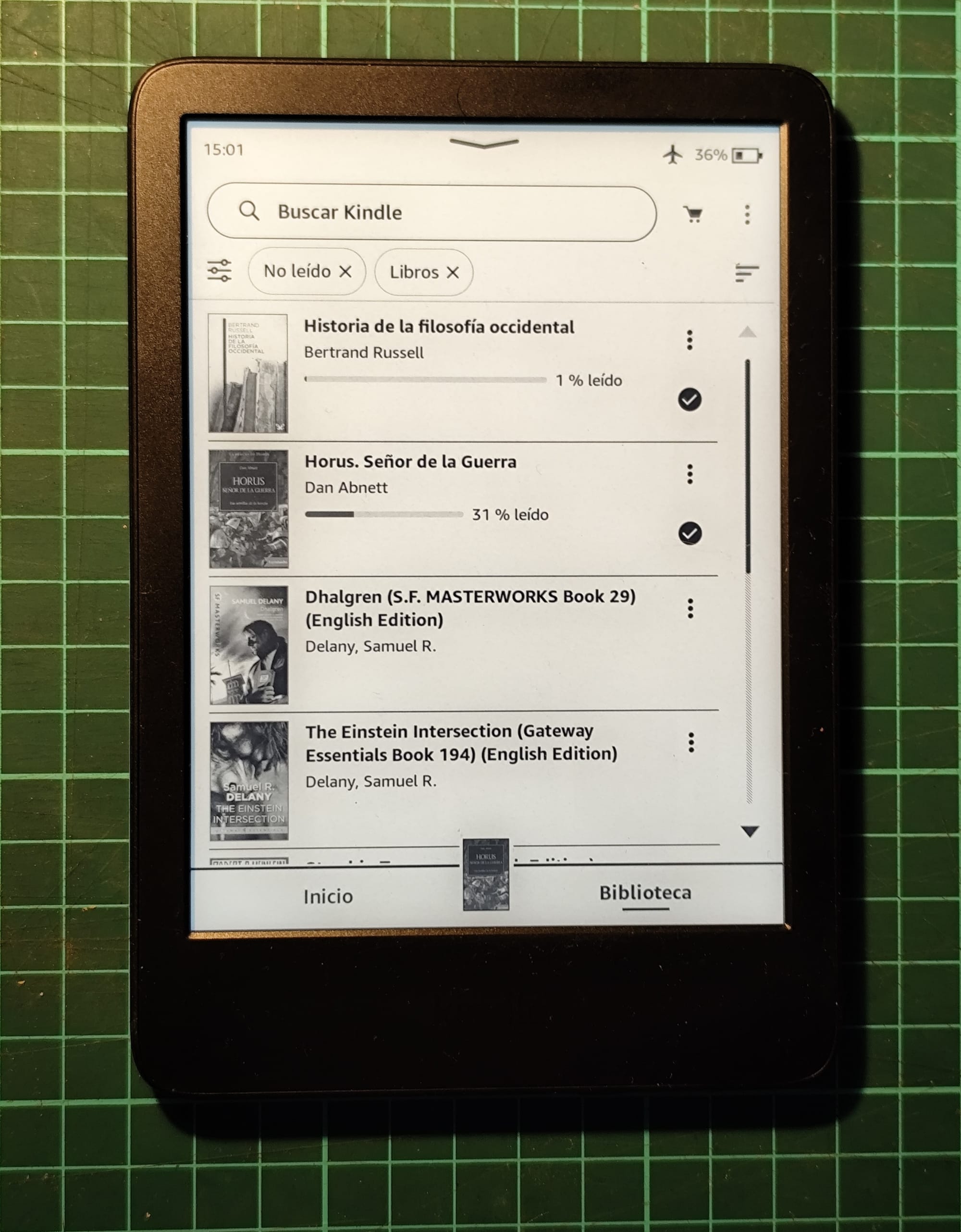
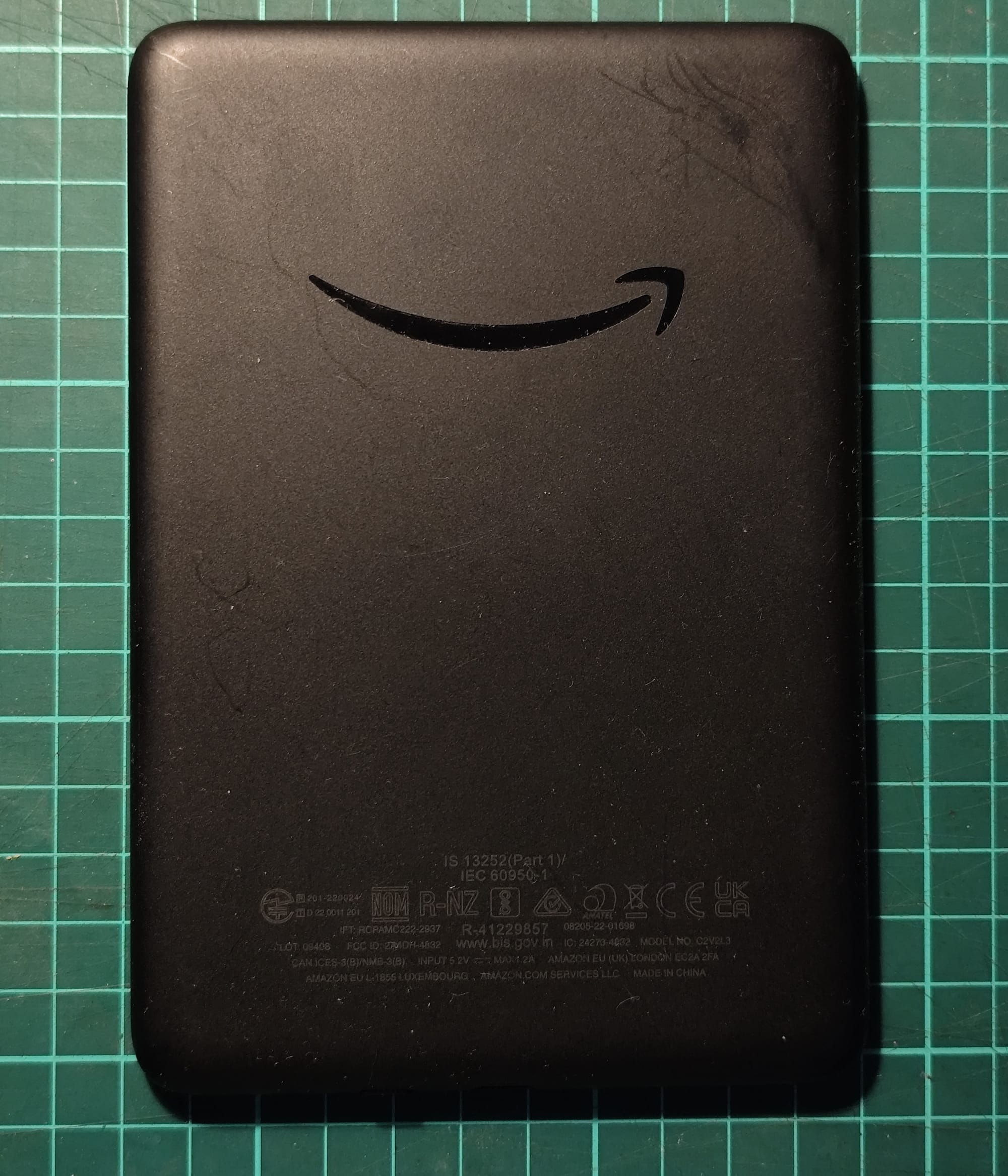
Overall, everything improved, everything was optimized, and the price stayed the same (130 USD), which actually makes it even cheaper than in 2013, given that this decade saw strong dollar inflation.
On the other hand, given the improved weight and size characteristics, it's no longer just an ideal vacation companion but, without any protection or anything, it can become a perfect device for intermediate distances, like bus, subway, or train. It already was before, but now it's pocket-portable, which makes it even better.
Additionally, the fact that the battery is virtually eternal makes it an excellent device. If you can get it at a good price, it's ideal for upgrading to this new generation. I use it and recommend it. Ultimately, it's everything I expect from an update to my devices: better, lighter, better connected, more optimal, and respecting the price.
While in ten years the changes aren't that significant at the technology level, the iteration of a product until it's this well polished is something completely satisfying. In parallel, Amazon expanded its e-ink line to other devices that even allow note-taking, but that's not the subject of this article.
On top of that, in this short time of use I was already able to read La misa del diablo by Miguel Prenz, which I highly recommend. And now I'm reading Horus Rising, the first Warhammer 40,000 novel about the Horus Heresy. And thinking that this can only get better.