A Batman Comics Reading Guide for Beginners

11 de feb. de 2025 — Juanma La Volpe
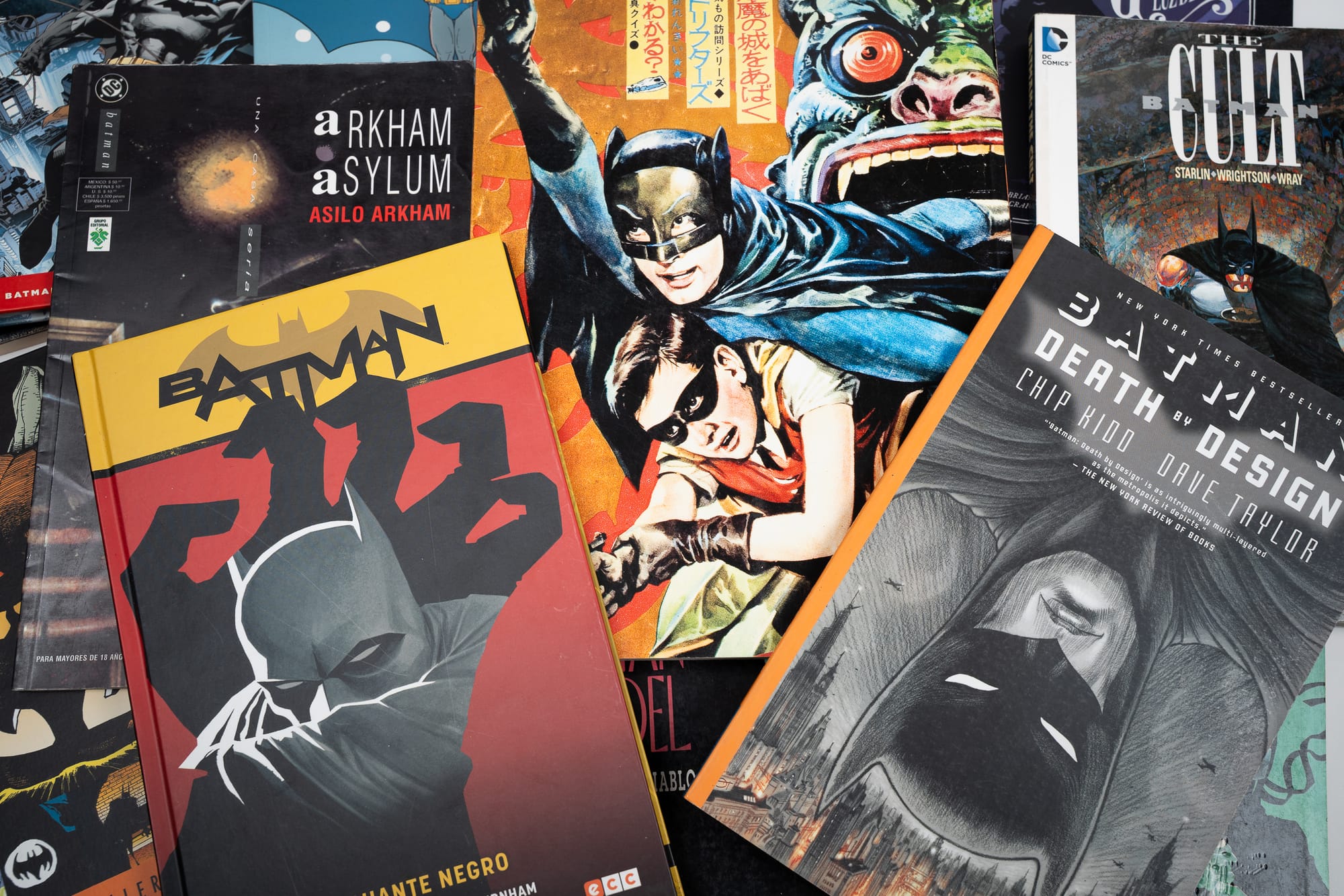
Reading comics is beautiful but it can also be overwhelming, due to the sheer number of titles and creators. In fact, with a few exceptions, getting into the world of comics is much more complex than getting into any manga. Dragon Ball starts with Dragon Ball #1, but if I want to read Batman... do I have to read everything from 1939?
This guide was born in my head in December 2024, when I decided to give my mother — who grew up with Adam West and never missed a single movie about the Caped Crusader — Batman: Year One for Christmas. The one I believe is the best starting point for an adult reader who has never read comics.
Who is Batman?
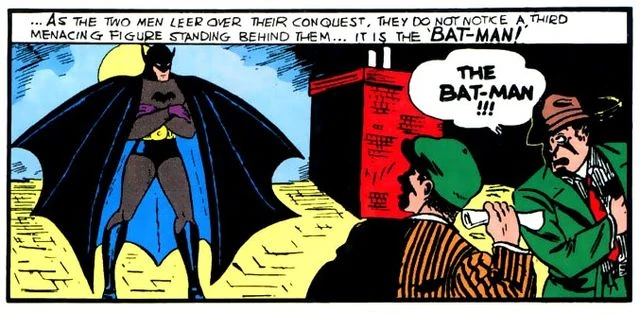
In 1939, specifically in Detective Comics 27, the character of Bruce Wayne/Batman was born. Created by Bill Finger (writer, who is always listed second because for a long time he wasn't credited as co-creator, even though he should have been listed first) and a controversial figure in comics, Bob Kane (artist, playboy, and fraud). A character with pulp undertones that broke the mold of the hero as known up to that point: he has no powers, he's driven by tragedy, and he uses fear against his enemies.
The parallels with Zorro are enormous — so much so that it ended up becoming part of the character's lore, as it's the movie Bruce watches with his parents before the most important murder in comic book history. In his first appearance, Batman takes on Gotham's organized crime, a fight that would recur throughout his entire history.
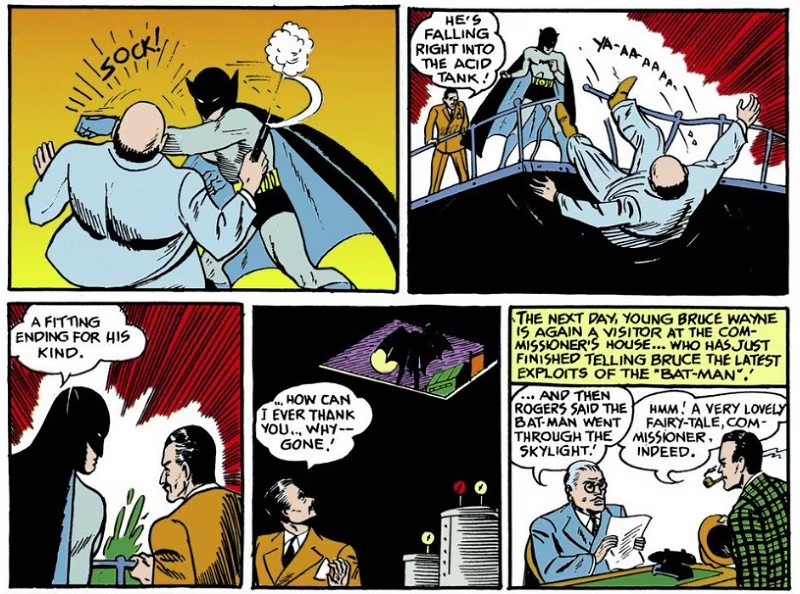
Over more than 85 years, with dozens of writers and artists along the way, the Bat has had countless portrayals, ranging from the most absurd and cartoonish to the darkest and most violent. This is where the need for a reading guide comes in. In this case, my selection is mainly aimed at those who have never read a Batman comic, and it seeks the most mature take on the character, covering the moments I consider essential in shaping his personality.
Batman: Year One (1987)
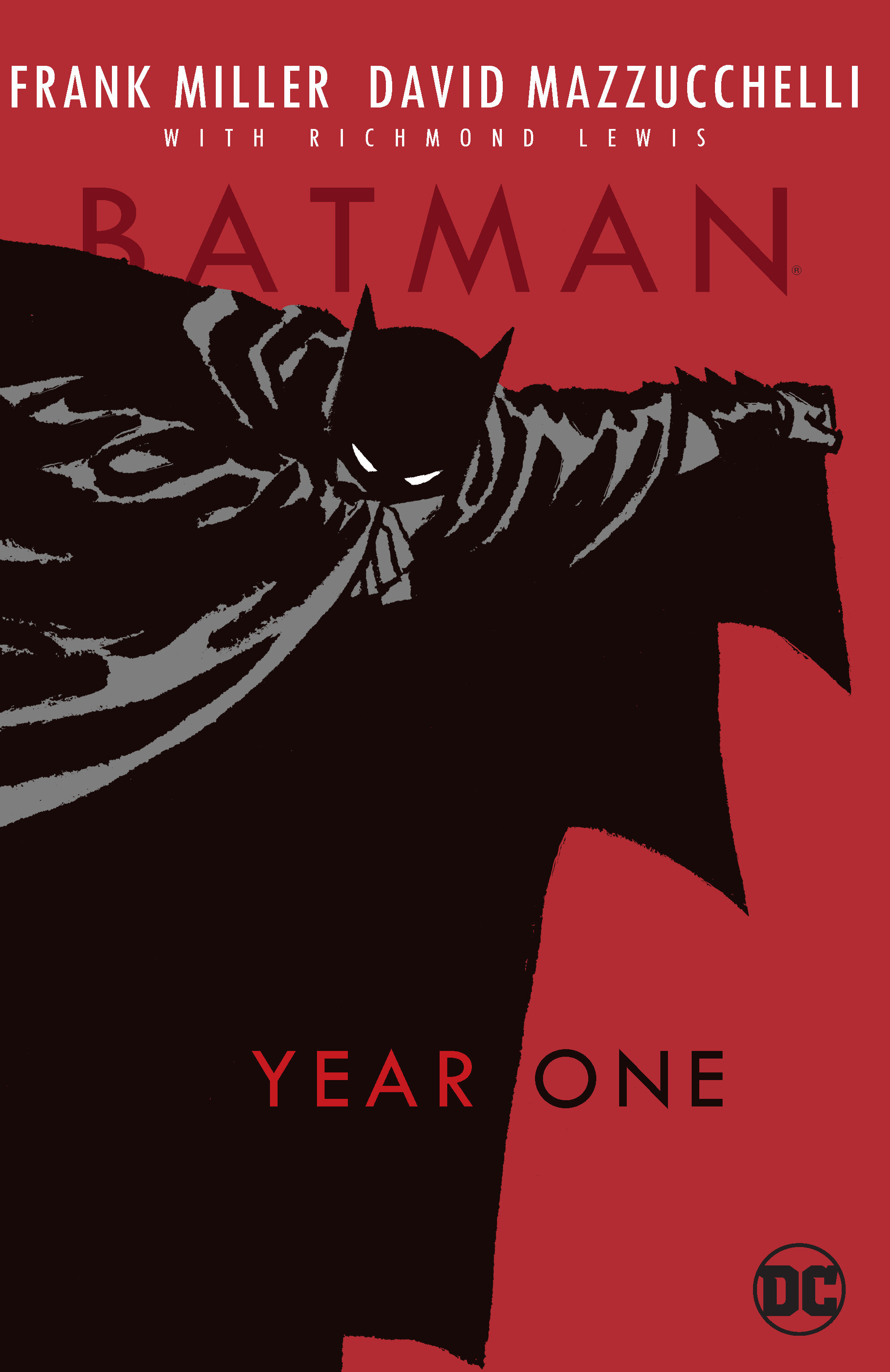
Frank Miller, a remarkable comic book creator who scored several home runs in his career, wrote the script for this "new" origin of Batman. We were already coming from a somewhat more adult version of the character than in the '60s, thanks to the work of Neal Adams (the artist who ultimately defined the character visually) and Dennis O'Neil (writer), who introduced a lot of important lore for the character. In Year One, Miller and artist David Mazzucchelli managed to take the path traveled in the '70s and '80s and rebuild the character using elements from the gritty and noir cinema of those years.
The story is about Bruce Wayne returning to Gotham after an exhaustive training journey around the world. This young Bruce finds a city plagued by crime (with the Falcone family at the top) and decides to set his plan of vengeance against everything wrong with Gotham into motion, becoming the city's protector and vigilante. In parallel, we meet Lieutenant Gordon, a fundamental character in the comics, who has to deal with internal police corruption and finds in Batman an ally to bring order to the city.
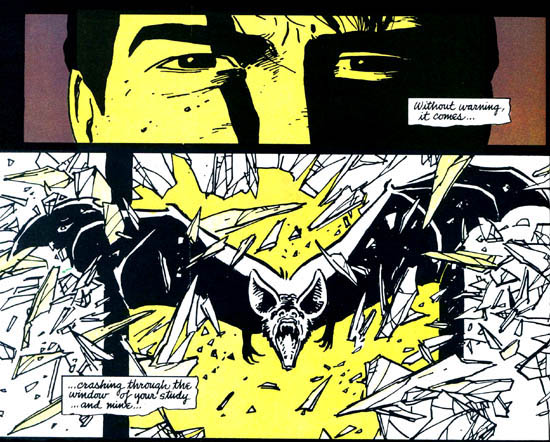
We're also introduced to characters in a very early stage who will later become part of the important gallery of villains and allies, like Selina Kyle (Catwoman) or Harvey Dent (Two-Face). Someone called The Joker is also mentioned, though he doesn't appear in the comic.
The art by Mazzuchelli is on an incredible level; the action and atmosphere he creates is essential for the script to do its thing and take us through a story closer to a noir crime thriller than a superhero tale.
Batman: The Killing Joke (1988)
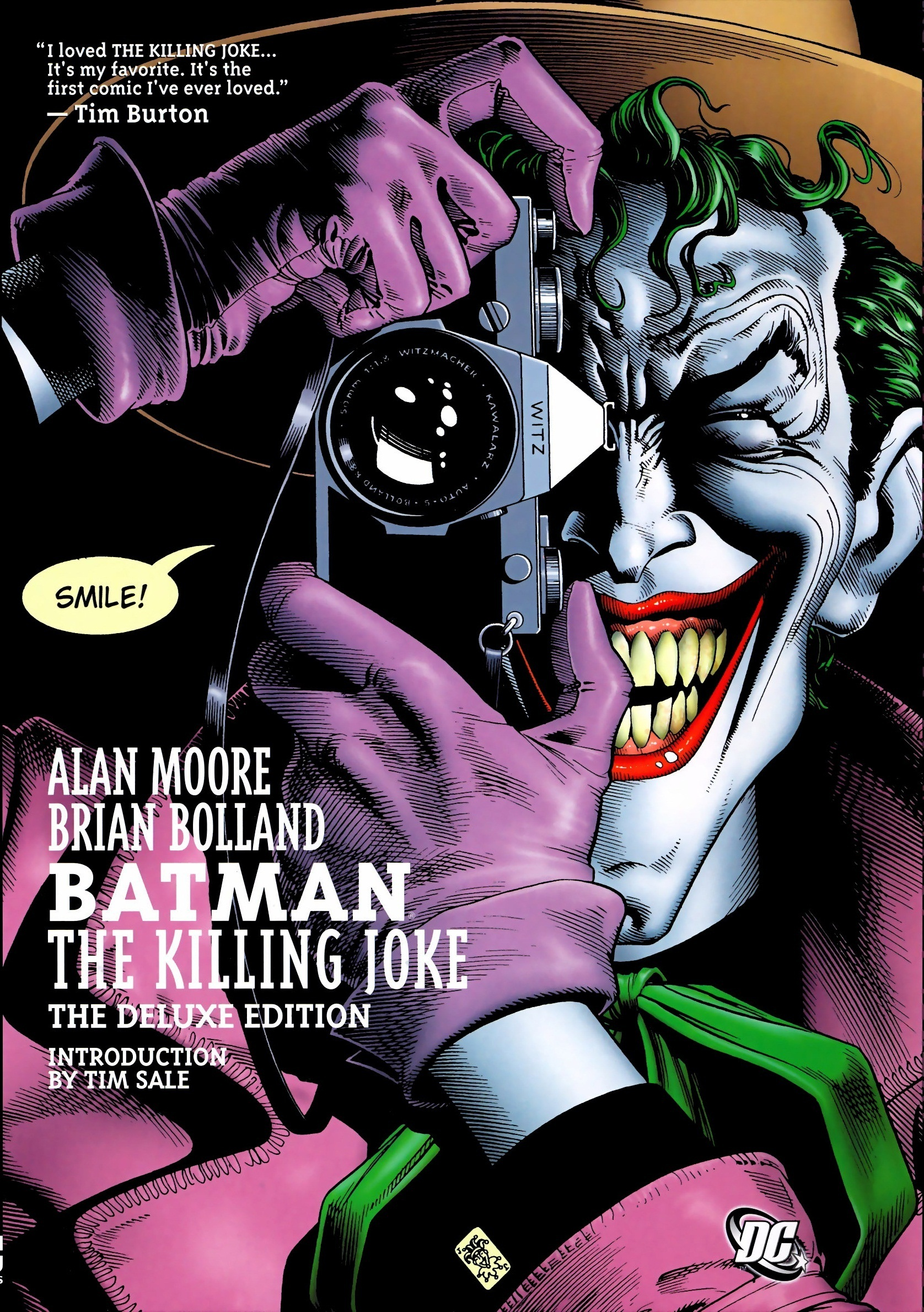
Whew... where to even begin. A beautiful and brutally harsh story of the Bat, written by one of the greatest pens in comics, the one and only Alan Moore, and illustrated by Brian Bolland. With a Batman who carries forward the traits from Miller's and O'Neil's versions, and a remarkable focus on the second most important character in this bat-universe's history, The Joker.
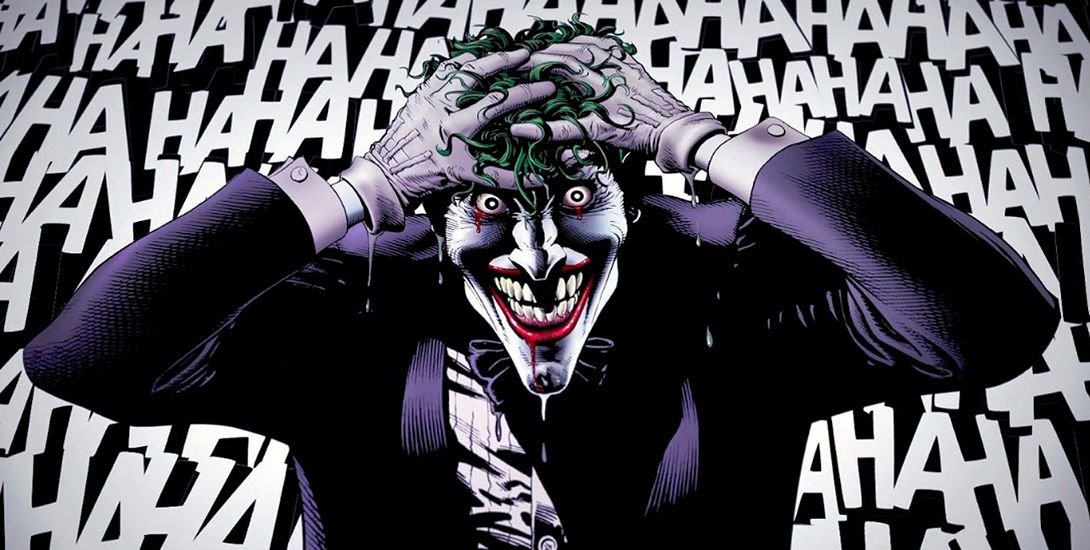
Our beloved Harlequin Prince of Crime, after several encounters with Batman and with his obsession growing, puts together a plan to prove that the difference between what he became and a normal person is just "one bad day." To do this, he captures, humiliates, and hurts the Gordon family, also seeking to break Batman and prove his point to him.
And what this story leaves us with is that "one bad day" was the trigger not only in the Joker's origin, but also in Bruce's life. It's one of the rawest stories about the Caped Crusader. Essential reading.
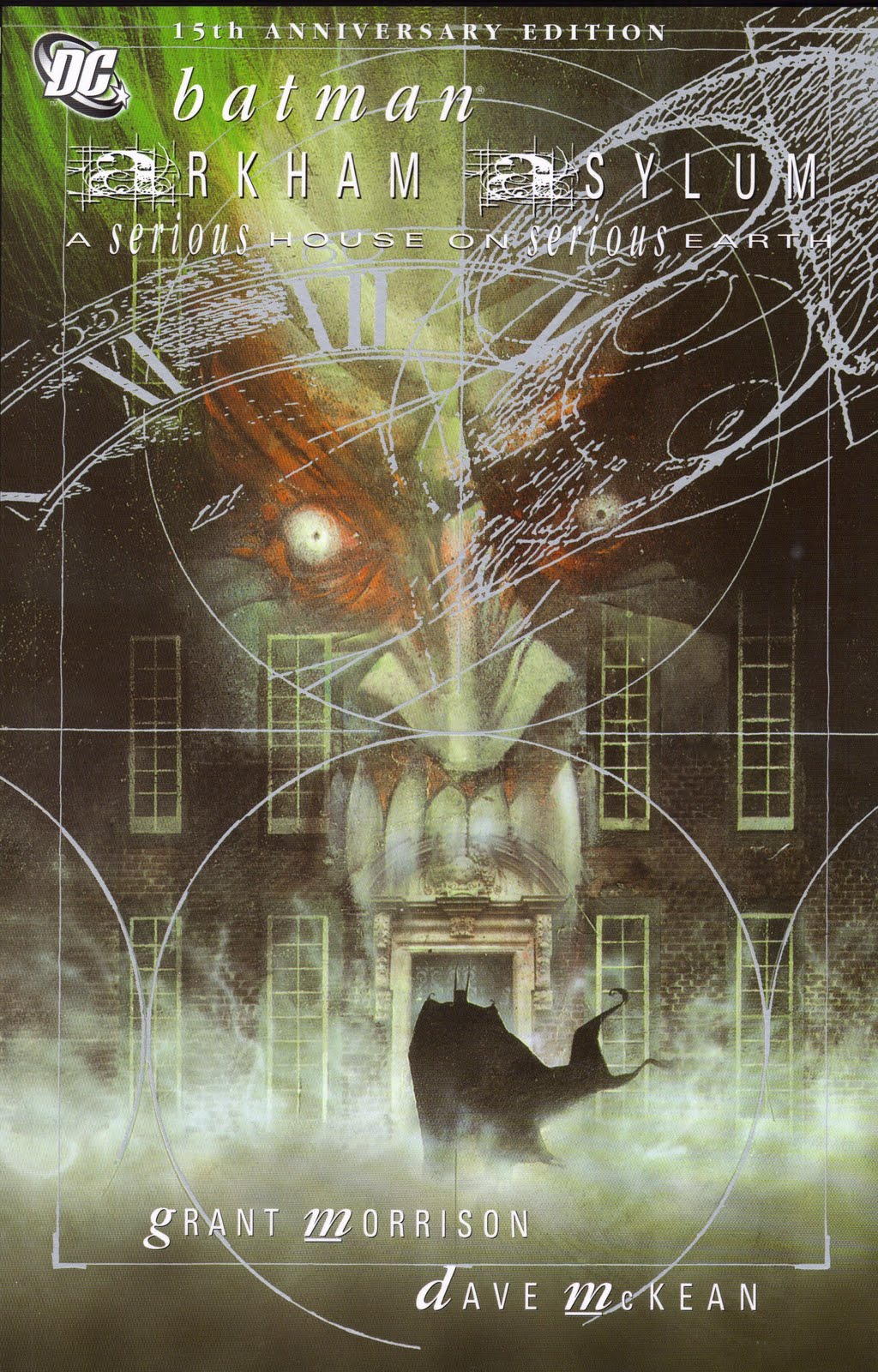
Arkham Asylum: A Serious House on Serious Earth (1989)
It almost seems like a joke that what I'm recommending is from 1987, '88, and '89, but it's important to highlight how Frank Miller's work opened the door to these more mature stories. Add to that the fact that it was a prime era for comics, with a convergence of authors at their peak and some rookies delivering their first hits.
In his script, Grant Morrison, the enfant terrible of comics during the '80s/'90s, brings us a new genre shift within the Batman universe. If we say Year One is a noir crime story and if we categorize The Killing Joke as a thriller, then Arkham Asylum is a horror movie.
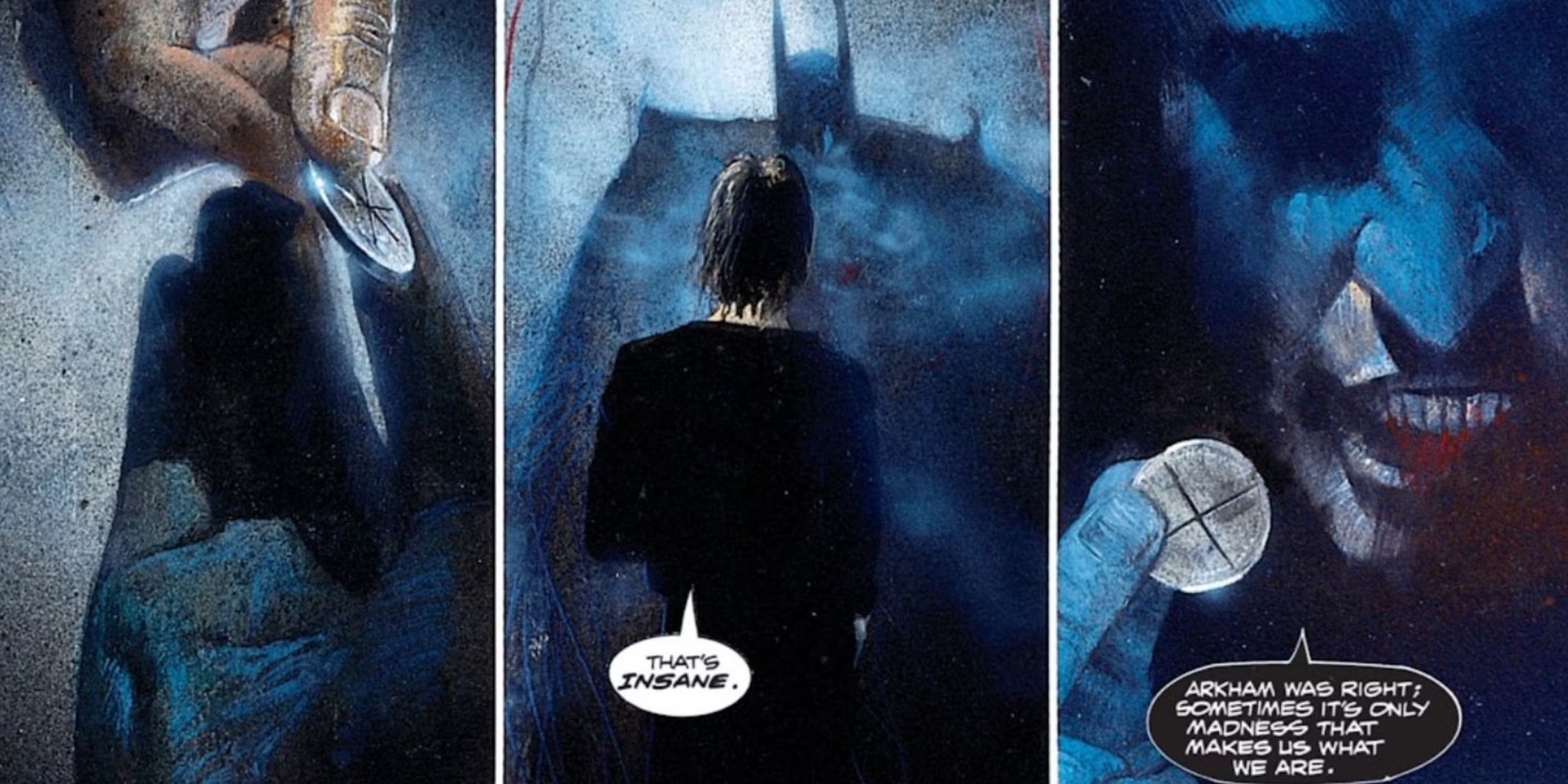
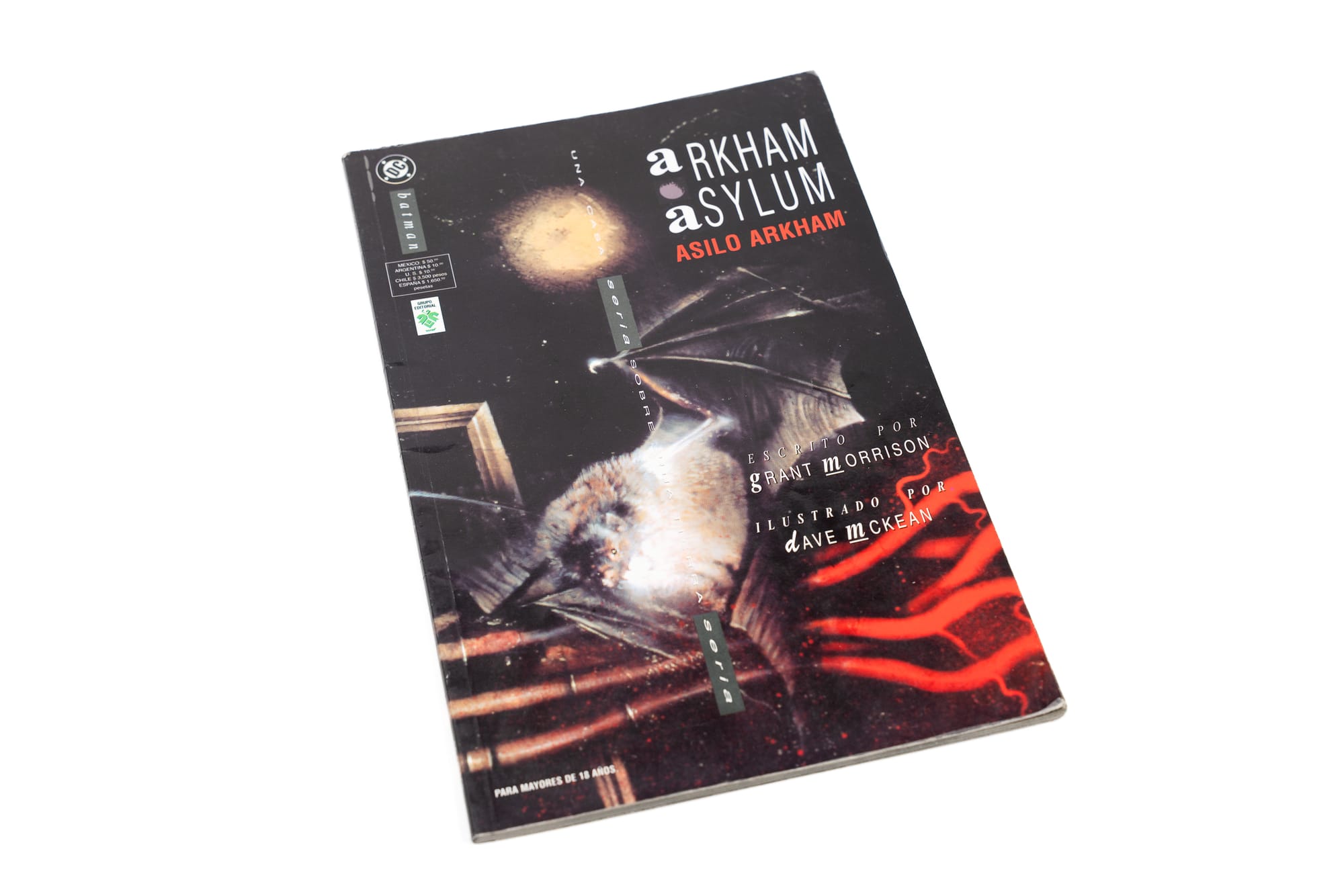
Already carrying the label of "graphic novel" — a concept to be discussed in another article — Arkham Asylum: A Serious House on Serious Earth hits you from the cover to the last page with the powerful and twisted art of Dave McKean, known for his covers on Sandman. In this pitch-dark tale, the inmates of the mental asylum — populated by Batman's enemies — riot and take the staff hostage. Led by The Joker, they demand the Caped Crusader enter alone, or they'll start killing the hostages one by one.
The Bat plunges into a nightmarish journey where he faces his most iconic enemies, in a story that delves deep into the characters' psyche, their symbolism, and mythology. It is, without a doubt, a comic designed to make you suffer and surrender to madness.
Batman: The Long Halloween (1996 - 1997)
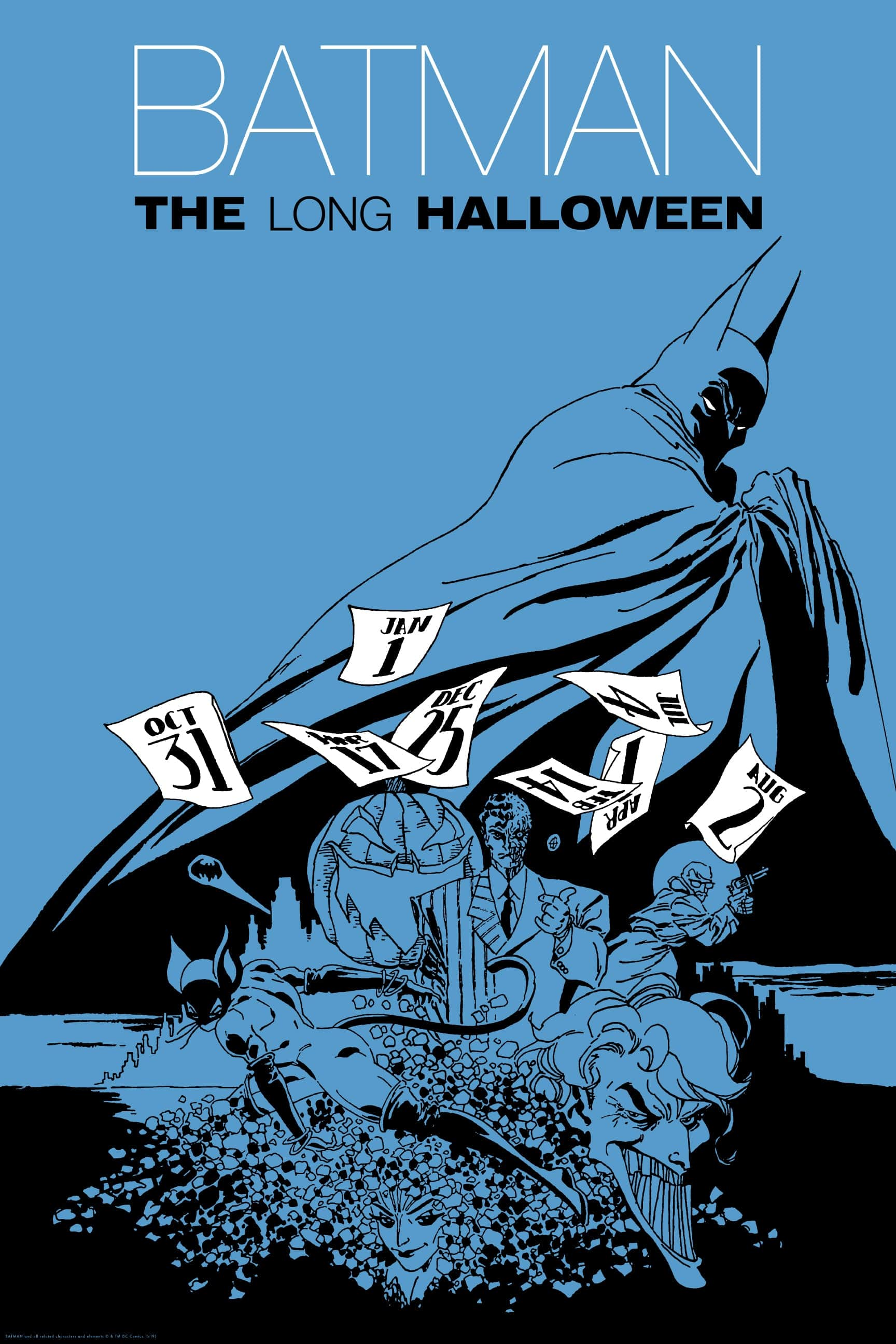
One of the most important titles for me. Jeph Loeb (writer) and Tim Sale (artist) manage to bring together all the qualities that make the Bat special, and give him the ideal setting for a story that ends up having everything the character needs. Batman is a detective and a vigilante, and in The Long Halloween we see him once again immersed in both of his specialties in a noir crime story.
We could say it's set shortly after Year One, and it's a story where we follow an entire year in the life of Bruce/Batman and of Gotham. The story brings back the Falcone crime family, as one of its members is being murdered on every holiday of the year. While Batman and Gordon investigate this mysterious killer, something is happening on the streets of Gotham.
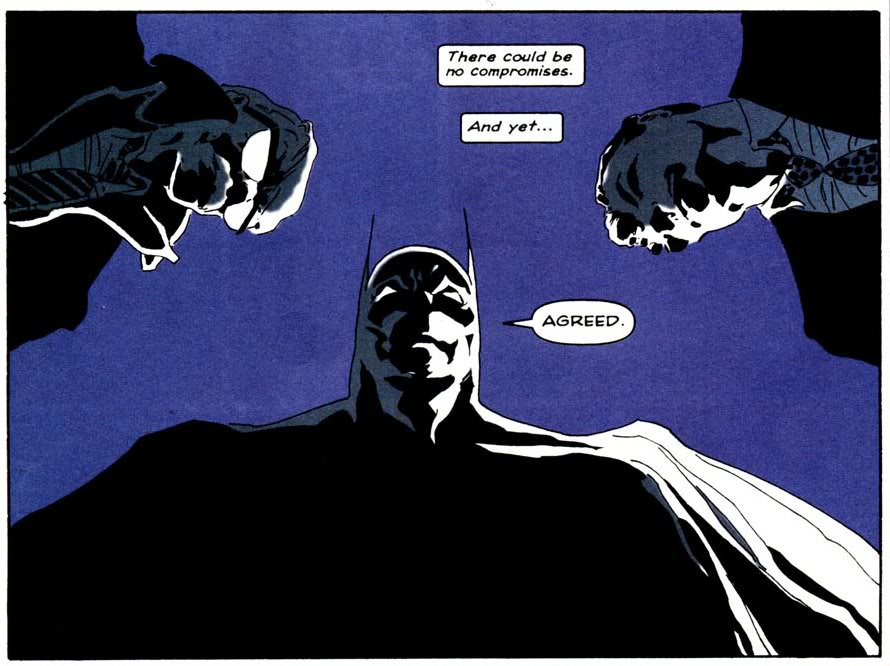
Simple thieves and petty criminals start transforming into the villains we know from the Batman universe. If there's one thing we love about Batman, it's his rogues' gallery, and this work celebrates it big time: we see Riddler, Poison Ivy, Scarecrow, and Mad Hatter working for the Falcone family, and Harvey Dent finally becoming Two-Face.
Batman: The Dark Knight Returns (1986)
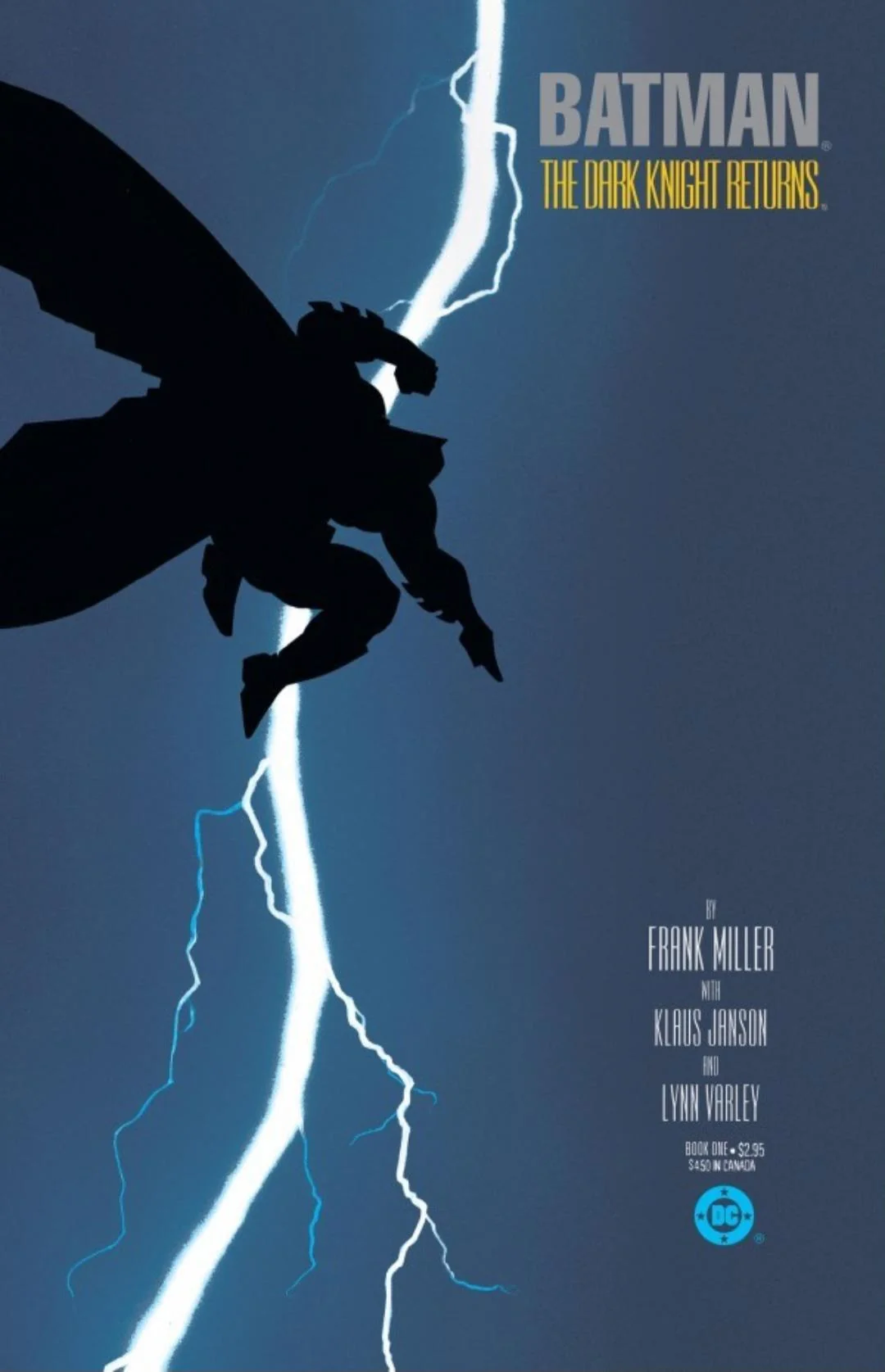
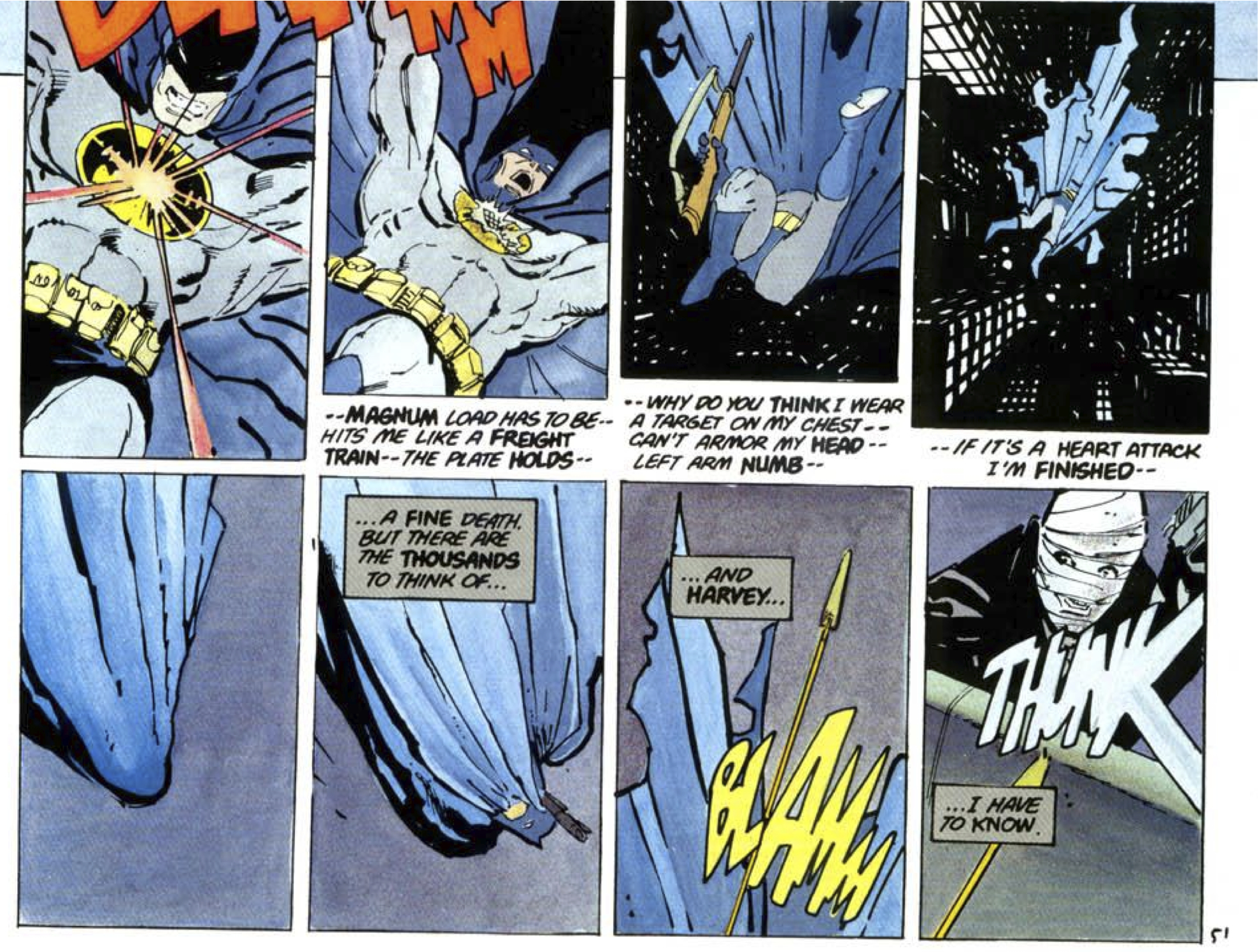
Frank Miller, author of the first work recommended in this article, before writing the new origin of Batman wrote the ending. One of the most important works in superhero comics, with elements that we'd later see used many times over, but that were born here. Frankie not only writes but also uses his ultra-brutal drawing style to bring action to this story that doesn't have a single panel too many or too few.
We find a retired Bruce Wayne, 55 years old and quite broken. It's been a decade since he wore the suit, after the death of Robin (Jason Todd), and Gotham is orphaned and sunk in everything he wanted to prevent. This Bruce hides in alcohol and racing his car collection... but the drive to be Batman and help the city he loves is stronger.
Throughout this title, Batman once again faces old enemies, who by this point are like high school buddies given how well they know each other. But he also has to wage war against the new generation of the city's criminals, The Mutants. He won't be alone, because we get the debut of Carrie Kelly, one of the coolest Robins in the bat-universe, and appearances from many important characters in his life. And we can't overlook the role of Superman, featuring perhaps the most remembered interaction between the two.
These are — in my opinion — the five most important titles to read about the character, in the order I would recommend them for someone who has never read Batman. Obviously there's much more to recommend, but we'll stick with these essentials for now, and we'll continue later.