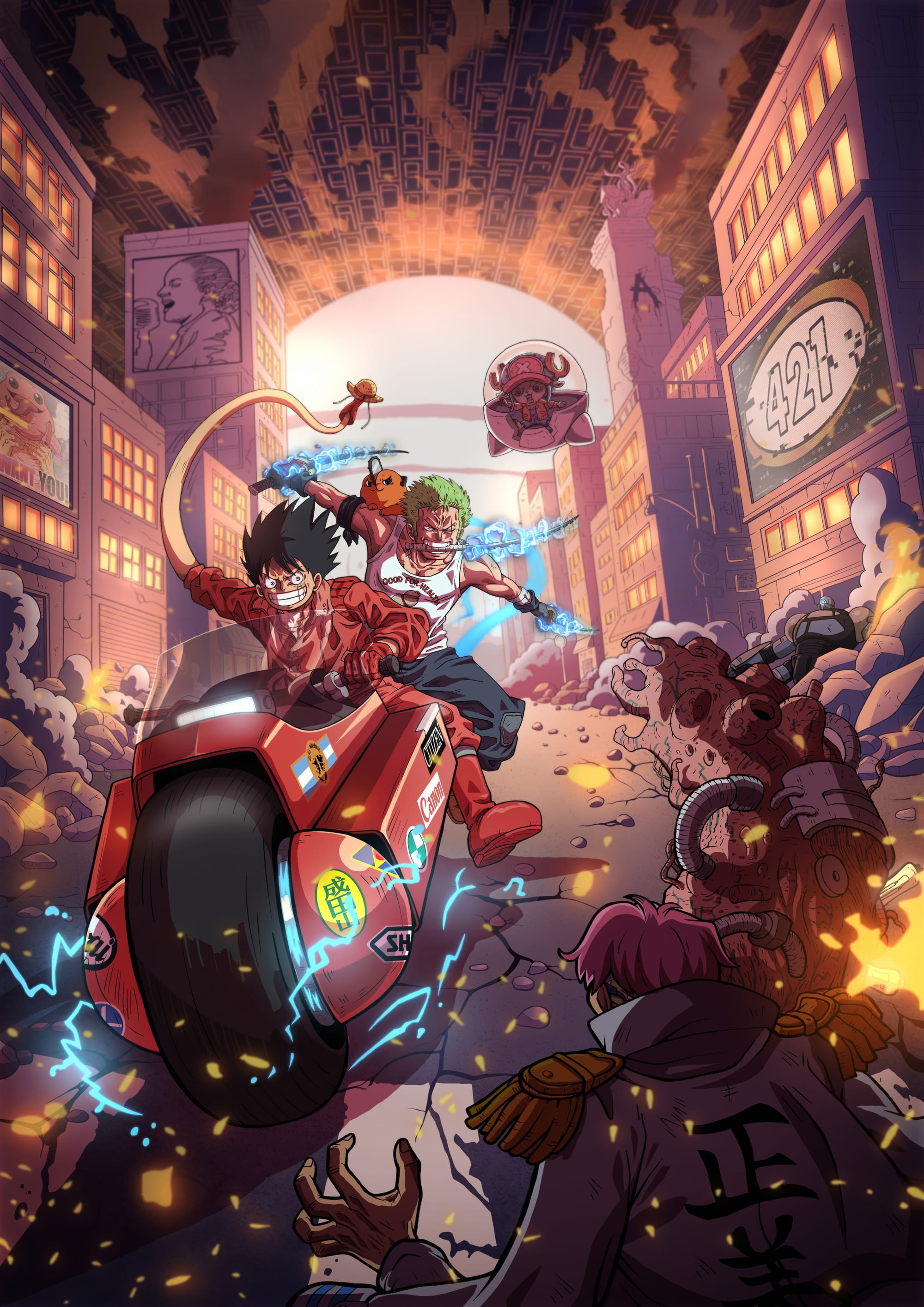
Being a Fujoshi Is a Joy, Mom
17 de nov. de 2025 — Belu Liendo
Nothing in the world belongs to me / but my love, mine, all mine, all mine.
Mitski - "My Love Mine All Mine"
As a kid, my dream was to have internet at home. It was 2010 and all my friends already did. I'd go over to use their computer and, while they were distracted, Google one thing: rare photos of the Beatles. Then –one of the most important days of my life– our block finally got internet. I came home from school, sat at the PC, opened Google, and typed a question that hit me like an invasive fever: "John Lennon + Paul McCartney kiss photo".
What Is a Fujoshi
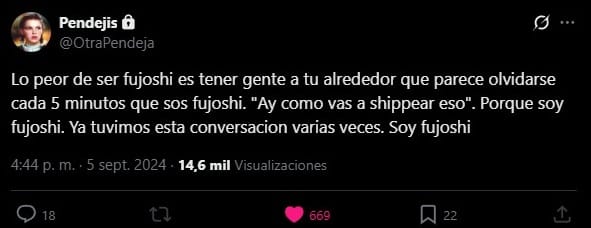
Yaoi, BL (Boys' Love), slash, femslash, shōnen-ai, danmei: many labels point to a similar genre, but one word often names its core fan –fujoshi. A fujoshi is a woman who "ships" male characters –fictional or not– and creates and/or consumes content about them.
In Japanese, kanji are logographs read contextually. "Fujoshi" combines 腐 (fu, "rotten") and 女子 (joshi, "girl/woman"), and puns on 婦女子 (fujoshi, "respectable woman"). Fans coined it, tongue-in-cheek, to describe their love of manga, anime, and novels about male-male romance. And yes –fujoshis are everywhere.
In 2018, Ágnes Zsila, Dru Pagliassotti (founder and editor of The Harrow), and others published "Loving the Love of Boys: Motives for Consuming Yaoi Media", analyzing why English-speaking audiences read M/M romance. Ten motives emerged: gender-free "pure" love; pro-LGBT+/transgressive stance; identification/self-reflection; melodrama; aversion to conventional shōjo romance; female-oriented erotic writing; escapism; art/aesthetics; entertainment; and suggestive content. Women made up ~89% of Western yaoi readers.
Add two recurring dynamics in mainstream fiction: queer coding and the long-standing struggle many male creators have writing nuanced female characters.
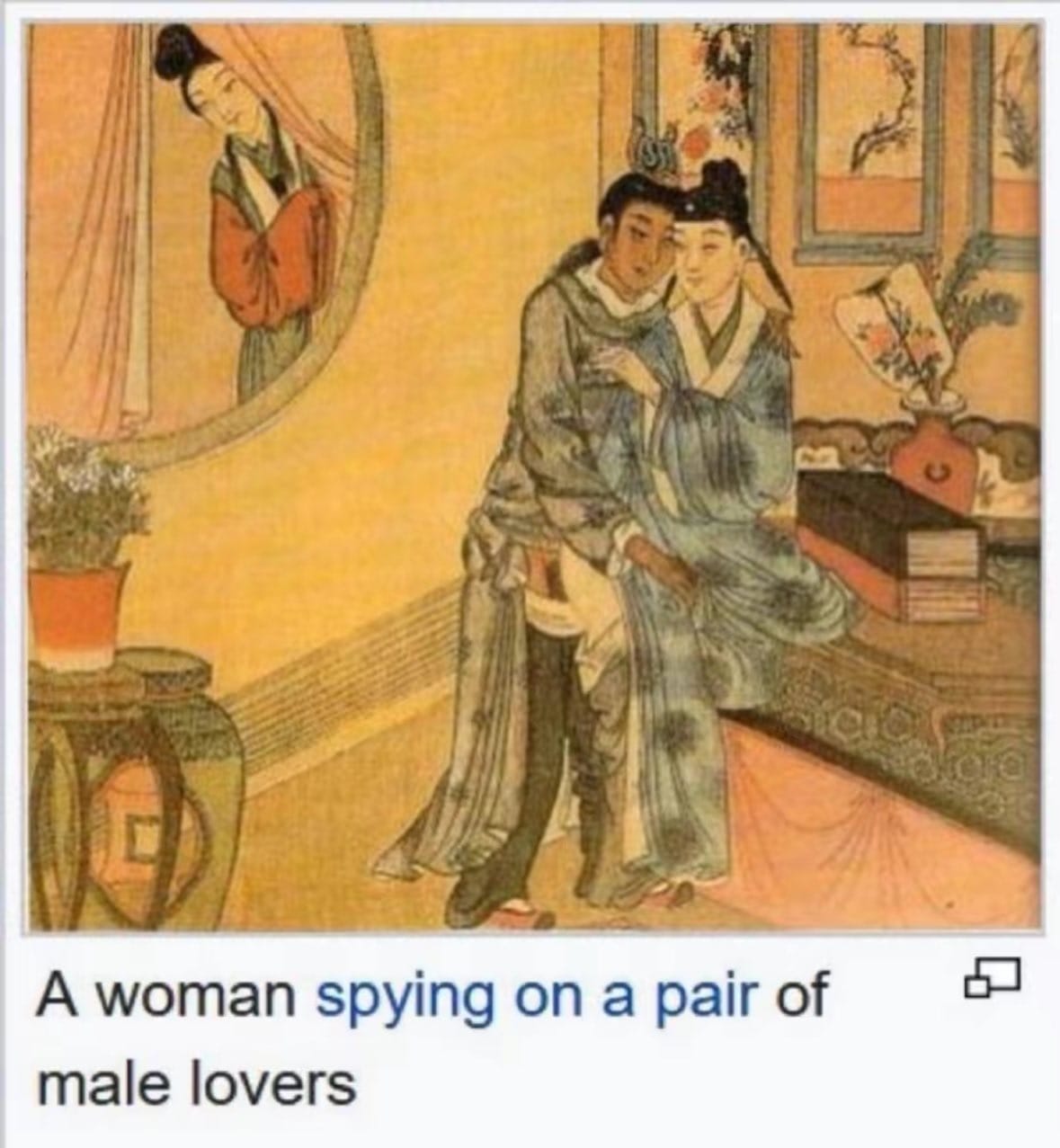
William H. Hays –RNC chair, U.S. Postmaster General, and later head of the Motion Picture Producers and Distributors of America– oversaw the Hays Code, an industry self-censorship regime adopted in 1930 and enforced strictly from 1934 into the late 1960s. Among other prohibitions, it barred positive portrayals of homosexuality. Characters read as queer were often villains, mocked, or punished. That's why so many classic antagonists carry traits coded as LGBTQ+.
The legacy lingers: depictions of villainy still skew eroticized or "degenerate", the corrupting counterpoint to the hero's supposed purity and stoicism.
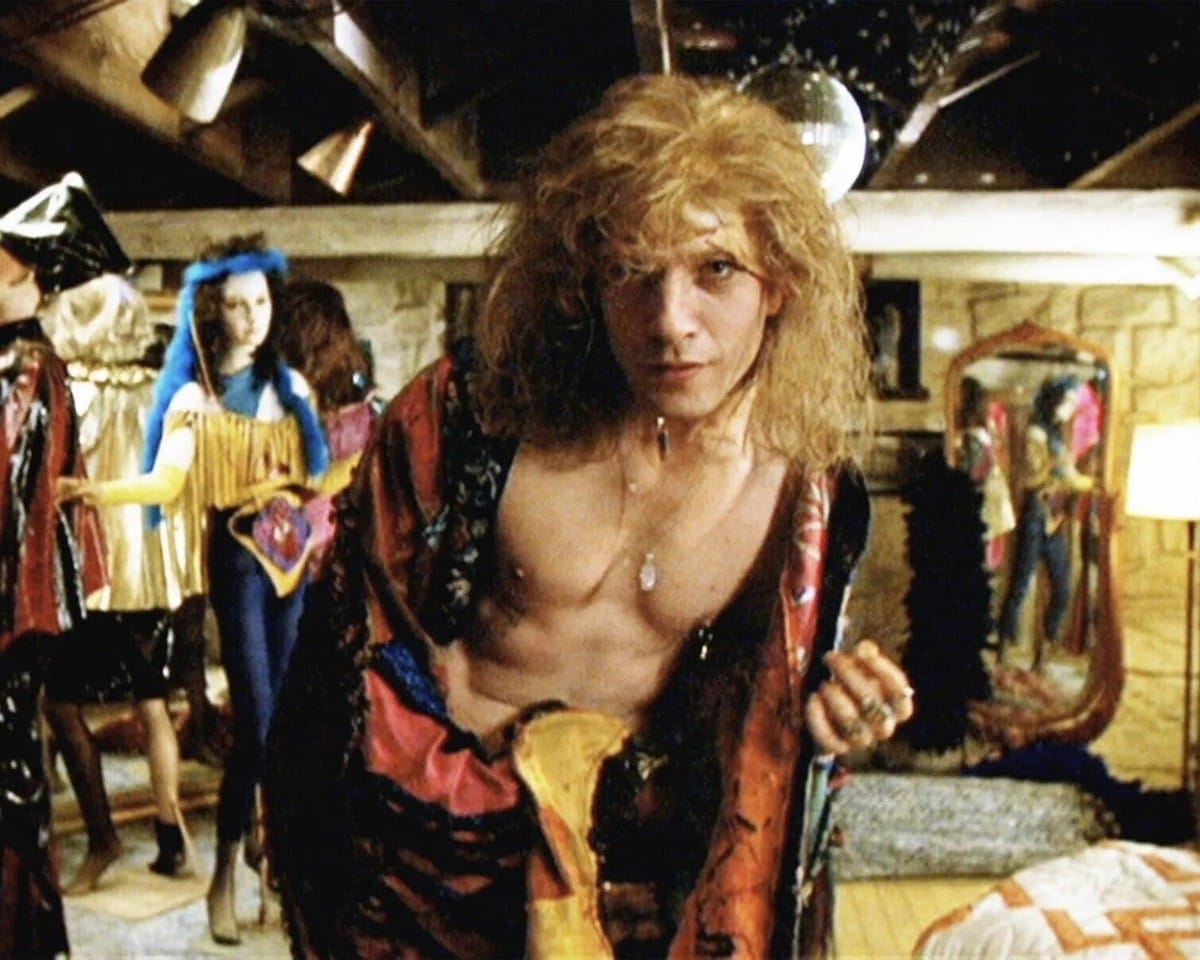
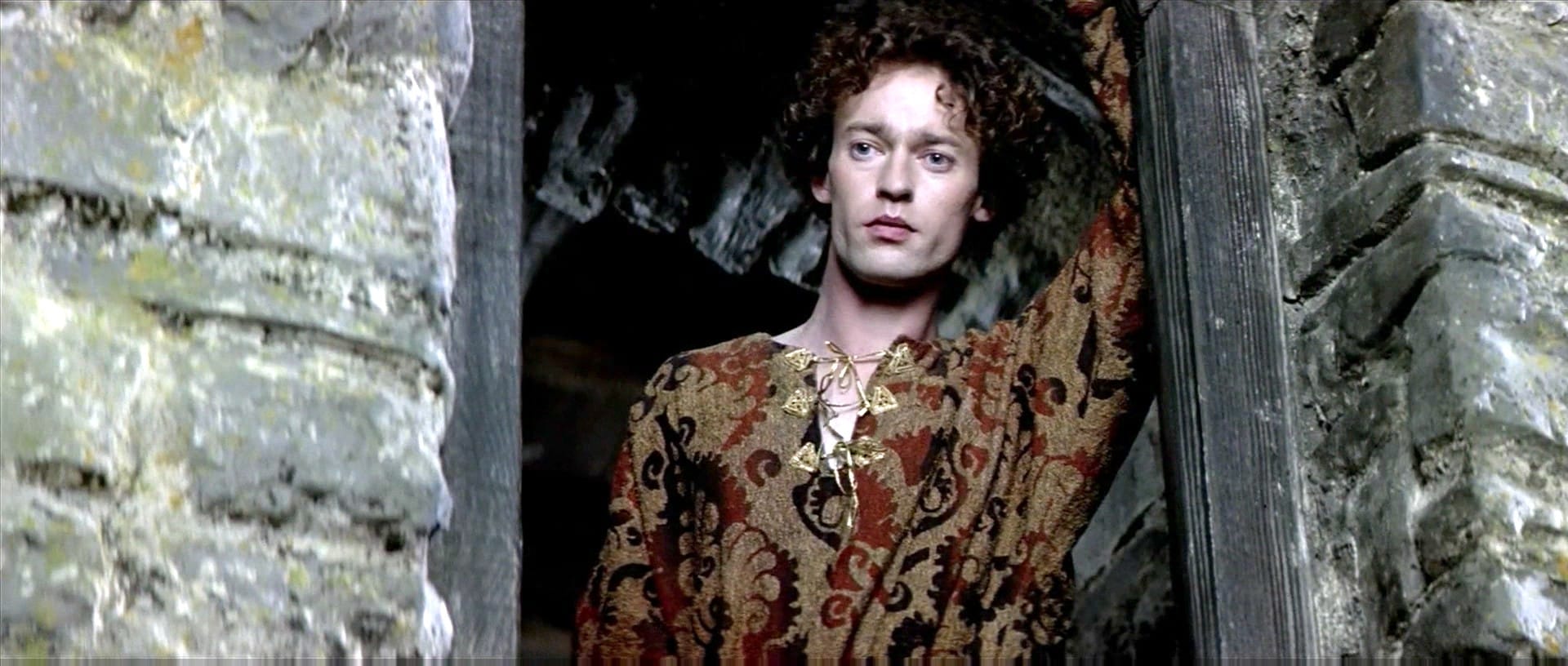
Another pattern: female characters are sidelined, while male leads get richer arcs –and deeper bonds with other men. Make the hero and his loyal friend central, add a seductive, corrupting male villain, and the audience will inevitably ask: what if?
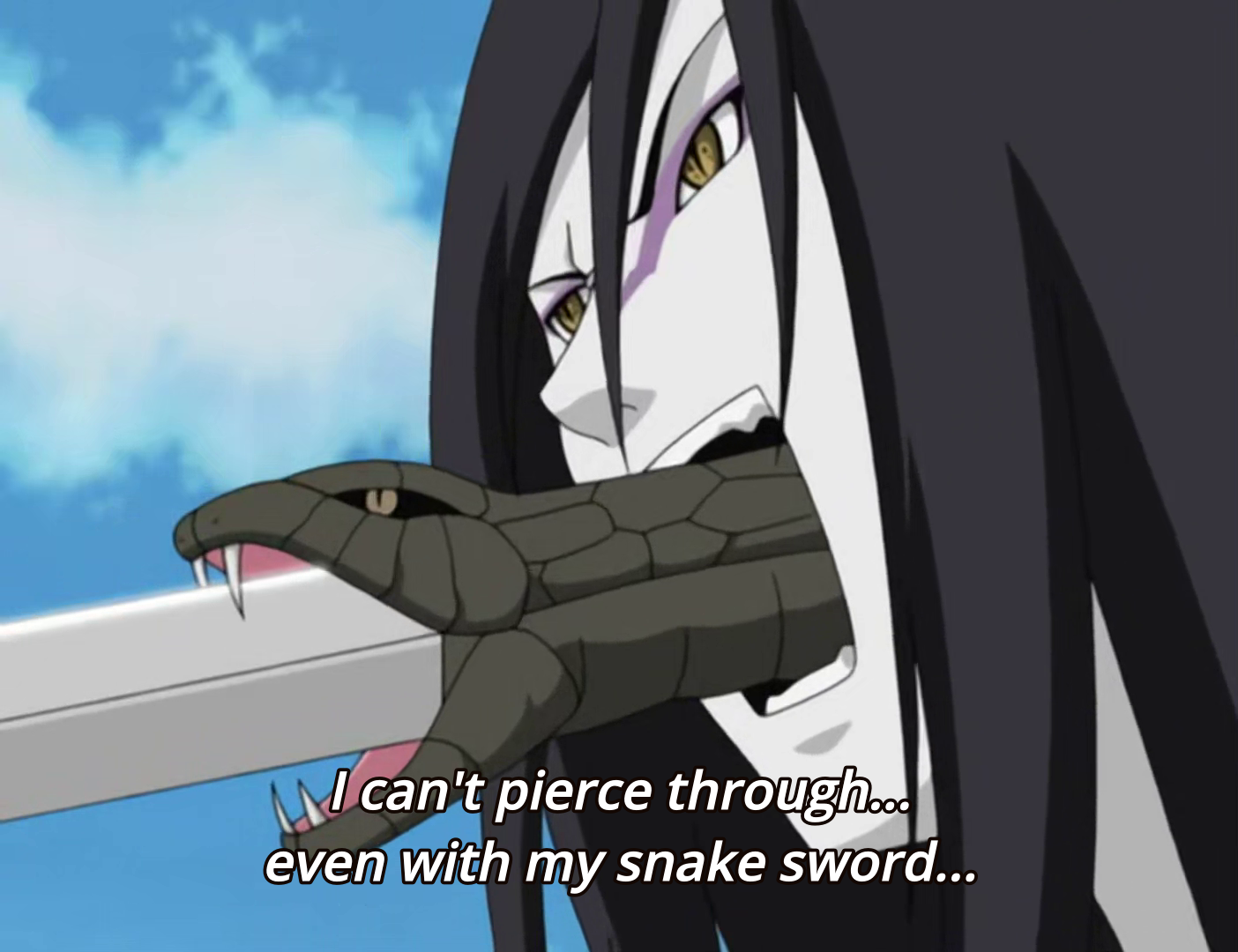
In otaku terms: it's hard to read Naruto heteronormatively when Orochimaru keeps asking for Sasuke's body. On the other side, Naruto spends seasons chasing his emo rival like a remorseful ex. Fandom meme: "Naruto learned to walk on water because the ground wasn't enough to crawl after Sasuke."
A Brief History of Fanfic
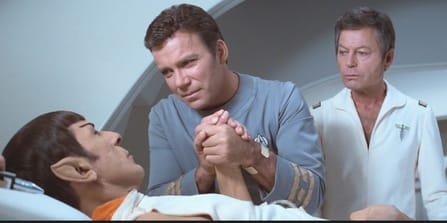
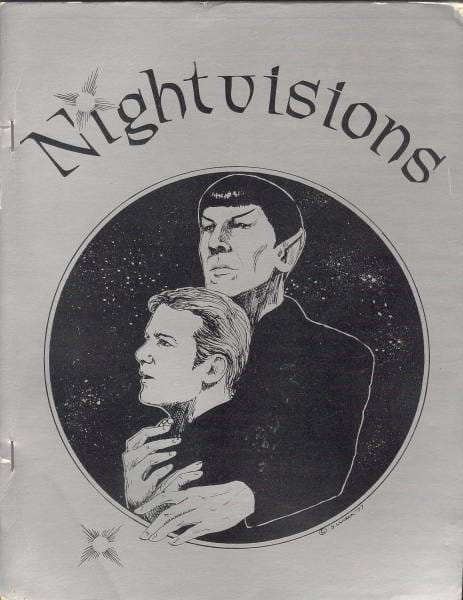
"Fanfic" (from fan fiction) is new fiction based on existing works—or even real people –created by fans for fans. It's a fujoshi specialty. While transformative readings are ancient, modern homoerotic fanfic roots trace to 1960s Star Trek fandom. Mostly women (often housewives) wrote and traded fanzines under the radar at conventions, pouring pages into the era's definitive M/M ship: Kirk/Spock.
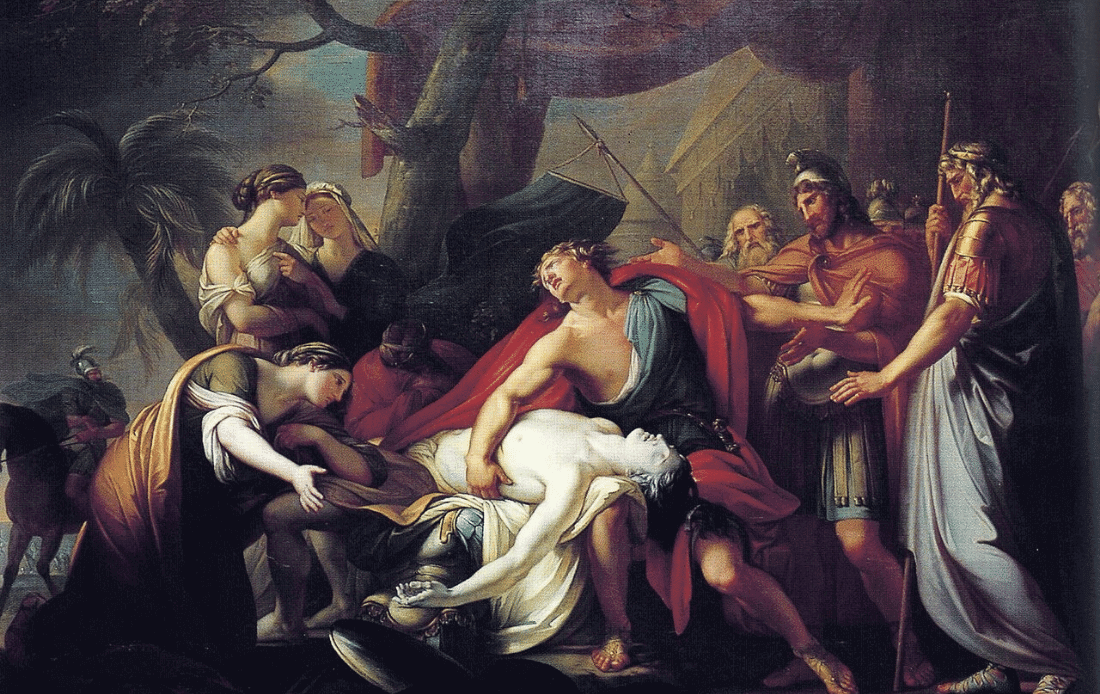
Achilles Mourns the Death of Patroclus
Earlier precedents abound –Achilles and Patroclus, for one. Aeschylus's lost tragedy The Myrmidons (5th c. BCE) framed their bond in romantic terms. For deep dives, see researcher CarnavalDeMonstruos, who historicizes fanfic culture and writes in the genre.
Archive of Our Own (AO3)
The internet transformed fanfiction: zines gave way to platforms like Wattpad and FanFiction.net –and, since 2008, Archive of Our Own (AO3). Run largely by and for women, AO3 hosts a vast corpus of transformative works and lively debate –a rare corner of open, user-driven internet culture.
AO3 is a project of the non-profit Organization for Transformative Works (OTW), which advocates for fan communities and preserves their cultural output. AO3 hosts 16M+ works across 75k+ fandoms, with robust tagging to find –or avoid– specific themes, plus public stats that power all those irresistible charts.
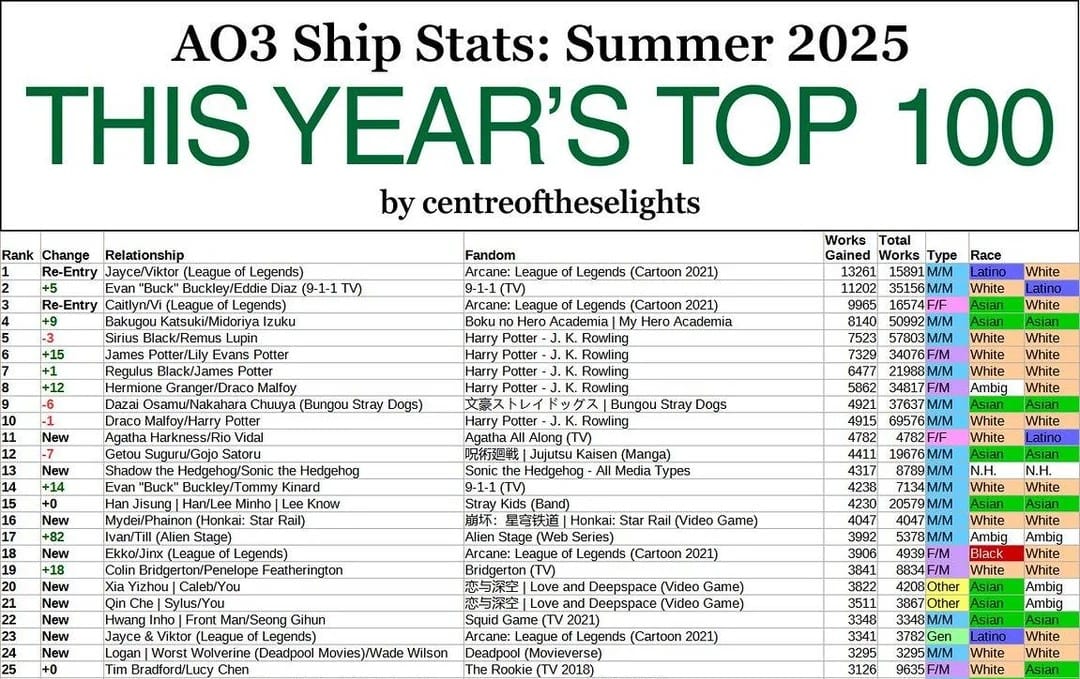
The Biggest Anime and Manga Ships of 2025
Since we are with the charts, out of mere analytical curiosity and since we are already in November, the most worked ships in the world of anime/manga in 2025 they were the following:
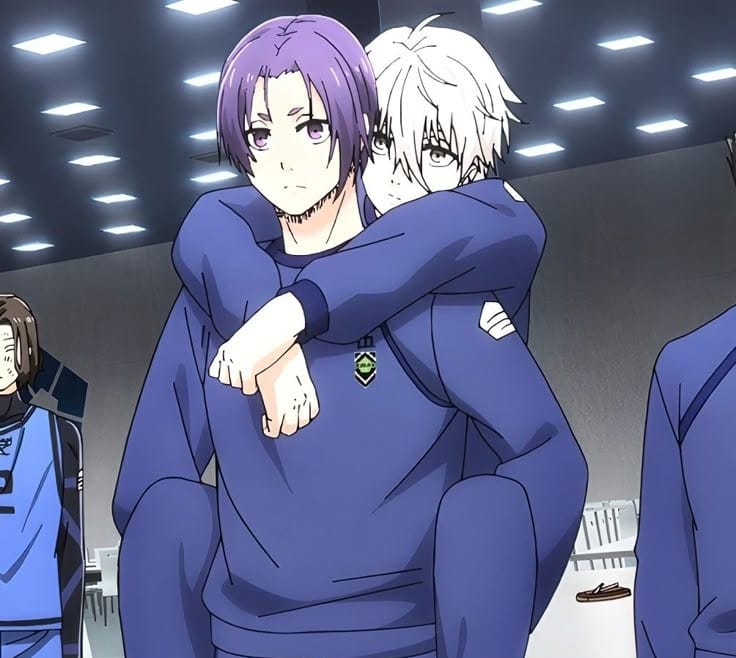
#5 Nagi Seishiro × Mikage Reo (Blue Lock). Despite the static-PNG memes, Blue Lock out-shipped Haikyuu!! this year, edging out the classic Kageyama × Hinata. Celebrate? We do.
#4 Roronoa Zoro × Vinsmoke Sanji (One Piece). Oda pretty much set the table: Sanji's ethereal, princely vibe vs. Zoro's stoic brawn –classic enemies-to-lovers, amplified by that beloved size-difference trope.
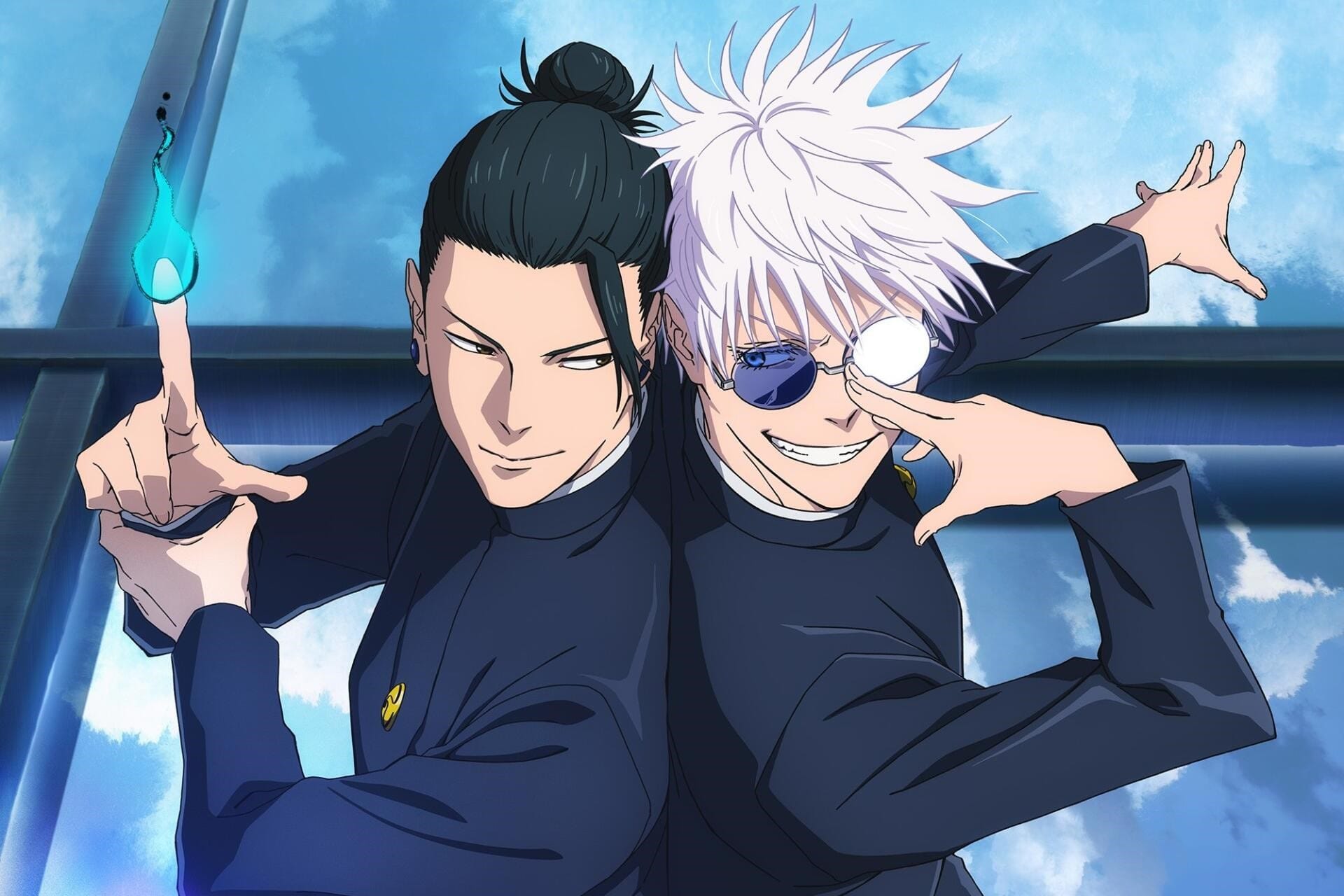
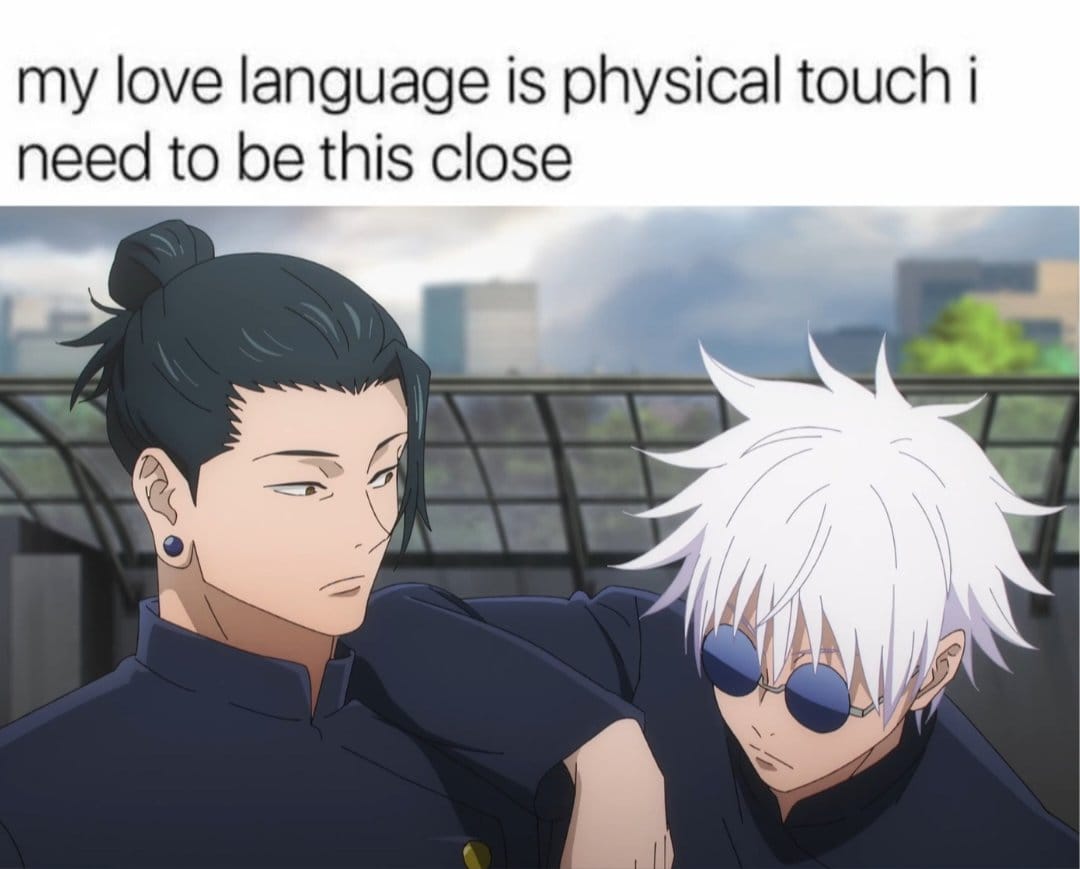
#3 Satoru Gojo × Suguru Geto (Jujutsu Kaisen). A pop-culture juggernaut: millions of fics and IRL fan interventions from Japan to Peru to the U.S. –there's even a mural in Palermo, Buenos Aires. Lesson learned: there's nothing worse than being left outside a McDonald's at noon.
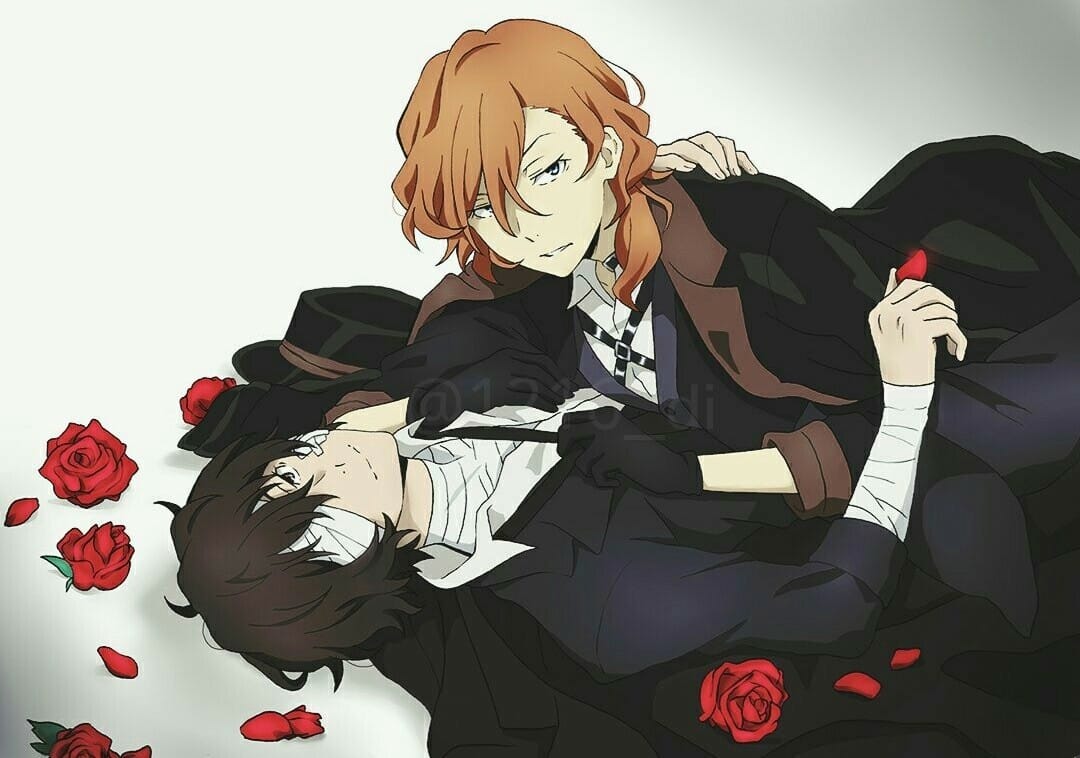
#2 Dazai Osamu × Nakahara Chūya (Bungō Stray Dogs). Off-air since 2023, yet the fandom keeps dropping thirst traps –and my Japanese classmates definitely helped this duo chart.
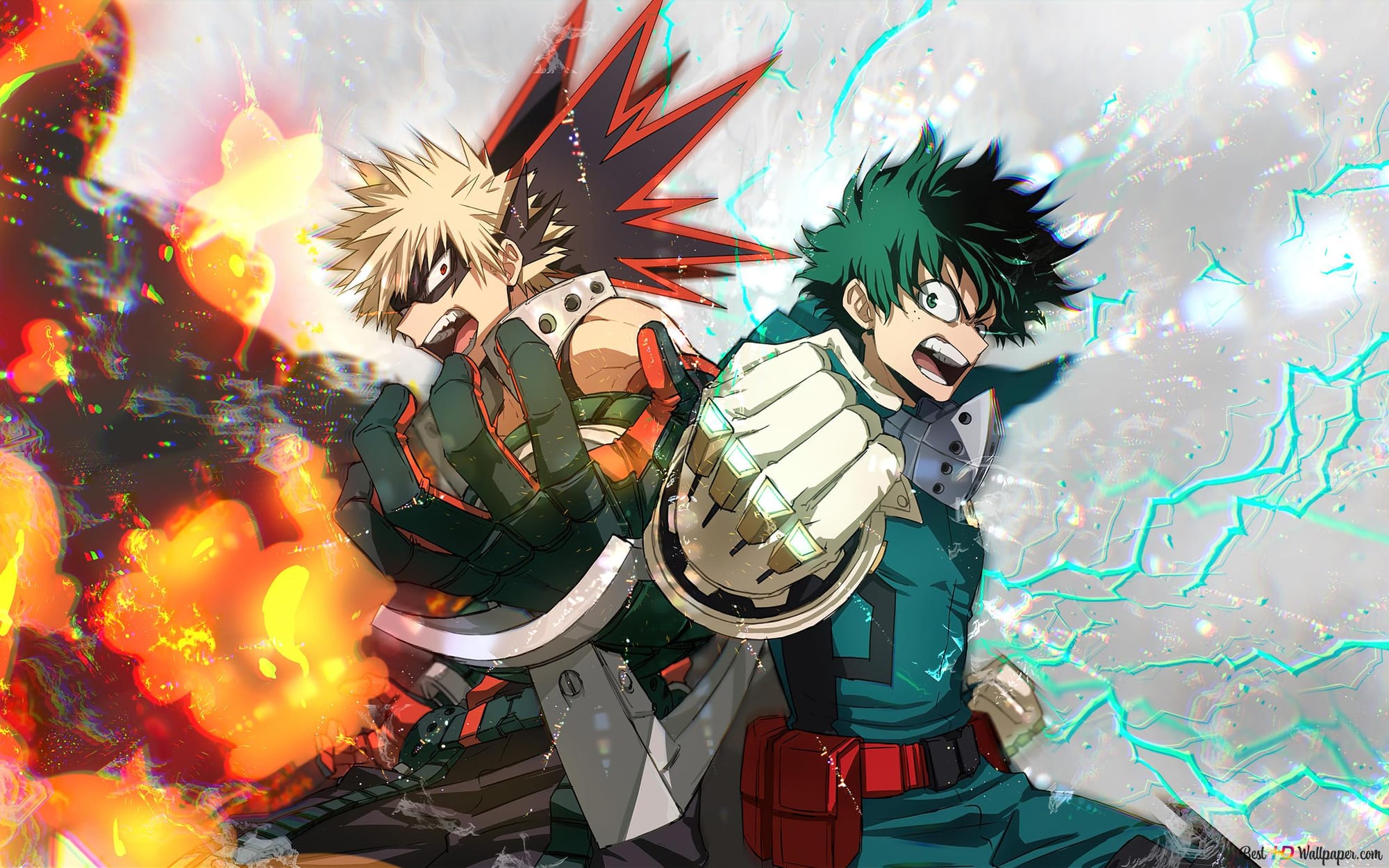
#1 Katsuki Bakugou × Izuku Midoriya (My Hero Academia). Not my lane –I'm no MHA enjoyer– but congrats, girls. You carried 2025.
The Origin of "uwu"
Otaku and K-pop fandoms have fed the wider web countless memes. One early "uwu" sighting appears in the Yu-Gi-Oh! fanfic "Genie of the Puzzle" by DaakuKitsune (Oct 14, 2005): "Again, feel free to throw squids and fish at me. UwU I deserve it, I know."
An Argentine Note on Boys' Love
The Omegaverse is an erotic subgenre imagining a stratified society –dominant Alphas, neutral Betas, submissive/mixed Omegas– riffing on animality in sci-fi. "This isn't furrydom!" as the joke goes –but boundary-pushing tropes abound.
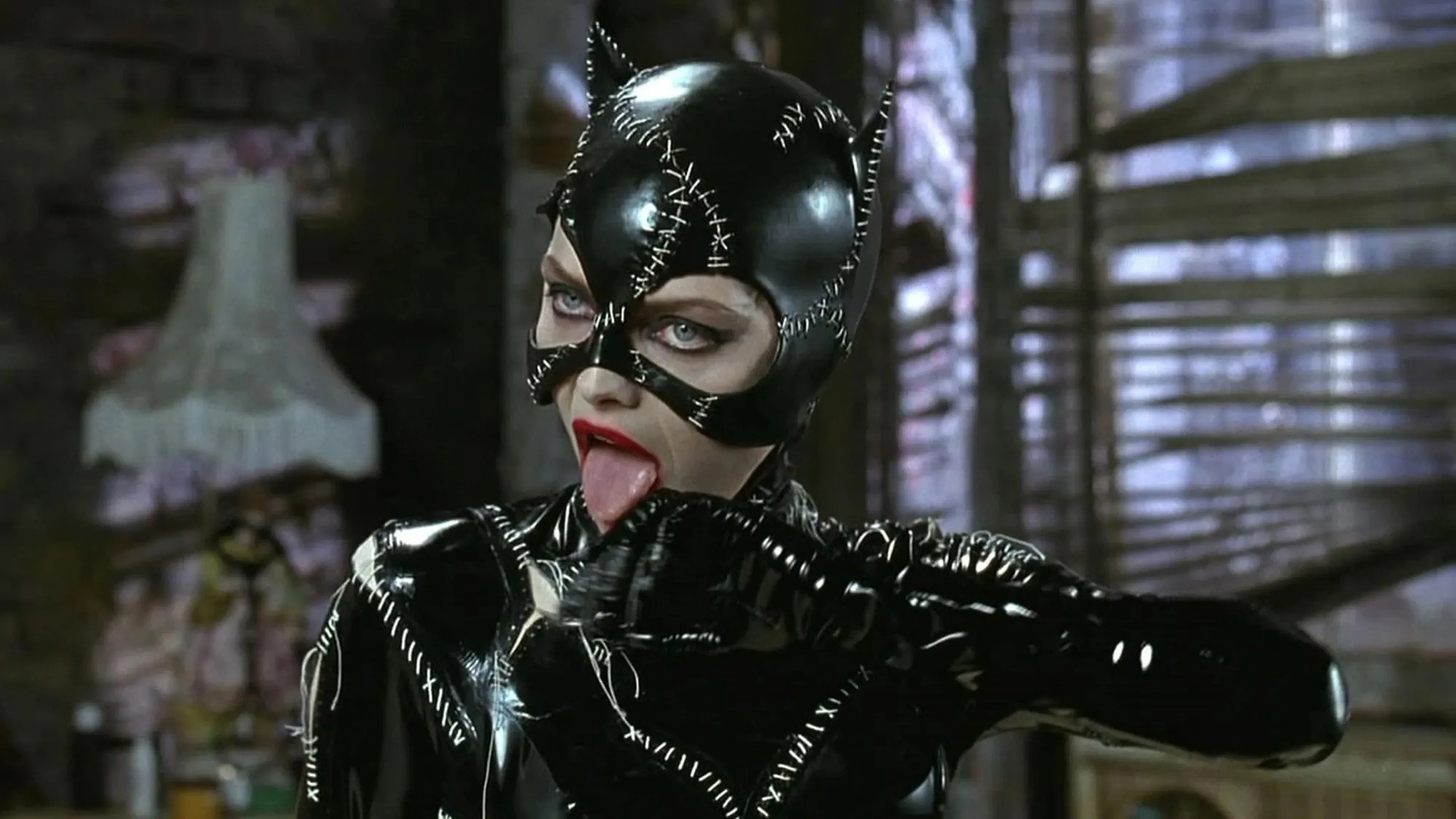
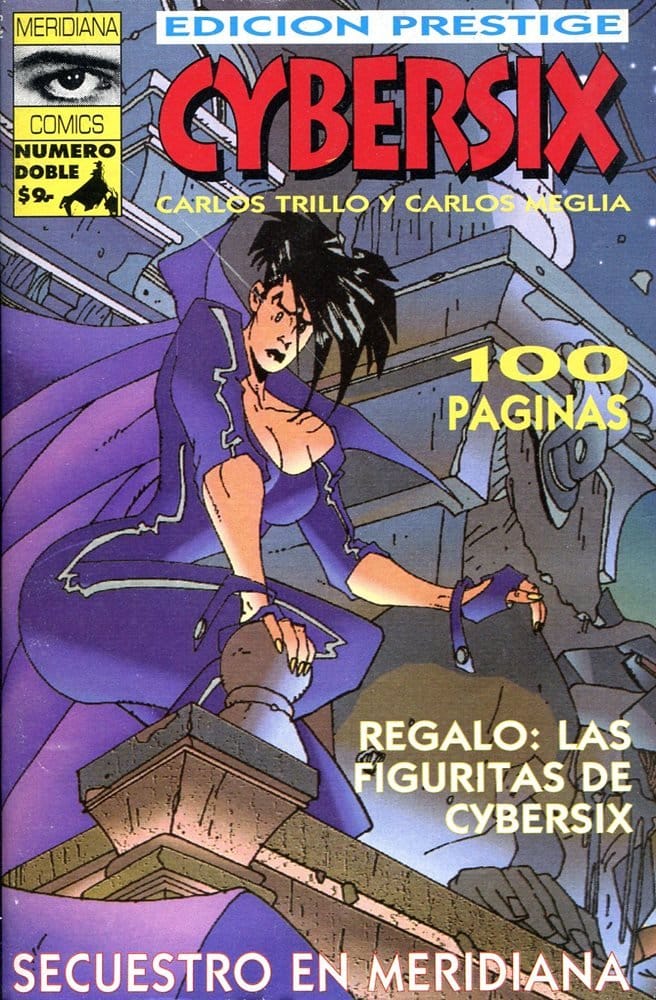
Many trace Omegaverse codification to 2010 Supernatural fandom on LiveJournal. Fans also cite links –direct or thematic– to Dark Angel and Argentina's comic Cybersix (Carlos Trillo), long discussed in plagiarism debates. Causality is murky; influence often travels many paths at once.
Beyond the (serious) Cybersix plagiarism claims, ideas often coalesce simultaneously across scenes –someone eventually crystallizes a canon. Call it serendipity over sovereignty.
I’m not an Omegaverse diehard; I gravitate to subgenres where culture and emotion lead. Still, I salute the readers who explore it: sexuality always carries an animal trace, and "the beast" –feared or adored– lets society project desire and dread. Queer sexuality has long been cast as the scapegoat.
Homoerotic fanfic can replicate issues –harassment, objectification, tragic tropes– but it also offers an outlet: a subcultural commons for women and diverse sexualities, a wink, a gateway to reading and writing, a freer internet that resists corporate IP chokeholds.
Also: if you like men, two can be better than one