What are bootlegs, knockoffs and art toys

8 de nov. de 2024 — Juanma La Volpe
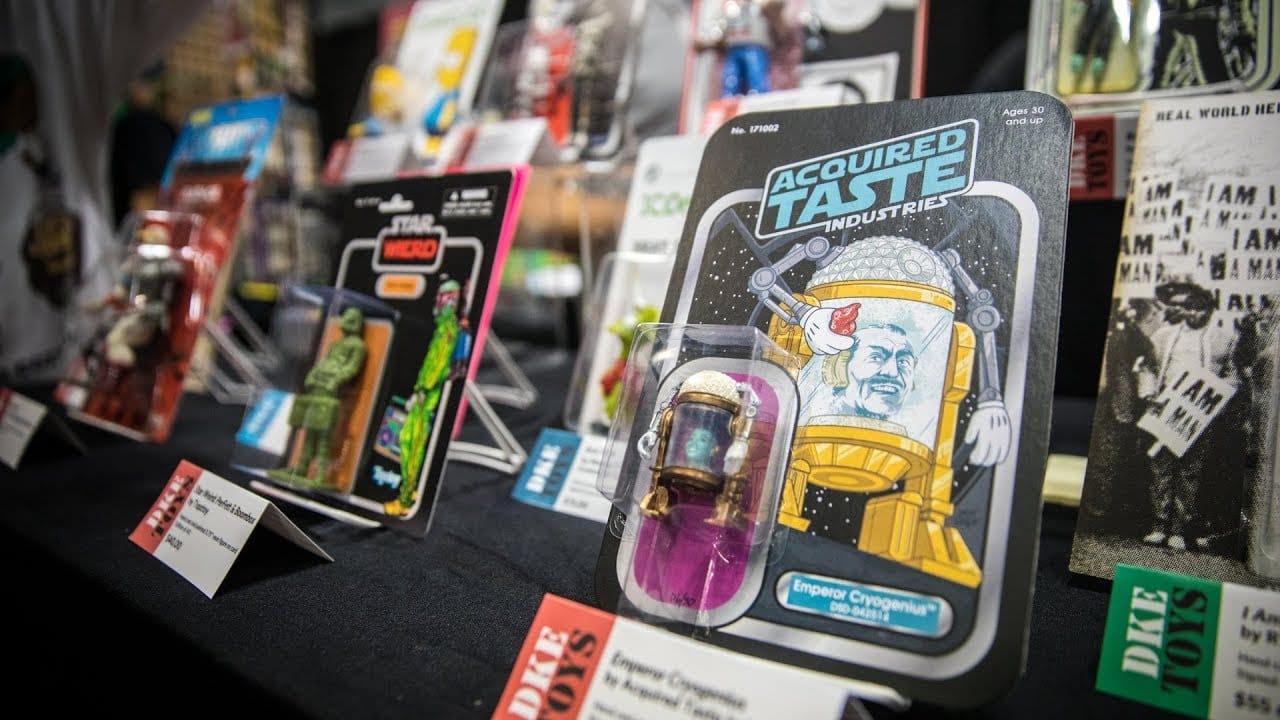
Every niche has its own language, and the toy world is no exception. So, to keep opening doors and learning, let's review the basic concepts for understanding the world of toy collecting, from originals, to fakes, to the artistic side.
Originals, licensed products and third-party brands
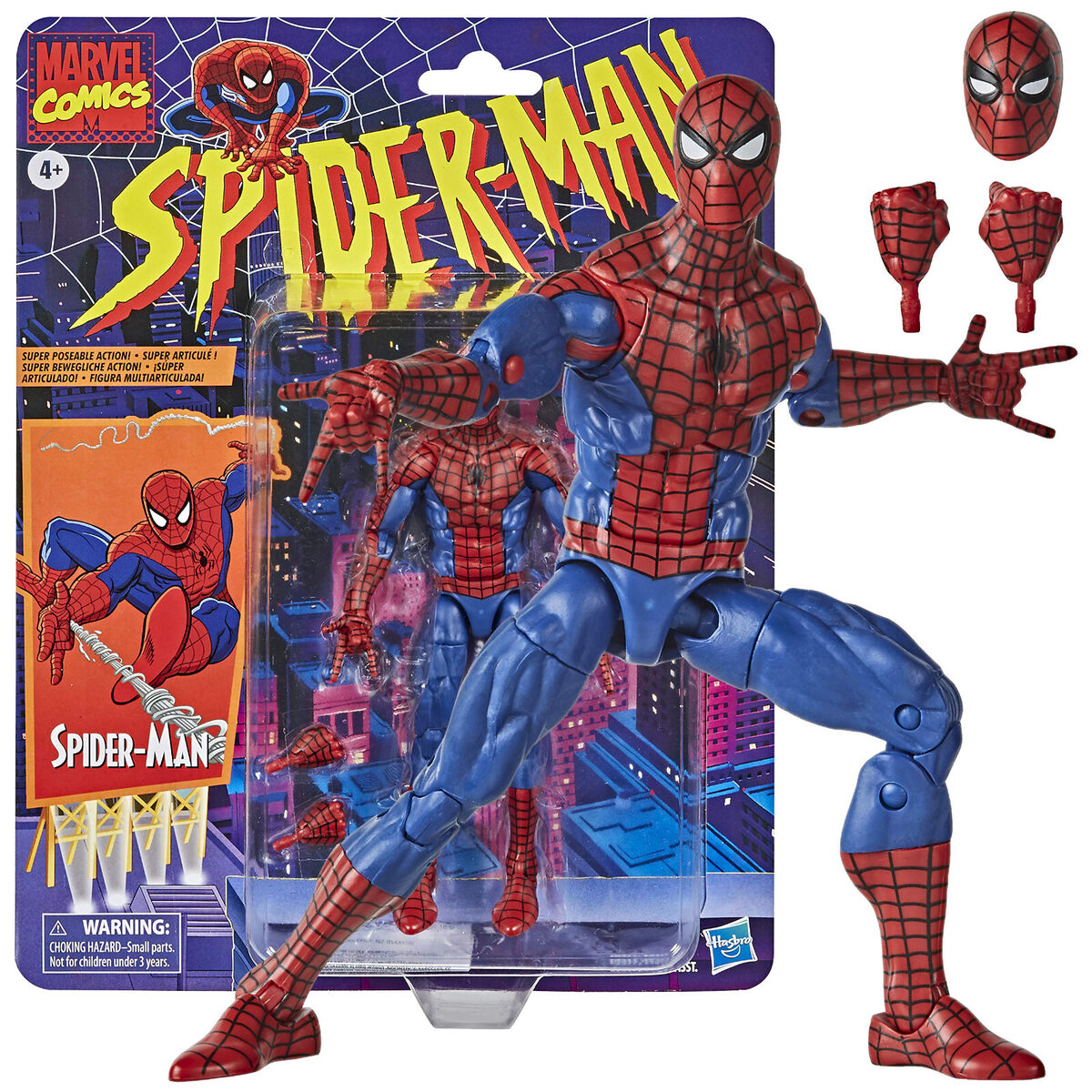
When we talk about originals or licensed products, we refer to products or action figures from registered IPs, manufactured by the company that owns the brand or licensed to another that works under that permission. In short, a Spider-Man (owned by MARVEL) sold by Hasbro (which holds the license for sale/distribution) is a 100% original product.
In this case, action figures usually bear the manufacturer's logo and the year (generally on the bases, feet, or some area where it can be hidden), and their box/blister pack contains all the product's legal information. It can happen that the same IP is sold or licensed by the owning company to more than one third-party brand, and that's how we end up with the Hasbro Spider-Man and the Funko Spider-Man, for example.
Bootlegs, the fake versions
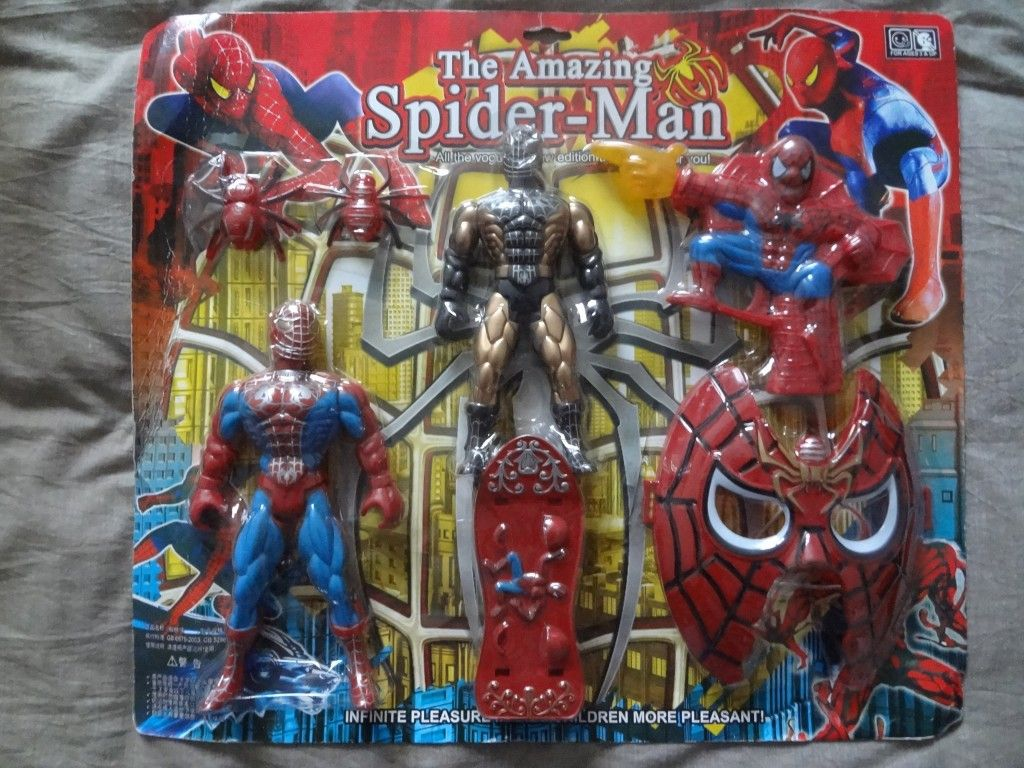
In its simplest definition, a bootleg is a pirated version of a licensed product. But it's a bit more complex when it comes to toys. First of all, yes: a bootleg is the counterfeit version that tries to pass as the original and has inferior quality. They're generally easy to identify by the materials used, by being poorly painted, because their box or blister pack has something that doesn't quite fit, or simply because it's a Shrek figure in a Batmobile.
If the bootleg is of very high quality and can pass as original, it's called a counterfeit, which has more sinister uses within the world of forgery. These inventions originated in China/Hong Kong, taking advantage of the toy molds from products manufactured there and in developing countries, where acquiring originals was expensive. Many of our best toys in Argentina were bootlegs, and they were also made locally.
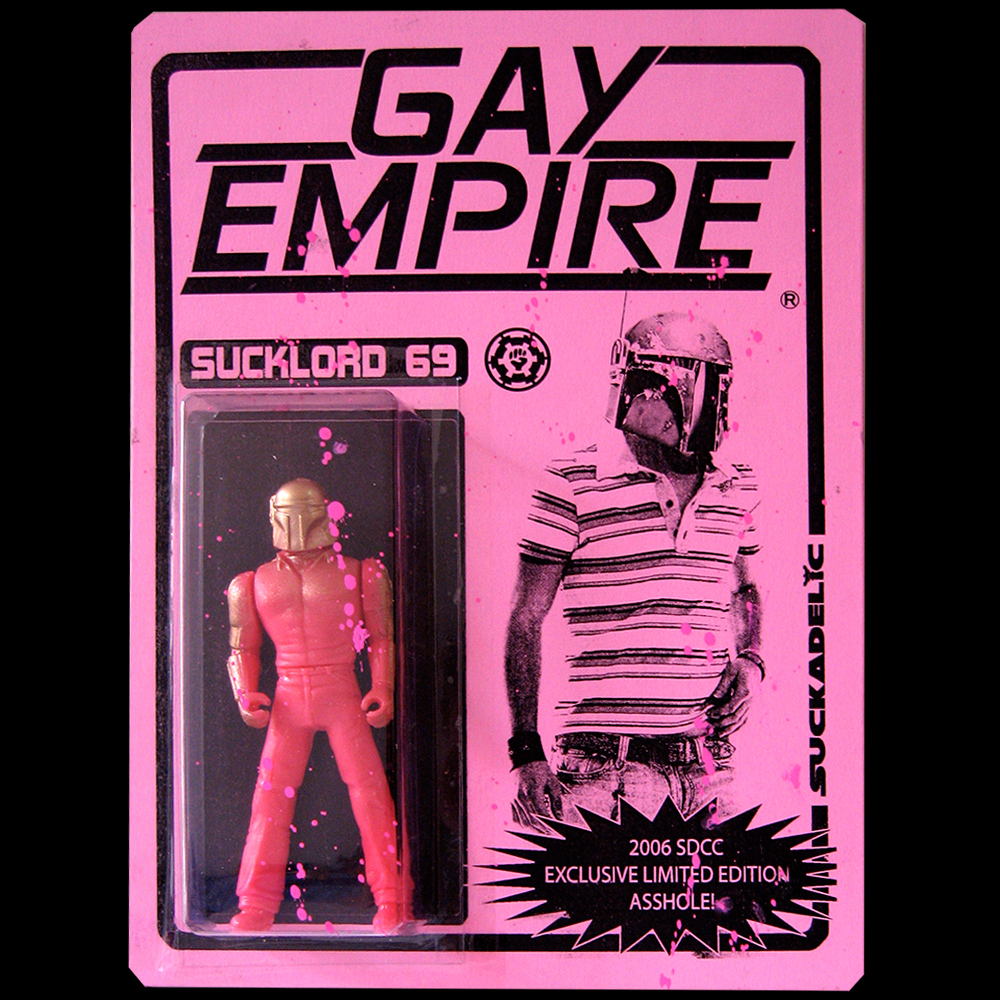
But the bootleg has been reinterpreted through counterculture: in the mid-'90s, a guy named Suck Lord began making his own toys based on Star Wars figures (and other brands), and started using the world of fakes and punk as a reference. In terms of design, it was a small artistic revolution that kept growing and attracting people until the vast toy maker universe we have today.
Thus, the bootleg was also redefined as a countercultural artistic movement, an activity that could be done at home with different materials, resin being one of the most prized.
We could say that the first pirated copies that arrived with bizarre reinterpretations from clandestine factories were the main trigger of an artistic counterculture. However, the word is still used for these pirated versions and lives a double life, between the underground and the art toy.
Knockoffs, industrial and popular
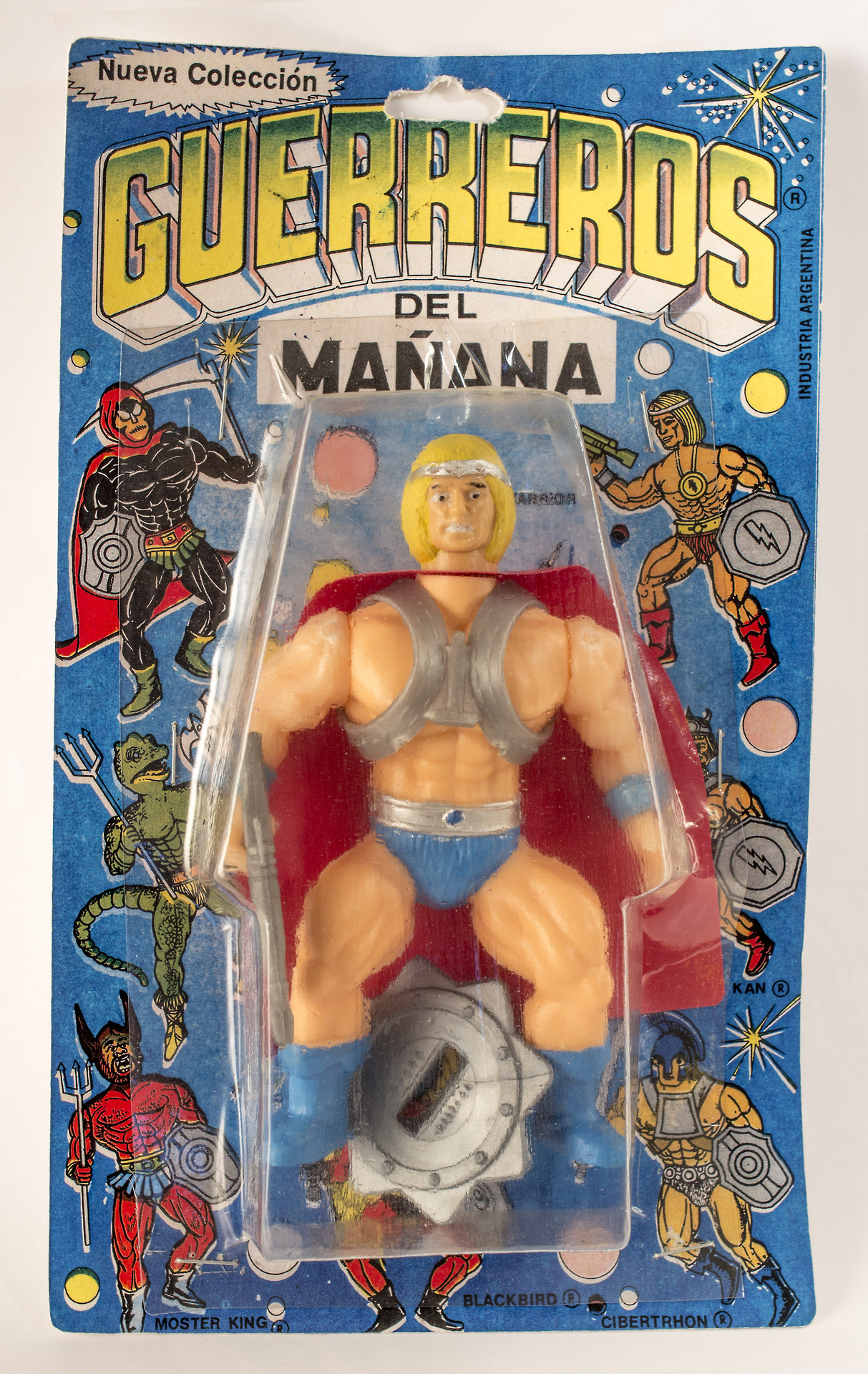
This type of toy has a bit of the original and a bit of the bootleg. A knockoff is a new, industrial product (even if it comes from a small Chinese factory) that resembles original products but doesn't directly use their license to sell. The quintessential Argentine example is the Guerreros del Manana, where the molds from He-Man toys were used to create new characters.
So, it's a product that resembles a well-known brand and generally has inferior quality (like a bootleg), but it's an entirely new license, industrially created. In Argentina, we had several others like Fuerza T by Top Toys or Brigada de Combate (which uses molds from the G.I. Joe Street Fighter figures). They also tend to be the most bizarre or comical, since the inventiveness in trying to resemble the originals unlocked extraordinary mutations.
Art toys or designer toys
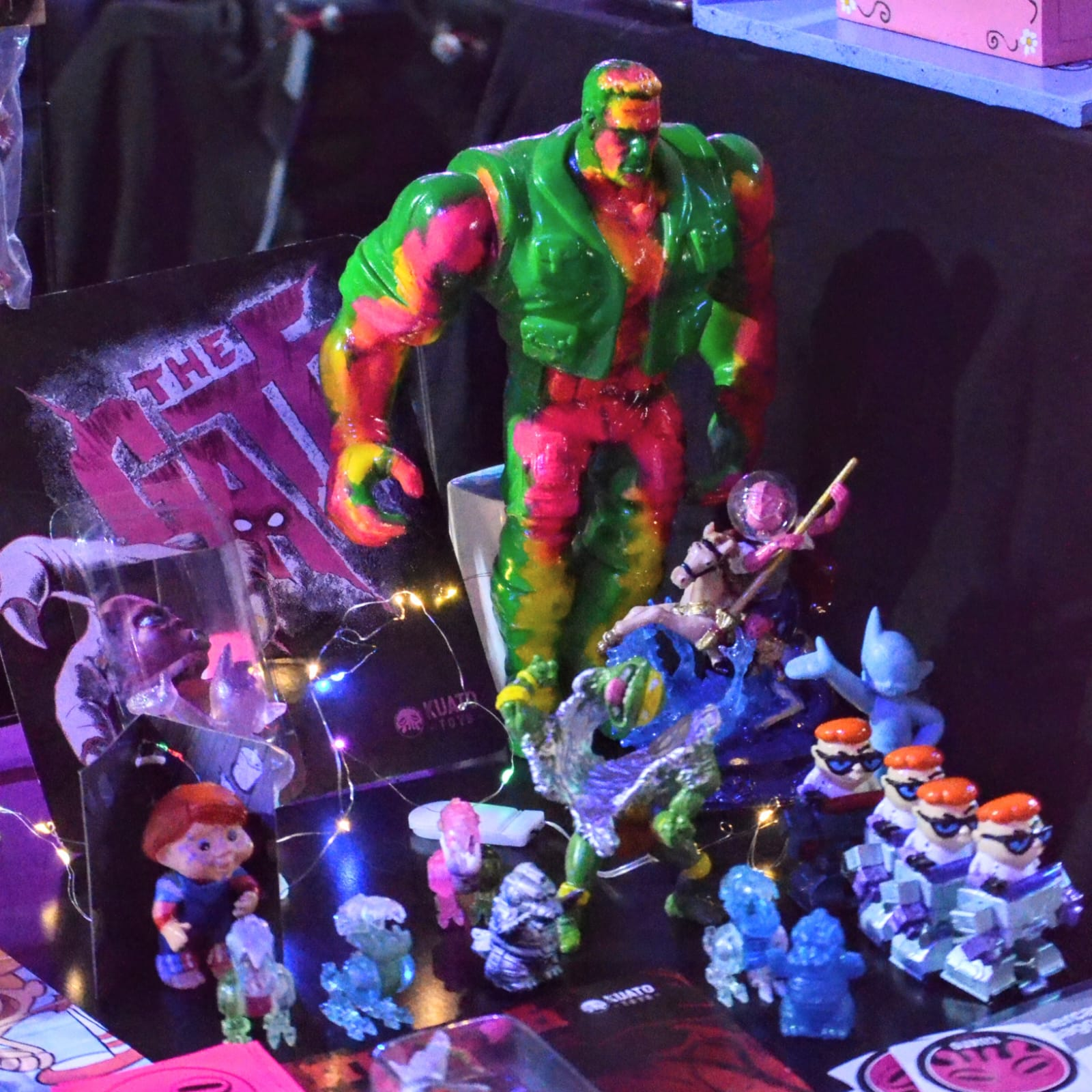
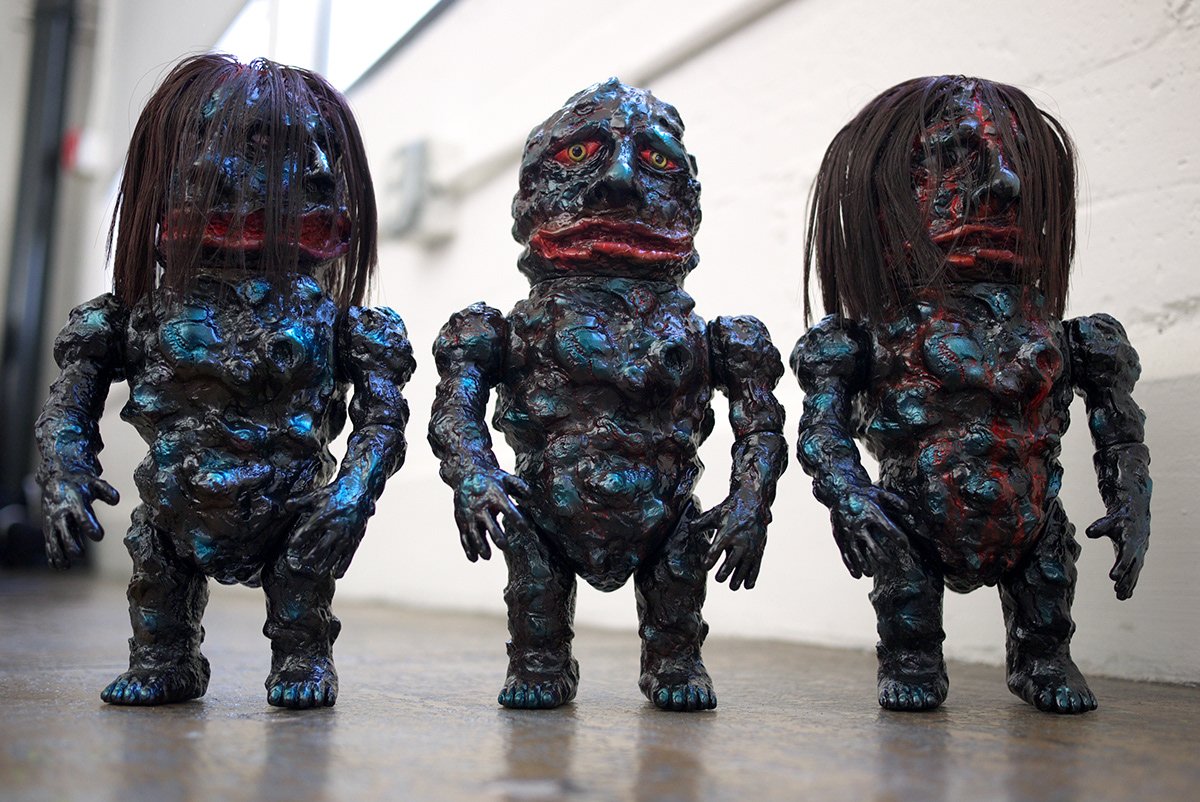
Breaking away from the pirate concept of the bootleg, an art toy is a toy with an original design, usually produced in small runs. There's no longer a factory or group of people behind it looking to pirate for profit, but rather an artist who wants to create a representation of something in toy form.
This movement emerged in parallel with the bootleg counterculture mentioned with Suck Lord, and was primarily driven by the LowBrow movement of Californian artists starting in the 2000s. An art toy can be a bootleg like the ones Suck Lord makes in resin, it can have a knockoff spirit (if, for example, it's a run of an original character based on someone else's design), or it can be an intervention on already manufactured toys.
What ultimately defines this type of toy is that behind the design there's an artist or group of artists, and that they are conceived as design objects rather than toys meant to be played with. The art toy uses a variety of working materials, such as resin, vinyl, different metals, latex, and others.
Made in Argentina
Our country is going through a great moment in terms of bootleg and art toy production. Although toy makers are still figuring out how to define themselves, deciding whether to embrace counterculture or give it the status of art.
In 2018 I wrote this article for VICE about a scene that was being born -- you can check it to see who was there from the beginning -- although in reality, at that point it was still gestating and I can say the scene was truly born post 2020, with a ton of new people full of energy to create things.
Time also brought new technologies, which some debate and others embrace wholeheartedly, but which made it possible to access toy creation through 3D modeling and 3D printers.
Currently, the country is hosting many exhibitions and fairs in this universe, with Bootleg es Cultura and ArtToyCon being the most important.