Coca-Cola Is Gambling by Other Means

16 de sep. de 2024 — Luis Paz
Coca-Cola, so delicious. Well, the times it's actually delicious. Because it isn't always, and that depends on so many factors that in the end it depends on just one: chance. It has nothing to do with you (don't worry about that). There are very few products where the variation is so wide between one size and another, one container and another, one store and another. On top of a nerf that's been going on for years, decades. That's why the gap in flavor, quality, and other phenotypic traits can be brutal between one Coke and another, especially because nobody sells it at the temperature it should be sold at, not the restaurants nor the corner shops.
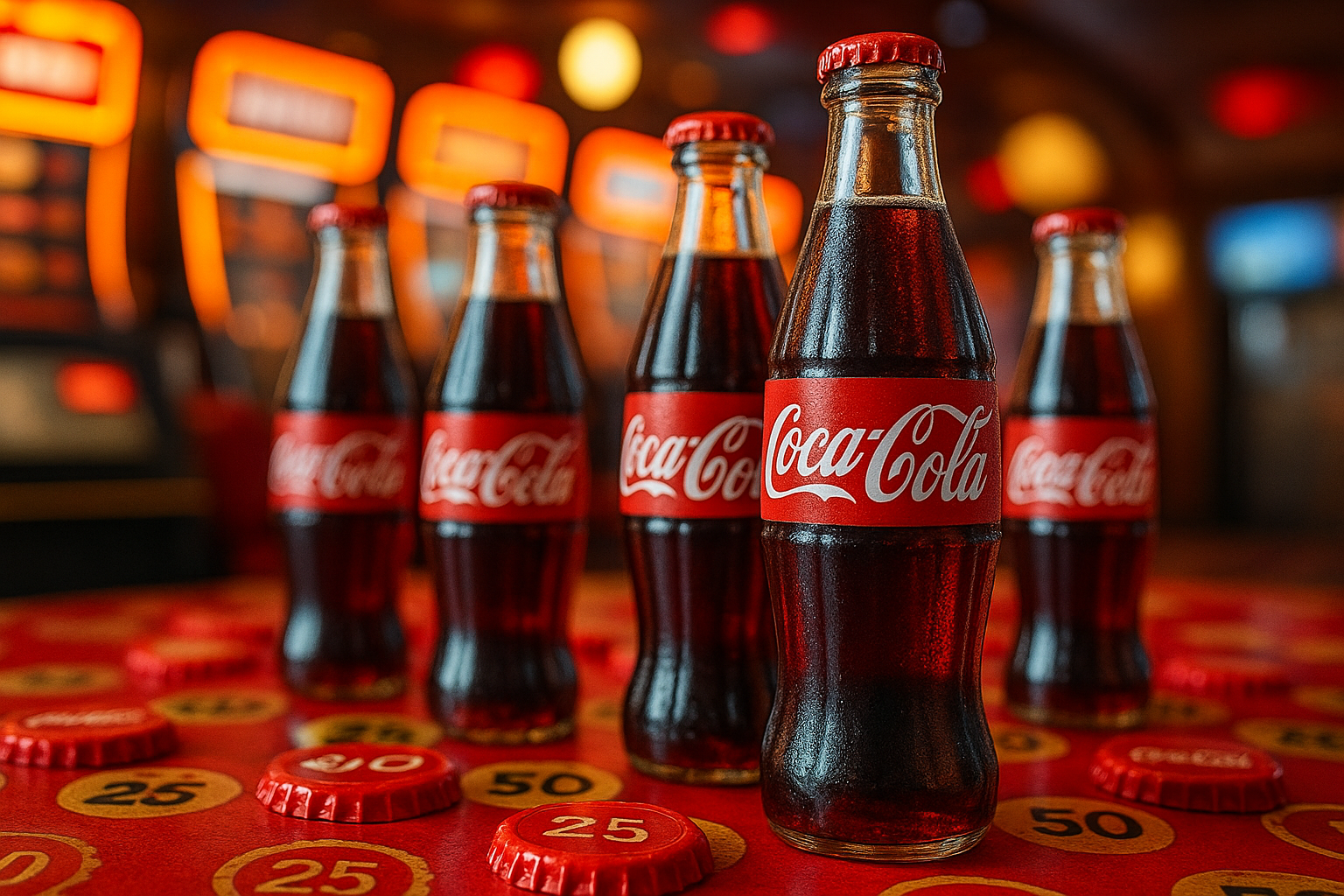
In my experience, the ones closest to selling a good Coke are those neighborhood bodegas that stay open until 3 a.m. and clearly have other revenue streams that allow them to crank the display fridge down to 2°C, which is ideal but at current electricity rates is impossible. Plus, those bodegas usually have those promos like one returnable bottle + three caps for a Coke, which would be like the free spins at the casino.
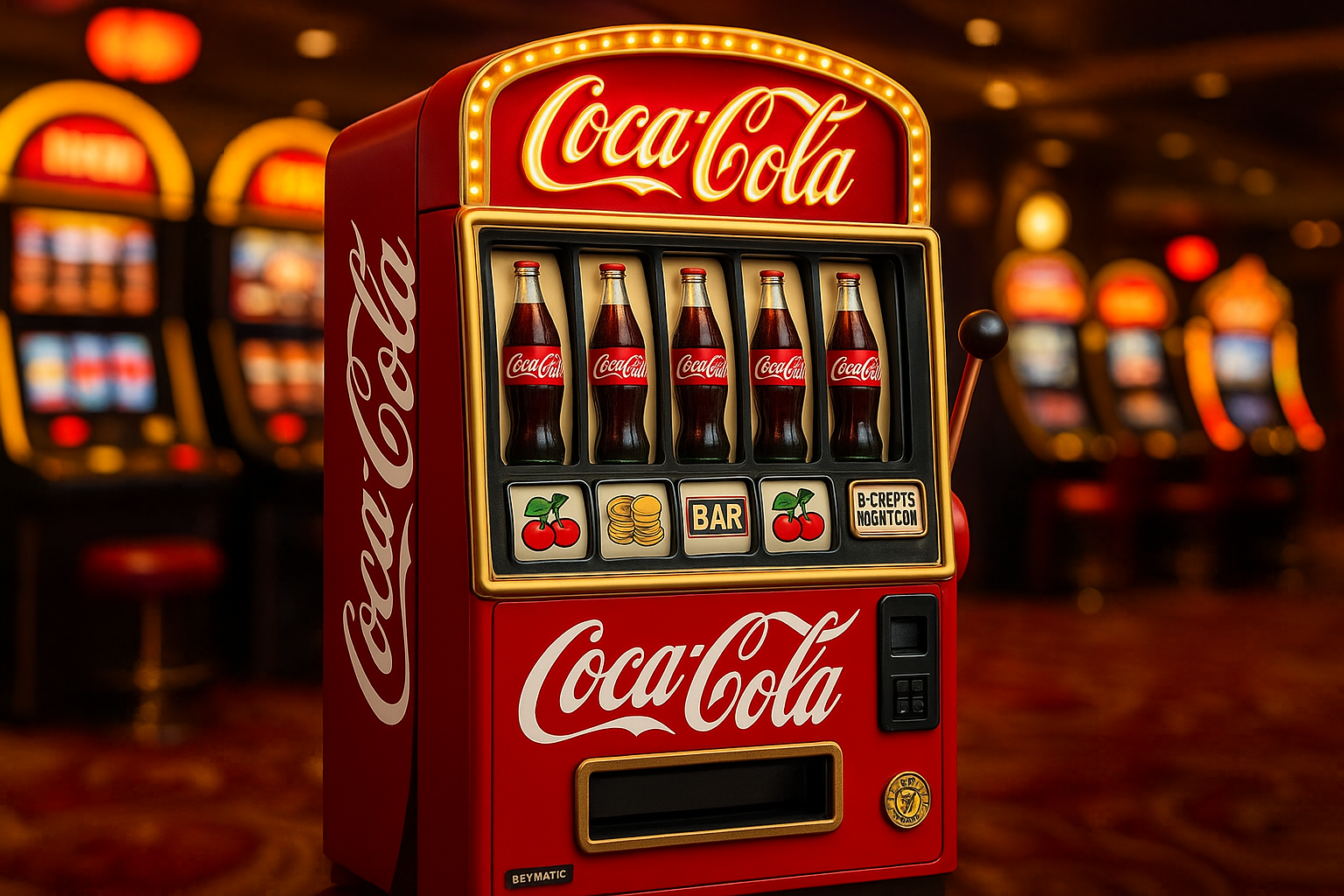
And I say casino because a Coke is always a bet: a roll, a pull of the lever, a ticket, a bill. The lottery, the raffle, the scratch-off. And it's expensive, so it needs to have a massive cashback when you hit it right because otherwise the effort, the expense, makes no sense. And it does. It does because the times you hit the right Coke, the result is exceptional. It's like nailing a parlay. Generational flavor.
Because, deliberately, what the brand does is make the choice increasingly complex and turn it into a compound bet, like the ones on sports betting platforms. Where you buy it + in what size + in what container + at what price. I used to think that prior experience and one's own tolerance for disappointment also played a role. But no. Once you've committed to paying for a Coke, your history doesn't matter and neither does what you do: the probability that that can, bottle, or glass will be what you expect approaches zero. Always. The ROI is abysmal. Every four or five (cans/bottles/glasses), you might land one that's pretty decent: cold enough, good carbonation, and no metallic, plastic, or alkaline aftertaste.
It's pure chance. There's no method to know which one will taste good. If you get a good one, it's sheer luck. Many say the can is the best: I was one of those too, and I crashed a thousand times against cans that tasted like dirt, lukewarm, flat. Many say the 1.25-liter returnable glass bottle, but that's not reliable either: it's been coming with minimal carbonation for a long time now, and if you don't finish it in one go, after a few hours it develops the same stale taste as the dregs of the plastic returnables.
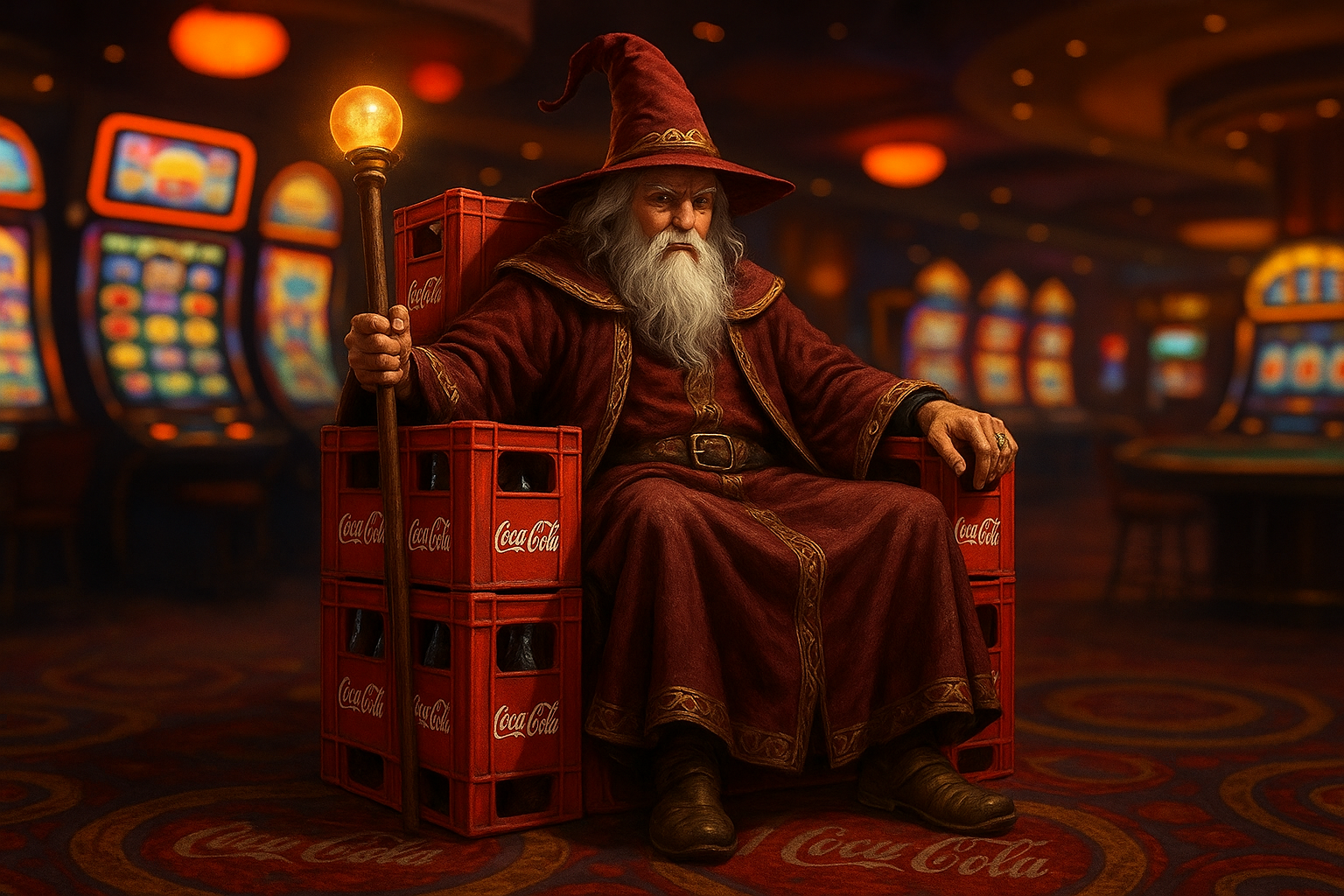
It's funny because it's true: the cocaine addict seeks to consume as much as possible, and the Coca-Cola addict does too. And for that, in both cases, every strategy seems valid: promos, discounts, bulk purchases, or other people's oversights. At that point, getting yourself a "skeleton," a crate of Coca-Cola bottles, is like having legendary loot.
Now there's a lot of talk and writing about online betting ads on soccer jerseys. The generation most fanatical about this soft drink in this country grew up in the '90s with collared jerseys, wide sleeves, Coca-Cola ads in the stadiums, and cocaine in the locker rooms. In between, footballers' chests were dressed by video game consoles, petro-airlines, provincial governments, beer brands, and crypto exchanges.
That generation also grew up watching movies where kids collected empty Coke bottles to sell them at the corner store. Also since that era, and in every installment, the Fallout video game series uses soda bottle caps (caps) as currency. That's why buying a Nuka-Cola ends up costing one cap less: when you drink it, the cap itself becomes money. It's the bonus prize inside the cereal box.
And Coca-Cola, Coca-Cola is gambling by other means.