Diablo II: The Indiscreet Charm of Killing and Looting, Forever

6 de nov. de 2025 — Juanma La Volpe
How many times did I hear Deckard Cain say, "Stay a while and listen!"? Impossible to count –surely thousands. Like the Green Beret's lines in Commandos, Cain's voice triggers heavy nostalgia. The memories blur game and life: that line evokes not only the unidentified loot in Diablo's dungeons but also a summer when we set up our first LAN party with high-school friends. When "the cyber" –the internet café– meant Counter-Strike for most, for me it meant playing Diablo II on a LAN all night for the modest sum of 2 USD.
Diablo put a lot in order for isometric RPGs and helped cement what the scene would call the action-RPG. Like Age of Empires II, the sequel added layers that made it timeless and kept the community alive long after. Diablo III came and went; Diablo IV thrives today with constant updates in a live-service world. Paradoxically, despite Blizzard's push to keep the latest entry relevant, a sizable community stayed with Diablo II –their ARPG peak– running private servers, modding, or enjoying the current remaster. What made Diablo II special? Why is there still a community 25 years later? As Deckard Cain would say: stay a while and read –we're talking Diablo II.
Before 2 Comes 1
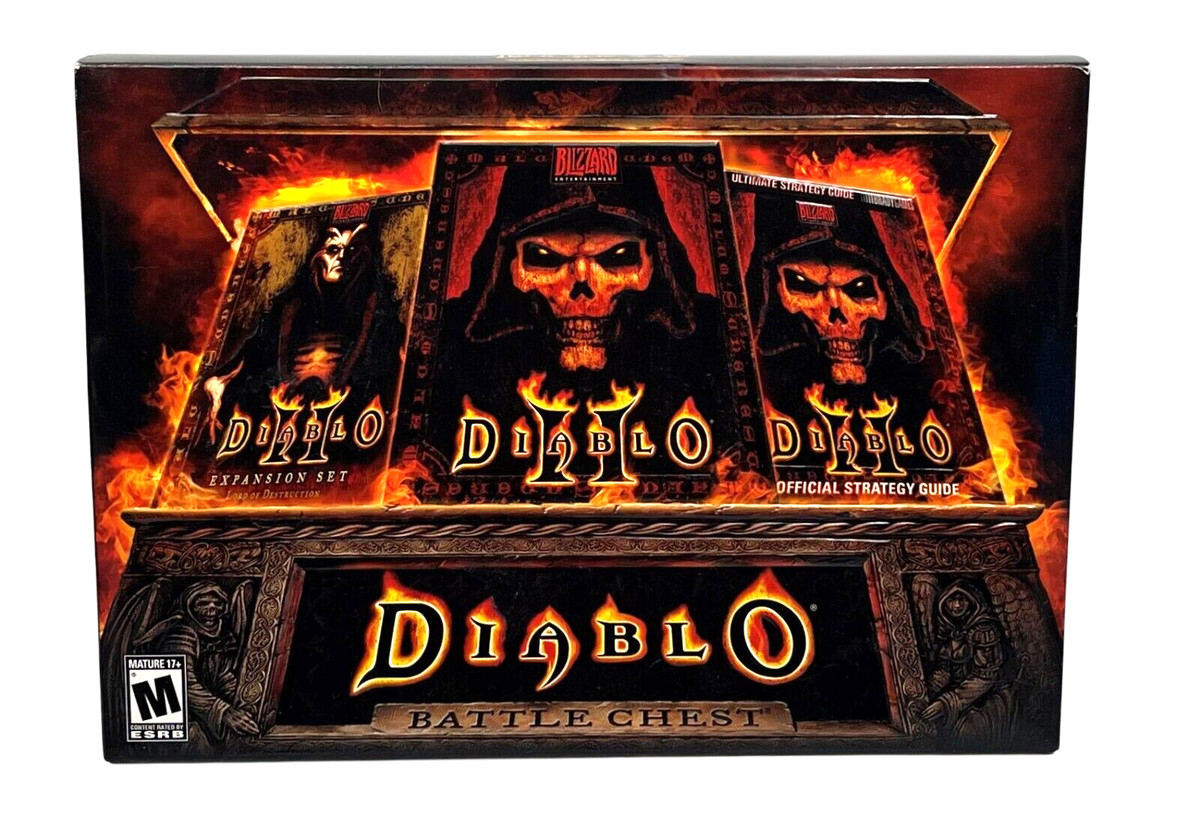
In late 1996 Blizzard released Diablo, an RPG built around real-time action. Originally conceived as turn-based (think Baldur's Gate) by Condor, the studio soon became Blizzard North; the publisher pushed for real-time combat and a multiplayer debut on Battle.net.
Trace the influence chain: before Diablo there was Gauntlet (1985), an arcade top-down dungeon crawler with a D&D vibe –hordes of monsters, maze-like levels. Blend that with classics like Dungeon Master (1987) and early D&D titles and you get an addictive loop: kill to get better loot to kill faster to level up to equip better loot… you get it.
That loop needed a world and story: a gothic, grimdark setting with memorable NPCs who hand out quests or trade in a town that functions as your hub before you dive through 16 dungeon levels to the final boss.
Diablo II and the Loop, Perfected
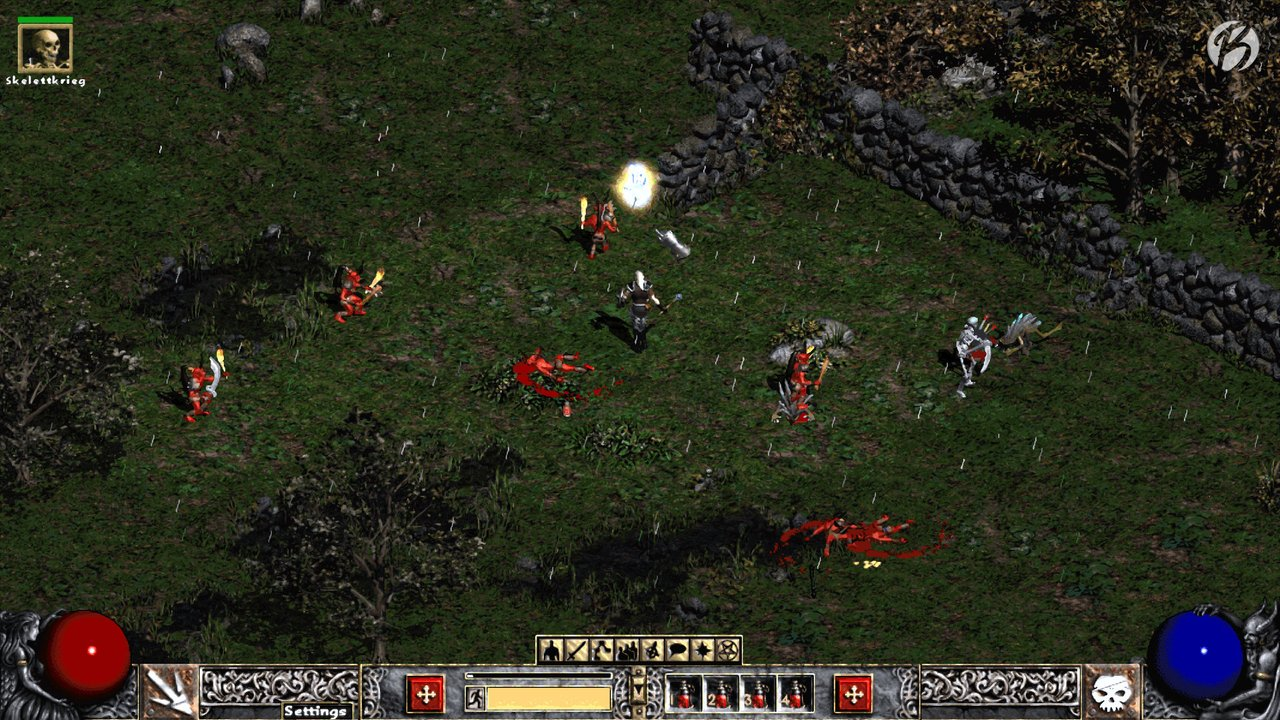
Few sequels leap this far. Diablo II (2000) deepened lore and skills (taking notes from Baldur's Gate without losing its own sauce). Four acts take you beyond Tristram in pursuit of the Dark Wanderer –the hero of the first game, corrupted after trying to contain Diablo. Along the way you face new locales and demons like Mephisto, one of Diablo's brothers.
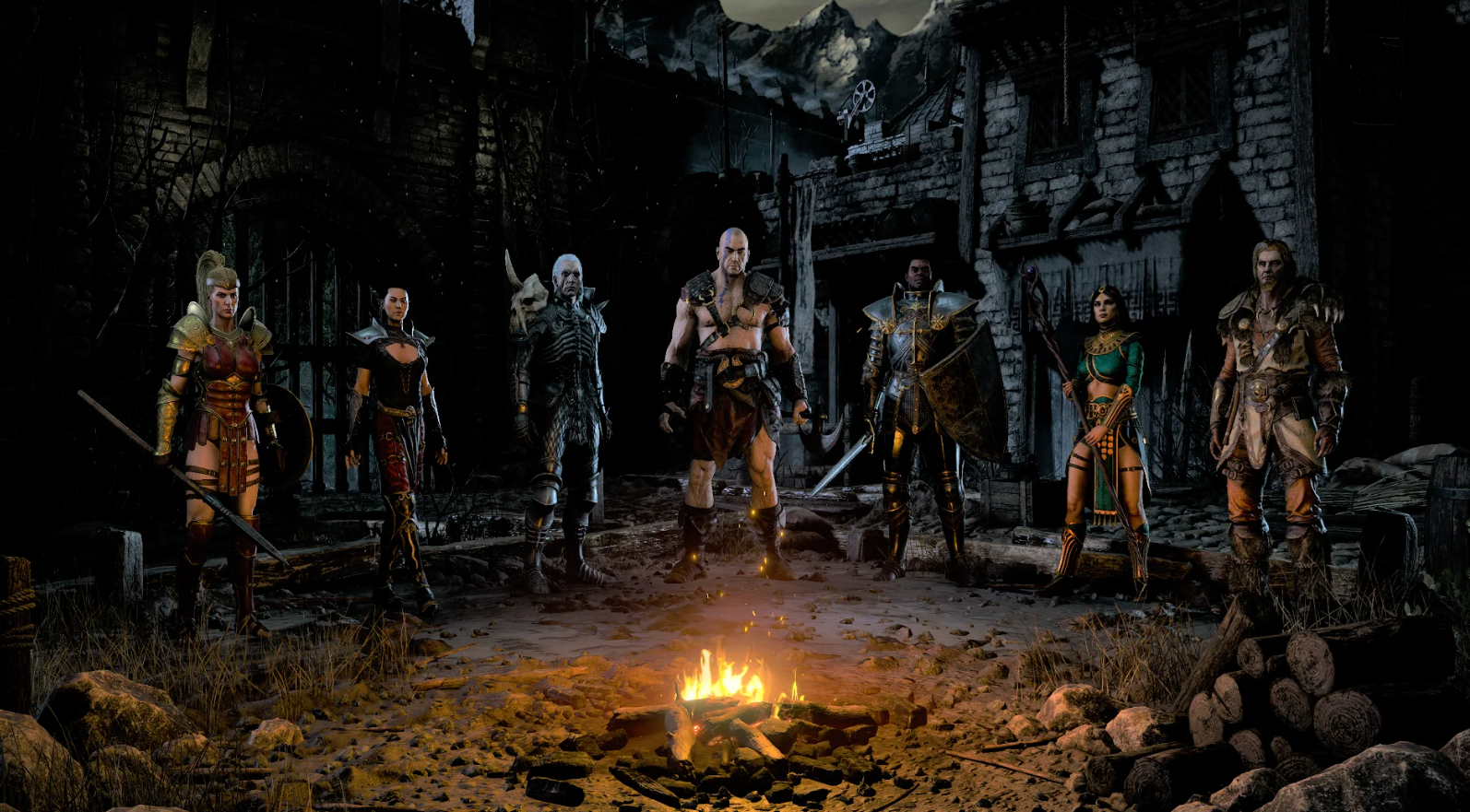
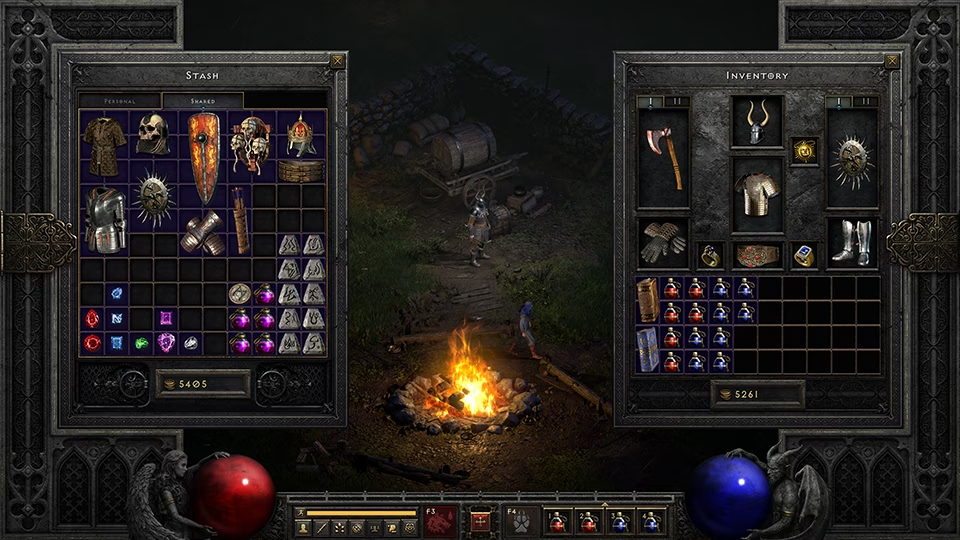
Evolution wasn't just lore. With Lord of Destruction, classes jumped from three to seven –adding Necromancer, Paladin, Assassin, and Druid to Barbarian, Sorceress, and Amazon. Each class gained branching skill trees. New skills and a flood of unique items enabled huge build variety. The pace sped up –faster combat and even a Run toggle. Translation: the loop got perfected; killing and looting went from "fun gameplay" to full-blown addiction. On top of that: a personal stash, hireable mercenaries, and higher difficulties for replays. With all that, the beast hit its stride.
Blizzard supported Diablo II until 2016, four years after Diablo III. The third game had ideas, but something felt off –so fans kept Diablo II alive with mods, community challenges, and speedruns. In 2021 Blizzard released Diablo II: Resurrected –the original code running under a new 3D engine, with a switch back to the original 2D sprites if you want. It folds in quality-of-life tweaks (many inspired by mods) and fresh content without breaking the core. It's a great way to hunt the Dark Wanderer again.
The legacy and the clones
Diablo II obviously echoes through Diablo IV –a worthy, fun continuation that layers 25 years of design on the original concept. Open world, near-endless skills and item crafting, ever-wilder hordes. Still, it isn't Diablo II. As with soulslikes outside Dark Souls, the Diablo lineage spawned many clones but few standouts. The main alternative today is Path of Exile (1 & 2), with Titan Quest and Grim Dawn also strong action-RPGs.
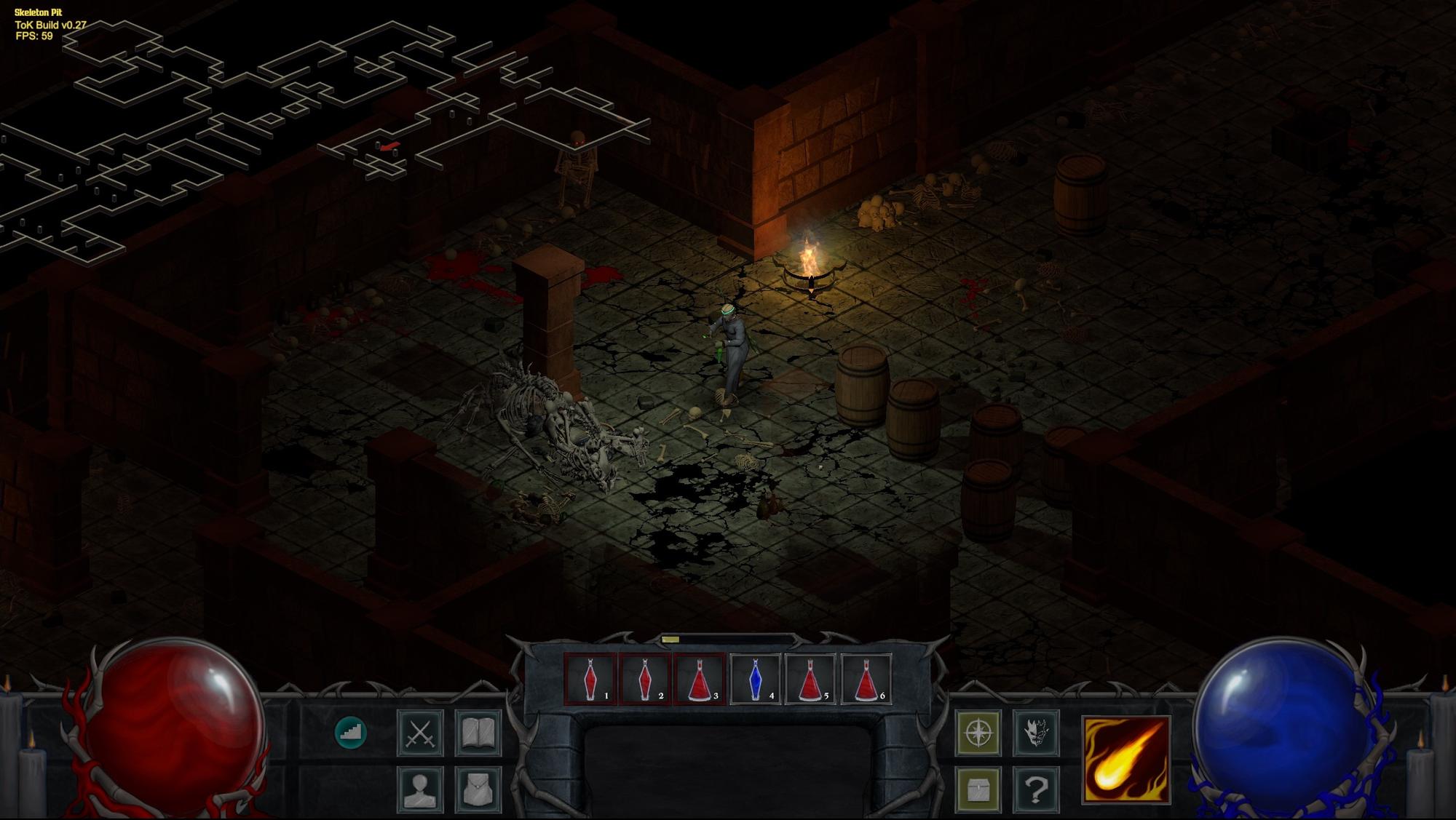
Since 2020, the indie wave has added smaller curios worth a spin in the Diablo-like hunt: Anima: The Reign of Darkness (2011; mobile first –pitched as an answer to Diablo Immortal), and Tower of Kalemonvo (2025), whose demo on Steam is well worth it. The loop got pushed to an almost criminal extreme by the beloved Vampire Survivors (2022) –not an ARPG, but pure kill-and-loot feedback cranked to eleven. If you like those descendants, try Halls of Torment (2024) –basically Vampire Survivors in Diablo II's skin. Fair warning: it's dangerously addictive.
Twenty-five years on, Diablo II remains a touchstone for a generation that lived a golden age from the '90s into the 2000s –StarCraft, Age of Empires, Doom, the first Fallout and GTA. Adventures felt different –maybe not better, but formative. I was a Diablo II diehard, burning nights at the internet café or learning to wire a LAN just to run with friends through the infamous Cow Level.