Dungeon Synth: From Black Metal to Lo-Fi Medieval
4 de jul. de 2025 — Pablo Sencio
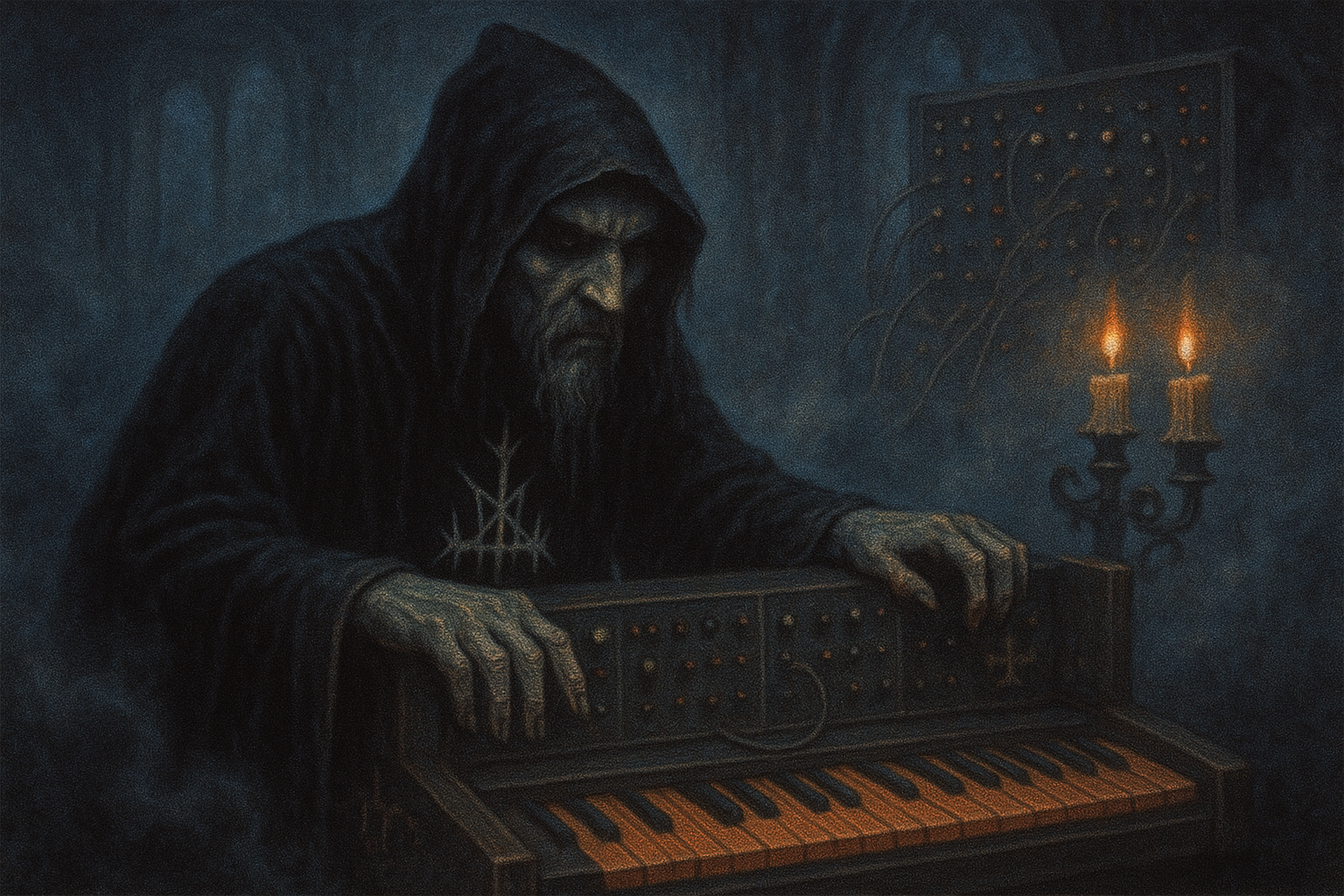
In the '90s, Norwegian black metal was exploding and bands like Mayhem, Darkthrone, and Emperor were rising as icons of the genre, redefining the limits of extreme metal with a fast, distorted, truly aggressive and dark sound. Some musicians from that scene began experimenting on their records, introducing instrumental passages to play with moods and atmospheres.
These pieces were generally composed with synthesizers or with calmer strings. They were melancholic and epic introductions, interludes, or endings: a pause amid the sonic chaos. This is how dungeon synth began to take shape, a musical language that emerged as a resource and eventually separated from the genre that gave it birth.
Varg Vikernes, Mortiis, and "proto dungeon synth"
Two musicians stood out at its origins: Mortiis, bassist of Emperor, and Varg Vikernes, ex-Mayhem, one of black metal's most controversial and well-known figures. There were other influences too, such as electronic music, fantasy literature, Viking mythology, and medieval tales. For example, Varg Vikernes created his solo project Burzum, which means "darkness" in the Black Speech, the fictional language of Mordor in The Lord of the Rings.
Mortiis (Havard Ellefsen) began his solo career by leaving Emperor and seeking to do something different from metal. He drew from dark ambient and the music of bands like Tangerine Dream, and in doing so forged his own style, becoming an influence and origin point for dungeon synth.
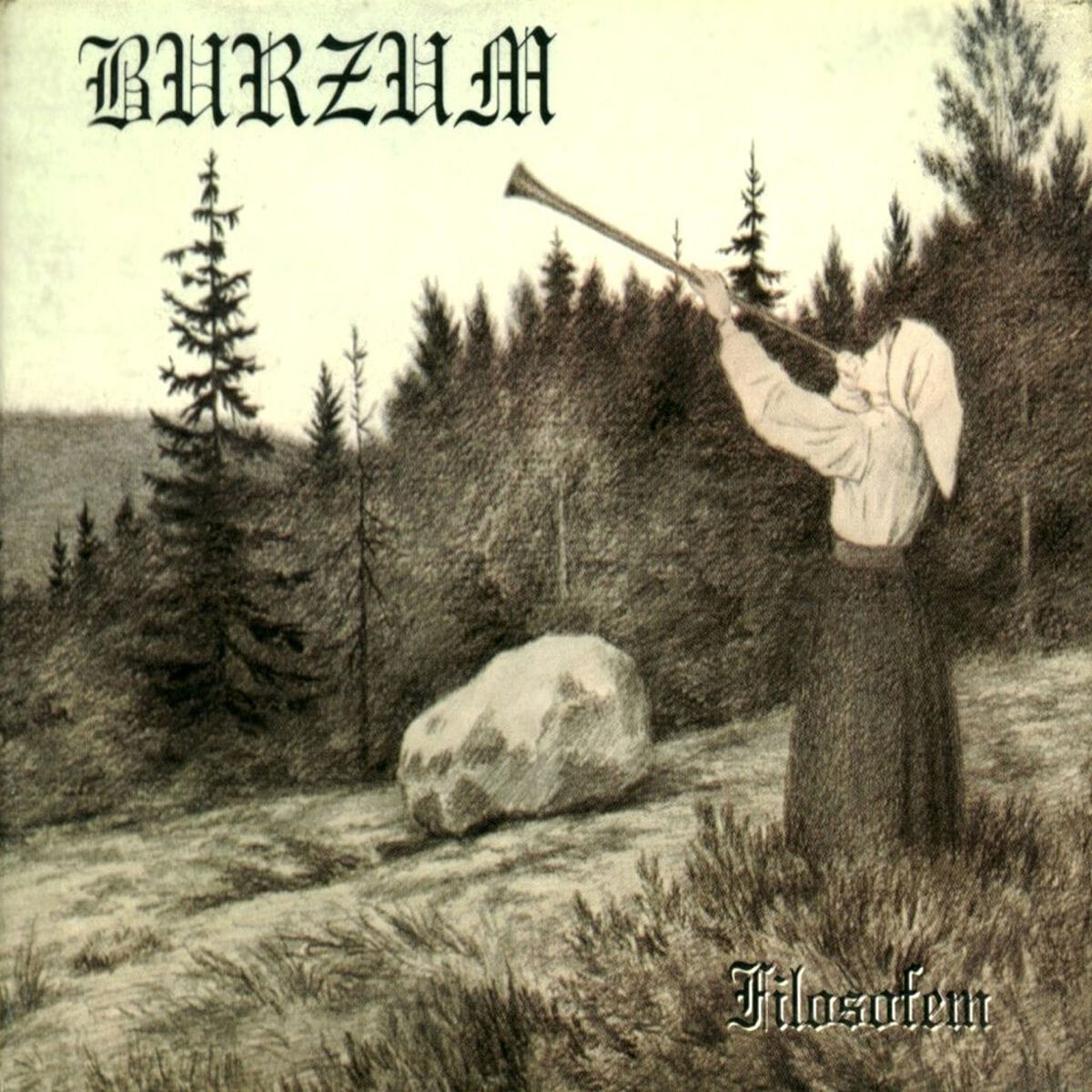
Varg Vikernes, with his project Burzum, was a clear precursor. During his prison sentence -- for burning churches and murdering a bandmate -- he continued composing. Without access to proper instruments, he recorded two albums using MIDI keyboards. His tracks, at times, sound like the music from a Super Nintendo RPG.
These two projects were not the only ones exploring this ambient and dark sound. In this initial stage of the genre, which would be the "proto dungeon synth" era, the key figures found across Europe include Depressive Silence, Cernunnos Woods, Lamentation (Greece), and Emglev (France), among others. Slowly, something that didn't yet have a name was taking shape.
Dungeon synth leaves the dungeon
Years passed and all these bands kept evolving, but the movement remained underground for a long time. This music born from black metal existed, but it wasn't reaching a wider audience. There was also no way to classify it: while there were common characteristics and themes, it still lacked a definition. The name "dungeon synth" was only coined in 2011, when Andrew Werdna, a genre enthusiast, created a blog called Dungeon Synth Blog. On this site he shared music, artists, and projects that began to be classified and gathered under that name.
This brought about a second wave, a renaissance of the style that was more defined and distinct, also influenced in part by vaporwave. A nostalgic sound developed, reminiscent of old video game music, with lo-fi textures that create the effect of "music I long for but don't actually know." The internet, through sites like Reddit and Bandcamp, was key to this expansion: hundreds of bands and projects emerged, making the genre go viral. YouTube channels like The Dungeon Synth Archives and online festivals like Northeast Dungeon Siege also played a role.
You didn't need a big investment to create this music. The lo-fi aesthetic and the use of synthesizers or computers made dungeon synth a very accessible sound. Amateur musicians started creating and sharing their music without intermediaries, without needing much at all.
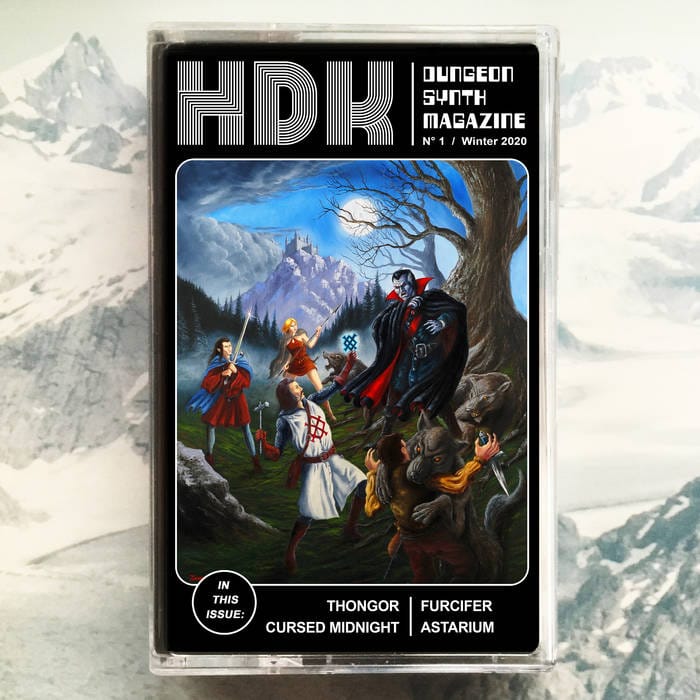
The "cassette culture" was also important: many releases were put out in limited cassette runs, with handmade artwork and distribution among collectors. This format reinforced the nostalgic and lo-fi aesthetic of dungeon synth. Today you can find tapes for anywhere between 10 and 50 dollars. There are also current projects that release cassettes and sell them online.
Wizards, cursed kings, and pixel art landscapes
Another distinctive detail is that many dungeon synth artists create an imaginary character or entity, an alter ego. It could be a wizard, a cursed king, a forest spirit, an ancestral being, a creature from legends. The musician becomes both narrator and protagonist at the same time. Some even have lore, a universe in which they exist. Erang, for example, in Kingdom of Erang, includes a PDF with the map of Land of the Five Seasons, divided into zones like Winter, Autumn, or Magic.
In this modern age of the genre, the most recognized acts are Old Tower, Fief, Thangorodrim, Erang, Sequestered Keep, and Quest Master. This is what's playing now, what you'll find on Spotify, YouTube, Bandcamp, and Reddit. This online community -- including Discord servers -- is where releases, memes, and genre secrets are shared. YouTube also plays a key role: many albums are uploaded accompanied by pixel art visuals, landscapes, or medieval imagery.
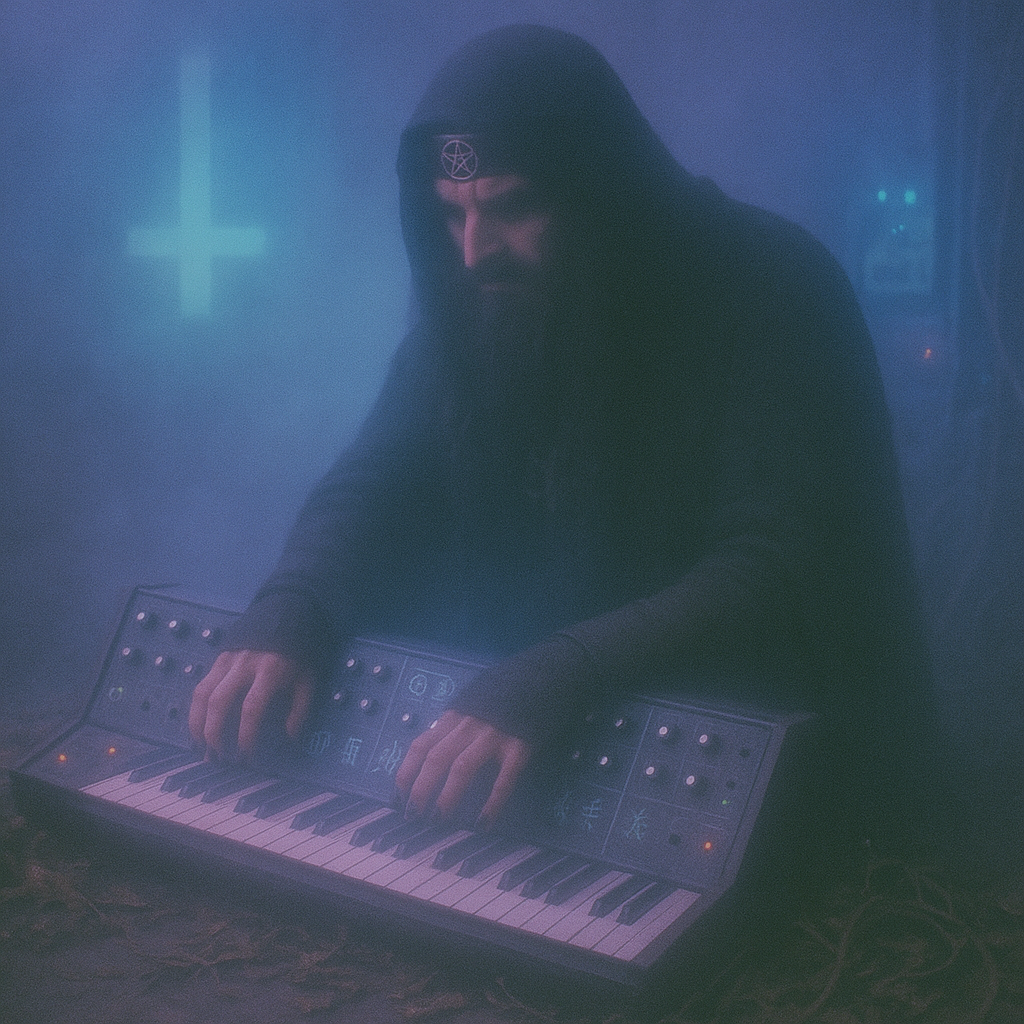
Sound-wise, one of the most noticeable characteristics of this wave is that the melodies are more polished. The depressive, suffocating mood is somewhat abandoned and the music becomes more optimistic, even cheerful at times. There's also an improvement in quality -- the lo-fi tone is maintained but effects, more complex arrangements, and more refined production techniques are added. Hole Dweller, for example, uses samples of animals, crickets, birds, and frogs. The evolution of computers, the internet, and the development of specialized music software greatly facilitate music production in projects like these.
The branching dungeon synth of today
This cultural phenomenon branched out and grew to the point of generating hundreds of subgenres, in a dynamic similar to heavy metal. You'll find comfy synth, with a sound similar to the music of Stardew Valley, with acts like Grandma's Cottage. There's also winter synth, which evokes wintry landscapes and cold atmospheres. In many cases, styles and bands overlap, and only the true adventurers who dare to enter the genre's depths know the details.
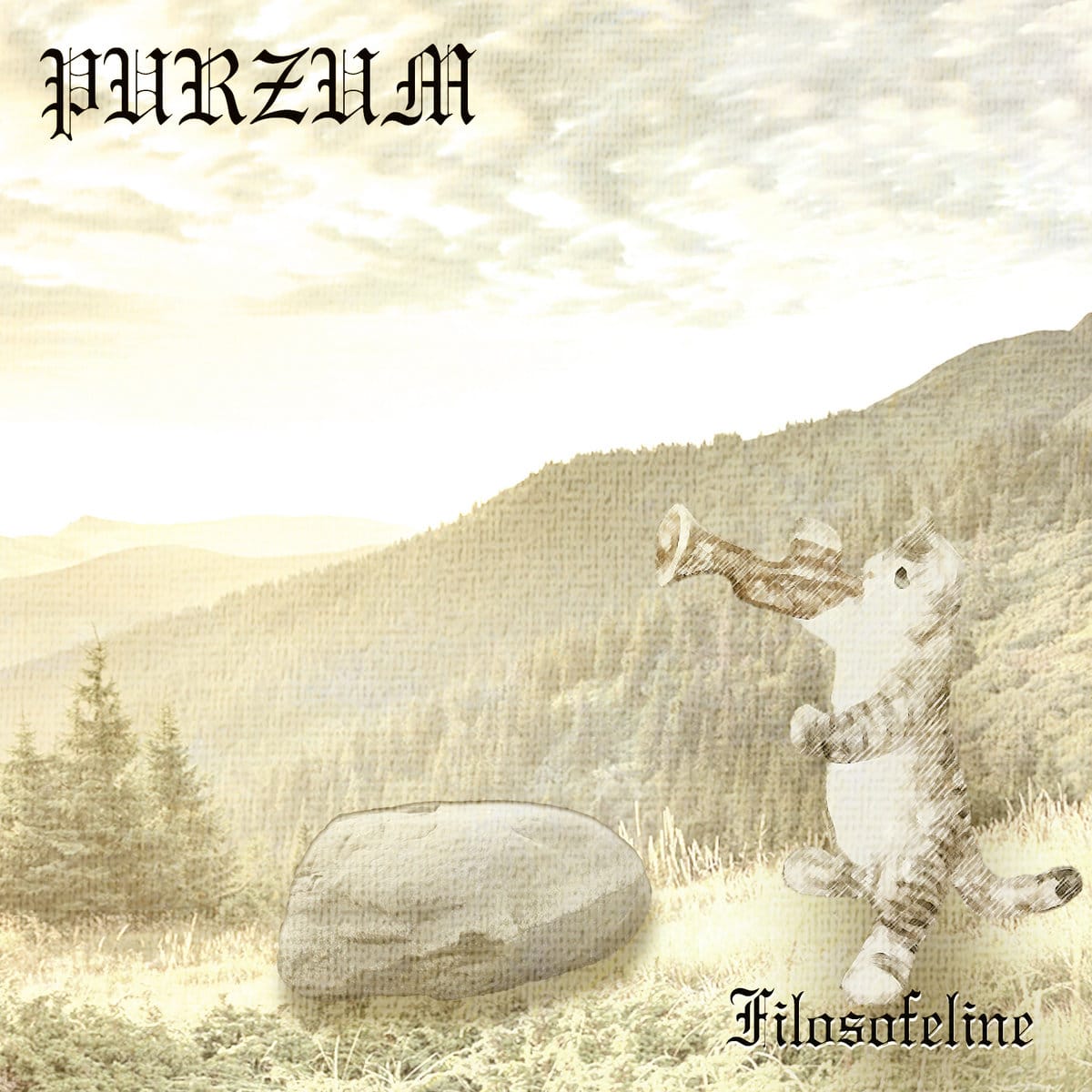
Other subgenres focus on the satirical, humorous, or are even inspired by memes, like Purzum, a clear satire of Burzum with a sound that could be classified as comfy. The cover of their album Filosofeline parodies Filosofem: instead of the original woman, we see a cat playing a trumpet. And so we come full circle, with a subgenre that evokes and laughs at itself and its own roots.
Today, dungeon synth sounds nostalgic, lo-fi, accessible. True to its origins, ambient -- you can listen to it while reading, working, playing tabletop RPGs, building a house of cards, or brewing some tea. You don't need to pay it too much attention, just let the atmosphere fill with medieval imaginaries, with memories of the future. Little remains of the black metal that gave birth to all of this.
Dungeon synth is as grand as its simplicity. Without big showcases or orchestras, it creates worlds, builds castles, and accompanies moments, real or imaginary.
Getting started with dungeon synth
Here's a listening list of some of the most representative albums and artists, which serves as a brief overview of this sub-genre's history.
Anden som Gjorde Oppror, by Mortiis, can be considered the first.
Daudi Baldrs, by Burzum, is one of the most influential albums.
Depressive Silence II, by Depressive Silence, is a classic.
Lost Woods, by Cernunnos Woods, is a depressive and suffocating treat.
Old Sorcery, by Realms of Magickal Sorrow, is a journey through forests and castles.
The Twelve Temples, by Quest Master, is like stepping into an RPG.
II, by Fief, is a combination of tracks with an optimistic melody and a good vibe.
Flies The Coop, by Hole Dweller, is what hobbits listen to when they smoke.