Famicom, NES, and Family Game: The 8-Bit Trinity

13 de nov. de 2025 — Juanma La Volpe
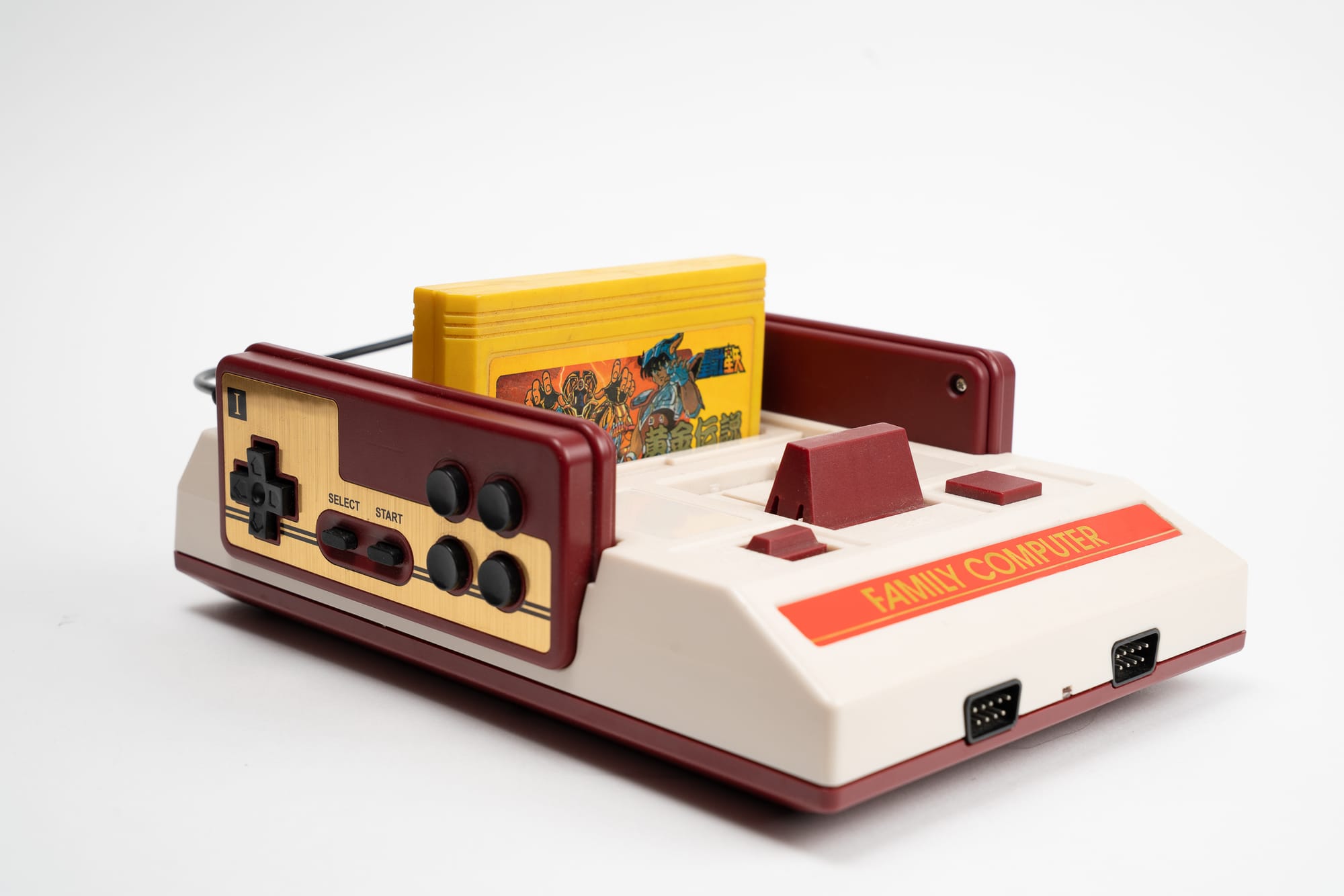
My first encounter with this deity in the form of a video game console was when I was 6 or 7 years old, when I was given a Family Game to get through a period of bed rest after surgery. My memories are hazy, but we had previously owned an Argentine Atari clone called the Edu Games 2600, which my dad, one of this country's antediluvian nerds, would share with me to play. Partly under the excuse of cheering me up, a new console joined the family: an Electrolab, one of the many 8-bit clones that made it into the country, along with a multicart and an Excitebike. And we could say that the damage done to my brain by the sound of that little motorcycle and the hours poured into Circus Charlie was permanent -- a stimulus bomb that would ignite my lifelong devotion to what the experts call video games.
In the early '80s, in the United States, the video game industry was still nursing the open wound left by Atari's E.T. Meanwhile, in Japan, Nintendo -- a company that came from the world of playing cards and had started dabbling in video games -- was figuring out how to bring arcade games into people's homes. This story has three protagonists that are, in truth, the same entity -- like the Holy Trinity. Call it what you will: Nintendo Entertainment System (NES), Famicom, and/or Family Game. Their journey across the globe, in the form of 8-bit consoles, changed the way video games were made, and 42 years later, they are still being collected, cloned, and played.
Famicom, the birth of a culture
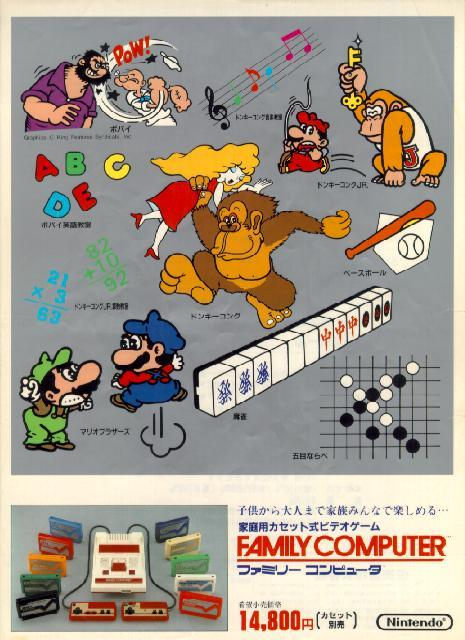
Saying Nintendo today is synonymous with an entire cultural and commercial movement that would begin with this great console. But before that, the company already had some early attempts on the market with the so-called Color TV-Game systems, which were consoles with built-in Pong-based games, and with the "father of the Game Boy," the now highly sought-after Game & Watch handhelds. It was in the early '80s that Nintendo's president, Hiroshi Yamauchi, asked his team to create a cartridge-based console that would bring arcade games into homes and -- I imagine he said this almost as a threat -- it had to be so powerful that the competition couldn't copy it for at least a year.
The team responsible for developing the console was R&D2. Among the innovations of the 8-bit machine were several features Nintendo had already tested in its earlier products, such as the directional pad (D-Pad) on the controller and the importance placed not only on graphics but also on the sound chip. On July 15, 1983, the Famicom (Family Computer) went on sale, and its launch lineup included Donkey Kong, Donkey Kong Jr., and Popeye, which were huge hits in arcades. The console's strategy of bringing arcade games home began by supporting other companies in making and publishing games for it -- what we now know as third party development. Such was the case with Hudson's Bomberman and Lode Runner, and Namco, which contributed the enormously important Galaxian and Pac-Man.
At first, the console featured games that seem very prehistoric to us now, where the experience was based on scoring, like the aforementioned Popeye, sports adaptations, or some early games with levels and a story, like Ice Climber. But as the months and years went by, not only did major IPs from the worlds of film, anime, and other media arrive, but Nintendo also began creating its first gaming ambassadors.
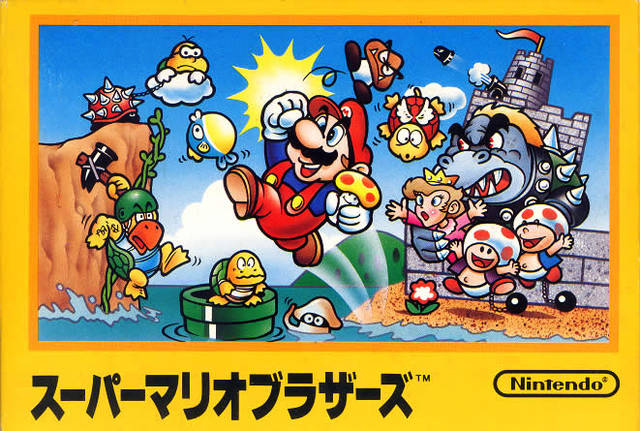
In September 1985, Super Mario Bros. was released, designed by Shigeru Miyamoto and Takashi Tezuka, and it set the standard with its innovations in story, game design, and visual and audio presentation. The Italian plumber would become the most iconic figure of the console, of Nintendo, and, today, of video games as a whole, and his birth would herald a new era of more complex games on the Famicom -- one that would only deepen with titles like The Legend of Zelda and Metroid, both from 1986.
Over the following years, Nintendo continued to innovate, adding all sorts of peripherals: the famous light guns, floppy disk systems, modems, and even attempts at virtual reality before the infamous Virtual Boy. While in the Japanese market the first RPGs, visual novels, and horror games were also being born, Nintendo was preparing its next step in world domination with its arrival in the United States.
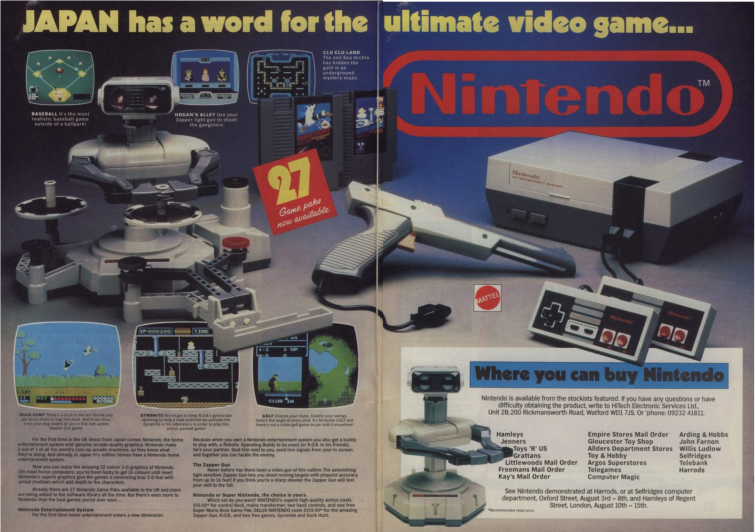
Nintendo Entertainment System -- but just call it NES
To conquer the American market, Nintendo had to make some changes to its original product. The console launched in 1985 under the name Nintendo Entertainment System, but it was known by its alias NES. In those years, the wound left by Atari was still bleeding, and the concept of video games wasn't exactly well regarded, so they chose an approach that evoked the relatively new VCRs.
Beyond the name change, the console got a makeover to look more "serious": it swapped the white and red for a gray color scheme, and the small Japanese Famicom cartridges became something as big as a VHS tape. To bolster the launch and convince toy stores, Nintendo of America released the R.O.B. robot alongside the console, which came in the Deluxe Set, and the Zapper light guns, which came in the more popular Action Set.
To further reinforce that this console was nothing like the ones that had destroyed the market, a Nintendo Seal of Quality was added to its games, along with strict quality control for titles made both by Nintendo itself and by third-party publishers. And, just like in Japan, little by little the most recognizable franchises from film and comics started joining the NES game catalog.
Nintendomania exploded in the United States alongside a full arsenal of merch and related products surrounding the console and heroes like Mario. Rapidly, just as the pop culture world was jumping into gaming, Nintendo's characters were invading comics, toys, trading cards, and had their own magazines, 1-800 hotlines, and bizarre TV shows like The Super Mario Bros. Super Show! and Captain N: The Game Master, in 1989.
The Super Mario Bros. Super Show
By the mid-to-late '80s, the NES was an institution, and a battle was beginning with SEGA, another Japanese giant, which was competing with its own 8-bit console, the Sega Mark III, known globally as the Master System. While the world was about to witness the true console wars -- which would continue in the next generation between the Super Nintendo and SEGA's Mega Drive -- in Latin America, and especially in Argentina, the Famicom/NES was just settling in, but wearing a different skin and playing by different rules.
Family Game, the clone wars
For much of the '80s, Argentina had strict import restrictions aimed at rebuilding its domestic industry, and at the time, getting a NES or a Famicom was extremely complicated and expensive. Entering the '90s, with the 1-to-1 dollar convertibility plan and the opening of imports, the little 8-bit beast finally arrived in our country.
Although there was an attempt by Nintendo of America to bring the console officially in its NES version, it didn't work out. This new era of imports brought with it cloned versions of the Japanese Famicom. Chips arrived to be assembled by different local manufacturers, the most famous being the one made by Electrolab, which bore the name Family Game and featured a design similar to the Famicom with the Japanese cartridge slot. But there were many other consoles of that style that kept the cartridge format, like the Froggy, the Good Boy, and thousands more, with ridiculously wild names but also with weird shapes and colors.
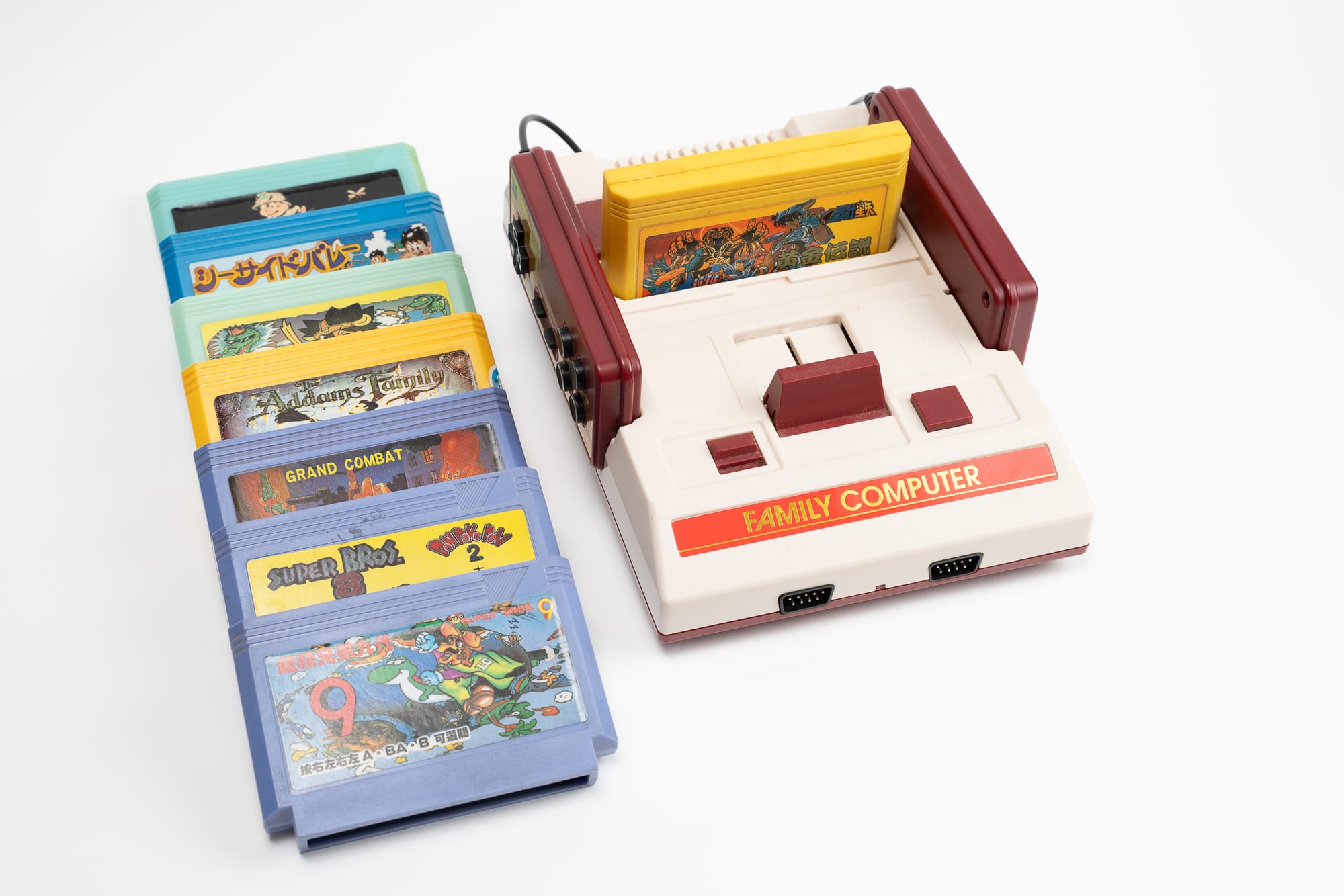
The fact that the Famicom's presence was represented through the Family Game and its cartridges meant the game catalog was shared between cloned Japanese games manufactured somewhere in Asia and multicarts that started at 9 in 1 and ended at 99999999 in 1. And here's where the fun begins, because the cartridges didn't just carry copied originals -- they also started selling the first bootleg games, like the many weird Mario titles out there, for example Super Bros 10 Kung Fu Mari -- known in Lomas de Zamora as Mario Karateka -- which was originally a Jackie Chan game for the Famicom, but some madman slapped Mario's head onto the main character.
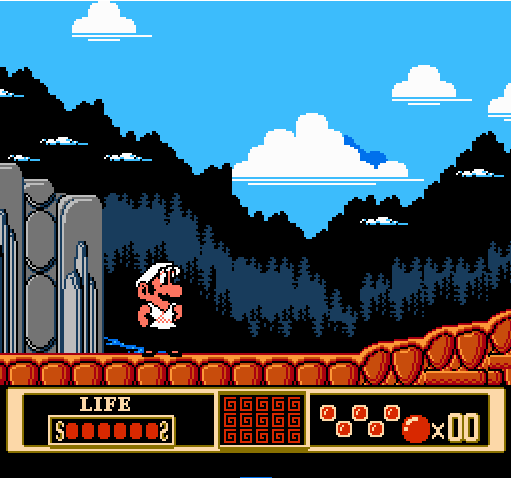
This beautiful tradition gave birth to the world of mods and bootlegs, which are still being released today as ROMs for emulators, developed by a community that does everything: from translations of games that never left Japan to brand new titles. Other interesting arrivals included anime games, like the impossible Knights of the Zodiac (Saint Seiya) game, which was a side-scrolling RPG entirely in Japanese that nobody could finish, and the Captain Tsubasa game, which many of us played with a notebook to jot down what each option meant.
The downside of this console was that some truly great titles from Nintendo, like The Legend of Zelda, Metroid, and Kirby, and from other companies, like Castlevania and Final Fantasy, were nearly impossible to find on these clone cartridges. Still, we got to enjoy a ton of titles that never made it to the NES.
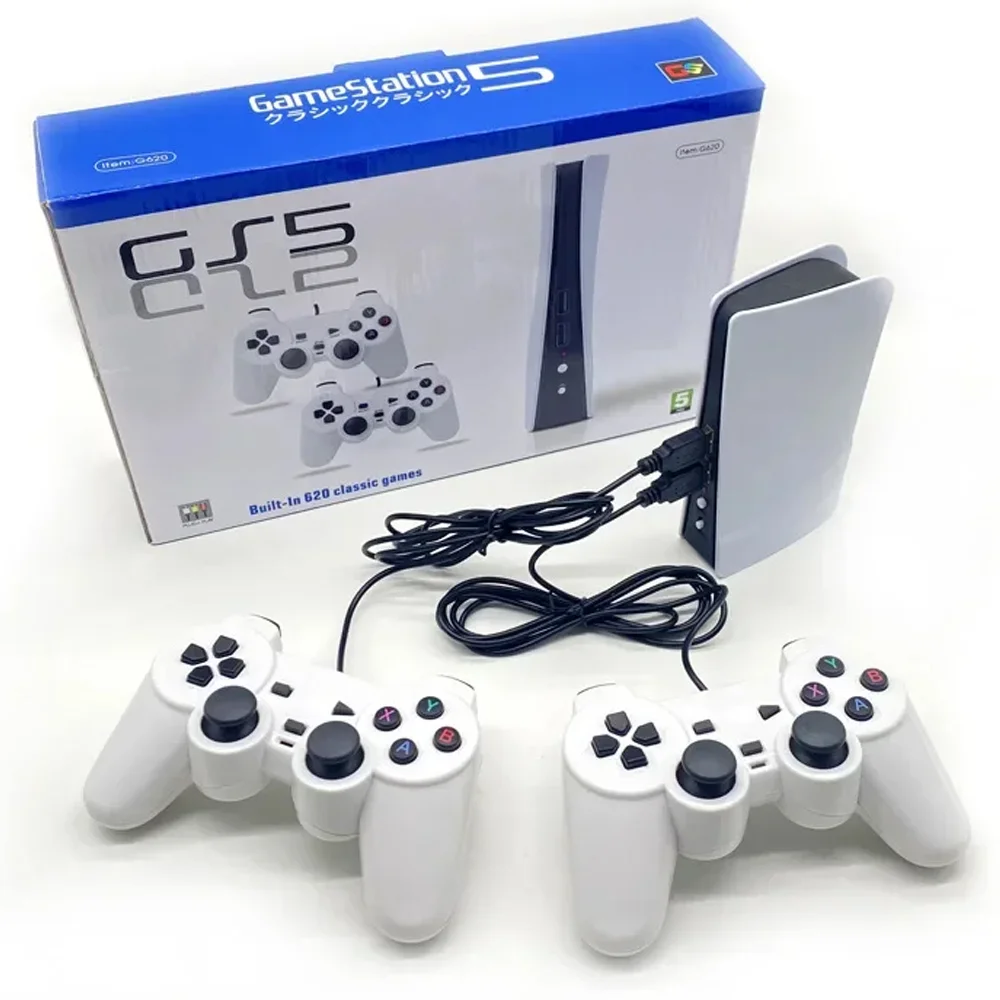
The years went by, and while Family Game consoles stopped being manufactured in Argentina, clones kept arriving -- and still do today. Every new console generation that appeared had its "mimic" version as a Family: Nippon Games managed to adapt the console into the wildest form factors, like a notebook, a SEGA Mega Drive, or by inventing bizarre shell designs just to catch your eye. And then the legendary Polystation would enter the world of PlayStation doppelgangers, recreating every Sony console up to the present day.
The legacy of the clones lives on in toy stores across the country. The newer models now come with built-in games or cartridges loaded with a massive selection of titles. Thanks to the power of emulation, we can access the Japanese, American, and bootleg catalogs of the console, on top of newly translated or bootleg games, plus the fact that today a NES emulator can run on just about anything: from a cell phone to the new portable emulation handhelds.
A little while after the surgery I had as a kid, during the magical year of 1995, my dad worked at a video rental store. One Saturday he came home with a giant bag full of Family Game and Genesis/Mega Drive cartridges from SEGA and gave me a challenge: I had to pick 5 cartridges from each system for the video store to buy and rent out. I don't remember all the titles, but that Family Game selection included Ikari Warriors 3 and Samurai Pizza Cats.
The possibilities for playing are enormous, and thinking back to that moment when I had to make the selection for the video store, I'm left wondering: what would my ultimate 99 in 1 be?