Global Fandoms: Shared Identity or Just an Algorithm?
18 de mar. de 2026 — Ana Valeria Sarra
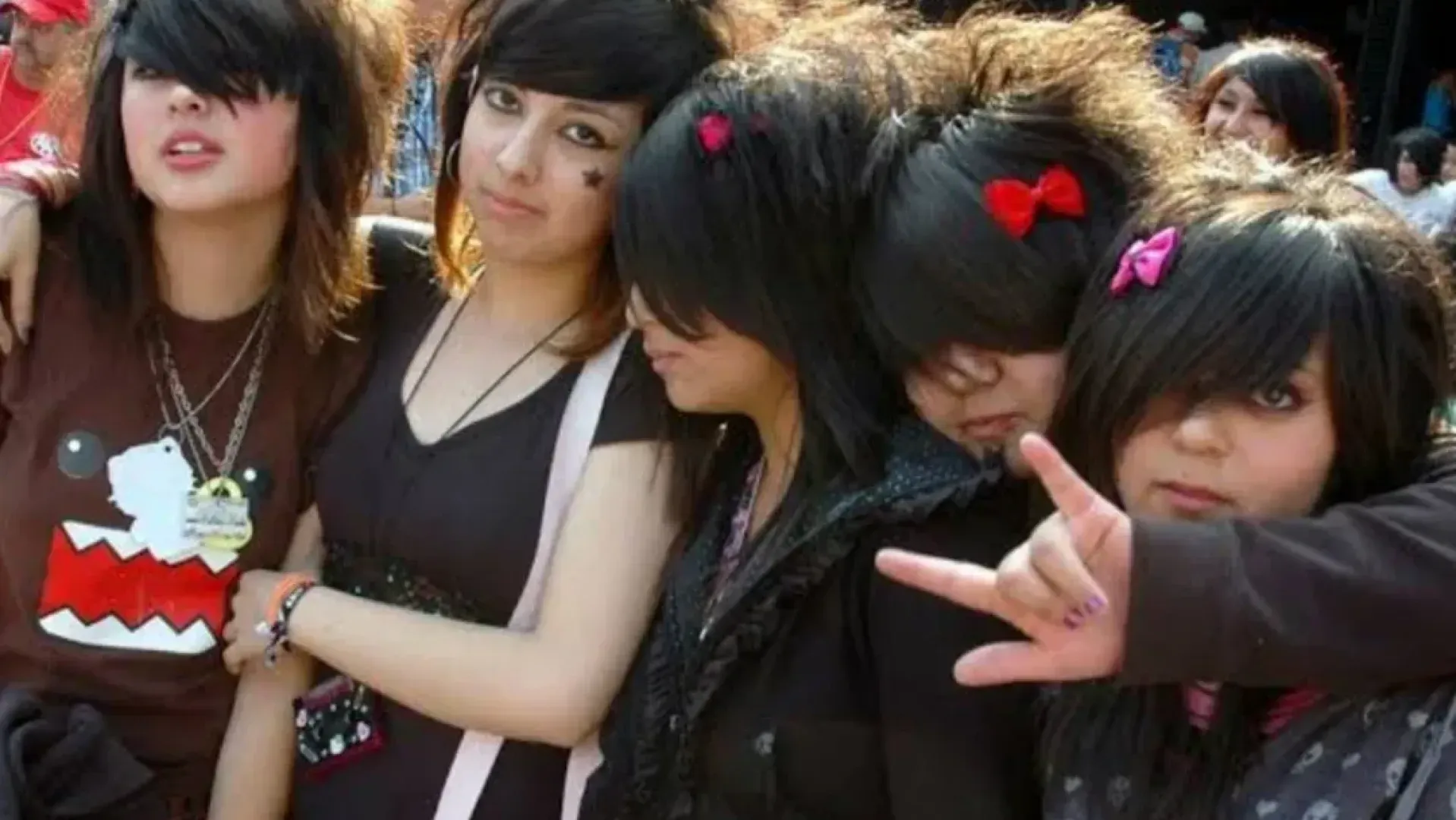
Urban tribes have always been a reference point for the Argentine youth culture. A sense of belonging through music or fashion. In the nineties, everything was much more defined, and broadly speaking, in Argentina, you could be a rolinga (Rolling Stones fan), goth, alternative, rastafarian, or cumbiero (fan of tropical cumbia). The boundaries were clear, and mixing styles was seen as pretentious.
Buenos Aires used to have meeting spots like Saturdays at Bond Street, Wednesdays at Abasto Shopping, or underground concerts. While corners and some parks still serve as a reference for gathering, the Internet simplified the equation: fandoms emerged around the world that set the pulse in real-time (and on a global scale) through social media.
In the United States, surfing through the 2000s, something unique happened with emos and MySpace culture. The platform not only allowed you to explore HTML profile design, but it also became a novel niche for connecting people through new music. My Chemical Romance and Paramore, for instance, emerged from there. The emo scene and MySpace formed a virtuous circle that fed off each other.
In the nineties, everything was much more defined, and broadly speaking, in Argentina, you could be a rolinga, goth, alternative, rasta, or cumbiero. The boundaries were clear, and mixing styles was seen as pretentious.
In Argentina, there was a parallel with the American emo scene: the floggers. Agustina Vivero, better known as Cumbio, was the first national influencer. Leader of a new urban tribe (without even trying), she experienced explosive fame simply for being herself and showcasing it on Fotolog.
Another factor that exponentially fueled the movement was the fanaticism that runs through Argentines. The best audience in the world, according to all the bands that have stepped on this soil and heard their guitars sung with enthusiasm. We are characterized by the vitality of spontaneous encounters and, of course, the need to effearnos por reverse.
From the moment society began to live through the gaze of others on social media, the construction of identity was reconfigured. At the same time, the margins that once divided the real from the pretentious began to blur. We have been showcasing our lives on the Internet for over two decades, and to top it off, the pandemic reset in-person encounters. Everything changed forever: now concerts are called concerts, and if you didn't create a good Instagram story, it's as if you were never there; you didn't experience it. And we all have our own narrative in the cloud.
 Juan Ruocco 🧙♂️
Agustina Vivero, consulted by 421 on this topic, stated: “My theory is that urban tribes are changing because the ways we relate to each other have changed. I believe that today, to be part of a community, it’s not necessary to meet in person; you can have other things in common. I also think that belonging to one is not limiting; you don’t have to exclude yourself from another.”
In the pre-Internet era (a.I.), there was little tolerance among tribes, and it was common for the more violent skinheads to wait for the more sensitive alternates after concerts by El Otro Yo or Smitten. To ignore the impact that the Internet has had on our way of socializing would be absurd. The culture of hate also strengthened with social media. Today, hacking the system means learning to monetize it.
Juan Manuel Fombella is the guitarist for Rey Bruja, a neo-rolinga band that is building a new genre and a community of followers. Juan Manuel previously played in a hardcore band. From the stage, he asserts that now everything is more mixed, but there is still respect for being real: “They started calling us rolingas in a derogatory way, and the turn we took in that direction was a provocation for those people.”
As a musician, Juan Manuel acknowledges that both his followers and his haters help shape the next step. “There’s too much content out there, too little mystery, and at the same time, it’s not profitable to play mysterious. If what you do is relevant, there’s someone on the other side creating content for you. Whether it’s the fandom or a tweet from someone who hates you. The Internet changed everything in an insensitive way,” he reflected.
 Marina Amabile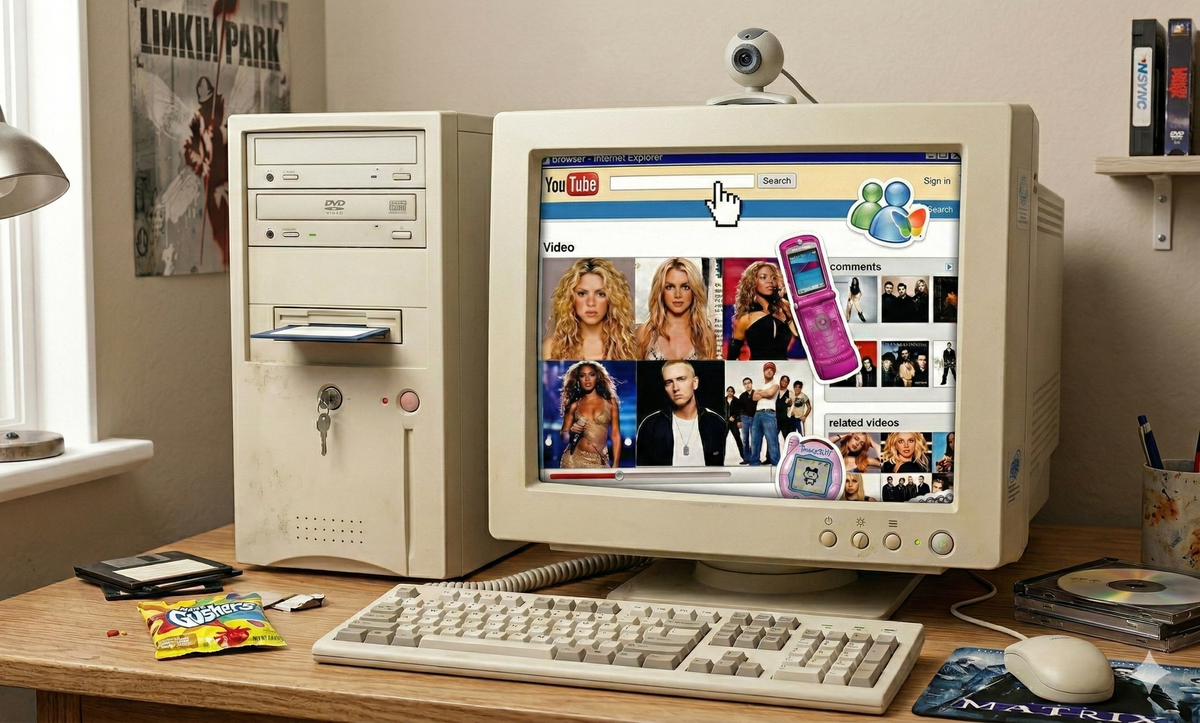
This fusion of love and hate shapes the identity of groups in a more complex and ambiguous way. A few weeks ago, Winona Riders, one of the most loved and hated bands locally, made headlines for throwing ice at the stage during a show by Peligrosos Gorriones, the historic rock band from La Plata. After the massive cancellation, the Winona released two t-shirts for sale: one featuring the actress's face with a no symbol, and another with the band's name written in the style of Rolito ice cubes.
It's natural to assume that our personalities make more sense when they're customized. And if there's one thing the Internet has changed, it's its effectiveness in globalizing cultural consumption. Galia Moldavsky, a sociologist, spoke with 421 about this: “There are more globalized tribes. One could say that today gymbros are a tribe, and you have Llados, who is the Spanish reference with 1.4 million followers worldwide who feel part of it.” For his part, Cumbio mentioned that he loves “the strength” that fandoms have. “After the floggers, I've seen many Argentine movements that created fandoms with tremendous impact, like the directioners, the beliebers, and nowadays, the swifties,” he pointed out.
The impact of the internet has been and continues to be impressive. You can see, comment, and actively participate in any movement on the planet that calls you.
Still, the social media expert predicts that 2026 will be different: “It’s the year when analog will make a bit of a comeback, because we are oversaturated.” The impact of the internet has been and continues to be impressive. You can see, comment, and actively participate in any movement on the planet that calls you. That’s why the most solid fandom globally, that of the K-pop group BTS, is called Army: in a matter of minutes, they can launch campaigns, achieve dream reach numbers for any community manager, or set trends on Twitter. Definitely, fandoms have developed differently from traditional urban tribes. Above all, they are organically grouped thanks to social media.
 Luis Paz
One Direction was one of the first bands to generate a fandom around the world. The boy band, which emerged from a British reality show, created a fresh and novel devotion. Almost as if Mambrú had captivated teenage girls worldwide, almost like the fans of Luis Miguel had formed their fan clubs in the days of dial-up.
Just over a year ago, Liam Payne, one of its members, died after falling from a balcony in a hotel in Palermo. The Argentine directioners set up an altar on the sidewalk of the tragedy. It was in a tree planter, hours after his death. The singer's father visited the site, in a gesture of recognition towards his fans.
Today, a year and a half later, the altar remains strong, cared for by the women who gather there seeking to sublimate their grief over the loss of their idol. The block has been forever transformed. It has not only become a space to commemorate Liam but has also defined itself as a meeting point for the fandom. It wasn't the only one: another makeshift altar emerged in La Rambla, Barcelona.
There is also a memorial bench in the British Cemetery in Buenos Aires, where they set up a mailbox to receive letters that will be sent to the singer's loved ones. Luana Bustamante, one of the women who took the lead in its creation, said a year after his death: “For some fans, it’s still very painful to come to the memorials, but for me, it has given me friendship and shared moments”. And that’s exactly what it’s about.
Physical closeness synchronizes actions, produces joy and belonging, and transforms individual emotions into a shared feeling.
Robert Till, a musician and professor at the University of Huddersfield in England, has dedicated many years to researching how music impacts people's cultural and sociological consumption. He noted in his papers that gathering in like-minded groups creates experiences that involve some kind of ecstasy, a sort of escape or alternative to everyday life. “The main difference between fandom and religion is that fans worship someone who does not claim to be a God, and they would define what they do as different from religion. Similarly, religious people would say that what they do is different from fandom because they worship figures they consider beyond human”, he explains. Similar to what the sociologist Émile Durkheim defined as “collective effervescence,” which groups and moves crowds through experience. Physical closeness synchronizes actions, produces joy and belonging, and transforms individual emotions into a shared feeling.
 Luis Paz
The common thread between urban tribes and fandoms is the worship of something considered sacred. Now, in 2026, we find ourselves wondering where those quirky new hairstyles are, when the truth is they’re everywhere, just with less defined edges than in the past. The power of the new fandoms lies in the digital footprint they leave behind, with the potential to have more impact in the future than a forgotten denim jacket covered in patches tucked away in a closet.
However, at the end of the day, fandoms share a significant commonality with the old urban tribes: the importance of belonging and connecting with other human beings. Ultimately, it’s all about transforming individual feelings into something greater.