Fantastic Four Comics Reading Guide for Beginners
14 de ago. de 2025 — Juanma La Volpe
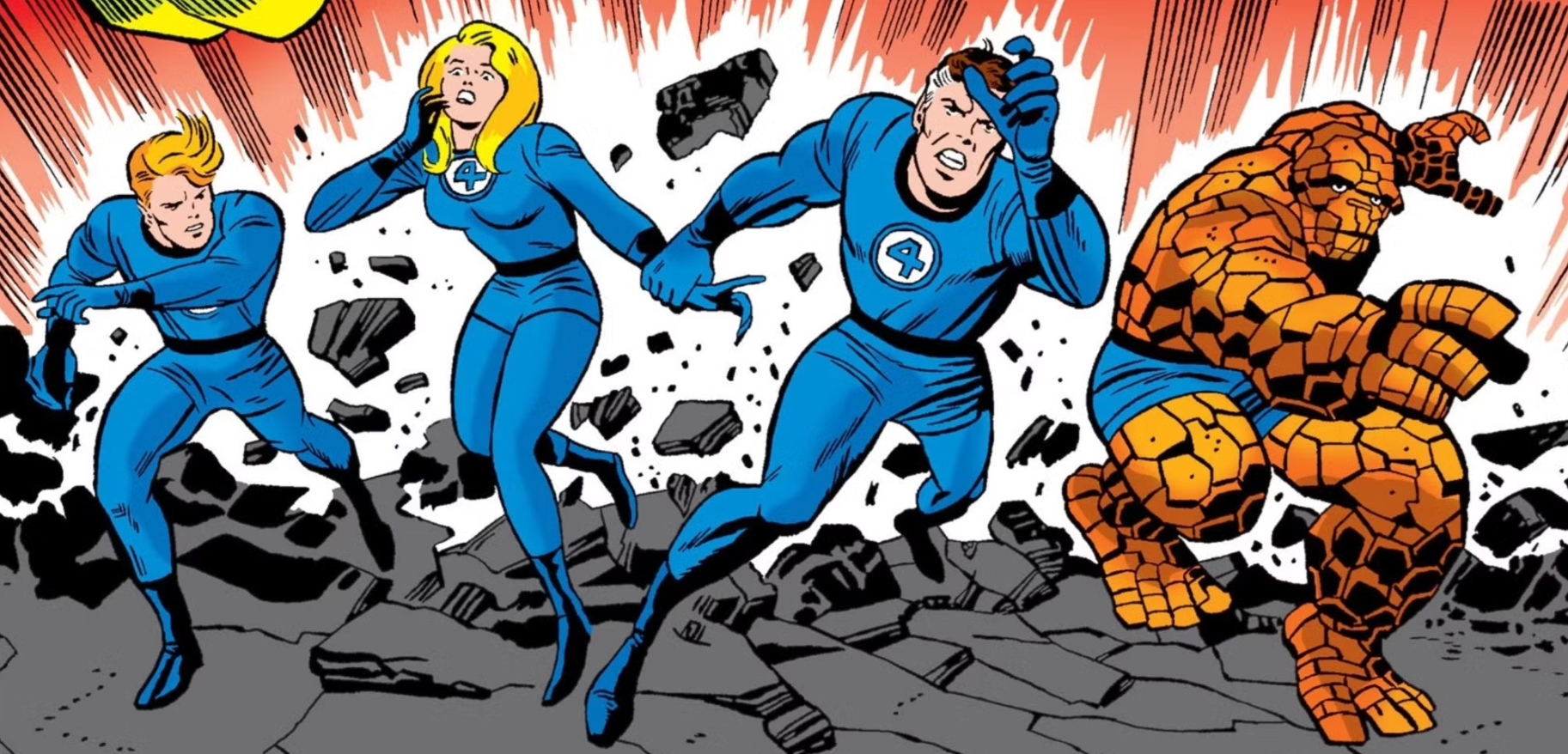
At Marvel, the '60s were wild. Stan Lee, editor-in-chief of those years, writer, charismatic leader, and smooth operator, was lucky enough to cross paths with artists like Ditko and Everett, with whom he created Spider-Man, Doctor Strange, and Daredevil, but there's one name that gets us deep-cut comic nerds truly excited just to mention: Jack Kirby, who in the '60s was like Jordan in the '90-'91 NBA seasons, pure magic. Among his many creations, The Fantastic Four would be the kickoff of Marvel Comics' golden age and the beginning of the legacy we celebrate today with this reading guide.
Who Are the Fantastic Four?
While their "secret origin" is very well known, and has even been parodied, for many years it seemed to be the only thing most people remembered about this group. In their first appearance, published in November 1961 in The Fantastic Four #1, four astronauts travel to "the stars" to test a space rocket built by the project leader, scientist Reed Richards. The rest of the crew consists of Ben Grimm, pilot and Reed's best friend, and Sue and Johnny Storm, the scientist's wife and brother-in-law. During the voyage they are exposed to cosmic rays, causing the prototype ship to crash. After an emergency landing back on Earth, they discover that those rays have changed them forever.
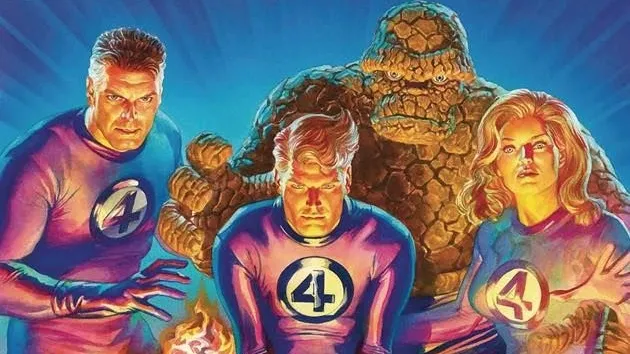
Let's go over the family's powers and what they represent. Reed Richards is a scientific genius who over time would become one of the smartest people in the Marvel Universe. But his intelligence isn't a power granted by the accident -- the cosmic rays gave him the ability to be "elastic," allowing him to stretch and reshape his body. It might seem like a somewhat lame power, but the writers managed to put it to great use both in his daily life and in combat.
Sue Storm, Reed's wife, gained the power of invisibility by controlling light, and over time developed the ability to create force fields, though her true gift within the team would be common sense.
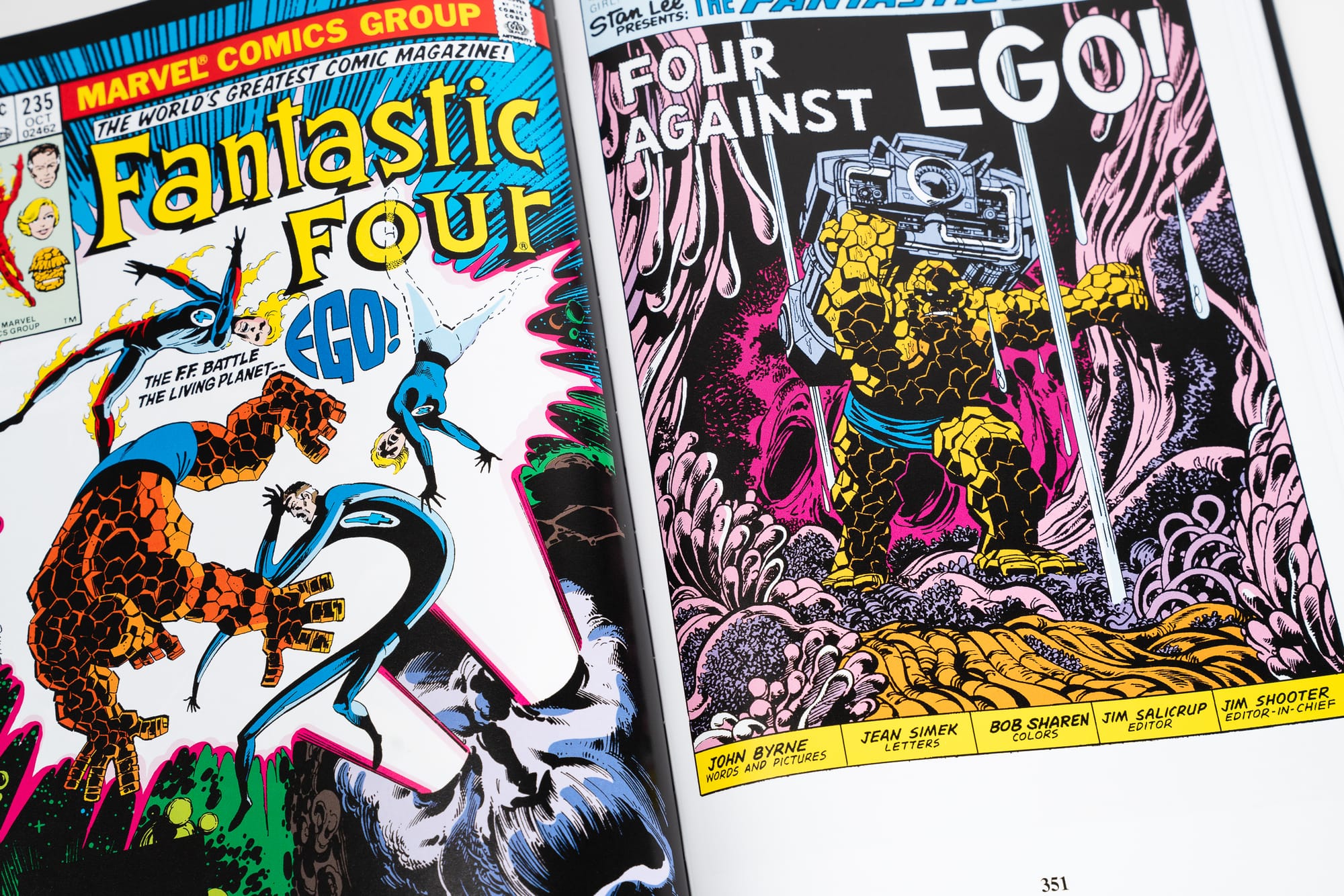
We also have the Human Torch, Johnny Storm (Sue's brother), who has the ability to control fire and generate it around his body, making him one of the team's heavy hitters. Over time we'll learn that Johnny isn't just an eternal, insufferable teenager -- his true personality also reflects rebelliousness and plenty of charisma.
Lastly, Ben Grimm is the one who suffered the most from his origin. His body mutated, turning him into the orange rock golem we know as The Thing. Ben underwent a monstrous transformation but is the most human link in the team, and his dramatic story takes him through several moments where he has to come to terms with and accept himself. Obviously, he's the strongest member of the team and another heavy hitter in combat: Ben stood his ground against Hulk and survived.
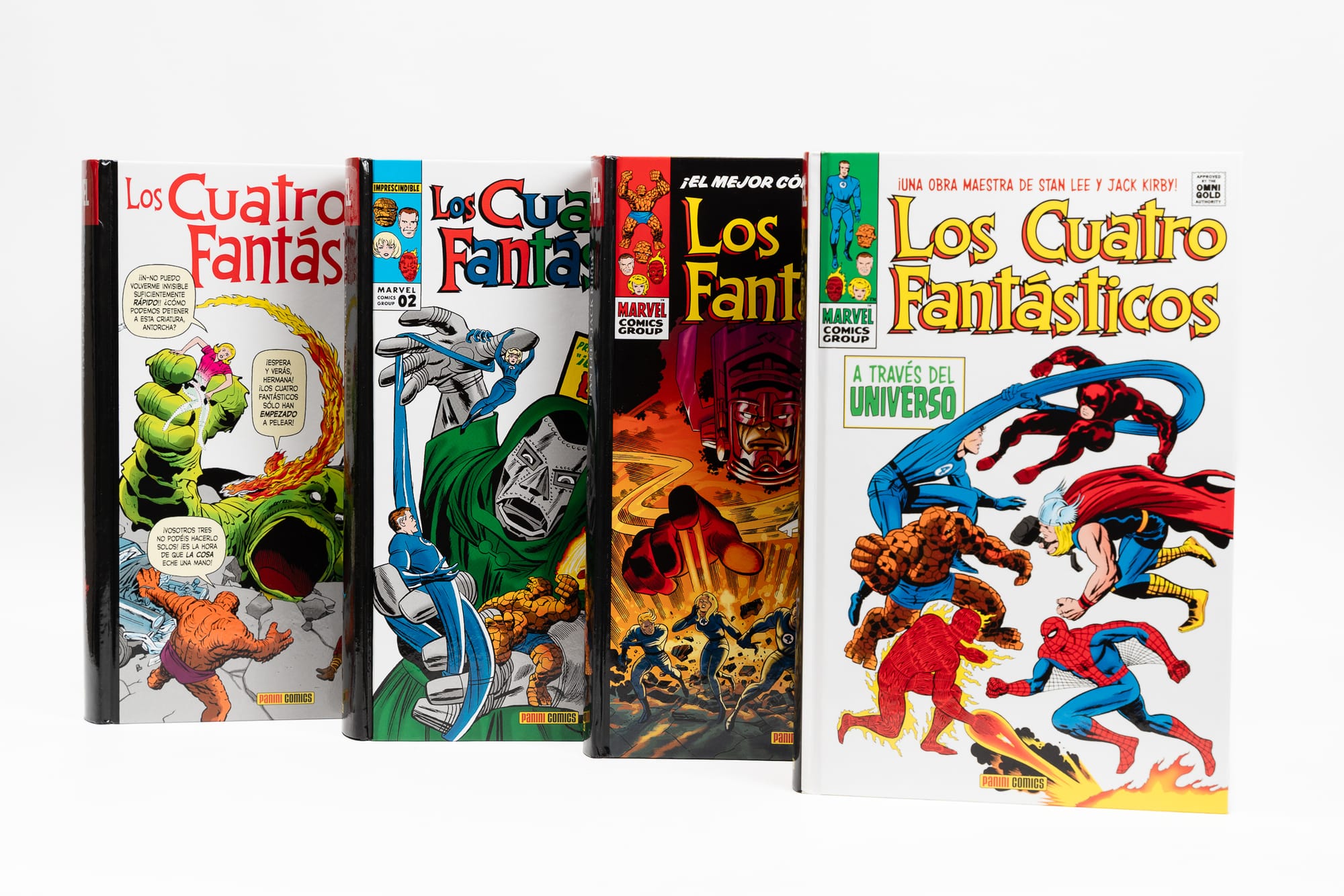
They are The Fantastic Four, here to save Humanity from great dangers but also to venture forth in the name of science and discovery. And as these adventures unfolded, many important characters were born in their pages, such as Doctor Doom, Galactus, Silver Surfer, Namor, The Inhumans, and Black Panther, among others.
The difficulty of starting to read The Fantastic Four lies in the fact that their stories are closer to science fiction than to typical superhero fare. So let's go over some of the stories you should read if you've never picked up one of their comics.
The Fantastic Four #1, #5 and #48-50 (1961)
You have to start at the beginning. Jack Kirby and Stan Lee left us an immortal legacy with their contributions to The Fantastic Four. The foundations that Kirby laid in the first 50 or 60 issues of his run are the bible for any writer who takes on writing new arcs for the family. Since it's tough to dive into all of The Fantastic Four from the '60s, I want to recommend these must-reads from the original run.
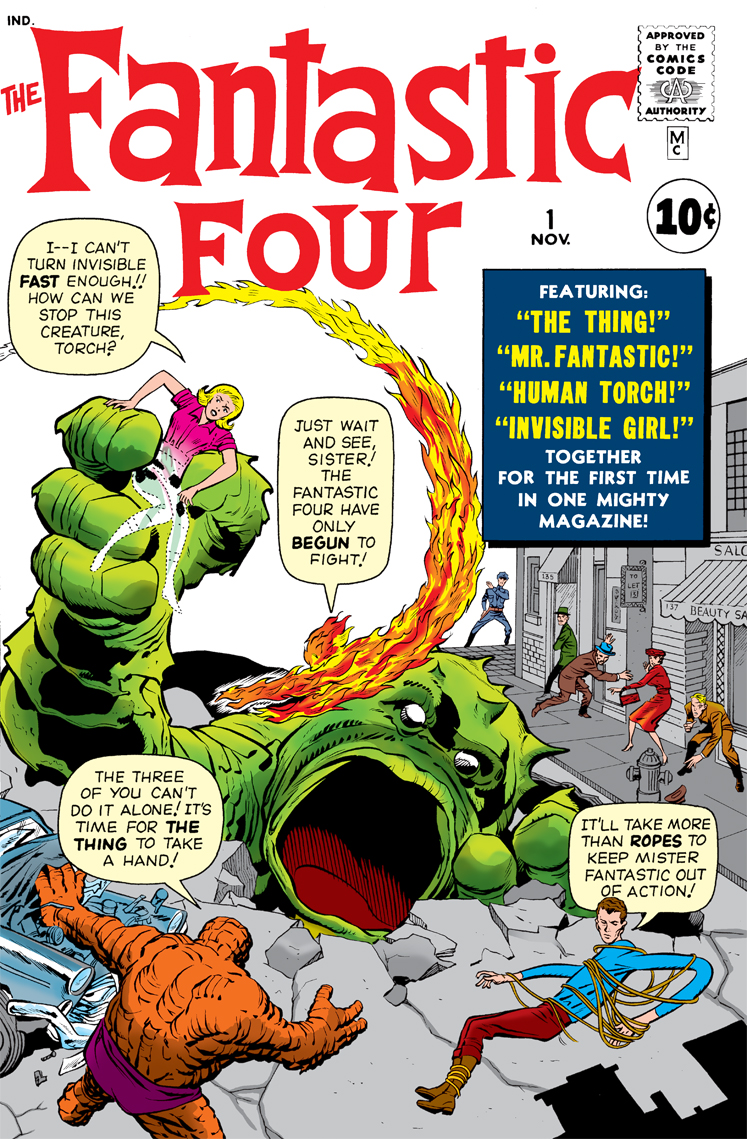
The Fantastic Four #1 (1961) introduces us to Marvel's First Family. With the dazzling origin of Reed, Sue, Johnny, and Ben, the creators redefined the concept of superheroes at the time, focusing on family dynamics and personal problems just as much as on the epic adventures closer to science fiction and pulp.
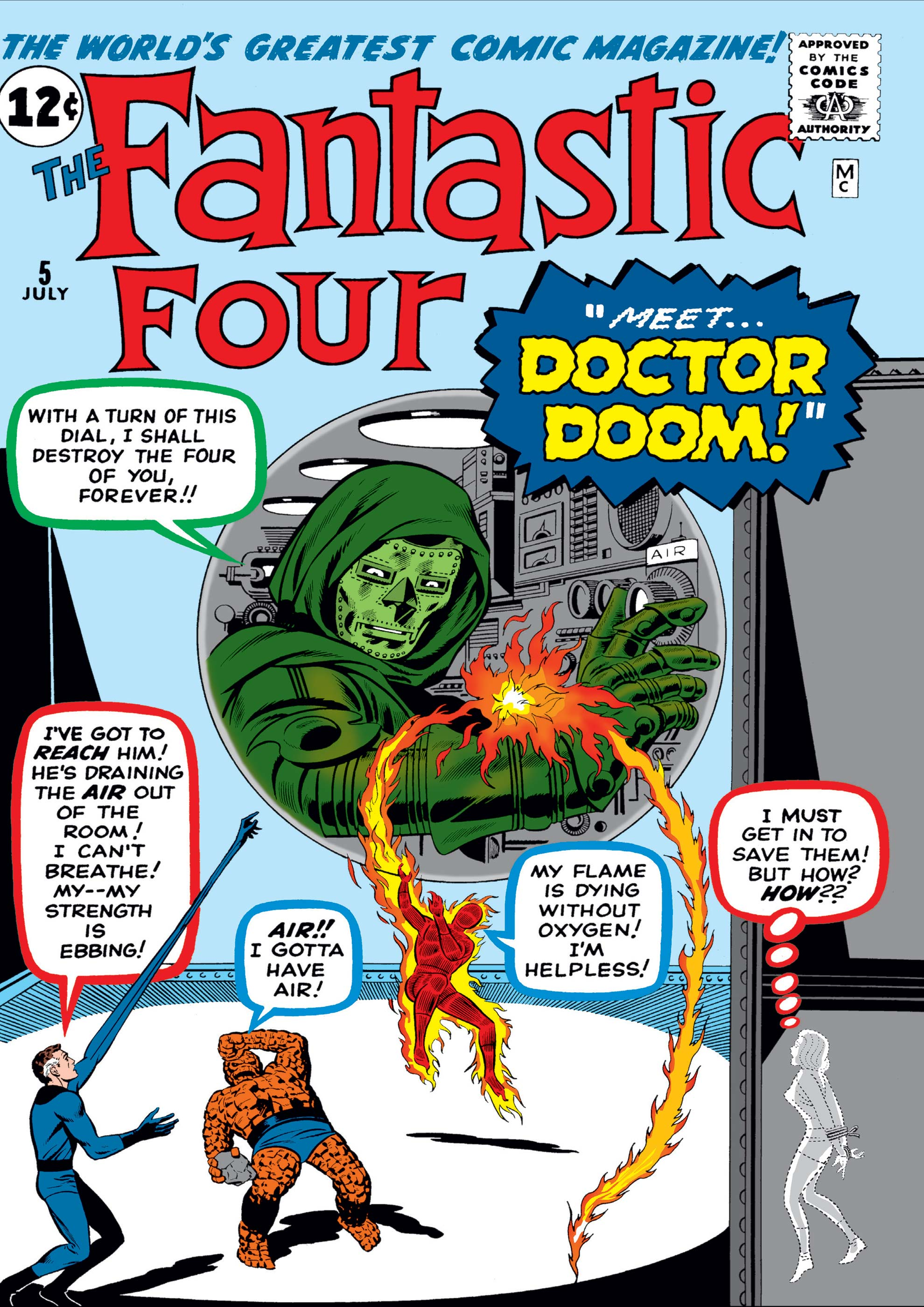
The Fantastic Four #5 (1962) introduces one of the most complex and fascinating villains in the Marvel Universe. We meet Doctor Doom, who will develop a rivalry with Reed and his family that will take him through several twists and turns over the course of their long history together. All Hail to Doom.
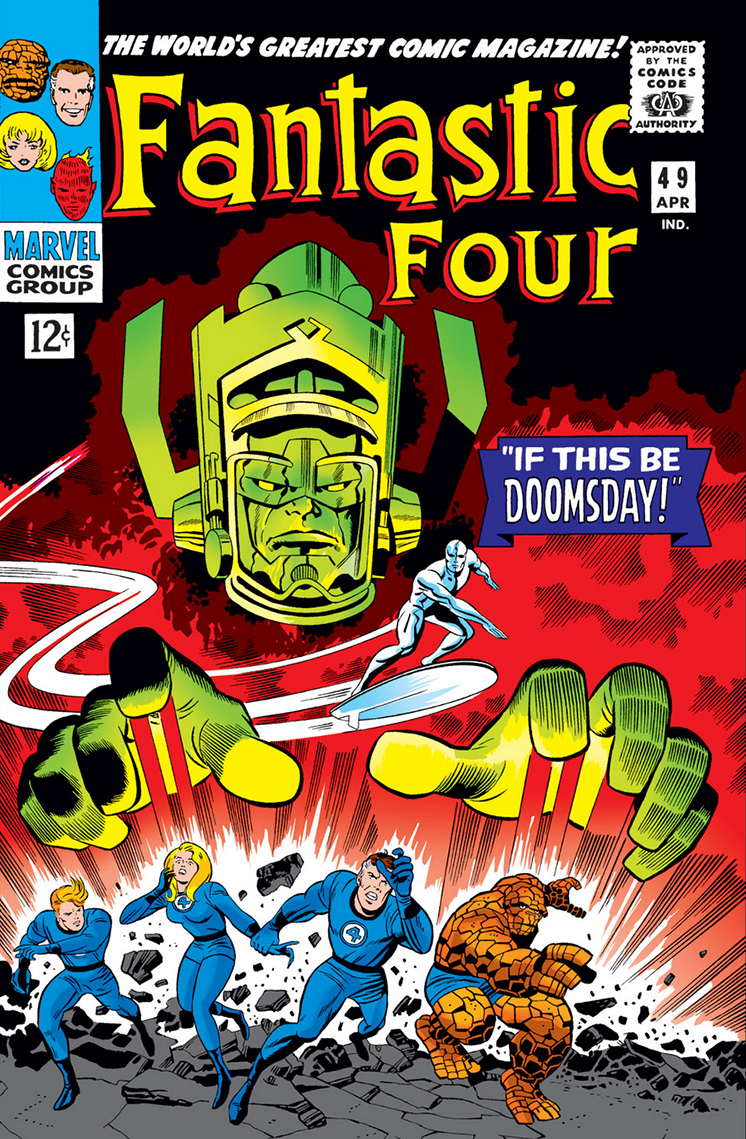
The Galactus Trilogy (Fantastic Four #48, #49 and #50, 1966) is the peak of the great American novel, with the arrival of the devourer of worlds, Galactus, and his herald, Silver Surfer. The Fantastic Four find themselves challenged to face threats beyond comprehension, in what would truly be a before and after for the world of comics. In its time, the Galactus Trilogy was a nuclear bomb in readers' minds.
Fantastic Four 1234 (2001)
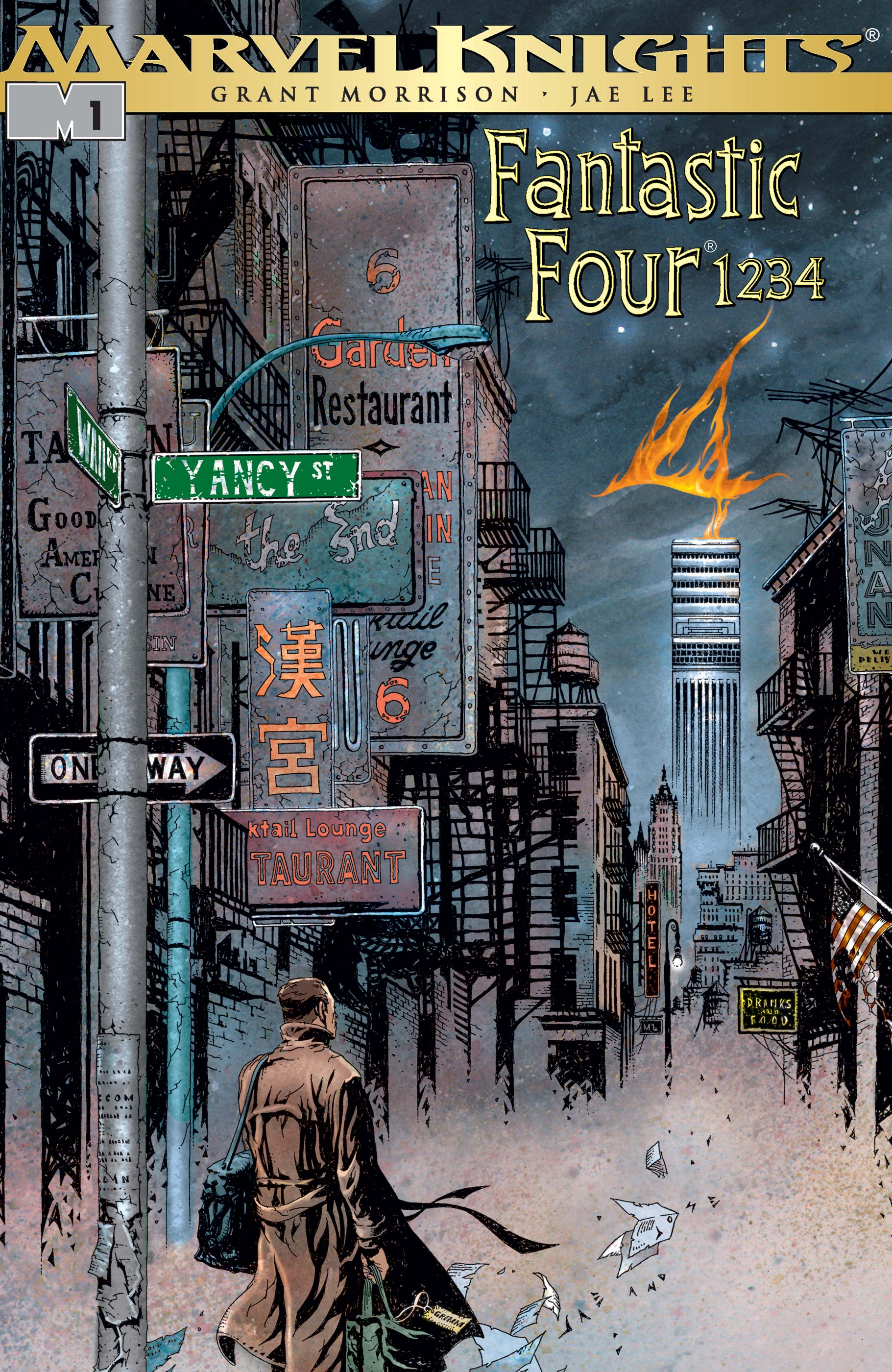
Grant Morrison, a wizard with words, teamed up with artist Jae Lee to bring us an arc that digs into the very essence of The Fantastic Four, delving into the darker and more complex aspects of the team. In this intense story, each member of the four faces their own inner demons. Morrison weaves a narrative that explores the insecurities and personal conflicts of Reed, Sue, Johnny, and Ben, while the ever-enigmatic Doctor Doom sets a plan in motion to destabilize them from within.
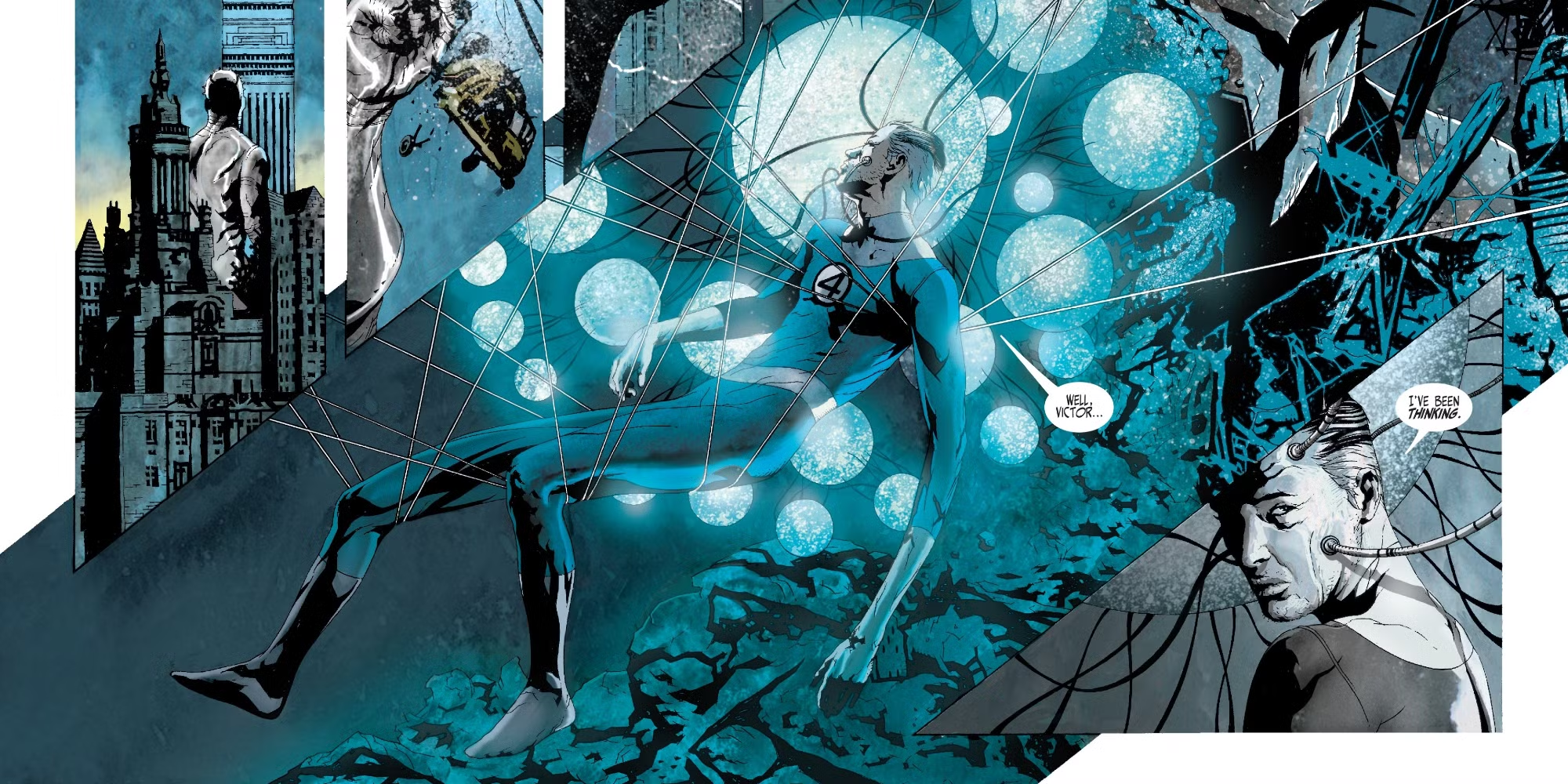
As Doom manipulates their deepest fears and desires, we see Reed torn between logic and emotion, Sue grapple with her role on the team and her relationship with Reed, Johnny confront his impulsiveness, and Ben question his humanity. Morrison not only honors the foundations of the myth but also adds a personal touch, writing superheroes in a situation of character breakdown only to forge them stronger. Meanwhile, Jae Lee delivers in every panel, showcasing spectacular art.
The Trial of Reed Richards, Fantastic Four #262 (1984)
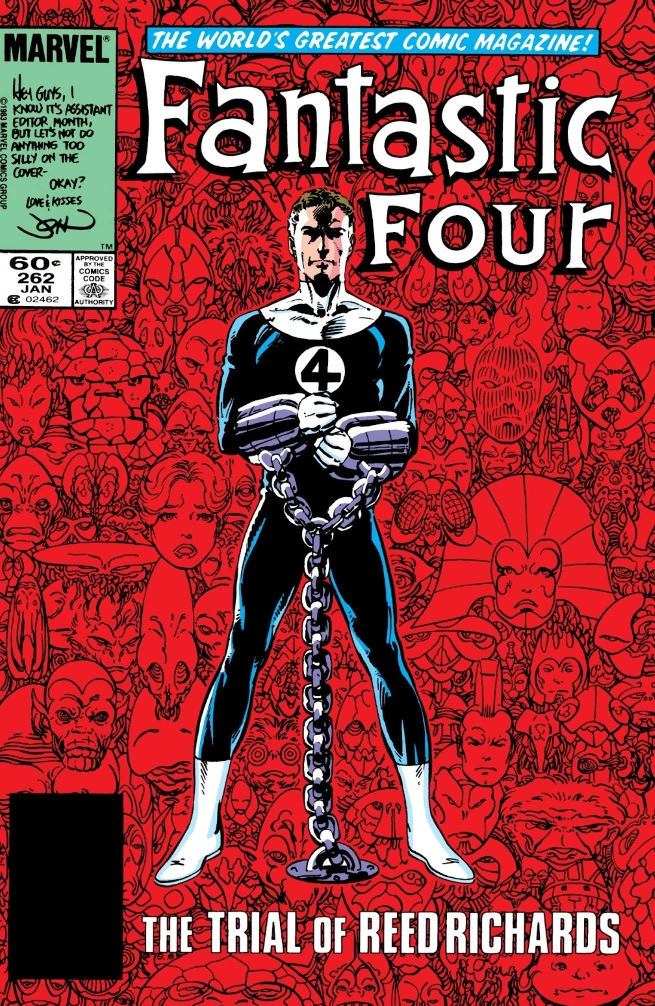
John Byrne, one of Marvel's most influential storytellers, brings us a tale that fuses cosmic epic with deep moral dilemmas. Published in 1984, this issue focuses on the complex consequences of heroes' actions. Reed Richards is put on trial for his decision to save the life of Galactus, arguing that even the devourer of worlds deserves a chance at redemption, which polarizes the universe.
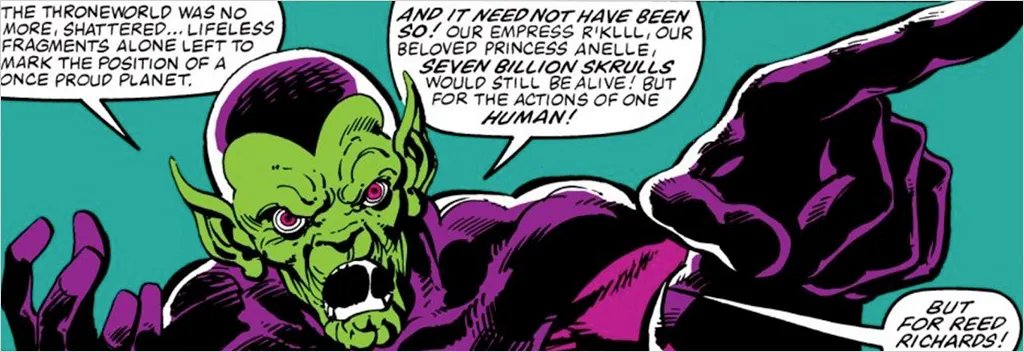
During the trial, questions about law, justice, and how far Reed's idealism can go are explored. With appearances by cosmic characters, witnesses, and a passionate defense from his teammates, the trial is a reflection on the responsibility of the most powerful and reaffirms the pillars on which The Fantastic Four are built.
The Fantastic Four - Unstable Molecules (2003)
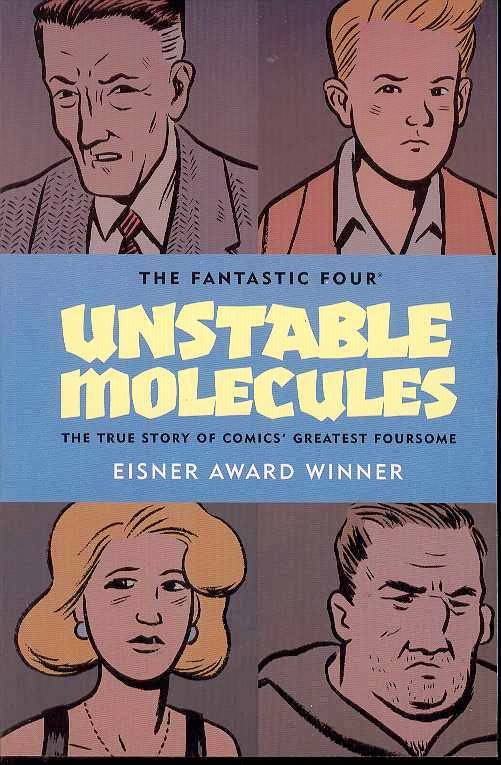
Set in the '50s, before the world knew the heroes they would become, this story takes us into the personal lives of the family, showing us what they might have been like in a realistic world, devoid of powers and cosmic villains. In this intense drama, Reed is a scientist researching "unstable molecules" and their potential use for humanity. He's so absorbed in his work that he forgets he's supposed to host a party at his university, where he'll be reunited with his old friend Ben Grimm. Meanwhile, Sue struggles between her own interests, her life as a homemaker, being the maternal figure for her brother Johnny, and being a girlfriend.
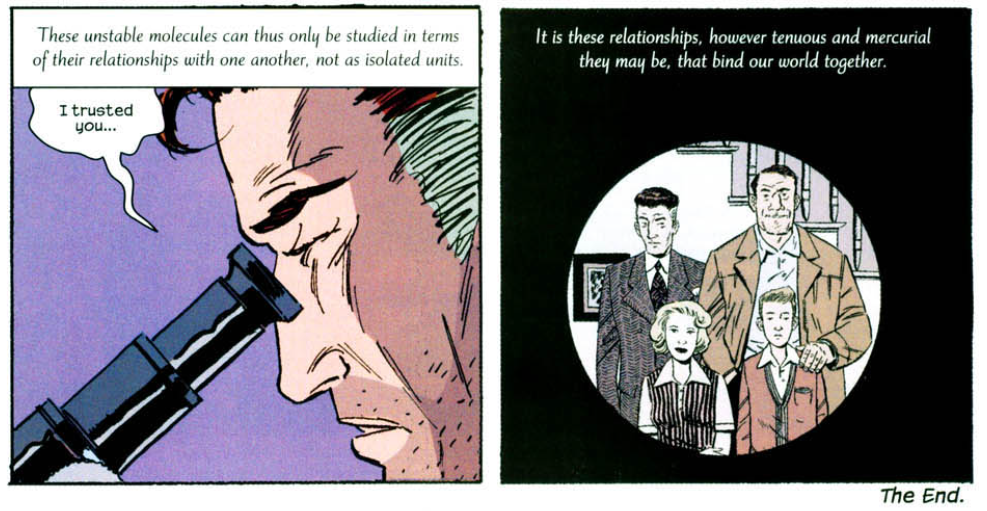
This Eisner Award-winning miniseries, written by James Sturm with art by Guy Davis, offers a reimagined and surprisingly mundane vision of Marvel's First Family. Personally, a "What If?" I'd love to see adapted for the screen.
Fantastic Four (2009-2012)
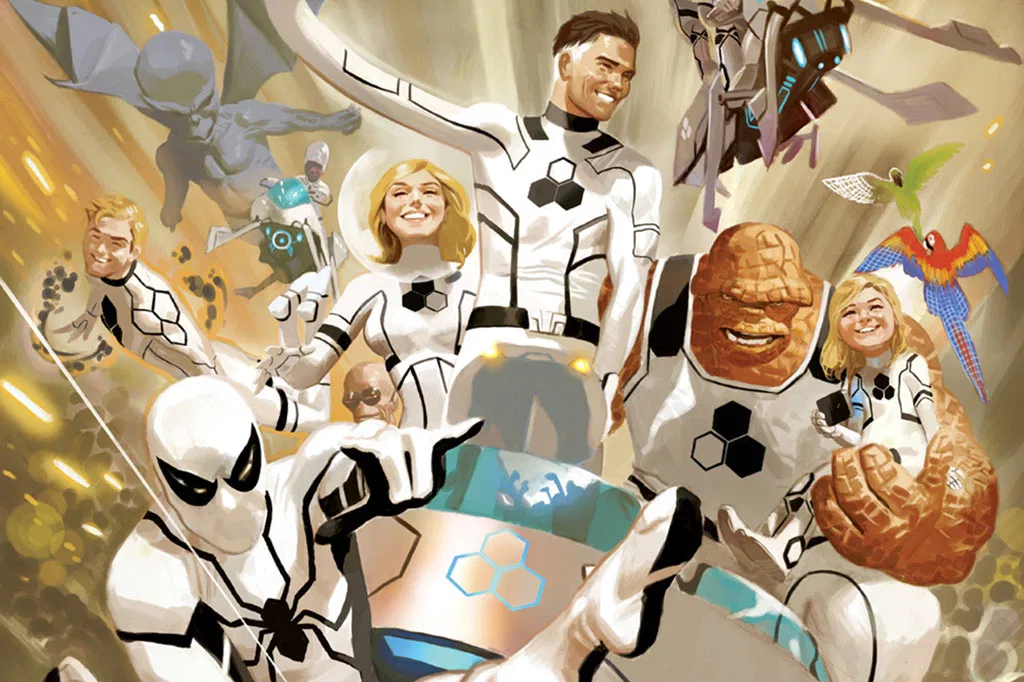
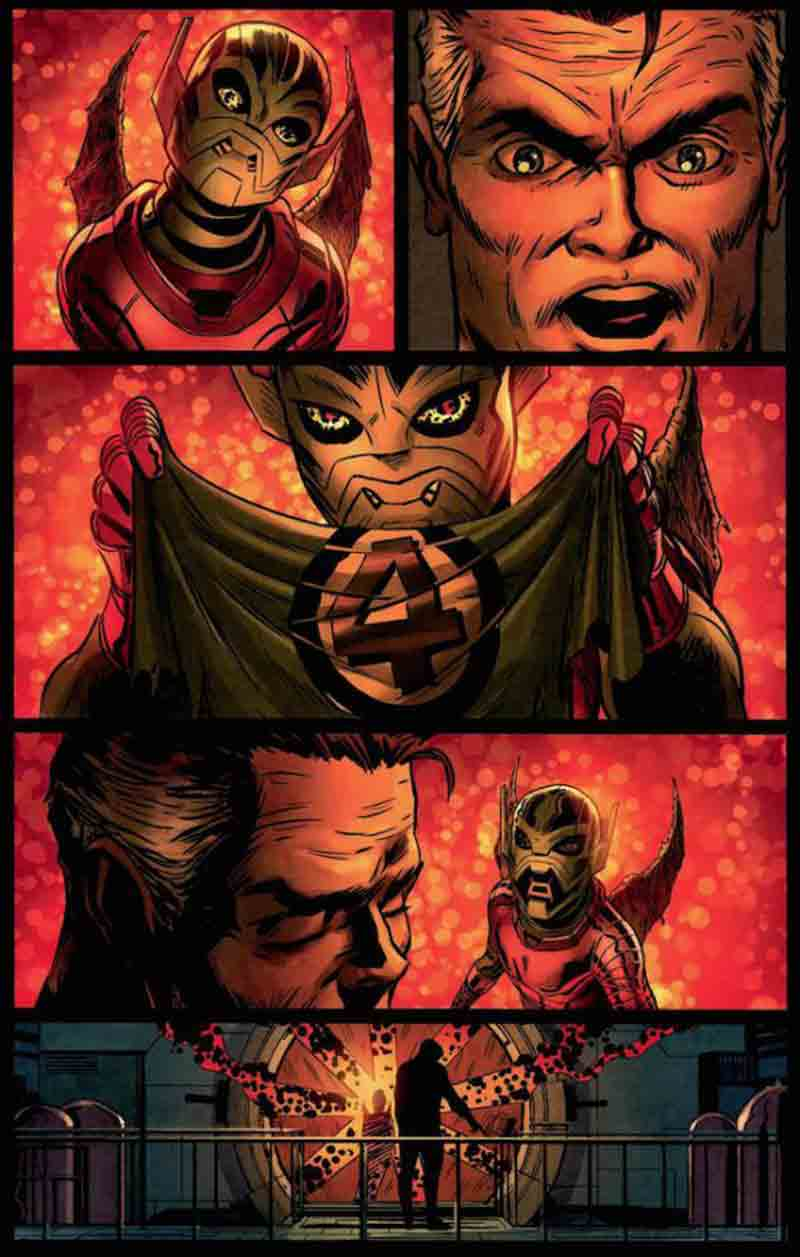
If you've made it this far, it's because you truly love this quartet, because this is an advanced-level read. Jonathan Hickman is an incredible writer who during his run on The Fantastic Four decided to break every limit of what we knew and created a ton of new lore that was very well received by fans. In his run spanning over 3 years, Reed decides to create the Future Foundation, a group dedicated to solving the most complex problems in the universe, expanding the family and the collaborative core of The Fantastic Four.
Journeys through universes and realities, interdimensional wars, the relationship between Reed and Sue's children, their powers, and the death of one of the originals. Hickman doesn't leave a single commandment from Kirby's bible without deepening, breaking, or bending it. The comic is a 10/10, but it requires you to be familiar with the group's key stories.
That wraps up this guide for non-comic readers. I hope you get to enjoy The Fantastic Four and explore their universe full of incredible adventures and characters like Doctor Doom, who is the best character in all of Marvel.