Formula 1: This Is What the Heart Sounds Like When It Accelerates
5 de ago. de 2025 — Agustina Sojit
Being at a single Formula 1 race was like being at all of them. I immediately felt at home. As soon as we arrived at the venue, without even seeing it, I could already hear F2, and it was the sound that made the dream real. A sound I had waited many years for. I didn't get goosebumps or have some dramatic emotional outburst, but rather a deep calm. So much so that after the tenth lap, for a moment, I fell asleep with a beautiful serenity: the kind that comes from knowing I had made it.
Flashback: first, the trauma
On February 4, 1994, I went with my mom to get waxed. I didn't want to stay at the country house with my siblings and grandparents. There were ten days until my 5th birthday. It was my chance to be alone with Mom. With Mom, Dad, and a couple they were friends with: Marta and Juan Carlos. We were heading to downtown Pilar. The women to Mónica Brenta's and the men to the supermarket.
On the way back, a rastrojero -- a word I heard for the first time that day and never again except to refer to that day -- swerved into the wrong lane, heading straight at us. My dad flashed his lights, swore, and ultimately it was on his side of the road where he collided with this beat-up pickup truck that was just taking a shortcut home.
I don't remember much: I do remember Juan Carlos, Dad's friend, hunched over to change the CD that was playing, holding his nose after the rearview mirror hit his face; I do remember Marta's screams, trapped in the car because she was on crutches. I remember the pain from the blow I took to my chest from my old man's arm, which stopped me from flying forward (there were no child seatbelts and car seats weren't a thing yet); the smell of gasoline (which I hate); the woman in a tank top with short hair who gave me Villavicencio water (which I love); the round orange lollipop in a square transparent wrapper they gave me at the clinic; the milkshakes (which I hate) that tasted like gasoline because my dad refused to throw away the groceries from the supermarket. And I don't remember seeing my mom. Or the ride back to the country house. Or the days that followed.
What I do remember is something that happened almost three months after my accident: I watched the San Marino Grand Prix at Imola. I think it was already daytime. When we watched races in the early morning, my dad would wake me up and lend me his headphones. We'd watch them like that so we wouldn't wake anyone up. I remember the nerves I felt watching the crash, my insistence on knowing what had happened without being able to ask about death. I remember my old man telling me I don't know, I don't know, we have to wait. I remember a helicopter, not much more.
Somehow I linked my own accident, which wasn't tragic -- and which in my family became just an ugly anecdote about a destroyed car -- with Ayrton Senna's, which was tragic (something I would learn later), and that's why it's the first race I remember.
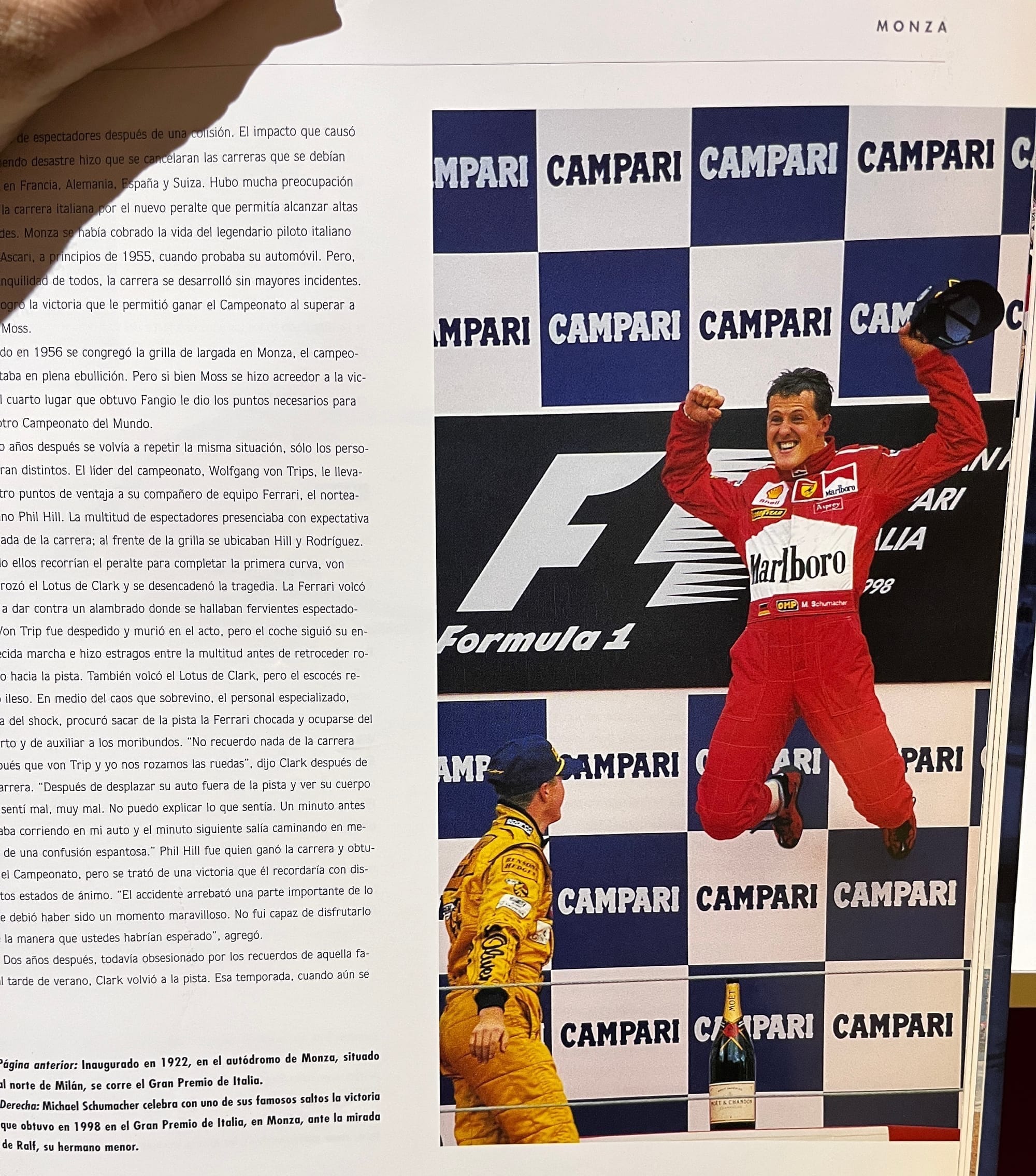
What came after Imola
After the tragedy, the Sunday ritual started to make me very tense. At the same time, I didn't want to miss it. Of course, I didn't understand the magnitude of what had happened until much later. I think it was when I was 8 that a dog from somewhere else wandered into the country house yard, wearing a tag that said Ayrton, and when we called to let the owners know he was at our place, Dad asked if it was named after Senna, and that day we talked a lot about Senna. And about Brazil. And about when my grandparents went into exile there. And about my grandfather's profession and his brothers', who were sports journalists covering boxing, football, and of course, motorsport. We talked about the trips Luis Elías Sojit took alongside Fangio first and Reutemann later.
So the ritual, which I had thought was just a father-daughter thing (because my younger sister started joining in too), turned into almost a duty to the family legacy. It was something that, in a way, ran in my blood. I never got to know my grandfather or his brothers except through stories others told. I started to feel that watching and enjoying the races, like the boxing matches, was a way of being a little closer to them. And it was also a way of getting to know them and getting to know my own history.
So to the races I added qualifying sessions, reading the occasional book, afternoons playing Street Rod on PS1, F-1 Race or Road Fighter on an emulator or console; and at the arcade, Daytona. Choosing a favorite team (Ferrari) and also, among the drivers, one to have a crush on and another to admire. And little by little, the dream of seeing a race in person took shape. Very much against the grain of my mom's comments ("It's a mess of people, it's no place for children") and my dad's, who had been to several ("There's too much noise, you miss everything, you can't understand what's happening, with luck you end up watching it on a screen while standing up").
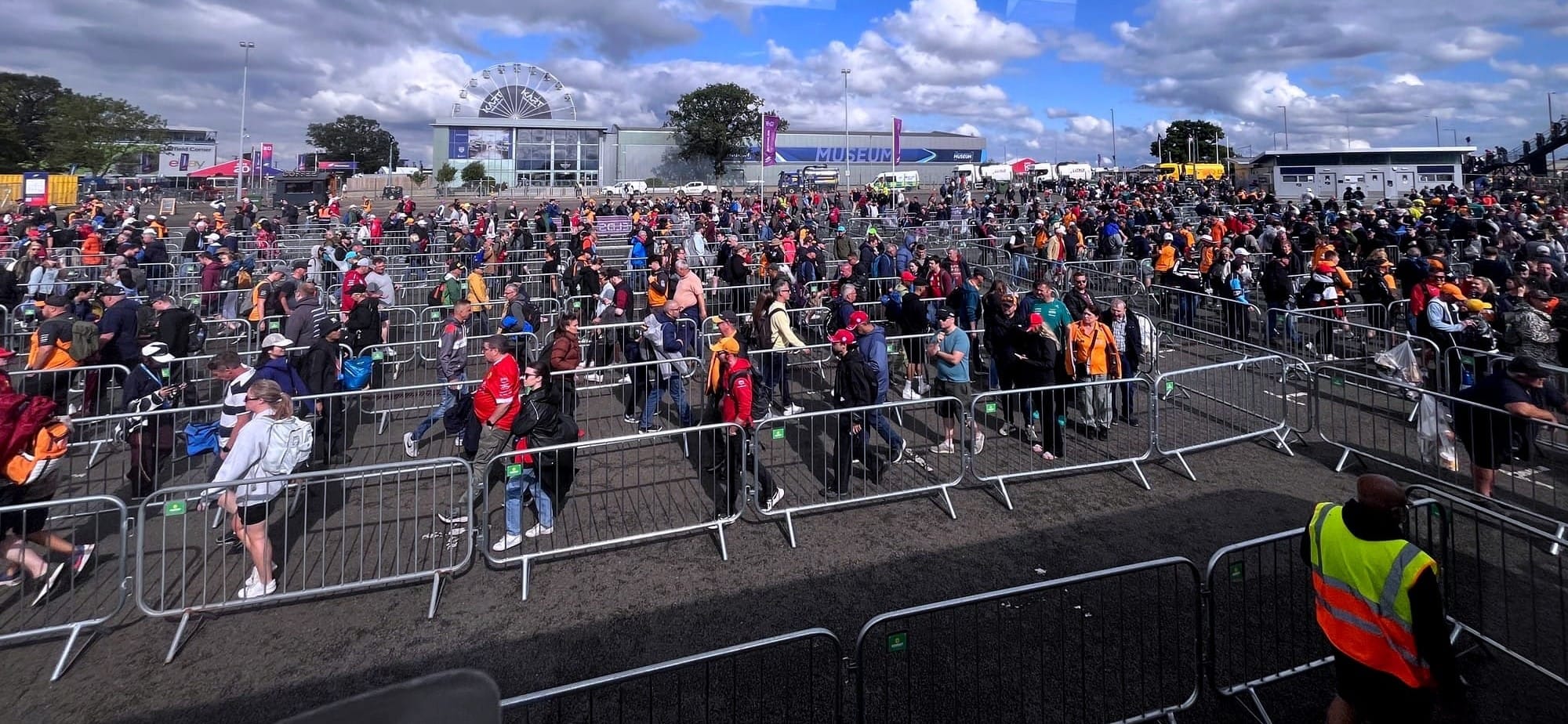
Silverstone, July 6, 2025
This year, 2025, marks 75 years since the beginning of Formula 1 as we know it today. Silverstone is considered the birthplace of modern racing, as it was the venue for the first official F1 championship organized by the Fédération Internationale de l'Automobile. After World War II, the circuits that existed had been destroyed, and this place, which was actually an airfield, could start being used for racing.
The day after watching Ozzy's farewell -- his requiem while still alive, rip <3 -- with emotion coursing through my entire body, with little rest and a whole lot of joy, we set out from Birmingham to Northampton. One of the train stations near Silverstone, where we caught a bus to the circuit.
A sea of people, mud, rain, sun, wind, chips, overflowing and closed-off bathrooms, free water, ice cream, merch, merch, and more merch, Lego stands, hot dog stalls, and a Royal Air Force booth. Live music, camping tables, babies wearing giant noise-canceling headphones on their little heads, elderly folks with walkers, and elegant old ladies. What you'd call a proper festival.
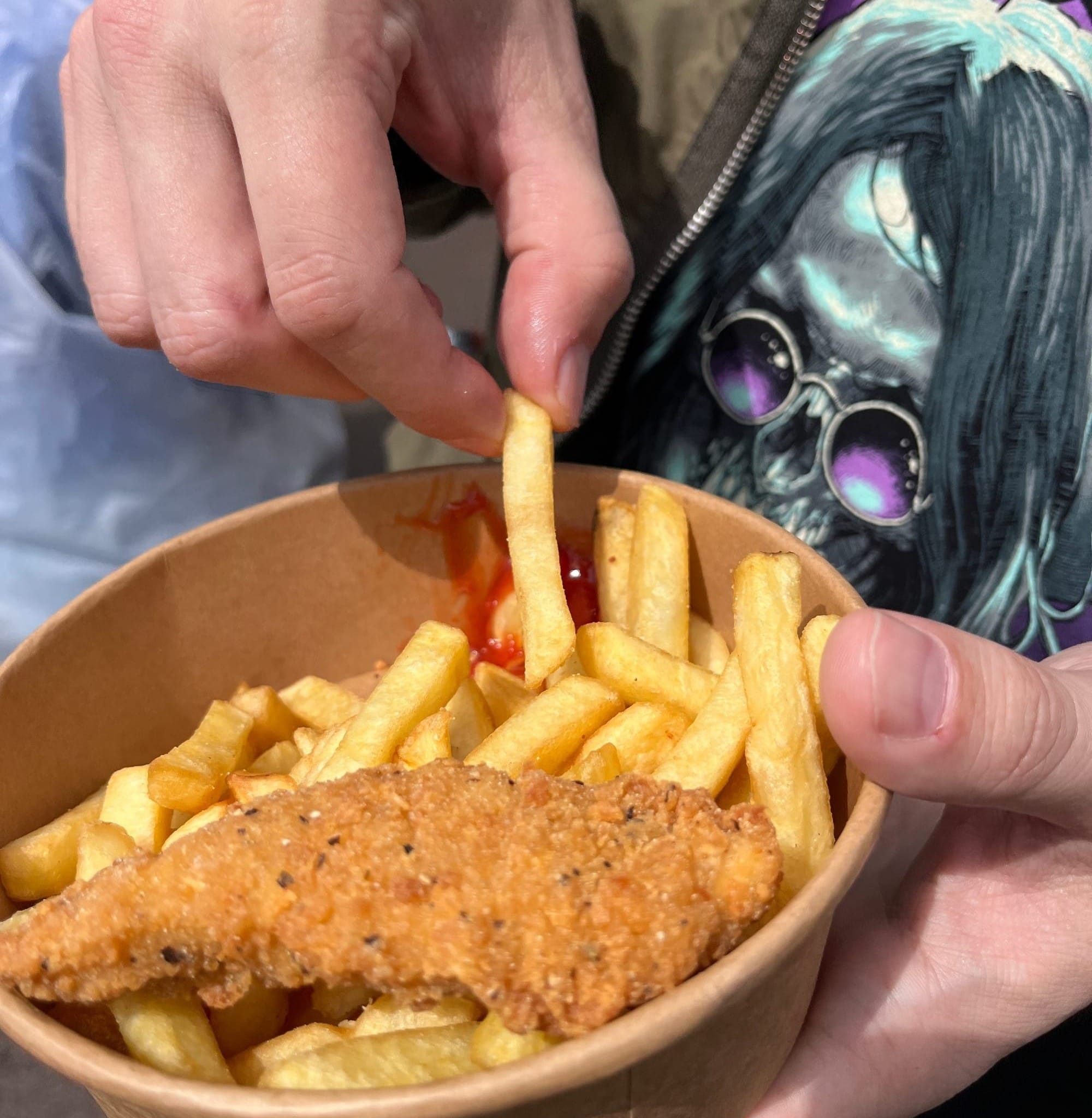
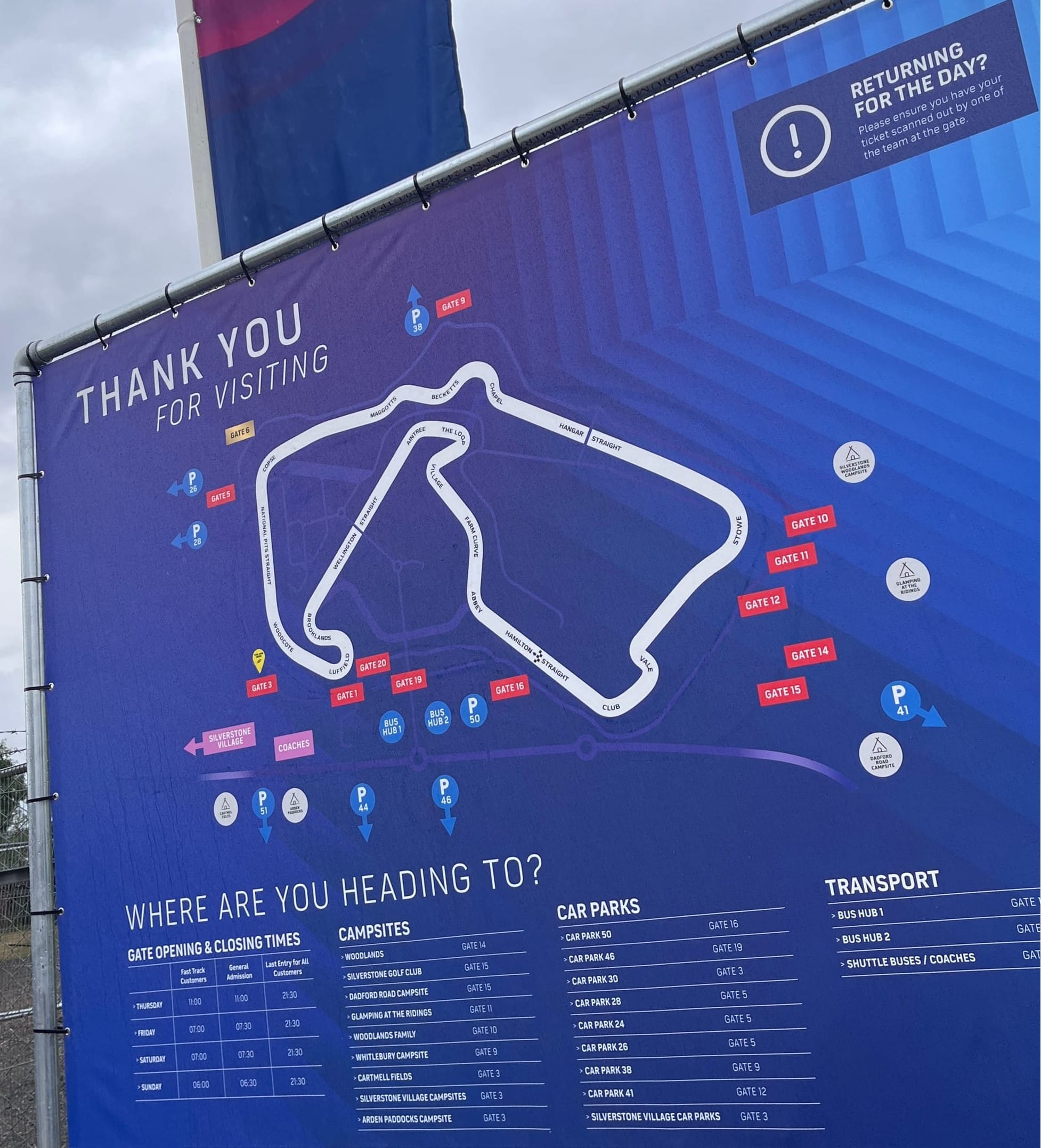
As soon as we arrived, we entered right by the gate closest to our seats and decided to take a walk around the circuit, but between the excitement and the rain we played it safe: we checked out some stalls, got food, stopped at the bathroom, and settled into the grandstands. We had seats at Luffield corner, an incredible view and, from what we knew, the spot where the most die-hard fans sit.
Almost all the English fans in the crowd were wearing either McLaren or Ferrari gear. There were four home drivers: Hamilton, Norris, Russell, and Bearman. At first, only the first two received the crowd's blessing, through cheers and applause. Not counting the cheered-on workers drying the track before the start, in adorably cute little trucks. The booing was reserved and fierce for the VIP spectators who paid to ride around the circuit in a truck like the one drivers use for the pre-race parade.
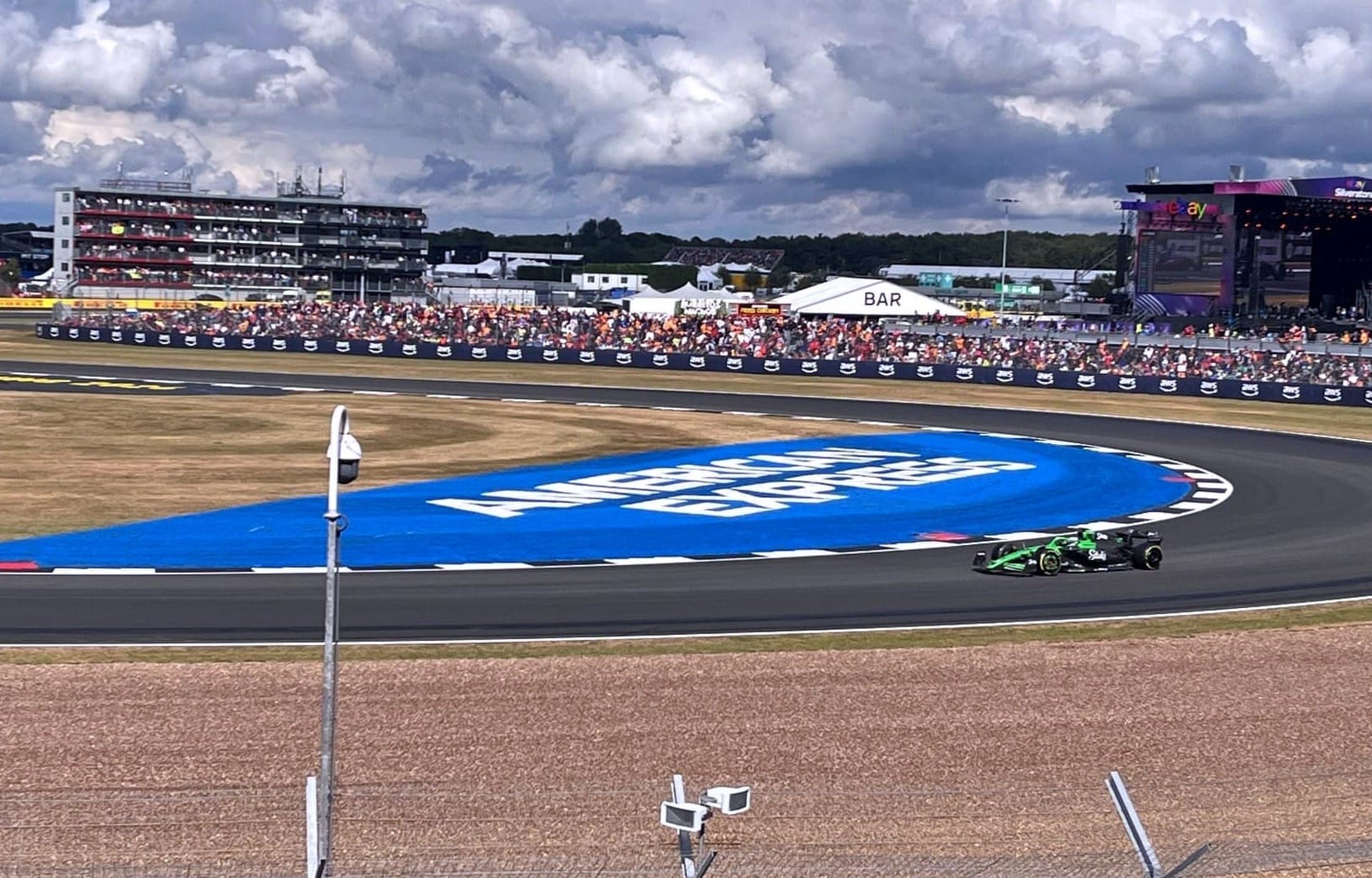
Luffield corner, located in the final sector before the main straight, is a long curve that allowed us to see the cars for a longer stretch. It's not the most technical part of the circuit, but it's very scenic, and despite the rain, it was beautiful to watch the cars from there. In fact, we witnessed the most synchronized crash in F1: both Haas cars clipped each other and spun on the wet circuit, which from our vantage point looked like a single car.
And as if that weren't enough, we got to experience a historic race. Nico Hülkenberg, driving for Sauber, scored a podium finish for the first time since he started racing in F1, nearly 15 years ago. At the team now led by Binotto (a Ferrari OG) and Wheatley (ex-Red Bull). An unforgettable triumph for the driver who started 19th, climbed 16 positions, and finished third. We all stood up to applaud him, shouting Nico, Nico! as if we had been his fans our whole lives. The grandstand's celebration was the same as it was for the locals. Because what's celebrated is the feat itself, beyond the colors.
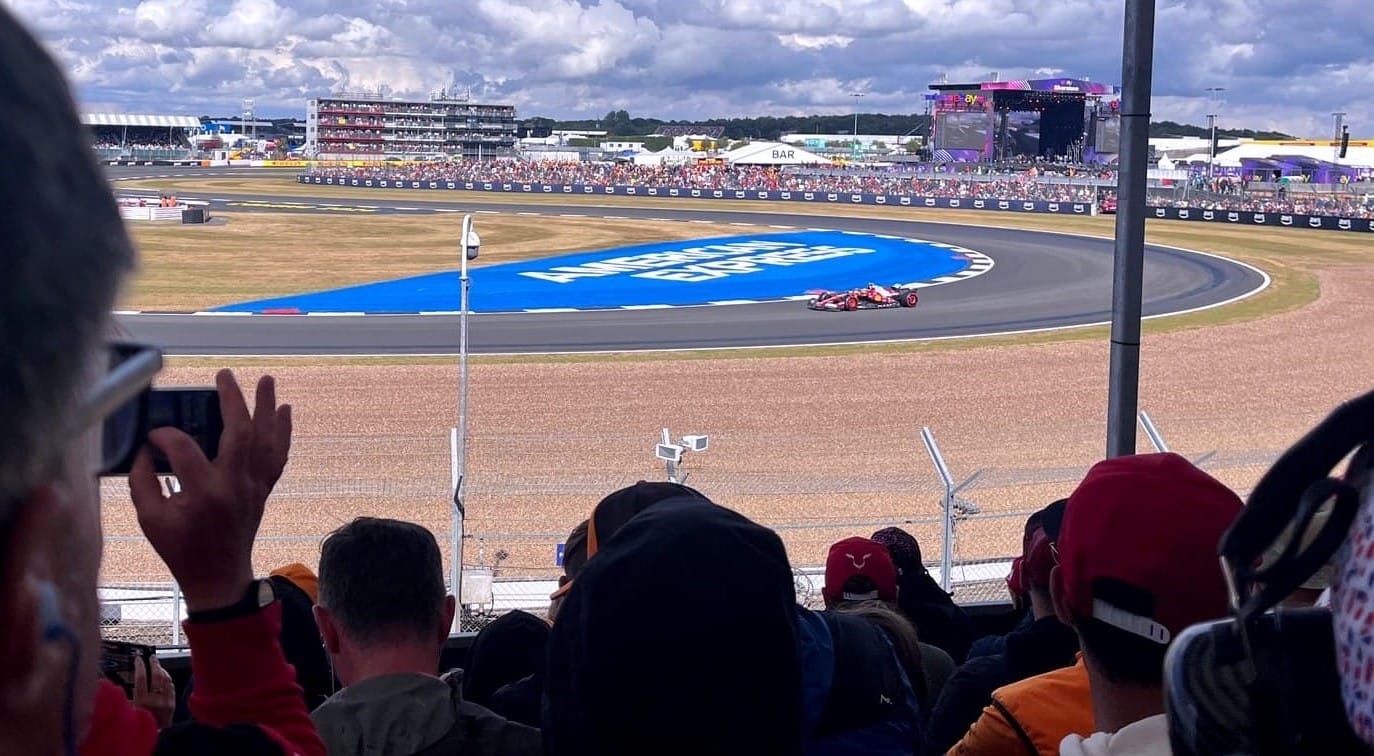
One more lap (and then another)
It's true that going to the circuit and watching a race isn't the same as the comfort of your living room at home. It's true that you can't hear a thing because between the torrential rain, the delayed sound from the screens, and the shouting, it's hard to understand what's happening. It's true that there's a lot of noise, a lot of people, and a lot of wind. It's true that you only see a small part of it. And it's also true that like any other event in life, it's better to enjoy it in person than to watch it on television.
The sound of la macchina, the jokes from the people sitting next to you, cursing at the safety car to get out of the way so the excitement can return, the old guy who brought a radio and does you the favor of telling you why you can't see Colapinto -- I love you, Franco -- the smell of fried chicken, the wind on your face, the massive applause, the drivers waving from their cars at the grandstand where you're sitting, which erupts in ovations. All of that is better.
Having lived it is an enormous joy and also a vindication for the girl who wanted to study mechanics, the teenager who would come home early from parties to watch races, the Alonso fan who also rooted for Schumacher, the tifosa. I know this was the first of many. That more will come. Because going only makes you want to go back.