Getting Started with Warhammer: Mordheim, Necromunda, Kill Team, and Combat Patrol

18 de abr. de 2025 — Juanma La Volpe
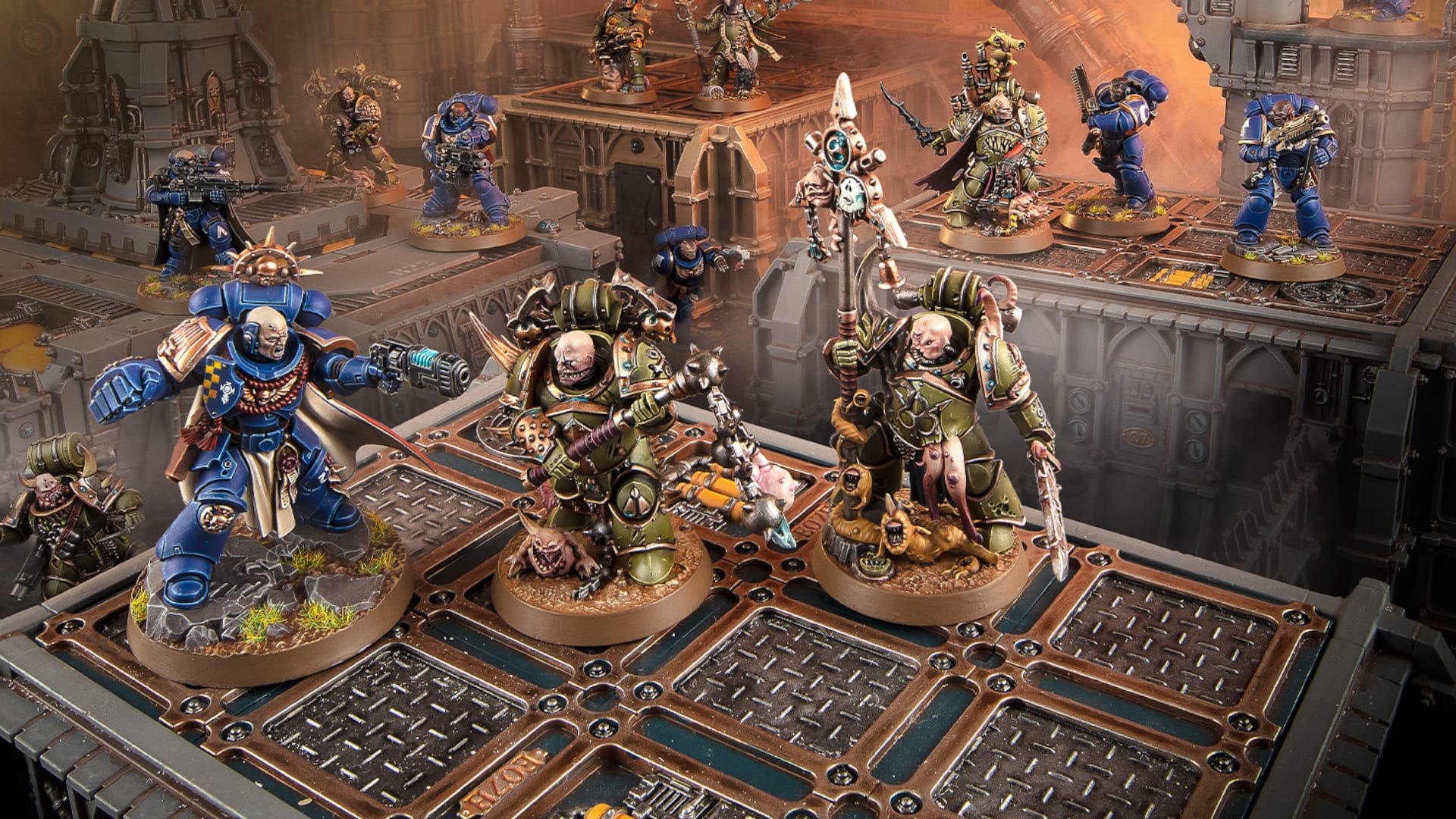
Warhammer is a wargame that fully embraces the "lifestyle" type of game: it's a way of life, a full-time hobby. This is because it's not only an excellent war game, as we've been explaining, but also a modeling hobby and a lore powerhouse that captivates with its dark, epic stories across its fantasy and sci-fi settings.
Getting into its fantasy versions (Age of Sigmar / Old World) or sci-fi (40,000) requires reading and studying fairly complex rulebooks if you're new to these games. You also need the miniatures that represent the game's military units, which need to be at least assembled (and painted if you're up for it) before you can use them.
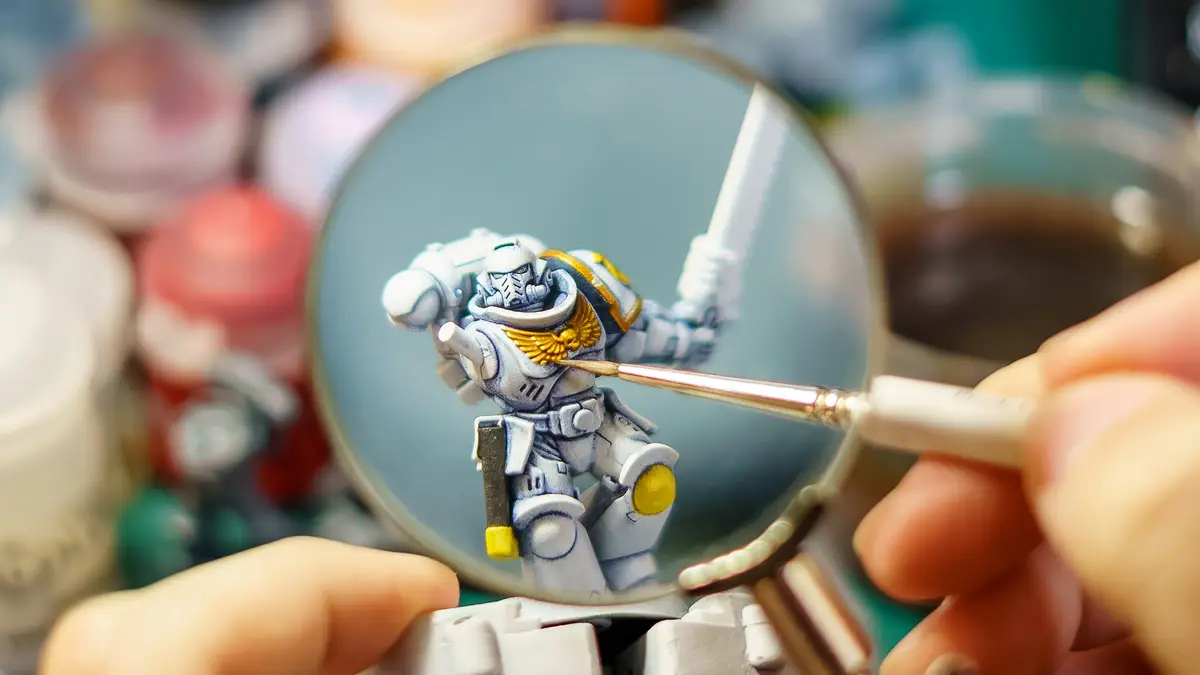
Building an army and playing requires a significant investment, but before knowing if we truly enjoy it -- and unlike games such as Magic: The Gathering -- here we face many extra steps beyond just buying a product and jumping in. But there are ways to get started, trying out games with just a few miniatures, before working your way up to the full experience.
Let's talk warbands! Few miniatures and lots of narrative
Besides its flagship games, Warhammer has always had many others. Some (like Battlefleet Gothic) have their own miniatures due to their scale, while others simply use the same minis from 40k or Fantasy. Two that remain fan favorites are Necromunda and Mordheim, which Games Workshop released in the early '90s and serve as the blueprints for warband games.
Both are based on the premise of commanding a few miniatures instead of large armies, and when they launched they also introduced a new narrative element: in their campaign mode, our soldiers can have their own names, level up by gaining experience and learning new skills, or even die permanently.
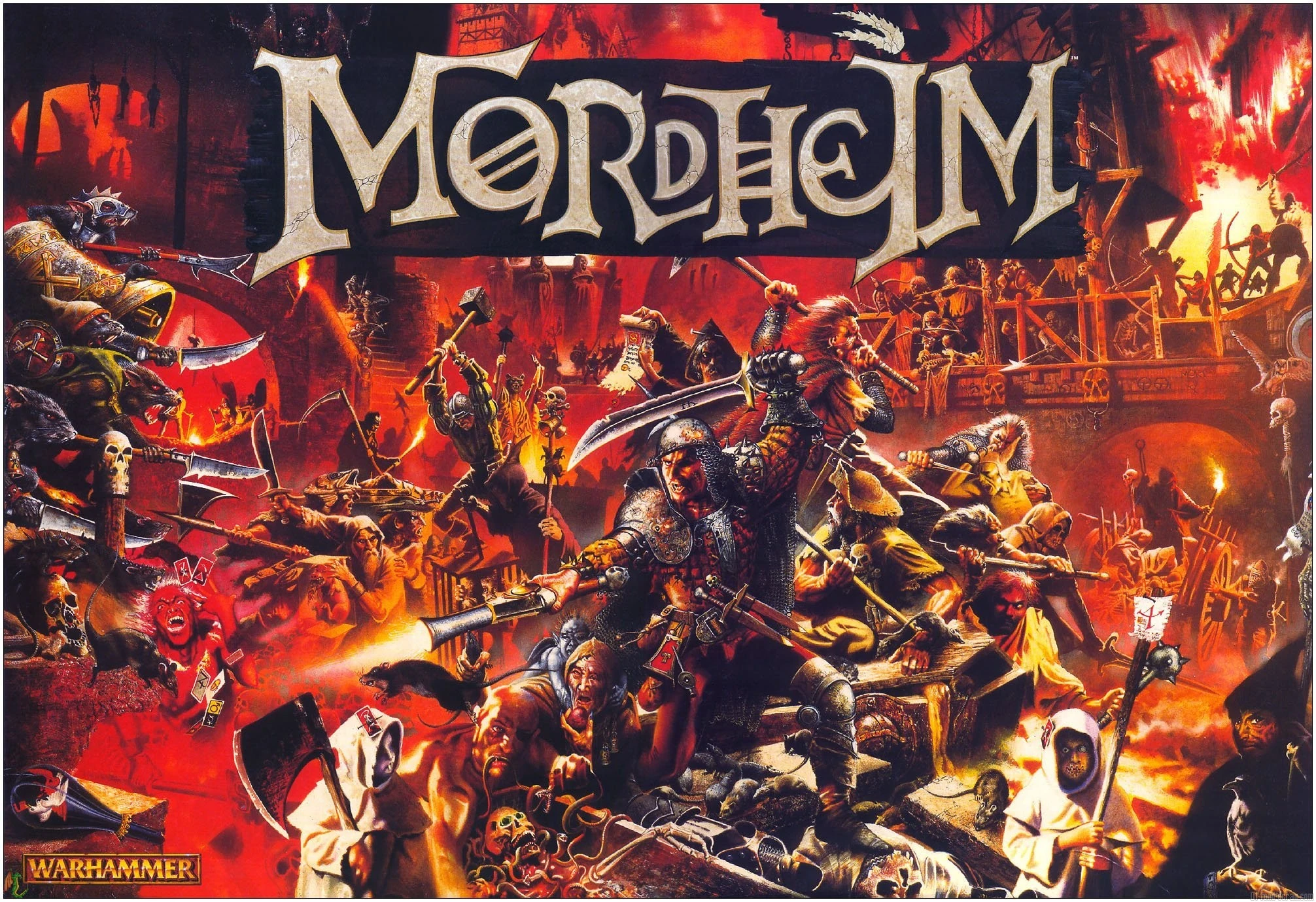
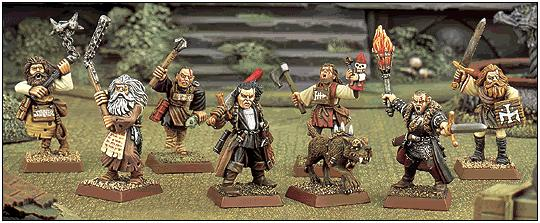
Mordheim is set in a dark fantasy version of a cursed city in the Empire of Man, where a meteorite crashed and its fragments are coveted by different factions seeking to harness their power. In this game we find representations of the main Warhammer armies: you can play as human witch hunters, Chaos Cultists, Dwarf rangers, arena fighters, and more.
While Mordheim hasn't had a reprint since the '90s, it's considered one of the best games ever created by Games Workshop, and it has an active online community that archives all the rulebook materials. As for miniatures, clones can often be found on the market as well as 3D-printable files, but since the game is highly customizable, you can use any miniature you like to represent your warband as long as it fits the base size.
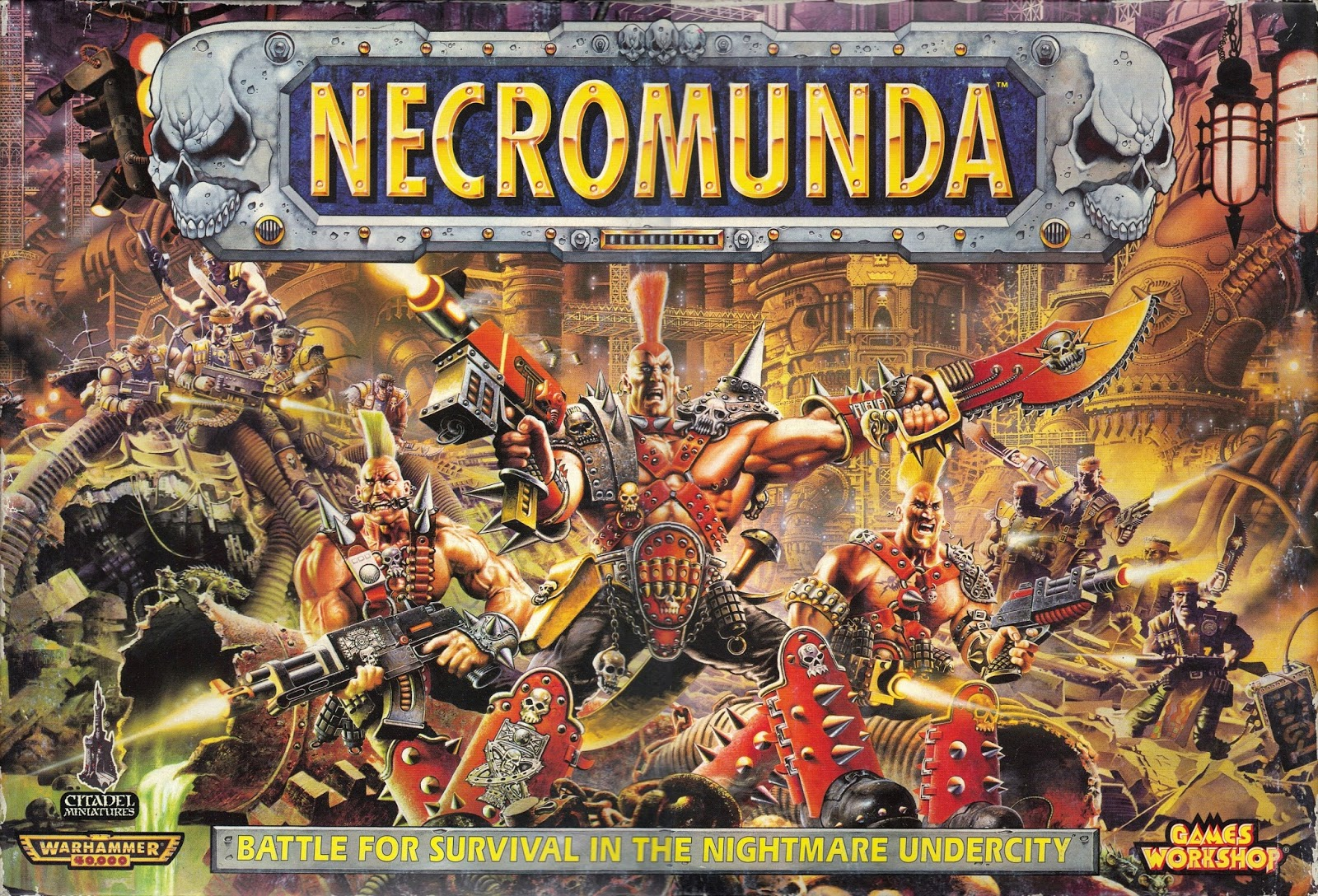
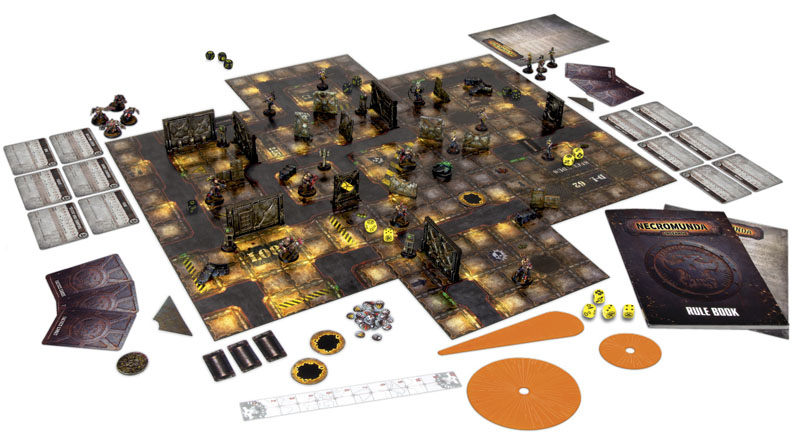
Necromunda, on the other hand, is the sci-fi version set within the 40k universe. You'll also be in a "city" -- or rather a "hive world/prison" -- featuring the same narrative elements we discussed earlier, but its factions lean more toward a cyberpunk aesthetic than what you'd typically find in 40k. This game has been reprinted and continues to receive new material. An original Necromunda gang can cost between 40 and 60 USD, sold in boxes that include everything you need to play, with 10 to 15 miniatures depending on the gang.
It's a great way to start learning the most basic rules of Warhammer without needing to deploy massive armies. Both rulebooks come with everything you need in terms of rules and information to play -- in fact, the Mordheim rulebook is probably one of the best-explained and best-organized publications from Games Workshop. On the downside, both games require quite a bit of terrain on the battlefield, but with some creativity and imagination, that's easy to solve.
Kill Team, the flagship format of the new era
All that sounds good, but you want space marines -- I know. And Kill Team has a space marine team. Now in its third edition, this game is a streamlined, fast-paced, and brutal version of Warhammer. It has several rule differences from the original game, but it's still a fantastic way to start collecting and getting to know the world of 40k.
Kill Team is an objective-based skirmish game featuring special operations troops, where you command a group of miniatures representing black ops-style teams belonging to the most popular factions in 40k. Here you can play with space marines, humans from both the Astra Militarum and the Mechanicus, or xenos like Orks and Genestealers. Matches can be standalone games set up around specific objectives, or you can start a campaign that adds narrative elements.
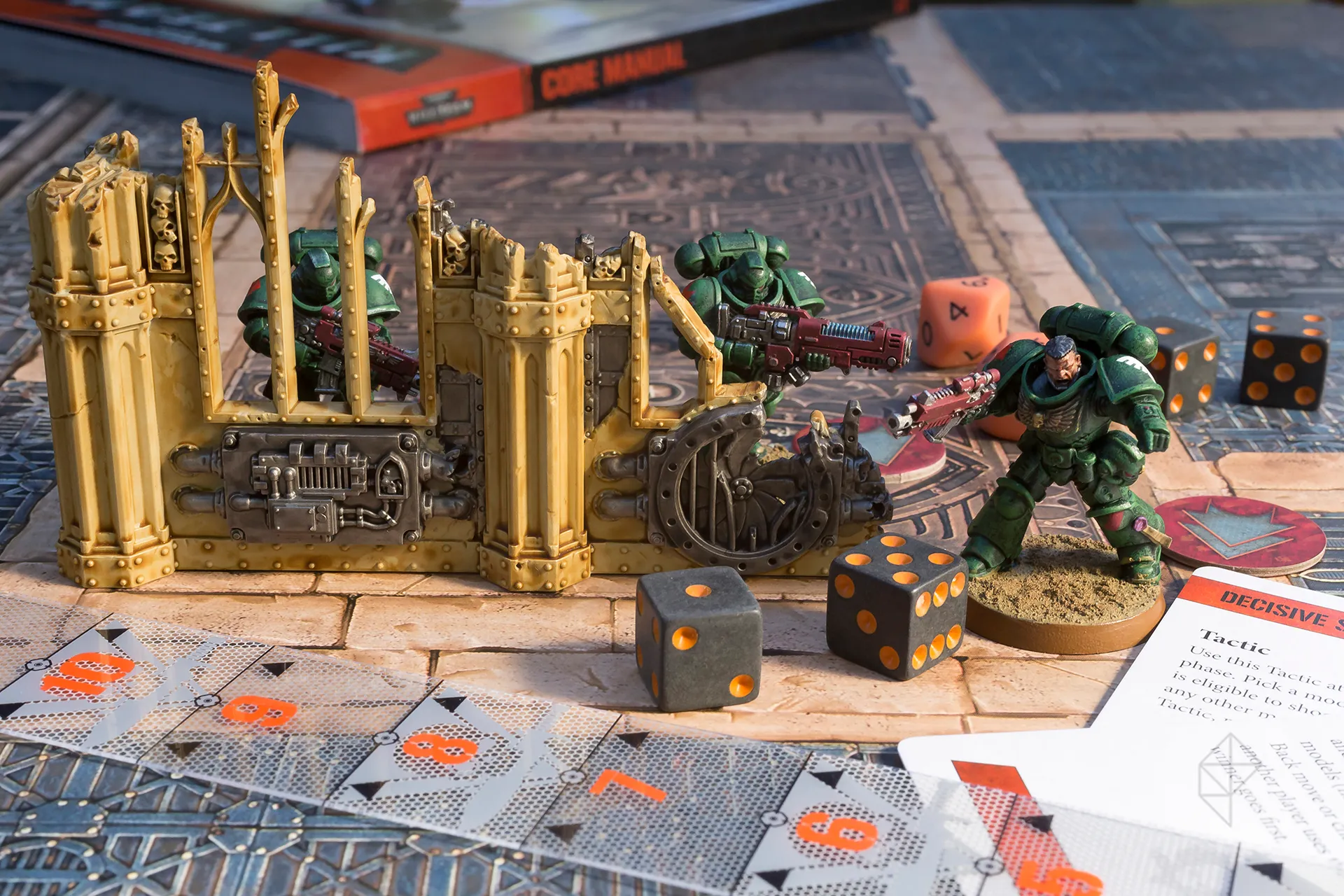
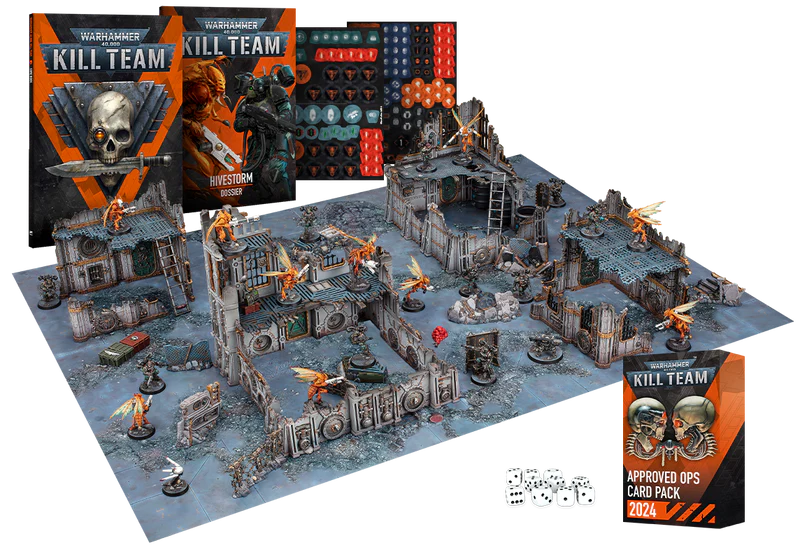
The game system features several differences from the classic Warhammer 40k (currently in its 10th Edition), combining straightforward rules with elements that are gradually making their way into wargames, such as tokens and cards. The standout feature is its alternating activation turn system: one player activates a miniature, then instead of continuing with the rest of their team, it's the opponent's turn to activate one of theirs. This creates super dynamic matches.
Currently, Kill Team offers more than 20 teams to choose from, with prices similar to Necromunda. Complete teams start at around 50 USD, and starter sets with everything you need for a 1v1 game run about 120 USD.
Combat Patrol, getting closer to the full experience
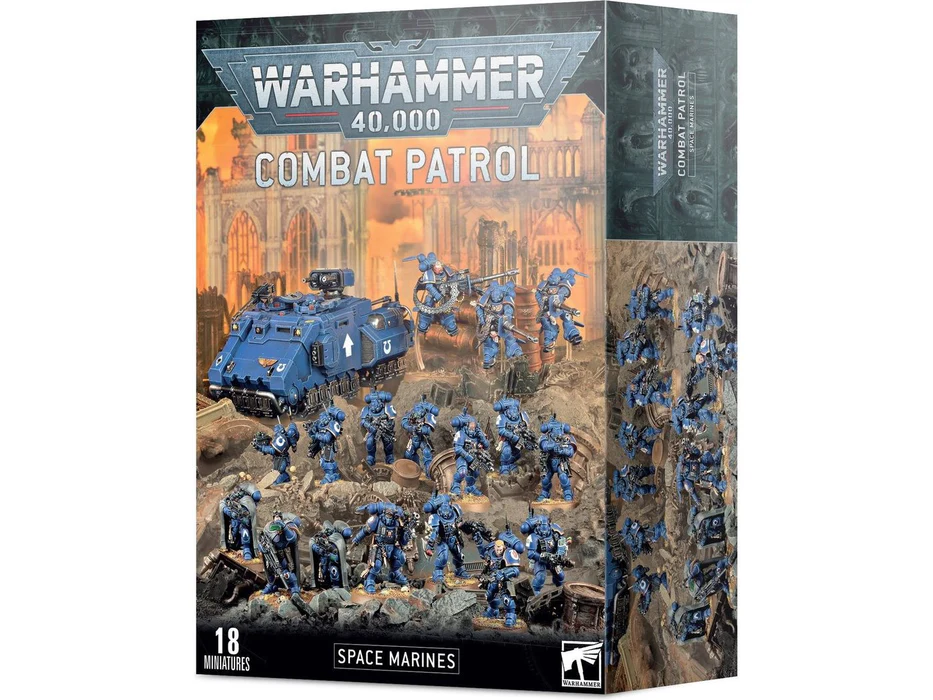
So far we've looked at small-scale miniature games to get started, but while everything falls within the Warhammer universe, none of them follow the official wargame format. These formats are tough to jump into for all the reasons mentioned above, and also because of budget. Until recently, beyond the starter boxes, there was no way to buy a single box and start playing. But starting in 2022, Games Workshop released a product called Combat Patrol: a faction starter box that includes everything you need to play Warhammer 40k in its most recent format. What's interesting is that each box is designed and balanced to face off against other Combat Patrol boxes, working much like pre-built decks in Pokemon or Magic: The Gathering.
Keep in mind, these boxes will also test your commitment to see if this game is really for you, since you'll need to read both the core rulebook and the faction manual, as well as assemble the miniatures and paint them if you choose. That said, each box comes with a mini army ready to play, built around 500-point rules (the smallest game format), and starts at around 100 USD. There are already more than 20 factions to choose from.
If you already have miniatures, you can look up the army lists for the games I mentioned and try them out; and if one ends up winning you over, you can take the next step and get the dedicated minis. Also remember that you can dive into these worlds without even playing, enjoying the modeling or the lore, which are the strongest pillars Warhammer has today compared to games that sometimes feel more like a headache because of their rules and excessive complexity. There are even other ways to enter its universe, like through its video games or various audiovisual products, including some parodies.