How to get away with it as a freelance journalist
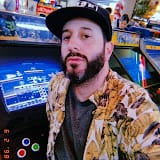
14 de feb. de 2025 — Hernán Panessi
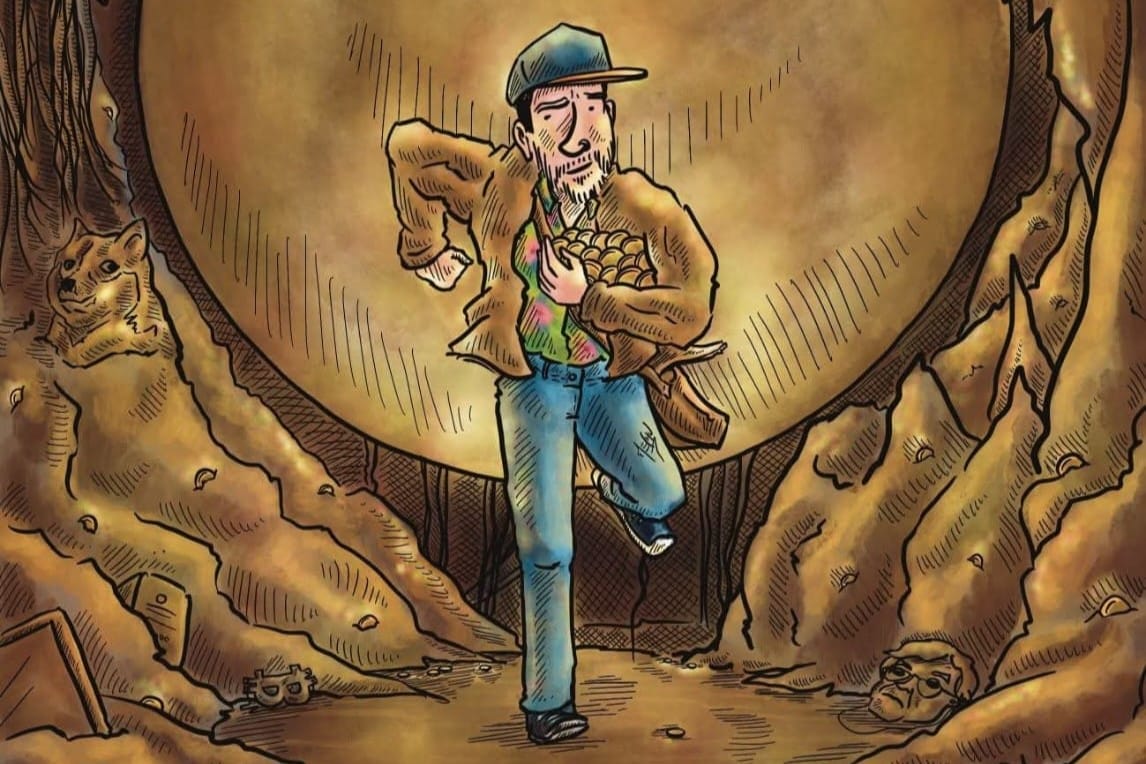
I'm not sure I'm at my best to be giving advice. Advice is usually given by winners, by those who are doing well, by those who figured it out. But also by those who've already been down the road. If you're looking for work in journalism, I've been there. Once, twice, a thousand times. And I'll probably be there again. I more or less already know what the path looks like, so since I'm not bold enough to call this advice, let's say I'll share my experience and smuggle in a few words of encouragement. This is how it went for me. This is what worked for me. This is how I survived 20 years in journalism as a freelancer, getting away with it.
Before I dive in, a bit of context: I'm Hernán Panessi, and maybe you remember me from some piece in Página|12, from the VideoFlims movies, from the porn book, from the interviews on FAN el programa, from the videos with Jorgito Porcel, or from my 420 years at El Planteo. If none of that rings a bell, that's totally fine: there are tons of us and I'm hardly indispensable. But I am a hard worker. Very much so. You'll get to know me: hi, here I am at the Masonic lodge with the Grand Master and here eating hemp pizza with a rapper.
Since I always push forward, I've built a sort of professional methodology to survive in a trade full of bourgeois types, nepo babies, and slackers, of brilliant, cultured, and creative people, of terrible bosses and incredible bosses, of suburban dwellers who by default tend to be more streetwise and of those who grew up on a balcony dreaming of catching a close glimpse of a neighbor. There's a bit of everything.
In my case, I come from the convoy of the nobodies: I have no famous relatives, I never had connections. Everything I did was on my own, by sheer force of will, sneaking in through the window, inventing myself. I had to grind. I got used to grinding (this is just a description, not a lament; it's done). Then the opportunities came: I brought alternative culture to mainstream radio and we became mainstream, I was a rockstar, I was the best and the worst. But what we were doesn't matter as much as what we are: everything is experience. Because I'm not going to recount successes, but rather lay bare my experience.
In cycles of two or three years, I had to change jobs. For one reason or another. They fire you for good reason, they cut you because the budget ran out, they let you go because the project changed shape, they remove you because you no longer have the ratings you used to, or because a new government administration took over, or because the sponsor stopped paying, or because you could have been better, or because... And in every case, it's fine, no big deal. Because this is just how it is, what else would it be? These are the cards we're dealt.
So if you asked me for one word, I'd say: hang in there. Develop a supreme tolerance for "no." Like in life, like in courtship, like in soccer, like in everything: there are usually more "no"s than "yes"es. But you have to be ready for those "no"s, because they come by the thousands. And when a "yes" slips through, you have to seize it and accelerate. Do things right. In good faith. No funny business. And standing your ground: "Here I am, this is who I am, and if need be I'll stop the ball with my head because I've got guts." Don't be flaky. Meet your deadlines. Keep a paper planner.
If you asked me for more words, I'd say: bring solutions. Journalism schools churn out thousands of graduates per year. And there are already tons of us. More and more, in fact, and I don't even know why anymore. In that sea of people, I'd tell you: don't put yourself forward without offering solutions because you'll just bother people, create a bottleneck, and get frustrated. If you raise your hand, say "I'm good at this," "this is what I can do," "these are my ideas." Bring solutions to the people who make decisions, to the person who can hire you, or give you a hand, or throw you a pass, or give you the job of your dreams.
If I had to look inward and see how I turned my habits into a discipline, I'd say: be consistent. And be genuine. Don't think of life as a one shot with the crappy logic of transactional relationships. We all see through everything. We know when someone's mooching a contact just to sneak ahead and then gives us no credit, just as others notice relationships of convenience. Back up what you say with your actions.
Be trustworthy. If you need to help, help. If you need to hold your ground, hold it. Don't think you're more than you are. We're journalists, just one trade among thousands. We're workers, it's no big deal. Don't get caught up in social media followers or because you eventually get a free pass to the VIP at Lollapalooza and manage to take a selfie with Duki. The star is him, not you.
Speaking of which, in 2014 I published a book called Periodismo Pop: Ser freelance, salirte con la tuya y no morir en el intento and in the opening text I said some things that a decade later I still stand by: "Freelancing is a survival art that generally speaking, except in extraordinary cases, involves earning little money and working a lot." People celebrate the flexible schedule and variety of topics, that's true. I talked about that, too. And I wrote: "The journalist will need to put together a payment calendar to survive." I still stand by that.
When it comes to billing, I'd say: keep your tax registration up to date. Learn to use PayPal, to exchange crypto, to issue an invoice, to know how much your work is worth. To activate the returns on Mercado Pago. To live life, but --always-- save a little something for later. To be able to quote your rates without fear or disgust. Nobody but you knows what your work costs. There will be dry times and others with more cash. Times of juggling and others of stability. Honor your pay. Don't give anything away and, as much as possible, without being arrogant, make yourself valuable. Here applies Mirtha Legrand's golden rule: "People treat you the way they see you." And that's canon.
To the enthusiasts I'd say: insist. Don't give up. Build your own projects. Throw yourselves at them completely. Learn. The best way to learn is by doing, doing, and doing. There's almost no other way. Go to university, study, yes, obviously, but do things. One without the other is useless. It doesn't matter if you're 18 and about to walk into your first "IPI" class at TEA or if you're a nearly 40-year-old professional editing a cool outlet: you have to do, do, and do. One opportunity leads to another, one turn leads to another, one contact leads to another. And the "doing" muscle keeps getting bigger and gaining volume. At some point it'll be easier because you already know how the game works.
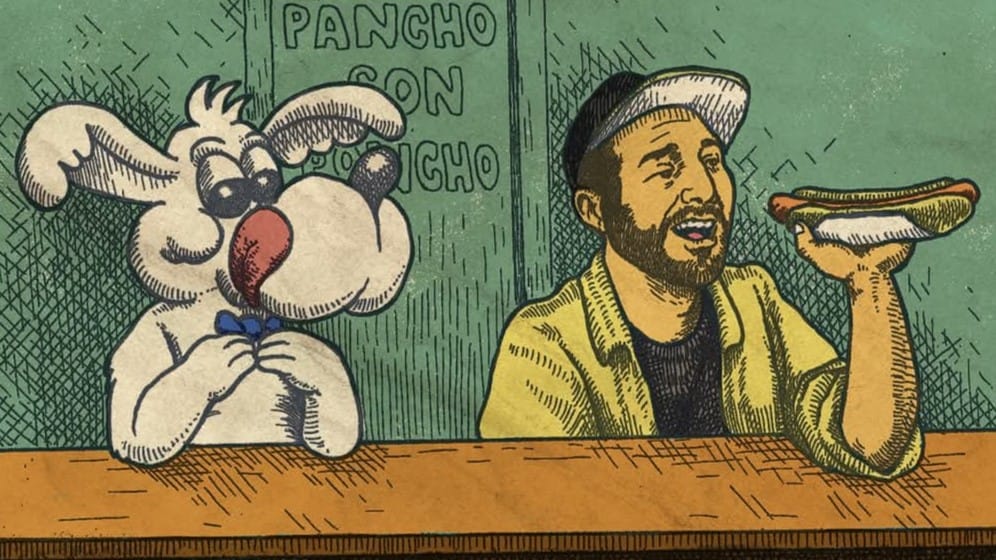
"Do what, Hernán?" I don't care. Whatever you want to do: a podcast, a fanzine, a digital outlet, a YouTube channel, an Instagram account with reels, a workshop, a streaming channel, a radio show, a newsletter, whatever you want. Today you can do it because the Internet lets you. I'm not even going to get into explaining how, because you already know. Don't sit around wondering. Do it and do it yourselves. By doing things on your own, you'll figure out a ton of stuff inherent to effort, teamwork, ambition. To what things cost. But you'll learn. I learned. A lot.
And in that sense, knowing what things cost made me value opportunities. When I was called to host on Nacional Rock at the end of 2014, I showed up early and left late. When the chance to host on Delta 90.3 came along in 2017, I first went through occasional calls, flashy columns, and odd fill-in shifts. Before I became editor at El Planteo, I wrote a thousand pieces, some hits, others not, but I pulled out a ton of experience that was spotted amid all the noise. And every one of those times --and in all the others-- I was a worker in service of the cause, something that's valued here, there, and everywhere. After that, whether things go well or badly, that's a different story, no big deal.
When it comes to writing, I get up early. When it comes to putting together a story list, I have no set schedule. The spider-sense lives with me and it's on all day. I see stories everywhere. "This idea could work for this, this one for that," I think. I don't know how healthy this is because it's a bit alienating for you and for others. But, well, I don't know, I'm always on the lookout. Sometimes I'm pushy, other times I get there first. So to journalists and future colleagues I'd say: don't be lazy, the stories are right there, up for grabs, maybe you just need to look in other directions. We can put a twist on anything, even if we're all talking about the same thing.
For the ghost of the blank page I'd say: start anywhere. And then pick it up from wherever feels right. At that point, I don't know, there's not much mystery: journalism --print, let's say-- is a trade you master by doing. By writing, by putting in the work, by reading people you admire. By humbly receiving the feedback editors give you, by actively listening to what social media says. Don't always trust it, but many times you can pull good things from what people send back your way. Not everyone is a hater.
To my friends I'd say: thank you. It might be a truism, but without the friends you make along the way, we probably couldn't do any of what we do. Projects born of passion are made of hope but also of friendship. You know who those friends are. Keep them close. Ask them how they're doing, invite them into your wild ideas, exchange experiences and perspectives, help them grow so you can grow too. Be loving. Be friends.
To everyone I'd say --and this one is very important right now--: develop your personal brand, your signature, the touches that make you different from the rest. Don't be photocopies, don't be clones of others. As Leo "El Tigre" Oyola said: "Find the song that each of you has inside". Work for yourselves. A tool? Self-promotion. The honest kind, mind you: say "Here I am, I do this, I'm good at this." Work to be better. Study. Listen. Read. Watch. Learn. Build ecosystems of people. Join other people's. Watch the big shots and also the underdogs. Be curious. Be humble.
And if things go well for you, don't be a show-off. We all see the show-offs. Nobody likes show-offs. And if things go badly, don't be a doormat. You're not one. Nobody likes doormats. Getting away with it as a freelancer? Not dying in the attempt? The most honest thing about this is that the mirror should reflect, more or less with dignity, what we want to be.