How to Make Homemade Bread

16 de sep. de 2024 — Juan Ruocco 🧙♂️
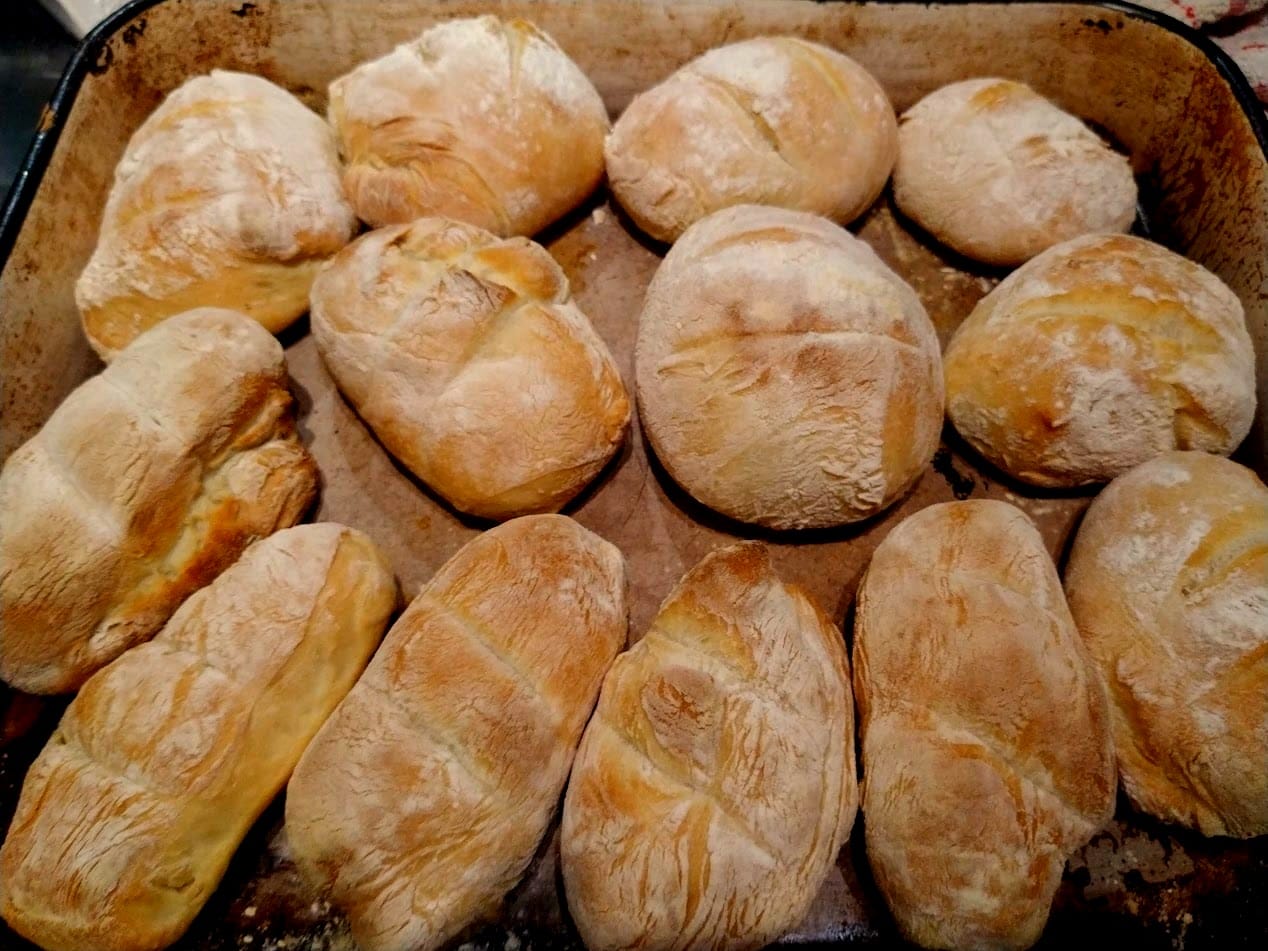
It's probably the most ancient food that has accompanied humankind since the beginning. Bakeries are as common as a butcher shop or a grocery store. It's a staple on the Argentine table, but despite being very easy to make, it's not very common for city dwellers to bake their own bread.
It became a bit trendy during the pandemic thanks to "sourdough," a system where you make dough with yeast extracted directly from the air (yes, there are yeasts floating in the air all the time). What I find most fun about the whole thing is this process of extracting yeast from the air, but the truth is I never actually baked sourdough bread: I only had a yeast starter in a jar for a while that my brother-in-law gave me, who actually is an expert on the matter. This type of bread is a bit more bitter and sour than the "regular" kind, and also a bit harder to bake.
On the other hand, regular homemade bread is super easy to make with ingredients you can find at any corner store. It turns out great and it's cheap, but above all it has a spiritual effect that's more than interesting: preparing something we'll consume throughout the week offers certain ritualistic qualities that — at least in my case — are quite beneficial. We're not just cooking for ourselves, but we gain a degree of autonomy from the consumption chain in general. It's silly to think about it in those terms, sure. But what can you do.
Easy and cheap homemade bread recipe
Anyway, the recipe to make a kilo of bread is pretty simple, and I learned it from the back of the dry yeast packets I use to make it.
Ingredients:
- 1 kilo of flour
- 1 packet of yeast
- 750 ml of water
- 50 grams of butter
- salt to taste
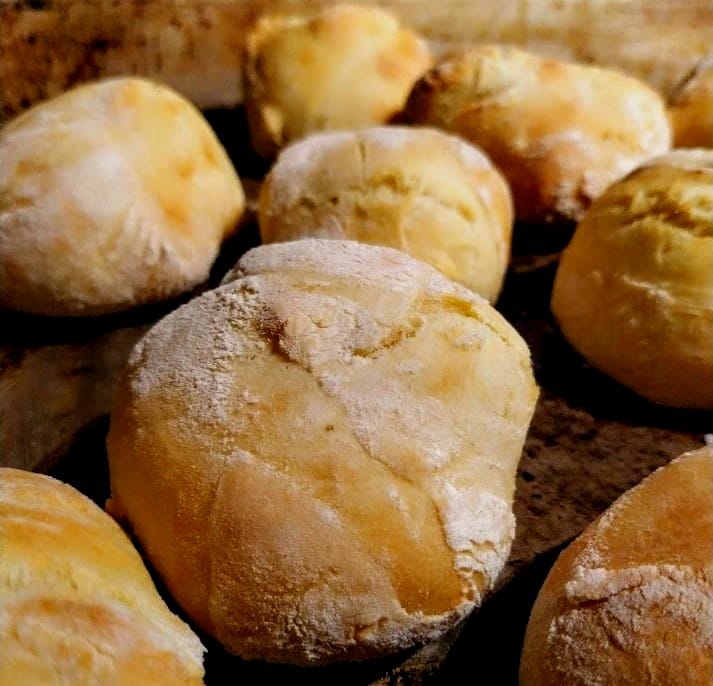
The preparation is very simple. First, dissolve the salt in the water, which should be slightly lukewarm. Then dump half the flour into a bowl and add the dry yeast. Pour in some of the water and start mixing it together — it should have a somewhat creamy consistency. Then, add the butter (which I recommend melting beforehand), the rest of the flour, and whatever water is left, always making sure it maintains that slightly creamy consistency.
I mix by hand, trying to avoid lumps, and then I let the dough rest covered with a kitchen towel, near somewhere warm. It could be the oven, the water heater, or a space heater. While you shouldn't place it directly on the heat source — because it might cook the bottom — leaving it near a heat source speeds up the rising and makes the dough fluffier. Then we let it rest for about two hours.
Once the dough has tripled in size, we prepare one or two baking sheets with oil and shape the rolls. We let them rest so they rise a bit more and preheat the oven. After about 15 minutes, we score the rolls — we can sprinkle a little flour on top, or coarse salt if you like — and pop them in the oven.
A trick to get a better crust is to put a baking sheet with ice in the oven at the same time as the rolls. I have no idea how it works, but someone passed me the trick and they come out better. They should be in the oven for about 20 minutes at maximum heat, but you need to keep an eye on them.
In my previous apartment I had an electric oven that was fantastic because it let me choose the heat direction, which allowed me to bake the bread while also giving it a nice crust. Now, on the other hand, I have a regular gas oven, so I have to bake them in two steps. In the first step, I let the rolls puff up and bake through. Once they seem more or less done, I take them out of the oven and move them directly to the lower rack, where they're exposed to the flame. This way, they finish cooking and develop a nice crust on top.
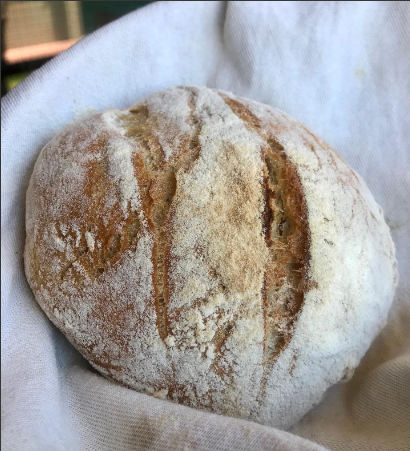
When we see they have a nice golden color from the flame, we take them out and let them cool. After trying several methods, I discovered that the best thing to do is put them in the freezer once they've completely cooled down, and take them out as I need them. For example, to make milanesa sandwiches with Lucho's recipe.
And that's it. In a process that takes about three hours total, we can get a kilo of homemade bread. I usually like to make it on Sunday nights, while I mess around and mentally prepare myself for a new week ahead. Besides, it's a nice thing to do — it doesn't involve looking at screens and it connects us with the possibility of being self-sufficient — minus the small detail of buying all the ingredients at a corner store, of course. Tried and recommended.