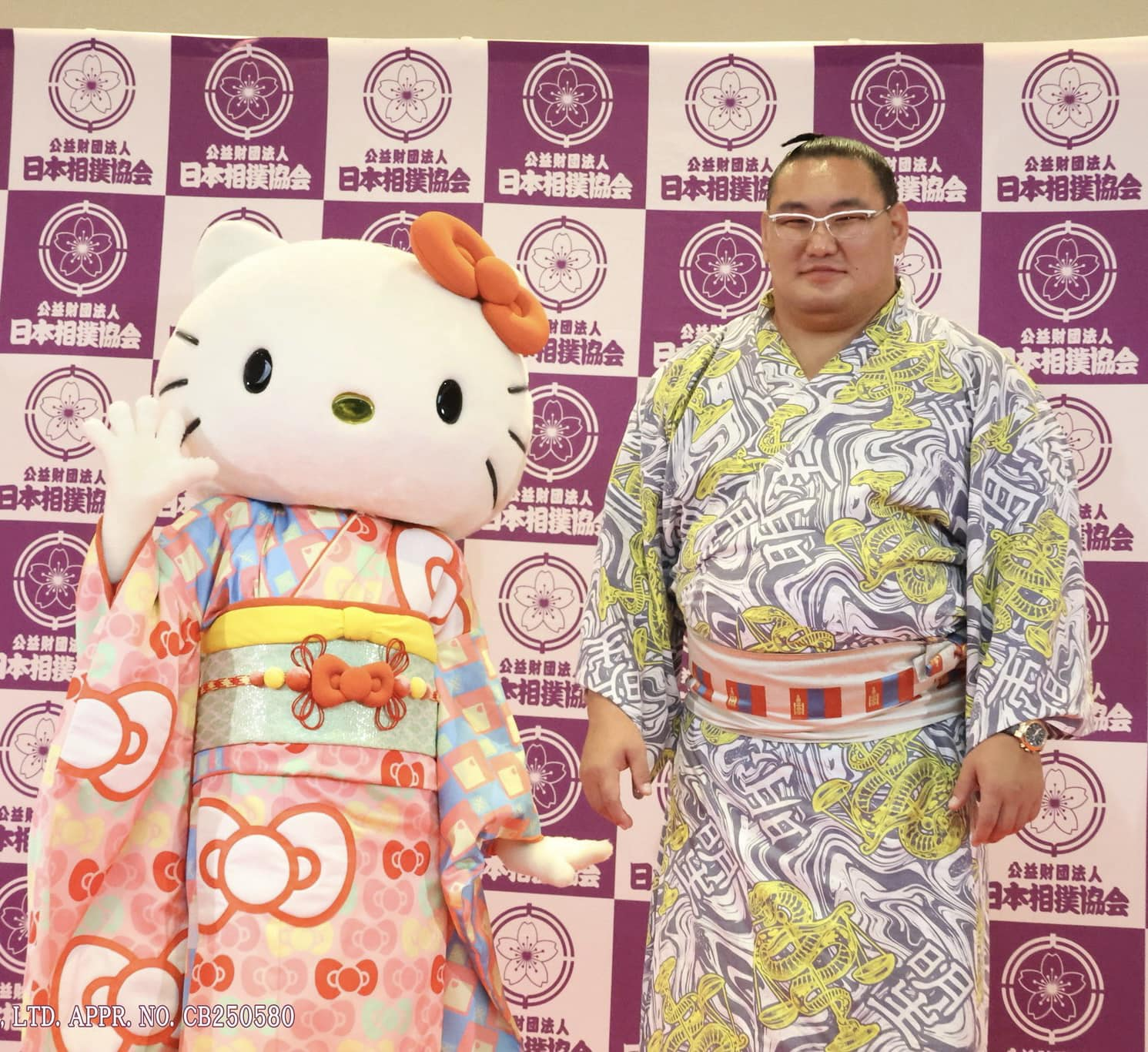
Everything You Need to Know to Watch Sumo (and Understand What You're Seeing)

15 de sep. de 2025 — Juanma La Volpe
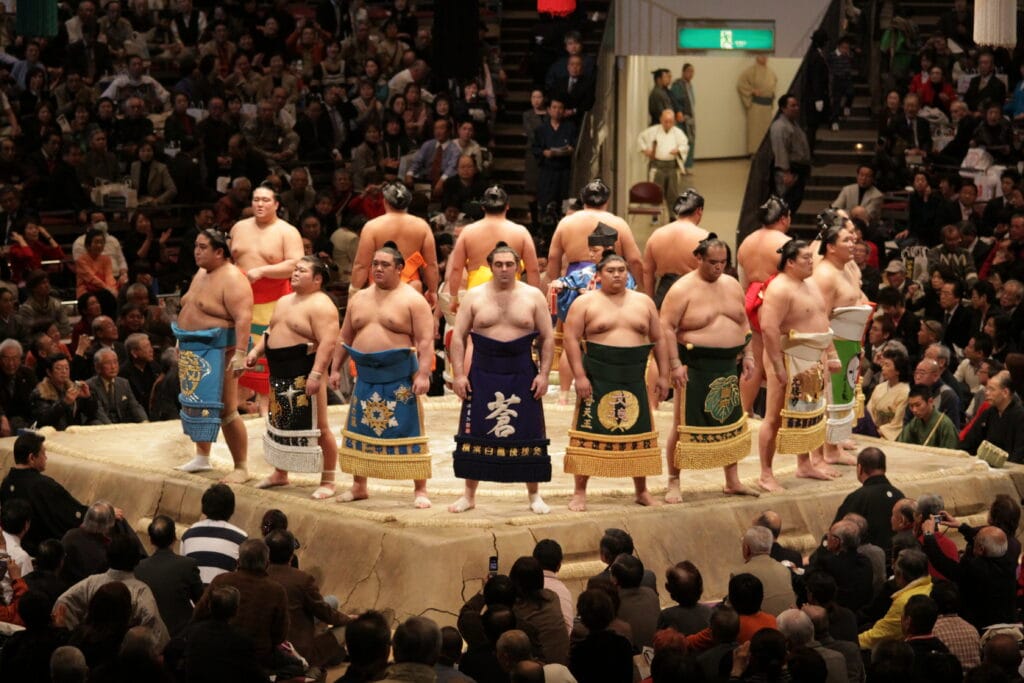
Getting into sumo is like diving into a sports Shonen (anime), because just like in those genres, in pro wrestling, or in a TV series, every sumo tournament tells as many stories as it has wrestlers, weaving a tapestry of lore that keeps you hooked. With subplots of redemption, eternal rivalries, and self-improvement, the narrative builds fight by fight and tournament by tournament.
This article aims to break down the current lore for you, run through the fan-favorite rikishis, and serve up all the info on where to watch sumo tournaments.
The basics: the tournament system and rankings
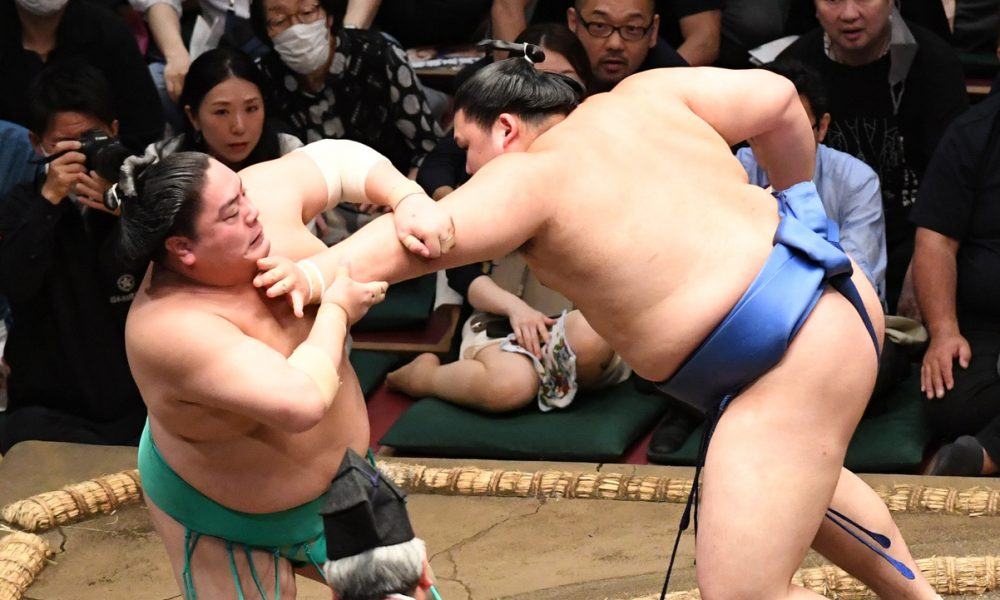
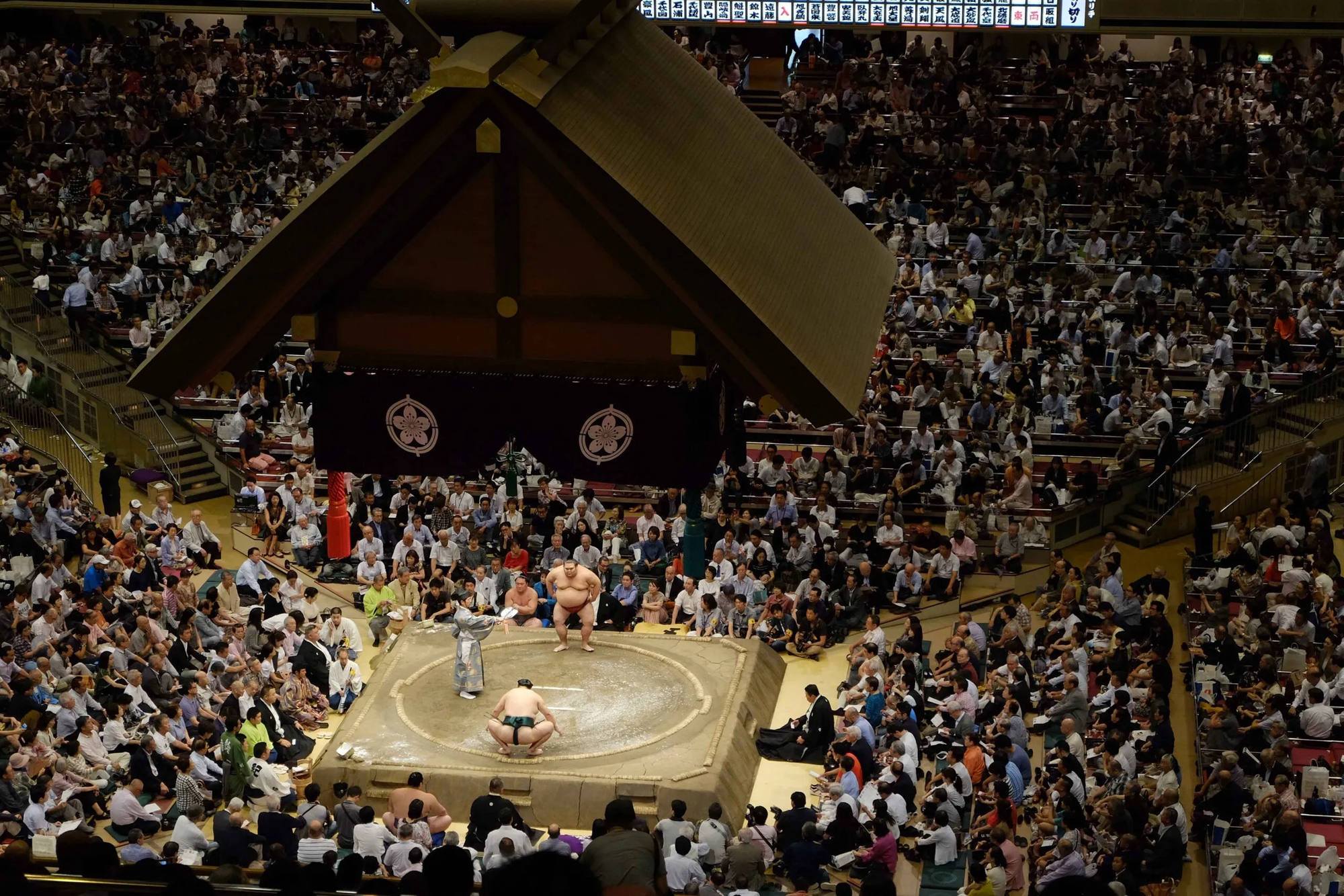
Sumo features an annual structure of six official tournaments, called honbasho, held in different cities across Japan and lasting 15 days each. Because of the intensity of the bouts and the wrestlers' commitment, every honbasho is one of a kind. Matchups are organized against opponents of similar skill, adjusted based on performance, and each wrestler has only one fight per day.
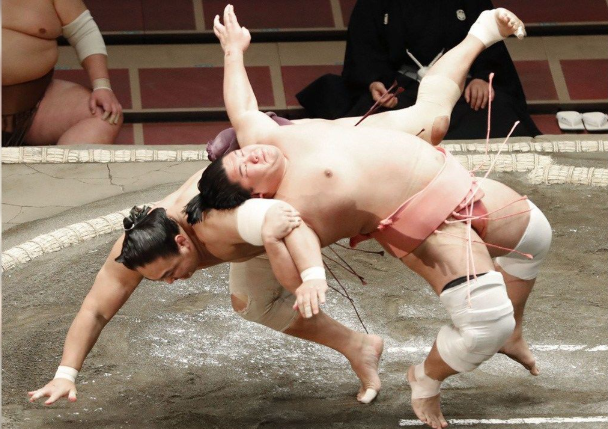
The bouts are fairly easy to understand and usually last from a few seconds to not much more than a minute. In them, two rikishis fight to push the other out of the dohyo, a circular ring, using legal techniques. There are 82 registered winning techniques.
The ranking system (Banzuke) has two major divisions and four minor ones, totaling roughly 600 rikishis in the rankings. The top division is called Makuuchi, where about 42 wrestlers compete, including the Yokozuna, who holds the #1 ranking. This position can be shared, and it is an honor at a social level, as the Yokozuna becomes the ambassador of the sport.
Each division has ranks with a fixed number of slots, with Juryo being the next most important, holding 28 spots. Reaching this second division is what officially makes a wrestler a professional, or sekitori. To climb through the ranks and divisions, a wrestler must achieve a kachikoshi, meaning more wins than losses in a tournament. After each competition, the banzuke is updated with the promotions and demotions of the wrestlers.
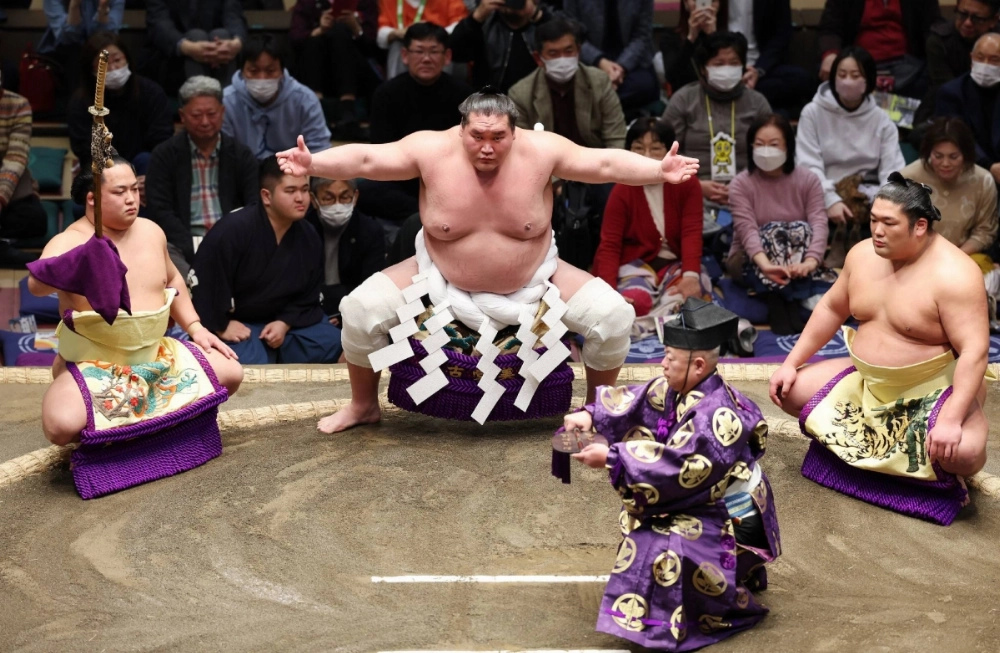
The Villain and the Prodigy: an era with two Yokozunas
On Sunday, September 14, the second-to-last major sumo tournament of the year begins in Japan, one of six annual events. And 2025 has truly been a fresh season, because in January, at the first tournament, yokozuna Terunofuji Haruo decided to retire after suffering several losses in the opening days. Afterward, the press revealed that Terunofuji was dealing with a serious knee injury and living with diabetes.
While the mourning over the 73rd yokozuna's retirement still hung in the air, by the end of the January tournament a new one would be named: at 26 years old, and after winning the competition, "The Villain" Hoshoryu Tomokatsu began his reign as the leader of the rankings. The Mongolian Hoshoryu comes from the lineage of the 63rd yokozuna, Asashoryu Akinori, his uncle and one of the most celebrated wrestlers in history. And while Akinori trained him, they also have a complicated relationship -- not only because of the constant comparisons, but because his uncle is a first-rate bully and jerk.
Once he steps into the ring, Hoshoryu transforms into "The Villain," with one of the most imposing auras in the sport today and a super aggressive fighting style. But his start was far from ideal, as in the second tournament of the year, in Osaka, Hoshoryu put in a pretty mediocre performance, which drew criticism from fans and the governing body alike and raised the question of whether his coronation as yokozuna had been premature.
On the other side of the coin stands "The Prodigy," Onosato Daiki, who we could call the current main character, a 25-year-old Japanese wrestler with less career experience than Hoshoryu but more tournament victories. Onosato was the top pick for yokozuna among a large portion of the fans and the Japan Sumo Association, but there was hesitation in giving him the title due to his relatively short time as a professional.
However, his dominant victories led him to win the second tournament of the year, and that reignited the buzz about whether Hoshoryu's promotion to yokozuna had been rushed just to fill the vacancy left by the previous one's retirement.
A few weeks later, the Sumo Association named Onosato as the new yokozuna, ushering in a new era with two wrestlers at the top -- a situation that has only happened a handful of times in history. The rivalry between them goes back years; and while Hoshoryu holds a 6-2 advantage in their head-to-head bouts, The Prodigy has more tournament titles and wins in the overall numbers. And throughout this year, Onosato has held the edge, winning 2 of the 4 tournaments held so far in 2025, while The Villain, after his initial title win, has turned in forgettable performances.
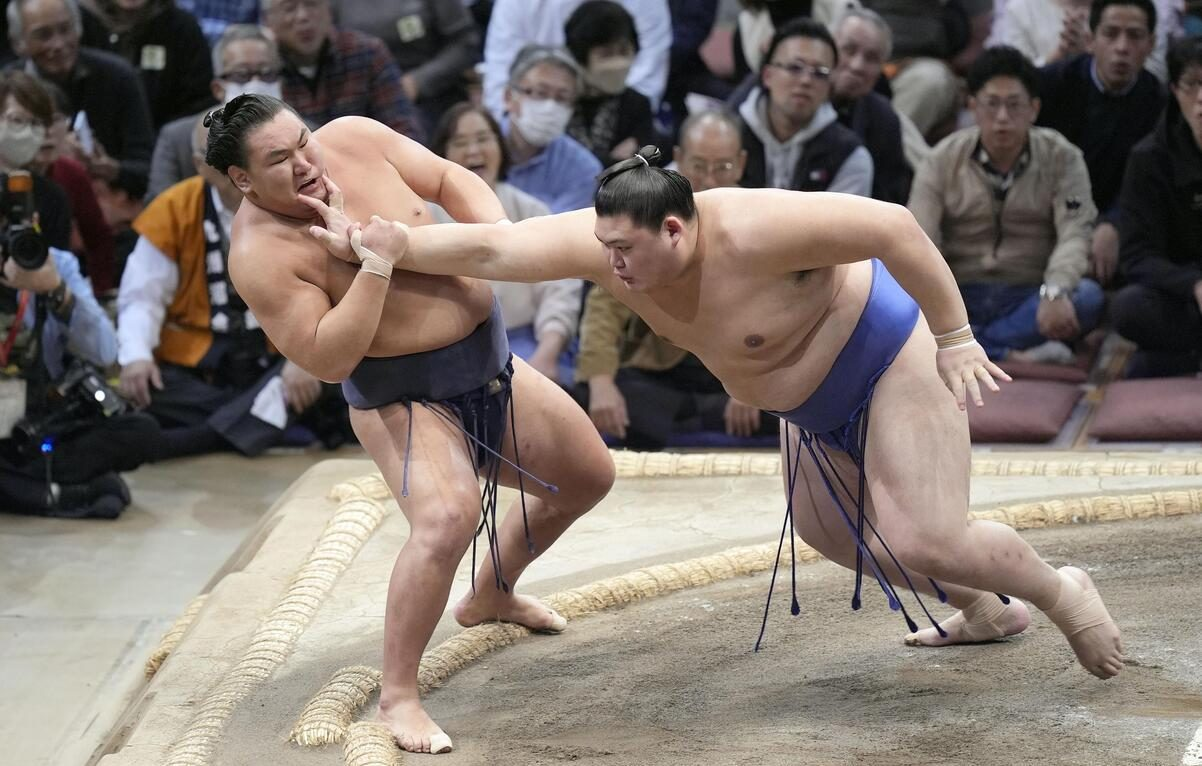
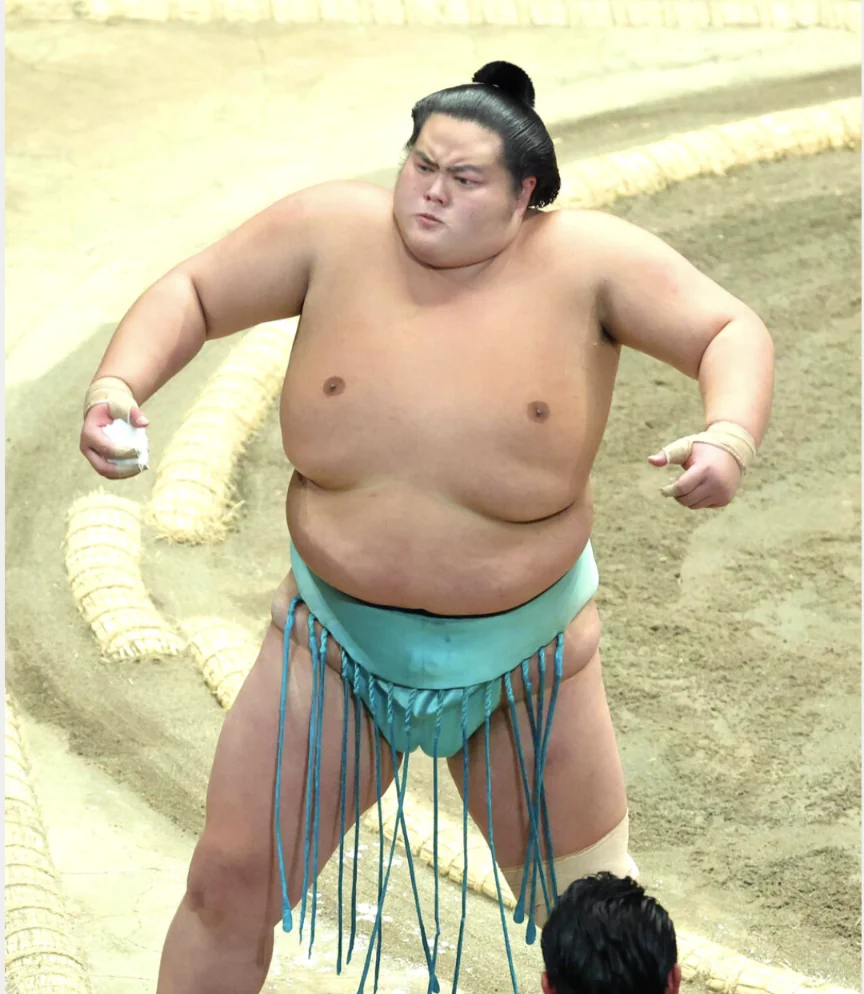
But there are other characters worth getting to know, like the giant Kotozakura with his impressive size and spectacular ring entrance; the Ukrainian Aonishiki, who at just 21 is already making his mark as a foreigner in the sport; the veteran Takayasu, with the face and build of a grizzled cab driver; or sumo's dandy, Ura, with his unique charisma and style.
How to watch Japanese sumo online
Given the time difference with Japan and the fact that bouts rarely last more than a minute, the best way to follow the tournaments is through daily highlight recaps on YouTube. There are three channels I recommend not only for their production quality but also because they provide a ton of context on how to understand the competition and its competitors.
Nippon Hoso Kyokai, also known as NHK, is a Japanese outlet similar to the BBC. They produce news programs, documentaries, and coverage of a wide range of events across the country. If it matters in Japan, NHK covers it. They do an excellent job following every tournament, with content dropping the day after each bout day, and they maintain an up-to-date website that includes rankings, rules, and a wealth of tournament information.
There are also specialized channels like Chris Sumo, who puts out recaps and deep-dive videos on wrestler lore; or Sumo Prime Time, featuring the NHK host and exclusive backstage access to the dojos -- great material for understanding the world beyond the bouts. During tournaments, both channels produce excellent daily recaps.
Now, if you want to watch live, on tournament days the Twitch channel Midnight Sumo goes active with 24-hour programming covering ALL the day's bouts, including lower-ranked matches, host commentary, and a beautifully curated mix of classic sumo moments and Japanese commercials during downtime.