How to Watch One Piece (and Not Be Intimidated by Its 1,150 Episodes)

3 de dic. de 2025 — Juanma La Volpe
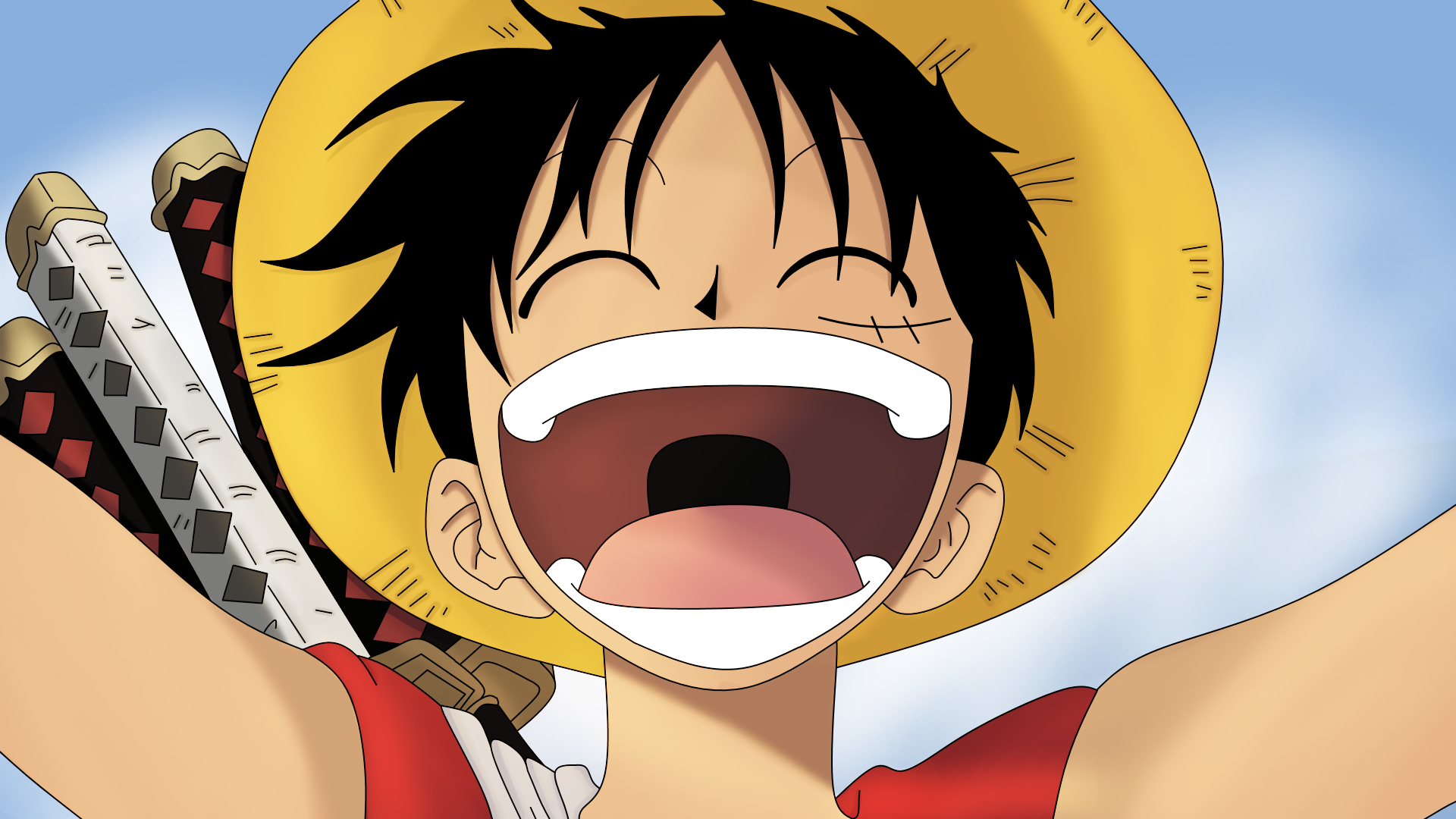
At some point it became impossible to cover the sun with my hands, and One Piece's popularity finally made me pay attention. As an old veteran of the foundational shōnen series –like Dragon Ball, Saint Seiya and Hokuto no Ken (Fist of the North Star)– I kept resisting the "new" era of the genre led by characters like Naruto and Luffy. Eventually I gave in and decided to give it a shot in the middle of the 2020 pandemic. That was my first attempt. I failed. I watched the first 20 episodes and then dropped it. It's not that I didn't like it, but when I looked up at the huge mountain I still had to climb, I bailed. Until one day, talking with a friend, she gave me the one piece of information I needed to get hooked and finally catch up.
That tip is not just a way of watching the anime –it's a way of enjoying it. So let's talk about how to tackle an anime with 1,150 episodes, whose manga still isn't finished, and about the nerves you get every time you read that its creator, Eiichiro Oda, is sick.
A Bit of Context on One Piece
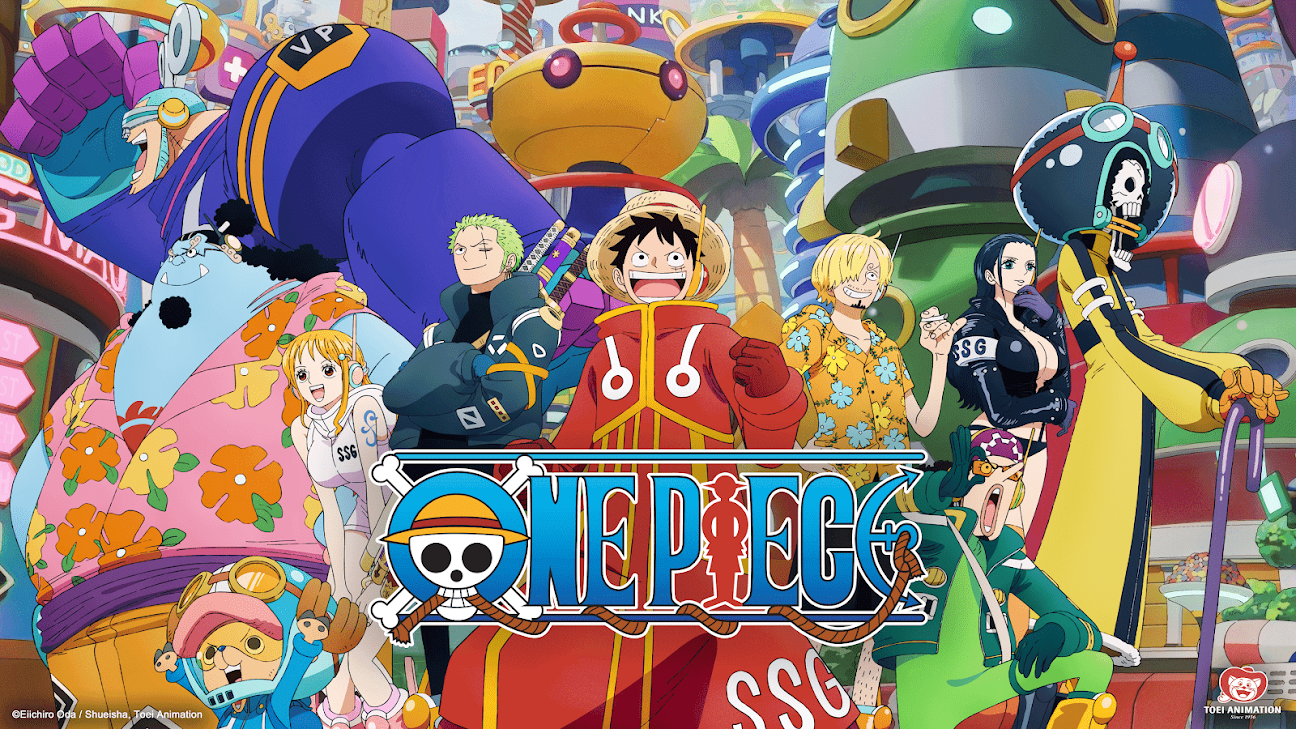
In short, One Piece is a manga by Eiichiro Oda which, as of today, has spawned an anime adaptation, a live-action series and a bunch of other formats, like video games and card games. If Dragon Ball laid the foundations of the shōnen genre and is the Diego Maradona of that pantheon, then Oda's manga is Messi: the one who takes the crown and, still active, continues to rule.
The story follows Monkey D. Luffy, a young pirate whose dream is to become the Pirate King. To do that, he has to find the legendary treasure known as the One Piece. Along the way, he recruits friends who join his crew and faces off against the World Government, the Navy, and all the other pirates sailing the seas of this world.
Its art and character designs are much more cartoony than other shōnen series, with a strong foundation in humor –both in visual gags and in the cast itself. But don't let the bizarre style fool you: the series tackles very heavy themes like the value of life, slavery, class struggle and freedom.
One of the most striking aspects is the worldbuilding, especially when a major saga ends and the impact of what just happened ripples out to the entire world and changes it. There's also clear evolution in the action and animation as the series progresses; in the more recent arcs –that is, the last 400 episodes, hahahaha– it reaches a level of quality above most other anime.
The One Piece anime premiered on Fuji TV in October 1999, at 7 p.m. on Wednesdays, replacing Kindaichi Case Files. Thanks to its success, the show moved into the real prime-time anime slot of the week –a space once held by Dragon Ball, for example– Sundays at 9:30 a.m. The anime hour.
Since its debut it hasn't really stopped airing, aside from a few production breaks, and as of today it's still on the air, already past episode 1,150.
How to Watch One Piece
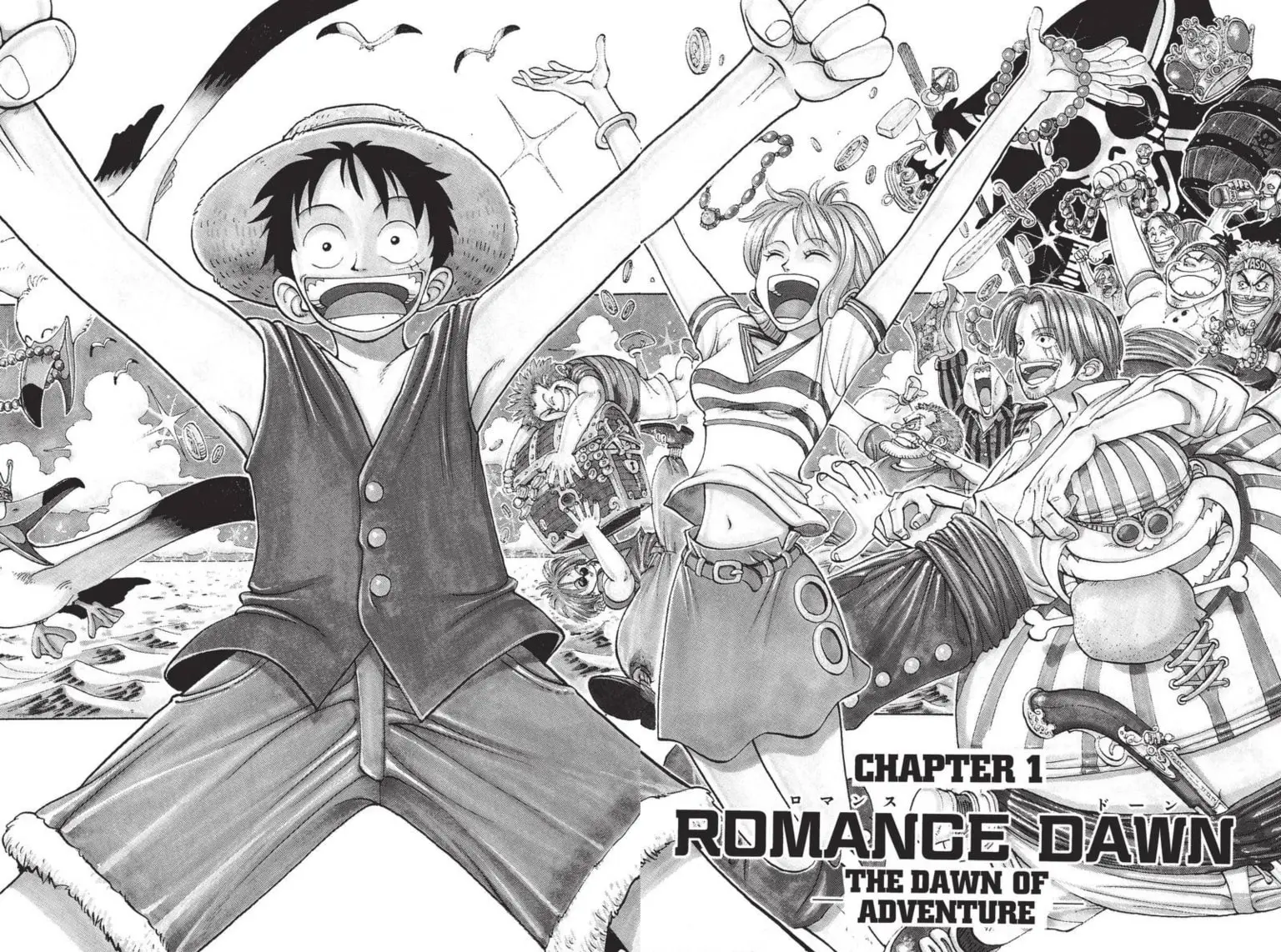
Great question. Every purist will tell you to start with the manga –and they're not wrong. The manga is easy to find online, both through official channels and… let's say, less official ones, and it's been published in a ton of languages. Another advantage of reading it is that it's faster: some chapters are super quick reads, and the little filler there is goes by fast. I'm not fully caught up with the manga, but I recently started reading it on a tablet, and I can vouch for how fun and dynamic it is. The artwork can be a bit dense at times and it's not necessarily the main thing. If you can get past that, I really, really recommend reading it.
Now, for watching the anime we have a very, very good shortcut. In a 22-minute episode you get: an opening, an ending, a recap of what happened in the previous episode and a preview of what's coming next. If you add all the "flashback" moments –which are sometimes useful, but just as often a way to stretch the animation budget– you're left with about 14 to 16 minutes of new animation.
Well, there's a group of people doing an enormous job editing those episodes and stripping out all that filler, including the non-canonical content that isn't in the manga. The project is called One Pace, and it started in 2012. They're still working hard on it today. Basically, they take two TV episodes and cut them together into a single 30-minute episode, removing the excess. That massively speeds up the pacing of the series. In my case, I caught up using One Pace and now I'm watching each new episode week to week. Getting to that point also reconnected me with that feeling of looking forward to Sunday just to see the new episode.
You'll also find guides on how to watch One Piece while skipping certain arcs, but that's where my inner purist kicks in and I'd rather stick with the episodes as edited by One Pace. There are some recap specials that condense entire arcs and are pretty good, like the East Blue special episode, which compiles the first arc.
And here comes a slightly controversial piece of advice, considering everything I've just said: if you're already 35 or older and every minute you have might be the last one you can dedicate to anime –because you've got less time or less energy to tackle a thousand-plus episodes of anything– then skip ahead. Make sure you're not skipping something that looks important to the main plot, but still: it's a ton of episodes, man, and you've got work in the morning.
Anyway, just watch One Piece. It's an incredible story with a beautiful evolution in its world and characters that makes the journey through those 1,000+ episodes absolutely worth it. It's perfect to watch before going to sleep, or when you don't know what to put on. And if you're feeling lazy, you can even watch it in Latin American Spanish thanks to the official dub, which is also available in many of the One Pace episodes.