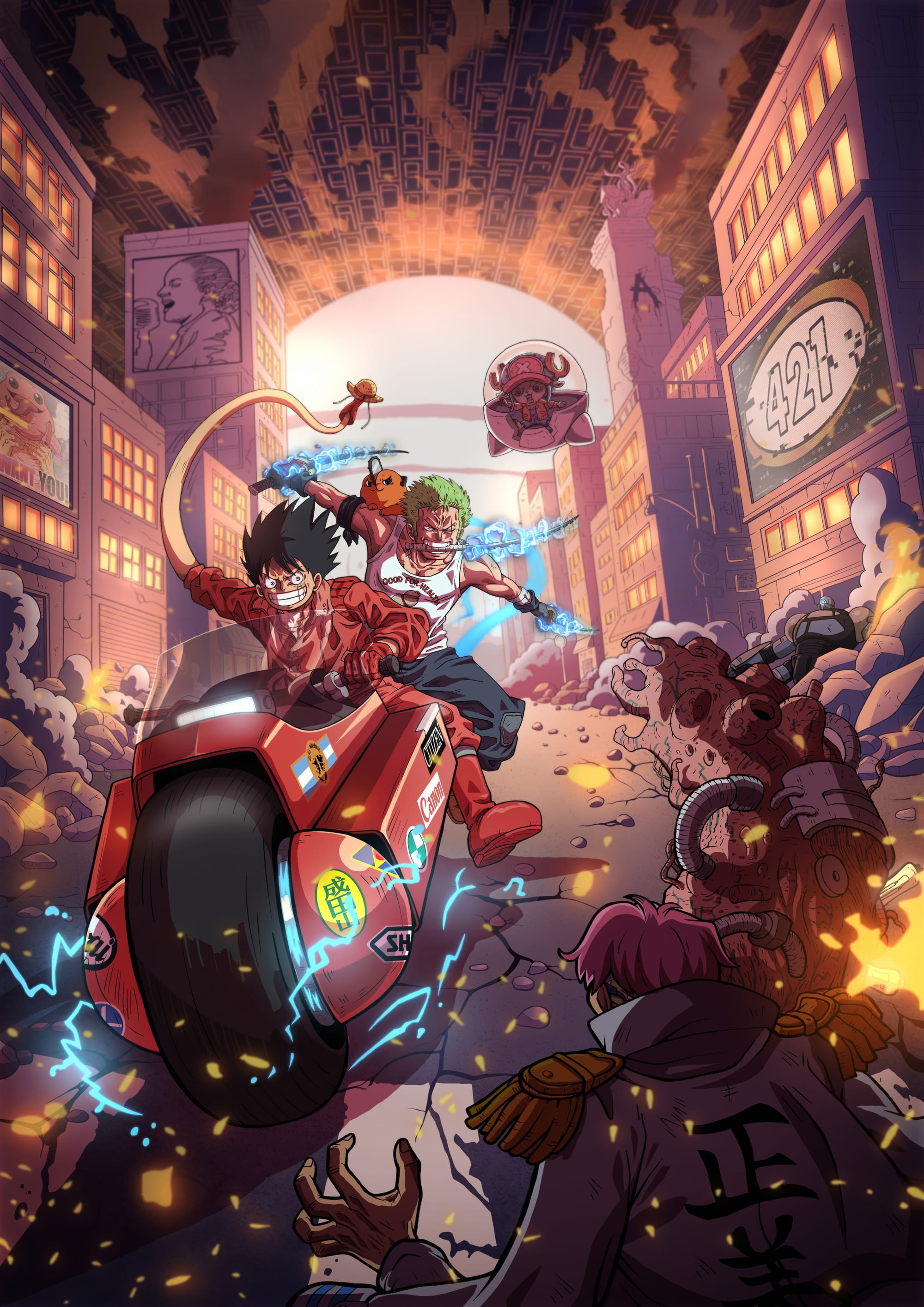
Katsuhiro Otomo Reading Guide for Beginners

12 de sep. de 2025 — Juanma La Volpe
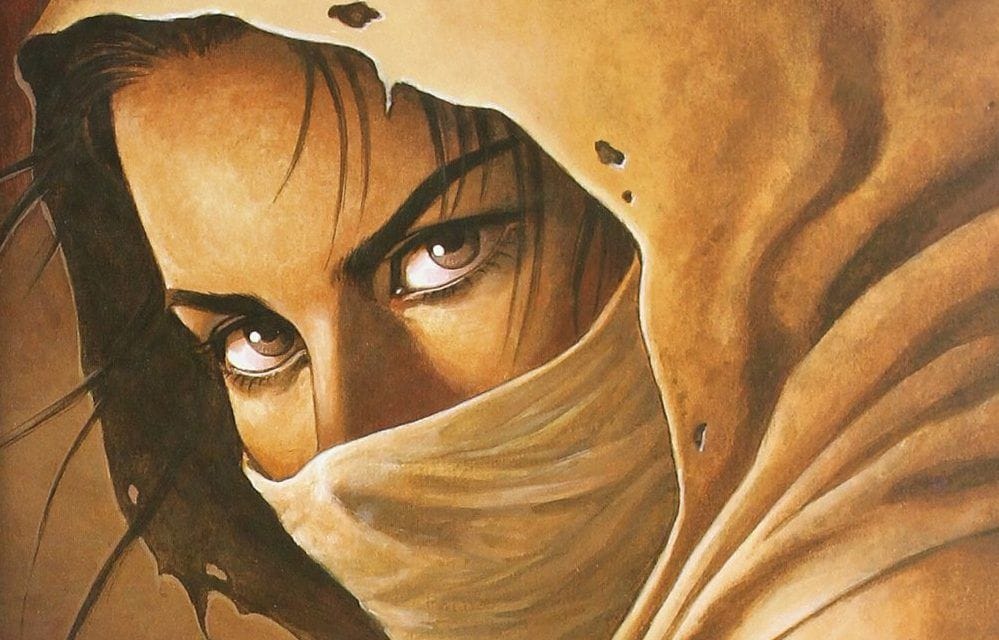
Every discipline has its breaking points, where individuals emerge who change the game and earn their place in the pantheon of masters. Katsuhiro Otomo didn't just create a breaking point: he dropped a nuclear bomb called Akira, one that would reshape the minds of manga fans, animation enthusiasts, and professionals across related fields in the industry. But above all, alongside other greats of his generation (like Frank Miller in the West), he was among those who sealed the new social contract of comics, reinforcing the idea that this art form can be for adults.
This article aims to introduce you to his manga work beyond Akira, so you can enjoy one of the greatest figures in the history of comics.
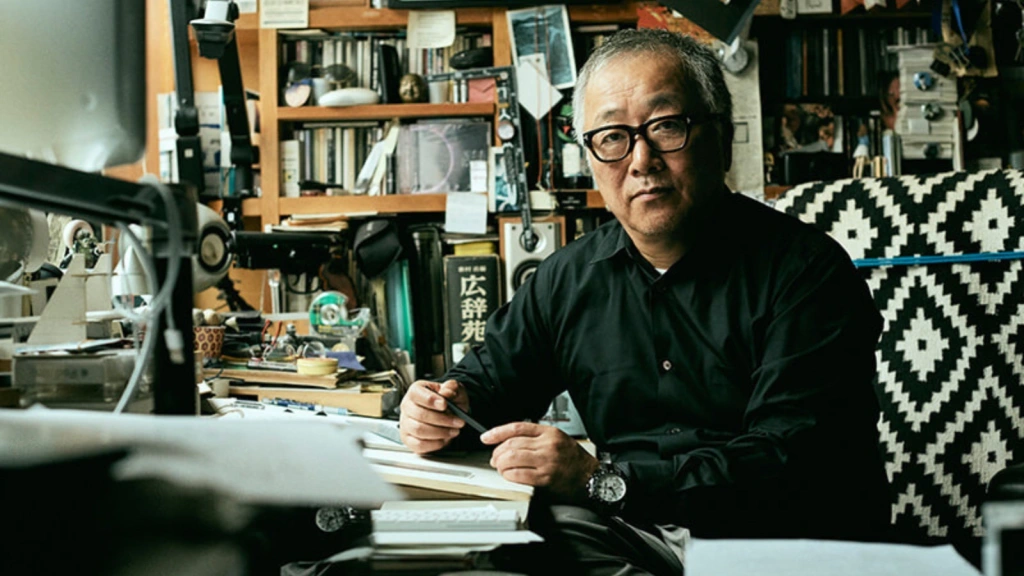
Who Is Katsuhiro Otomo
Born in 1954 in Miyagi Prefecture, young Otomo developed his passion for comics as a kid reading Astro Boy by Osamu Tezuka, and works like Cyborg 009 by Shotaro Ishinomori. He decided to start drawing in elementary school, after reading what many consider "the Mangaka's bible" or the first book that properly teaches the secrets of manga: Shotaro Ishinomori Manga Ka Nyumon, from 1965.
As he grew up, he became a devoted cinema fan, of both Japanese and Western films, influenced by movies like Easy Rider (1969). In an interview, Otomo recalled how many of the films he loved were about leaving your home to pursue something greater. In 1973, determined to break into the manga industry, he moved to Tokyo and debuted that same year working for Manga Action magazine.
Between the late '70s and early '80s, he honed a unique signature style: realism, cities that are characters in themselves, panel layouts with the rhythm of a film director, and stories that seek to confront youth and old age, technology and religion, delving into the new traumas of the society he perceived from Japan.
In 1982, this mental cocktail gave birth to the serialization of Akira, one of the most influential works in the medium, and in 1988 he directed the film, considered one of the milestones of anime, which brought worldwide visibility to Japanese animation.
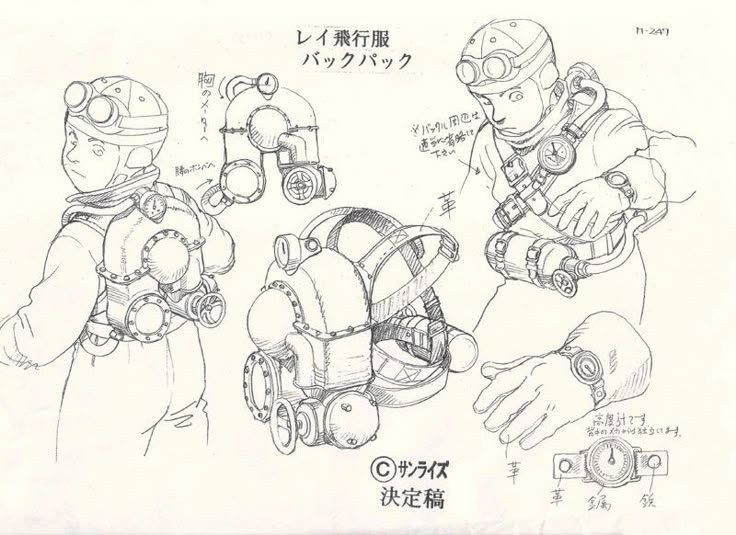
Beyond manga and the consecration of Akira, Otomo worked on key pieces of anime and film: Roujin Z (1991, screenplay), the live-action World Apartment Horror (1991), the anthology Memories (1995, producer and director of the Cannon Fodder segment), Steamboy (2004), and the collective project Short Peace (2013), where he directed the short film Combustible.
Otomo's work influenced countless creators who came after him in manga, but also in other media and genres. To get to know him beyond Akira, let's review three essential reads and one curiosity he published for DC Comics.
Memories (or The Otomo Anthology, with stories from the late '70s)
Published under different names depending on the edition and translation, this anthology is like looking through master Otomo's sketchbook of ideas. In its first Spanish edition, published by Norma Editorial, we find ten stories where he distills his obsessions: Memories (Kanojo no Omoide), Construction Halt Declaration (Koji Chushi Sengen), A Farewell to Arms (Buki yo Saraba), and Fireball, among others. Let's highlight two of them.
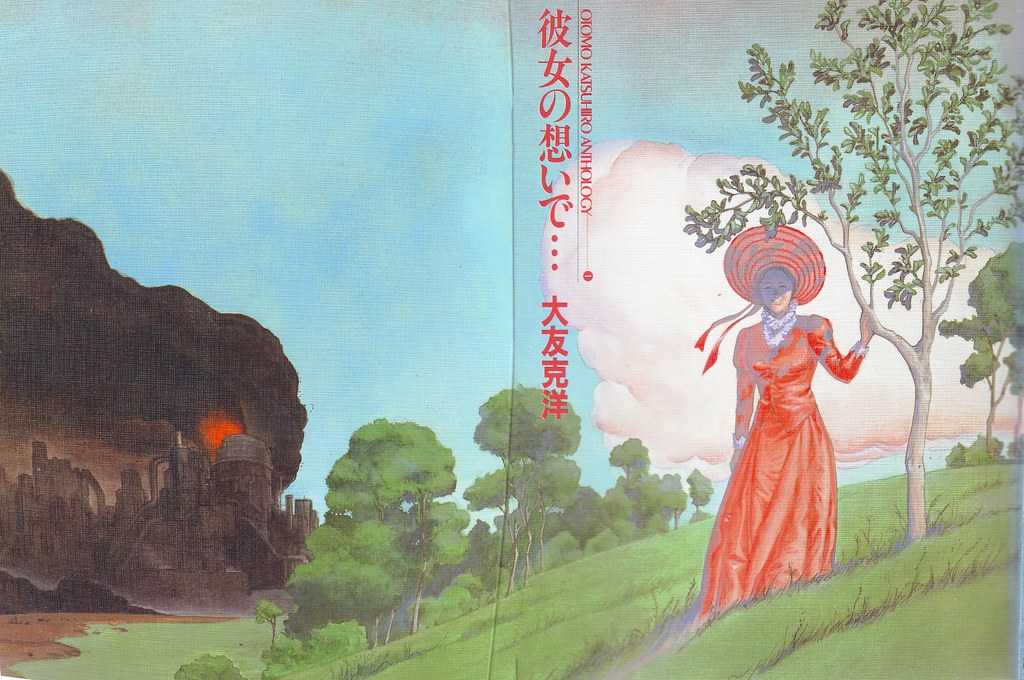
In Memories (Kanojo no Omoide), which usually lends its name to the anthologies, a distress signal draws a team of astronauts to a drifting spacecraft. Inside, they find a baroque palace where reality and memories blend under the influence of an intelligence inhabiting the ship. This haunted house tale set in space is the basis for Magnetic Rose (1995), a short film that is part of the Memories anthology (directed by Koji Morimoto with a screenplay by Satoshi Kon), which amplifies the theatrical tone of this story. Essential reading.
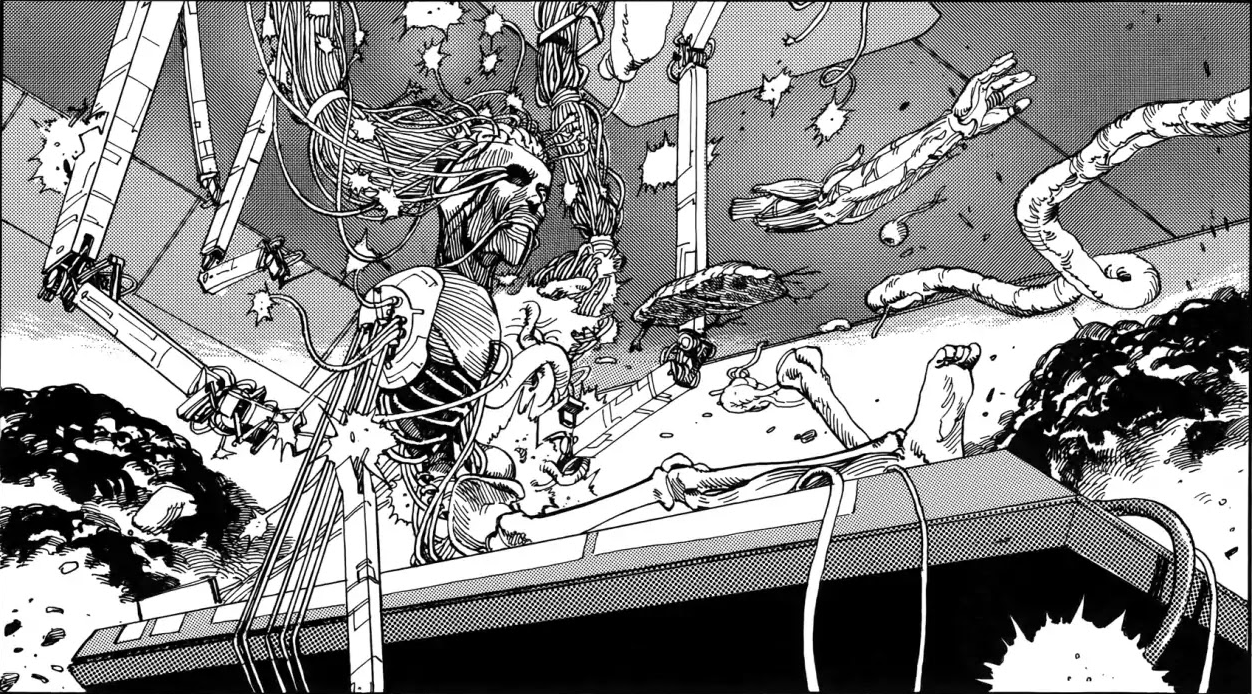
The other story worth highlighting is Fireball, one of his earliest published works, where we find a "proto-Otomo" who begins laying the foundations for what would become the quintessential cyberpunk tale (Akira). In Fireball, there's a technocratic regime with an AI controlling the city, and a secret project aiming to turn a young man with psychic powers into the ultimate weapon, but a group of rebels will try to sabotage the system and its experiments. Biopolitics, military conspiracy, total urbanism, and adolescence as a vital force to change the world. Otomo was unsatisfied with the story's ending, and the ideas kept swirling in his head until he created Akira.
Domu: A Child's Dream (1980 - 1981)
In a massive housing complex, strange events begin occurring, followed by inexplicable "suicides." The police start investigating and realize something doesn't add up, but it isn't until a young girl with psychic powers moves into the building that the mystery behind these bizarre incidents begins to unravel.
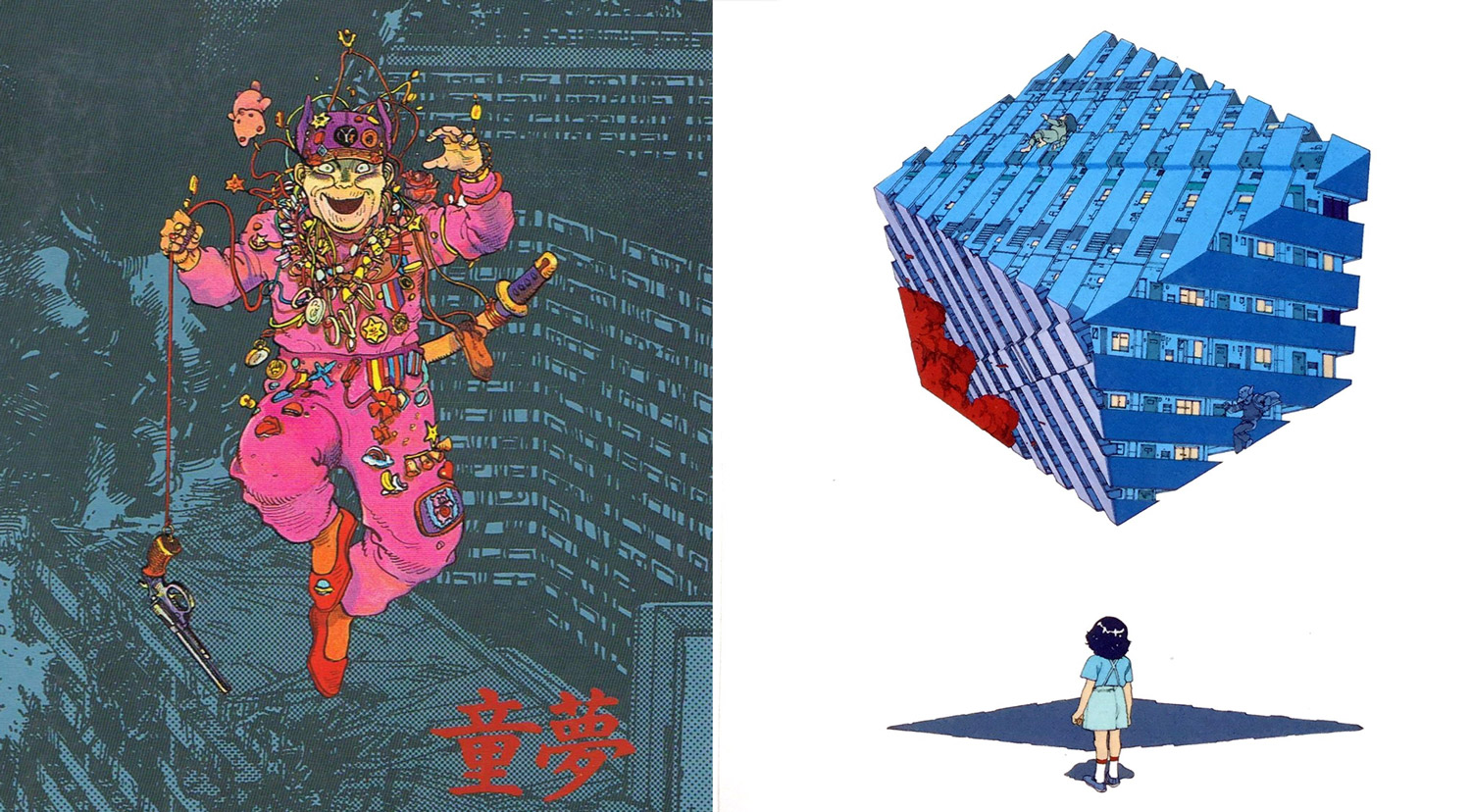
This supernatural thriller is one of the stories that foreshadows the DNA of Akira. Otomo once again experiments with characters who have powers, influenced by psychic cinema like Carrie and The Fury, both by Brian De Palma, and with buildings modeled after public housing complexes similar to those built in postwar Japan, depicted as massive concrete structures. Otomo takes an everyday setting and turns it into a nightmare of corridors. Domu is a paranormal tale in a harsh urban environment, perfect for enjoying a story that is 100% Otomo.
The Legend of Mother Sarah (1990 - 2004)
In this future, humans lived in orbital colonies above a destroyed and poisoned Earth. But after a terrorist attack, the colonists are forced to return and inhabit what was once their planet. Now the old new world is fragmented among military dictatorships, criminals, and guerrillas. In the midst of the chaos, Sarah is separated from her three children and embarks on an odyssey to find them again. Her journey takes her through radioactive deserts and industrial labyrinths, forcing her to face soldiers, traffickers, and fanatics while war shapes the human future.
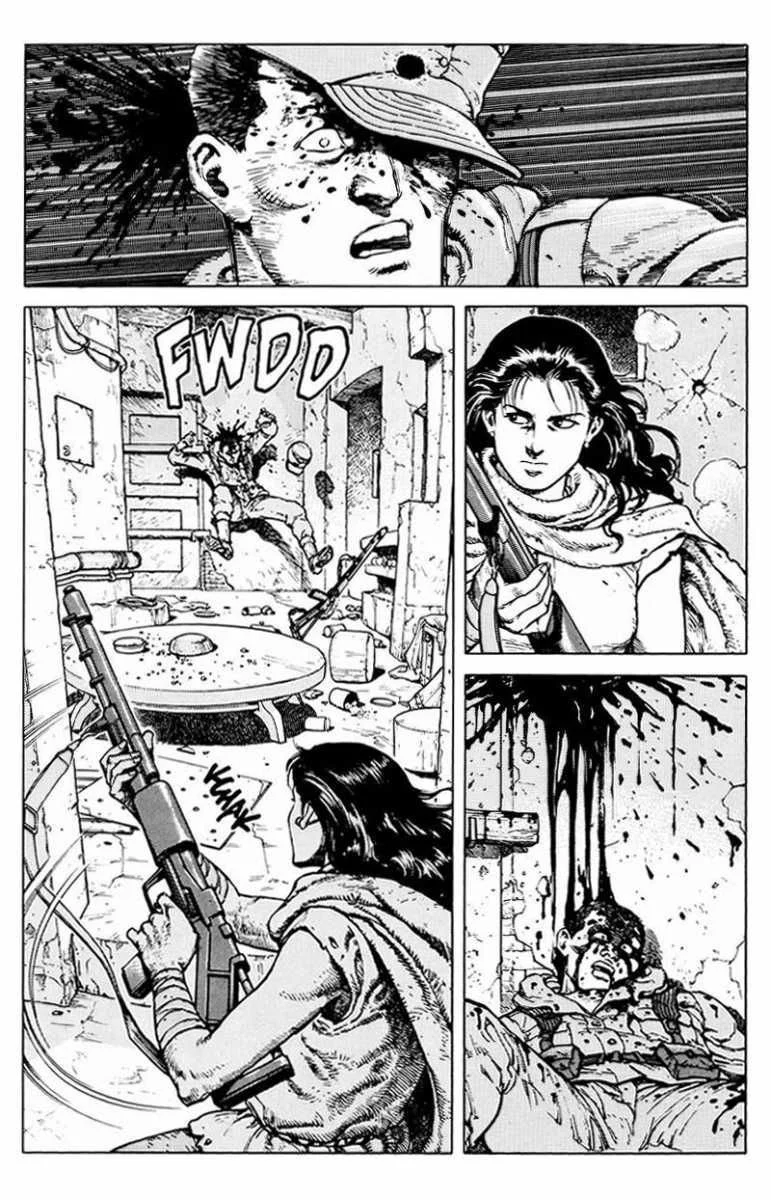
Written by Katsuhiro Otomo and illustrated by Takumi Nagayasu, The Legend of Mother Sarah is a road movie-style science fiction tale that draws heavily from stories like Mad Max 2 and Fist of the North Star. That vision of a future that is dry and dead, where barely functioning technology coexists with people who become more violent and primitive under those conditions. Here the focus is on civilian resistance against an unjust world and compassion as a radical act.
Batman: Black and White: The Third Mask (1996)
In the early '90s, DC launched Batman: Black and White, a miniseries of self-contained stories in black and white. Curated by editor Mark Chiarello, it sought perspectives from authors around the world on the caped vigilante. Chiarello invited Otomo following the international impact of Akira, giving him total creative freedom for his story.
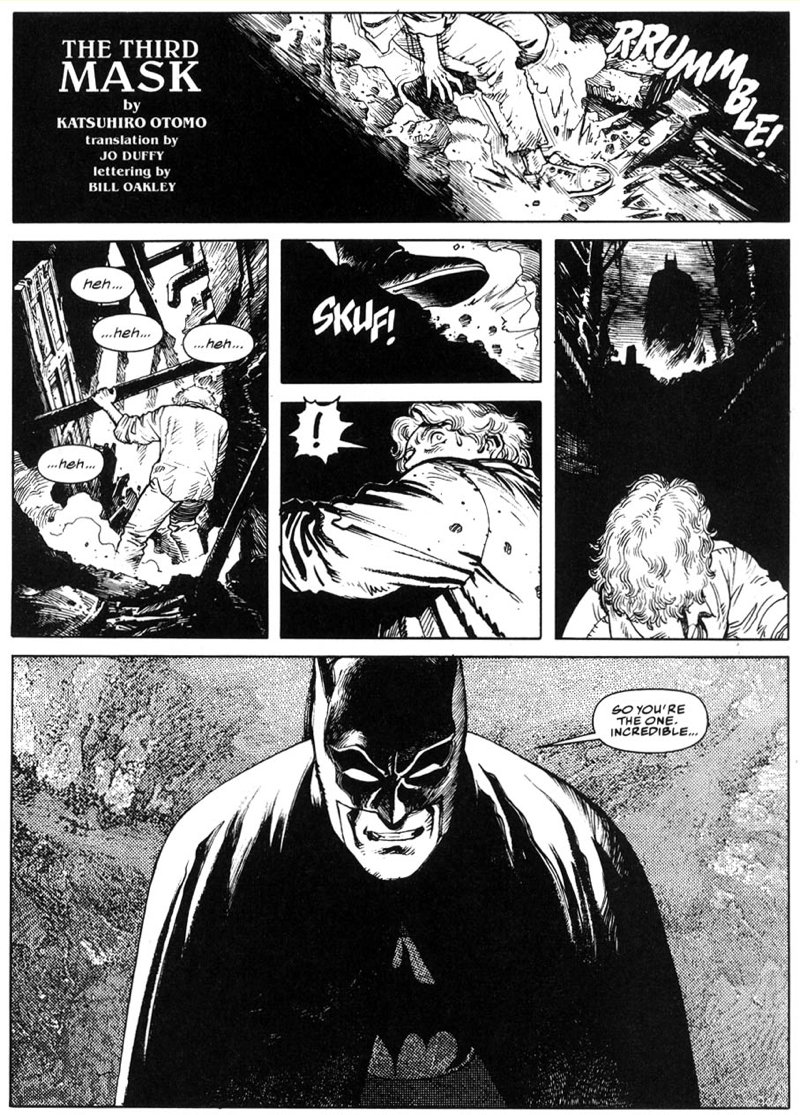
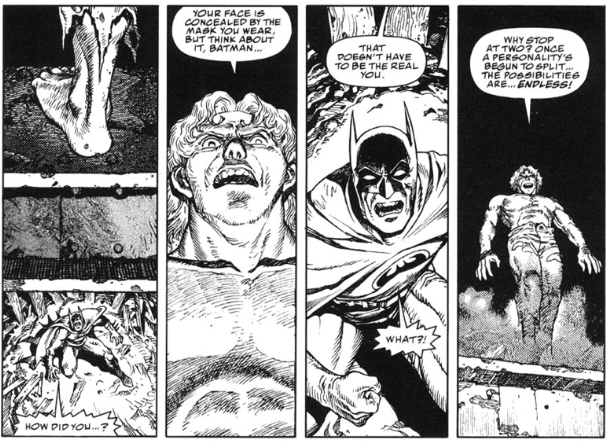
In just 5 pages, Otomo breaks Batman apart. I think he even sets a new record for deconstructing a character: not even Moore did it this fast. In this short story, Batman faces a serial killer with multiple personalities who strikes Bruce with a line: "Once a personality splits off, the possibilities are infinite." The detail and love for comics in every panel make this story one of everyone's favorites in the Black and White anthology.
Katsuhiro Otomo stands among the greatest comic artists and has influenced thousands of creators. But Otomo is also a titan in the world of animation, and his passion for that discipline and for cinema is what makes him a great storyteller in both media, capable of creating panels and sequences on the page brimming with life. And when you watch him directing or working in animation, the same thing happens: you can see those panels in motion.
One final recommendation: if you haven't read Akira, read Akira; if you haven't seen the Akira film, watch Akira.