La Scaloneta: A Brief Memetic History

15 de jul. de 2021 — Juan Ruocco 🧙♂️
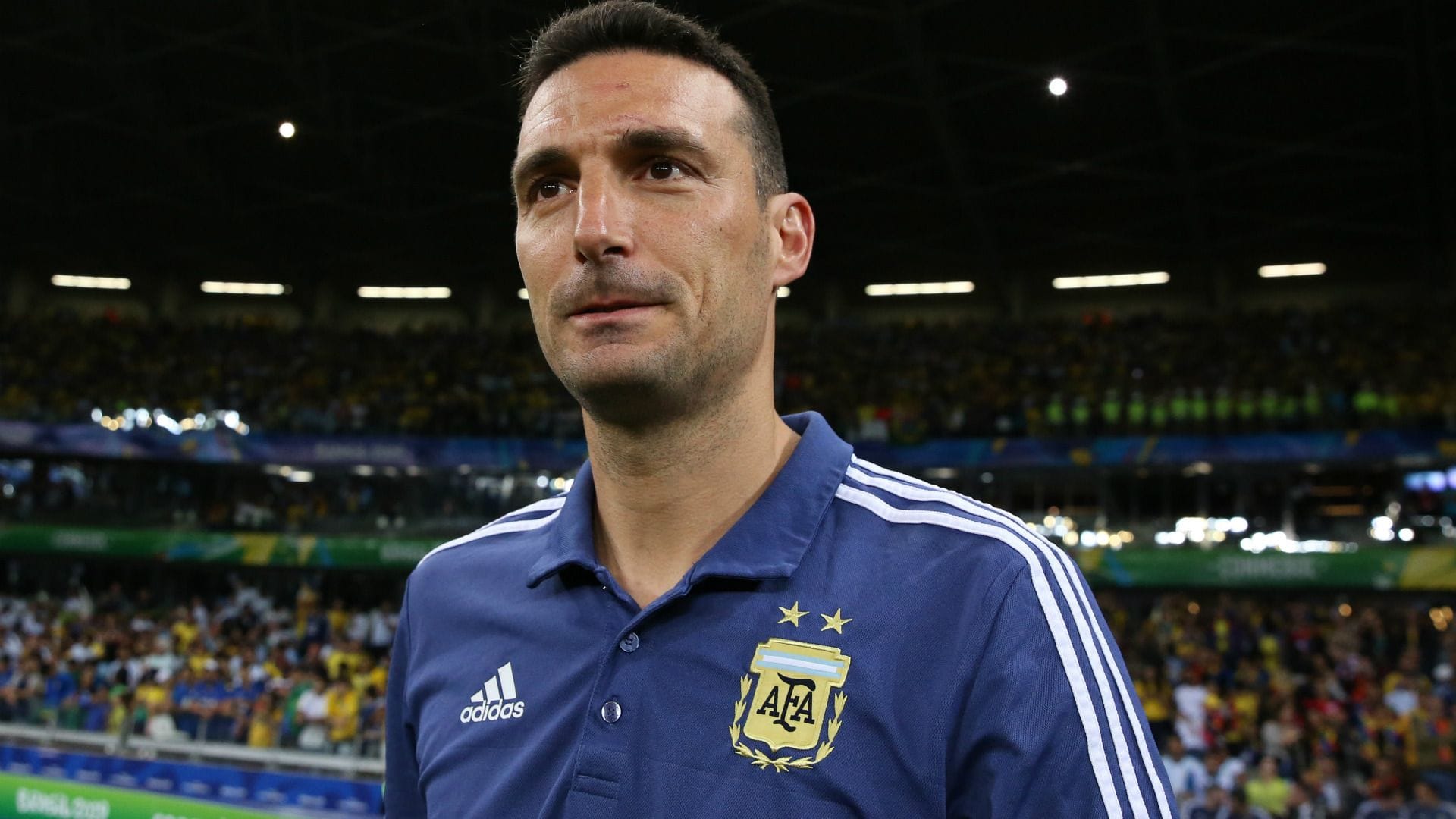
Although this article is closely related to the victory of the Argentine national team on July 10th at the Maracaná stadium against Brazil, it is not an article about sports. It is about the history of a meme, the history of the "escaloneta" or Scaloneta, depending on how you prefer to spell it. I lean towards the second option.
The meme emerged almost at the same time as the then-labeled "inexperienced" coach took over the national team. It accompanied him throughout his journey, mutated, and spread at full speed with each of the team's victories. Following the national team's great Copa América run and Messi's crowning as champion, it reached definitive popularity. So much so that the coach himself, in his interview with Alejandro Fantino on the ESPN channel a few days after the triumph, could not avoid the topic and had to address it. Incredible.
What is a meme
Let's take it step by step. Meme analysis is a recurring topic on this blog, as we have done on several occasions. We have analyzed everything from the extreme right to "progressive" memetic content. But in none of those articles did we provide an overly exhaustive definition beyond the "traditional" one championed by philosopher Daniel Dennett, who in turn draws on the concept from biologist Richard Dawkins.
While the purpose of this article is not to exhaustively discuss the concept, we at least need to define it to know whether we are applying it correctly. The discussion about the concept of meme, its links to different academic traditions, its epistemic scope, and its development as an autonomous field of social knowledge will be left for later. Most likely, I will address it in an article I am already working on, which I hope will see the light of day this very year.
For now, you will have to trust me(?) or rather, the definition of memes we borrow from Limor Shifman, professor of communication at the Hebrew University of Jerusalem, who has written one of the best books on the subject to date, published by MIT Press.
Shifman, after a series of historical digressions and various reformulations, defines an internet meme as:
(a) a group of digital items sharing common characteristics of content, form, and/or stance, that (b) were created with awareness of each other, and (c) were circulated, imitated, or transformed via the internet.
With this definition in mind, we can proceed to analyze the specific case of the Scaloneta meme, its propagation, transformation, and crowning in a narrative arc that goes from mere joke to concrete reality. Let's take a look.
Origin of "La Scaloneta"
The concept of "Scaloneta" is born from the combination of two other terms. On one hand, the obvious surname of the Argentine national team's coach: Scaloni. On the other hand, the conjunction with the term "renoleta," which is the colloquial and popular way of referring in Argentina to the Renault 4. A model that stood out for its characteristics: cheap and reliable, and therefore, popular.
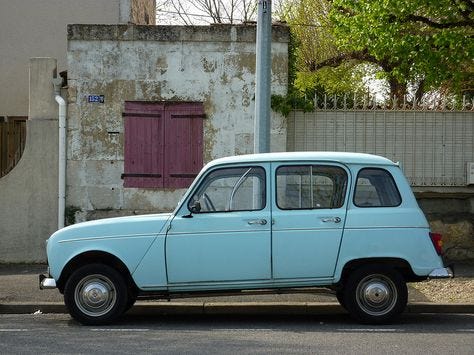
Thus, from the union of both terms, the first iteration of the meme is born. Scaloni is a head coach who leads an austere but reliable team. The term also emerges as a challenge to the local sports media, which saw in Lionel Scaloni a coach too young and inexperienced to lead the national team's destiny.
Scaloni took over the senior team after a brief stint with the youth team (U-20), where he had already won a title. The media expected the appointment to fall on more experienced figures such as Cholo Simeone or Marcelo Gallardo. From then on, there would be a particular animosity toward the young coach, who would be labeled as "inexperienced" and unqualified for the position.
From that context, the idea of Lionel Scaloni as an anti-establishment symbol takes flight. In online communities like Voxed or Taringa, memes featuring the coach as their central figure begin to circulate.
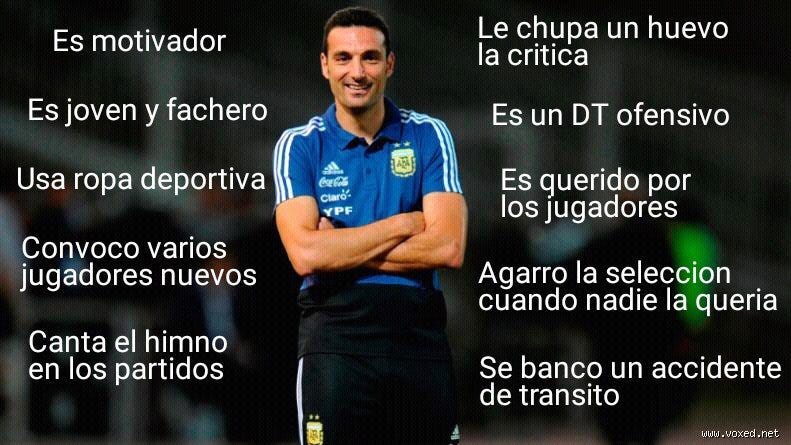
This one from June 2019, the first I remember, highlighted some of the coach's attributes while exaggerating others. But the important thing is that the first memetic marker appears: an ironic stance regarding the coach's public reputation. If "public opinion" (or the media that claim to represent/interpret it) is against Scaloni, we are going to back him. And in that ironic gesture, an emotional bond is forged between the coach and online users: every Scaloni victory is "our" victory. The second one I remember portrays him as the savior of the national team, with him as the messiah and the other coaches who failed to make Argentina champions as his disciples.
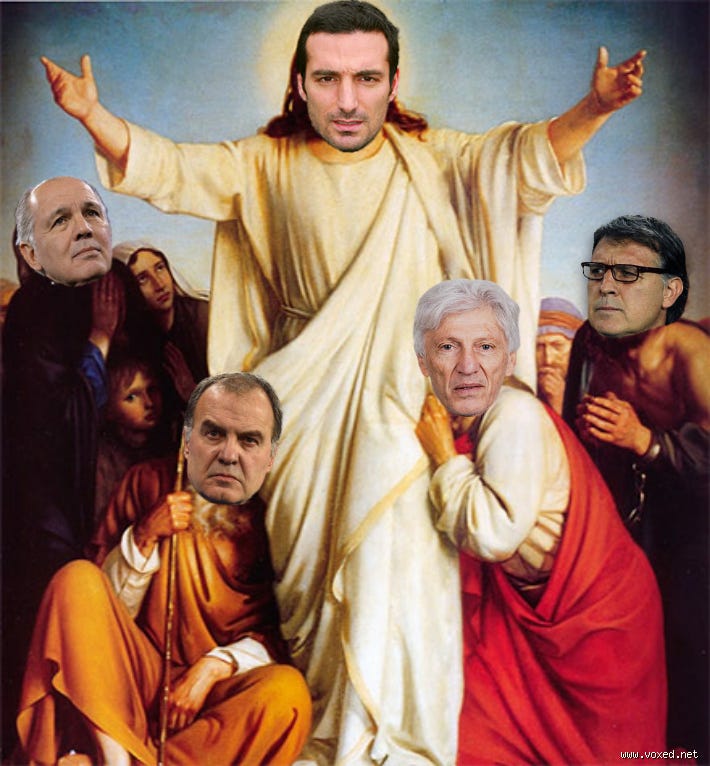
While criticism of the coach from the sports media kept increasing, users saw in him the symbol of a new era in Argentina. Scaloni's greatest strength as a coach? Not doing anything the "football common sense" dictated.
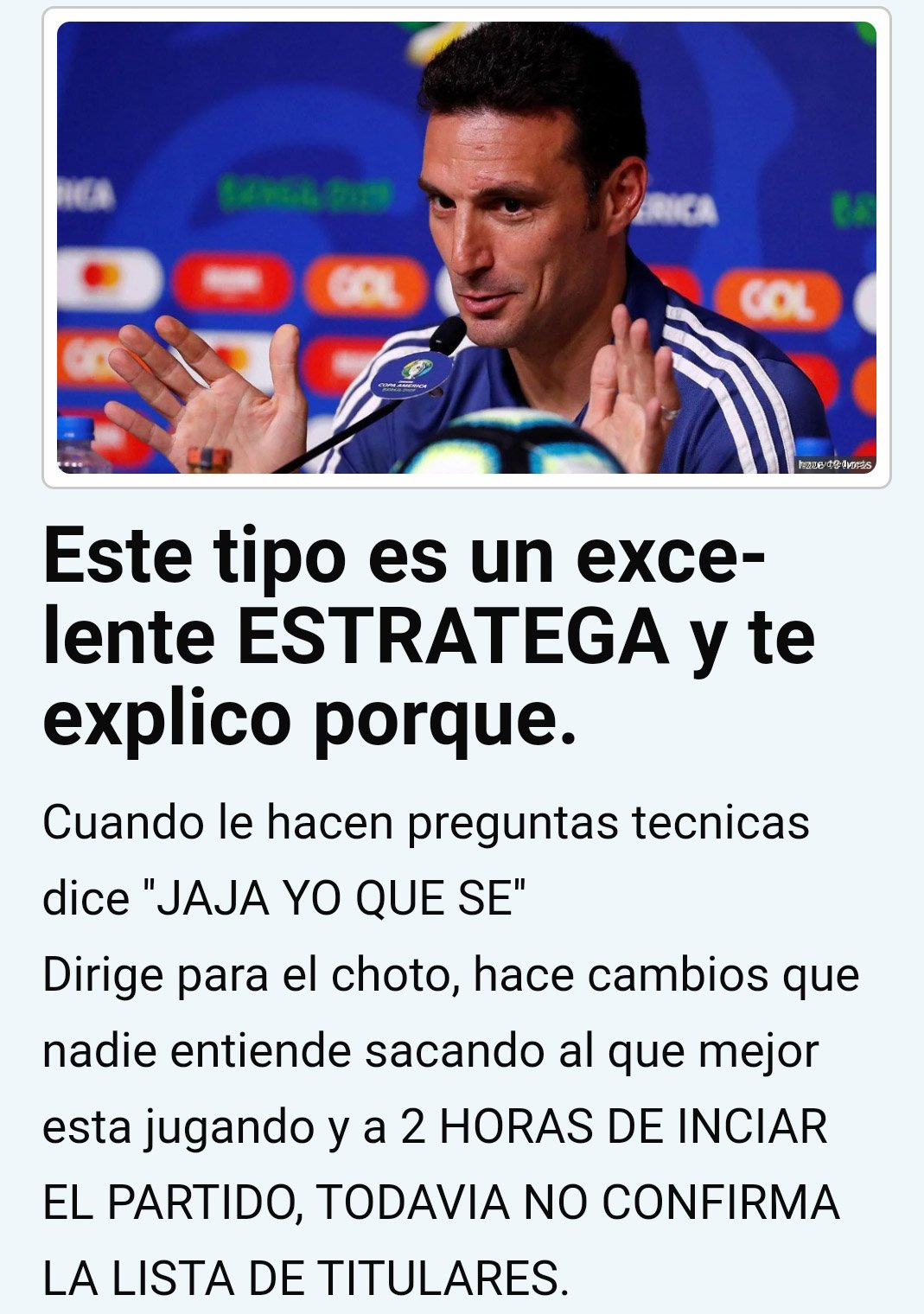
The defeat at the Copa América 2019 halted the progression of the Scaloni meme but maintained a sense of loyalty among those "early adopters." The criticism would continue, but the team would keep demonstrating better performance than expected. Scaloni had carried out the required generational renewal, removing players from the 2014-2018 era and keeping only Messi, Di María, Otamendi, and Agüero. The rest of the players, mostly unknown to the public and the media, would reinforce the idea of an "austere team" and therefore strengthen the term Scaloneta.
Scaloni's strengths as a coach and his personal gestures began to merge with another meme on the rise in those years: the Chad. The Chad vs Virgin meme is a construct that refers to two ways of doing things or approaching existence. The Virgin does everything by the book, follows instructions, follows the majority's opinion, and gets dismal results. Meanwhile, the Chad does everything you're not supposed to do and yet still wins. In this sense, Scaloni embodies the memetic ideal of the Chad. He is one of a kind, and therefore, memetic logic dictates that he must win.
The Scaloneta's crowning as a meme
But the definitive crowning of the Scaloneta as a meme would come that year with the excitement generated by the Copa América, and also by the unbeaten streak that the Argentine national team had built under the "inexperienced" coach. By the end of the Copa América 2021, Scaloni's team had gone 20 matches unbeaten.
Thus, the meme would mutate into various representations, reinforced by those who had adopted a pro-Scaloni stance even when things were not quite working out. The idea that the Scaloneta is a vehicle also gave rise to the catchphrase "get on board, kid" ("subite pibe"). "Get on board" carries a double meaning: on one hand, literally getting on the Scaloneta, and on the other, jumping on the bandwagon of supporting the national team, leaving behind the criticism that permeated the atmosphere, partly due to the three finals lost (2014, 2015, 2016) by the national team on previous occasions.
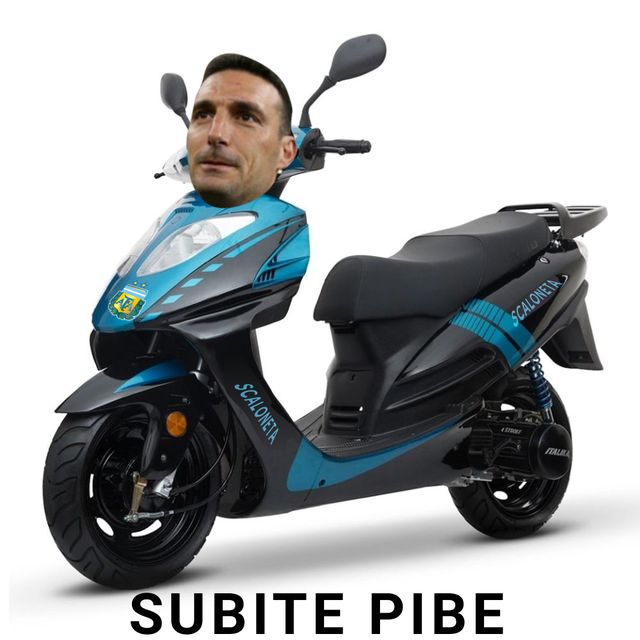
Here the meme mutates and blends with the idea of "motoneta" (a colloquial term for low-displacement motorcycles in Argentina), reinforcing the concept of Scaloneta through the Argentine national team's successive victories in the Copa América, the extension of the unbeaten streak, and the increasingly real possibility of winning the title.
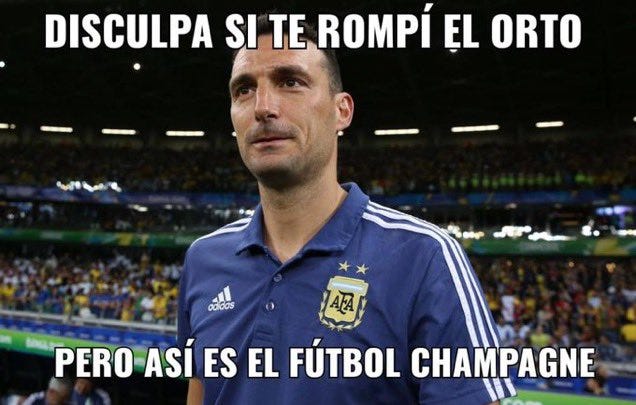
But the mutations do not stop there. In this case, referencing the team's playing style (they scored almost all their goals before the 20th minute of the first half and then "held on" to the result), the Scaloneta meme merges with other already known memes, as in this case, the bracket meme. And from this, new derivatives with new meanings emerge:
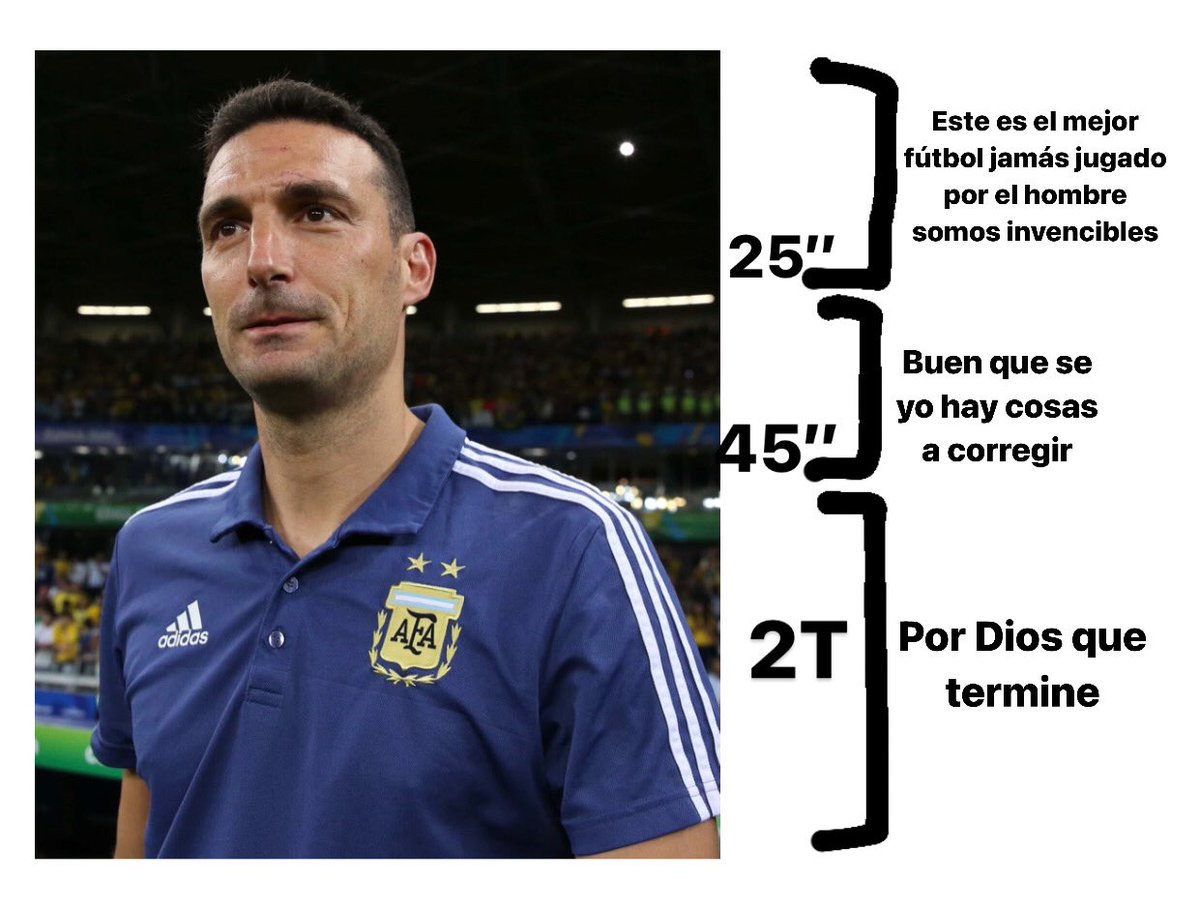
It was no longer just about highlighting the team's austerity; now the playing style was being spotlighted and labeled "premium" through the reference to Champagne. Additionally, the idea of "romper el orto" (a vulgar expression roughly meaning "to destroy the opponent") generated pushback from more progressive or woke internet users who rejected the phrase for being derogatory, homophobic, heteronormative, and representative of some of the most retrograde aspects of football "folklore." But this, far from damaging the Scaloneta meme's propagation, reinforced it through the engagement generated via controversy. Thus, those who rejected these expressions also became vectors of the meme.
As the Scaloneta drew ever closer to victory, a sector of the sports media represented by ESPN's show F90 (ninety minutes of football) insisted that the best scenario for Argentina was a defeat in the tournament. Thus, after each hard-fought victory, the team would chant against the media, and the first expressions of the term "Scaloneta" within the team itself began to appear.
On his late-night show, on the same network, host Alejandro Fantino delivered a passionate defense of the coach, his management, and his playing style, naming the Scaloneta meme. Thus, the term left the internet and entered television screens, multiplying its reach even further. With a host and opinion maker like Fantino on the meme's side, the bet on the Scaloneta reached its peak: the early adopters began not just to believe in the team's capability, but to believe that the meme itself was almost a form of self-fulfilling prophecy. A feeling that grew with each victory, and that was replicated on the internet, especially on Twitter at the end of each match.
The peak of the Scaloneta's memetic fever came with the national team's victory in Brazil. The Scaloneta acquired its definitive memetic form while confirming that those who had gotten on board were now on the winning side.
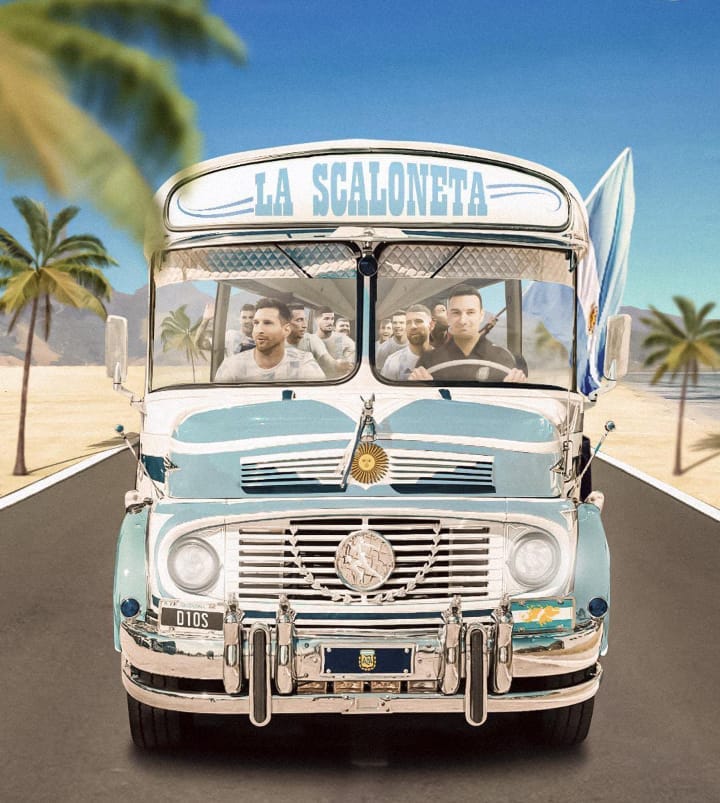
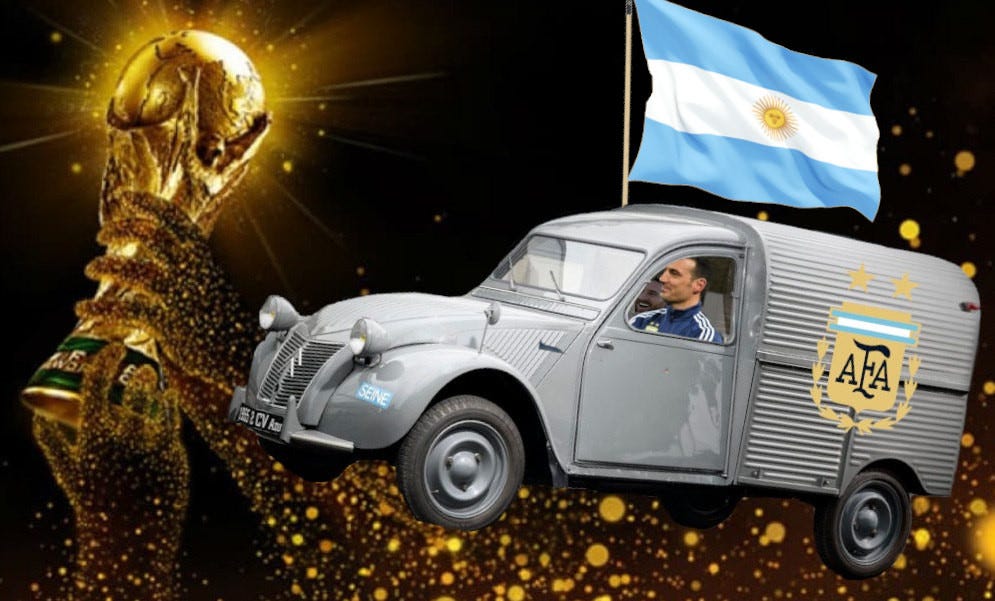
Finally, Fantino himself managed to interview the coach, whom he compared to Leonidas from the movie 300 and christened "Leonidas of Pujato," named after Scaloni's hometown, Pujato. Thus, the Scaloneta's epic charge multiplied, and the coach himself referred to it:
Some identify the Scaloneta with a Ferrari and others with a Citroën. It's a Fiat Duna but we put gas in it.
And so the circle was completed as the coach himself got on board the meme about himself. During the final part of the interview, Fantino once again highlighted the humble origins of the "gringo" Scaloni and how that down-to-earth, unpretentious character is one of his greatest attributes.
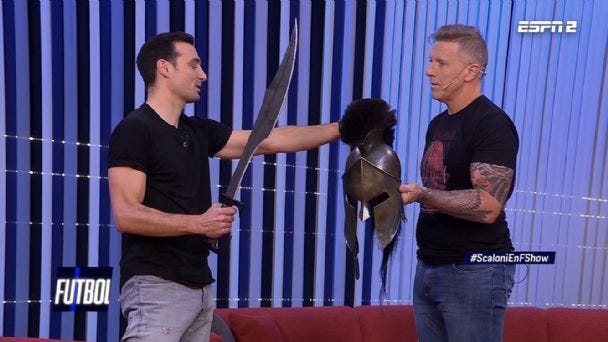
Lastly, he bid farewell by presenting the coach with a Spartan sword and helmet, replicas of those used by the Spartans in the Peloponnesian Wars, and made the coach swear that "he is not afraid," giving rise to a new saga of Scaloneta-related memes.
Conclusion
As we have seen, the "Scaloneta" meme satisfies the requirements we had established to consider it as such. Let's review:
a group of digital items sharing common characteristics of content, form, and/or stance, that (b) were created with awareness of each other, and (c) were circulated, imitated, or transformed via the internet.
It is not just a single item but a collection of items that evolve and mutate as the meme's reach expands, yet share characteristics (all feature Scaloni as the protagonist), form (we placed great emphasis on collage-type images created with Photoshop), and stance: from ironic acceptance, to self-fulfilling prophecy, to exultation in victory.
They are all aware of each other: the different iterations of the Scaloneta, which evolves from a mere concept to a Photoshopped collage, the iteration of the Chad idea into Champagne football, and its dissemination initially purely through the internet until achieving the feedback loop with television.
Thus, we have managed to define the Scaloneta as a far-reaching meme that achieves stardom simultaneously with Argentina's crowning as champion. All that remains is the challenge of going global alongside the national team at Qatar 2022.