LCB Studios, the Creators of the Pixel Pulp

10 de jun. de 2025 — Juan Ruocco 🧙♂️
LCB Game Studio is an independent Argentine studio made up of Nicolas Saraintaris and Fernando Martinez Ruppel. The duo works as follows: Saraintaris handles the writing, game design, and programming; Ruppel, on the other hand, takes care of the music, illustrations, and sound effects. The project's name is an acronym for Literatura Clase B (B-Movie Literature), which was simply the name the duo had created to publish their genre fiction stories in print. Such as Saraintaris's El juguete rabioso y radiactivo, which some readers may recall as a lost gem from the early Twitter days.

The publishing house's original concept evolved until it reached its current form as a video game studio, where those youthful obsessions were not abandoned but quite the opposite: deepened, refined, and channeled into economically viable projects. That's where the concept of "Pixel Pulps" was born: fast-paced visual novels inspired by the aesthetics of 20th-century pulp literature and the graphics of 1980s personal computers, like the ZX Spectrum.
For those of us who grew up in that era, it's as if the illustrations from Monkey Island became a game in themselves. The studio has been releasing these pixel pulps at a very consistent pace since their first launch in 2022:
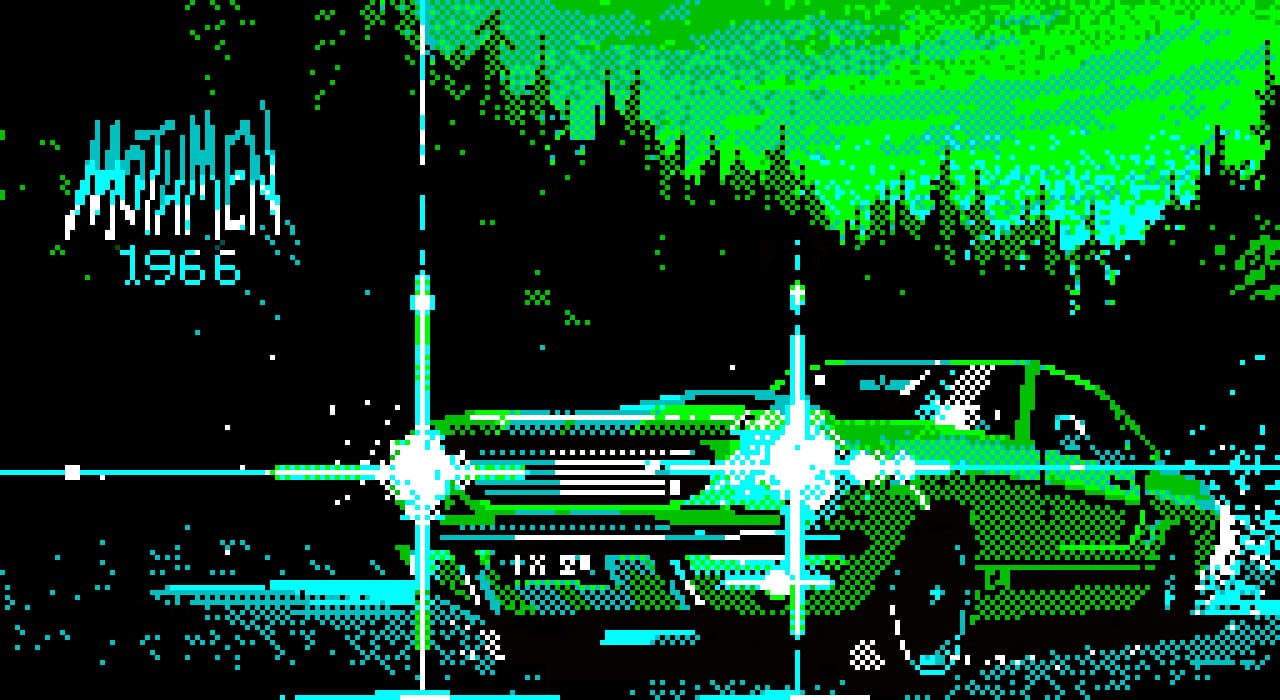
Mothmen 1966 (2022)
Set during the 1966 meteor shower, it presents a weird fiction narrative featuring several cryptids, with the Mothmen as the stars. Juanma wrote more about this game here.
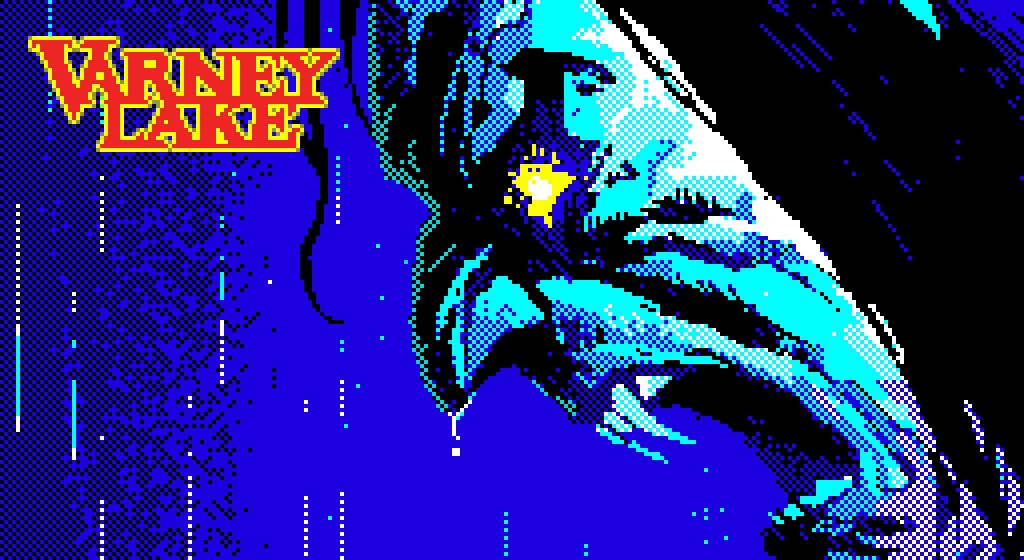
Varney Lake (2023)
Set in the summer of 1954, it follows three friends who encounter a wounded vampire, exploring themes of friendship and mystery. In the same adventurous vein as Stand by Me and The Goonies.
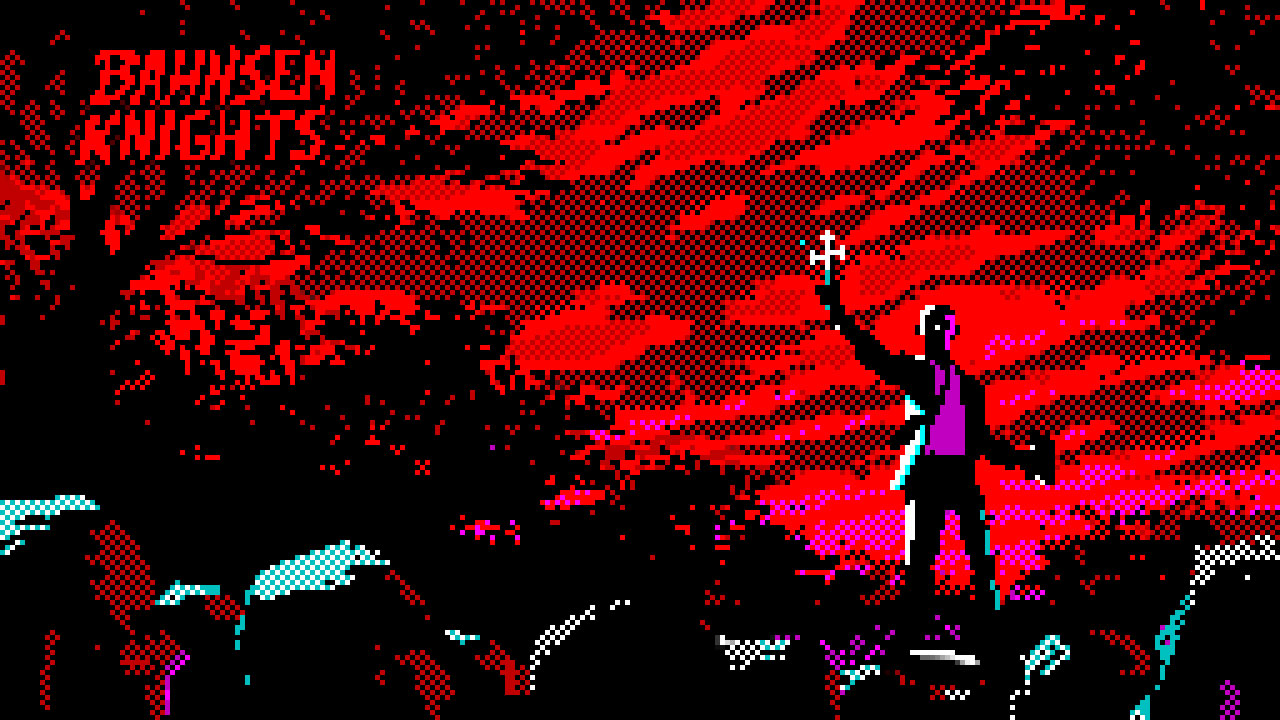
Bahnsen Knights (2023)
Set in 1986 in Tornado Alley, USA, the protagonist infiltrates a religious cult obsessed with American sports cars from the eighties.
Grizzly Man (2024)
Set in Alaska during the 1983 salmon migration, the characters face a serial killer who wears a Grizzly bear skin.
Do Pixel Pulps actually work?
The games basically consist of a sort of digital Choose Your Own Adventure. In other words, they are fundamentally narrative video games, structured like novels, where at key points in the story players must choose between alternatives. This includes actions, dialogues, and a small combat system. There's also a solitaire minigame. Everything is handled through text commands.
Beyond the fact that this system can feel a bit rough at times (mostly in combat situations or during minigames), the result is more than satisfying. Each game manages to create a very particular atmosphere, producing a highly effective sense of immersion sustained by the narrative and the illustrations. This is the most notable artistic achievement of the pixel pulps. If this didn't work, the whole construction would fall apart. But it works very well, and that explains the 70 thousand total copies sold, according to Saraintaris's own figures.
Each Pixel Pulp explores a very B-movie or pulp literature premise, such as the 1966 Mothmen invasion, a religious cult obsessed with sports cars, or a serial killer in Alaska disguised in bear skin. The musical work is key, as are Ruppel's illustrations, which build the atmospheric effect that sustains these interactive visual novels.
The experience is amplified if you play in a setting that matches the game's mood: a lonely night, a rainy afternoon, or a foggy dawn. These are games to enjoy in peace and quiet. So far, I've finished Mothmen 1966 and I think Bahnsen Knights will be next.
Where to play Pixel Pulps
All of LCB's games are available on multiple platforms: Steam, Nintendo Switch, and PlayStation. For the creators, being present on those platforms required additional effort and the decision to build all their games on Unity. A process that can be cumbersome and exhausting for a studio of just two people. Despite that, having a publisher like Chorus Worldwide allowed them to streamline those processes and secure a presence at various international events that served as advertising for the games. Something that would have been very difficult (nearly impossible) if they had gone the self-publishing route.
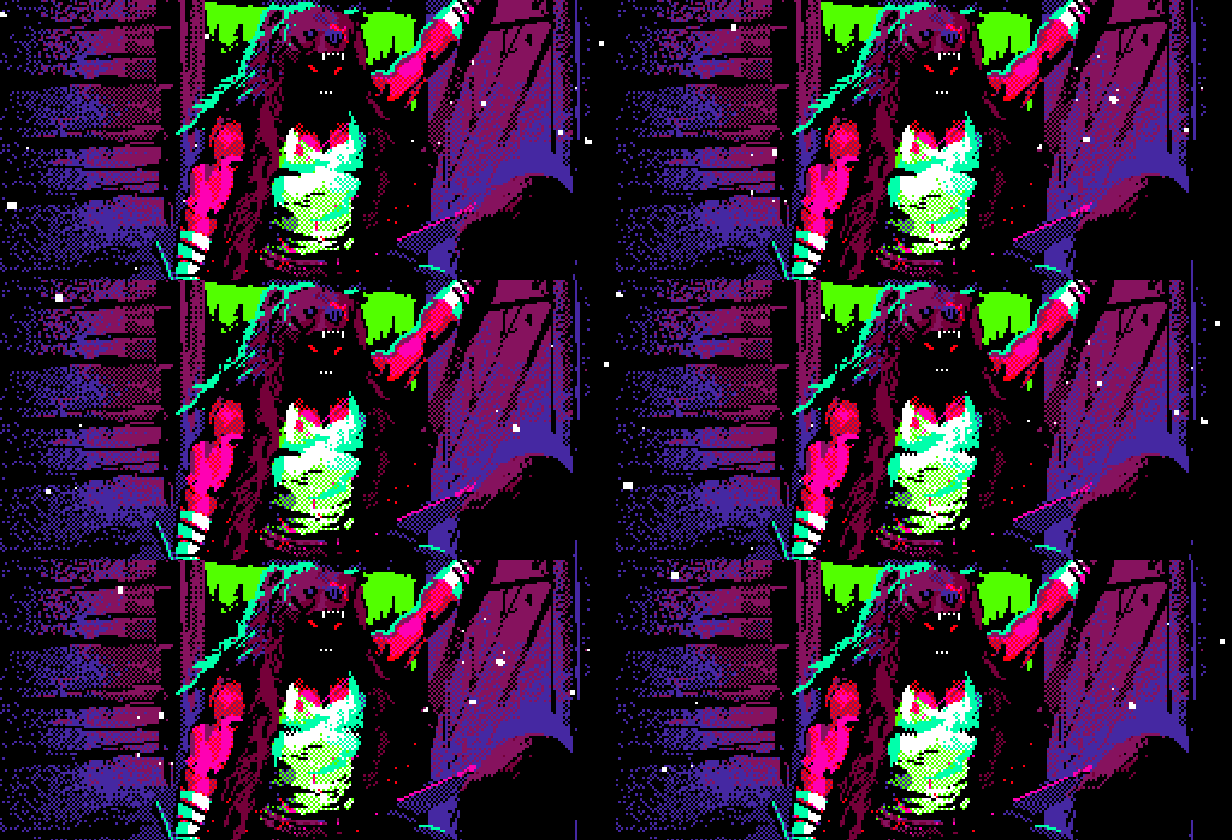
As we said above: those looking to play something relaxing, with a strong narrative inclination leaning toward the atmospheric, will find in the Pixel Pulps an ideal place. Those who want to explore the narrative and aesthetic limits of pixel art and "text adventures" will too. And anyone looking for good stories in the pulp or genre fiction vein definitely needs to check these games out.
I honestly don't know of other games that are similar or share these characteristics. I understand there are several that have all the elements scattered around (pixel art, text games, and genre tropes), but what's interesting about LCB's tetralogy is that it's a studio based in Argentina that managed to bring all those elements together into something we could call a "body of work."
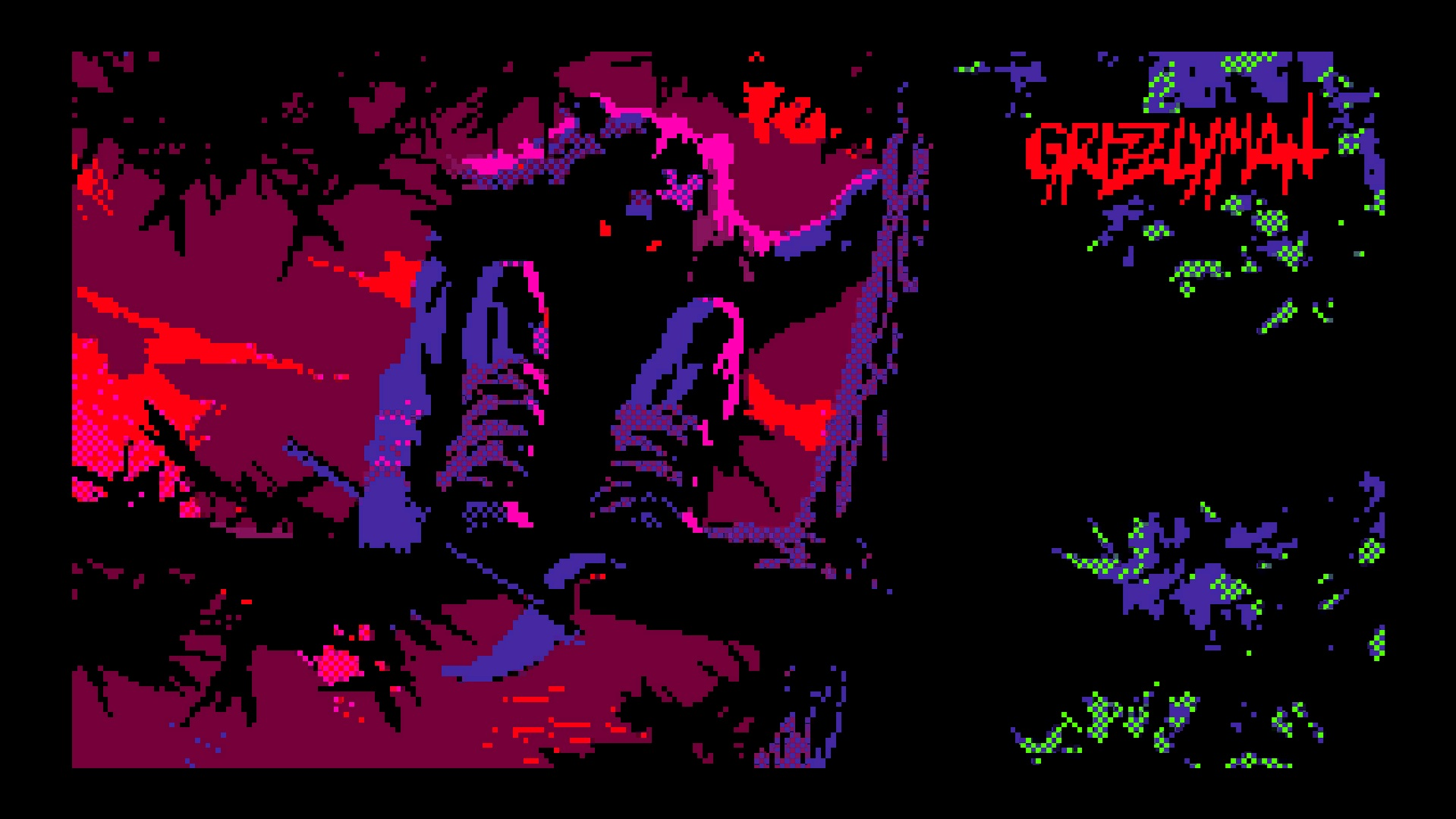
You only need to look at the screenshots illustrating this article, which are taken from each game. They are masterpieces of illustration in a technical style that was dismissed as "obsolete." It's as if someone from the Renaissance, at the height of perspective painting, chose to go back to making Byzantine art. It's more than simple nostalgia, more than simple "retro" aesthetics. It's a quest to push the narrative and aesthetic possibilities of an "exhausted" format to the absolute maximum.
Ultimately, it's a testament to how you can build strength from rather imposing limitations, and how to turn that into a commercial (and artistic) success. I hope the road ahead for the Saraintaris-Ruppel duo still has many miles to go.