Magic and Lead in Video Games

17 de ene. de 2025 — Luis Paz
Between respawns and health bars, it's dying and killing that sets and adjusts the tempo of video games.
That's how I would have opened this piece if I were interested in indulging in a conceptual tangent about the implications of death in the history of games; or if I had the patience to ascribe such importance to the way that, in cultural productions, deaths say more about the society they emerge from than about the plots themselves. See? It's very easy, with a few rhetorical twists, to give any cultural angle the weight (the hot air) of an epic. And see? Like an idiot, I still opened the piece with that line.
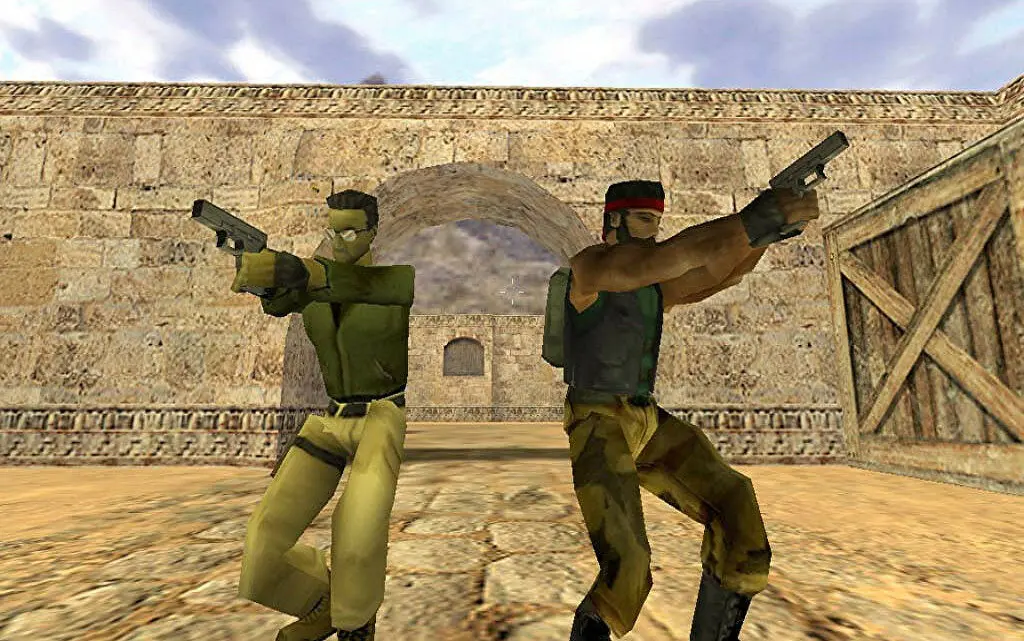
Let's skip, for the sake of all Humanity, the debate over whether video games cause violence. We're grown-ups, we've had decades of industry. It's over. Really. Let it go. There's a segment of gaming built around violent confrontation--whether against counterinsurgency cops, mythical monsters, or gun-toting ghouls, it doesn't matter--where death isn't just the instrument to reach the objective but where killing IS the objective of the game. It's one of the most commercially successful segments, and also one that sparks the most passion among players. It exists, no matter who cries about it. No matter who bleeds over it.
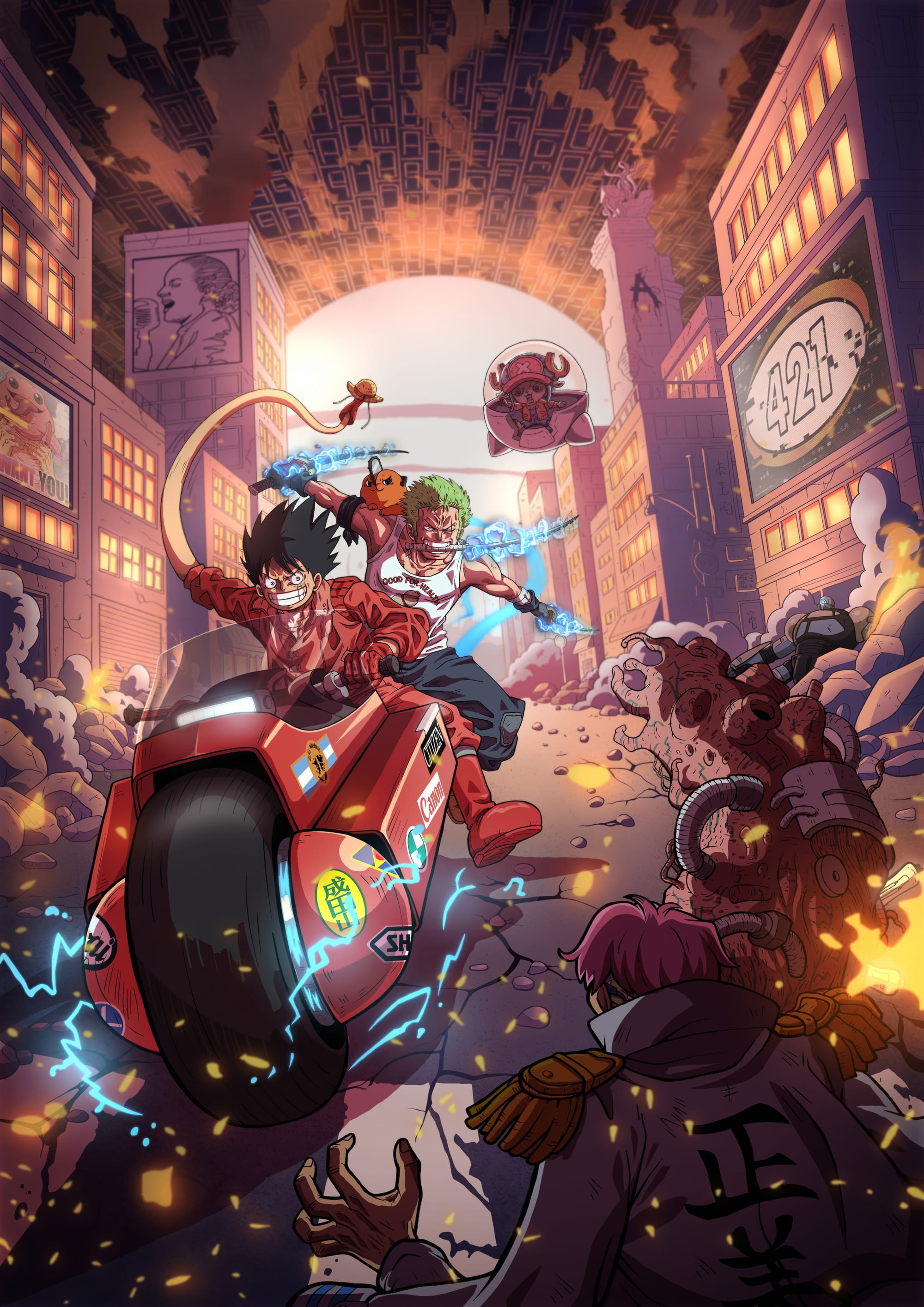
Sure, scoring a free kick goal is great, but have you ever landed a headshot so clean you wanted to frame it? Mint it as an NFT? Print it out and stick it on your living room fridge the way some people display their vacation photos with their spouse? 421 is an adult site and, adult to adult, I ask you: what's your problem with killing, offing, liquidating, finishing off, dropping, putting down, sending to the other side, pushing up daisies, laying to rest, frying, and/or dispatching a character, whether human, animal, furry, alien, zomboid, or of uncertain nature?
A few days ago, I was joking around with a group of friends about one of the famous phrases of narco necromancer Pablo Escobar: "Plata o plomo" (silver or lead). For the purposes of this text, I'd like to swap one of the elements. For video games, then: magic or lead? The mystical or the industrial? The spell or the technique? The alembic or the forge? Alchemy or ballistics? If we're going by words alone, magic has prettier vocabulary--point for its corner. But this isn't about words, it's about demises: which side are you on between games with ballistic attacks and games with magical attacks?
Speaking of famous statements, there's science fiction writer Arthur C. Clarke's third law: "Any sufficiently advanced technology is indistinguishable from magic." To me, any well-placed bullet is also indistinguishable from magic. Putting a slug right through the heart of a Nazi officer, a vampire lord, or a mob boss is a poetic gesture, just like throwing a fireball or summoning a specter to tear them apart.
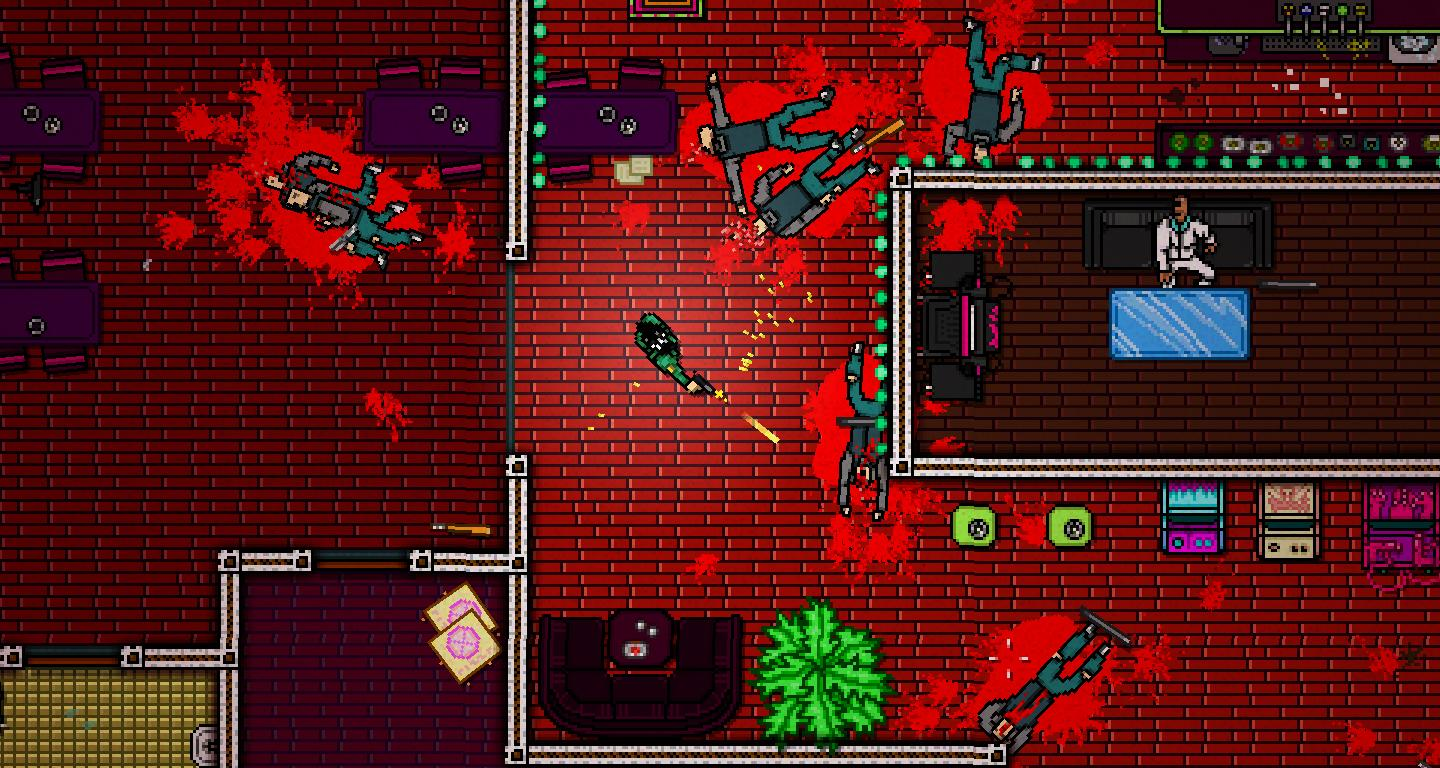
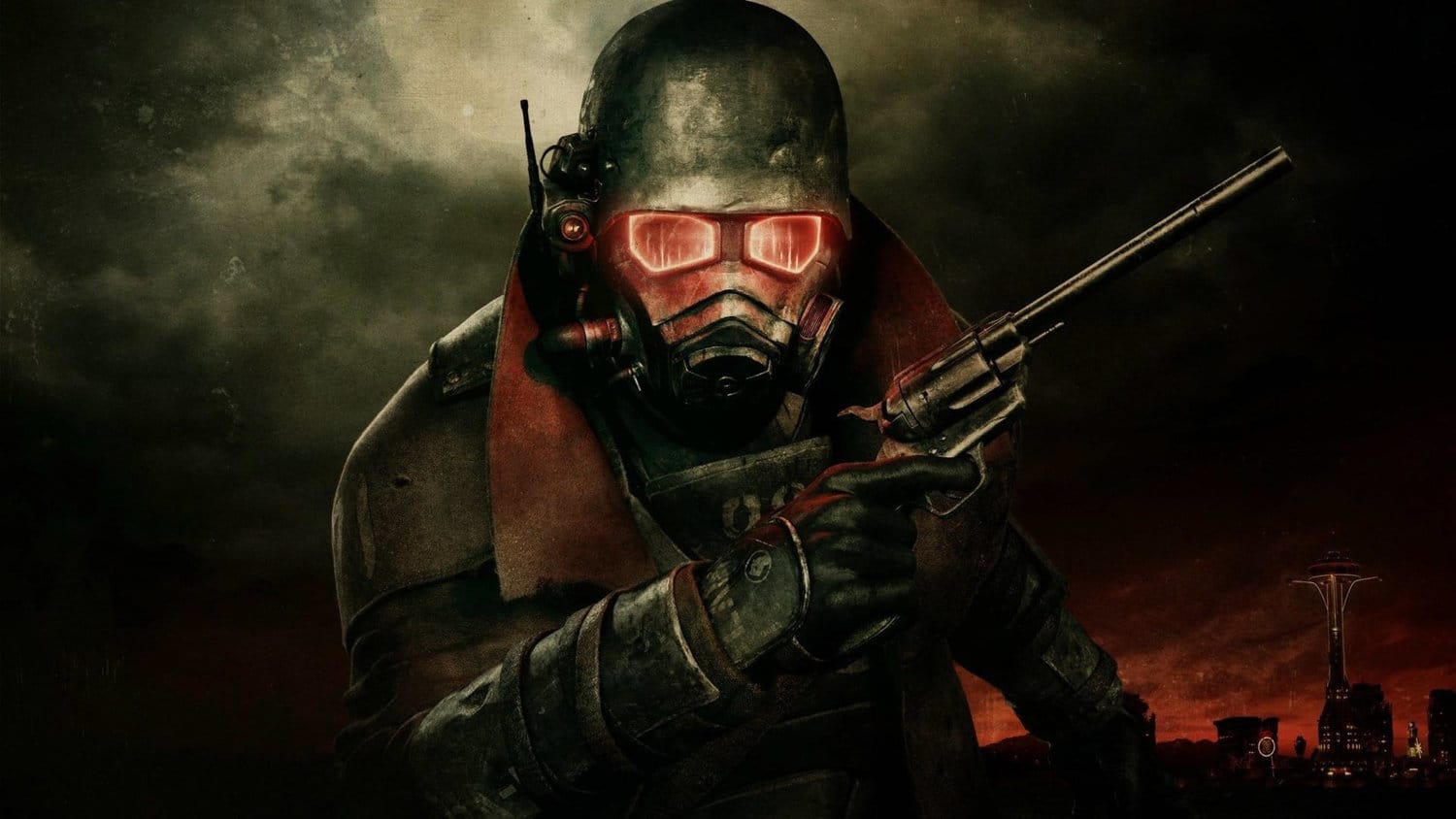
My entire gaming life I've deeply enjoyed the Elder Scrolls, particularly Oblivion and Skyrim, and I feel that in many ways they're even better games than the Fallout series, but in Fallout there are firearms. Not only that, you can use different ammo types based on your enemies' resistances. Not only that, you can craft your own pistols, shotguns, rifles, and machine guns, strip them down and reassemble them. Going further back, way further back: Starcraft II fascinated me, while Warcraft always felt a bit tedious. Another case: I played all three The Witcher games and always preferred melee combat over casting spells. Dishonored? Now that's a perfectly balanced gameplay experience.
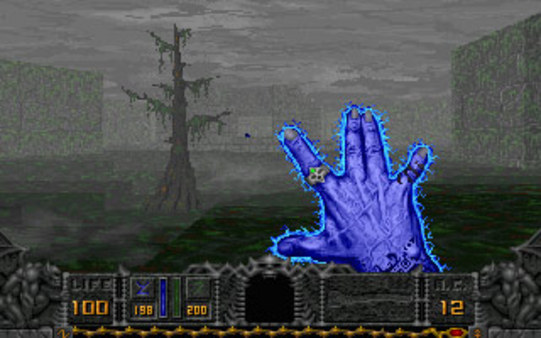
This isn't about me--let's make it about you, too. If I ask you to picture a person with a long beard, arm raised high, and a very bright light coming from their hand, what do you see? If you pictured a mighty wizard, great, but you could also have thought of a hipster filming a concert with their phone. If I ask you to picture a person with a gun raised high, there's no doubt whatsoever. The power of steel is inescapable, it's global, it's universal.
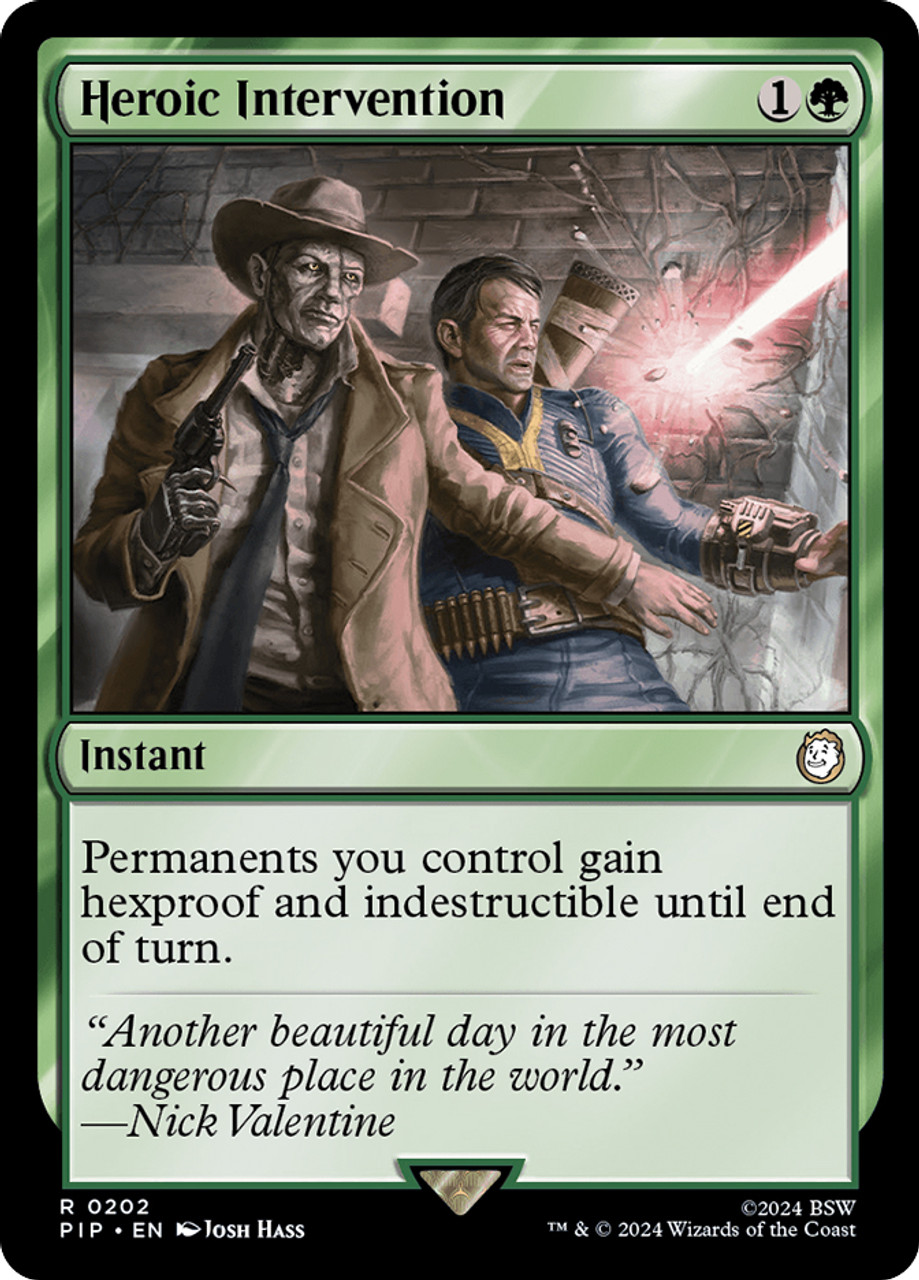
I don't have many answers for why I prefer games with bullets over games with magic. In fact, like every rule, this one also has its counterexample: I love Magic: The Gathering. There's something about weapons and bullets that adds an extra layer of gameplay--maybe that's it: managing how many magazines and rounds are left, which guns to bring to each zone of the map, how to combine the swagger of the hardware with your character's outfit. Red Dead Redemption II was the one that cemented my preference.
On the other side, magic is magic, and it's psychedelia. At 421 we love magic. But we're also fascinated by war. That's why both Magic and War are, in fact, two of the tags we use to index some of our pieces. But in games, the last thing I want to say is that the War side is always, or almost always, superior in experience, challenge, and design to the Magic side. And I'm willing to shoot it out (virtually) over that idea.