Magic for the People: MTG Formats Created by the Community

27 de may. de 2025 — Juanma La Volpe
Solve Et Coagula is a Latin phrase that comes from alchemy. In fact, it's one of its core principles. To put it briefly, it means "dissolve and coagulate," but in essence it's about taking something that works a certain way and breaking it apart to make it work differently. Or the same way, but with fewer steps.
Cry about it, Richard Garfield. Cry about it, Wizards of the Coast. Cry about it, Hasbro. Because Magic: The Gathering has belonged to the players for years now. And while many accept the rules provided by WOTC regarding gameplay, formats, and products, there are always people who, out of curiosity, necessity, or rebellion, perform alchemy with the pieces of Magic and create new games and formats. Here we'll go over EDH/Commander, Pauper, and Premodern.
Commander: From Legendary Dragons to the Most-Played Format
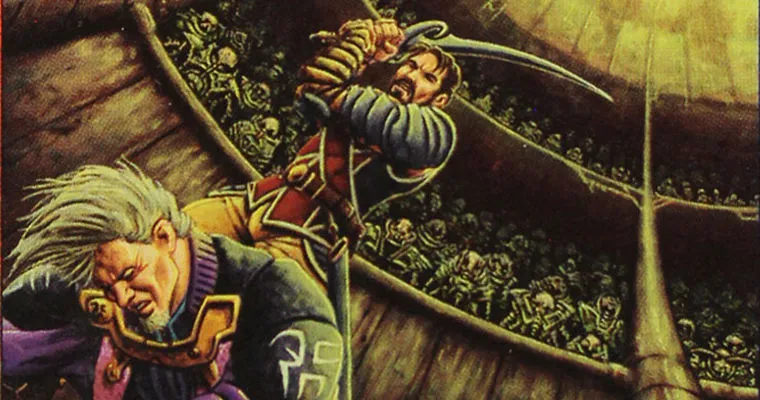
Elder Dragon Highlander (EDH), later known as Commander, is the first format born from the player community. Created in the second half of the '90s by Adam Staley, the format has a colorful history tied to the movie Highlander: the name is an obvious reference, but it was actually a line from the film, "There Can Be Only One," that inspired this multiplayer battle royale format. The first commanders used were the Elder Dragons from the Legends set, released in 1994, which is also why they're part of the name.
The early years of EDH/Commander ran alongside other similar rule variants, like Battle Royale, a box set released by Wizards of the Coast in 1999 for four-player games, or its quirky community sibling, Canadian Highlander.
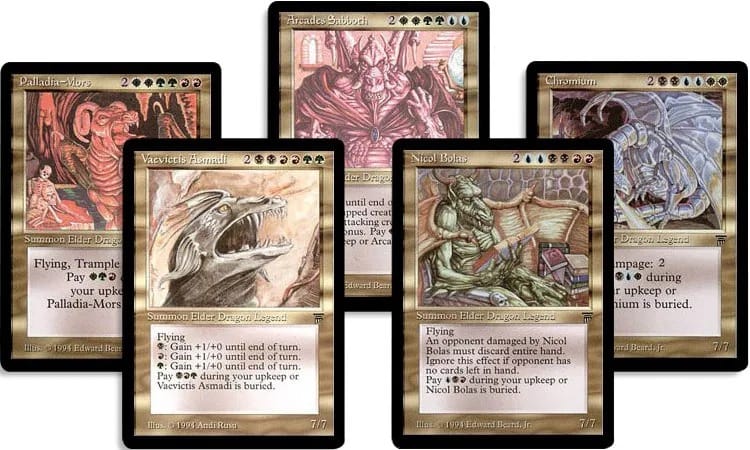
The format is multiplayer. The ideal table is four players, but you can play 1v1 or in pods of three, or even more than four. Each player builds a deck around a legendary creature -- originally, the aforementioned Elder Dragons pictured above -- which gives us what's known as color identity: we can only include cards in our deck if they match the colors of our commander, or if they're colorless.
The other key rule is that it's a 100-card singleton format; this means that, aside from basic lands, we can only use one copy of each card. So you end up with a 99-card deck, and the 100th is your commander, which sits in the command zone, a special area in exile from which you can cast it as if it were in your hand. If the commander dies, it returns to this zone, and it costs an extra 2 generic mana to cast for each time it has died. Beyond that, you play with the standard rules of MTG, with the difference that you start at 40 life instead of 20, and it's a best-of-one format.
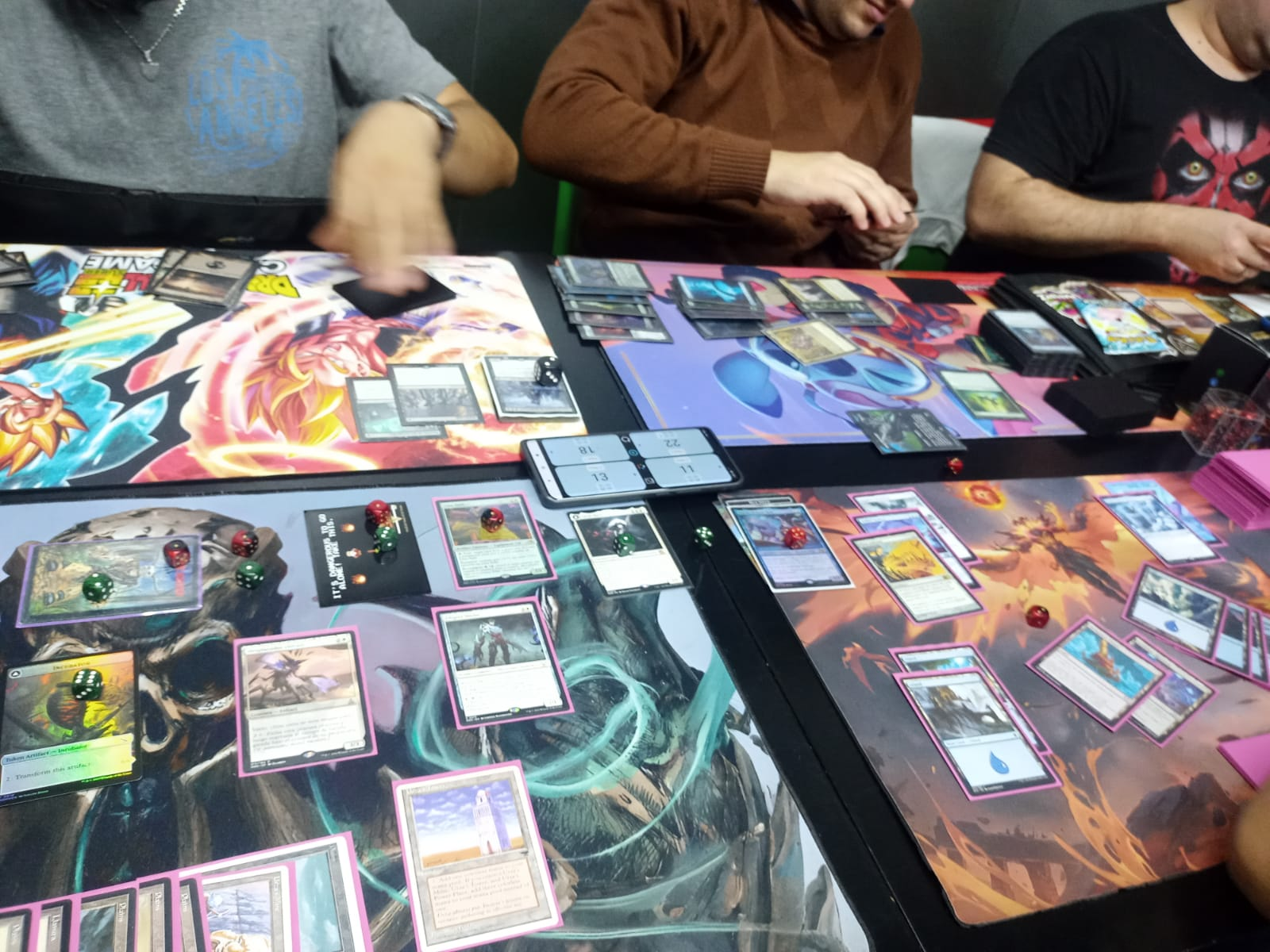
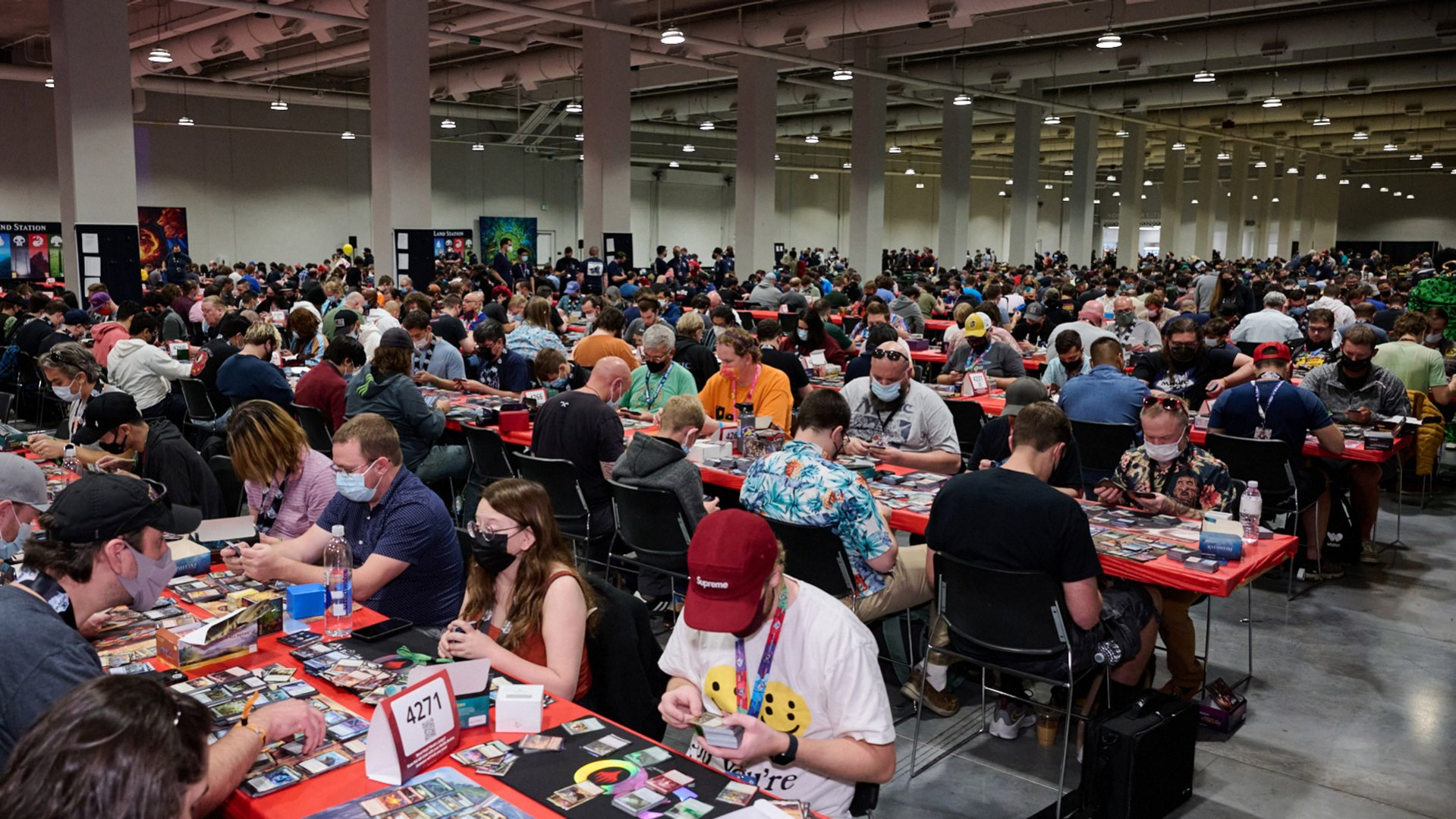
Commander became hugely popular in the community for several reasons. For starters, people began playing it a lot at tournaments and events while waiting for their turn to compete in a match. But the main engine behind its popularity lies in how the format engages with the community. Building decks around specific cards is fun, period. There's just no arguing with that.
It lets us dive into wild rabbit holes of deck building, and unlike playing a competitive deck in an official format -- where you have to play the meta or the best available options -- here we can be creative and even put our own personal touch on the decks we build. A Commander deck says a lot about its player: the colors they like, the cards they choose. There's something about creating a real identity that fuses player and game that you just don't find in any other Magic format.
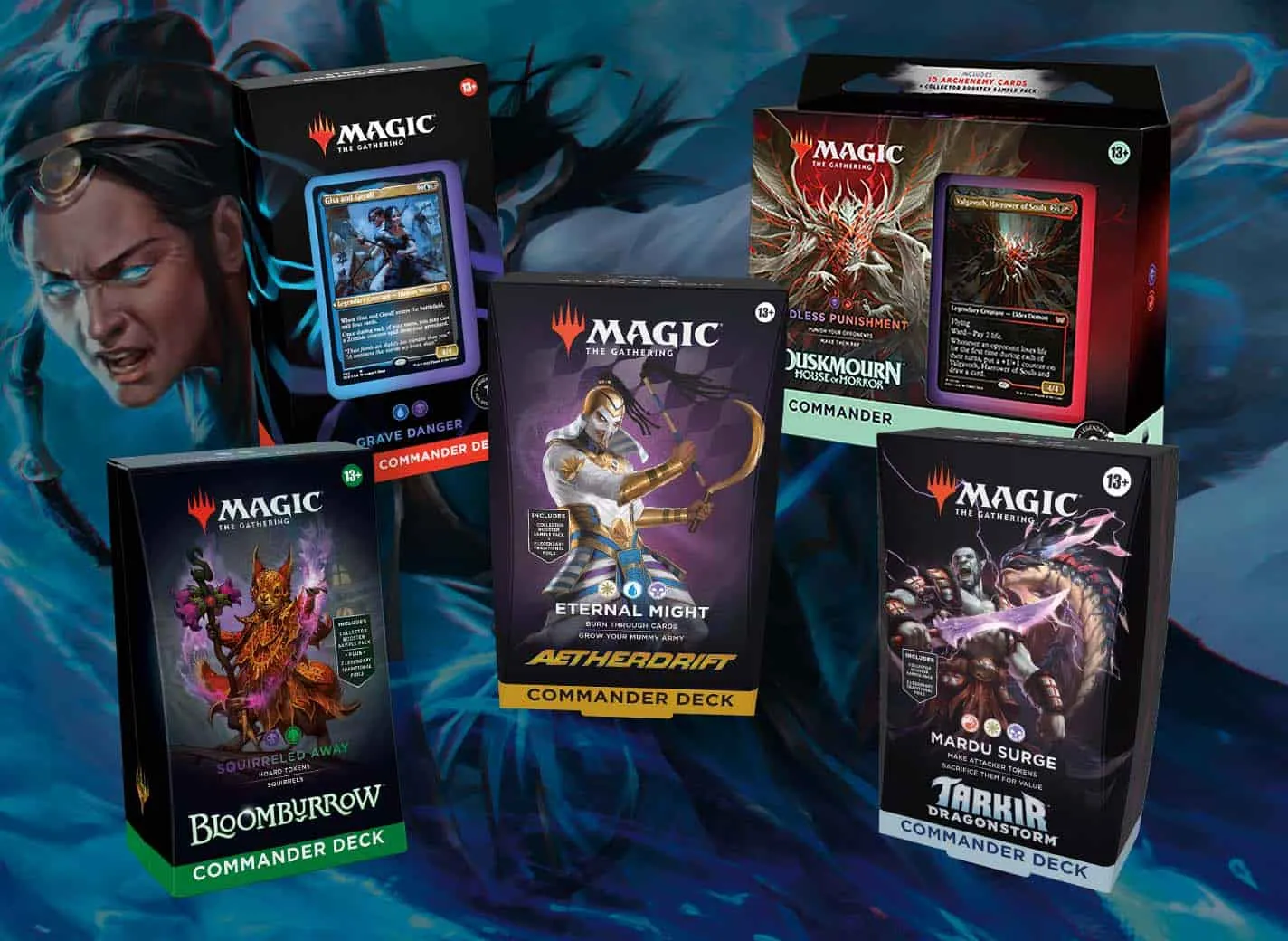
Commander is one of the most played formats in game stores, and it brought new value to many cards that see no play anywhere else. So much so that WOTC now releases a ton of material for the format, from preconstructed decks to cards in their Standard sets that are clearly designed to be played here. It also has alternative versions, from its big brother cEDH (a competitive variant built around extremely powerful cards and combos) to versions that restrict cards by era or rarity, like Pauper Commander.
Nowadays, Magic is more Commander than anything else. In fact, not long ago, after some controversies, the format became officially managed by WOTC (previously it had an independent committee) and now has centralized bans and decisions. But we can always ignore them, because Commander is ours.
Pauper: One Player's Commons, Another's Treasure
It's hard to trace the exact beginnings of Pauper, but the story goes that it started on Magic: The Gathering Online around 2007, when a group of players set up a league where they challenged each other to play decks built under different construction methods. In February of that year, the challenge was Standard Pauper Decks. It then evolved into what was temporarily called Common Legacy, until it was ultimately defined as Pauper once MTGO added it as a playable format and established its own ban list.
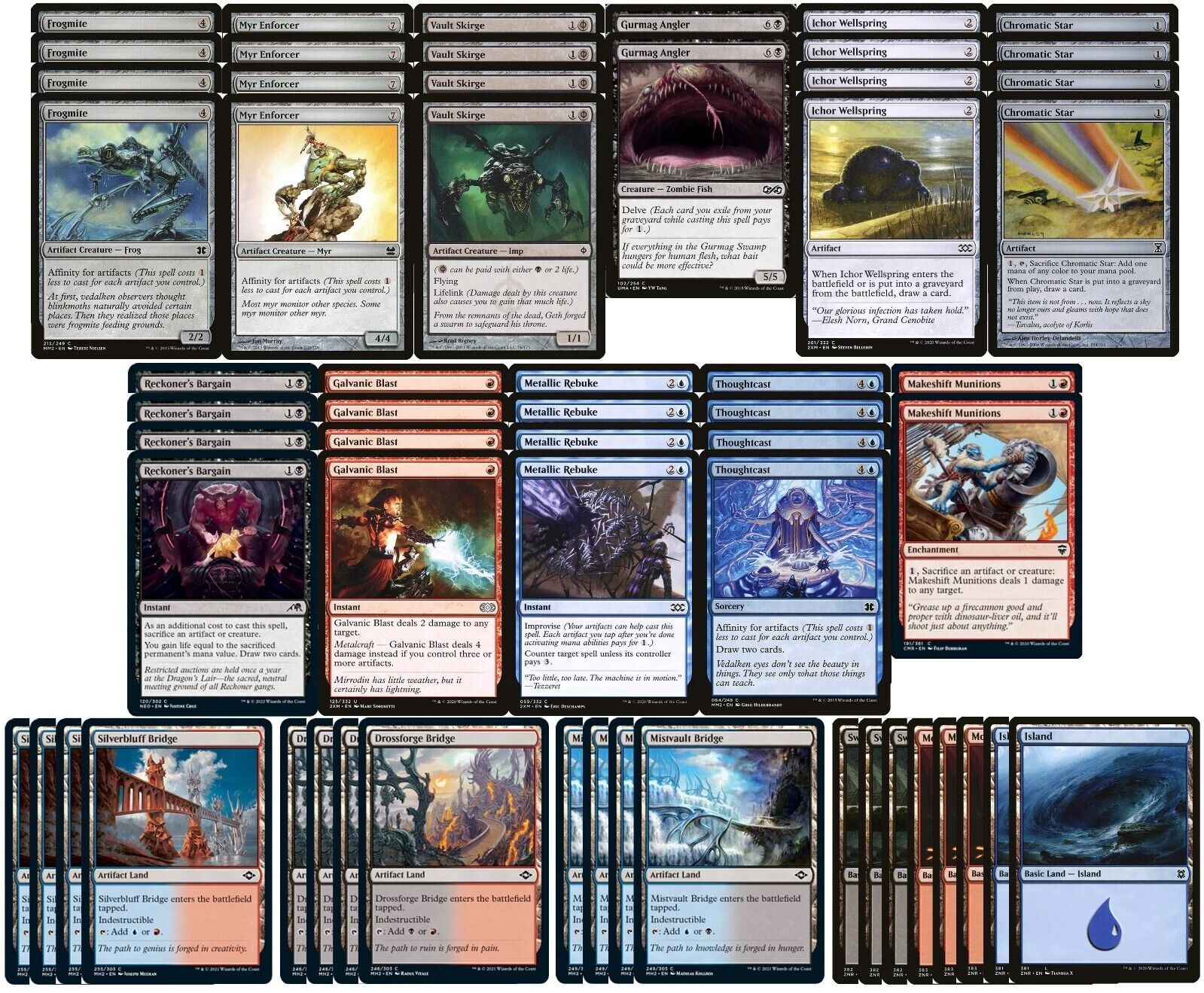
Pauper is a competitive format where you play with 60-card constructed decks using only common-rarity cards from any era or set. Even if a card was printed at a different rarity before or after, you can play it as long as it was printed at common at least once. This means cards from special sets that don't belong to Standard can be used, creating entirely new synergies for cards that, when played in their original format, wouldn't have them.
On the other hand, since we're talking about common-rarity cards, the format is extremely cheap and accessible to get into, making it very popular in countries like Argentina, where recurring economic crises make it hard to spend on hobbies. Pauper is actually a hugely played format in Argentina, with a large community of people who, in many cases, only care about playing this one format.
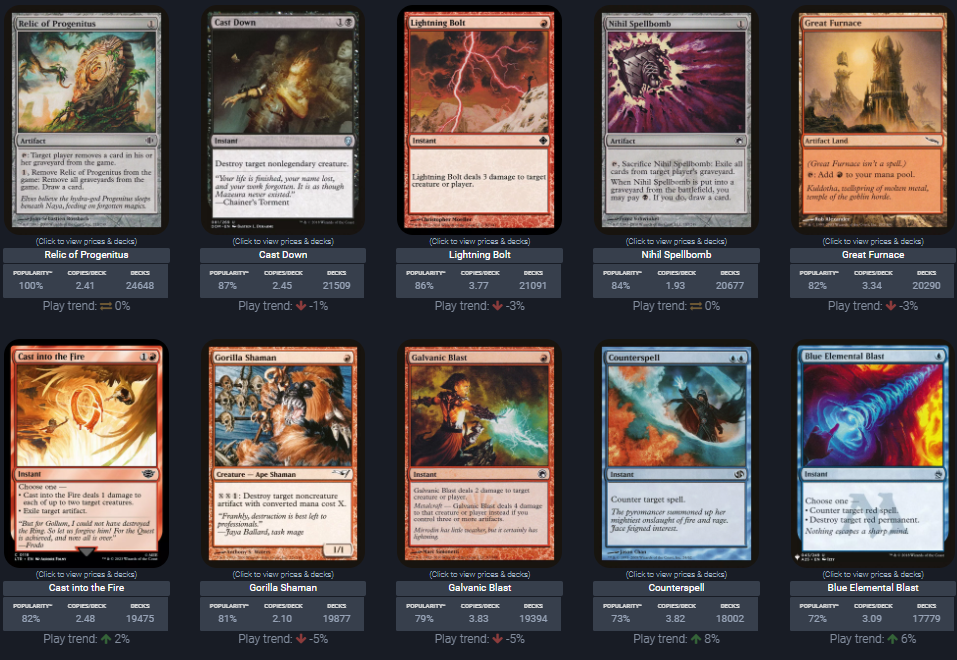
Pauper gives you the chance to play cards from every era, so if you're a nostalgic player there are incredibly powerful cards that have stood the test of time, like the good old Counterspell, Lightning Bolt, or Dark Ritual. It also features ridiculously broken combos thanks to synergies between cards that "shouldn't" share the same space. But it's worth noting that the meta doesn't shift much and games tend to run long due to the power level. That said, it has really fun decks across archetypes that everyone loves, like Mono Black Control, Mono Blue Tempo, Elves, Rakdos Sacrifice...
Premodern: Old-School Tradition and Values
If you're a Magic player who had your first games back in the '90s, the game today might feel anywhere from strange to outright repulsive, with its Universes Beyond crossovers and rules that in some cases seem more designed for MTG Arena than for real-life play. Don't worry -- a group of veteran players built a format to relive the good old days so you can slam a Swords to Plowshares on a Hypnotic Specter once again.
Premodern was created by Martin Berlin in 2012, with the goal of recapturing the tradition of old-school Magic and reconnecting with those cards that nobody plays anymore, but that still light up our brains every time we see them -- because at this point, those cards have more to do with who we are than with the meta.
This format is played with standard 60-card constructed rules, with the twist that you can only use official sets released between 4th Edition and Scourge, right before the card frame redesign and the beginning of Modern. We're talking about decks that draw from cards printed between 1995 and 2003, the first golden age of the game, featuring expansions like Tempest, Urza's Saga, and Nemesis. Revisiting these decks is a real treat if you played during the '90s. And if you were a broke kid like me back then and couldn't afford the cards, now you've got a chance at redemption -- you can finally build that The Rock deck you always wanted.
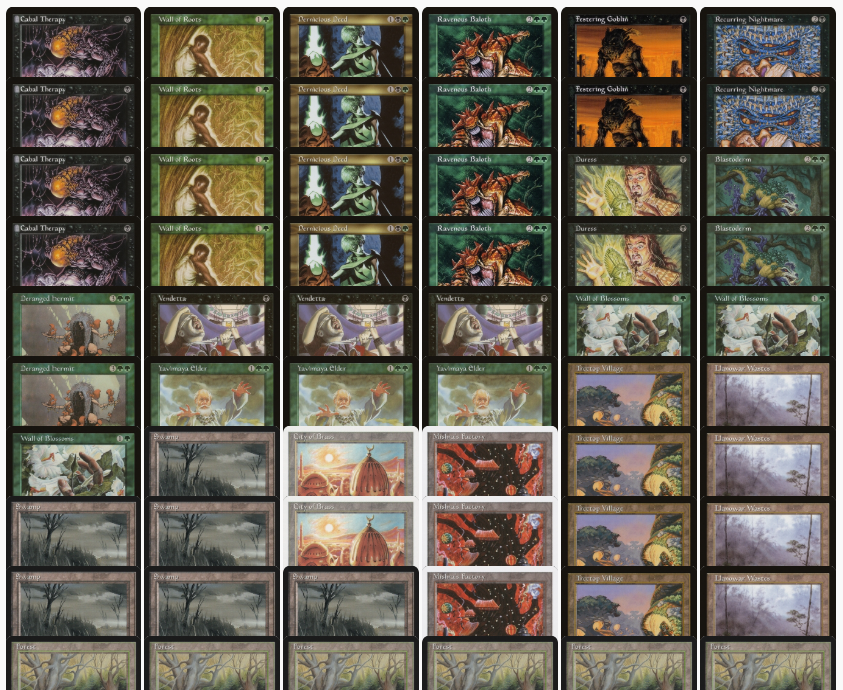
There are two important things to clarify about Premodern. It's not cheap, nor is it the most expensive format, although gold-bordered card copies are allowed (these are usually old reprints that came in the '90s championship decks); and while there is a community behind it building decks, the meta won't change unless there are bans, because no new cards enter the format.
Worth highlighting: the Premodern community is incredibly passionate, organized, and active, constantly generating events and tournaments, and in Argentina there's a growing scene that's gaining serious ground. It's a format for the old-school experience, using those cards you had tucked away. A format for having a great time casting a Mana Leak on a Cursed Scroll.
There are more community-created formats out there -- in fact, we have a fantastic article about Cube written by Lucas De Paoli for 421. We've left out the more obscure ones for now, but we'll revisit the topic and dig into the weirdest formats out there.