Maldón: A Silent Revolution in Tabletop Games

22 de nov. de 2025 — Clari Ruocco
That unusual ability... to transform even the worst of deserts into a playing field.
Michel Leiris
If you're a parent, aunt, babysitter, tutor or primary carer, you probably have a top three of your favorite games from Maldón, the local brand that's been quietly revolutionizing Argentina's tabletop game scene. Maldón titles like Shiki, Valdés, Triplets or Pim Pam Pum have earned the unwavering loyalty of the kids around us –and of you too, a bit more grown-up, who can see how their very design hits the classic golden triangle: good, good-looking and cheap.
However, you may not be a parent, aunt, babysitter, guardian or person in charge, and you might still be reading this without really knowing what that list of odd names refers to. But since you're into games in general and silent revolutions in particular, let me pause for a second to give you a bit of context.
In 2008, siblings Candelaria and Agustín "Colo" Mantilla, both tabletop game fans, took the field with their own design: El erudito. A trivia-quiz game beautifully illustrated by Liniers, El erudito revitalised the whole experience by reinventing how questions connect to general knowledge. Instead of organising the game around knowledge categories, like Carrera de Mente or Trivial Pursuit, Maldón groups its questions by format –by the way they're written. The game doesn't reward you for "knowing" things off the top of your head so much as for using what you already know to reason, infer and reach an answer by approximation. It's far more dynamic than traditional trivia, and therefore much more fun.
Legend has it that just six months after releasing El erudito, Candelaria and Agustín had already recovered their initial investment and followed up with El melómano, doubling down on that first bold move. Then came El ilustrado and El cinéfilo. As if they were building collections, they kept pouring their creativity into new lines of games. My personal favourite in Maldón's catalogue is their card-game line, because it fits so neatly into that golden triangle.
Walk into any toy store and you'll see plenty of card-based board games that try to tick that golden-triangle box, but very few really manage it. You probably know Mil Millas, the local edition of the French classic Mille Bornes, sold here by another long-standing local brand, Yetem: it's just a deck of cards, but it's pretty pricey. UNO, licensed by Mattel, is fun too –but it's not exactly nice to look at. Maldón's card games, on the other hand, tick every box: the concept and the artwork are perfectly in sync, the gameplay is dynamic and the price is right. If Goldilocks were writing this review, she'd say this line in Maldón's collection is "neither too cold nor too hot, just right".
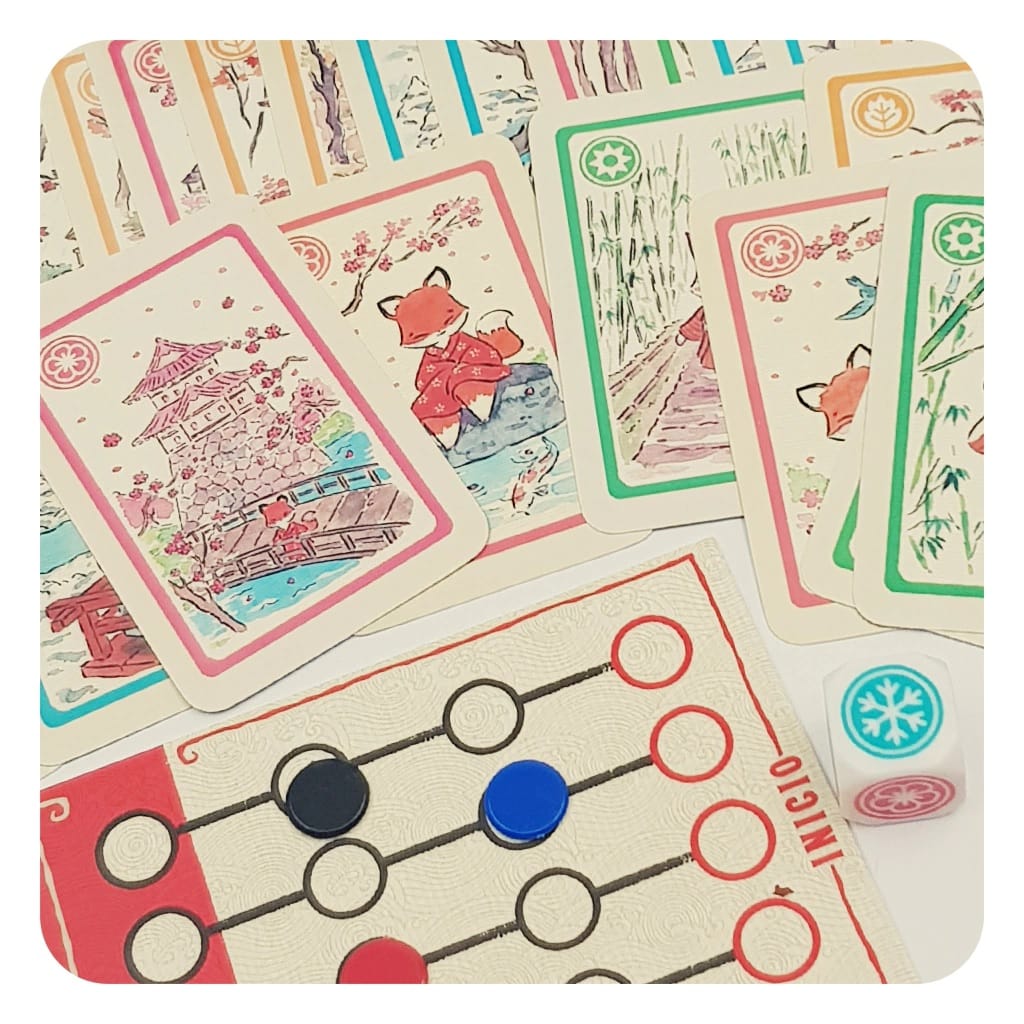
In our house, the first game in that line to arrive was Shiki ("four seasons" in Japanese), an ideal choice for intergenerational play where the winner is the first to get rid of all their cards. Since each game lasts around 15 minutes, it's perfect for a Sunday after-dinner session or even a quick round during weekday dinners. Just don't spill your drink on the cards: they're gorgeous, illustrated in watercolour and India ink by Flor Kaneshiro, who created the motifs that mark the rhythm of the four seasons in the game. Shiki became a true word-of-mouth hit among young families and is now a go-to kids' birthday present –you look like a hero without spending a fortune.
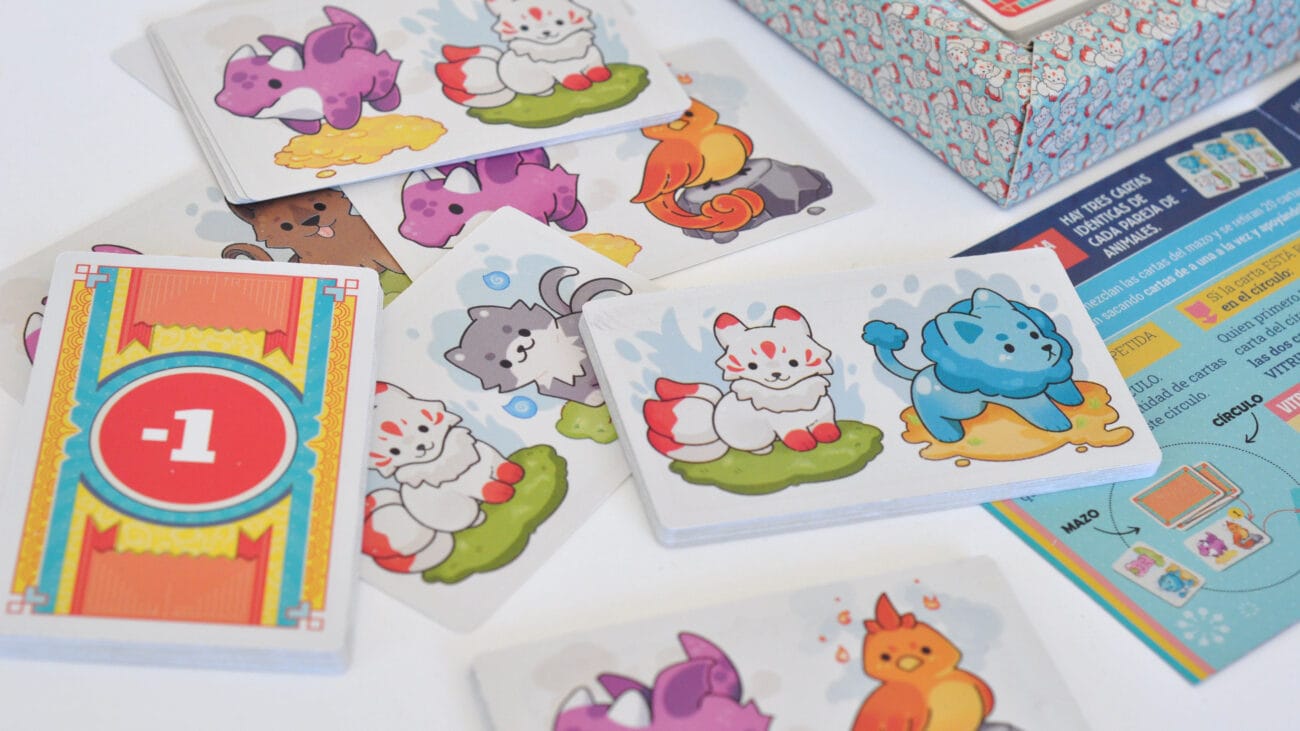
But when Triplets came out, the whole Maldón experience moved up a gear. By then our family was fully on board with the Mantillas' gaming project, and we'd already played endless rounds of Valdés, Señor Dix, Camarero, Flamingos and plenty more. The homegrown Pokémon-style critters in Triplets forced us to sharpen our reflexes and stay completely in the here and now of each game, adding a streak of mischief and adrenaline that Shiki didn't have. It's 100% recommended –and I'd say it's my favourite title in the entire catalogue.
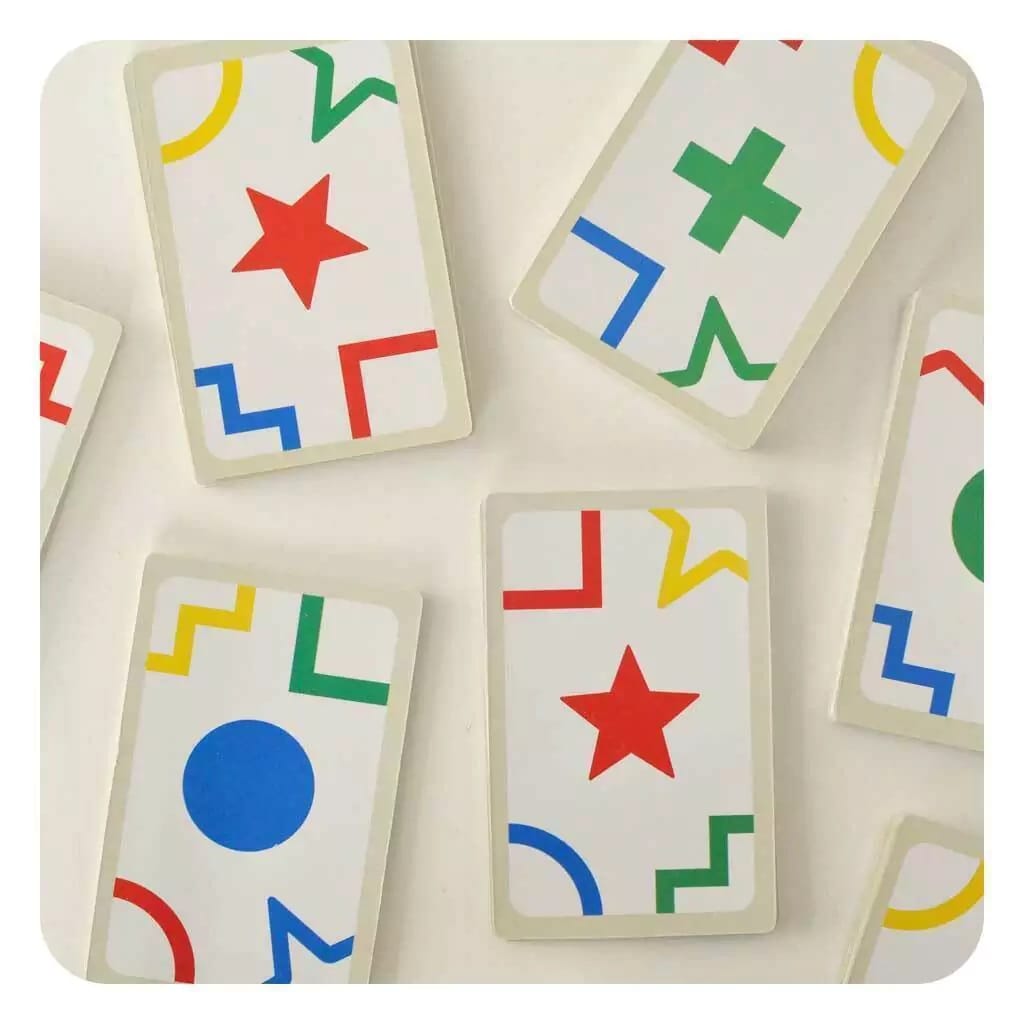
And it doesn't end there. Maldón has also started licensing foreign titles. That's how Esquinados reached our shores, a fast-paced card game by Danish designer Martin Nedergaard Andersen. The deck has 100 cards, each with a coloured geometric shape –star, circle, square or cross– in the centre, in yellow, blue, green or red. In the four corners you see fragments of shapes in colours that don't match the central one. The idea is to discard cards as fast as you can, with no turns: you have to match one of your card's corners –both in shape and colour– to the central figure on the card in the middle of the table that everyone is racing towards. Once again, the key is quick reactions. Pure present-tense focus.
In just over ten years, Maldón has built a catalogue of more than 60 board games that embody Candelaria and Agustín's leitmotif: "We don't stop playing because we grow old; we grow old because we stop playing". So here's to us –and to these revitalising, playful spaces where we come back to life by gathering around a game. We win, we lose, we have fun. We grow together.