Beyond The Game Awards: 26 Notable Games From 2025

10 de ene. de 2026 — Axel Bosso
I don’t like The Game Awards. Still, I’m glad we have a big event that at least tries to celebrate video games—remembering the ones that stayed with us throughout the year and shining a light on the ones we might have missed. But TGA rarely delivers on that; if anything, it ends up creating a distorted view of what the industry—really, the industries—looked like, with only a tiny slice of the year and a whole lot of popularity contest.
Some of The Game Awards’ issues feel superficial: copying film-award categories into a very different medium, the awards-to-trailers ratio, treating many categories as an afterthought, not knowing what “indie” even means, and not letting many winners go on stage. Others run deeper: pay-to-play trailer slots, commercial deals, the demise of the Future Class, Geoff Keighley’s near-monopoly as the face of the show, the constant need to win approval from other art forms, and so on. The list goes on and on.
Instead of spiraling into cynicism and unpacking all that here, I wanted to do something more constructive. For better or worse, TGA celebrates video games—or at least tries to. I want to do the same. So here’s a list of 26 games from 2025 that struck me as genuinely worth calling out.
These aren’t necessarily my games of the year. If you’re curious, my actual picks are over at TheGamer, where you can also find more context on all those TGA issues. And yes: some games on this list would never fit into that awards circuit—because of release windows, because they’re expansions, and so on. Either way, all I’m trying to do is help you find a little gem you might have missed.
Sonokuni
The COVID-19 pandemic derailed businesses and dreams for a lot of people—and a Japanese hip-hop group almost walked away from music. Luckily, Don Yasa Crew made a strange leap: from rhymes and beats to video game development. The result is a clear homage to Hotline Miami, but with plenty of its own to say. With explosive visuals and hypnotic beats, Sonokuni leans on devilish gameplay where any hit can kill you. You’ve got a katana, a shield, and time-slowing to survive waves of infected enemies. It may not have Hotline Miami’s commentary on violence, but its narrative still raises interesting questions around that theme.
Dreamcore
The Argentine game that resonated with me the most this year is hard to recommend. Dreamcore is born in liminal spaces—transitional places that can trigger anything from warm nostalgia to paralyzing paranoia. Explore a pool complex, a creepy hotel, an endless suburb, and other settings that leave you thinking about what we can’t see, who you are, and what you’re doing in this reality.
Cronos: The New Dawn
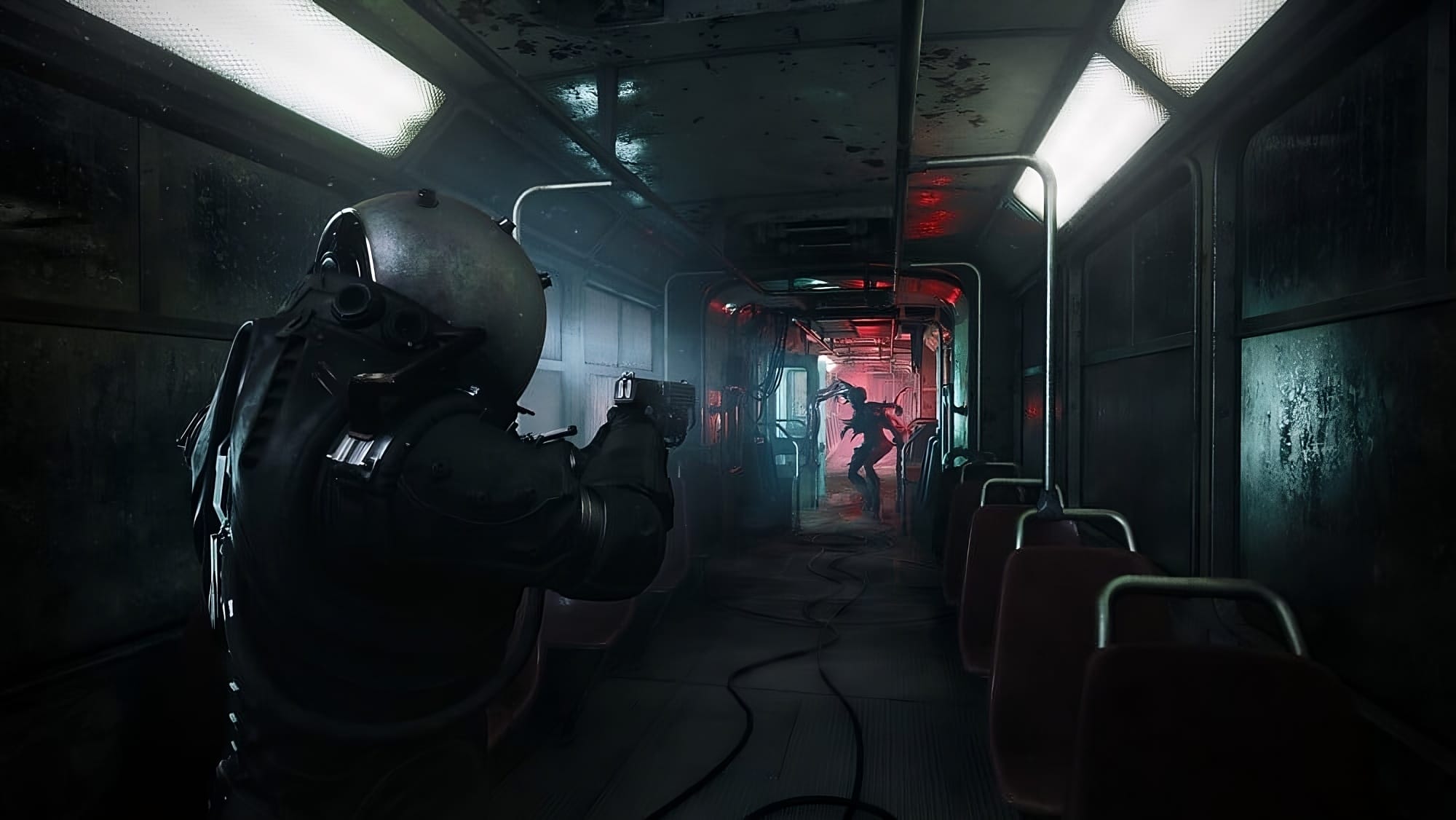
When it comes to gameplay, Bloober Team’s latest (Silent Hill 2 remake, Layers of Fear, Observer) is pretty mediocre. Encounters don’t vary much, the weapons are mostly what you’d expect, and the melee combat feels terrible—sluggish and unresponsive. Why include it, then? Because the atmosphere and the world are some of the best the studio has ever done: time travel, an enigmatic protagonist (and equally enigmatic characters you run into), sharp social undertones, and excellent environments. By the end, it becomes a story about someone’s feelings—obsessions, really—which might land badly for some, but I found it a bold swing.
Moonlighter 2
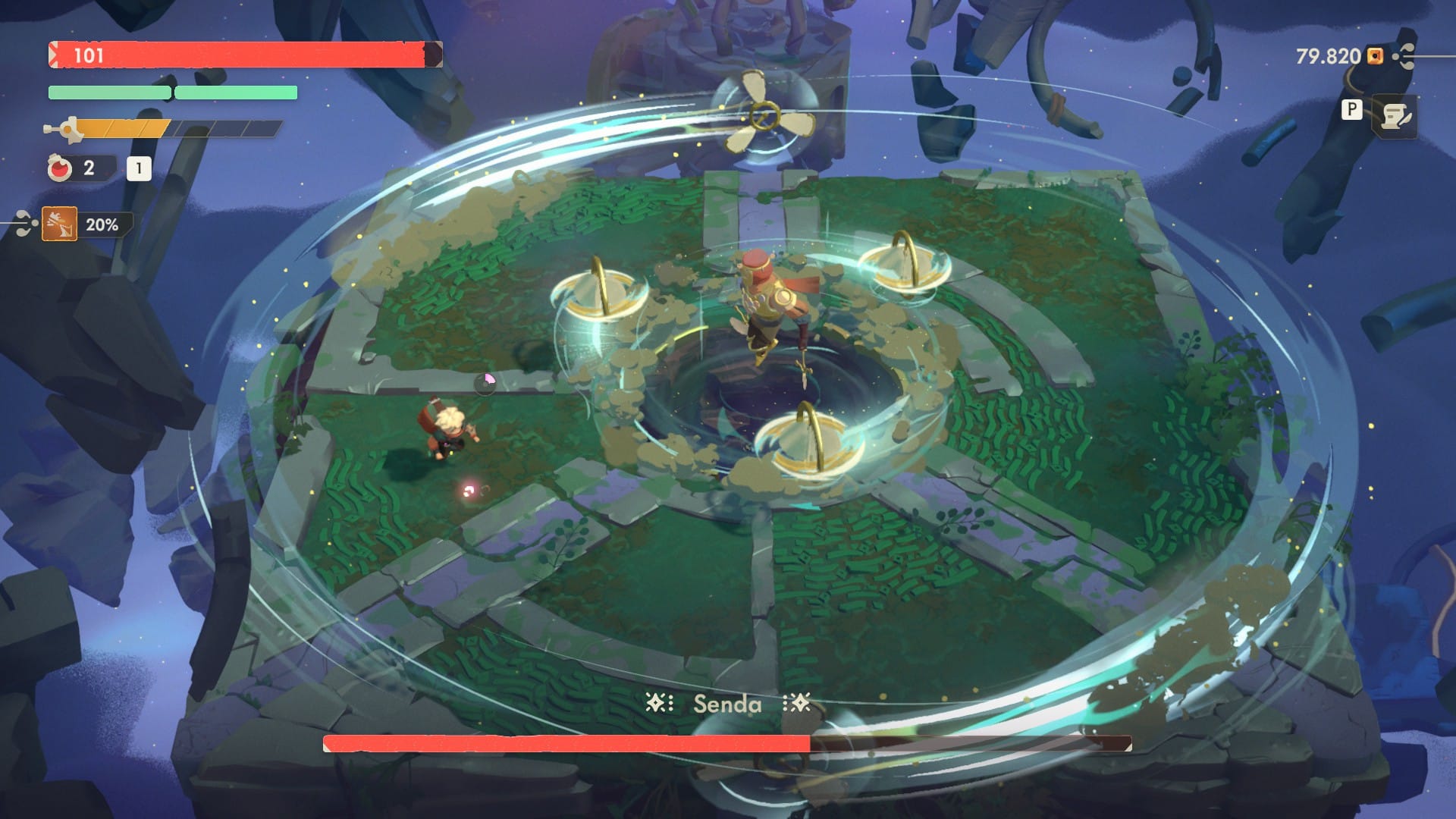
A sequel that ditches 2D pixel art for incredibly charming 3D models, while keeping the core loop intact: dive into levels, find items, then sell them. It’s still in Early Access, but there are enough levels—and a strong enough playable core—to keep you busy for hours hunting new relics and upgrading your gear, at least until you start mastering it a little too well.
Lies of P: Overture
It’s not a full game, but it’s such a solid expansion that it deserves more recognition than several complete releases this year. The Round8 Studio / NEOWIZ DLC takes our beloved P (an iteration of the classic Pinocchio) and throws him into a new frozen setting packed with incredible bosses. I love that you can replay every boss fight with different variations straight from a menu—and I’d also call the level design and the implied, non-explicit stories in these new spaces downright superlative.
Asylum
I’ve been reading about this one almost since I started writing about games. Nearly ten years later, Senscape finally released its long-awaited Asylum, and it delivers: a narrative adventure that takes its time building a suffocating atmosphere inside a mental institution riddled with secrets. As someone who’s written about the topic, I appreciate how it avoids mocking mental health themes and the (so-called) “asylums.” And it sticks the landing with an ending that lingers.
Sektori
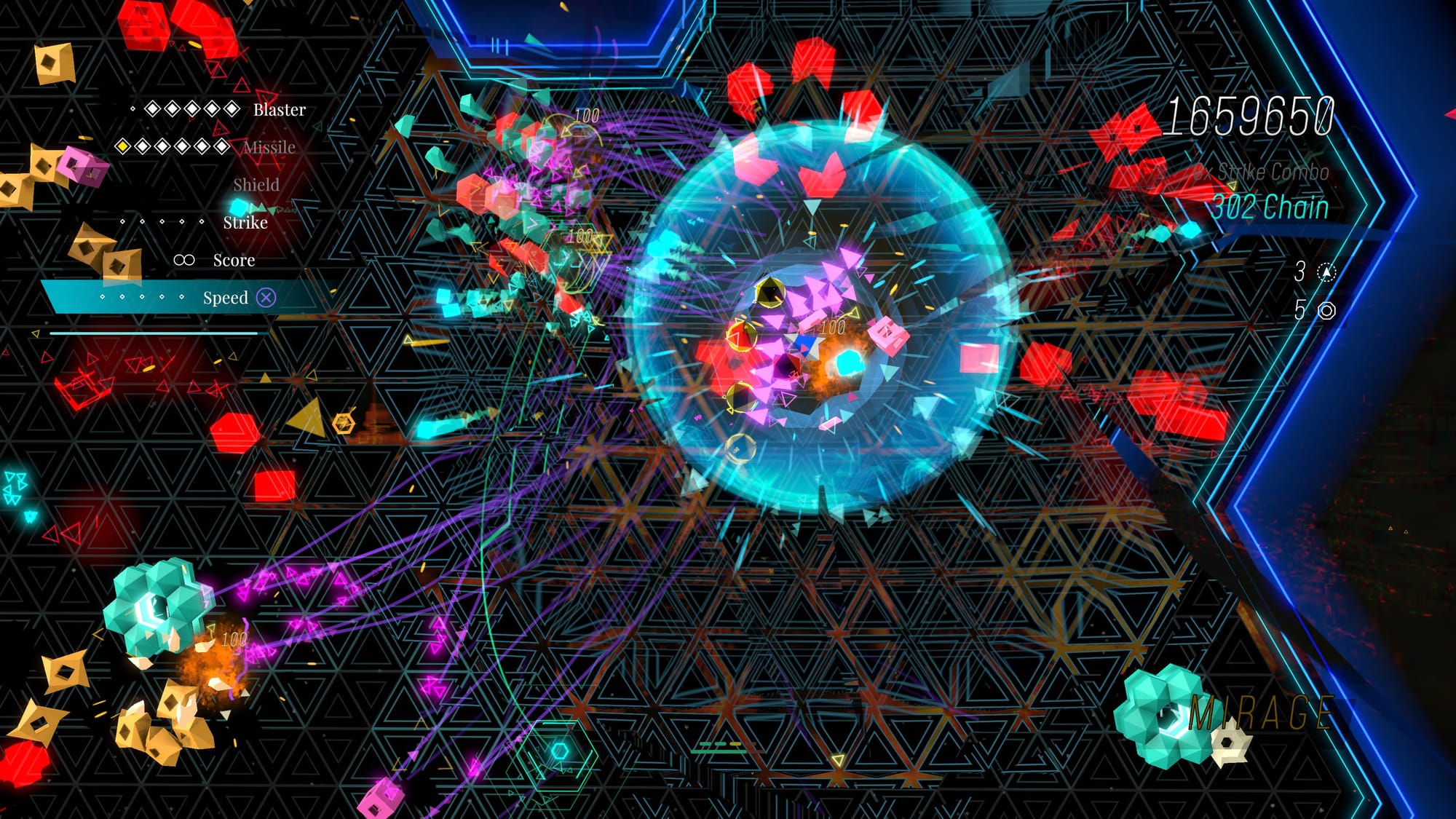
If you’re a widow of Geometry Wars and Resogun, here’s an arcadey beauty that worships color, techno, and bullet-hell chaos. Pilot your tiny ship, destroy everything that moves, and earn upgrades that give you a fighting chance against massive bosses. It’s brutally hard, and it took me several attempts to finish a full run. Then I started digging into the modes and extras I’d unlocked and realized that, even after hours, I’d barely scratched the surface.
Baki Hanma
Punch-Out!! filtered through the hilariously over-the-top, exaggerated absurdity of Baki. From the same crew that made Thunder Ray: Purple Tree.
Skate Story
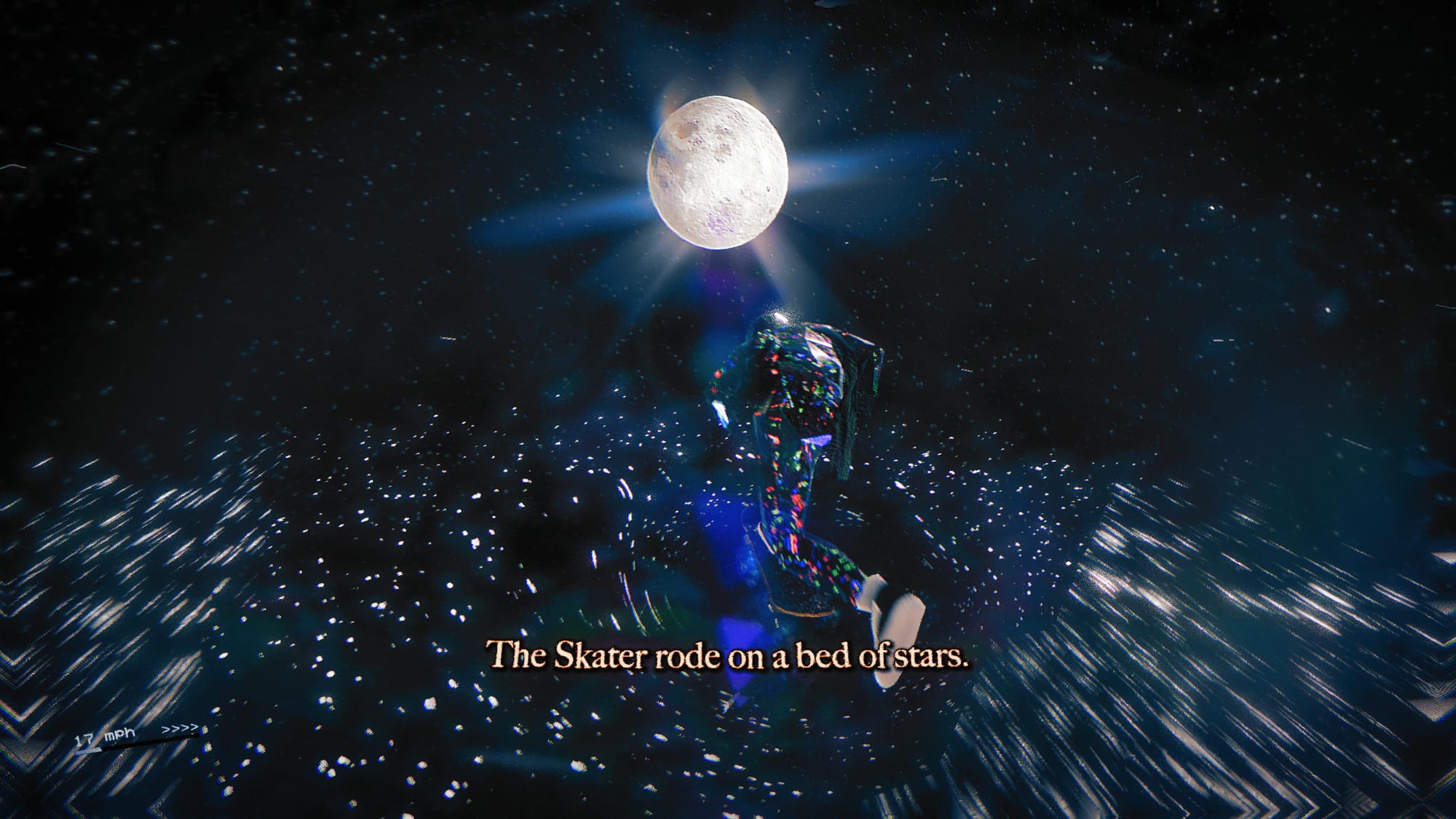
There’s no game with more style and vibe in 2025 than Skate Story. You’re a demon who makes a deal with the Devil to eat the moon. To pull that off, the demon king hands you a skateboard. Because of course—what better way to gain power than by landing ollies, slides, and kickflips? With a high-contrast, limited-color aesthetic and gameplay that supports the design in genuinely organic ways (for example: you heal by building speed without crashing), Skate Story is one of those beautiful one-person delusions we should be grateful exist.
Hell is Us
In early trailers it looked like the first real Death Stranding-like, but in your hands it turns out to be something else entirely. I won’t promise you’ll love the melee combat against those pale figures, but the worldbuilding—and the no-compass, no-handholding exploration of a region wrecked by war and invasion—is top-tier.
Mr. Meat
Depression can be devastating. Being trapped in a restrictive pattern that keeps you from doing much, makes you feel useless, drains your ability to find pleasure in anything, and turns your view of everything around you—and the future—dark can be lethal. I’ll always value horror that reaches for the deepest, ugliest parts of us and turns them into something as crude, funny, and heartfelt as Mr. Meat.
Citizen Sleeper 2: Starward Vector
Our attention—how we spend our time—might be the most valuable asset of this sociohistorical moment. Anxiety spikes with every decision: is this the right call, or am I about to lose a friendship, or the money I managed to scrape together? The Starward Belt feels consumed by accelerationism and submission to individuality. But there are still remnants of hope in solidarity. The big win of this sequel is that we once again play as a Sleeper—an “emulation of a human mind” in a robotic body—but we’re not alone this time. You can assemble a crew that helps you take on contracts, which makes you feel less helpless while also intensifying a different fear: not being able to protect the bonds you care about. P.S.: you don’t need to play the first one, but it has a spectacular story and truly endearing characters, so I still recommend it.
Heartworm
There’s been a survival-horror renaissance for years (did it ever really die?). This year we got Post Trauma and Tormented Souls 2, but Heartworm is the one that stuck with me—thanks to its camera-as-primary-tool approach and the quality of the writing in the stories you stumble upon. Grief sits at the center of the experience.
Death Howl
If the words “Soulslike” and “deckbuilder” in the same sentence don’t make you want to tear your eyes out, this one’s for you. Death Howl could’ve stopped at “a solid mix of two subgenres,” rewarding persistence with real growth (in every sense). But The Outer Zone (Mind Scanners) went further: it’s also one of the most visually striking games of 2025.
Lumines Arise
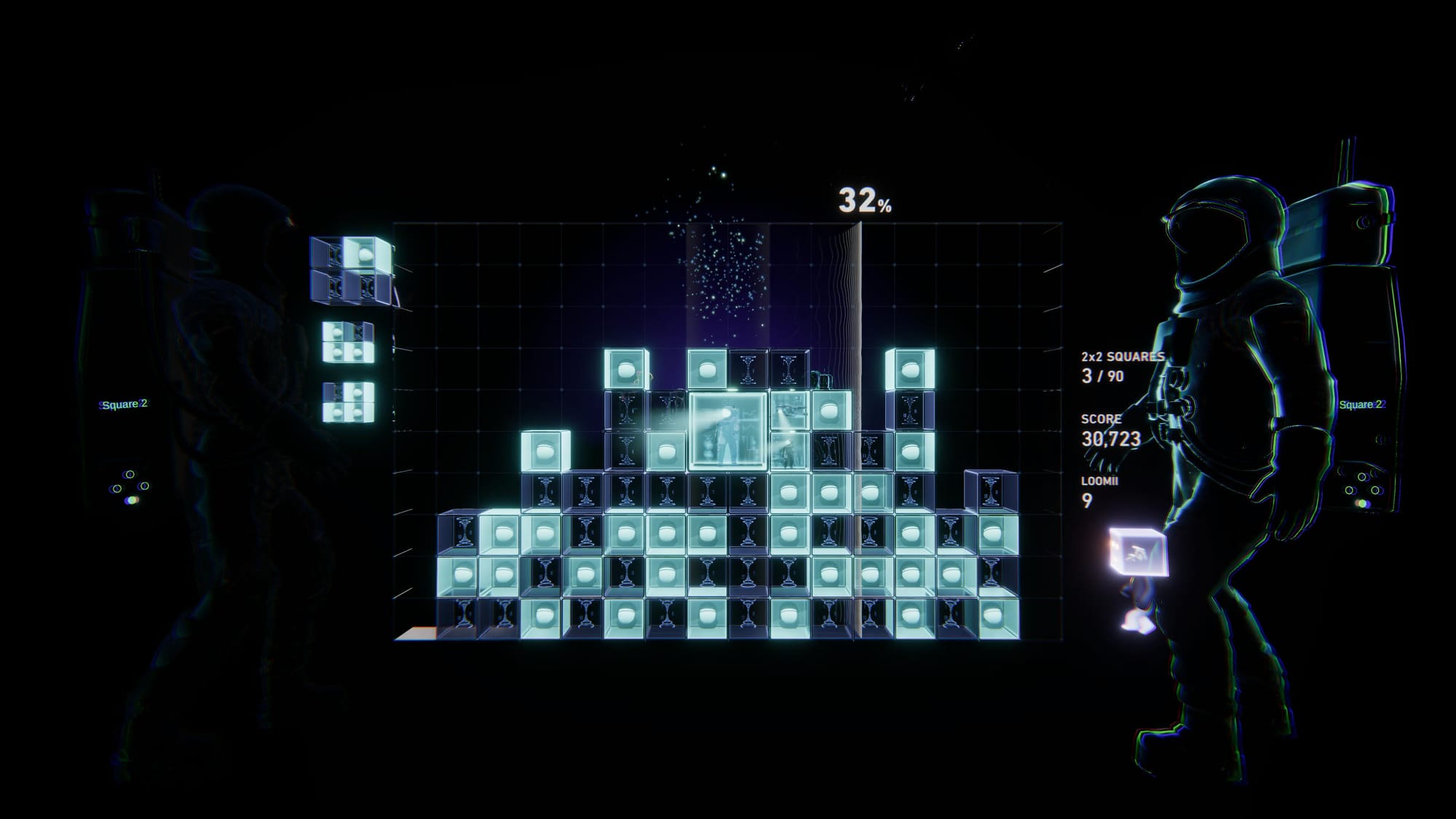
Tetris revolutionized video games in the early ’80s. Hundreds of iterations and decades later, Tetris Effect delivered a definitive, joyful, inspiring take in 2018. In between, we got Lumines: a series that flips the idea on its side, asking you to build squares on a horizontal grid. Arise feels like the definitive version of that concept, made by the same studio behind Tetris Effect. It hit me all over again.
Date Everything
You get fired, and—by mistake—end up with a pair of glasses that lets you interact with almost every object in your house. Those objects become people you can fall in love with, befriend, or hate with the deepest part of your soul. The premise sounds like a joke, and the game is generally silly and charming, but it’s excellently written for what it’s trying to be. Then tell me: who did you date? The office supplies and the bed were my favorites.
Hotel Barcelona
Swery’s latest isn’t the best thing he’s ever made by a long shot; Hotel Barcelona lives in the shadow of giants like the two Deadly Premonition games. Still, I’m always willing to ride with him, because his ideas, writing, and characters always have something to them. Here, the Slasher Phantoms mechanic—recordings of failed runs that stick with you, like ghosts in racing games—already makes it interesting enough to pay attention.
Moroi
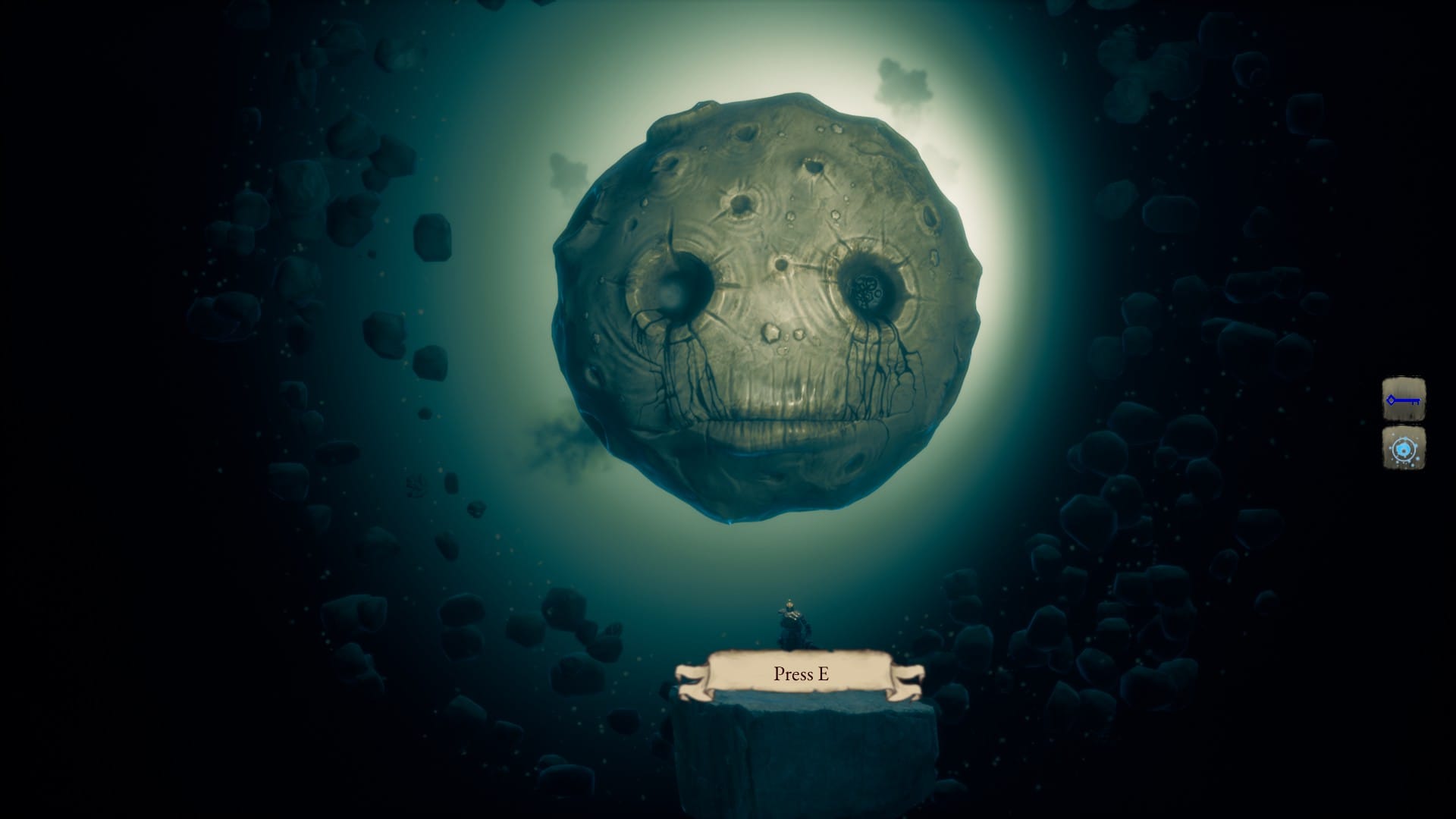
You wake up in a prison with no idea who you are and start exploring the cells. A giant machine asks whether you’ll let it “test” you—then it explodes, spraying blood everywhere. Another prisoner is eating his own arm for some reason; you make him stop. Too bad lightning hits him and sets him on fire. And what’s with that pig in the last cell? It talks to you, its head explodes, and inside the hole you find a scroll that lets you summon a weapon. That’s just the opening minutes of Romanian director Alexandru Stănescu’s surreal trip. I promise: Moroi has much more in store.
Go Slimey Go
A machine gun of 2D platforming ideas and concepts like I haven’t played in a while. Each level offers a small twist on an already satisfying foundation—thanks to clean jumps, readable structures, and clear rules (fundamental for the genre)—with only a handful of stages that make you wonder why they were built that way. The gorgeous art helps, too. And making you a little ball that doesn’t die on contact—one that sometimes needs to be kicked around to reach certain platforms—gives it a personality that stands out.
s.p.l.i.t.
If you go along with the premise—being a hacker who only types commands and reads a chat—you’ll find something as intense as its message about hyperconnection and the reign of corporations. One of those short experiences that end up tattooed on your brain.
No, I’m not a Human
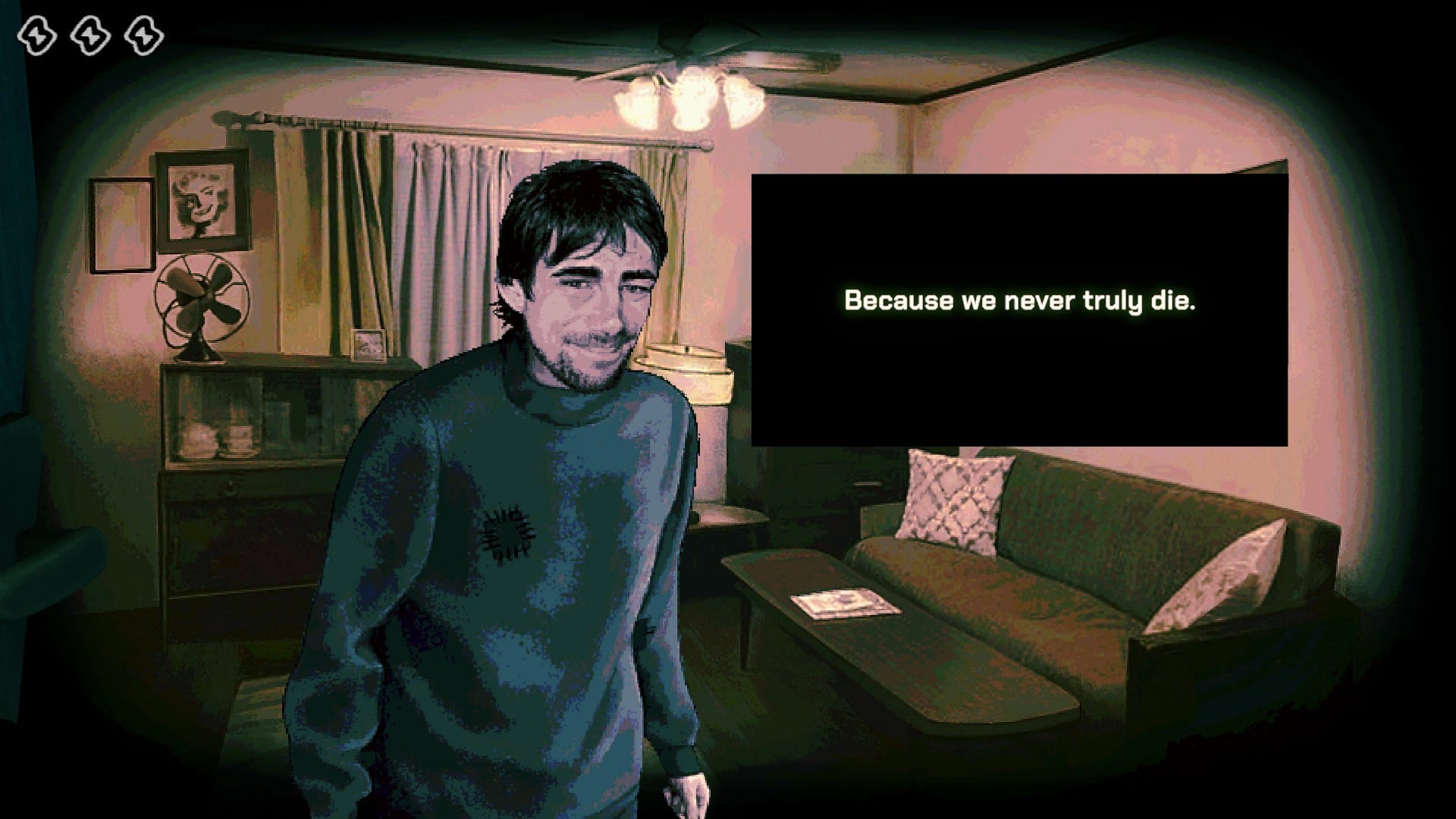
People say the ability to sense danger and react to it is instinctive. Discrimination—based on ethnicity, beliefs, social class—is learned. It’s passed down through family traditions, shaped by the diluted role of institutions, reinforced through entertainment, and embedded in countless explicit or implicit structures in our lives. No, I’m not a Human plays with that idea as you receive visitors in your home during a quarantine. Some of them look human, but they aren’t. The problem is that sometimes they’re more “person” than the actual humans you encounter. And at some point, you start questioning your own humanity.
Horses
Horses made noise even before launch because of a strange censorship story: it was removed from Steam and the Epic Games Store shortly before release, apparently due to scenes that could be read as implying child abuse (which were later changed during development). The current version of that scene—like many moments in the game—is pretty dumb and absurd. If you’ve watched a lot of extreme/“disturbing” cinema, you won’t find anything here that truly rattles you. Even so, Horses earns its place on this list for its original take on adulthood and its sense of being lost along the way, with a few genuinely contemplative moments.
Look Outside
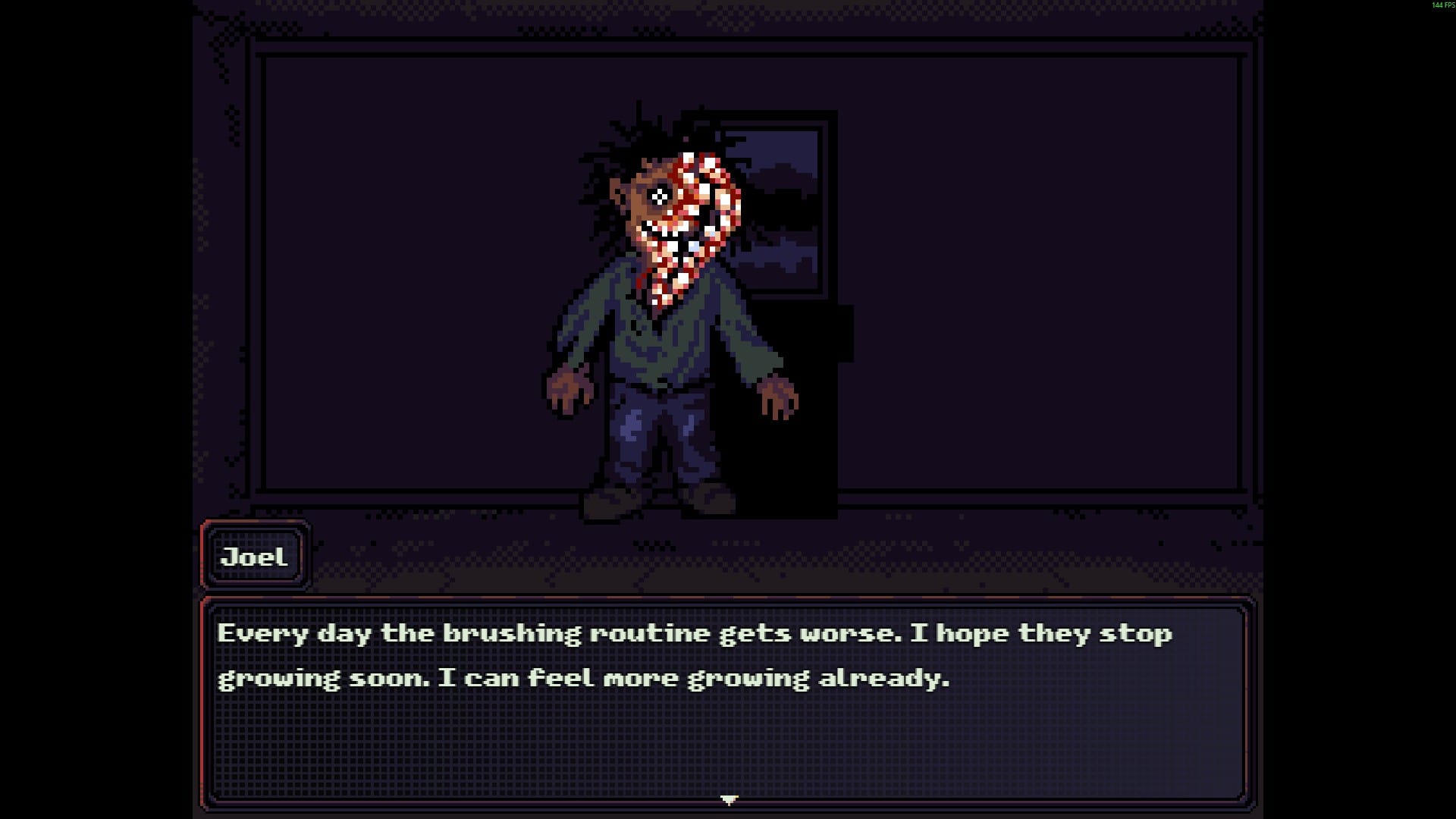
The second-best horror game of the year doesn’t have hyper-realistic graphics or ray tracing. It’s built in the ever-popular RPG Maker, and it features some of the most twisted monster designs I’ve seen. It starts strong in the first minutes and never stops escalating. But the real horror is the Lovecraftian premise: something appeared on Earth—something you can’t look at, because seeing it turns you into something indecipherable. Unfortunately, you live in an apartment building full of residents who’ve already done it, and learning their stories is the worst (best) part of the whole experience.
Baby Steps
The moment I realized I’d spent forty minutes trying to climb onto the roof of a train car to grab an item—something that, done right, would take five minutes at most—I understood I’d fallen into Baby Steps’ frustrating, masochistic charm. You play a thirty-something who feels lost in life, who wanders into a strange area as if by magic. Your job is simply to make him walk: one foot at a time. It’s in the Getting Over It family, so if you enjoyed Bennett Foddy’s Sisyphean exercise, you’ll feel right at home.
Bonus track: Randel’s Quest (Demo)
I never managed to get hooked on the Wordle phenomenon. I love writing and words, but the game only held me for a few days during its first boom. It took the guys at LCB Game Studio to put a twist on it that finally grabbed me. Randel’s Quest is Wordle as a roguelite, with effects and consequences tied to your guesses, plus gorgeous pixel art. While we wait for the full release, you can play the demo on itch.io.
Extra bonus track: Sawi, The VoidBuster (Demo)
The Argentine Super Meat Boy. The demo only offers a handful of levels, but it hints at what I hope will become a long catalog of devilish platforming. The potential is absolutely there—sharp design, relentless pace, and a push to execute tough jumps at record speed. I’m keeping an eye on it.
Extra extra bonus track (okay, this really is the last one)
Games that stayed on my radar thanks to colleagues’ strong recommendations, but that I didn’t get to play in time for this list: Deltarune Chapters 3 & 4 (Toby Fox), Many Nights a Whisper (Deconstructeam), Roger (TearyHand Studio), El 39 (Bohemian Productions), Labyrinth of the Demon King (Top Hat Studios), Consume Me (Hexecutable), Ninja Gaiden: Ragebound (The Game Kitchen), The Hundred Line -Last Defense Academy- (Too Kyo Games), Dunjungle (Bruno Bombardi), Type Help (William Rous), Keep Driving (YCJY Games), Unbeatable (D-CELL GAMES), and Luto (Broken Bird Games).