Five Albums to Enjoy Solo Ozzy Osbourne

6 de ago. de 2025 — Juan Ruocco 🧙♂️
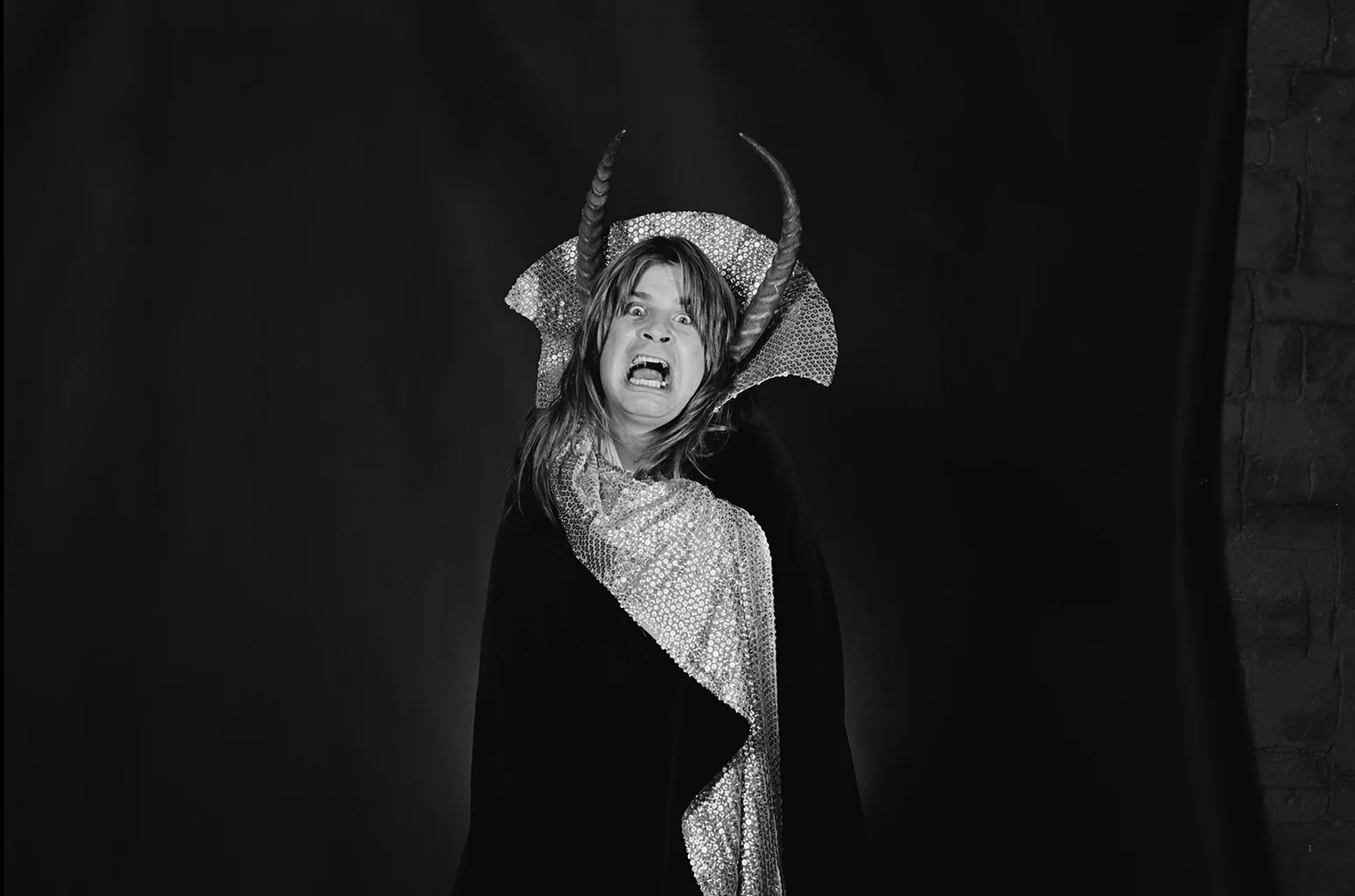
"We were doing too many drugs, smoking tons of joints. We'd go to the sessions but we had to leave because we were too wasted, we had to stop. Nobody was doing anything right, we were all over the place, everyone playing something different. We had to go back and rest, and try again the next day."
Tony Iommi on Never Say Die
Tony Iommi kicked Ozzy Osbourne out of Black Sabbath in 1979. The wizard-guitarist felt the whole thing had run its course. As a result of the excesses and all the perfectly understandable chaos created over 10 years in a band, with everything that entails, he asked Ozzy to pack his things and leave. And although it could have been the end of his career and his art, for the singer it became a turning point that launched his work into the stratosphere.
If there was one thing that defined Ozzy throughout his life, it was a kind of excess of vitality. An almost constitutional surplus of life force that drove him to double down even in moments of crisis. A conviction that, as he puts it in the lyrics of his song "Desire," from the album No More Tears, nothing and no one was ever going to stop him.
In that situation he met Sharon Rachel Levy, who served as his manager and would later become his wife, a key figure in Ozzy's artistic resurrection, lifelong companion, and mother of three children. In 1981, Ozzy launched his solo career with an album for the ages, giving us over the course of his life 13 studio albums, several more live records, and an endless stream of reissues, compilations, remasters, special editions, box sets, and all the trimmings.
This article has the modest task of putting together an introductory map for those who have never listened to Ozzy, or for those who never paid attention to his solo career. As always happens when a legend dies, a lot of people dive in for the first time to listen or give him special attention. The Hollywood Reporter points this out in this brief report showing the explosive growth in the artist's streams, after his passing.
This humble list is dedicated to all of them -- and to the die-hard fans who always had his back. As a criterion, I chose one album per decade (or something like that). These aren't the best or the most listened to. It's an introductory list to give a broad overview of the five decades in which Ozzy made music.
Blizzard of Ozz (1980)
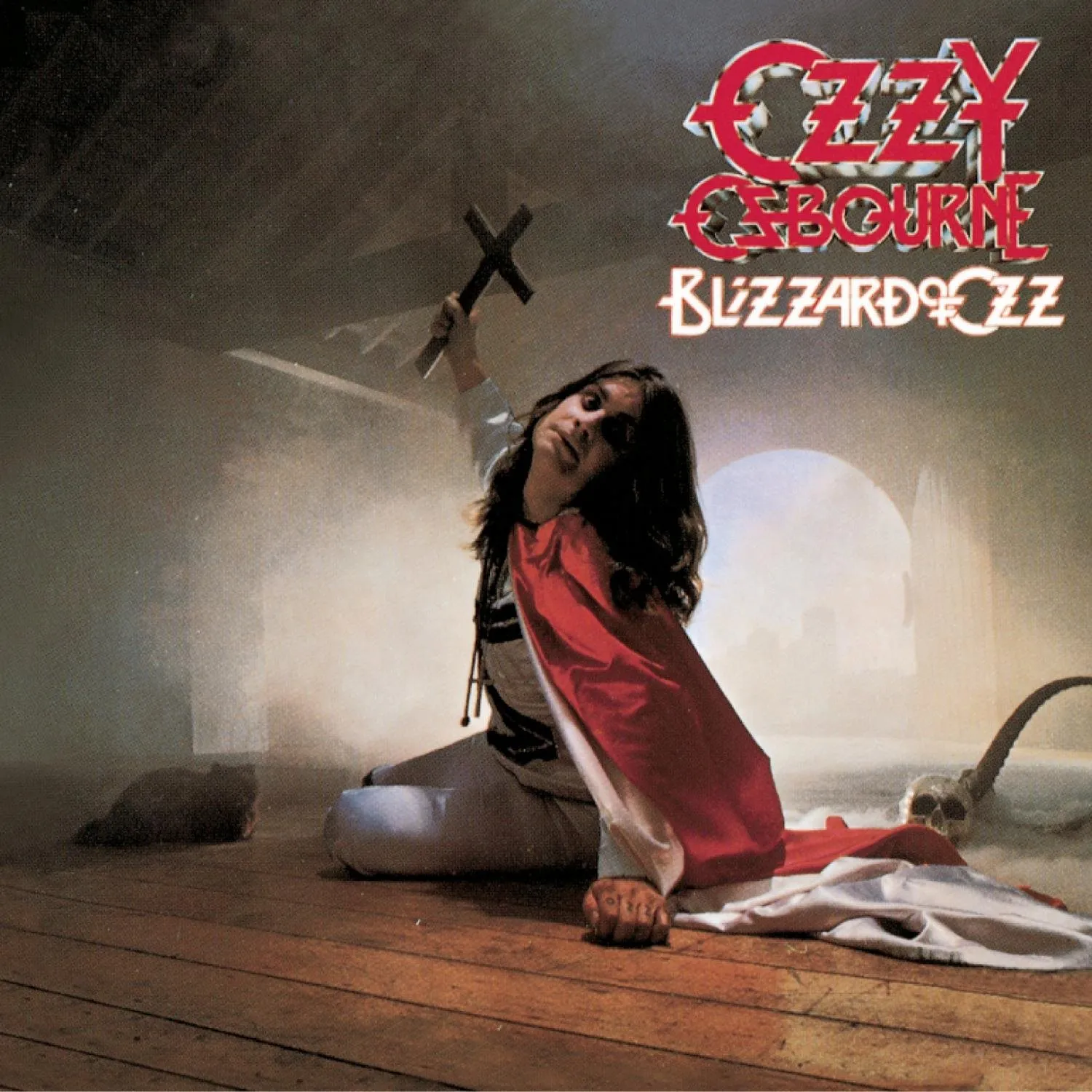
The album that launched him into the heavy metal pantheon. A record much closer to hard rock than to the darkness of the early Black Sabbath albums, in which Ozzy found his perfect match: guitar hero Randy Rhoads. Despite the young guitarist's premature death -- a player who was in the same league as Van Halen -- Ozzy understood that throughout his solo career he would need a musical counterpart to form a duo. That's how he hit upon the formula for success: him + one hell of a guitarist. Riding this template, he would release albums across five decades and make history in metal. From this record came classics that would accompany him his entire career, like "I Don't Know," "Crazy Train," "Goodbye to Romance," "Suicide Solution," and "Mr. Crowley."
No More Tears (1991)
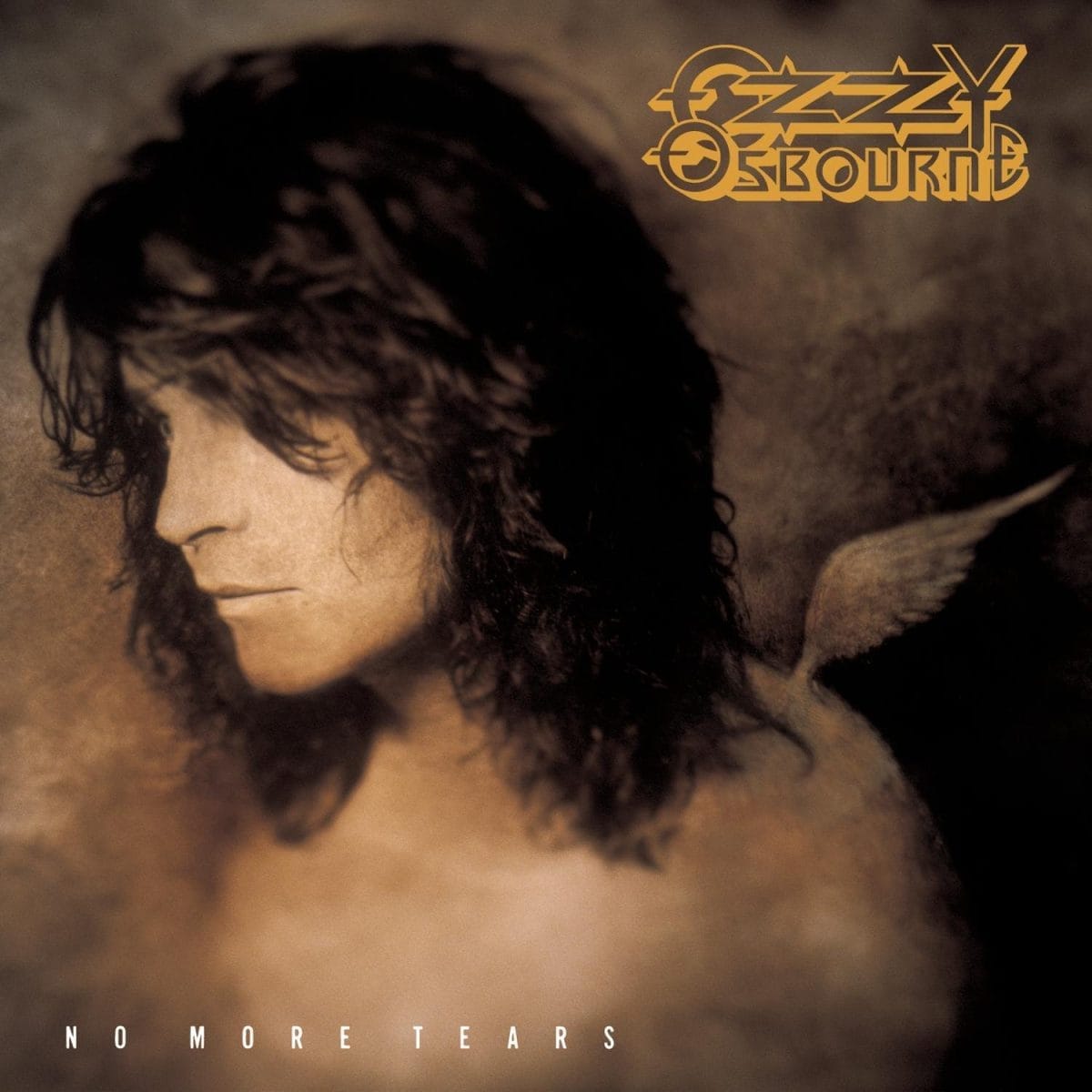
After Rhoads' death, Ozzy brought in Jake E. Lee as guitarist and released two more albums: Bark At The Moon and The Ultimate Sin. But with the arrival of No Rest for the Wicked, Ozzy would find a partner in crime and lifelong friend: Zakk Wylde. On top of that, one of the bands with the best live performances in Ozzy's career, immortalized on the live album Live & Loud. A transition in sound from the more Van Halen-esque feel of Rhoads' albums to the dense, heavy, and deliberately rough sound of Wylde. Oh, and yes, "Mama, I'm Coming Home" came from this one.
Live At Budokan (2002)
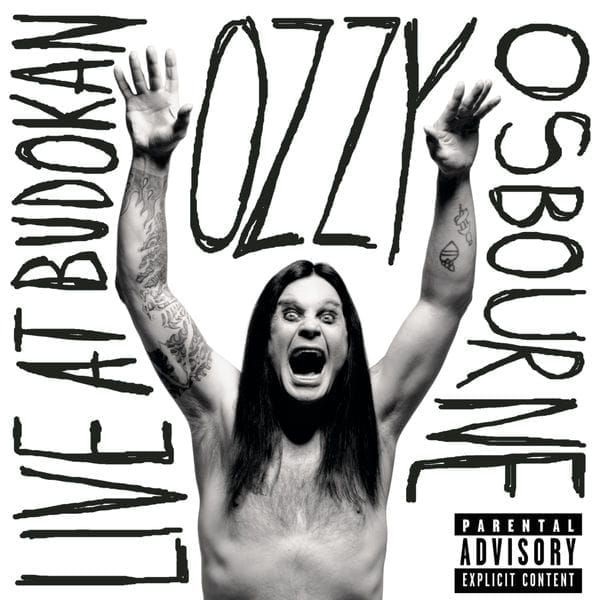
And since we just mentioned a live album, a list like this had to include one. It could easily have been the one mentioned above, but this one brings together perhaps the best Ozzy live band -- or the tightest, or my personal favorite -- namely: Ozzy Osbourne on vocals, Zakk Wylde on guitar, Robert Trujillo on bass, Mike Bordin on drums, and John Sinclair on keyboards. An absolutely killer band that, on top of everything, is captured on a record that consolidates Ozzy's repertoire, by then already spanning over two decades. For those who never had the chance to see Ozzy live, this album can make you feel the energy of one of his shows. Highly recommended.
Black Rain (2007)
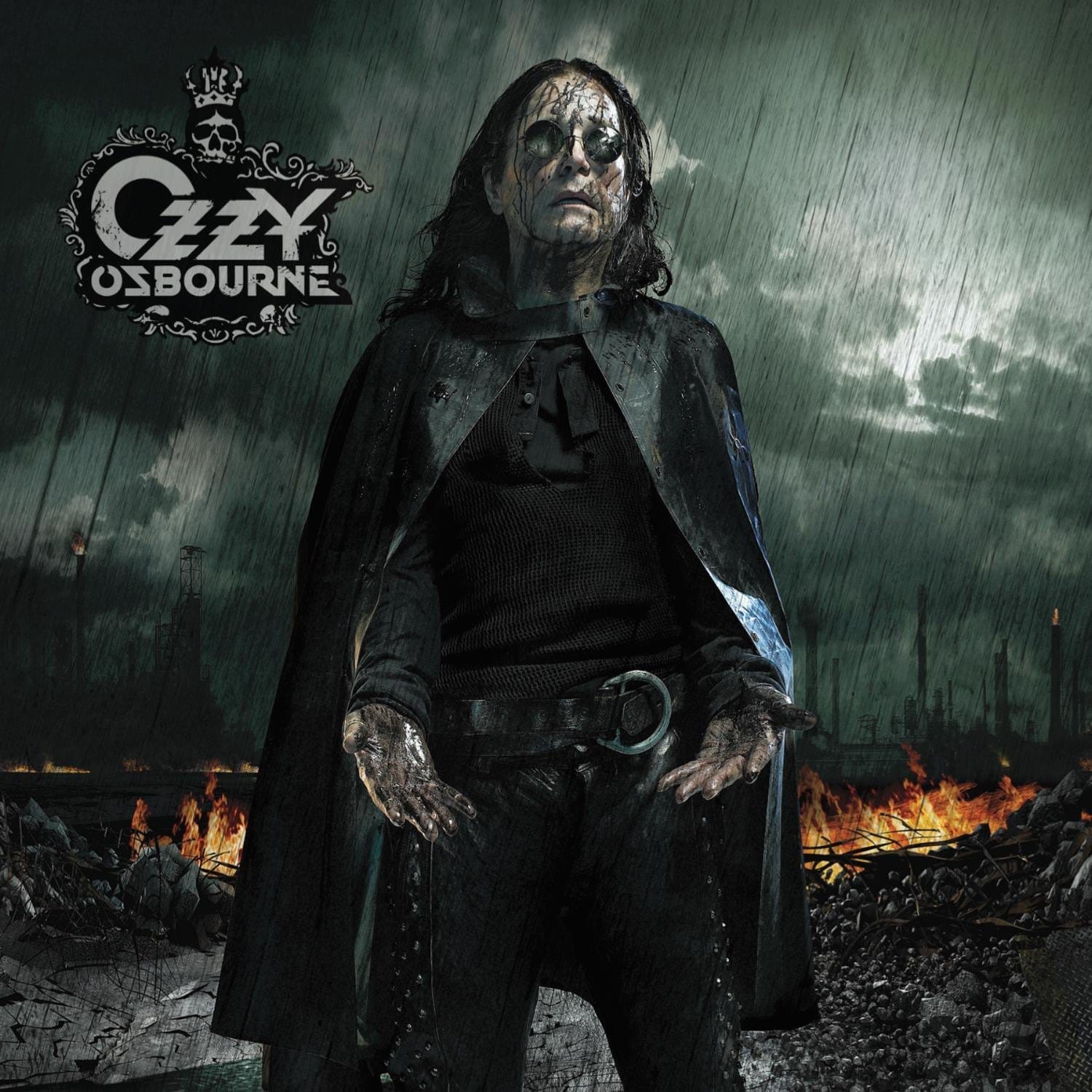
It's crystal clear that on a "best Ozzy solo albums" list, neither of the last two would make the Top 5 cut. Arguably, Ozzy's last truly great album was No More Tears, and the best ones are from the '80s: Blizzard Of Ozz, Diary of a Madman, Bark At the Moon. For some outlets, this is even Ozzy's worst album. And yet, it's still a hell of a record by any other musician's standards. In my opinion, Black Rain has it all: a Zakk Wylde overdose, a massive hit like "I Don't Wanna Stop," and several references to the Iraq War. An album that, I believe, in a somewhat esoteric way anticipated the capitalist crisis of 2008-2009. Plus, it was around the time Ozzy returned to Argentina after a long absence for Quilmes Rock 2008, which makes the memory all the more vivid.
Ordinary Man (2020)
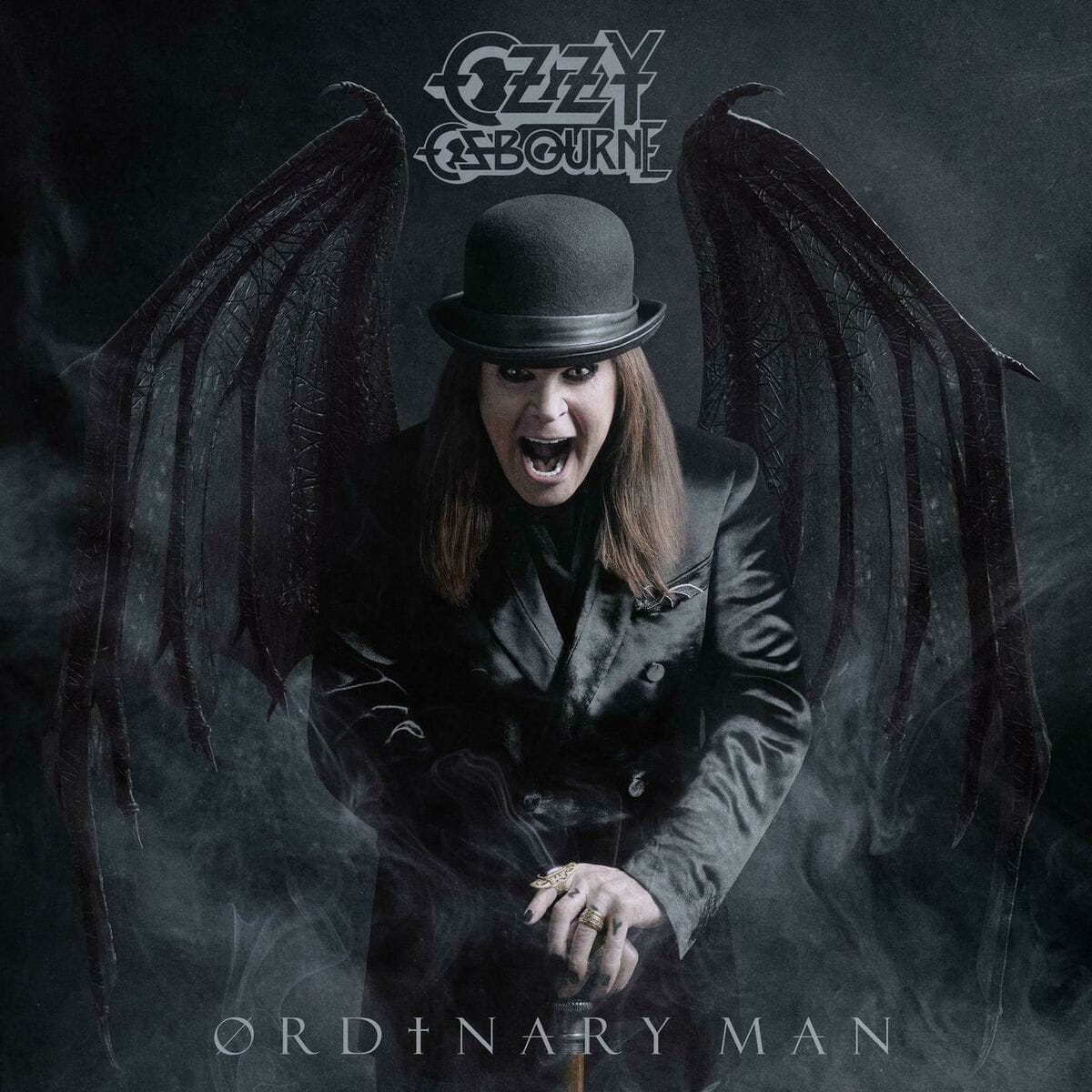
Already in the grip of his illness and in the final throes of life, Ozzy released an album that we all thought was his farewell. But the Prince of Darkness had one more bullet in the chamber: Patient Number 9, in 2022. However, Ordinary Man was Ozzy's return to the studio as a solo artist after a decade (Scream came out in 2010), and it delivered a handful of fairly straightforward songs with a farewell tone, but ones that showed there was still life in that battered body. In the midst of the pandemic, it featured collaborations with two trap artists and another with Elton John. For me, the best tracks on the album are "Today is the End" and "Scary Little Green Men."