Path of Exile 2, the Game Where Elon Musk Pays to Rank

21 de ene. de 2025 — Juanma La Volpe
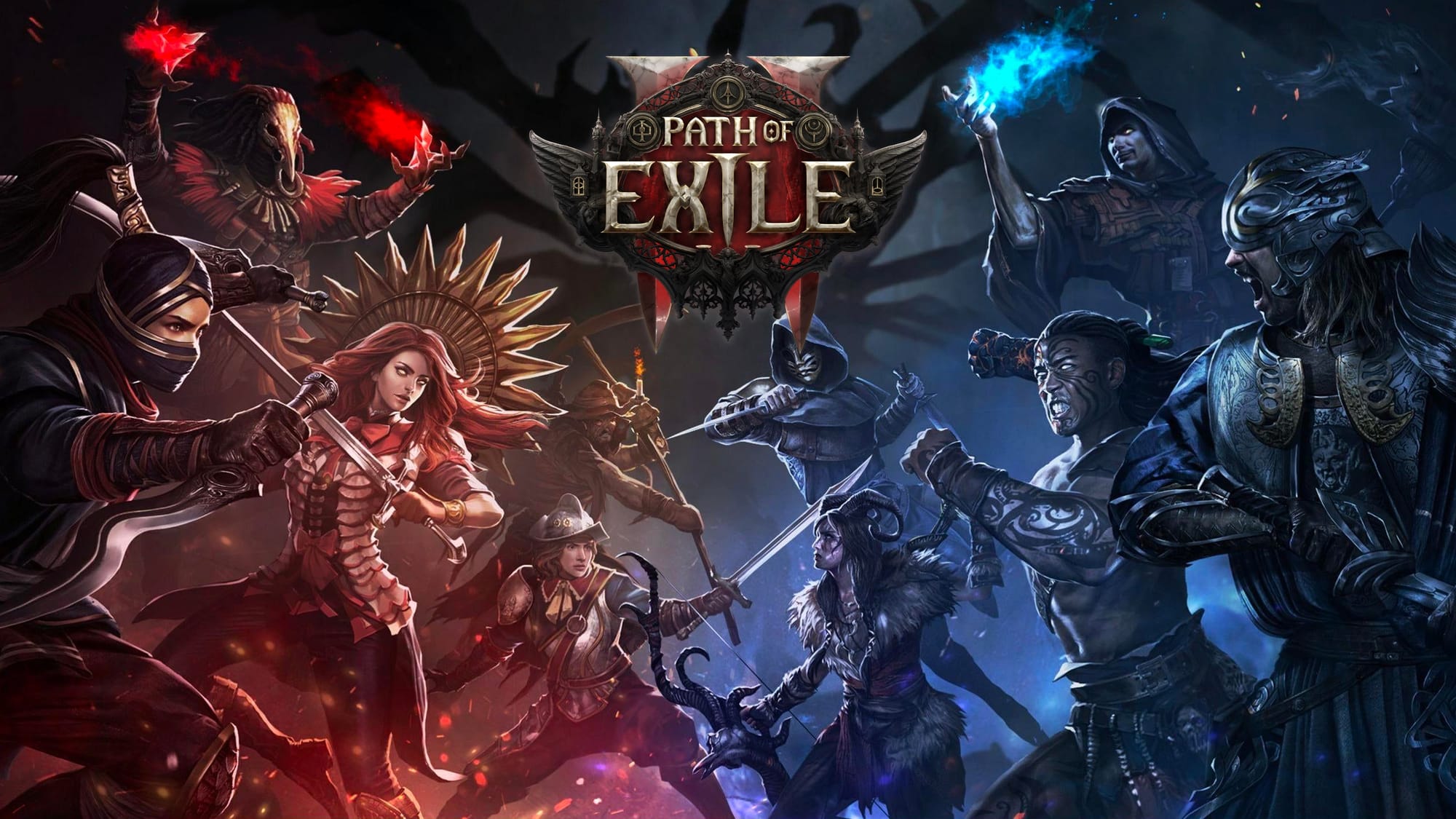
On December 6 of last year --yes, 2024-- the early access of Path of Exile 2 was released, a game created by Grinding Gear Games that falls within the online action RPG genre and is part of the so-called "Diablo clones." Expectations were and still are high in the gaming community because its first installment (Path of Exile, from 2013) was not only a huge success but for nearly 10 years served as the spiritual successor to Diablo 2.
The reception of Path of Exile 2 was very positive, but its peak in popularity came in mid-January, when Elon Musk showed off a somewhat questionable build, which led to a scandal among YouTubers, players, and Elon himself, who had a mental breakdown and used his power on X against those who mocked him. He then did a Nazi salute at Donald Trump's inauguration ceremony and sparked yet another scandal. Quite a week, Mr. Musk...
Killing monsters and looting, the perfect cycle
Path of Exile 2 is many things. On one hand, an amazing game; on the other, a "cookie clicker," also a pleasant addiction and a time sink. It's important to lay this out, because with all of these qualities it can be either a fantastic experience or a serious case of problematic consumption. It's a game designed for you to sink hours and hours into--you've been warned.
This second installment takes place 20 years after the first: Evil returns and we're there to beat it senseless. I've played 70 hours and I don't know what the story is about, nor does it really matter... what matters is KILLING and LOOTING, and getting stronger to kill more and loot more. That's the essence of the genre: it happened in Gauntlet in the '80s, it happened with Diablo in the '90s, and it will happen with "action RPG Diablo clones" forever.
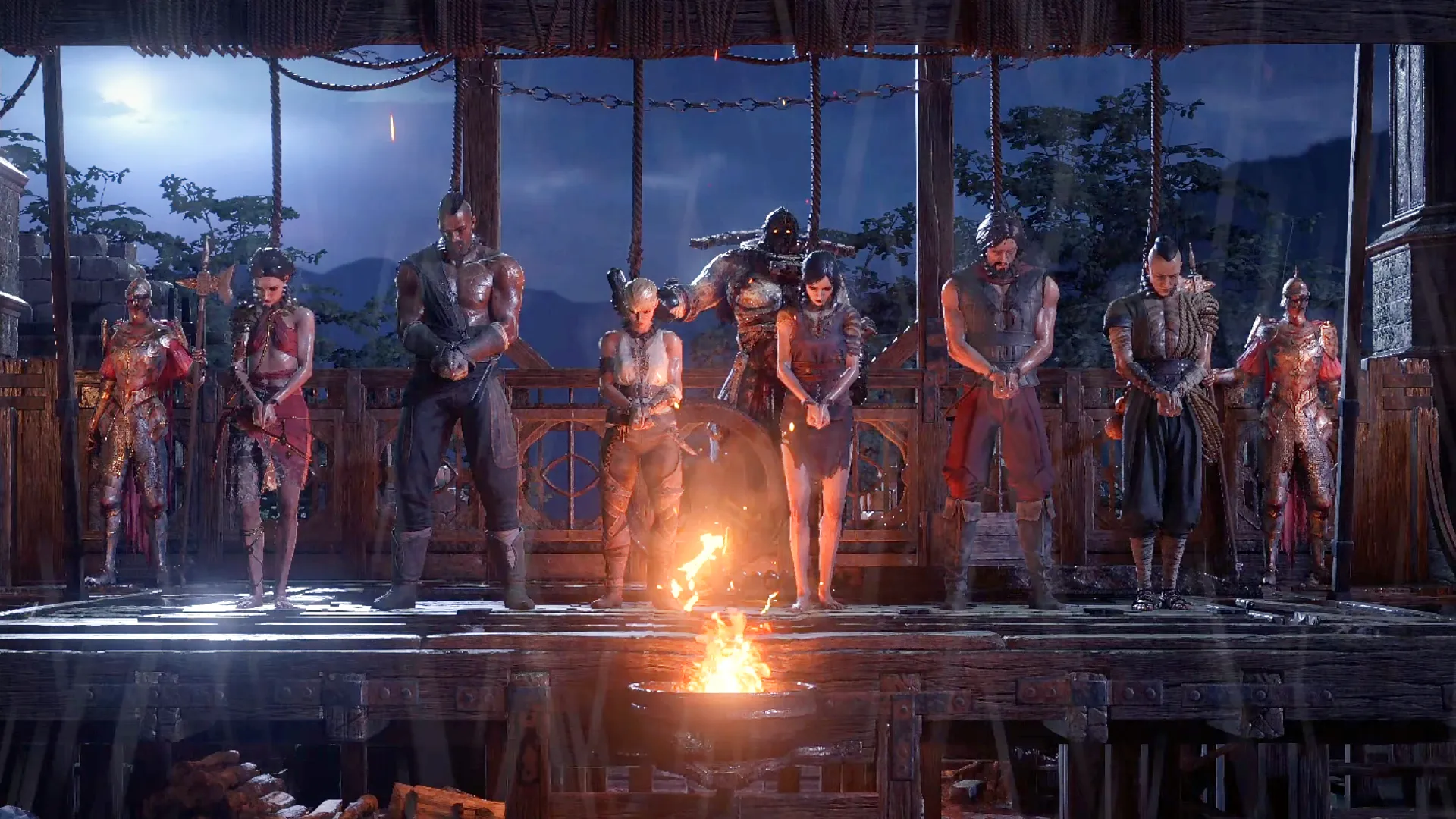
There's an impossibility of telling stories when, as players, we end up being worse monsters than the ones we kill, because at the end of the day all that matters is looting to become more powerful and continue the massacre; that's the game's cycle. So we create a character from six classes (Warrior, Monk, Sorceress, Witch, Ranger, and Mercenary), each with its own playstyle, the Warrior being the most classic and the Mercenary an interesting novelty that almost shifts the genre into a shooter.
The cycle of killing to loot better items, resources, and experience is very basic, but it works perfectly from both a gameplay and addictive standpoint. And within this cycle, we can find three types of sequences:
DUNGEONS AND HORDES Like an exterminator, we'll be doing pest control, facing hordes of monsters in locations we'll travel to as we progress through the main campaign. Enemies also come in rarities: there are common, magic (with up to two random ability modifiers), and rare (with up to four modifiers). In this part of the cycle, we'll need to prepare our character to be able to clear entire screens of enemies.
MINI BOSSES AND FINAL BOSSES If the first Path of Exile did something right and this one continues, it's the boss fights. The game becomes a bit more Souls-like in its combat against these monsters. Learning their weak points and attack patterns is crucial, and that makes the frustration worth it when you finally achieve victory.
TRIALS Trials are scenarios with minigames that grant us access to special loot and Ascendancy points, which unlock better passive skills for our base class.
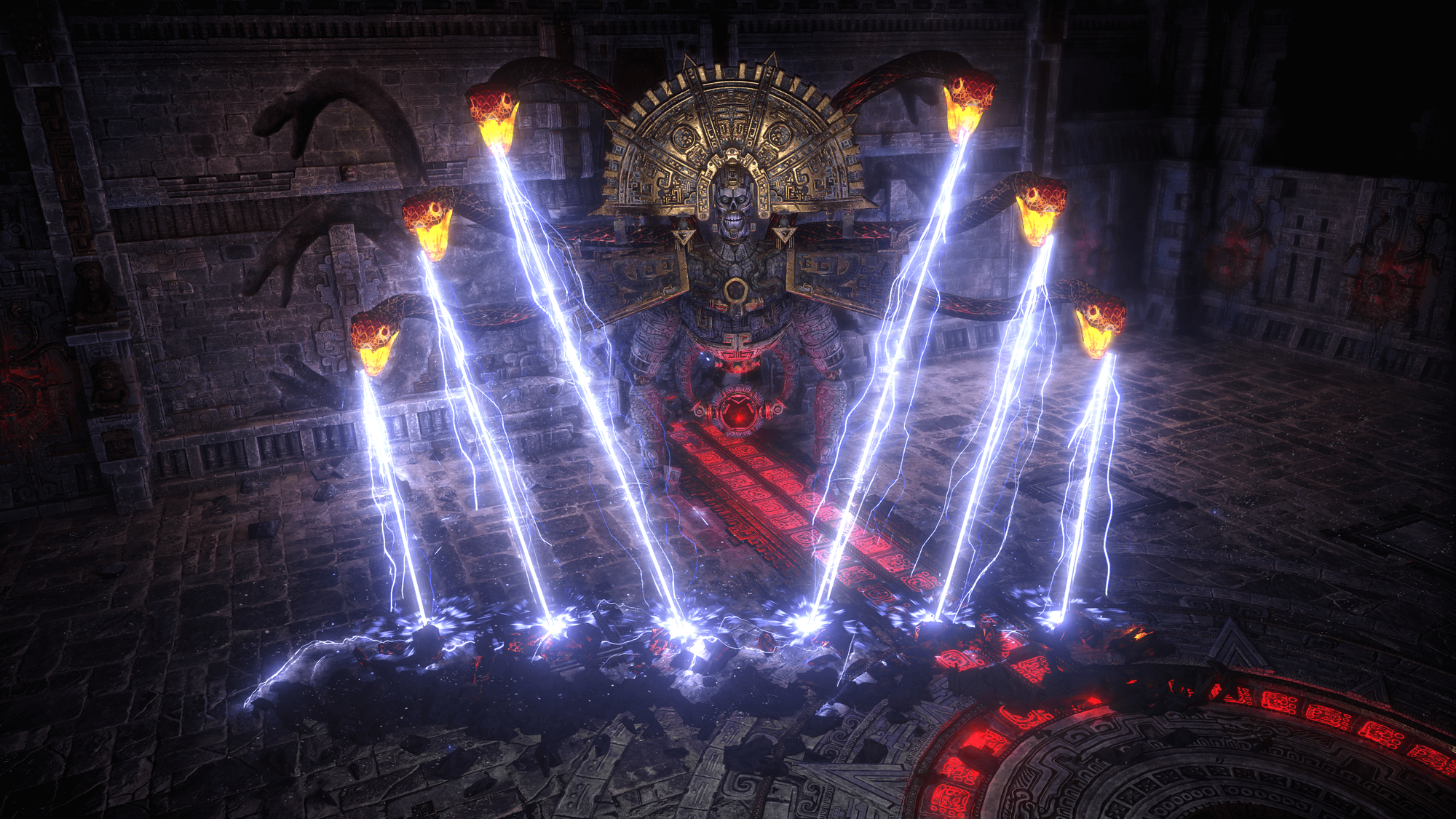
As for combat, which is what we do most in the game, while at times it feels like we're just clicking or pressing a button, there are monsters that challenge us to think more carefully. Combined with the Souls-like dodge roll mechanics and our skills, it makes things fun. Among all the ARPGs I've played (including Diablo 4), Path of Exile 2 has the best experience in this regard.
A skill tree that could give you a stroke
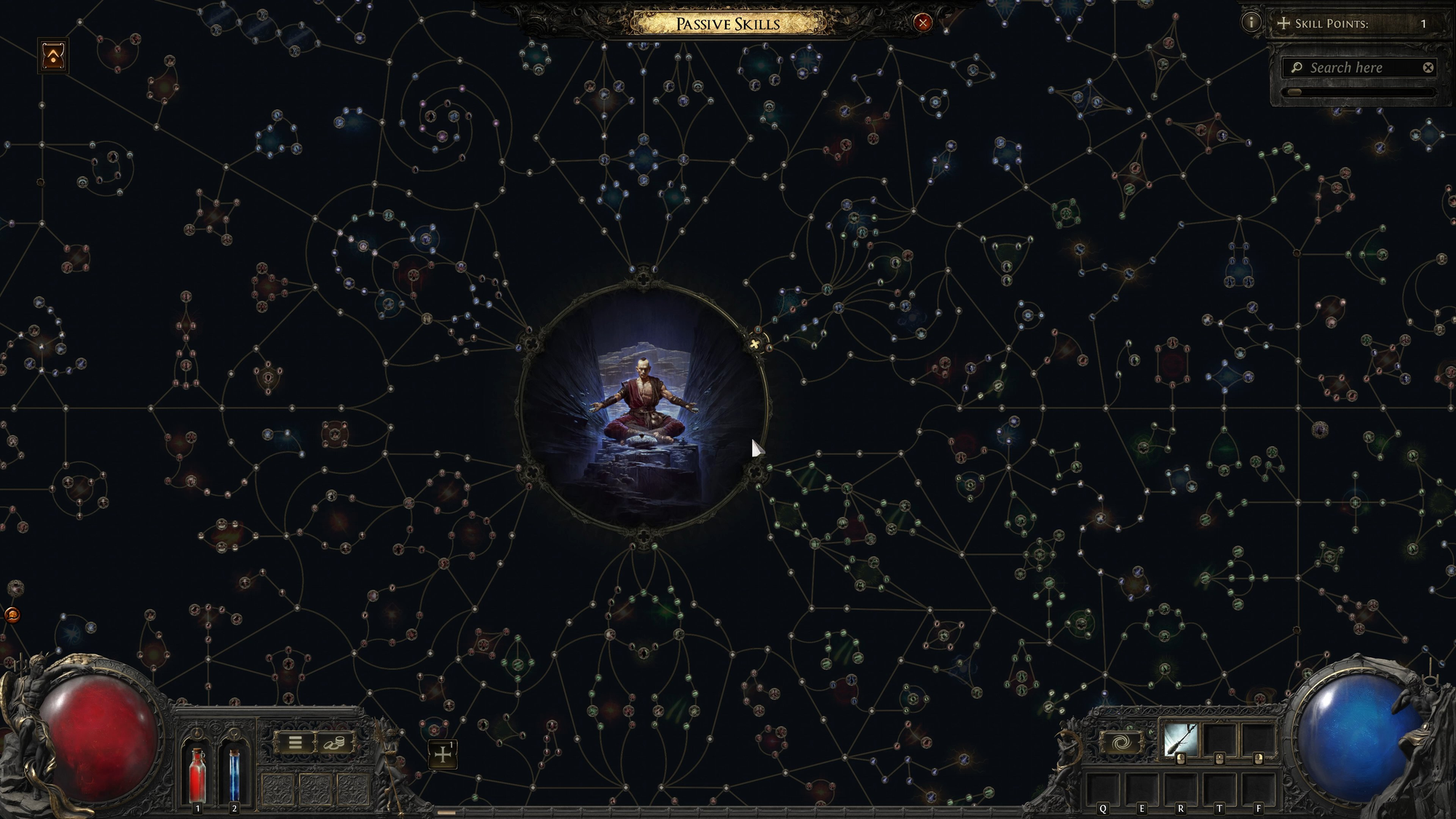
The game's skill tree has over 1,300 nodes. It's intimidating at the very least, but it's not actually that complex. When we create a character, we start at one of the extremes of this tree, which shares skills across all classes. This allows us to decide what kind of character we want to build and mix passive skills from any class as long as we keep connecting these nodes. At some point, it feels a lot like building a Magic: The Gathering deck or any TCG, where passive skills create synergy with our combat techniques and items.
Active combat abilities have a different type of tree that is simpler but equally challenging, because we have skill gems that let us add attacks to our character with slots for combining them with support gems. You'll need to read --and thankfully the game explains things very well-- or look up a guide, because this is where the game demands that you make good decisions.
Currency and crafting, always broke
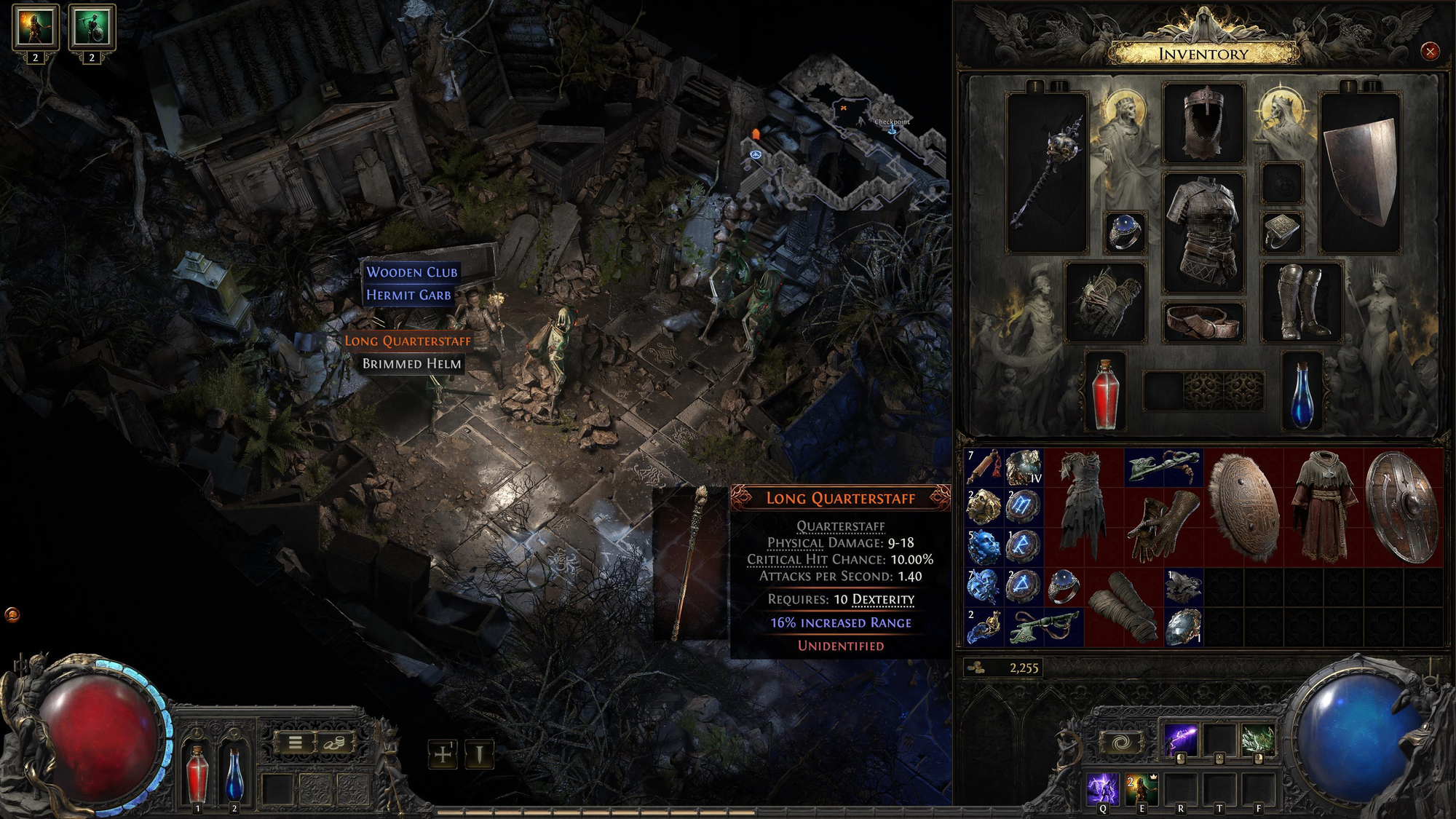
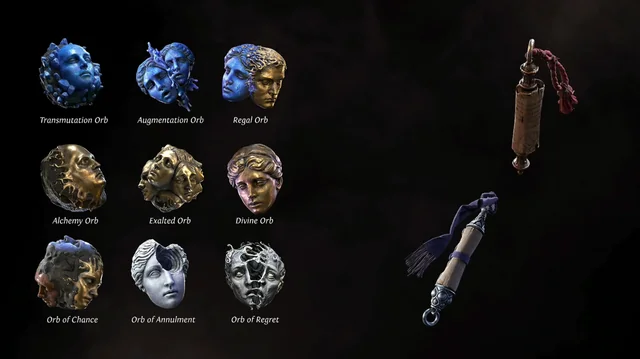
Perhaps the most challenging aspect, even more than the skill tree, is understanding how to use currency properly and craft better items. We have a system of shards that we find along the way, and once we reach certain amounts they turn into different types of orbs, which allow us to modify item abilities. The catch is that, except for a few very specific ones, everything is random. We might find an incredible mace, but use an orb to improve it only for it to roll an ability that's useless to us, and we can't go back. Or at least not yet, because remember the game is in early access and changes are still being made.
In the first part of the campaign (acts 1, 2, and 3), orbs are scarce and finding shards feels like an uphill battle; however, we do find the game's other currency, which is gold --super straightforward-- that lets us buy items from vendors. So be careful with your orbs early on, rotate your items as you find better ones, and farm like crazy.
Replayability: campaign and endgame
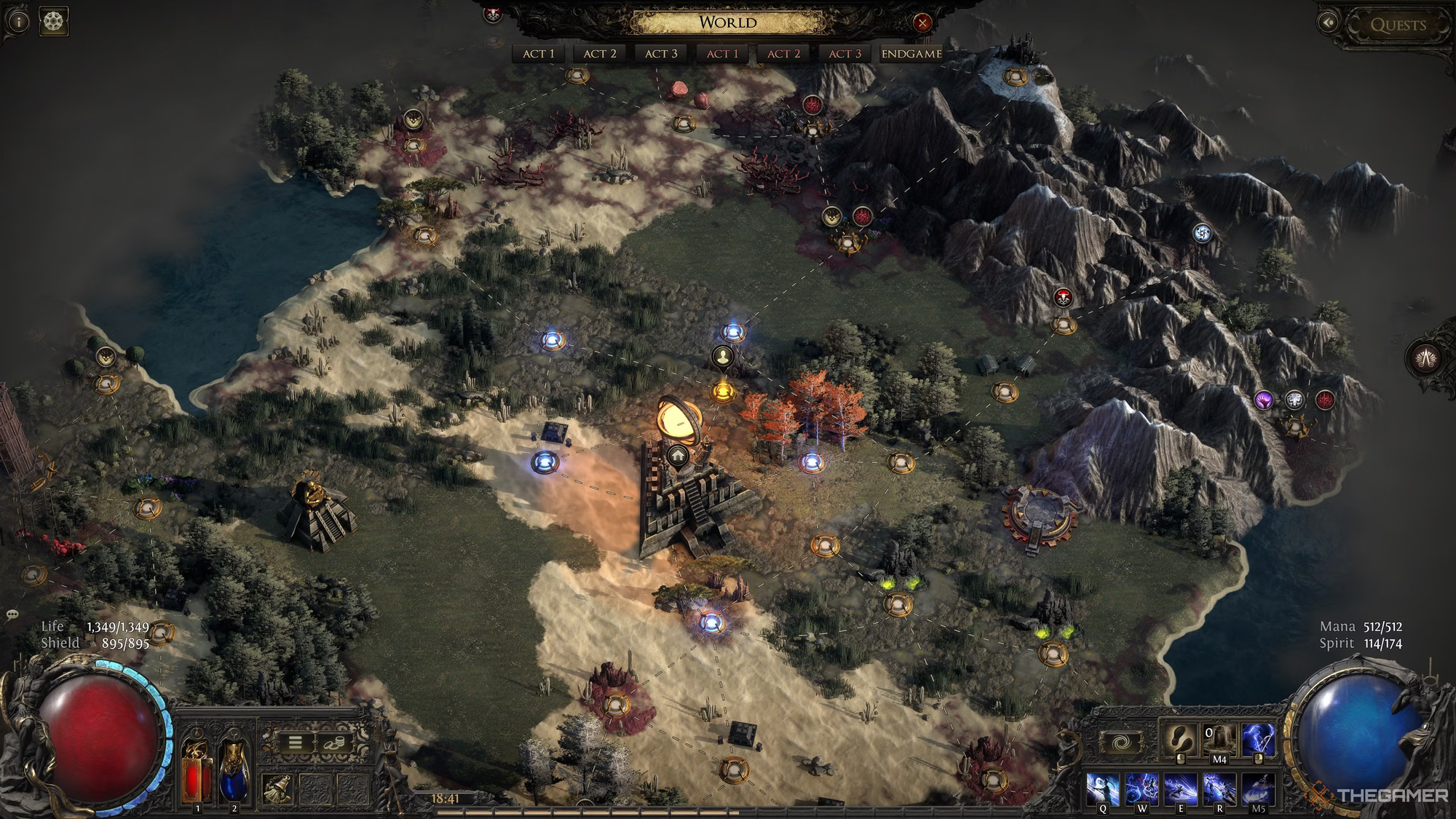
The campaign mode has two parts. Once you finish acts 1, 2, and 3, which we could call the main campaign, you enter Cruel mode, where you replay those first three acts at a higher difficulty.
But the real party starts when you get past that second part and access the Endgame Atlas map, a game mode with massive replayability where we currently find over 100 dungeons that can be modified (for example, by increasing their difficulty to access better loot), and which also introduce new bosses. This is Path of Exile 2's definitive mode. And if they do the great work they pulled off in the first game, we'll have years and years of new content.
Elon Musk vs Asmongold, total burnout
Now, about the mini scandal: Elon Musk cares a great deal about presenting himself as a true hardcore gamer. He ranks hard in Diablo 4, uses pseudonyms to participate in Fortnite streams, and who could forget when he showed off his Elden Ring build.
When Path of Exile 2 came out, he was one of the famous early adopters and, given his experience with this type of game, quickly managed to build a tier S character. His character Percy_Verence was ranked 50th on the Hardcore leaderboard (the permadeath mode), but when he showed it off on a livestream, it became clear he didn't know as much about the game as he should have at that level.
YouTuber Quin69TV made a video highlighting everything he noticed about Musk's lack of knowledge for being at such an advanced level of the game, comparing him with others who were similarly ranked. He literally didn't know how to click the map to enter events or what his item stats meant.
Since this generated some buzz on social media, several Elon fans felt deceived. And then YouTuber Asmongold made a reaction video and Musk lost it. He couldn't handle being called a "fake gamer" and showed his most childish side. First, by making super ridiculous posts on X, saying that Asmongold doesn't know how to play video games. But then he spiraled into total madness when he shared private chats with the YouTuber, accusing him of having "bosses" who control his content, confusing video editors with Asmongold's actual bosses. He also removed his X verification checkmark for a few days.
After the controversy, Asmongold released one final video on the matter, trying to close it out but leaving Musk looking very bad, who ended up admitting to YouTuber NikoWrex that he paid to have his account boosted, since according to him "it's the only way to compete in the rankings against Asian players." For a moment, this silly affair became a trigger for bad and childish decisions that drew the attention of many, not only because of how ridiculous it was but also because that same week SpaceX's Starship rocket had an accident and it seemed like the game drama mattered more to him. For now the saga is over, but who knows.
As for Path of Exile 2, the game is still in early access with paid access for the time being, but when it officially launches it will be free-to-play like the first one. It's truly worth recommending and an infinite rabbit hole to dive into carefully.
The game that wasn't (update 7/26/25)
Seven months have passed since this article was published, and the truth is that the hype and love for the game have faded. What happened? Things were going pretty well... Well, the first battle Path of Exile 2 lost was against Path of Exile 1. Many players from the first game didn't make the switch, and facing this situation, Grinding Gear Games (which had hoped to gradually transition its players) realized it wasn't going to be that easy and now they have two online RPGs to maintain. Which is an enormous problem for their team.
On the other hand, Path of Exile 2 is still in early access and, while significant updates were made (a new character and several system additions), this wasn't enough to sustain the hype. The main problem is that the game lacks content. The Endgame that we loved so much in January became monotonous, compounded by the economy, which broke down very quickly. Today Path of Exile is back in its niche, while other games like Diablo IV and the indie Last Epoch are eating its lunch.
There's always hope. The game still has to have its official release with new content, finish its campaign mode, and introduce new characters. However, today Path of Exile 1 has 12 years of service, a very loyal player base, and is the one paying the bills at Grinding Gear Games. Was making a sequel a good idea? The decisions the company makes during the rest of the year will be crucial.