Collection 421: the Ninja Turtles from Playmates

14 de dic. de 2025 — Juanma La Volpe
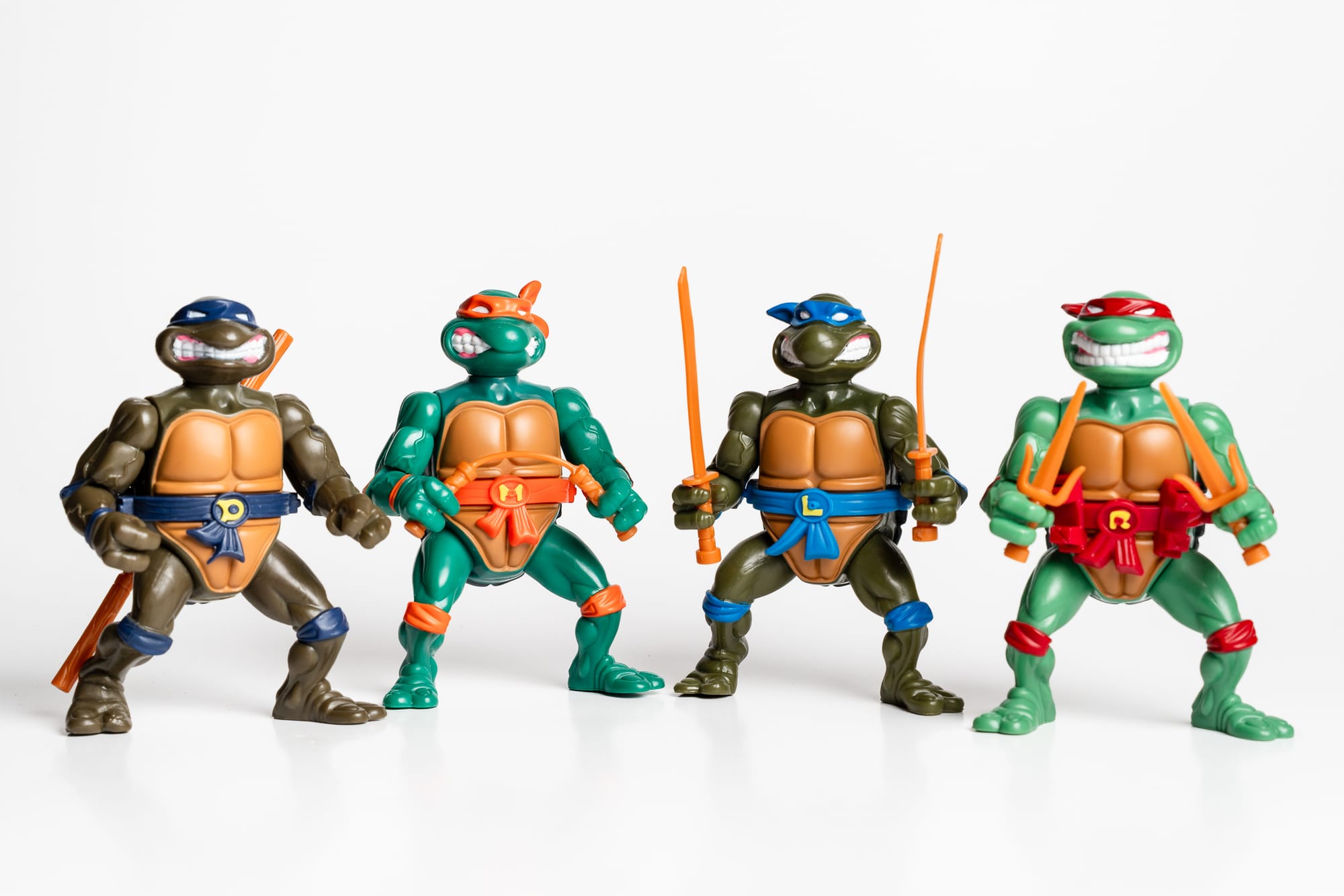
Welcome to a new installment of Collection 421. I'm Juanma La Volpe, and once again we're diving into the world of collectibles, obsessions, and objects of power. This time, we're heading down into the sewers to talk about one of Argentina's biggest nerd passions: the Teenage Mutant Ninja Turtles and their action figures –especially the ones made by Playmates.
As I mentioned this week in the piece about how I became a Ninja Turtle, the passion for TMNT has been going strong for over 40 years. And Argentina dove headfirst into Turtlemania during their glory years: the '90s. The impact was so big that TMNT became one of the go-to franchises to collect, right up there with Masters of the Universe (He-Man) and G.I. Joe –which also gives us a perfect excuse to talk about consumer trends in collecting, and why decades matter when you're trying to read the market.
TMNT's commercial and TV success started with a toy licensing deal with Playmates. But to sell the concept at scale, the American toy company asked the creators –Kevin Eastman and Peter Laird– for an animated TV series. That was the playbook back then: every action-figure line that truly hit needed the heavy support of a TV show, comics, and –next step– video games.
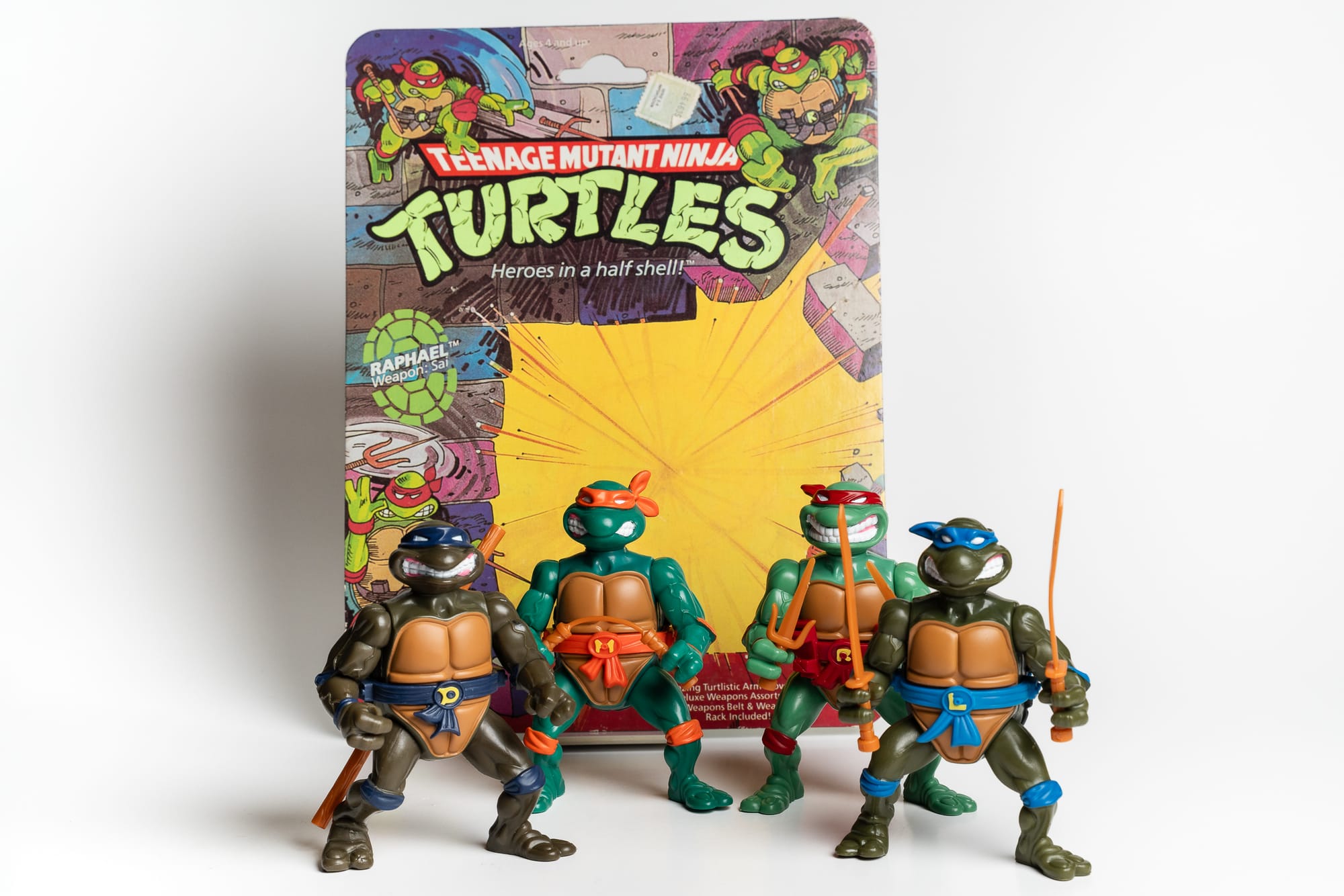
After the cartoon premiered, the first action figures were released in the U.S. in 1988. They reached Argentina in late 1989 / early 1990, distributed by J. Sulc S.A., which around the same time also picked up licenses like RoboCop, Rambo, and Strawberry Shortcake.
What arrived here were the first three "series" of figures –out of the 20+ Playmates would release over a decade. Series 1 is the most remembered because it included the four Turtles plus Splinter, April O'Neil, Shredder, Bebop, Rocksteady, and a Foot Clan ninja. And it wasn't just the figures: some vehicles made it here too, like the famous yellow-and-green van, and a villains' car that looked like a purple Cadillac.
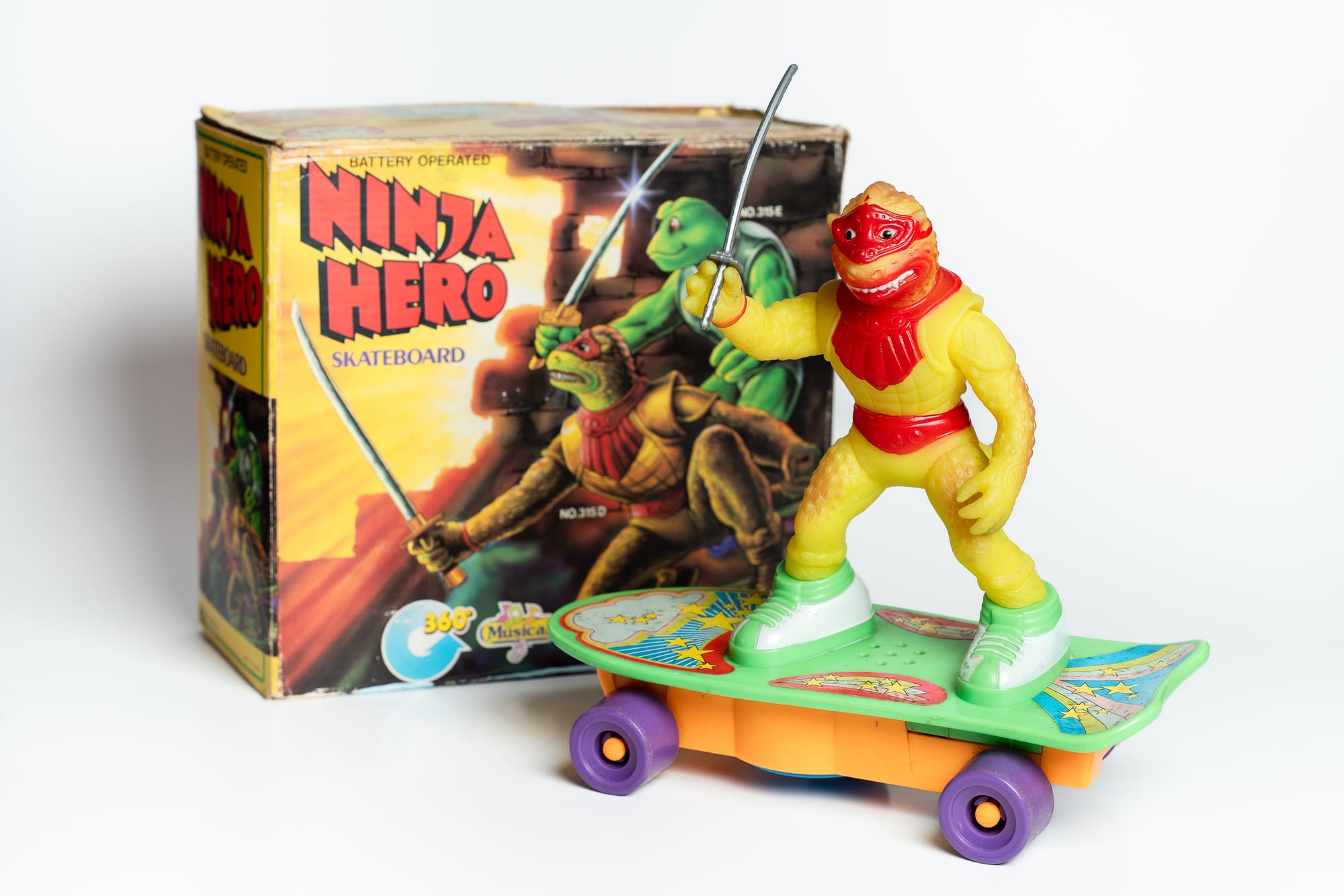
By the mid-'90s, you could still find some newer-series Turtles, usually via direct import. But what really poured in –and also circulated out– were bootleg Turtles in every color and size imaginable. That's why Argentine TV ads put so much emphasis on the "original sticker", which also let you enter a raffle. There are mold copies, local inventions, Chinese weirdos, deformed creatures that almost look right, and today a whole wave of art toys and modern bootlegs that pay tribute to them. Getting into that rabbit hole is extremely fun –and in my case, it's my favorite side of the hobby.
The original Playmates line ran from 1988 to 1997 and includes 400+ figures. Inside that madness you'll find a few U.S. "holy grails" that now go for thousands of dollars. But this is where I like to add a bit of real-world collector insight: collecting isn't only about accumulating and cherishing –it's also buying, selling, and trading.
Collectibles move in trends –both at the mass-popular level and deep inside niches. In toys and nerd merch, those trends are usually shaped by whatever hit us as kids and teens: we come back either because it became a happy place, or because we couldn't have it back then and now, as adults, we can afford it. With that in mind, it's worth remembering that –generally, though not always– each generation collects what it knows and what still means something to them. Nostalgia is the obvious example.
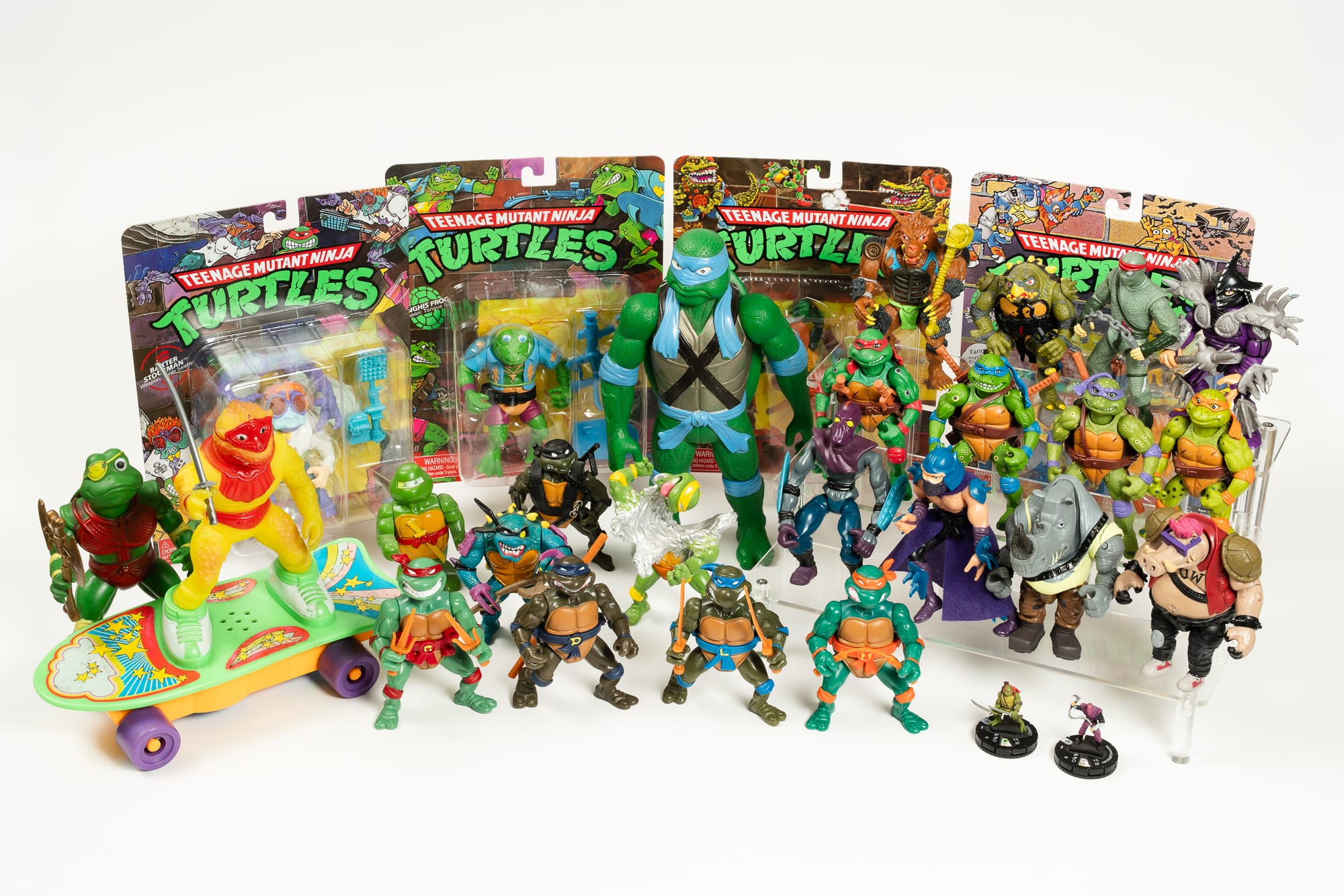
Starting around 2010, collecting TMNT in Argentina got harder, because the generation that grew up in the '90s started claiming what was theirs. There were plenty of TMNT figures in the country thanks to Turtlemania, but it wasn't easy to find complete sets in good condition. Then collectors began "discovering" the warehouses behind toy stores and importers –old stock started resurfacing, and suddenly sealed figures appeared, along with vehicles and other products that entered the market.
Today, 15 years later, the retro Turtle fever has cooled off a bit. Between the economic squeeze and the flood of reissues –Super7, for example– figures that used to be rare and expensive are now fairly accessible, and you'll see them at fairs and specialty stores all the time.
TMNT are still very much alive, of course –but there's also a generation coming up that doesn't connect with the originals and instead bonds with the versions they grew up with: newer movies, series, comics, and games. The same thing has been happening with He-Man: a few years ago it was the hot nostalgia line among collectors who lived it as kids, and now you can find great prices. Understanding these cycle shifts matters when you're selling –especially if you don't want to make "investments" that turn into dead stock.
Now, if it's for you –because you genuinely love it– this logic can help you read prices and trends, but personal taste still matters more. Some franchises will keep producing forever, but that doesn't mean they'll keep being for you, or that new generations will necessarily join the old.
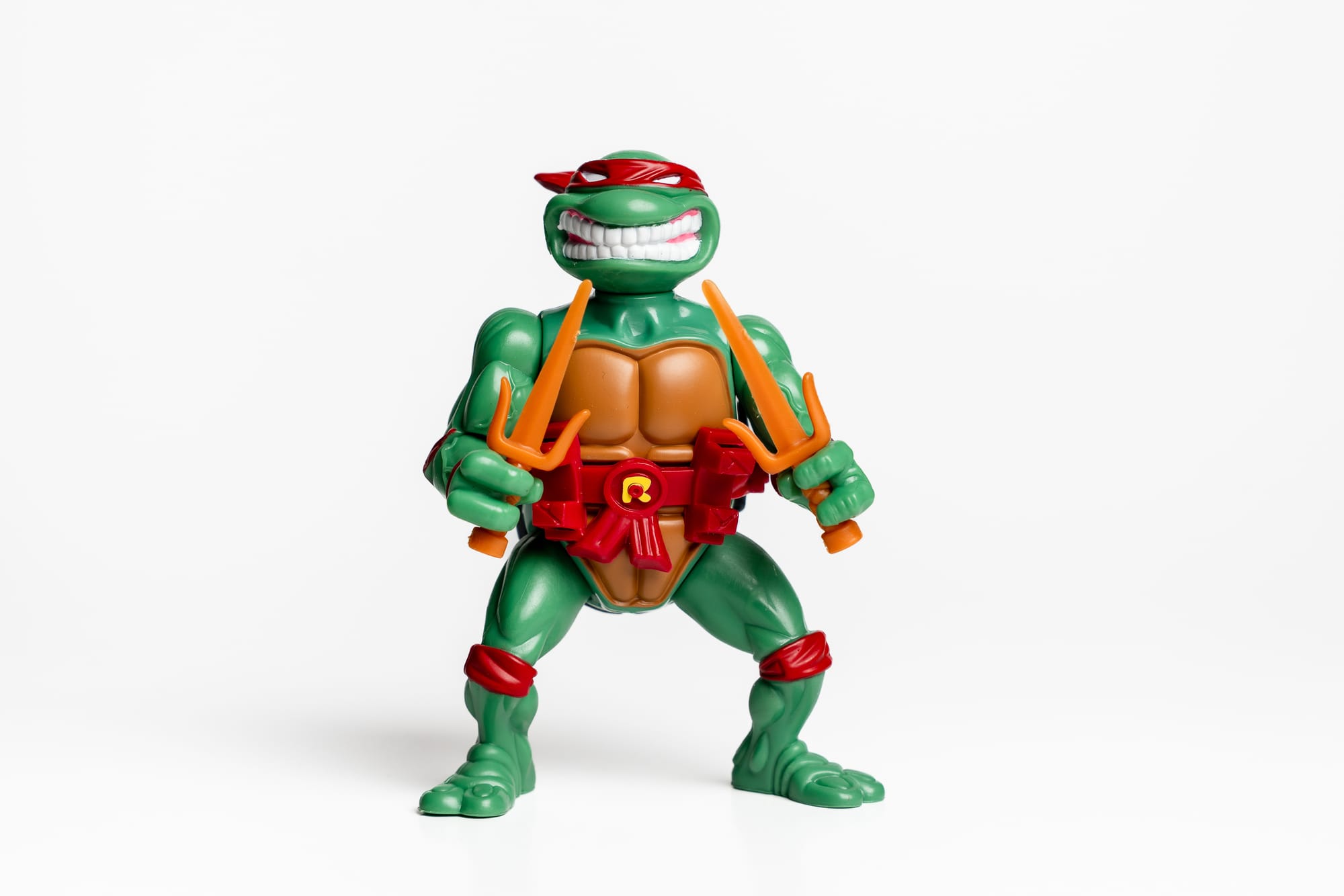
Now you know the story of Playmates' Ninja Turtles and their distribution in Argentina through J. Sulc S.A. Hopefully, the next time you spot one on a table at a fair, you'll remember this piece –and take home that Raphael you always wanted.