Psychos vs. Schizos: A Silent War
A symbolic map of two ways of being –one that overflows, one that saturates– inside systems of meaning, to read their decay and today's double-standard crisis.

29 de dic. de 2025 — Naoto Naka
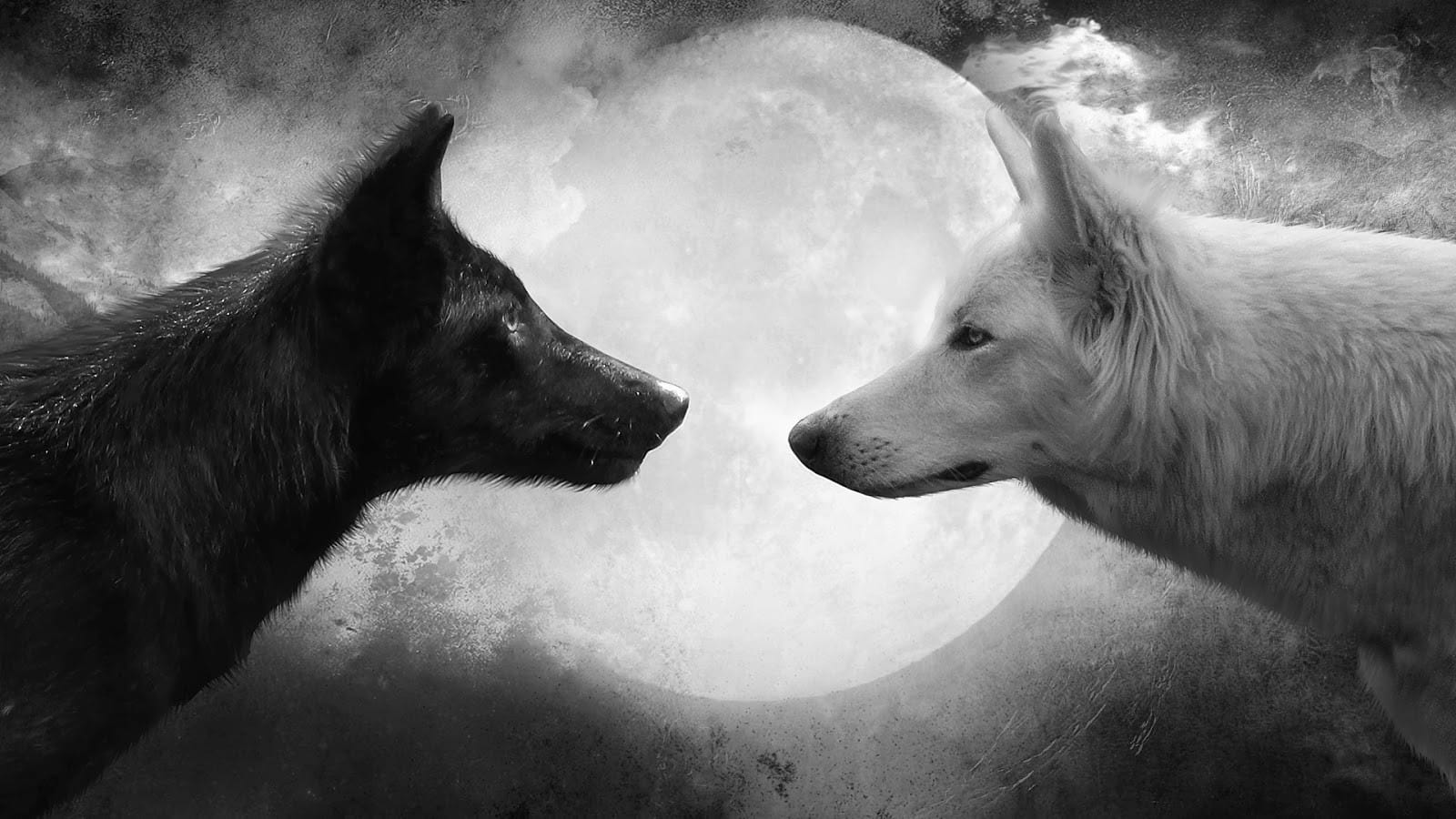
A few years ago I ran into one of those completely unhinged posts on 4chan claiming there's a silent war between schizophrenics and psychopaths. I don't think this is metaphysics –but it is a strong metaphor.
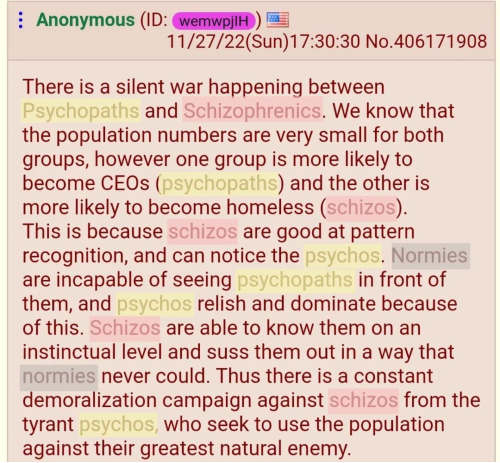
Every now and then I stumble on more memes that reference the idea and expand the lore. They name historical figures and point to dynamics that deepen the "war". I'm going to use it as a reading lens –a compressed narrative tool.
It seemed obvious to me the post's author would have to be "schizo". And I hope it's clear this psycho–schizo spectrum is an intuitive correspondence between two vectors at the edges of human experience –not clinical terminology. We're not even talking about people as such, but about two natures that contend within the human, and sometimes one dominates the other.
I'm going to lean on everyday experience to explain what we mean, colloquially, by "schizo" and "psycho".
Keeping the terms loose and colloquial, we tend to picture the "schizo" as someone freed from desire's apparatus of capture –and the "psycho" as someone low on empathy who captures and manipulates the symbolic infrastructure produced by others.
I'm not inventing anything new. I'm stitching together scattered traditions to build a heuristic frame: Deleuze & Guattari's intensified perception of flows; Land's idea of capture (minus his anti-humanism –unless…); Bifo Berardi on the system's dehumanizing drift; and basically every archetypal pair of opposites you can think of.
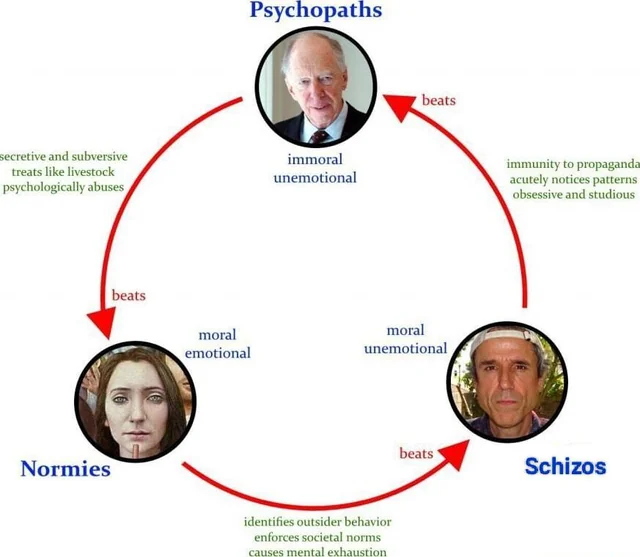
I've always liked collecting archetypal divisions because, besides being fun, they help reconcile a disconnected world. These narrative interfaces let you understand everything in the most understandable language we have: little stories. Here we go.
Shamans
Far away and a long time ago, back when we lived inside the cracks of not knowing what the hell was going on, the "schizos" stayed up at night keeping watch over the fire. They watched the stars. They heard the gods: shamans whose legends made the world's patterns visible –seasons, migrations, omens. People feared sleep because predators hunt while we're out cold, and the shaman's stories calmed their hearts and guided them, slowly, into closing their eyes.
That's how they became chosen and guides. They read the sky and turned the sunset into story. They believed they were tuning into something larger, but it's probably what Deleuze describes as: "an intensified perception of flows". They felt some pattern, some omen, in the gut –and lacking words, they built a tale to justify the premonition. They were the tracker gauchos Sarmiento mentions in Facundo, the farmers who today know their land better than an agronomist. The ones who "cure indigestion" with a rope.
In that leadership role they kept the tribe safe and steered the group toward fertile ground: the sea feels off, no fishing today. Part of that natural role is being able to spot the inhuman hiding among men. As Nick Land would put it: "The schizo is a signal-detection machine not designed for the human ear".
They were the first ethnographers of evil –spotting psychopaths at a glance. The vibes were off.
Monsters
But how do you explain that Mr. Unga-unga with a club is a son of a bitch who's going to sink the whole tribe? He looks like us –and he's even more charismatic, more convincing. The "schizos" were the tribe's first analysts: they saw invisible correlations, unlikely connections, gestures that didn't add up. Without modern psychology's conceptual manual, the only way to communicate the detection was narrative: "Something that looks human, but isn't". That's where anthropomorphic monsters come from: the werewolf, the wendigo, the vampire.
Think about the etymology: "monster" comes from the Latin monstrum, derived from monere (to warn, to remind). Originally, it meant a divine sign or warning –something unusual or unnatural that demanded interpretation.
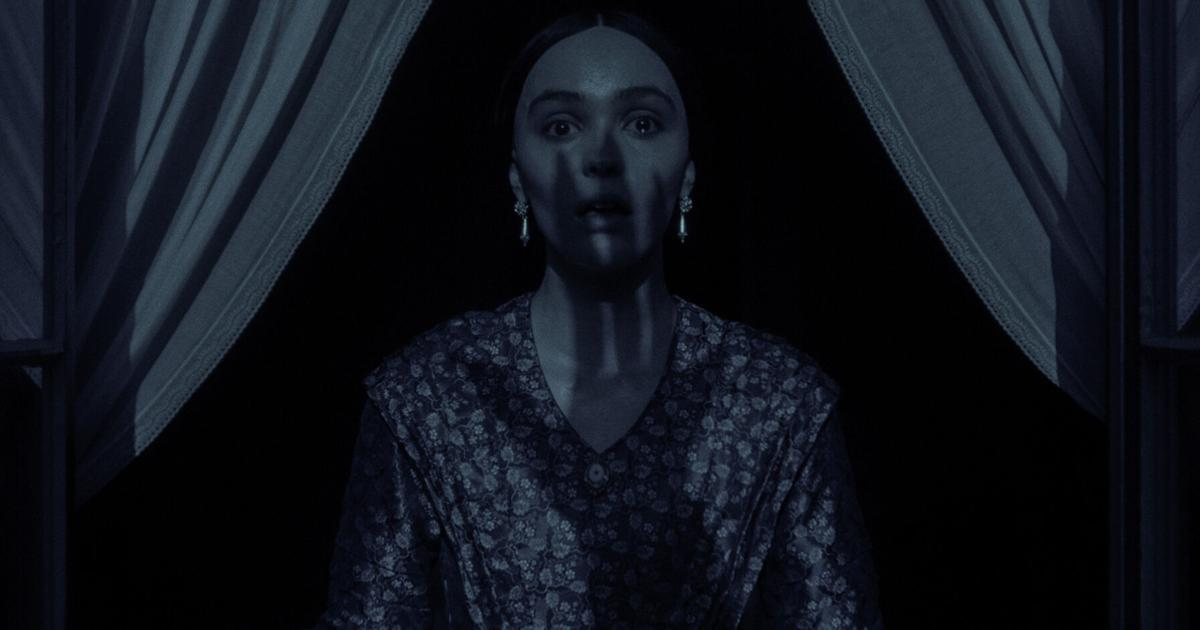
TL;DR: you see Don Nicanor's seventh son killing little animals at age nine like he's playing Pokémon Emerald, and you realize he's not going to get better when he grows up. So you tell everyone that at night the kid turns into a wolf and eats the cows. An angry crowd™ handles the matter, and you move on.
CEOs
The "schizo" gets it wrong too. The tribe is no longer small. Intuition can turn into paranoia, and symbolic language –so poetic and mysterious– can collapse. Or worse: trying to build theories about everything (like now), it becomes dogma. The method gets replicated by people without the schizo spark, and it stops working. Now everyone kills Nazareno Cruz "just in case", to the point the president has to step in. So when the symbol no longer seduces, the tribe looks for the other thing that puts a bit of order back in: the vampire, the monster. The psychopath enters as the administrator of someone else's delirium. The schizo, after all, was also an outsider.
So the "psycho" thrives when there's too much myth and not enough management: he shows up with two machine guns shouting "KPIs", armed with Notion, and ready to schedule a weekly status call. That's how you get sedentarism and agriculture.
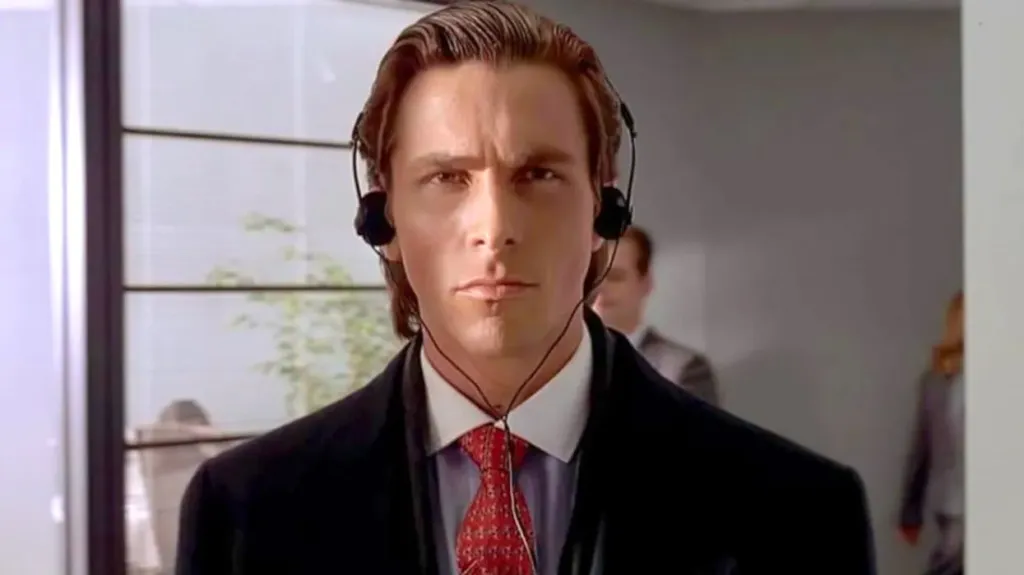
Instead of telling stories by the fire, the psychopath dazzles you with a dashboard that tells you how to extract value from everything. And in this world –which first makes you a hostage as a child and a student, and then makes you an accomplice as a parent and a teacher– instrumentalizing everything becomes fundamental.
The "psycho" and the "schizo" read the same signal: one feels it in the gut and turns it into story; the other measures it in the network and turns it into advantage. It's an informational question. One looks at the tribe; the other looks at himself. Same information, two irreconcilable modes of perception.
Madmen, Pariahs, and Drifters
In this myth, the shaman's relational move –creating monsters–turns into the CEO's move: creating pariahs. The psychopath realizes there are others who can see the flow but don't know how to exploit it. They find someone who detects patterns but, to their surprise, doesn't extract value from them. In fact, he doesn't know how.
They see the "schizo" who, at first, has created a valuable, exploitable structure of meaning –but they let him overflow. They use the noise to seize control of the narrative. They generate rejection toward the disorganized to isolate the only ones who instinctively detect the psychopath.
The most extreme schizophrenics end up labeled crazy or sick and get locked away or abandoned. The luckier ones –adjacent to normality– range from being stuck in low-paid jobs to simply maintaining an uneasy relationship with the world.
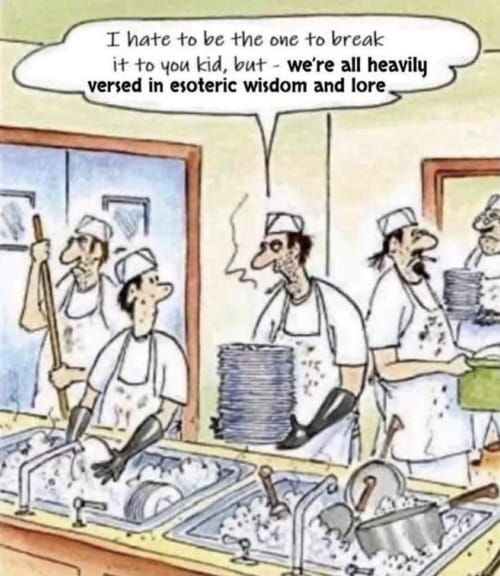
Meanwhile, the psychopath uses the structure of meaning created by the schizo and replaces salvation with wealth. They can't allow a Diogenes to mock their Alexander the Great. How is it possible that, with all material wealth –monuments and buildings, conquered lands, hoarded glory– the psychopath still bothers to expel the only person who has nothing?

This produces an order that eventually becomes unbearable. It's a world where, instead of going to a machinist who eyeballs a replacement part and somehow makes it work perfectly, we wait four months for an overpriced piece to arrive. They invent theories about race, about women, about family; they invent theories of personal branding.
The psychopath reaches paranoia in the opposite direction from the schizo: instead of overflowing, he saturates. He gets "procedural". He looks for traitors everywhere. He fears losing control –and then he blows up. Nero and the Great Fire of Rome. Napoleon on Saint Helena.
A Small Model
Across subcultures, companies, religions, platforms, political movements, friendships, nations –humans repeat the same process: someone perceives what doesn't exist, creates it, and someone else captures it. Sensitivity creates meaning; instrumentality organizes it. When organization becomes excessive, the world rots. In that rot, a weak signal reappears: a new intuition, a different sensitivity. And the cycle begins again.
This isn't psychology or ideology proper –it's metaphor. I don't even think of it in left/right terms so much as transversally. It's a way to describe how systems of meaning are created, degraded, and reborn: a brief frame for why the living transforms, why the rigid decomposes, and why a new spark shows up where nobody expected it.
One possible example of the cycle is subcultures.
Apps and Enshittification
Here's one internet phenomenon: the way a platform devolves into garbage. People tried to gatekeep it by imitating the psychopath before he arrived –copying market logic instead of inventing new ones.
Cory Doctorow –writer and internet quasi-philosopher– sums it up better than anyone: "First, platforms are good to their users; then they abuse users to please businesses; finally, they abuse those businesses to keep all the value. And then they die." In even simpler words: apps slowly turn to shit.
You know the cycle: you find a good platform, it fills up with ads, adds a subscription, then a premium one, until one day you can't open your fridge because you're behind on the Samsung Smartfridge Premium Gold Ultra Black 4K HD+ fee. The result is total saturation: useless platforms, delirious bureaucracies, jobs that produce nothing, algorithmized desire. Enshittification is an autoimmune disease.
So the beautiful creative chaos the internet once was got overwhelmed and colonized by archons who organize delirium to extract value. Hence the latest advances in AI –and also Mark Zuckerberg dressed like a reserve-team player for Aldosivi. The attempt to manufacture a psychopath with schizo-powers. The reverse case shows up too: "schizos" being trained into psychopowers. These hybrids feel more frequent now –like a sign we're nearing twilight.

It's easier to imagine the end of whatever than…
Contemporary fragmentation is often read as spontaneous chaos, but really it's a late consequence of excess psychopathy. "Schizo" elements emerging inside a psychopathic structure signal a new cycle. The current system organizes so much, filters so much, optimizes so much, that it destroyed the very possibility of a common world. When the structure can't produce meaning anymore, what remains is schizo-flow: weak or strange signals, niches, microclimates, formats that don't last. In two weeks we burned through El Eternauta.
We live "schizo" at the micro level and "psychopathic" at the macro. Fragmented feeling; manipulative system. The least stable combination possible –and it explains why everyday experience feels both saturated and empty at the same time. The sense that being angry is exhausting, but not being angry feels irresponsible.
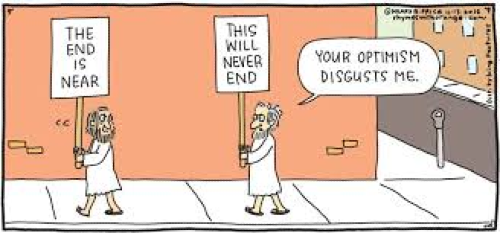
The Return of the Shaman
The novelty isn't the silent war itself; it's the global imbalance. For centuries there was a pact in "psycho" periods: kings with jesters who could heckle them, Batmans and Jokers, a landowner who still went to the healer. The psychopath understood he needed the schizo to see him whole and bring him back down to earth with a slingshot pellet. He knew about hubris. Alexander steps out of the sunlight when Diogenes asks; Pilate hesitates before killing Jesus. Even if what happens later is what happens, there's a moment of recognition.
You could say this war has a Latin American front, where "schizophrenia" is a normalized survival tool in the South –already living in a hybrid present, post-apocalyptic by default. Facebook Marketplace, cybercirujas (digital scavengers), LT-HL, the uncle who puts together a hustle with borrowed gear: small everyday scenes where the psychopath still needs a guide through the disorganized world.
We should hold this as our banner: rituals that don't fully fit market logic. Every time a community organizes around something that can't be monetized so easily, the shaman returns.
Conclusion
I'll dare to say neither you nor I fully know what the hell is going on. Many will claim there's a new discomfort among us. And if you ask me whether I truly believe there's a secret war between psychopaths and schizophrenics, I'd say yes –absolutely– but also no fucking way. Not because the metaphor fails, but because no metaphor is enough. Candlelight: beautiful and insufficient.
Thinking about cognitive sovereignty, I keep coming back to the lack of lateral readings of the present. We need ways of seeing the world that don't aspire to explain it completely, but that at least let us modulate our relationship to it. We don't need to fully believe –just chew on reality.
Some frames stand out not for their precision but for their ability to unlock possibilities. Think of the "doped monkey" theory or the bicameral mind: debatable hypotheses that, even so, opened new ways to think about consciousness.
Today, in the circles I move in, there's a tacit agreement that making meaning-frames is suspicious because it rhymes with conspiracism. Other times people refuse to formulate an idea because it might seem sloppy or too academic. And then there's the fear of saying something someone already said two hundred years ago. Meanwhile, there are forums that build narratives where the world is shit and you have to act violently in consequence. They say "it's over", they reinvent phrenology, they produce theories of race and gender with their own exclusive vocabulary. Many young people looking for meaning find it there. That's territory we give up when we don't use it.
Playing at building frames of meaning isn't manipulating reality or denying its complexity. It's reclaiming our shamanic right to stop fearing the beasts.