Rat Fink, the rat born from World War II trauma

21 de mar. de 2025 — Juanma La Volpe
Tracing the symbols of rebellion in design takes us through years and years of stories about how they are reinterpreted and, above all, how they adapt to new eras. And keeping an archive and record of how these designs were born is incredibly important so they don't get lost in time.
The world changed after World War II, entering the Cold War, and cultural colonialism gave us decades where art definitively became a weapon and propaganda, a path of absolute deepening where it ended up becoming a product first and today, with new technologies, content. But things always happen on the margins, and 62 years ago Rat Fink was born, the punkest rat of all punks, before punk even existed, the flag-bearer of Hot Rods and the first mascot of movements that represent rebellion in culture, celebrating art for what it is: the expression of what we carry inside.
Cultural cannibalism and post-trauma
Since humans could dominate others, they cannibalized that victory and kept something from the loser. Beyond the prize of winning a confrontation, there were always material or abstract war trophies captured like a victory banner. When World War II ended, the soldiers who returned to the United States came back with all kinds of Nazi war trophies, from helmets and uniforms to artworks, watches, gold, songs, recipes, and ideas.
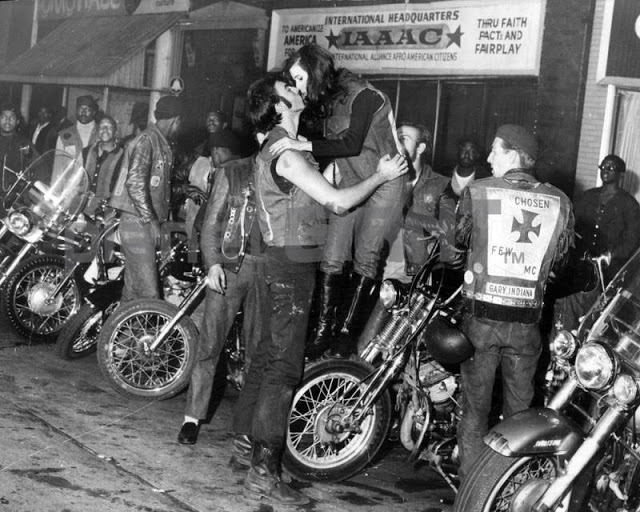
Once back in their country, which didn't welcome all of them as they expected, they found themselves far from -- romantics would say -- the camaraderie that was forged under those conditions, but even more so from the adrenaline rush of being in combat. Out of that need, these former aviators, sailors, and infantry soldiers began gathering together, and that's how movements like biker gangs such as the Hells Angels were born, wearing Nazi helmets and insignia they had brought back from Germany as souvenirs and as a provocation to the society that later abandoned them.
The origin of the Hot Rod movement
In the late 1930s and early 1940s, a new trend was born among young people working in factories and, especially, in mechanical and military workshops: modified car racing. Hot Rod culture began growing even more as soldiers returned home with a need for community and adrenaline.
These guys not only had more engineering and mechanical knowledge but also "access" to industrial aviation and naval parts that they used to modify and transform cars. On top of that, the cars they modified were incredibly affordable, since another postwar change was new technology that shifted from military to civilian use, leaving Ford Model T and Model A cars as old vehicles piled up in junkyards.
Nose Art and Bomb Art, the war legacy
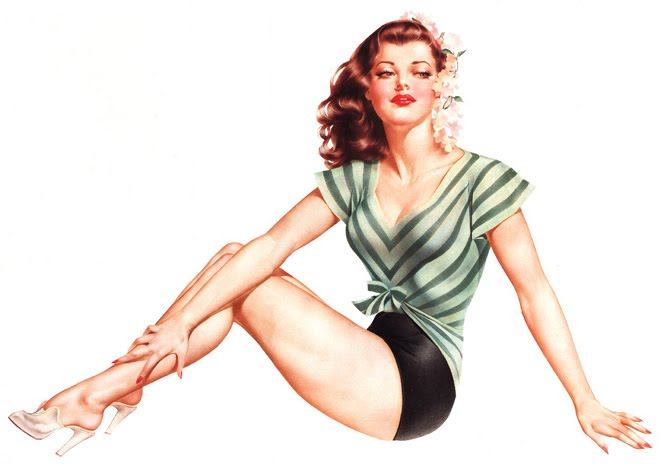
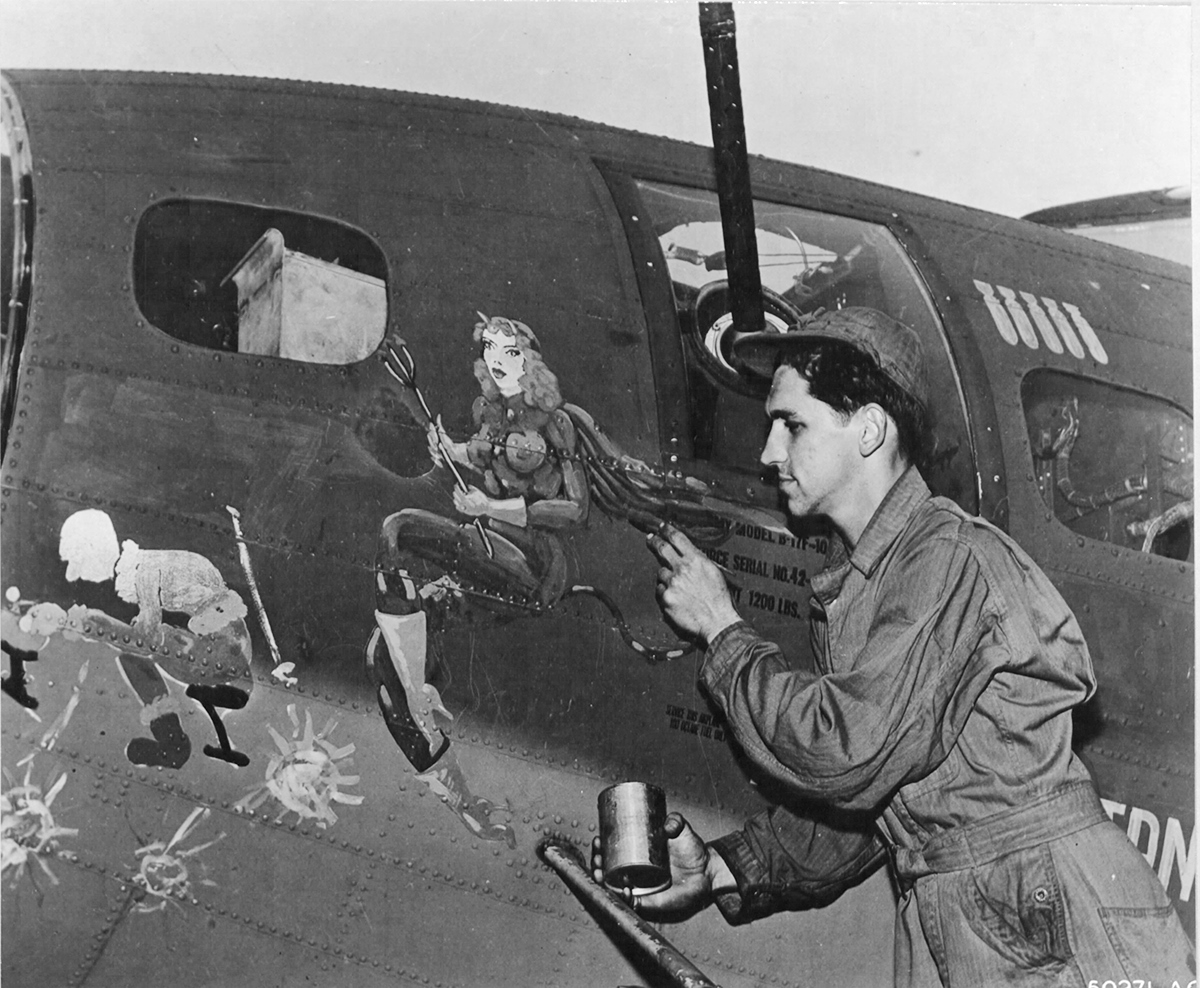
And among all that metal there's art, because something else that became popular and came from the war was Nose Art, referring to painting the front section of airplanes, and Bomb Art, painting bombs and missiles. The symbols used in these paintings were pin-up girls to boost troop morale, animals, skulls, and monsters to intimidate the enemy, and satirical humorous messages.
While there's no data on who started or created the first artwork, we can say the leading figure was Alberto Vargas, a Peruvian illustrator who worked for Esquire magazine drawing pin-up girls, known today as the "Vargas Girls." But the most influential and well-known of his generation was Tony Starcer, who was responsible for many of the illustrations on the B-17 bombers of the 91st Bomb Group. Although most were anonymous artists.
The birth of Kustom culture
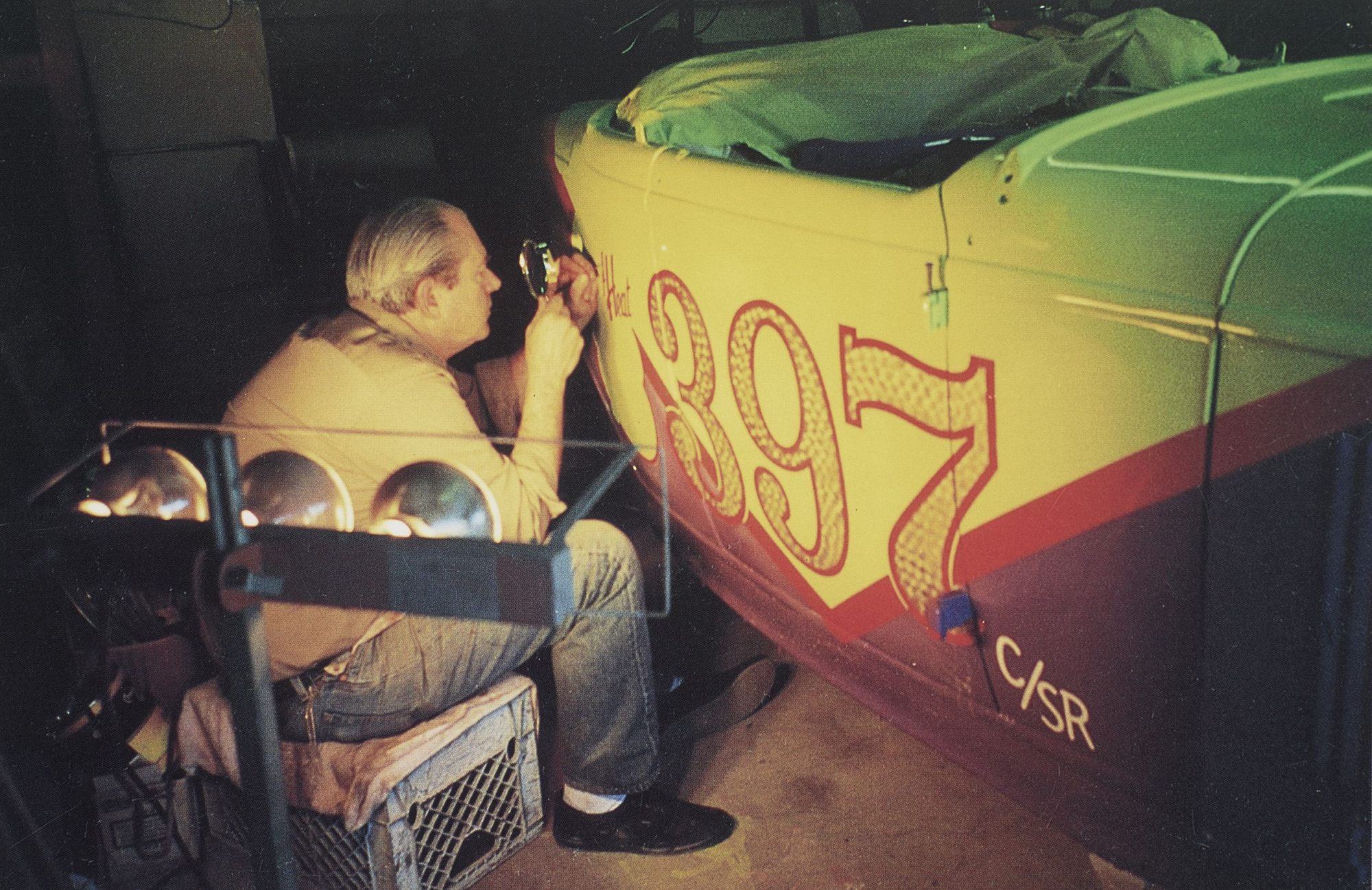
So this new movement of modified cars racing in empty riverbeds or aqueducts, already connected to the rebellion of rock and roll, which was being born, added the art from airplanes and bombs. The first hub was called Kustom Kulture, and its leading figures were Ed "Big Daddy" Roth, Von Dutch, and Robert Williams.
They started in the Hot Rod world, but then expanded into everything, including fashion, products, and art galleries. At a time when everyone wore dress shirts and undershirts almost 24 hours a day, Kustom enthusiasts had theirs painted with drawings influenced by this movement to show them off at their gatherings. It was a sign of rebellion, because it was absolutely frowned upon: basically, you have a t-shirt of your favorite band today because these guys broke a barrier.
We already devoured the Nazis, now let's devour the rat
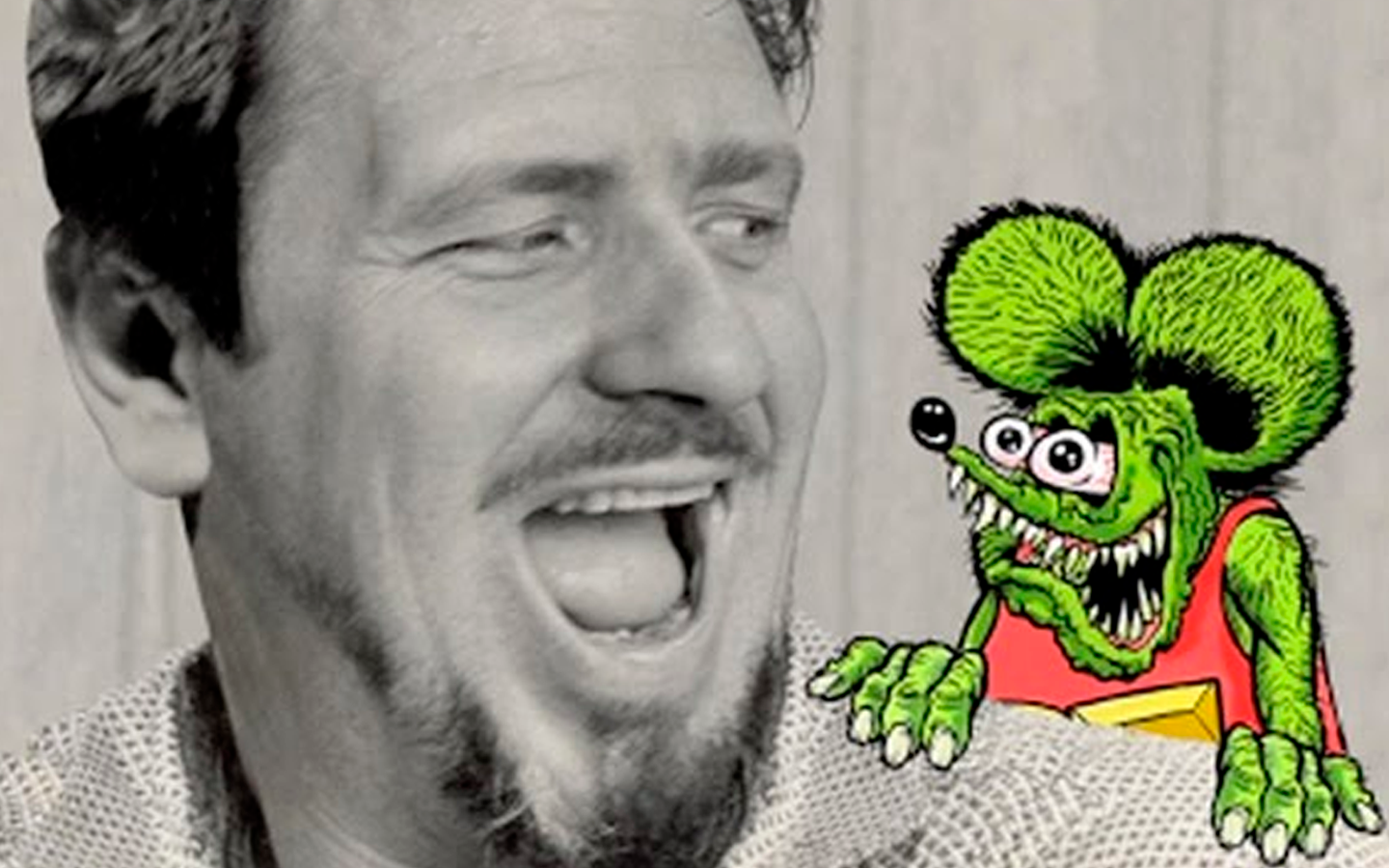
Ed "Big Daddy" Roth, from Beverly Hills, California, was an illustrator and beatnik musician, very transgressive for his time, who broke the mold of what drawing and comics had been. While there was already a group of illustrators working for an adult audience, Big Daddy added the monstrous, weird, and bizarre touch that hadn't been seen much until then.
In the 1950s, he began hanging out with the Kustom Kulture crowd and working on cars, motorcycles, and t-shirts. He killed it with his "Weirdos" art, deformed and cartoonish monsters that were usually riding motorcycles, hot rods, or surfboards. These designs and the fact that they were made on t-shirts inspired an entire industry.
Rat Fink, the fury of California
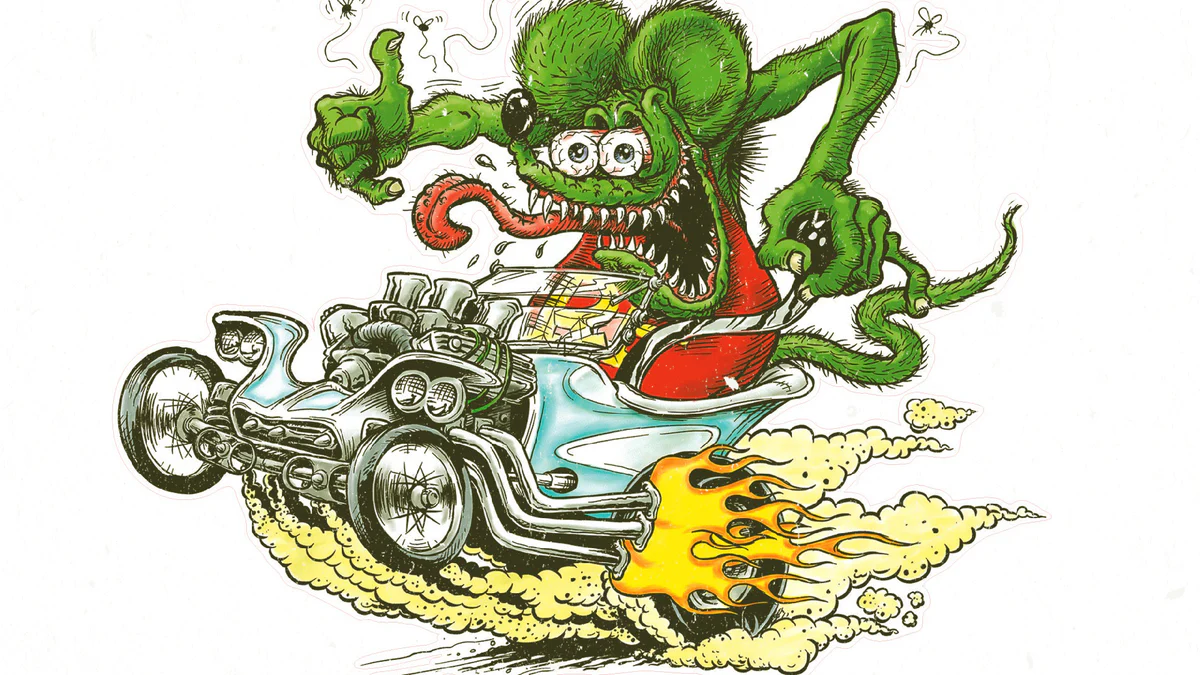
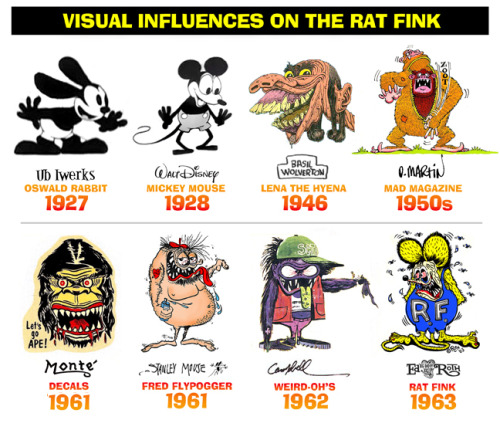
Until one day, trying to create an evil, rebellious, dirty, and crazy Mickey Mouse, he came up with Rat Fink. Mickey had appeared in 1928 and by Big Daddy's time was already one of the emblematic characters of American culture, with Disney being a massive industry in itself. Roth started throwing ideas around and twisted Disney's mouse so much that he gave birth to the rat of counterculture. The name came from the father of TV, Steve Allen, the pioneer of Late Night Shows, who used the term "Rat Fink" to refer to someone as basically a fucking dirtbag.
In 1963, Rat Fink, "The Rage of California", would appear for the first time, and it had such an impact that the model kit company Revell, with whom Roth was about to release a line of Weirdos car models, asked him to add the rat to the lineup. Suddenly, Rat Fink was for rebels and for kids too; the rat appeared on every possible form of merch, similar to the impact of the famous Smiley Face. But its grotesque image positioned it forever as part of counterculture.
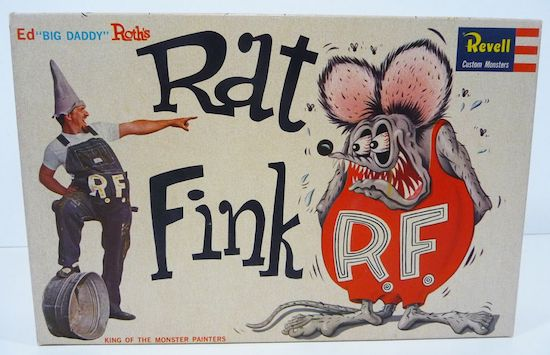
Today it's an IP with a strong niche following, and over the last 50 years it has had major revivals fueled by the birth of musical genres like punk rock, grunge, and other styles that reinterpreted war memorabilia.
Context and circumstances around art are everything. How we can travel from Hitler to Rat Fink seems like madness. But that's champagne art: sometimes the creative spark comes from an invisible chain reaction that can be traced from traditions to the post-traumatic effects of war. Being able to archive these artistic movements from the margins means understanding ourselves better.