Idiot-proof retrogaming: playing old games the easy way

7 de ago. de 2025 — Luis Paz

"Old stuff works," sure, but sometimes to make it work you have to download, emulate, patch, and crack it. Or you need some gadget that upscales the image for modern TVs. Old stuff works, but that doesn't mean it works fast, simply, or without friction. That's what happens with retrogaming: seeing how the higher levels of commitment involve hunting down ROMs, running things from the command line, or even buying a specific type of controller can be paralyzing. That's why mini-consoles and game boxes are so successful -- for a few bucks they give you ready-made hardware with ready-made games. All set. Smooth sailing.
But spending some cash on those happy meal gaming boxes isn't the only option. In fact, I want to revisit two websites: Good Old Games aka GOG.com and Clasicos Basicos aka Clasicosbasicos.org. Two sites where in just a few steps you can play virtually every classic or cult video game on PC in their state of the art editions: complete versions, with official updates, fully adapted to current hardware and displays. Playing old games, yes, but playing them the easy way.
Good Old Games and gamer preservationism
When Steam stopped having affordable prices, that amplified other annoyances: its UI/UX never clicked with me, my library was a graveyard of games I bought on sale or redeemed with press codes and will never touch again, and I was fed up with $30 price tags for games that have been oversold for years. Until one day I landed on GOG.com and found not only the new releases I was looking for but also that extra something its name promises: Good Old Games. Good old games, interesting deals, a dynamic interface, and an inviting concept.
On GOG.com, games come without digital rights management (DRM). That means once you buy them (or redeem them), you can play them offline, mod and patch them, and even download and back up the executables, installers, and save files. As a bonus, their client (GOG Galaxy 2.0) supports unified libraries (games from Steam, Epic, and others, all in one place), cloud saves, and cross-device syncing.
But what's most relevant here is their mission to rescue classics: Good Old Games is a preservation program that revives historic titles that ran poorly or weirdly on modern PCs. They patch and make them compatible with Windows 10/11 and macOS, add digitized manuals, remastered soundtracks, and whatever official extras they can find, plus tweaks to ensure stability, resolution, and proper controls under any PC configuration.
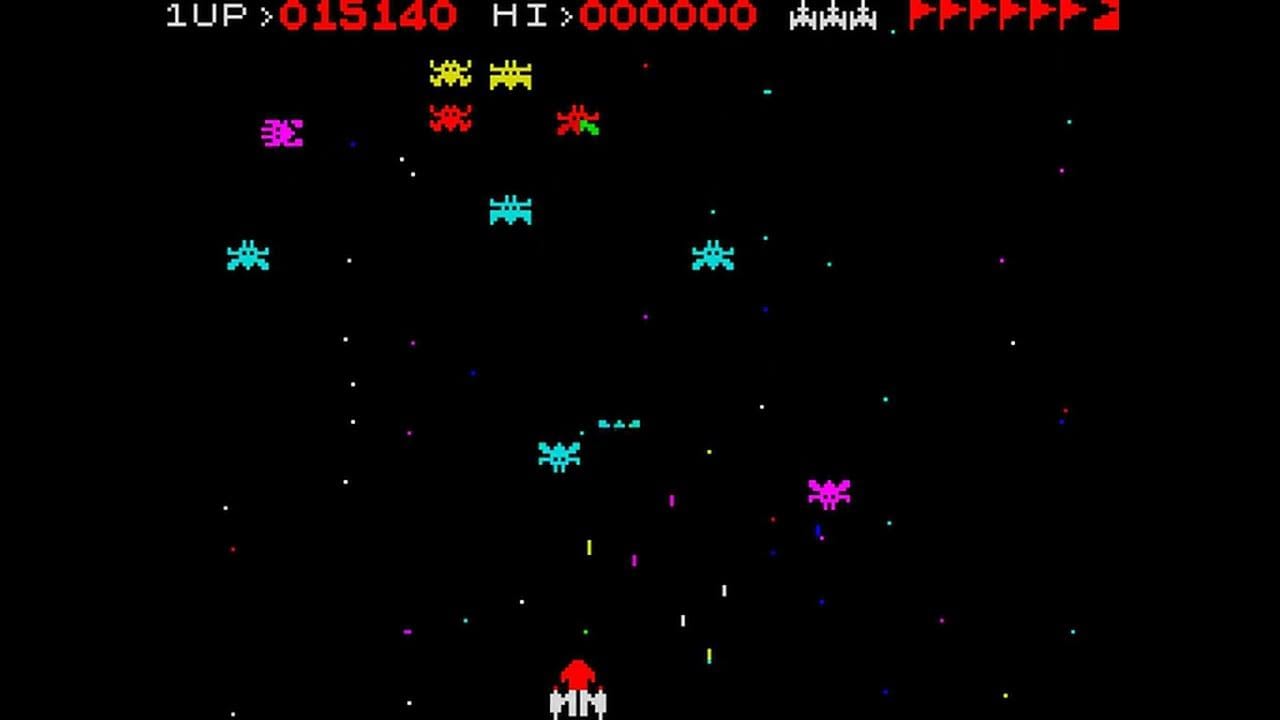
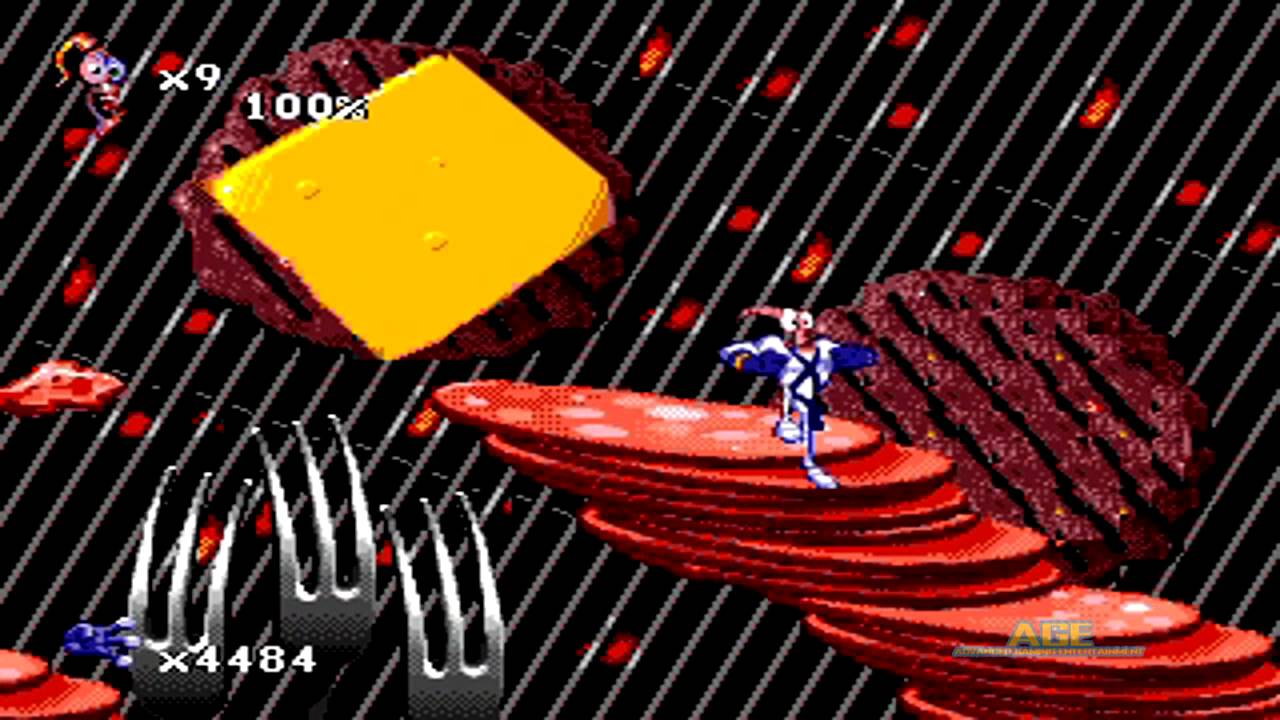
Compared to sites with thousands of abandonware and freeware games (like DOS Games, My Abandonware, or Classic Reload), GOG.com's retro catalog is limited, but its virtue is that the same platform lets you run brand-new games too, mods included. Among the nearly 180 titles in their Preservation Program are the best possible versions: for instance, RollerCoaster Tycoon Deluxe, SWAT 4: Gold Edition, Ultima VII - The Complete Edition, The Witcher 2 Enhanced Edition, or Shadow of Mordor GOTY, along with bundles of Mortal Kombat, Dino Crisis, and Resident Evil, or games recently added to the preservation program, like Neverwinter Nights 2, Devil May Cry, or -- all rise, please -- Earthworm Jim 2.
Clasicos Basicos and the quest for accessibility
If you're looking for older games, rarer games, or simply more games, the entire gamer canon of the 20th century is on Clasicosbasicos.org, a community dedicated to classics, abandonware, and arcade games. Their site is the product of the passion of a group of guys who genuinely love video games. What they do is upload executable versions or CD-burnable copies of the most acclaimed, the most niche, and the most obscure video games from the '80s, '90s, and 2000s.
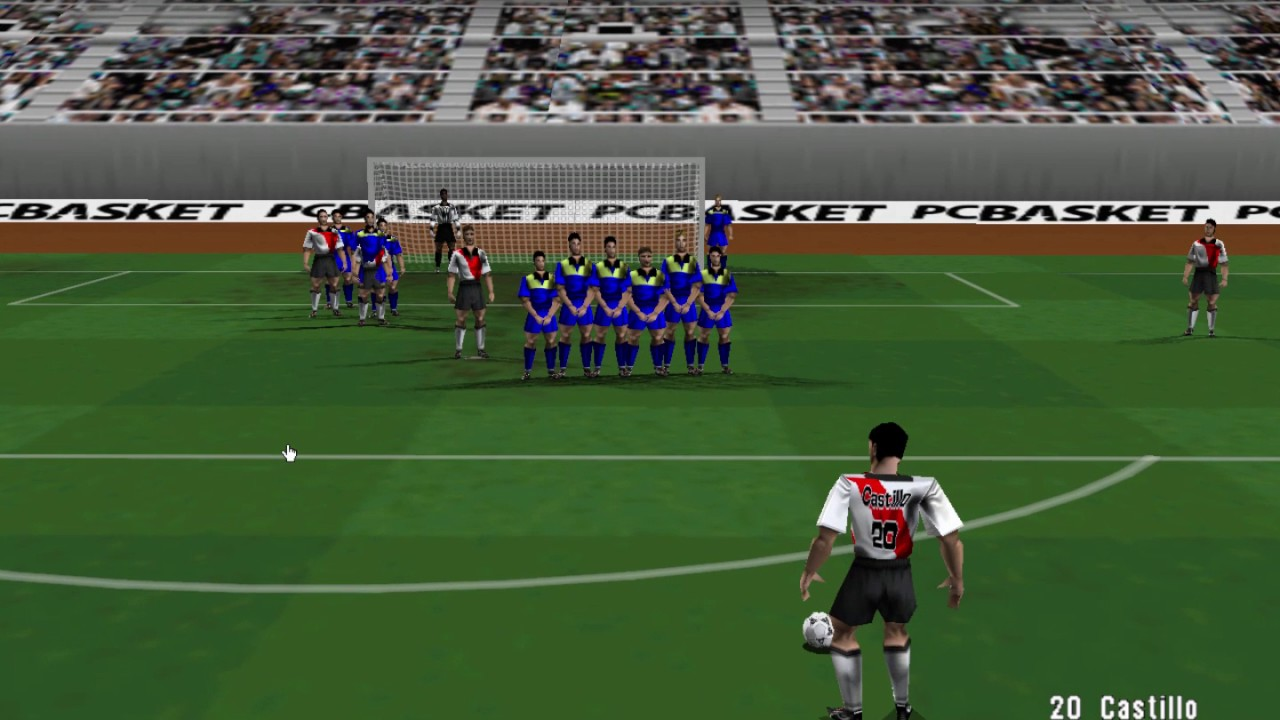
From Karateka, released in 1984, to Fallout New Vegas, from 2010, with everything in between: the Command & Conquer series, the first GTA, Diablo, or The Elder Scrolls games, the hits from the Sim Whatever and Theme Whatever sagas (SimCity, Sim Farm, Theme Hospital, Theme Park), the Magic: The Gathering game by MicroProse from 1997, the wildest RTS games ever made, some legendary but unplayable FPS titles, and the most hardcore entries from forgotten genres like graphic adventures. Dungeon Keeper, Castlevania, Twisted Metal, Sega Rally, PC Futbol 6: Apertura '98, Heretic. You fuckin' name it. Clasicos Basicos is an infinite rabbit hole.
Why we keep going back to old games
Like all contemporary cultural markets, the video game industry has become unbearable in its pace: the trailer, the open beta, the DLC, the little event, the awards. The constant flow of content is overwhelming, especially when it's unfinished or broken content. Old games, on the other hand, are old games: they've had their definitive form for ages, they've stood the test of time, and there are decades of proven player experience to help filter and rank them.
Old games don't need internet and don't annoy you with microtransactions, subscriptions, and battle passes. Old games -- generally speaking -- don't treat you like an idiot, unlike new ones, which start with two hours of cinematics, three tutorials, and 74 thousand character customization options before you can kick a damn ball. Mark my words: tomorrow you'll be all excited to buy the game about the submarine sweet potato from the research institute and you won't know why the hell the sweet potato has a built-in GPS and can see enemies in infrared from a thousand kilometers away and you'll need a 20-button controller to move one sweet potato.
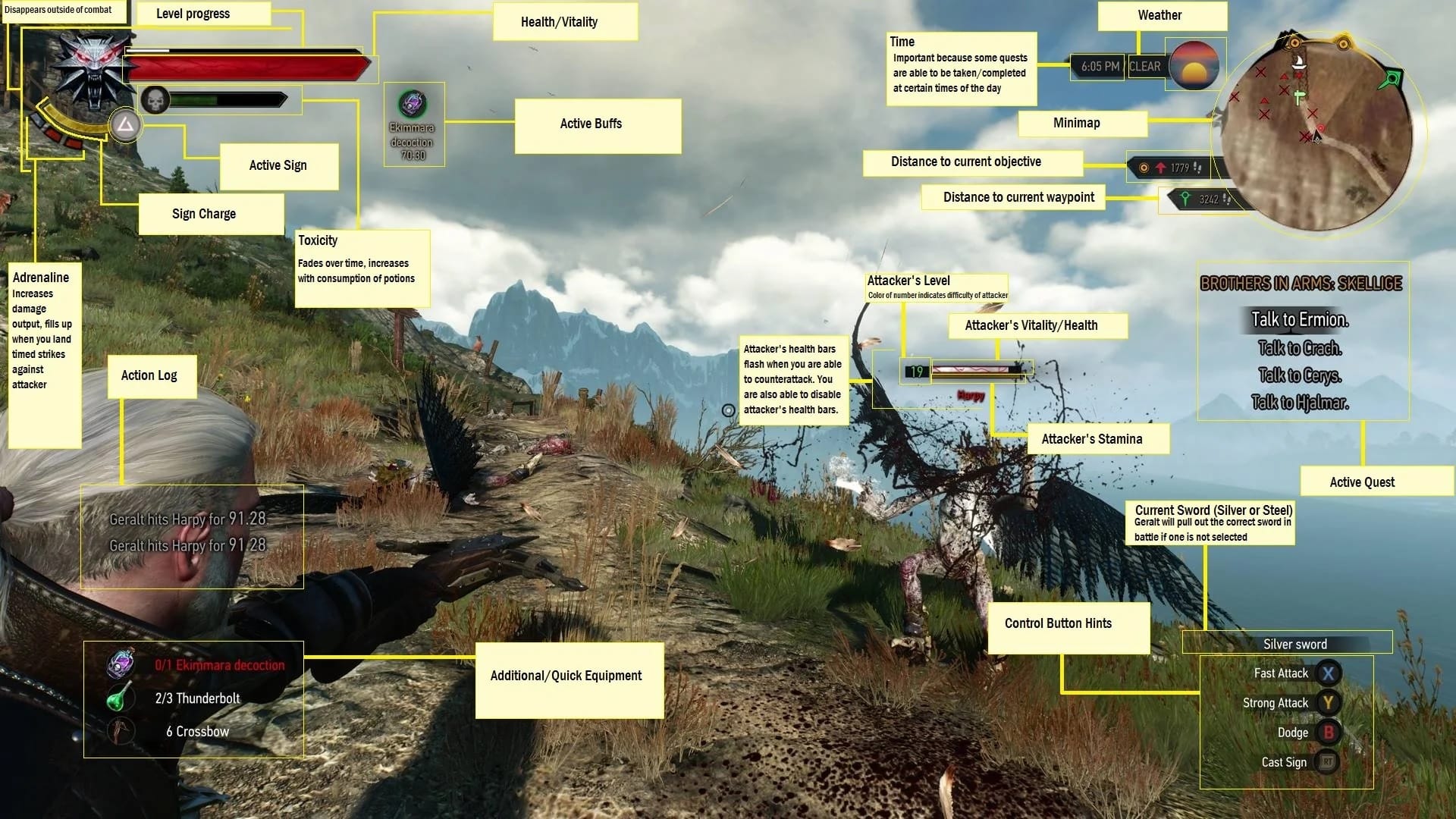
The interfaces and information layers in today's games combine eye candy with the corporate habit of slapping a help center on everything, and the result is a garbage experience, like booting up The Witcher 3, waiting 20 minutes before you can move Geralt, and then having the screen cluttered with visual indicators (HUD) that turn a medieval fantasy RPG into some weird game where you feel like a librarian, notary, and archivist of everything happening. It's like going to the movies totally stoked and having to sit through 20 minutes of ads and warnings before the film. Goodnight, I'm asleep.
As Juan already explained so well, the "low tech, high life" approach isn't just a matter of technological economy but also of cognitive economy and digital autonomy. In retrogaming there's less hardware dependency and less multitasking, briefings, popups, standings, and cursing because some stupid notification covered the key you needed to grab. Old games are cognitively lighter: they put the mental demand where it belongs, in the mechanics and partly in the story. They have simpler designs and more honest difficulty systems, because they don't give you over-the-top assistance and many times don't even have a save feature. Thankfully, there are those who saved those games for us.