The Real Super Chad: The Story of Ricardo Fort
25 de nov. de 2025 — Eddie Fitte
It was 1984. Osvaldo had been sick for a while, not going to class. His illness coincided with the start of the school year. Each passing day felt critical; there was always something new happening. Fourth year of high school was particularly exciting because it came with the first school dances.
San José School is a historic private Catholic primary and secondary school in Balvanera, Buenos Aires. It was founded in 1858 by the Fathers of the Sacred Heart of Jesus of Bétharram –the "Bayonne Fathers"– with a French touch: comprehensive education with catechesis, intense study and sports. Its halls have seen figures as varied as Jorge Rafael Videla, Julio César Strassera, Félix Luna and Diego Capusotto.
The place is a kind of eclectic, monumental fortress, protected as a National Historic Monument: neo-Gothic and Italianate in the north, French neoclassical on the south and main façades, a chapel from 1891, an auditorium from 1915 and a tower with the San José Observatory (the city's first observatory, still active).
News piled up quickly in a place like that. That's why one of Osvaldo's classmates tried to keep him up to date so he wouldn't miss anything. He did it through letters, which he would hand to Osvaldo's mother so she could pass them on to her son and keep the communication going.
April 2, 1984
Osvaldo:
We miss you a lot in class. I took a while to write to you and I hope you forgive me, but part of the reason was to let the news accumulate. About the teachers, I can tell you that I think we have the best ones like Germán, Damián, and the Gorda, who, believe it or not, seems super nice and explains really well. Poli already gave us a dictation, and the Gorda gave us a test on the second day of class; she’s a bit off this year.
You know there was a problem with Forti and the Gorda.
Let me tell you: in one class, the Gorda asked him what he planned to do with the Jesus Christ Superstar production, and Forti told her not to worry, that he had everything arranged with girls he had already found at the Colón, and the Gorda got angry because he hadn’t told her anything and also because he didn’t organize it with kids from the school.
All this went to Guccio, and Forti said that "that Gorda was incapable of running a show" and that he could do it, and when the Gorda found out that Forti called her incapable, she got really mad, and they didn’t even talk in class, and the Gorda would throw insults at him. Until one day, the Gorda scolded him for no reason, and Forti responded poorly, and they started fighting; the Gorda sent him to Guccio (the supervisor), and he told her he was going to go to Traversero (the principal). He also said: "Don’t yell at me and don’t order me around!" (Forti to the Gorda).
In the end, Forti ended up with two detentions, but on Monday, his mother is going to talk, and it’s going to create a huge mess; plus, the Gorda lied and told Guccio that Forti said he was an idiot, and he almost got [expelled].
Well, changing the subject: yesterday we went to the Ayre dance, but there was a problem, there were no girls, but it was a blast (it was the fat guy). The Gorda makes us go to a choir with kids from other schools (they're choristers). In class, there are two new Chinese kids: Chong and Se who don’t know a thing about Spanish.
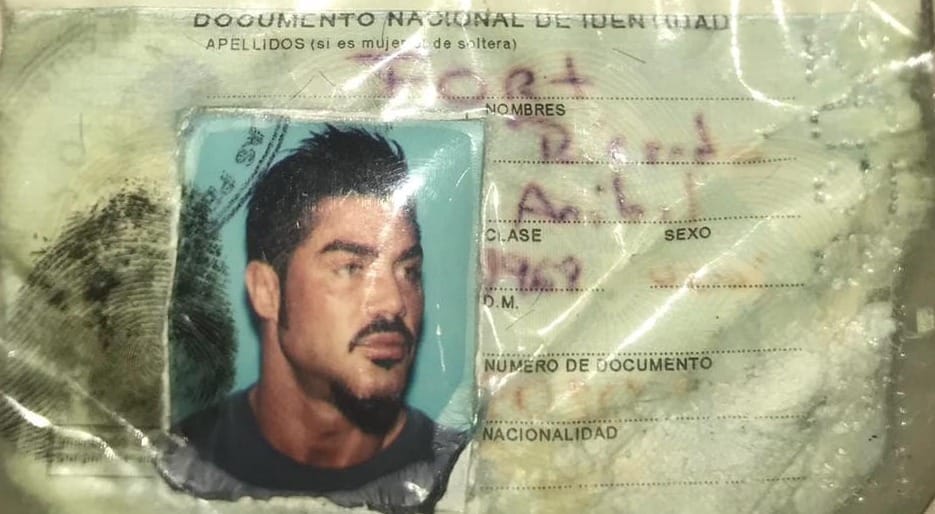
"Forti" –Ricardo– was not the kind of student who went unnoticed. He was fifteen and in fourth year of high school. Osvaldo Curuchaga remembers him as an extroverted, boastful, hot-headed kid, but also "sensitive and affectionate". Above all, he drew attention for how carefully he groomed himself. From a very young age, he had one fixed goal: not to "be an actor", but to "be famous".
Another classmate, Leonardo Contestini, recalls that at school Forti looked much older and different because he ran his own life. He dressed in flashy clothes, flaunted his privileges and a gold Rolex, and shrugged off warnings because, if someone stole it, he'd "just buy another one". He shone when he sang, but he struggled to fit in with the group. He was always on the verge of being over the limit with his absences.
Ricardo Fort was a declared atheist in a school run by priests, obsessively careful about his image, and he had a tic: he'd flick his hair back.
Many people remember a classic Forti move: he would invite you over for an afternoon snack just so you'd sit and listen to him sing musical-theatre songs. He proudly displayed his luxuries and, as many recall, sought approval through affectionate gestures, like handing out chocolate coins to win people over.
One Shot
Forti came from a very particular environment. Those who really knew his father called him One Shot: he was an Argentine clay pigeon shooting champion and a renowned hunter who had travelled the world as a pilot and ship's captain. His name was Carlos "Lalo" Fort. He started working very young in his father's chocolate factory, La Delicia. By twenty-five he was already General Manager, and under his leadership the factory grew to four stores, 300 employees and a 3,000 m² plant.
As a young man he led an intense social life and, above all, worked nonstop. At thirty-three he met Marta Haydeé Campa, the eldest daughter of a baker he admired and from whom he had learned early on how to lead, collect payments and run a business with his head held high. Before long she would become the silent boss of that empire. By then, the company –which ultimately became known as Felfort– had continued to grow, reaching a 20,000 m² plant and 600 employees.
Together, Lalo and Marta had three children: Jorge, Eduardo and Ricardo, Forti. Within the family dynamics, the youngest had always been the most protected by his mother. Ricardo adored her and inherited her passion for show business.
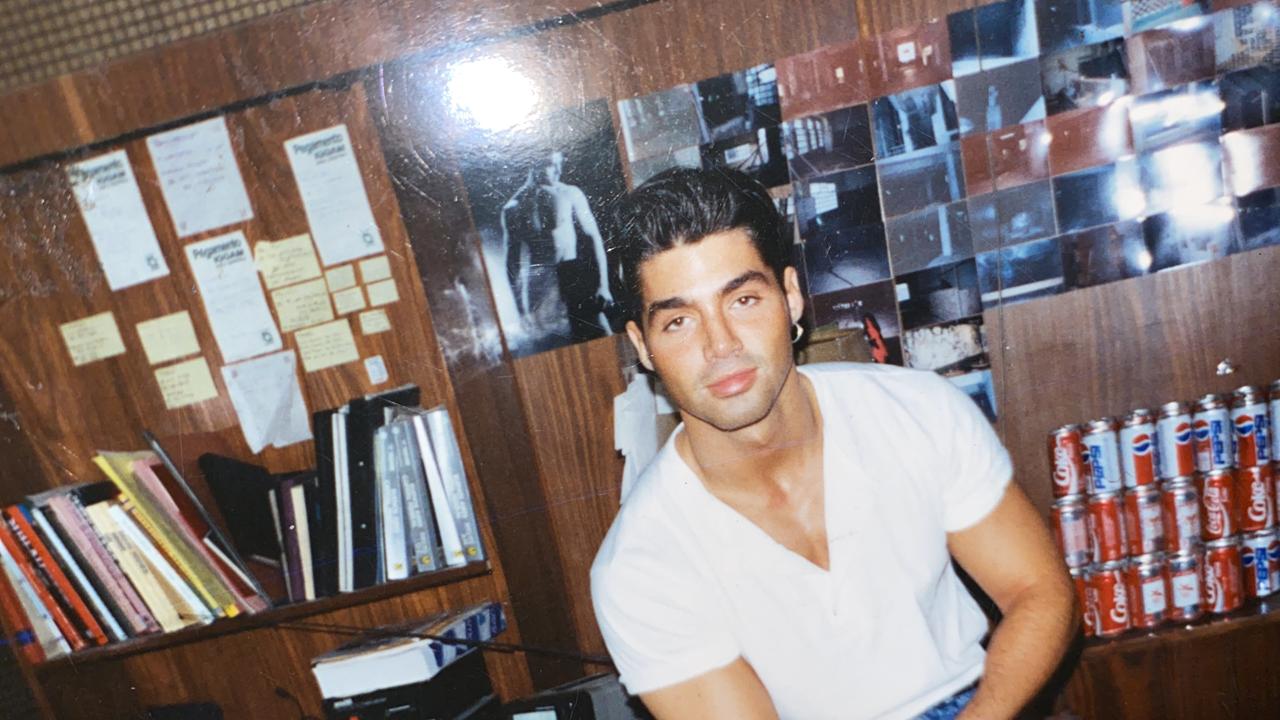
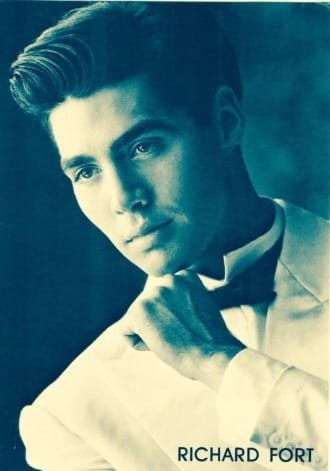
Richard
By fourth year of high school, Forti already knew he was absolutely different from everyone around him. It wasn't just about purchasing power or social class. First of all, he had realised he was more attracted to men than to women. His mother was the first to know, and she understood and supported him. In his search for himself, Ricardo also began to feel insecure about his looks and, despite a beauty everyone remembers, he had his first nose job.
Romantic relationships came and went, with both women and men, but after his sexual debut with a slightly older girl, he ended up realising that his desire definitely went in another direction.
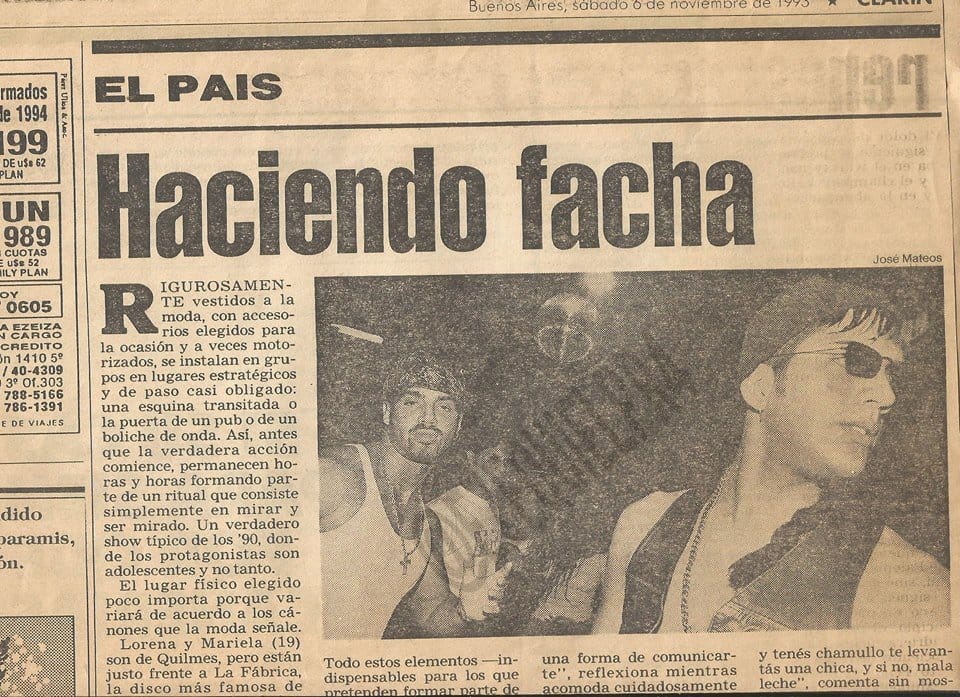
When he turned nineteen, he started dating a handsome blond guy who had worked a lot on television. He had even played a "Susano" and was already quite well known. His relationship with Guido settled into something steady, and Ricardo decided to kick the closet door open and tell his father.
In a personal journal that Ricardo began to keep as part of therapy, he remembered: "One day I argued with my mother. I was telling her I was happy and in love. Suddenly my father asked what we were arguing about. I worked up the courage and told him I was in love with a man and that I was happy. 'I don't want you to understand it, just to respect it', I said. 'It disgusts me, but I respect you', he answered."
From then on, Lalo and his youngest son didn't speak for two years. Ricardo and Guido stayed deeply in love, but "it ended the way it had to end", he wrote in his diary. After a year and a half, they broke up. Both had very high profiles, and that constant competition to be the most attractive one in the couple ended up driving them apart.
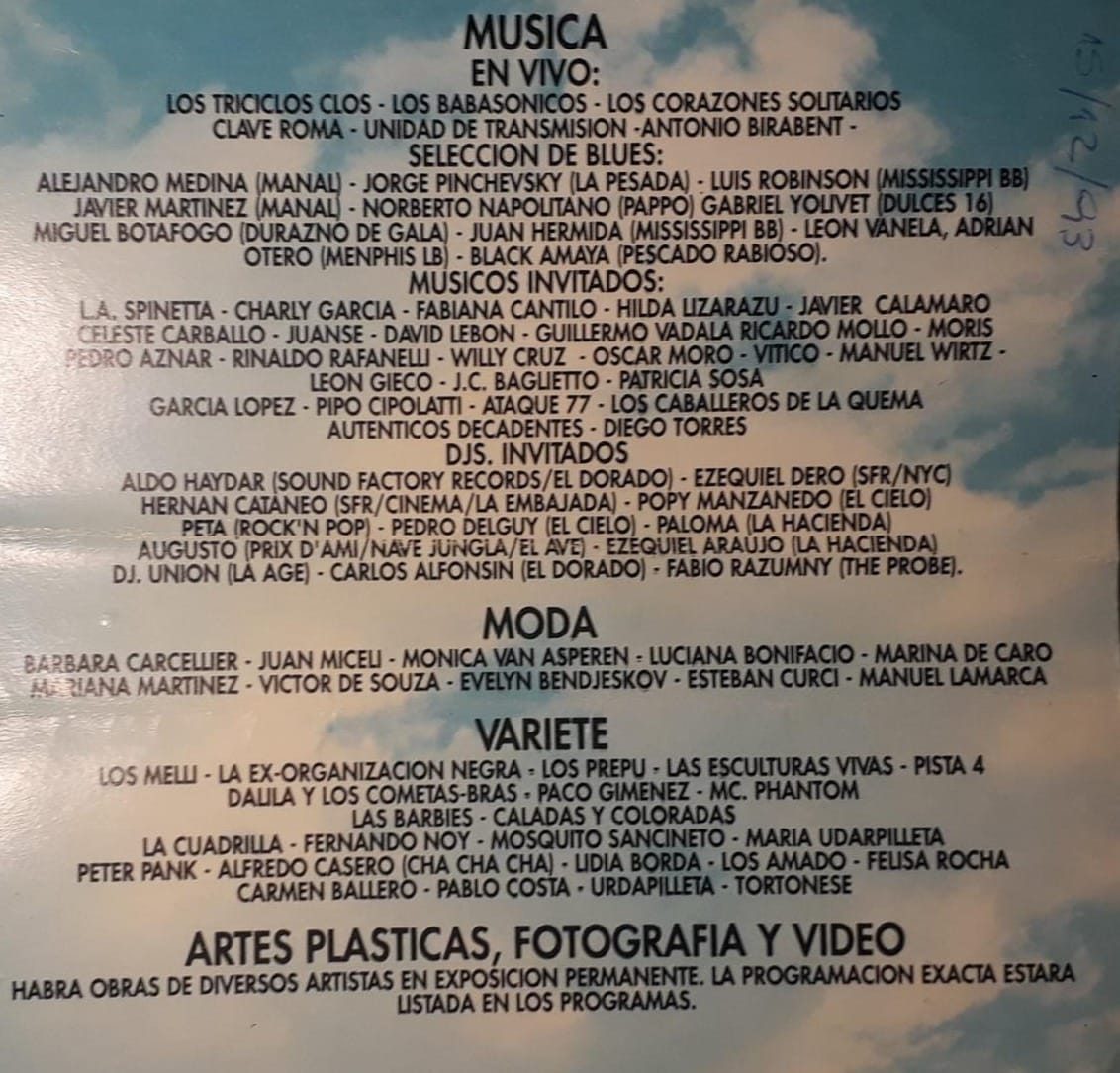
By the late '80s, the gay scene in Buenos Aires was all about parties and police stations. Avenida Santa Fe –the avenue of love for the LGBT community back then– was in a permanent state of simmering. New clubs, dark rooms and police raids with no respite. Democratic euphoria and repressive inertia, all at once. This was the world that shaped Forti, who was systematically importing from the United States everything that was fashionable there: leather, mesh T-shirts, studs and eyeliner to highlight one of his favourite features, his eyes.
During those years, Ricardo met his second partner, Gabriel. This time he was a very different kind of man from what Ricardo was used to: a businessman who had been living in California for some time. His instinct and talent for business had taken him to the top. He had gone from being a simple salesman of English courses on VHS to practically owning the whole conglomerate. The Spanish-speaking community was growing fast, so his market was booming. Convinced that his boyfriend had an extraordinary spark, Gabriel urged him to take the artistic leap and try his luck in the United States.
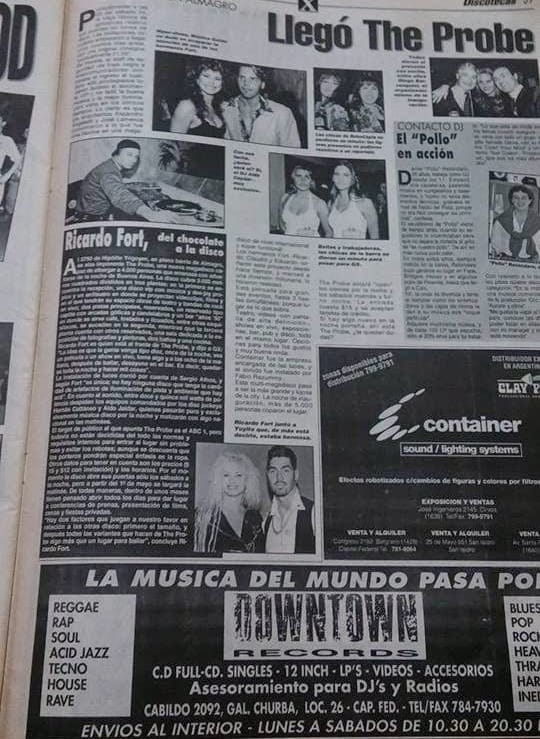
Ricardo was still too young to leave the country on his own, so he needed his parents' permission to travel. He gathered his courage and confirmed to his mother what she already suspected: her son wanted to be a singer. That filled her with pride, given that his two older brothers were following Lalo's business path.
And so Richard –as his friends already called him by then– set off for the United States. His first stop was La La Land, the city of Los Angeles. He arrived with 500 dollars and a borrowed address: his first night he slept in the office of Palito Ortega. The producer was close to the family, and they had asked him, as a personal favour, to audition their son. It didn't work out: Ricardo didn't fit the aesthetic that Palito favoured, something closer to the "classic" clean-cut TV pop male.
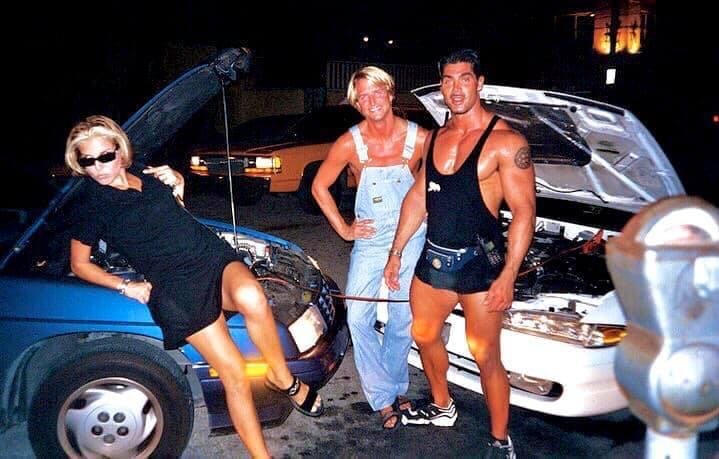
Temporarily deprived of income from his musical talents, Richard invented a salary for himself between the bar, the door and the stage: go-go dancer in the early hours, bartender in the half-light, doorman with the guest list in hand at whatever club needed him. That circuit paid for his car and his rent, and little by little he began to feel the freedom he had longed for, far from his father's judgement.
The city opened doors and rooms to him. His first brush with the star system he'd been fantasising about for years came when a producer from Sire Records invited him to the set of the Deeper and Deeper video in 1992. There, he was able to chat for a few minutes with Madonna and ended up dancing as an extra in the pop diva's now-iconic video.
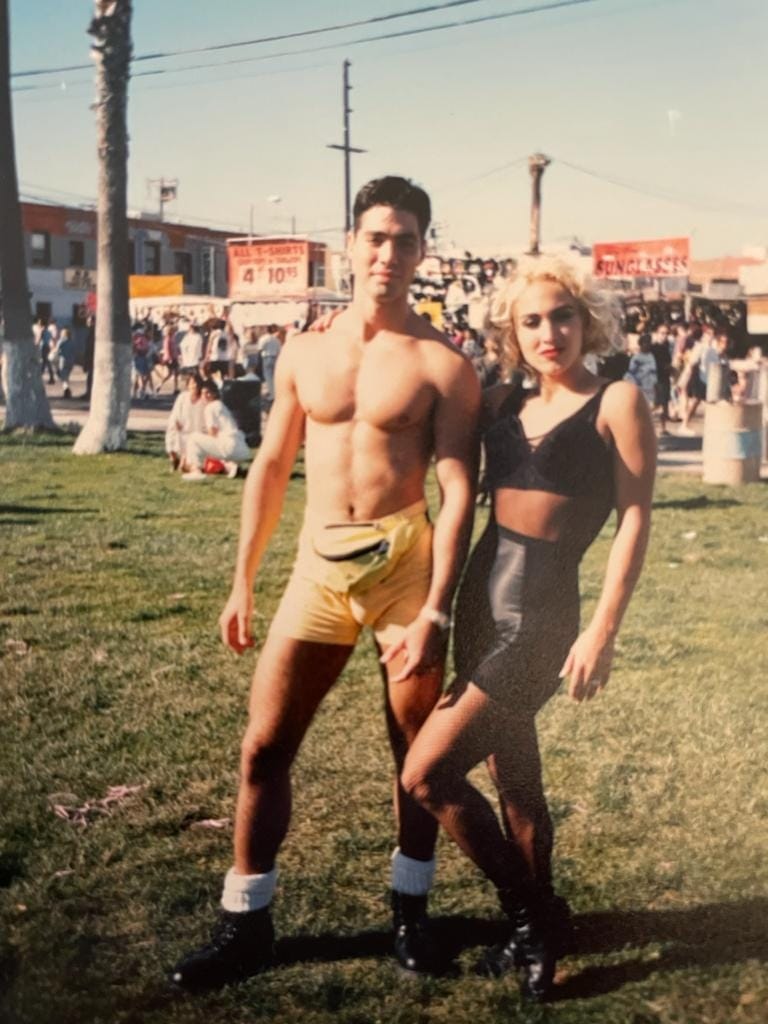
Ricardo's head was spinning as fast as his hormones. His relationship with Gabriel was on shaky ground. "One day, while I was at the supermarket, I met an American guy at the checkout. He was gorgeous. I asked for his phone number, and when I got home I called him. We were talking when I heard keys in the door… it was Gabriel getting back from work. I hung up and greeted him as if nothing had happened. At that very moment, the phone rang. It was the guy I’d just hung up on, but Gabriel answered", Ricardo wrote in his diary. "When he realised everything, we had a huge fight. It ended with the paramedics there, because Gabriel had a nervous breakdown."
That was the end of their romantic relationship, but not of their bond, which would continue until the end of their lives.
For Ricardo, the breakup was a message: he realised he wanted to be truly free. And that meant no partners and no emotional ties. Solitude, freedom, parties and a full-on gay life. For that kind of life, everyone recommended the same destination: Miami.
Second Part
As we saw in the first part of this story, the breakup of his relationship with Gabriel was a message for Ricardo: he had realized he wanted to be truly free. That meant no partners and no romantic ties. Loneliness, freedom, parties, and a full-on gay life. For a life like that, everyone recommended a single destination: Miami.
Vice City
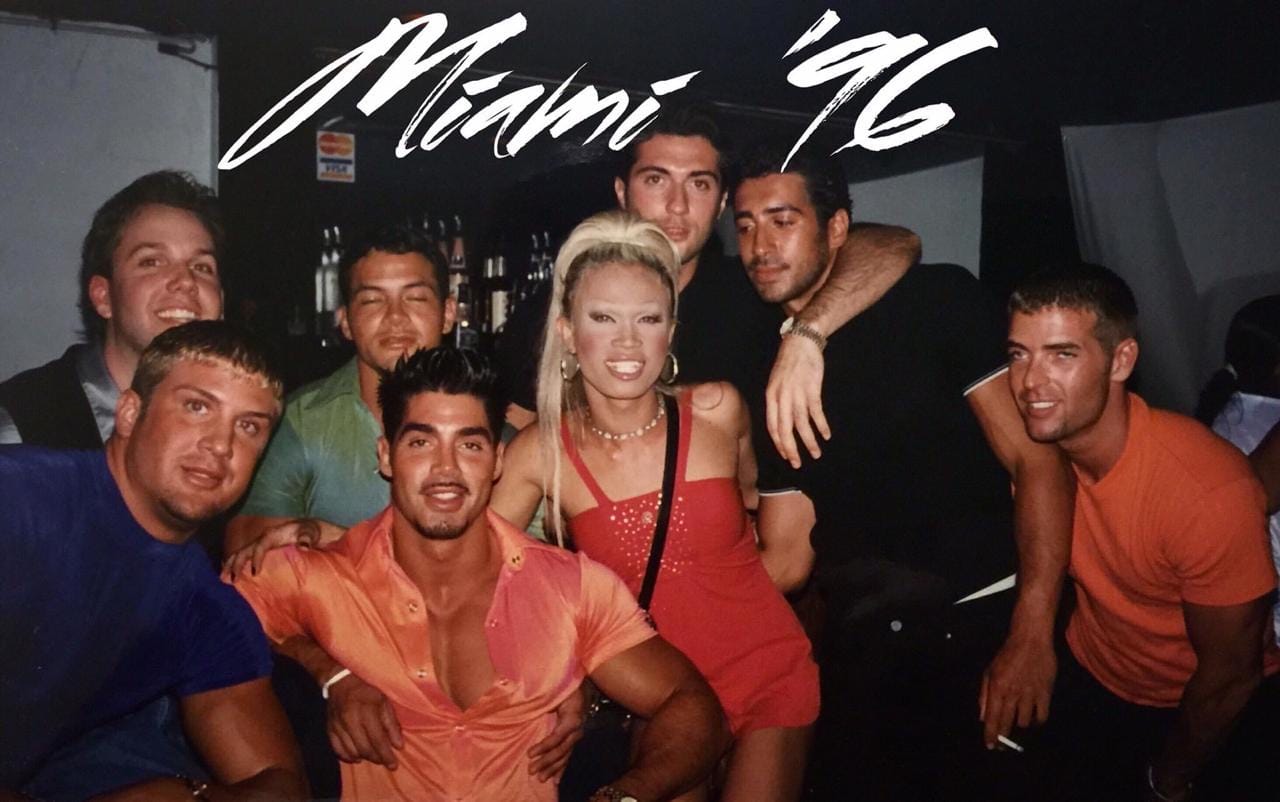
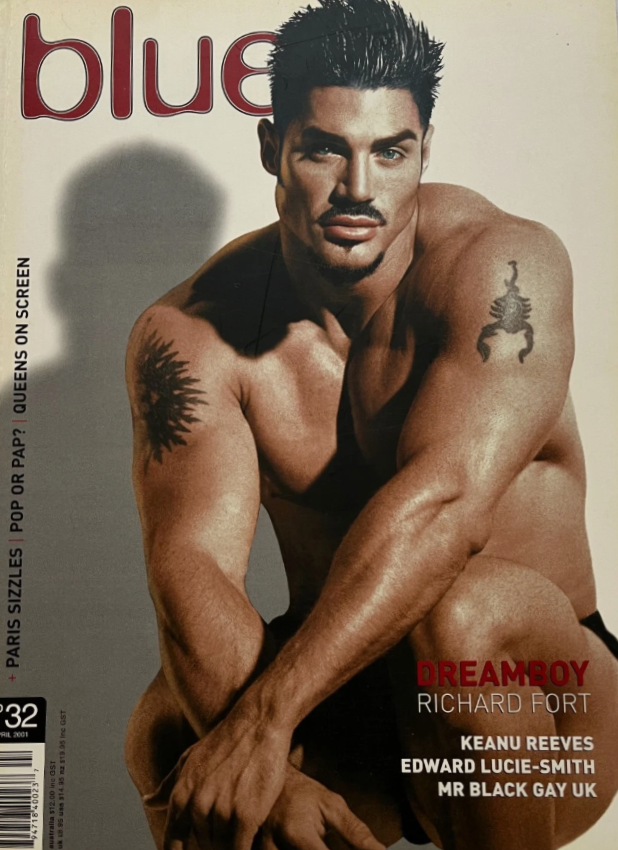
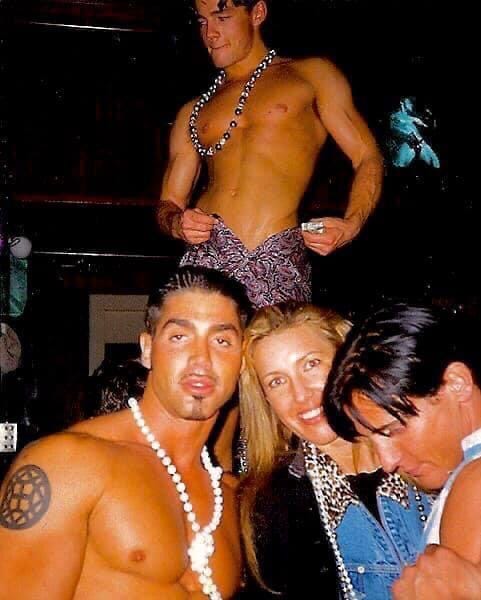
Going back and forth between Miami Beach and Key Biscayne, Ricardo felt he could show himself exactly as he was, without fear of other people’s prejudice. Completely freed from the pressure of other people’s gaze –which he had long both chased and suffered– the youngest of the Forts moved through the queer nightlife of South Beach (clubs like Twist, Palace, and the drag circuit), in a Miami marked by a Latin mix and the hedonistic pulse of an era in which Ricardo was the king of the night. That’s how the Australian gay magazine Blue+ remembers him in Issue 32: a dreamboy model who made the cover over a certain Keanu Reeves.
But the family mandate never stopped weighing on him, and Ricardo was always looking for ways to please his father, trying to contribute his often undervalued vision to the business. Although the ’90s had not been the most glorious years for his family’s chocolate factory, the youngest of the brothers would be the architect of a product that would save the decade for them.
Inspired by a relatively wholesome snack bar that was all the rage among Miami bodybuilders around 1997, Ricardo suggested to his father that they become the first in the country to enter the market for energy cereal bars.
For the Fort family, music was a hobby they kept up in their spare time from work. Probably the most accomplished of the three brothers, up to that point, was Jorge, the eldest, who was not only a great trumpet player but would go on to become a major music producer, even winning a Grammy.
For Ricardo, however, music was not a pastime –he wanted to devote his life to being recognized as the artist he believed he was. In the mid-’90s, he met his first American boyfriend, Lawrence, a model and graphic designer. As Ricardo recalls in his personal journal, Lawrence was deeply plugged into the city of vice’s jet set. The relationship didn’t last long, but those three months were enough for Fort to break into the star system he dreamed of.
“Dating him, I had the opportunity to do a catalog for Versace. A friend asked if my partner and I could work on a catalog and of course we accepted. After the shoot, Donatella Versace showed up at the studio and invited us to have dinner at her house that night. From there, we were going to the White Party that’s held every year in Miami. When we arrived at the Versace mansion, they served us drinks and we waited for the guest of honor to sit down at the table. Who was it? Madonna,” he would later write.
Madonna recognized him from their previous encounter in California, and at that party –and the ones that followed– Ricardo was able to gather contacts to keep exploring his path and try to become a new Latin voice.
“We were recording the third Romance album by Luis Miguel… with his famous arranger, Bebu Silvetti. There was a break, like a recess, between the sections we were recording”, recalls Eduardo Pérez Guerrero, an Argentine music producer, lawyer, and businessman based in Miami. “It was a call from someone important from the tango industry who was recommending an artist that had been sending us material for a while, including a very strange photo book. We had already seen it, and the aesthetics of the whole thing had caught our attention… In the photos he was dressed with wings, there were chains. It was all very diffuse.”
Eduardo was working on that album together with Rudy Pérez, the renowned Cuban-American musician, composer, producer, arranger, and sound engineer. The producer remembers seriously talking about the possibility of jointly taking on Ricardo’s musical project, because “it was a pretty unique –or striking– artist profile…” “We had a lot of projects in motion at the time. It was a boom period for Latin pop artists.” But Ricardo had a problem his competition of the era didn’t: he lacked the necessary financial firepower. The answer ended up being no, and the rejections kept piling up, but Fort’s pulse never trembled.
Via Mexico
“I wanted to be a singer, and I’d been told Mexico was the best place to make it”, Ricardo recalls. He moved there with the help of Gabriel, his ex-boyfriend turned lifelong friend, who flew with him. In Mexico City, he landed a meeting with a very well-known producer, who was managing Yuri, the Mexican singer and TV host. According to Fort, the man had promised to promote him, but never did a thing –he let himself be swept away instead by a young Puerto Rican, the singer of a famous group, who wanted to go solo.
Ricardo kept going and secured a casting at Sony Music to sign his first contract. At first, he was thrilled, but the months went by with no activity. “I spent four months doing nothing; they didn’t tell me anything, and like an idiot I got mad and asked them to cancel the contract, which they did without even thinking about it”, he would later say.
Shortly after that, he heard rumors that the company was investing everything in a new talent who was supposedly going to take over the world. The same Puerto Rican kid who had pulled him away from Yuri’s manager: Ricky Martin.
Do It Yourself
With the turn of the century, Ricardo rolled down the shutters on “the singer”: a cheap music video, a hundred thousand dollars blown on ghost producers, promises that evaporated the next day. The lesson was surgical: the only missing ingredient was budget. He started studying the manual that was already being written in the United States: reality TV as a platform, scandal as engine, ostentation as aesthetic. Live, 24/7. He took notes and waited.
In the meantime, he put on the businessman’s mask to keep his family happy. In parallel, he drew up his plan for fatherhood and put his life in order. He did his research on the surrogacy clinics that were starting to pop up in California. He chose a partner in the project: his only friend who had always shunned frivolity, Gus, a low-profile bodybuilder he had always loved. And all the while, he sat and waited for the transfer of the great inheritance from the chocolate empire that would arrive before long.
When Lalo died, the equation changed. The company he had to run was no longer Felfort; it was himself. Perfume, clothing, champagne, cartoons, cameras, theaters –an entire ecosystem built around a single product: his own name and body. DIY, but with an unlimited checkbook. The Super Chad was ready to conquer the hearts of the many after the rejection of the few who had blacklisted him from his own dream. All it would take was a couple of live remotes with Alejandro Fantino for liftoff –because the engines had been roaring for a long time already.