Sir, a Second Meme Has Hit My Brain

11 de sep. de 2025 — Admin
Eighteen days had passed since the Twin Towers attack when comedian Gilbert Gottfried delivered the first televised joke about the whole thing. It happened in the middle of a roast, a traditional American format where, to celebrate the life of someone important, their friends, family, and associates get together to crack jokes roasting the guest of honor -- in this case, Hugh Hefner.
"I have to fly out to California. I can't get a direct flight. They said they have to stop at the Empire State Building first," the great Gottfried let rip.
The audience's response was crystal clear: TOO SOON.
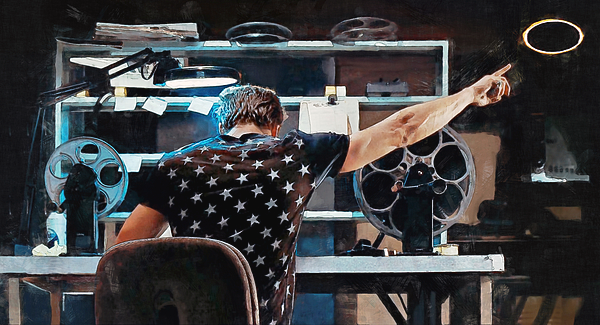
But we know that the internet operates at a different speed, and only 10 minutes had passed since the impact on the first tower (8:46 AM) when, on the SomethingAwful forum, user DogWelder posted (8:56 AM): "That's one goddamn huge hole in the World Trade Center, people!". He attached an image of Tyler Durden, the Fight Club character played by Brad Pitt, with a line from the movie: "In the industry, we call these cigarette burns," referencing the hole left after the first tower was hit.
9/11 was one of the first memeable tragedies of the internet, but if Pompeii, the Hindenburg disaster, or the sinking of the Titanic had happened in 2001, they would have been prime meme material too. The event triggered the full unlocking of comedy about horror, driven by that relationship between anonymity and empathy that emerges when we communicate through screens.
So 9/11 started circulating as humor material not because the tragedy had lost its weight, but because the internet was creating subcultures where the forbidden became funny precisely because it was forbidden.
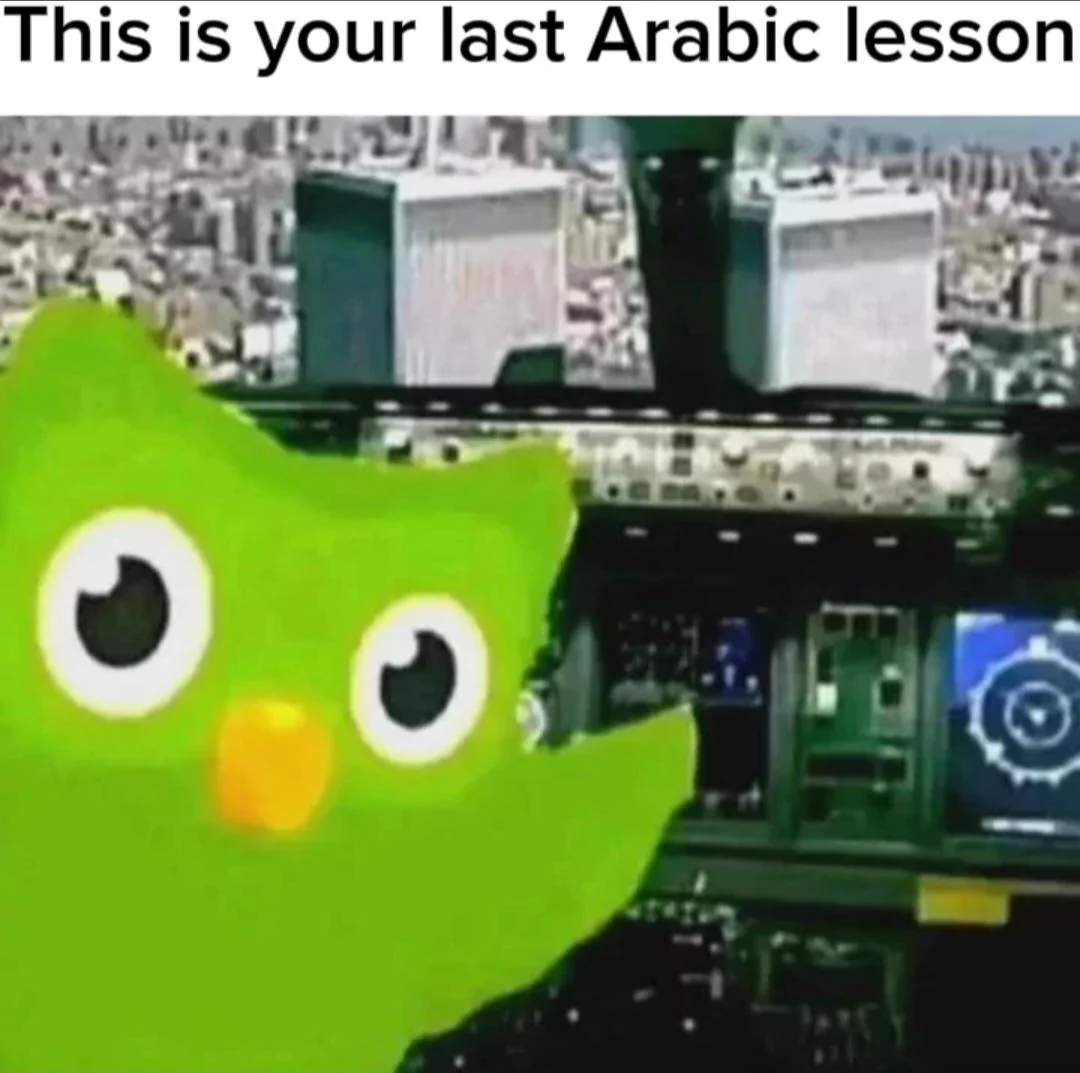
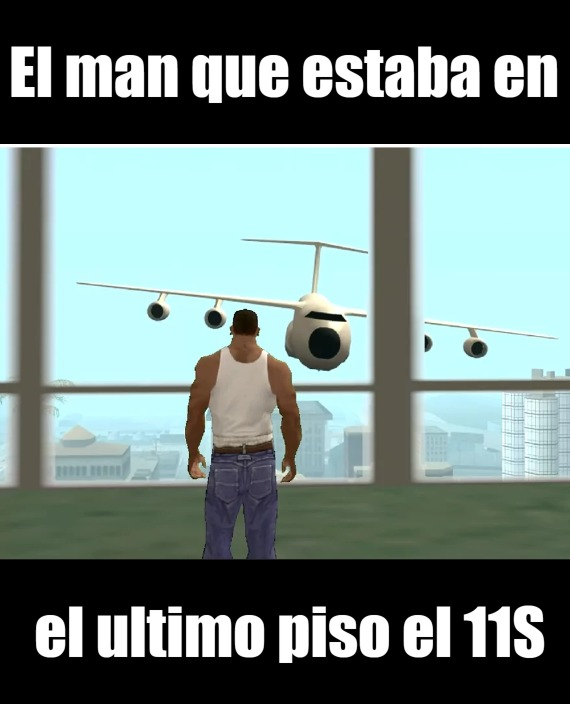
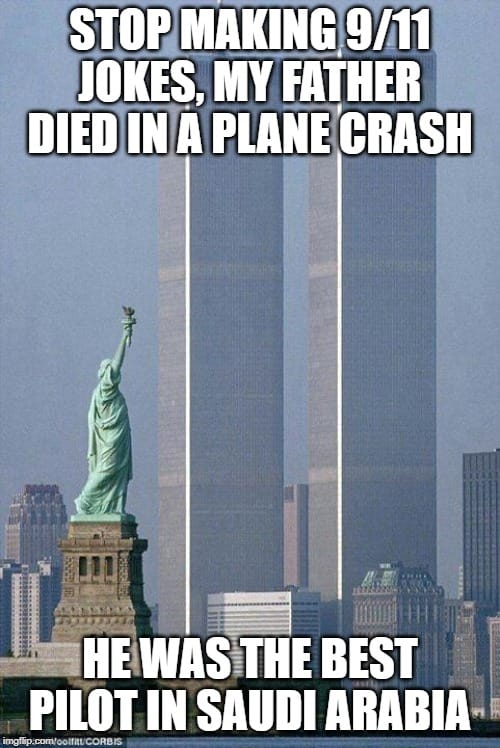
The World Trade Center attack became standard memetic material on the internet. So much so that 24 years later, the memes are not only still funny -- they keep iterating and improving. And they've also entered dimensions like the Dunk Meme world, the most abstract and absurd version of meme culture.
Today, 9/11 is not a sacred topic: it's just another resource in the internet's nihilistic humor arsenal. The dominant tone is post-ironic: it's no longer even about mocking the tragedy directly, but about using its imagery as a signifier of the inappropriate and the absurd.
Aided by the new social media platforms that emerged over the last two decades, 9/11 memes have evolved into reels and TikTok content. And in many cases, they're being made by people who weren't even alive when the attack happened.
9/11 meme templates
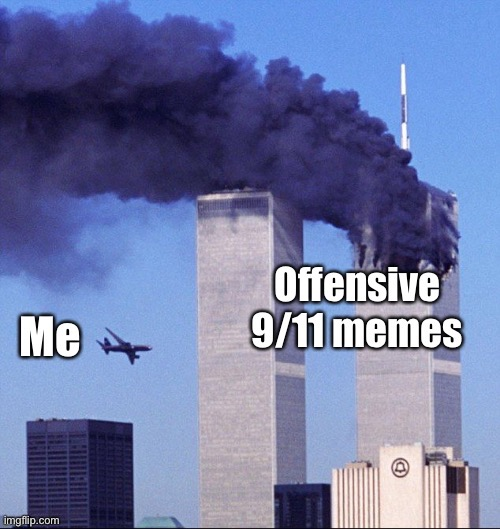
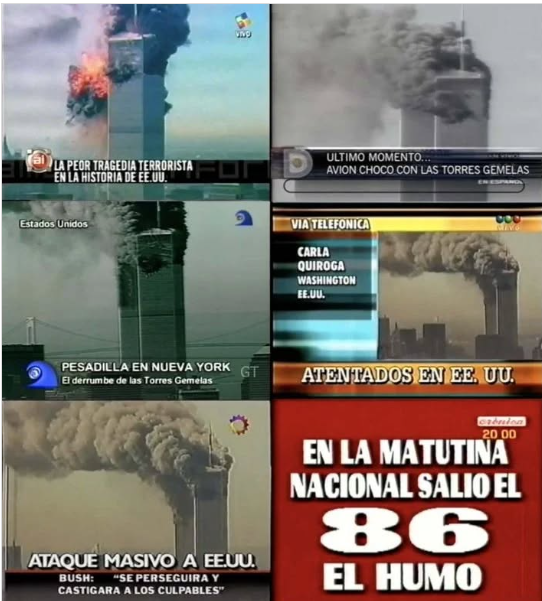
If we think about the definitive templates, first we have the classic photo of the Twin Towers with the second plane. Now a pillar of reaction images for unexpected situations or things you'd throw yourself headfirst into -- the visual equivalent of "full send."
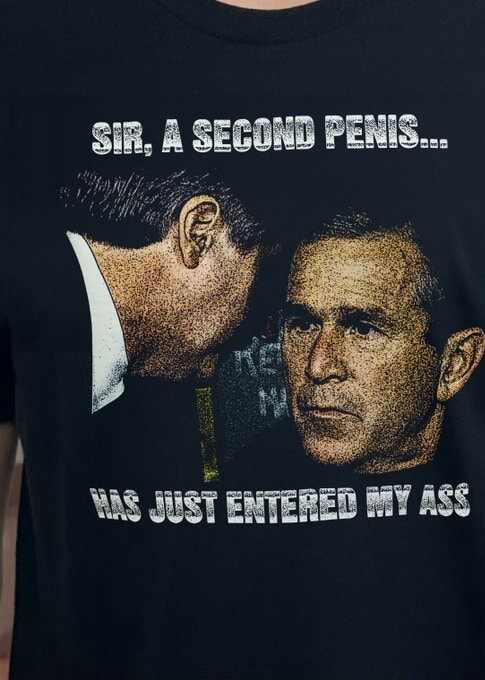
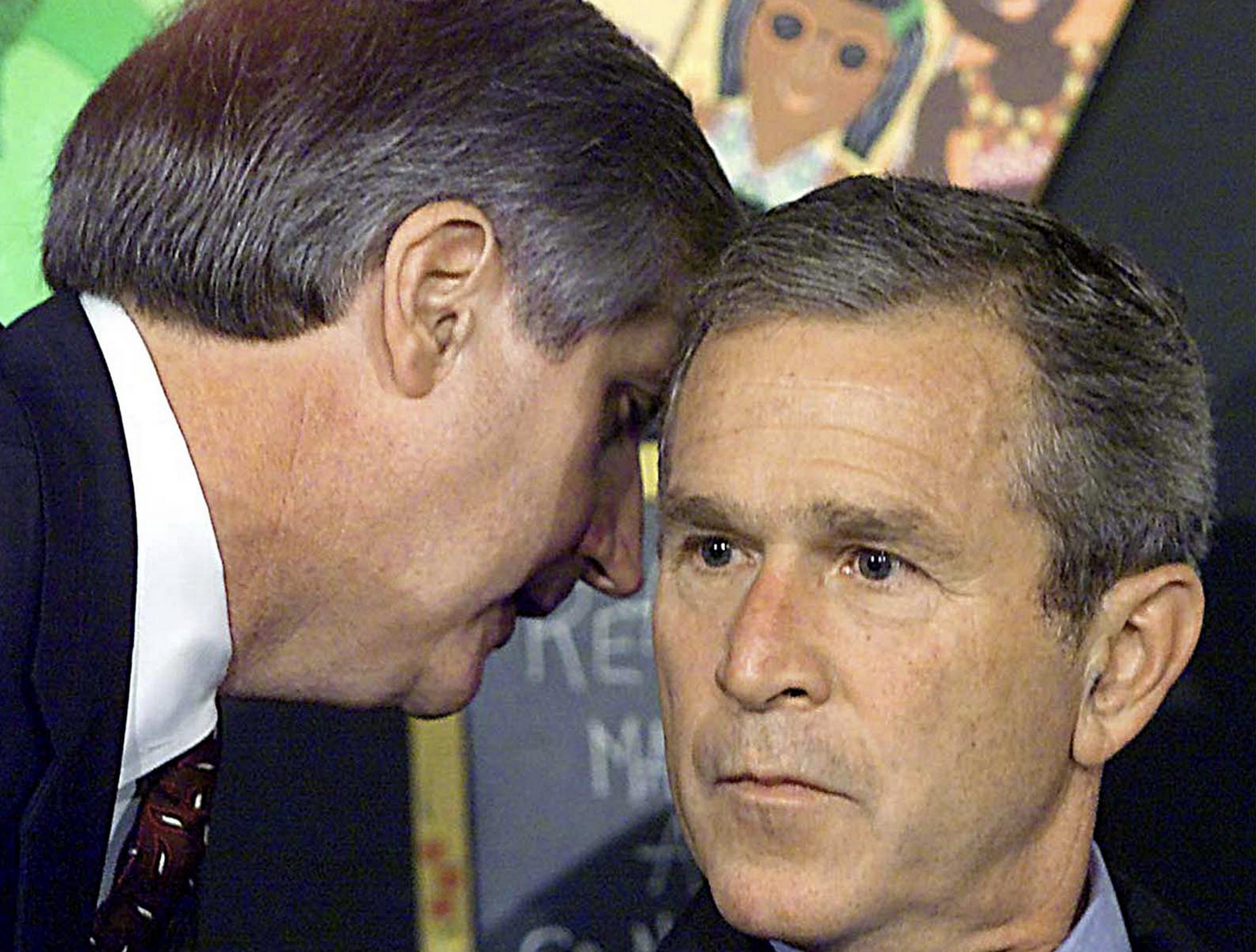
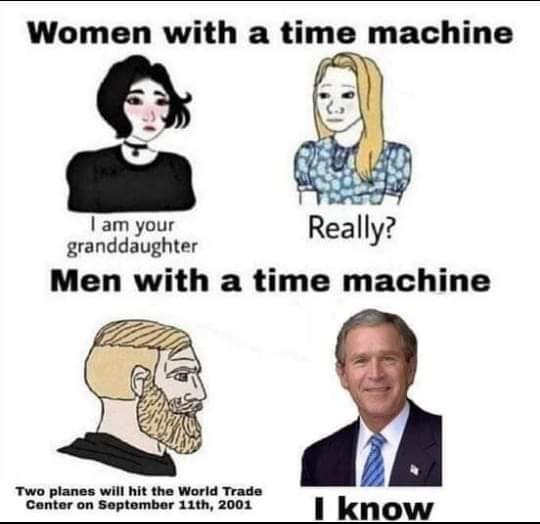
Then there's the image of George W. Bush that illustrates this article, with that completely lost stare while White House Chief of Staff Andrew Card whispers to him that a second plane has hit the other tower. "Losing isn't serious; the problem is the dumbfounded look on your face", as Argentine politician Jose Maria Vernet once said. Let's remember that at that moment, Bush was reading a story to kids at a kindergarten in the state of Florida.
Finally, there's the classic Wojaks and Chads template, with ranks that vary according to the needs of the situation. Many of them depict the Level 1 of conspiracy theories claiming that U.S. President George W. Bush was directly responsible for the attack. A perception that's hard to sustain when you see the dumbfounded look on his face when he learned about the second tower being hit. "9/11 was an inside job" is a memeplex that deserves an entire article (or a series of articles) on its own.
Argentina and the 9/11 memes
In our beautiful country, we have a tradition when it comes to the limits of humor. The internet and social media gave free rein to our national character and we managed to create a parallel system that transforms constant stress and crisis into serotonin, via meme production.
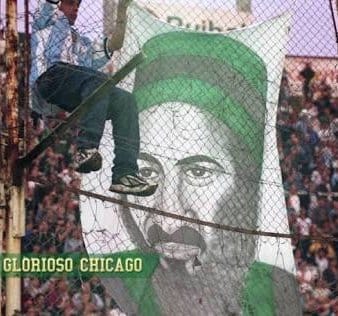
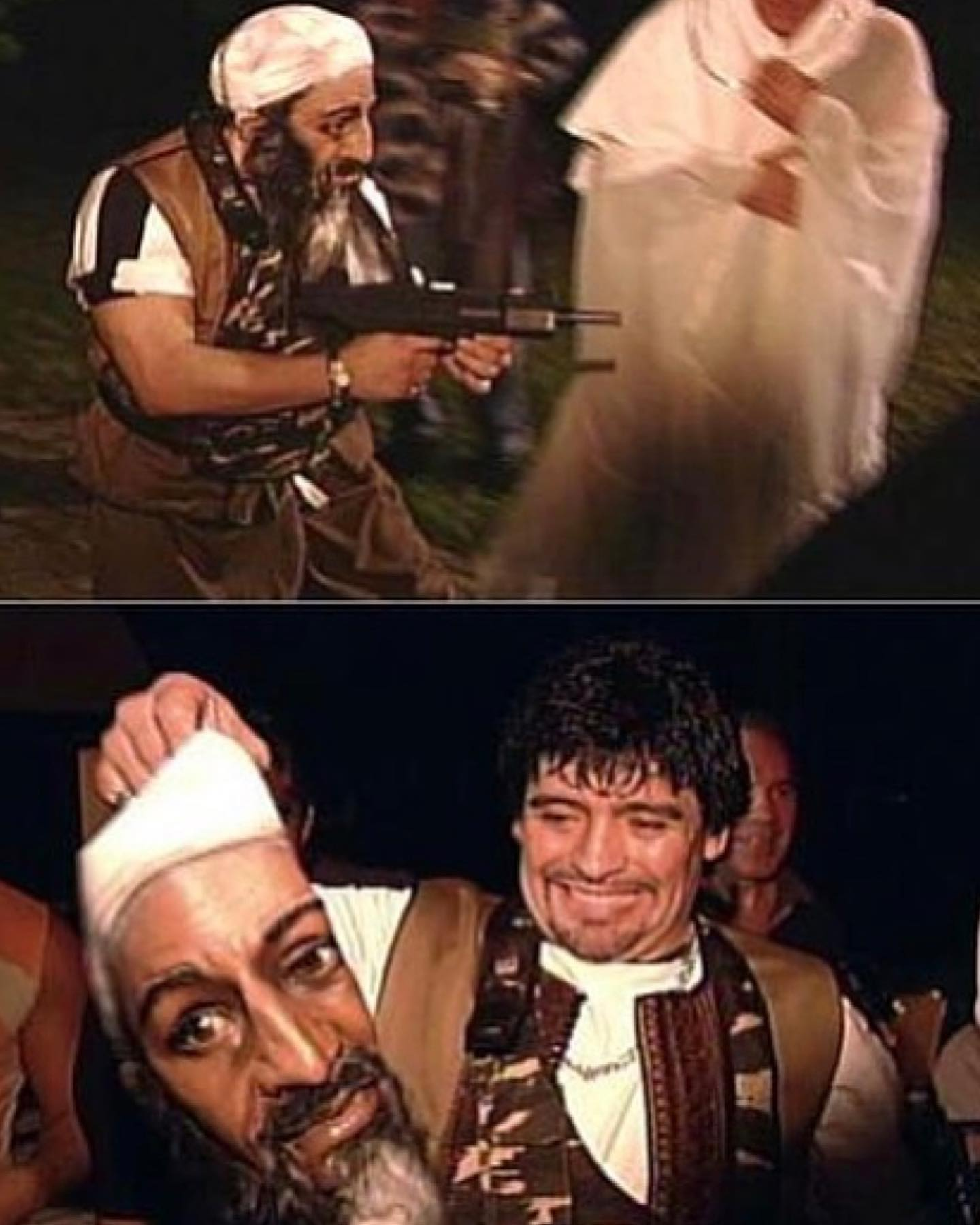
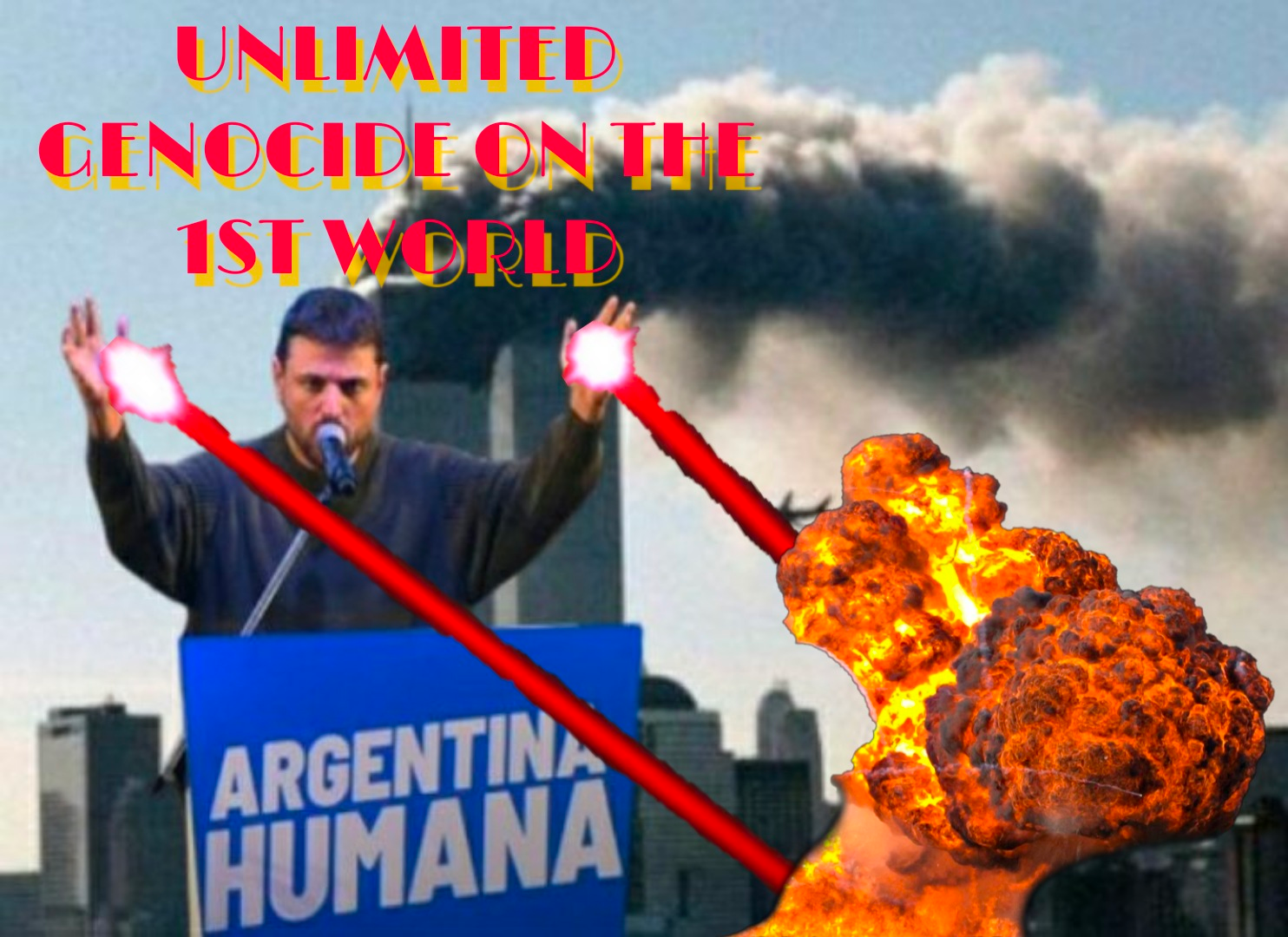
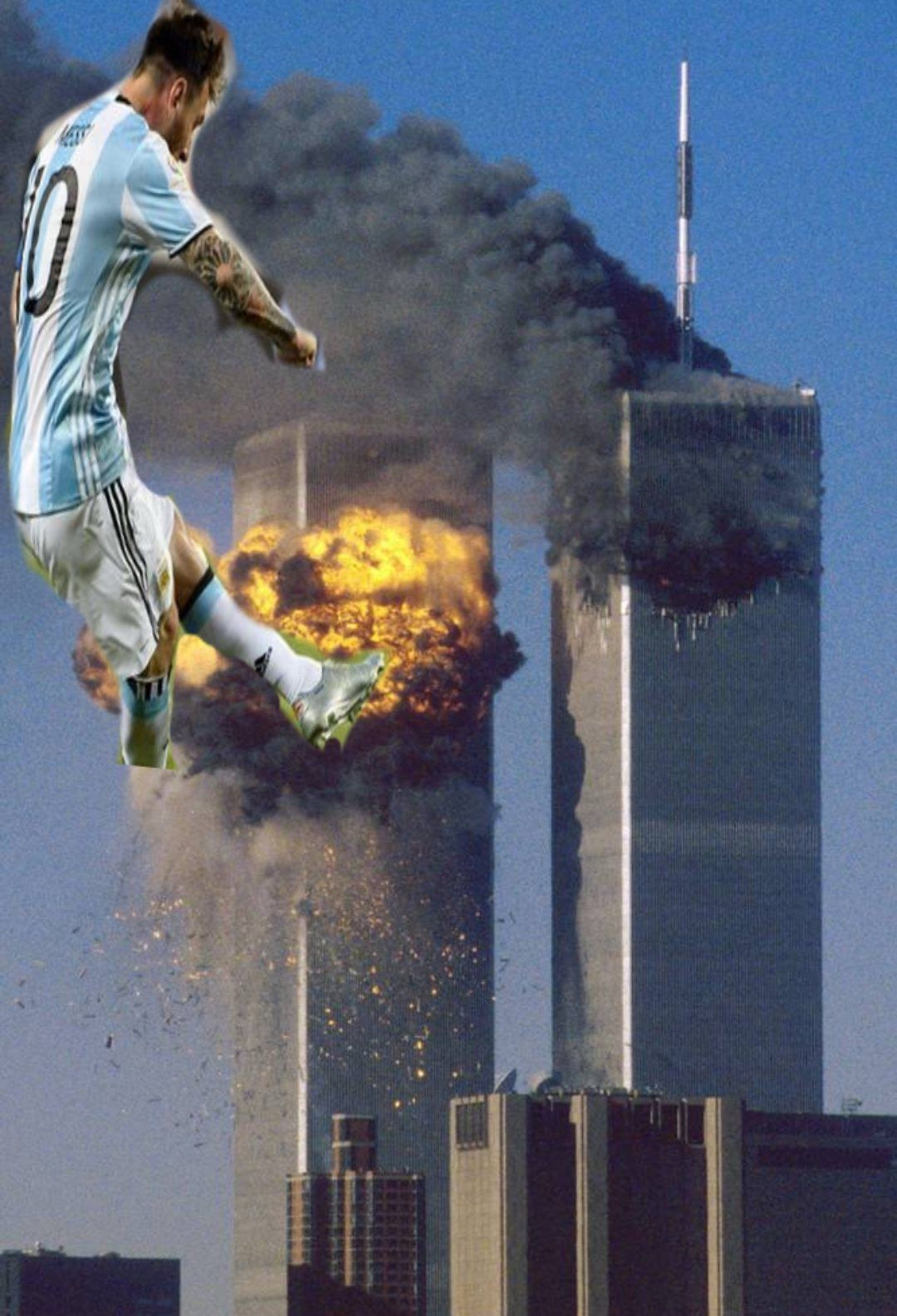
Everything in Argentina eventually becomes memeable, deployed in all kinds of ways, from the most harmless to extreme weaponization. September 11th was no exception. Shortly after the attack, Bin Laden became a kind of comedic character. This was crystallized in that iconic moment when Diego Maradona put on a mask of the Al-Qaeda leader. Almost instantly, the world of football was flooded with references to Bin Laden as a sort of folk hero, anchored in our country's long-standing anti-imperialist tradition.
On top of that, the meme infuriated a more "politically correct" segment of society on this topic, or even openly pro-American voices (Daniel Hadad, Infobae), which only made it funnier. There was even a controversy sparked by a back cover of Revista Barcelona (an Argentine satirical magazine) that commemorated the second (?) anniversary of the attack with a cake and the towers as candles.
The attack after the attack
9/11 has been through so many layers that the attack has been abstracted from the image itself, turning it into a concept that applies to wildly varied scenarios, from one idea crashing into another to the ridiculing of the situation itself. And it makes sense: two commercial planes crashing in a terrorist attack against the most iconic towers in the United States is one of the most WTF moments in history.
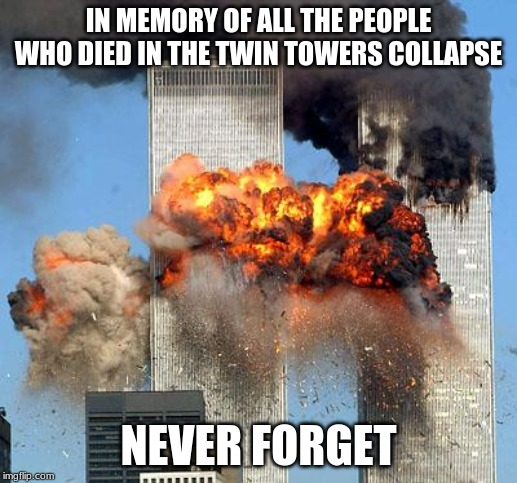
To commemorate this day, here's a curated selection of memes and a bonus track of videos: