A Station of Power: Growing Up with PlayStation
23 de ene. de 2026 — Luis Paz
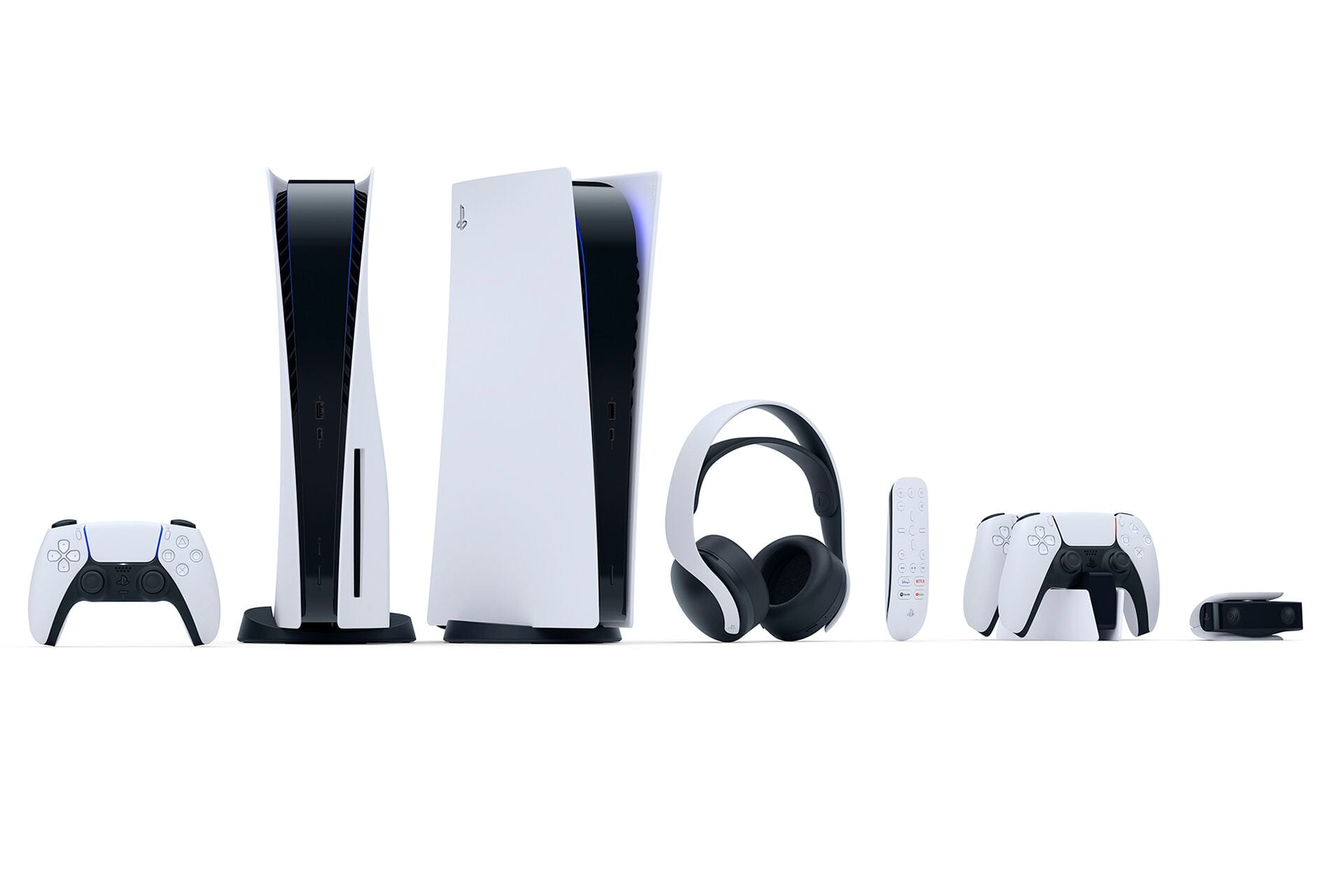
A couple of weekends ago we bought a PlayStation 5 for the house. It’s a story with a happy ending, but it started out like absolute shit: I bought it from Frávega, they spent six days without processing the payment or getting the console ready, and then they canceled the order. For days their call-center reps gave me the runaround. This week they’ve been calling other customers the same thing happened to and offering a discount coupon as an apology. But even so, the new terms are nowhere near the original price and payment plan. Anyway, I already had it handled: a few days later Alejandra went out and bought me a PS5 at Coppel. A woman who gets things done.
Store pickup turned into a scene straight out of those “man buys a PlayStation” memes. First we realized it wasn’t just basically the same installment price as the failed purchase —it was also the 1 TB model, not the 825 GB one like the other store. Huge win. Then the kid working the pickup desk was genuinely hyped for me: “You’re taking home an excellent console”, he said, smiling as he put the box in a bag—then that bag in another bag, then that bag in a third bag—so nothing would tear and the PS5 wouldn’t end up scattered across the street. My parents never took care of me like that. And finally, when I opened the triple-bag situation in front of the security guard and showed him the receipt before walking out, he smiled too and said, “Enjoy it”, then told me he plays FIFA with his kid —and that sometime last year he stopped being able to beat him.
Our kid still doesn’t really get what a PlayStation 5 means. To her it’s just “dad’s games”. But she was still thrilled. So was Ale. So were my nephews, my bandmates, and a whole bunch of friends. I can’t help thinking about how my old man and his buddies used to show each other the cars they’d managed to buy: always used, always beat up, always proud. You can see the pattern —the downward spiral of aspirational consumption for salaried thirty-somethings. But there’s no way around it: I was ridiculously happy we bought the PS5. Besides, I’ve already got the beat-up used car anyway.
I bring up my old man because, in a weird way, my relationship with PlayStation starts with one of his nine brothers moving from Buenos Aires to California in the ’70s —fucking legend. In the summer of 2003 his kids, my American cousins, came to visit. I was 16, with the aftershocks of the 2001 crisis and the 2002 grind still sitting on my chest. They showed up with two things that changed my life: an original PlayStation they no longer used because they’d upgraded to a PlayStation 2, and one of those CD binders —like the ones I used for my pirated PC games, except this one was packed with original discs and their booklets. The Smiths and Radiohead. California punk and hardcore. Collector-grade dub and rocksteady. And bands that were just starting to break, like The Strokes and The Killers.
It was also the summer I tried weed for the first time at a neighborhood party. A summer of plant-fueled brain fog, indie music, and an entire night without sleep, tuning up a Subaru Impreza in Gran Turismo 2.
But the dream didn’t last long. Because I didn’t know any better —and didn’t even think— I plugged the PlayStation straight into the wall. The console —Japanese, bought in the U.S.— ran into a different voltage out in the far suburbs of Greater Buenos Aires, not long after Argentina’s big crash. It was too much. The next day, around noon, we woke up ready to keep playing and it wouldn’t turn on. We sniffed it and the burnt smell was obvious. It was a huge pain in my gamer soul, unlike anything I’d felt since my Tamagotchi died while I was taking Communion in the spring of 1997 —an event that permanently broke my relationship with Catholic ritual.
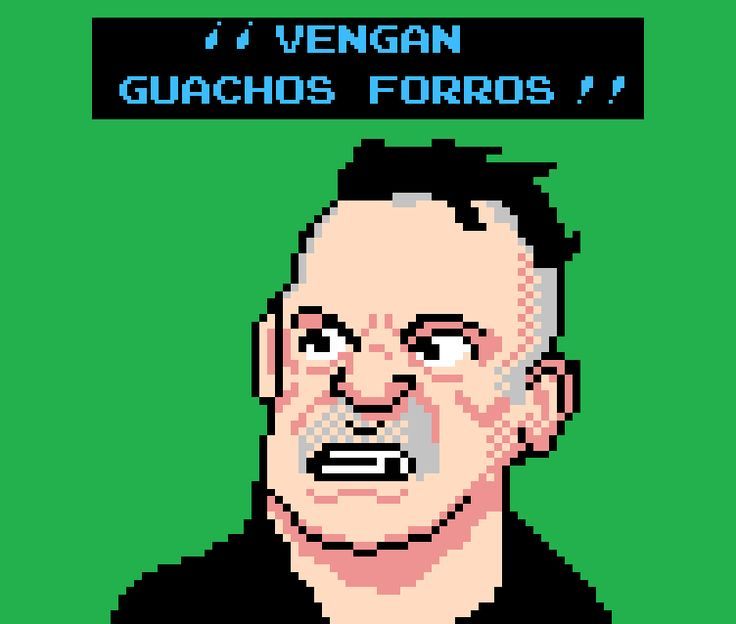
Five years passed before I owned a PlayStation again. I couldn’t afford a PS2 when it was new and, besides, I’d always prioritized having a desktop PC. But once the PlayStation 3 was out and I’d started working at Página|12, sometime in 2007 or 2008 I bought my first PS2. It didn’t last long either: after finishing GTA: San Andreas in a couple of weeks, I sold it almost immediately —pure fiend behavior. That was the era of the immortal "Power Station" anecdote and all those local jokes around it. Not too long after came the "Messi of the Play" boom and the classics between Lionel himself and Kun Agüero.
Another five years later I bought a second PS2 —older, married, and supposedly more responsible. That one didn’t last long either, because in 2015 another set of cousins came to visit, this time from Santiago, Chile, and I had them bring me a PlayStation 4 —late in the CFK years. It cost me 5,000 Argentine pesos at the time, and the PS2 moved to my brother-in-law’s place.
That PS4 was in service until last week. It still works, but it’s powered down while I wipe it and hand it over to its new owner: my friend Beto Galápagos, an illustrator whose work you’ve probably seen on 421. The arcane artifact changes hands, but it already knows its people: it’s the console we used for our memorable FIFA tournaments with him and Pablo —the ones I wrote about in my Ultimate Team piece. I’d keep that PS4 out of sheer respect for the thing, but I don’t have the space, the cash helps, and joy should circulate —especially among friends.
Unlike the burnt PS1, the PS2 I flipped like a fiend, and the other PS2 I had chipped (a whole phenomenon Juanma has written about more than once right here), my PlayStation 4 lasted forever. It gave me a full decade of entertainment, from that incredible first-time rush —setting it up and playing The Last of Us for the first time, or beating Uncharted 4, one of the most fun games I’ve ever played— to having a totally different kind of relationship with Fallout 4 and Grand Theft Auto V after growing up with those franchises on PC since the mid-’90s.
I also said it in my piece about Grand Theft Auto IV, which I still think is the best in the series: the PlayStation 3 was never really an option for me because the PS2 was still a blast and, to my taste, the PC experience was better. But with the PS4 I finally understood something about console diehards: you buy once and you’re set for a decade —you can play everything that comes out. As the years go by, that predictability matters more and more.
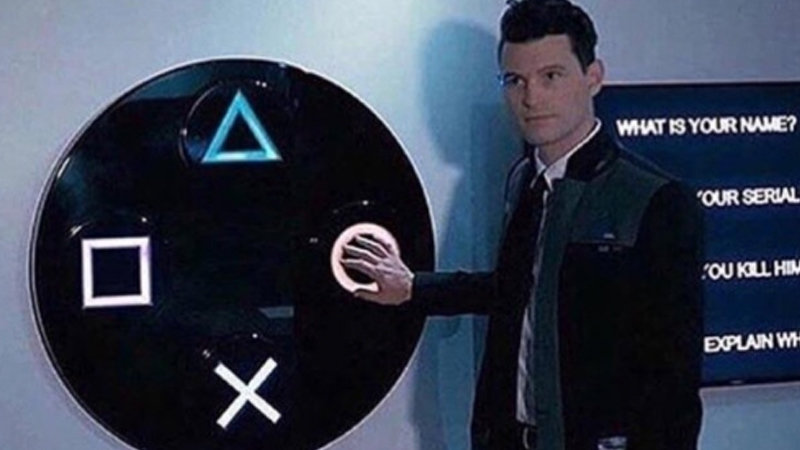
In between, I played on dozens of PlayStation consoles at friends’ and relatives’ places —nights with Juanma and Juan and/or Hernán grinding Winning Eleven. Shootouts in some backroom hangout, a barbershop waiting-room living area, or a press-lounge lobby. Squares, triangles, circles, and Xs. Triggers and sticks that feel like little dog noses. And there, in the middle of the table, the desk, the TV stand: the home entertainment box, the multimedia player for the post–mini-component generation, the star of the pregame, a commodity in the secondhand console market, fetishized technology, an object of power. A wonderful machine.
When I think of PlayStation, stories come rushing back —always tied to enjoyment, joy, hanging out, flashes of euphoria. That’s Sony’s real win, I think: not the 450 million consoles sold worldwide, but how deeply it’s sunk into the hearts of two —and maybe three— generations. “La Play” —whichever one, any of them— is an arcane artifact. A kind of technomancy that’s been shaping generational stories for about 30 years.