Sumo, ritual and sport

19 de nov. de 2024 — Juanma La Volpe
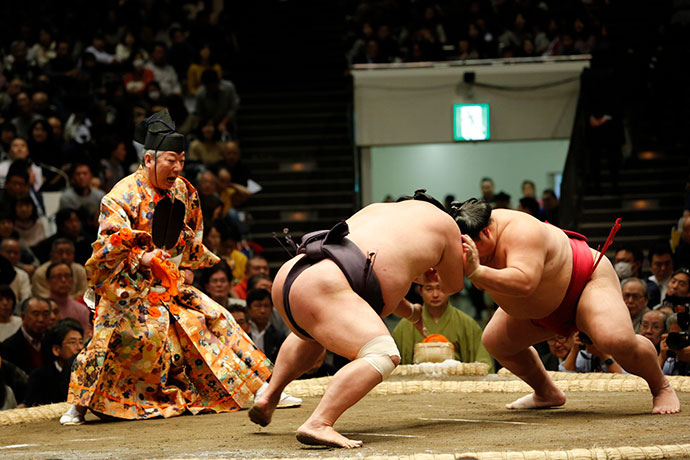
Professional sumo is a practice that chains many things together at once: it is a sport and a martial art, but also a religious ritual and a cultural tradition. It dates back more than 1,500 years, originating as a ceremony for the imperial court, where two rikishis (wrestlers) face off in a combat of strength and technique as entertainment for the nobles.
Today the sport has modernized significantly in terms of its organization, but it preserves its original rituals. Watching sumo is a fresh experience for a Westerner; there is something magical and epic that is impossible not to feel when watching it. The weight of centuries and the stories of the wrestlers make it an incredible spectacle. But, to enjoy it even more, let's go over the basics.
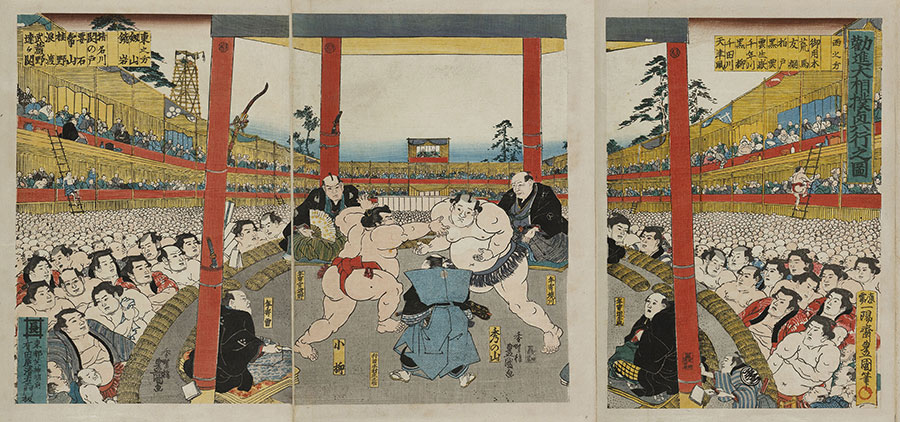
The ABCs of sumo
The rules of a bout are fairly simple. Two rikishis compete in a match on a dohyo, a circle that serves as a ring on ground considered sacred. The winner is whoever manages to push their opponent out of the dohyo or force any part of their opponent's body to touch the floor, other than the soles of their feet.
The metagame of sumo leads wrestlers to pursue a large body, combining body mass and muscle, in order to have better grip on the ground and defense against pushes. But since there are no weight classes, we also find wrestlers who maintain a more moderate weight, prioritizing speed and technique over raw strength.
There are 82 registered winning techniques, and the average bout can last anywhere from a few seconds to about a minute, due to the simple rules and the intensity of the wrestlers.
The six annual tournaments
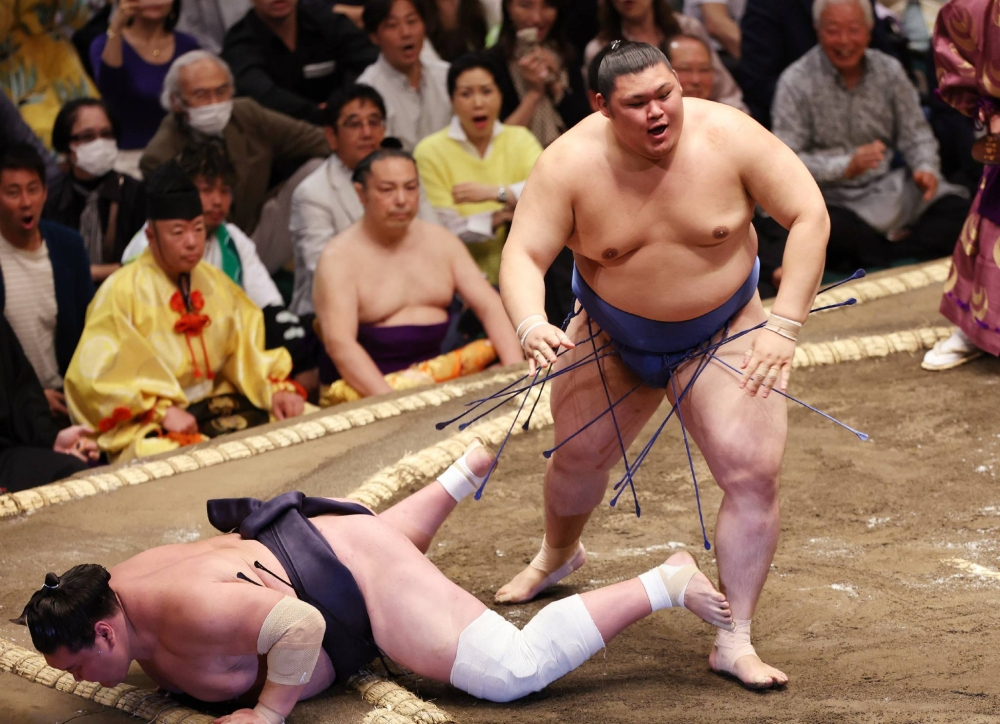
Called Honbasho, the six major sumo tournaments are held over 15 days in January, March, May, July, September, and November, organized by the Japan Sumo Association. In these tournaments, rikishis in the top divisions have one bout per day, and the wrestler with the best record is declared champion at the end of the 15 days. In the event of a tie between two or more wrestlers, playoff rounds are held among those at the top of the standings.
The rikishis put their ranking on the line and strive to climb in order to become a yokozuna, the highest rank and an achievement very few attain. To become a yokozuna, a wrestler must have won at least two consecutive annual tournaments, but it also requires the wrestler to be a role model, because ultimately the decision of who becomes a yokozuna rests with the Japan Sumo Association. What makes it interesting is that there is not always an active one; the title can remain vacant until someone the Association deems worthy comes along to fill the position.
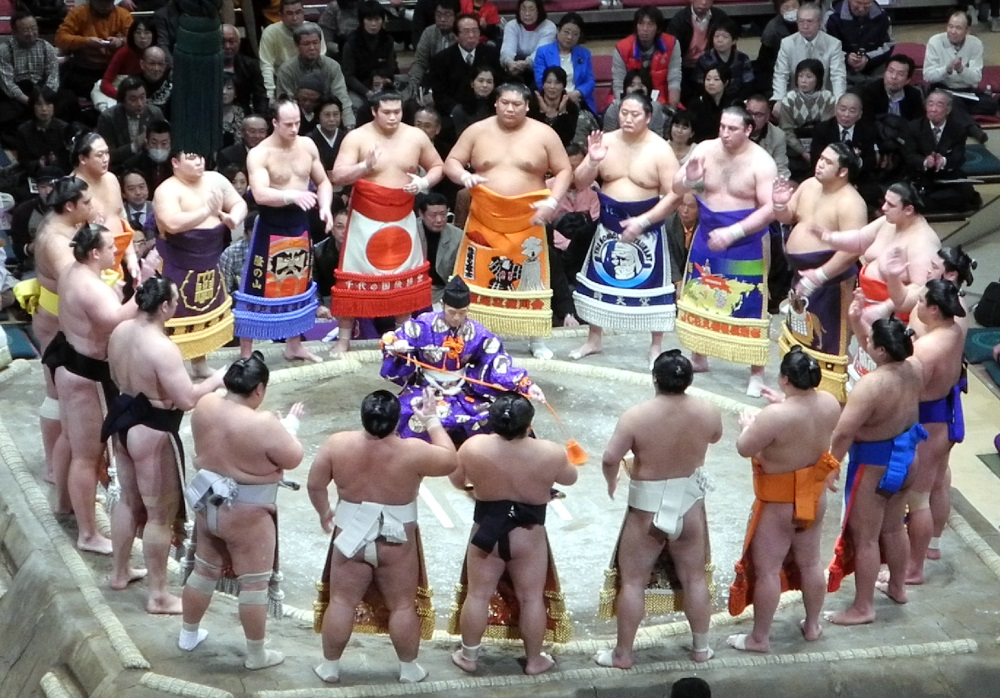
During 2024, rikishi Onosato (24 years old, 1.92 m tall, and 182 kilograms) claimed the most important victories by defeating yokozuna Terunofuji (32 years old, 1.92 m, 176 kg, with 10 Honbasho wins) twice and earning promotion to ozeki (the rank just below yokozuna). That season also saw the debut of ShiShi, a 27-year-old Ukrainian wrestler considered the first professional sumo wrestler from his country.
To watch the tournaments, we recommend the broadcasts by NHK on YouTube, where they upload the daily highlights with every bout. And a fair warning: like any sport, once you start getting to know the protagonists it becomes a shonen you want to follow for the lore and the feats of its participants.
What happens outside Japan
To promote the sport, the International Sumo Federation was created in 1992. While it features elite athletes, it is not considered professional sumo like the Japanese version, and it has some important differences such as weight classes and the inclusion of women's competition.
And here in Argentina we have the Asociacion Argentina de Sumo, which does a great job training wrestlers who compete in major tournaments like the World Championship or the South American Championship organized by the International Sumo Federation, and hosting events to help grow the sport in our country.