Superman Comics Reading Guide for Beginners

2 de may. de 2025 — Juanma La Volpe
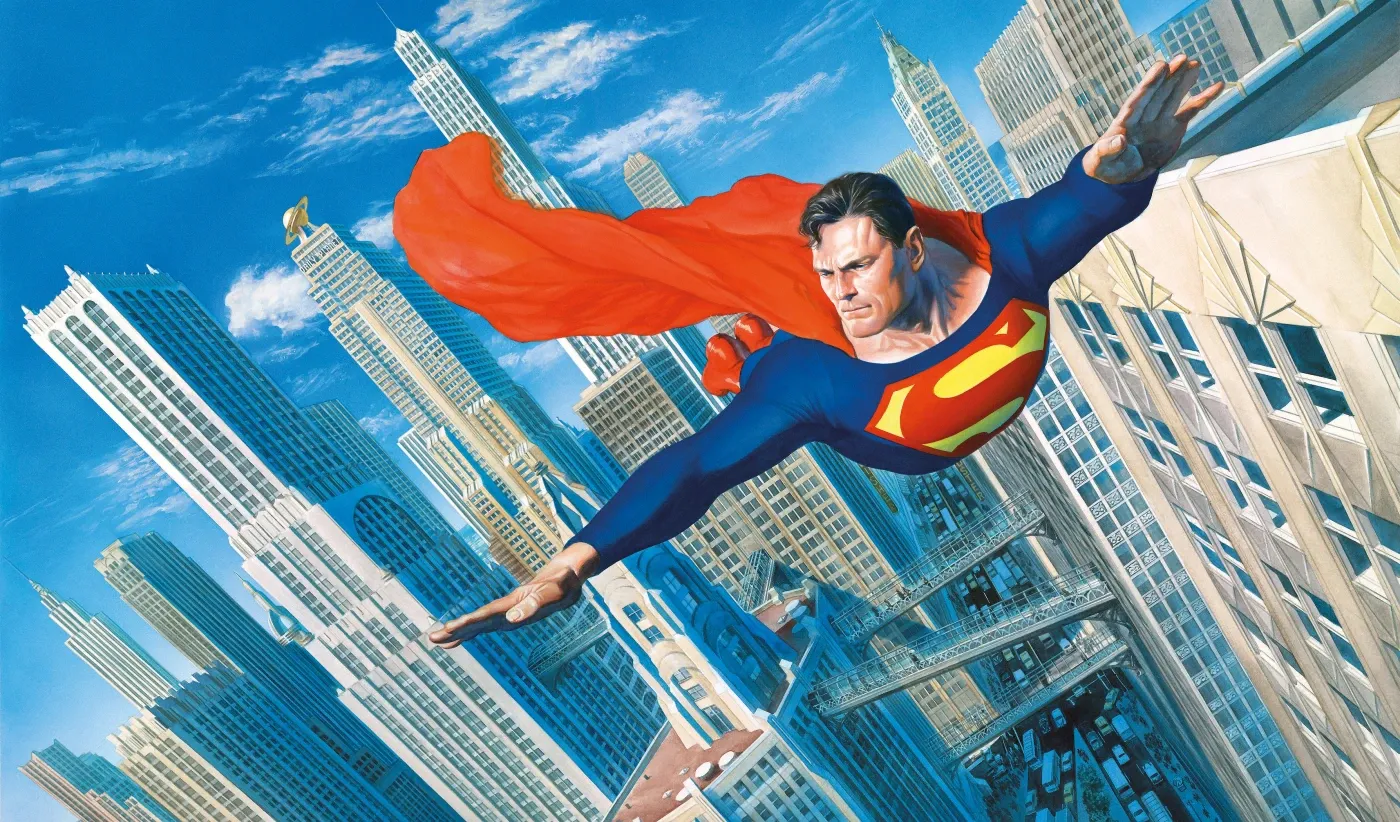
The Man of Steel, the first superhero. In his 86 years of publication, since Action Comics #1, he has managed to stay relevant and set the course for superhero comics. But within that "he can do anything" premise, as comics grew more complex and featured more mature storytelling, Superman became a difficult character to write, because his infinite range of answers and solutions creates the challenge of presenting threats worthy of him. On top of that, there's the social and political weight he carries in his "American Dream" persona. From our perspective as Argentinians (a country that roots for Team Batman), he always seemed a bit too friendly with authority and the system.
That's why, unlike other more easily lovable characters, you probably haven't read much about the Kryptonian. But hey, take it easy. His name is Kal-El, he has some truly great stories, and we're going to give you a push toward the comics you should start reading.
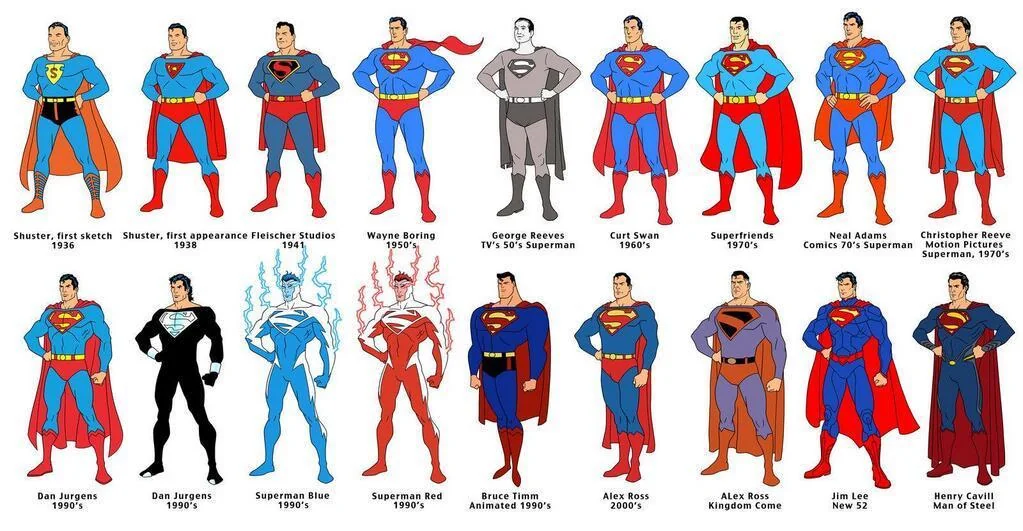
Who is Superman?
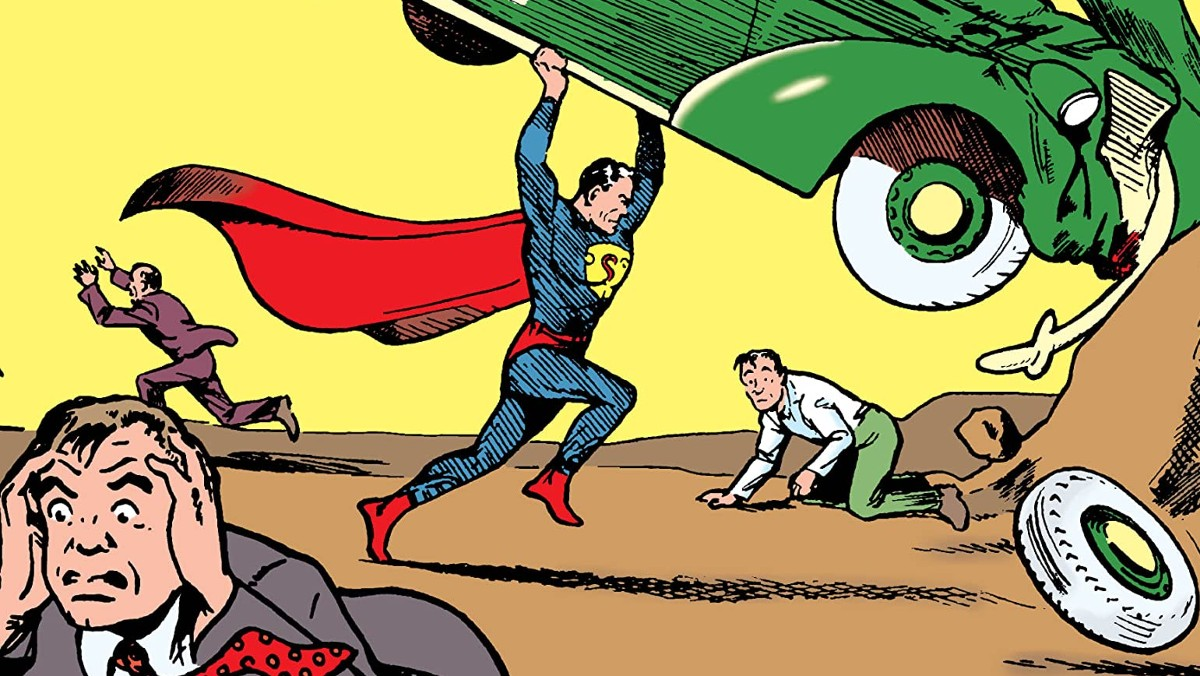
In 1938, in the first 13 pages of Action Comics #1, the character of Superman was born, created by the duo of Jerry Siegel and Joe Shuster. While there were already pulp characters becoming adventure icons, like The Phantom or Zorro, the concept of a "superhero" was born with our friend from Krypton.
Kal-El is sent to Earth by his parents from the planet Krypton, before it exploded and was destroyed. Upon landing on our planet, he is found and adopted by the Kent family of Smallville, United States, who rename him Clark. As he grows up under the Kents' guidance in that small rural American town, his powers begin to emerge, triggered by our galaxy's sun activating his Kryptonian lineage. Clark, possessing unmatched goodness thanks to the Kents, decides to use these new powers to help and protect the inhabitants of his new home.
Superman is the blueprint for superheroes, and not just for the genre but also for the "Superman" archetype that we see reflected today in parodies and variations like Homelander and Invincible. And crossing the great ocean, there are many parallels with the beloved Son Goku, another alien who falls to Earth and is adopted by an old man who teaches him kindness.
In his 86 years, Superman has been through everything: he died, came back, died again... These are -- in my opinion -- the comics you should start reading to get into the character, but there's so much more to explore after that.
Secret Origin (Superman #650-655 - 2009)
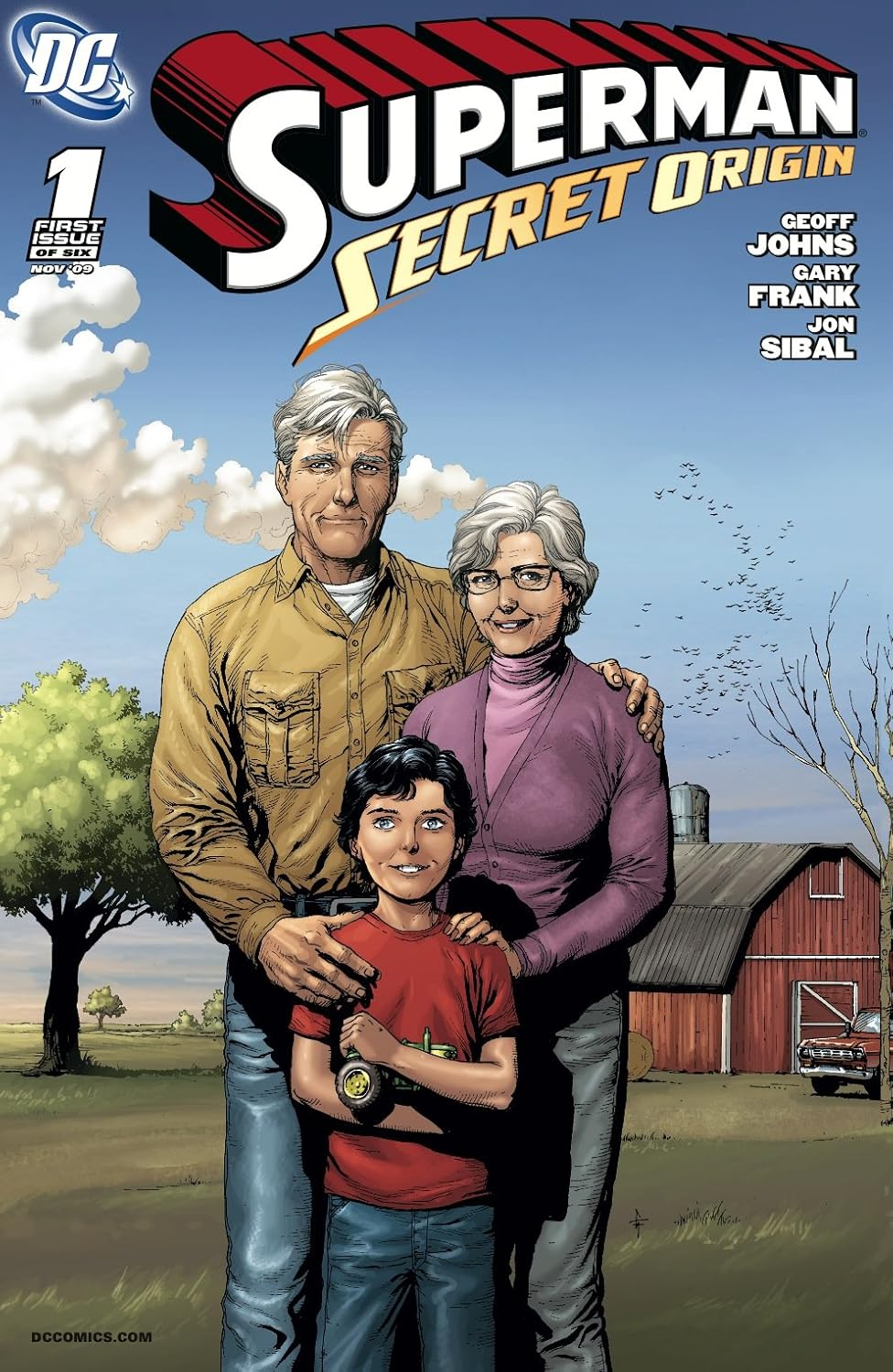
You have to start at the beginning but, as you might imagine -- and just like with Batman -- our beloved Clark has an origin that's been told thousands of times across years of publication. Geoff Johns, a workhorse of a writer with his hits and his misses, teams up with artist Gary Frank to deliver a Superman origin story that served as the foundation not only for what came after in comics but also for organizing the cinematic universes and TV series.
After the Infinite Crisis saga, also written by Johns, several characters needed to be reorganized and have their origins re-established. In the case of the Man of Steel, Johns manages to build a narrative that maintains the pillars and iconic elements of the myth while adapting to more modern times and making it more accessible to new readers.
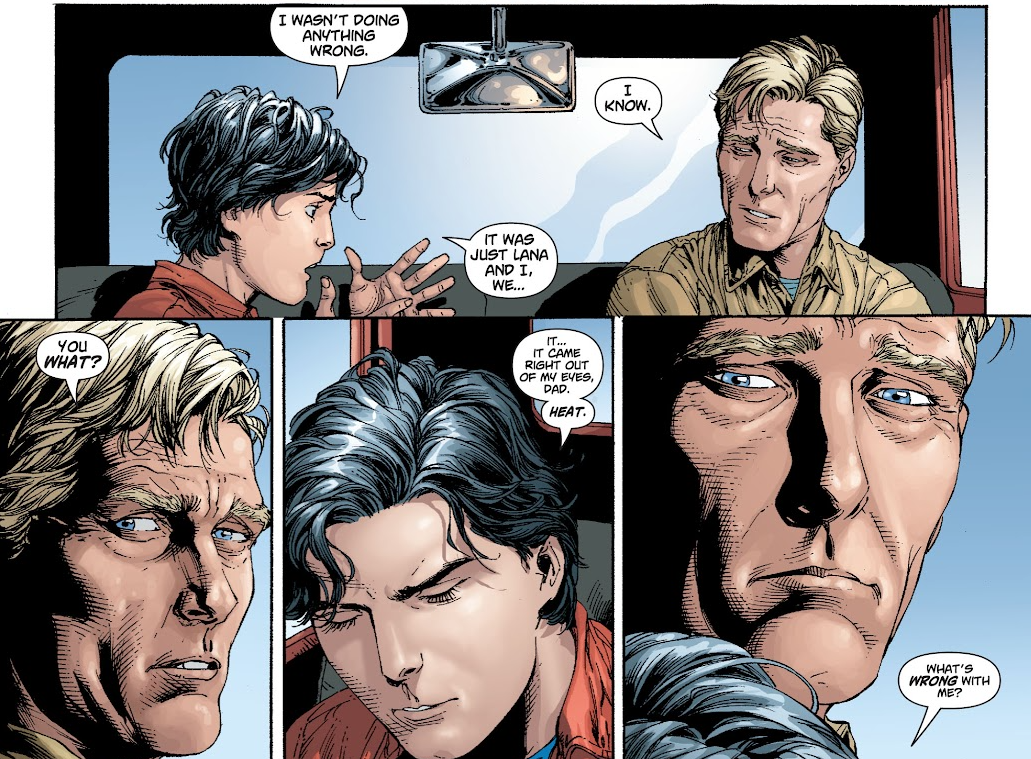
Across the 6 issues that make up Secret Origin, on top of what we already know, Johns allows us to learn more about the life and destruction of Krypton, Kal-El's home planet, the relationship between his biological parents, his upbringing and family bonds on Earth, his first confrontations with his nemesis Lex Luthor, and the origin of his decision to fight to protect his new home.
The Man Who Has Everything (Superman Annual #11 - 1985)
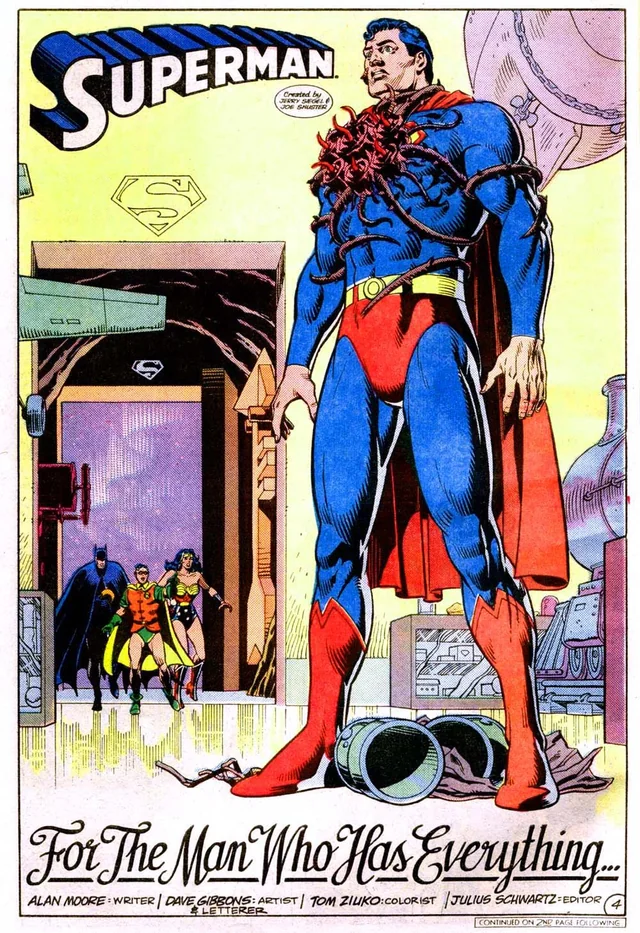
Alan Moore and Dave Gibbons, the minds behind Watchmen -- and in Moore's case, also behind thousands of other masterpieces, especially Batman's The Killing Joke -- bring us this brief but spectacular story that not only adds to the lore but also shows us how Superman relates to his deepest personal fantasies.
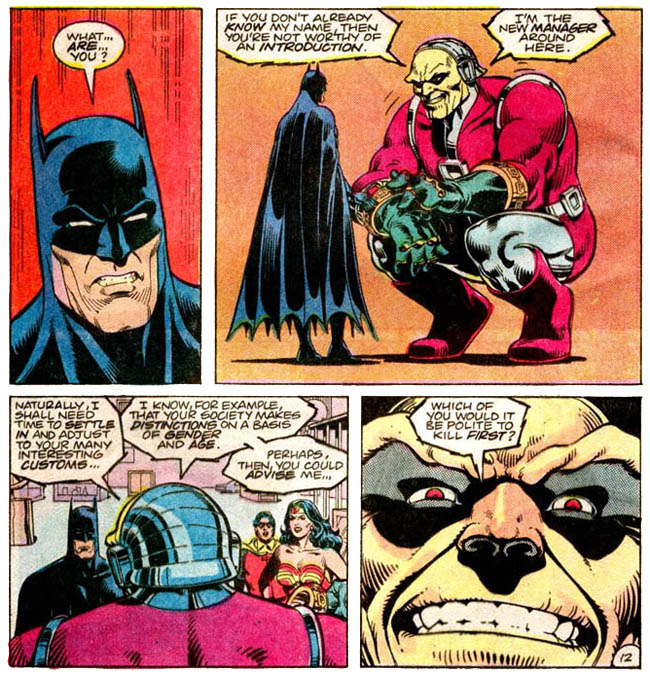
Batman, Robin, and Wonder Woman arrive at the Fortress of Solitude -- Superman's "Batcave" -- on his birthday, bearing gifts. But they find him being dominated by an alien plant called Black Mercy, a gift from Mongul, a cosmic conqueror villain whom Superman had beaten up several times before. The plant induces a dream with hallucinations of what his life would be like if Krypton hadn't been destroyed. What starts as something pleasant gradually turns into torture. Meanwhile, Batman, Robin, and Wonder Woman face off against Mongul and try to figure out how to disconnect the plant from Clark. One of my favorite comics: short, to the point, super effective.
Superman: For All Seasons (Miniseries - 1998)
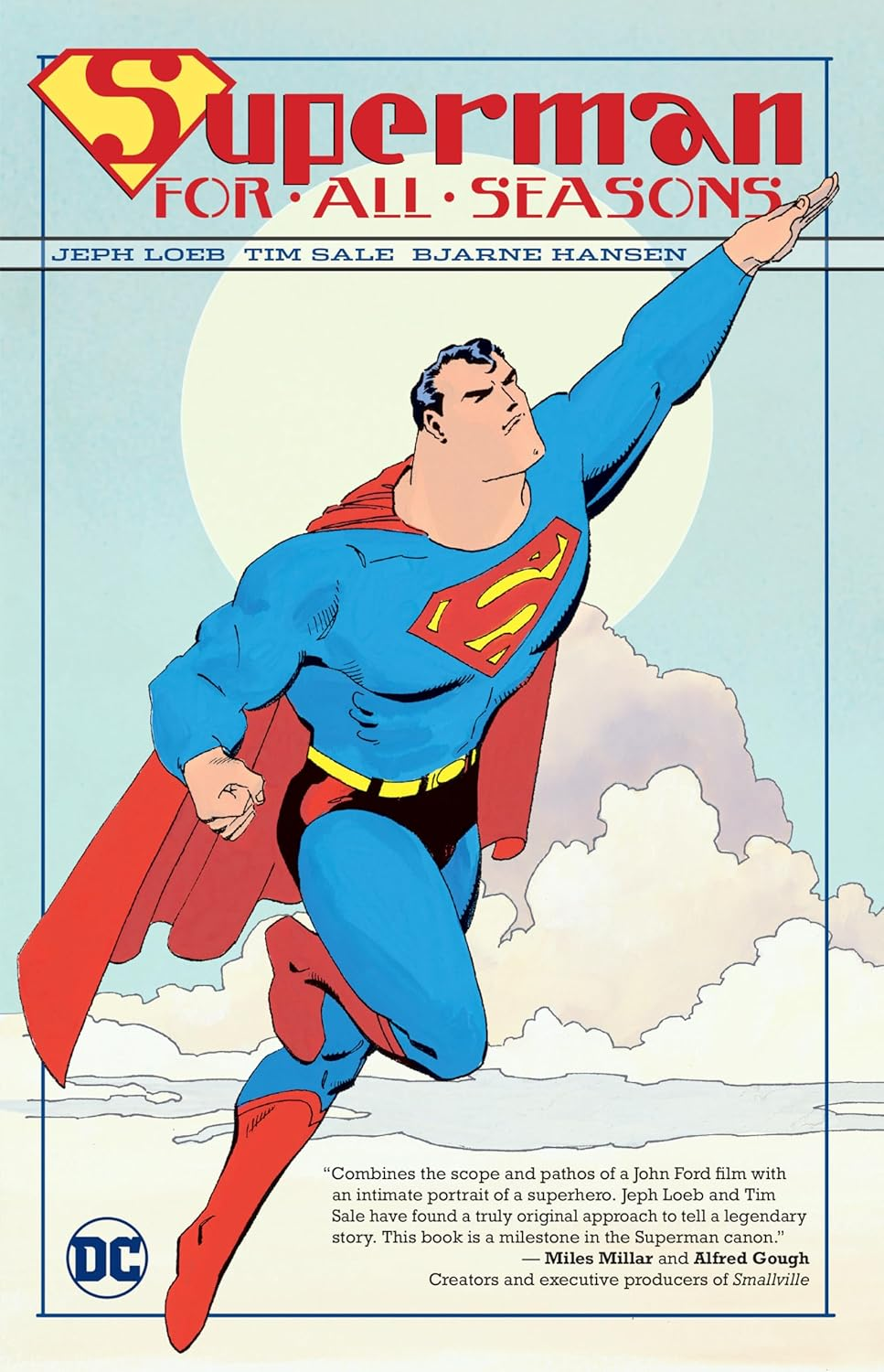
Some creative duos just always win. We already talked about Moore and Gibbons, but what Jeph Loeb and Tim Sale did in the '90s is something else entirely. These guys, fresh off creating The Long Halloween for Batman, decided to do something radically different from what was happening with Superman at the time.
A bit of context: in the '90s, the Man of Steel myth had to be reforged after DC Comics made the decision to kill Superman. After clones, robots, resurrections, and transformations, the character entered a strange mood as he tried to adapt to the new era of antiheroes. Well, Loeb and Sale created one of the most tender and human comics imaginable, managing to bring Superman down from his Olympus for a moment, to give us four stories about his early years growing up in Smallville and his arrival in Metropolis.
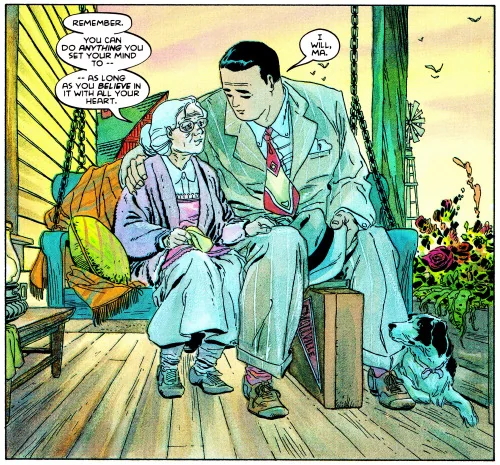
And how do they pull this off? For starters, as the title suggests, we go through the seasons of the year, with four stories narrated by different characters (Clark Kent, Jonathan Kent, Lois Lane, and Lana Lang) in an introspective tone that focuses on Clark's humanity. Sale's pencils are complemented by Bjarne Hansen's coloring, which features a very delicate palette for each chapter.
All-Star Superman (Limited Series - 2005)
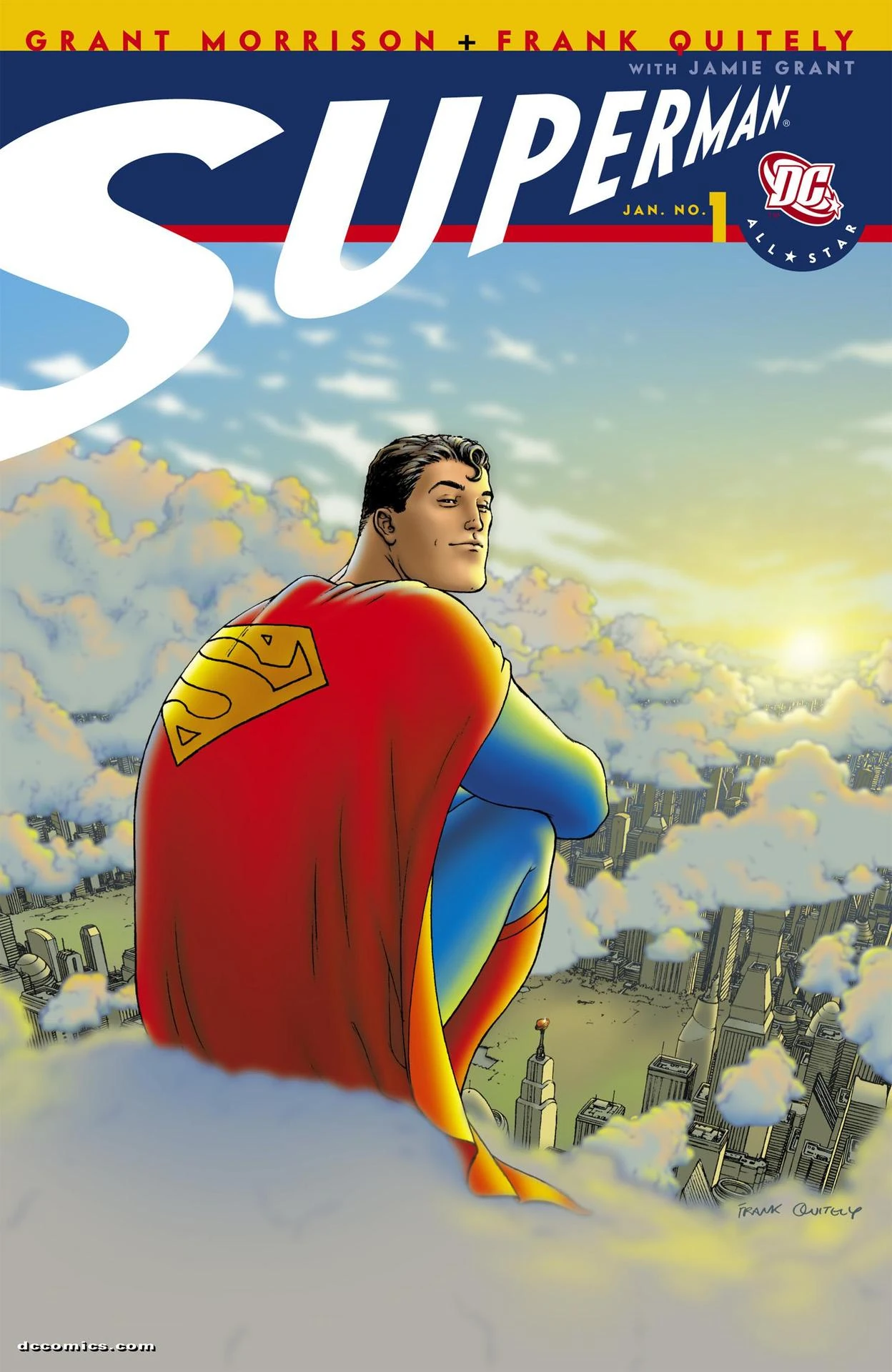
Obviously, the first superhero attracted the best writers in comics, and in All-Star we have another spectacular and hugely important creative team for superhero comics. Grant Morrison, responsible for Arkham Asylum and other great comics, teams up with one of their favorite artists, Frank Quitely, to deliver one of the definitive stories for understanding Superman.
All-Star Superman is built on a mythological narrative -- a word I've used several times to refer to this character -- because Morrison understands Superman as a god who poses as a human to watch over us, because this planet and its people gave him a home.
Morrison spoke about the creation of All-Star Superman in an interview with Newsarama on October 21, 2008, where they described what they understood upon seeing a Superman cosplayer at San Diego Comic-Con: "He was sitting with one knee up, his chin resting on his arms. He looked totally relaxed... and I suddenly realized that's how Superman should sit. He wouldn't puff out his chest or strike a heroic pose; he'd be completely calm. If nothing can hurt you, you can afford to be at ease. A man like Superman would never have to tense up against the cold; he'd never flinch from a punch. He'd be totally relaxed. With this image of Superman in my head, relaxed on a cloud and looking down at us, I ran to my room and filled dozens of pages in my notebook with notes and drawings."
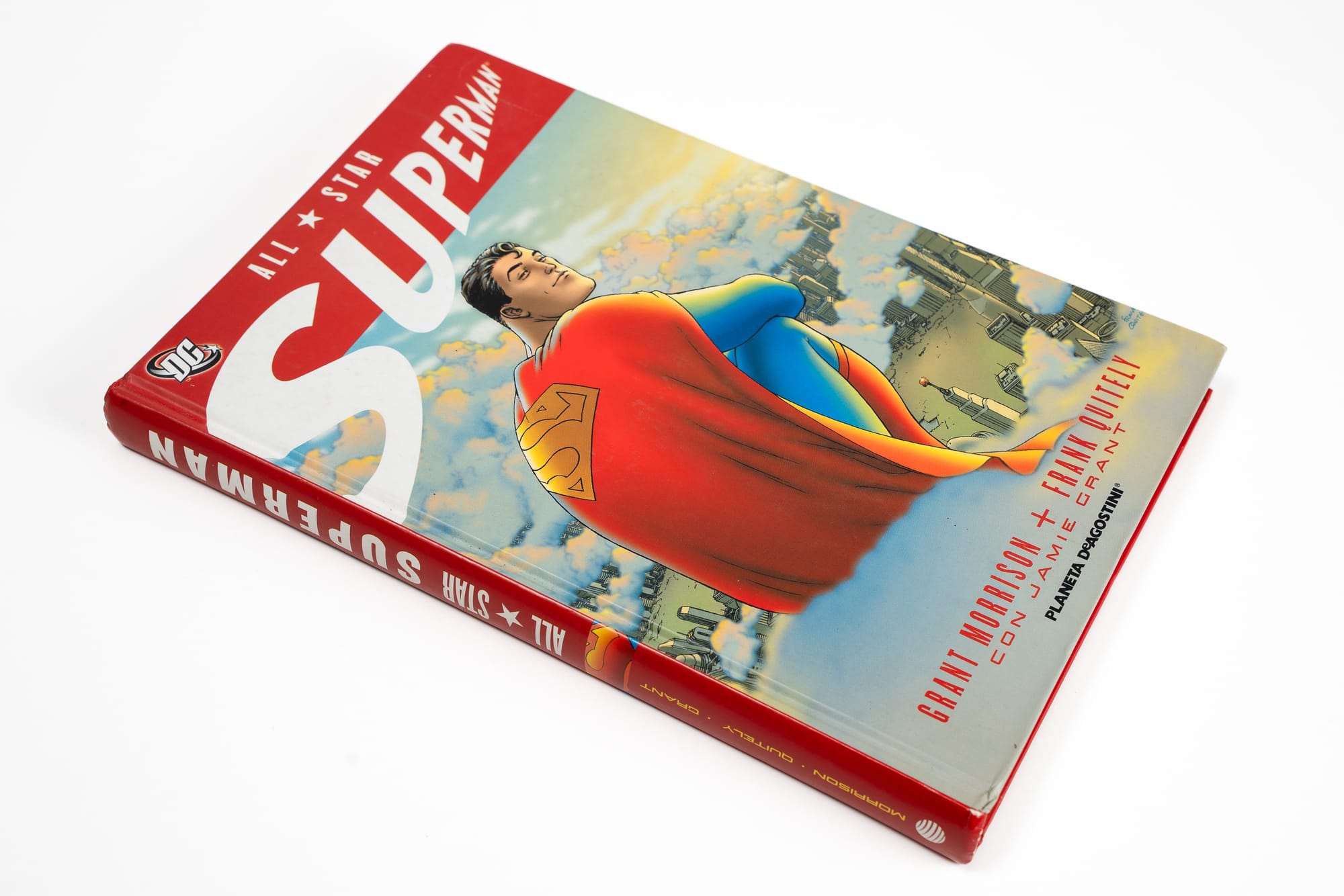
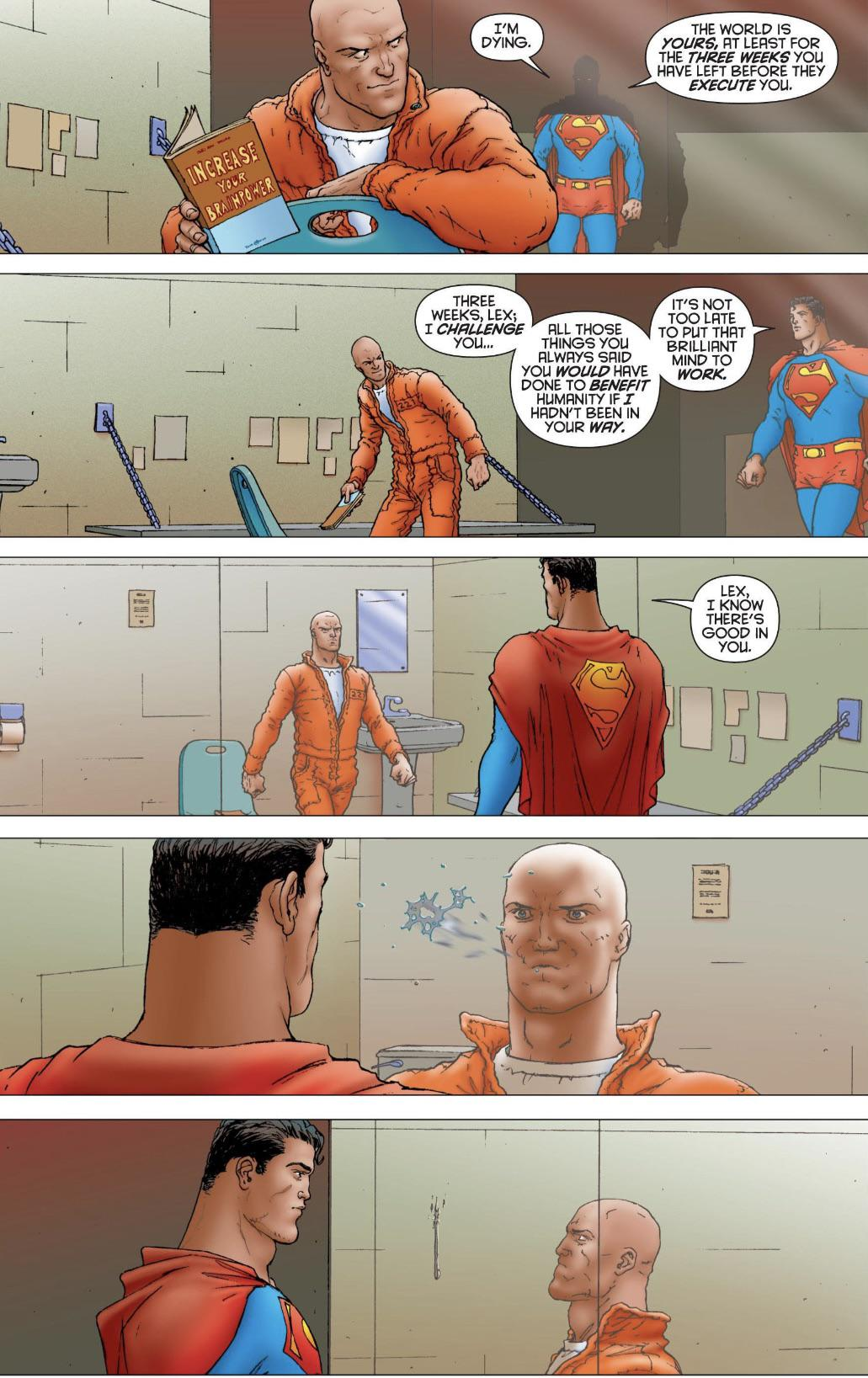
After a confrontation where he absorbs extremely high levels of solar radiation -- which normally gives him his power -- Superman ends up getting sick, developing a kind of "super cancer." Because of this, and knowing his time is running out, he decides to set in motion a to-do list while handling the day-to-day of being a superhero, facing iconic enemies, and accepting his destiny and legacy. This is essential reading.
The Death of Superman (Superman #73-75, Adventures of Superman #496-497, Justice League America #69 - 1992)
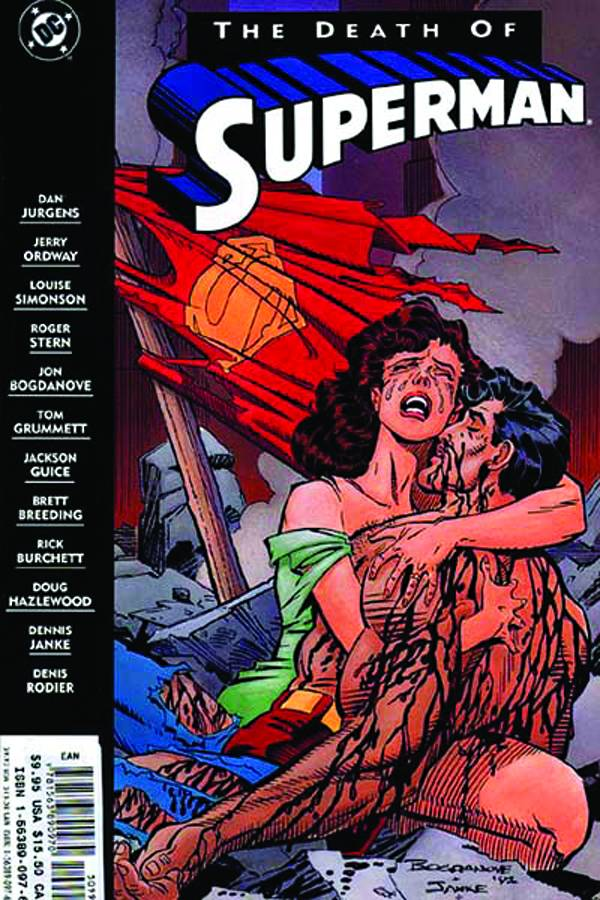
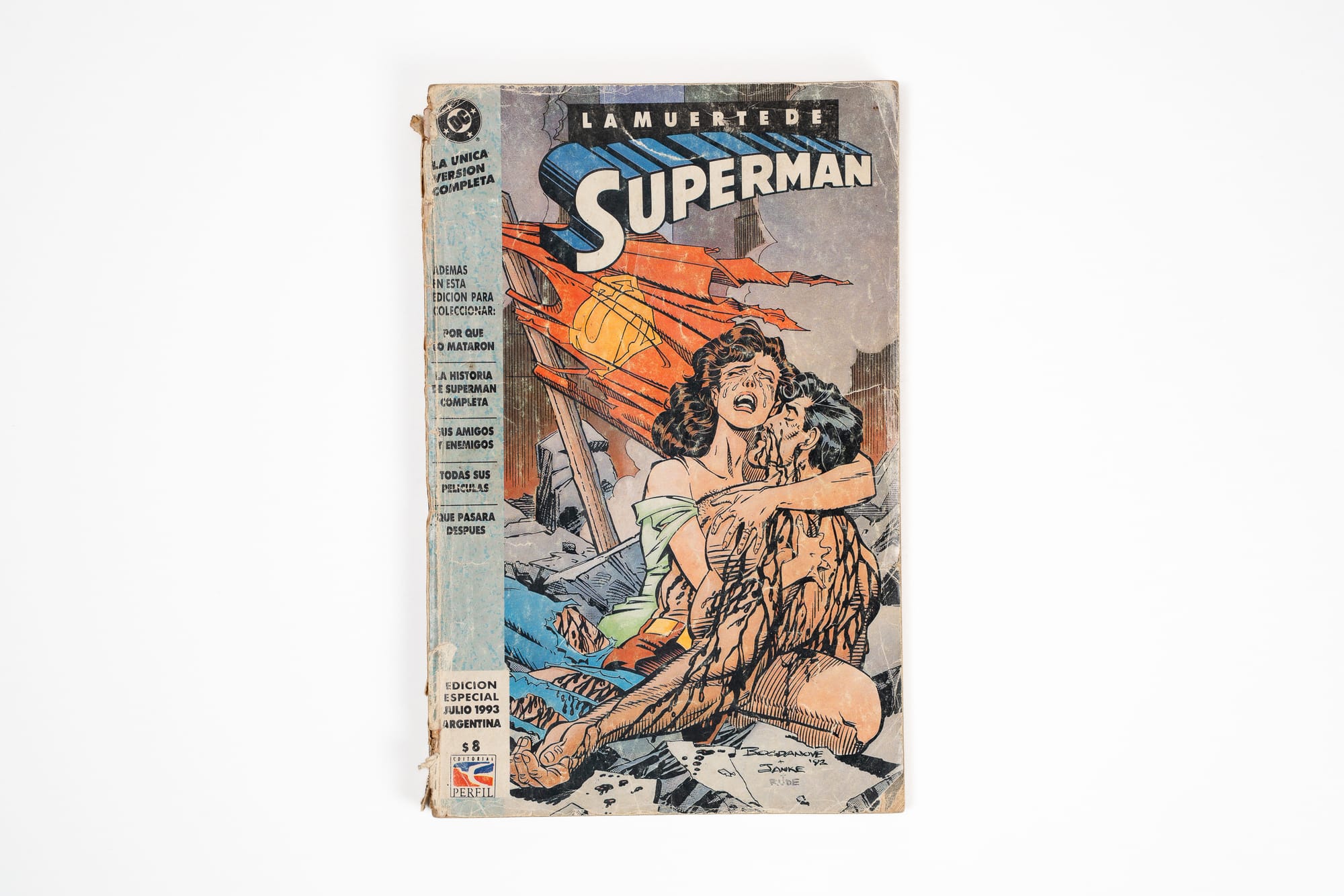
Few stories had as much impact outside of comics as this one. The death of Superman shocked the world at large and was an event that not only shattered his status as an untouchable character -- as many understood him -- but also brought on the repercussions of imagining a world without him. Conceived by DC editor Mike Carlin and a hard-working creative team including Dan Jurgens, Roger Stern, Louise Simonson, Jerry Ordway, and Karl Kesel, The Death and Return of Superman, the saga's full title, is a story that has aged and presents some challenges for today's readers, but it's an extremely important part of the character's history. It's not so much that he gets killed -- it's the idea of watching him die and having to reconfigure the DC universe around that.
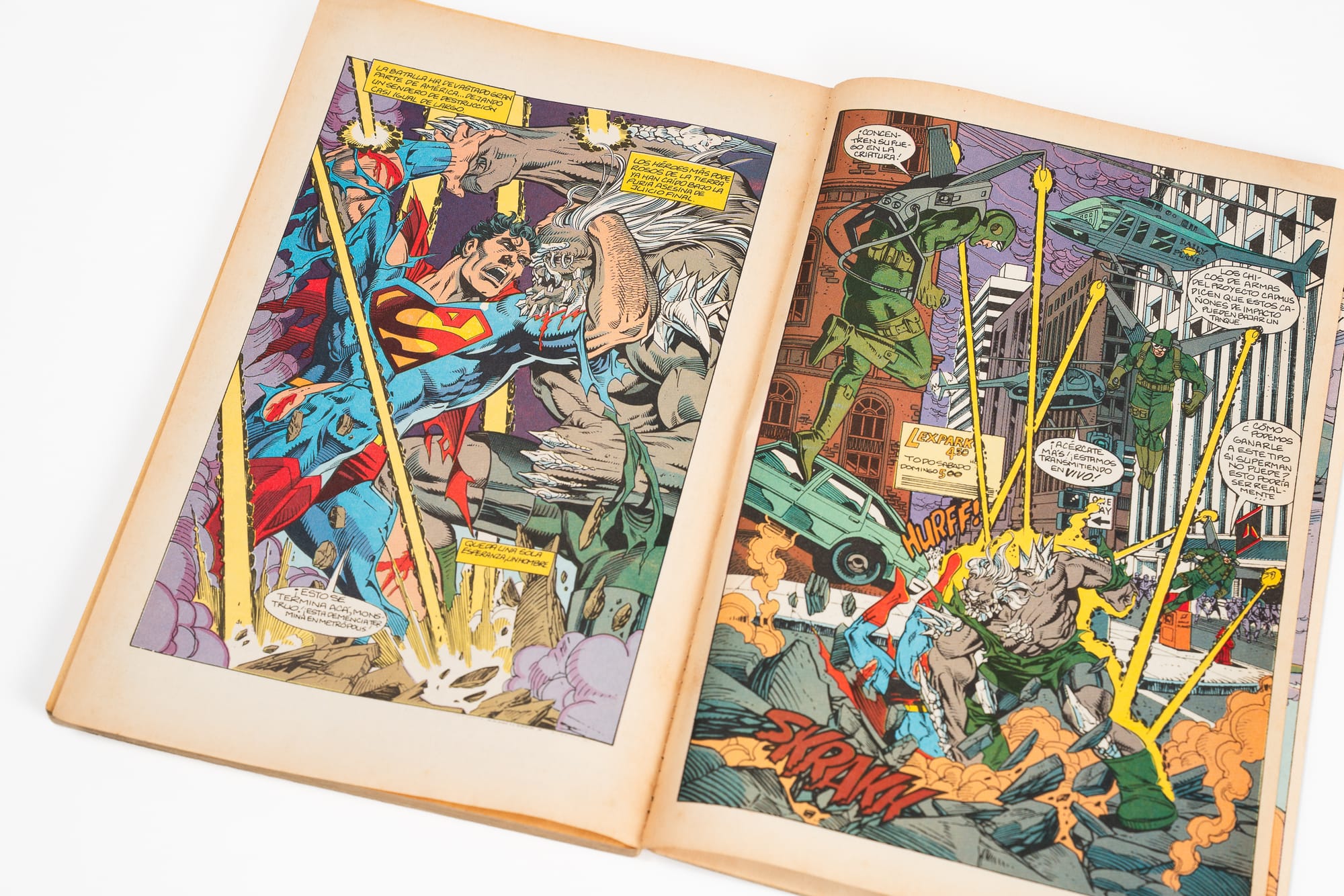
In The Death of Superman, a being created to be a weapon of mass destruction, Doomsday, manages to escape from his prison on Earth, where he had been buried for millions of years. This random yet immensely powerful character begins a path of destruction like a force of nature, wiping out cities and superheroes as if they were nothing. Until he runs into Superman, and they begin the most violent beatdown we've ever seen Clark both take and deliver.
Among the recommendations so far, this title holds the importance of having defined a decade and kicked off another with Reign of the Supermen, as well as having spawned a crossover with the entire DC universe in Funeral for a Friend. It may be the hardest read among these recommendations, but I encourage you to enjoy some good old-fashioned slugfests.
"Hey, but you didn't mention Red Son" -- and no, I didn't. While it's one of the most popular Superman comics of recent years, I didn't think it builds the character himself. It's more of a deviation that we'll discuss in another article diving into these "What ifs" and the "other" Supermen in comics.