Tetris, Art, and Politics: A Cultural Operation in Color

22 de jul. de 2025 — Sole Zeta
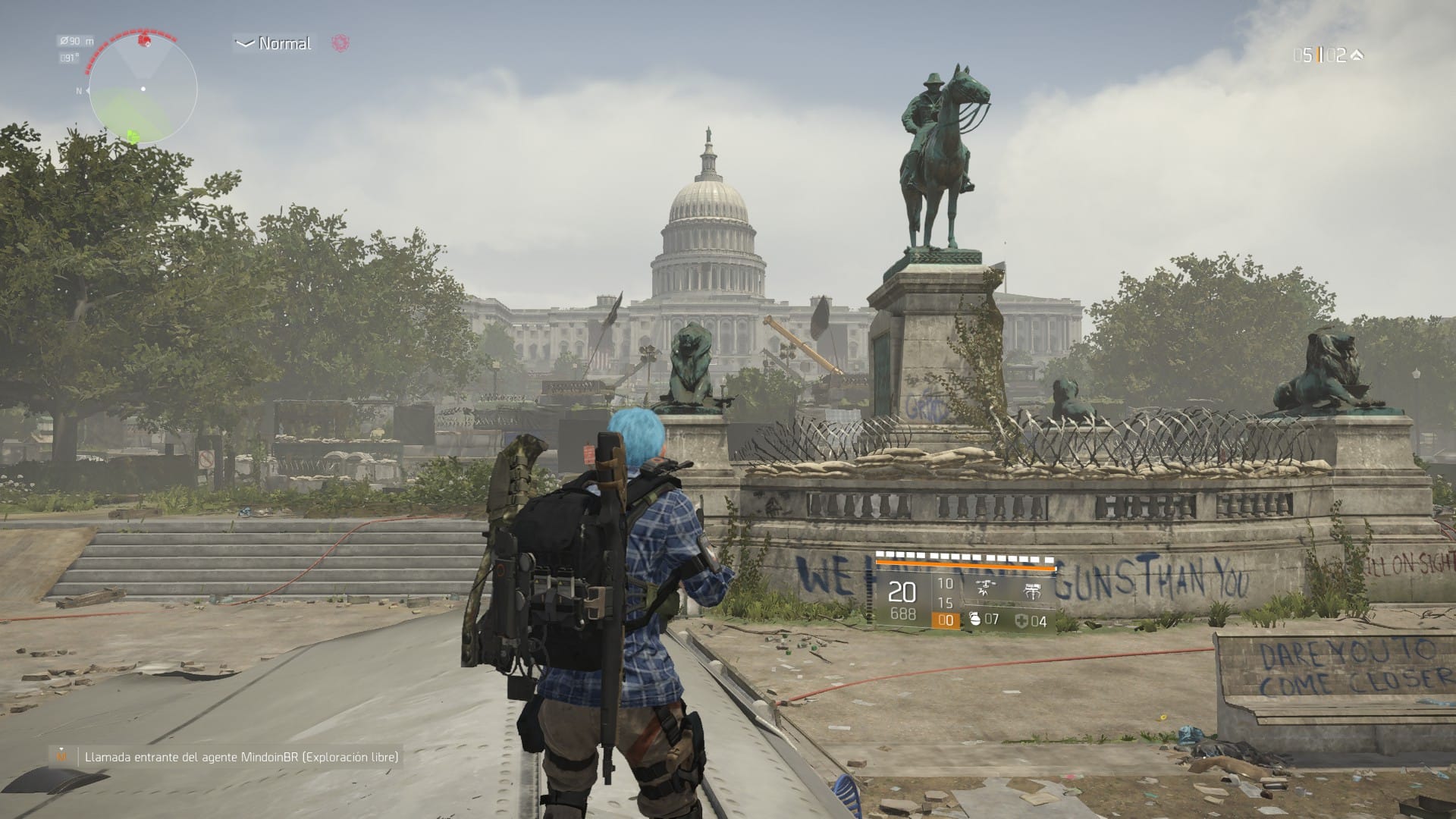
"Stop putting politics in my video games!" is the eternal cry of thousands of man-children from the most diverse backgrounds. This demand takes two forms. First, any inclusion of an unwanted element will be labeled as political, whether it's a Black samurai based on a historical figure or the ability to create a Sim who pees standing up. The other version comes in response to any criticism: "the woke crowd" sees politics where there's just a game. The content doesn't matter: saying that Call of Duty reflects an imperial view of warfare is "pushing politics." Perhaps the funniest thing I've read on the subject is the statement by the director of The Division 2 claiming that his game -- whose original campaign had as its final mission storming the Capitol in Washington DC to gun down seditious soldiers occupying it -- is not a political statement. "We have more guns than you," say the rebels.
The progressive response is the mind-numbingly boring slogan "everything is political." Perhaps it would be fairer to say "everything is open to a political interpretation," because politics, like the Force, is a reality that permeates all of us. How could a game like Stardew Valley not be political, when it denounces capitalist alienation and rewards the player for rebuilding a community's social bonds? OK, its alternative to alienation is "inherit a farm from your grandpa," which isn't exactly a viable option for most people, but it's the thought that counts.
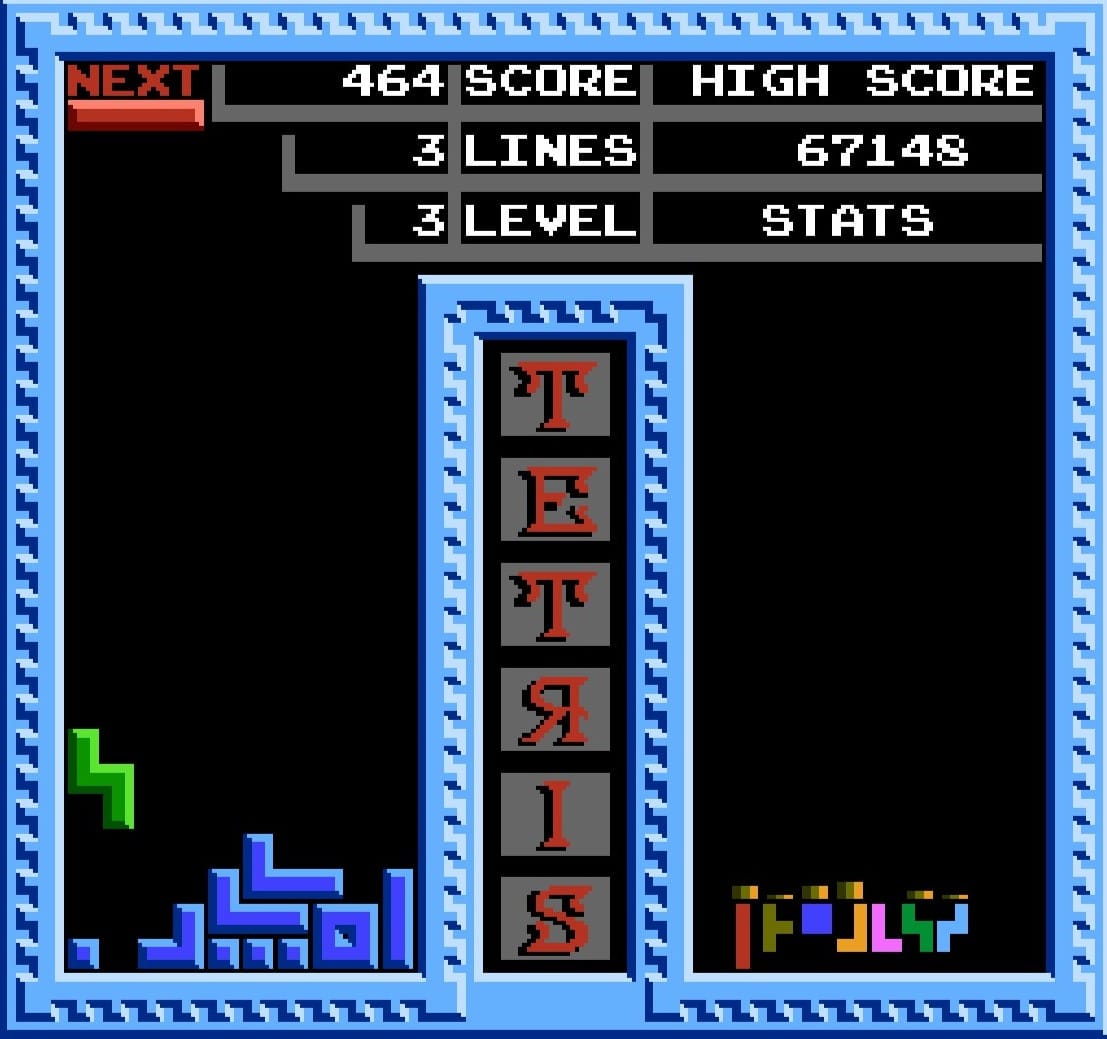
But surely not EVERY game can be analyzed through a political lens, right? Consider Tetris. What could possibly be political about an abstract game? There are no gunshots, no violence, not even representations of reality. What could be political about a game of colored squares? Well, would you believe me if I told you that the United States government spent millions of dollars promoting works like this one, precisely for political reasons?
The CIA: Patrons of Abstract Art?
It's the mid-20th century. Europe is rebuilding after World War II, but the tension among the victors couldn't be higher. The western sector of Berlin faces a Soviet blockade for over a year. In the Far East, the Korean War leaves thousands dead and displaced.
But the Cold War isn't fought with weapons alone. While Senator Joseph McCarthy busies himself hunting down and purging communist sympathizers, a hidden hand is working to recruit others. The objective: ensuring American cultural supremacy through abstract art.
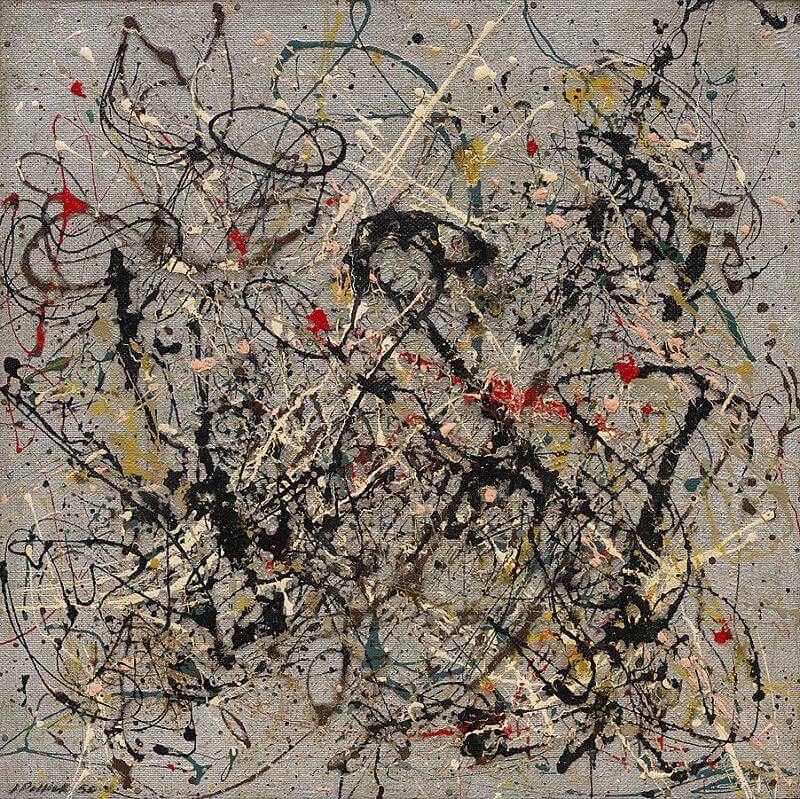
As incredible as it sounds, this actually happened: the CIA, through its International Organizations Division headed by Tom Braden, spent millions of dollars promoting artistic expressions that at the time were widely despised by large swaths of the public. In part, these funds came from their own budget, but they also mobilized billionaire friends of the cause to act as patrons. Topping this list was Nelson Rockefeller, president of the Museum of Modern Art in New York. In fact, the MoMA was the employer of the aforementioned Tom Braden immediately before he joined the CIA.
In general, this state support couldn't be too direct. Just as today there's no shortage of outraged citizens scandalized by a Conicet study on "Batman's anus," the first attempts to promote American avant-garde movements failed due to political opposition: there was no lack of legislators opposed to funding drunken Marxists whose works were blotches of paint on a canvas. As a result, a complex network of NGOs and foundations was created, and an alliance between billionaires and intelligence services was forged.
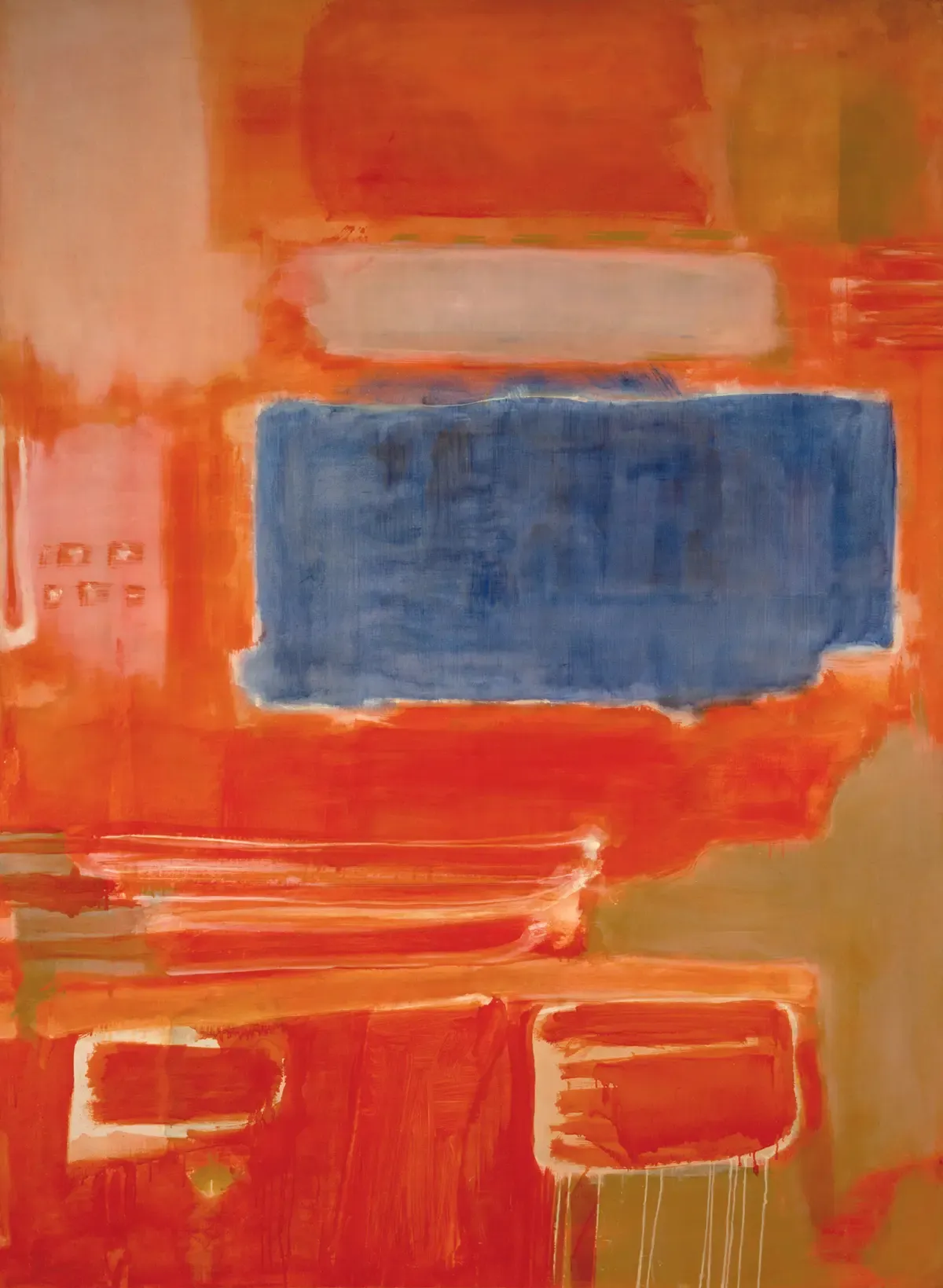
Through this web, the CIA pulled the strings of the art world. Need to ship a painting exhibition to a European capital? A friendly millionaire's foundation would generously step up to donate the cost of transport. If they needed to raise an artist's profile, they could hire a specialized critic at one of the magazines run by the Congress for Cultural Freedom. And all of this was funded, of course, with yooooooour taxpayer money. With the sales tax on polenta from the kids in Alabama. And we know all this thanks to statements from the participants themselves, including the aforementioned Braden.
And why did the CIA devote itself to promoting such unpopular art, in many cases created by socialists like Rothko himself? Several reasons. First, McCarthy's persecutions, particularly those targeting artists, had severely damaged America's image. If they truly wanted to uphold their image as a beacon of freedom, they needed to correct that.
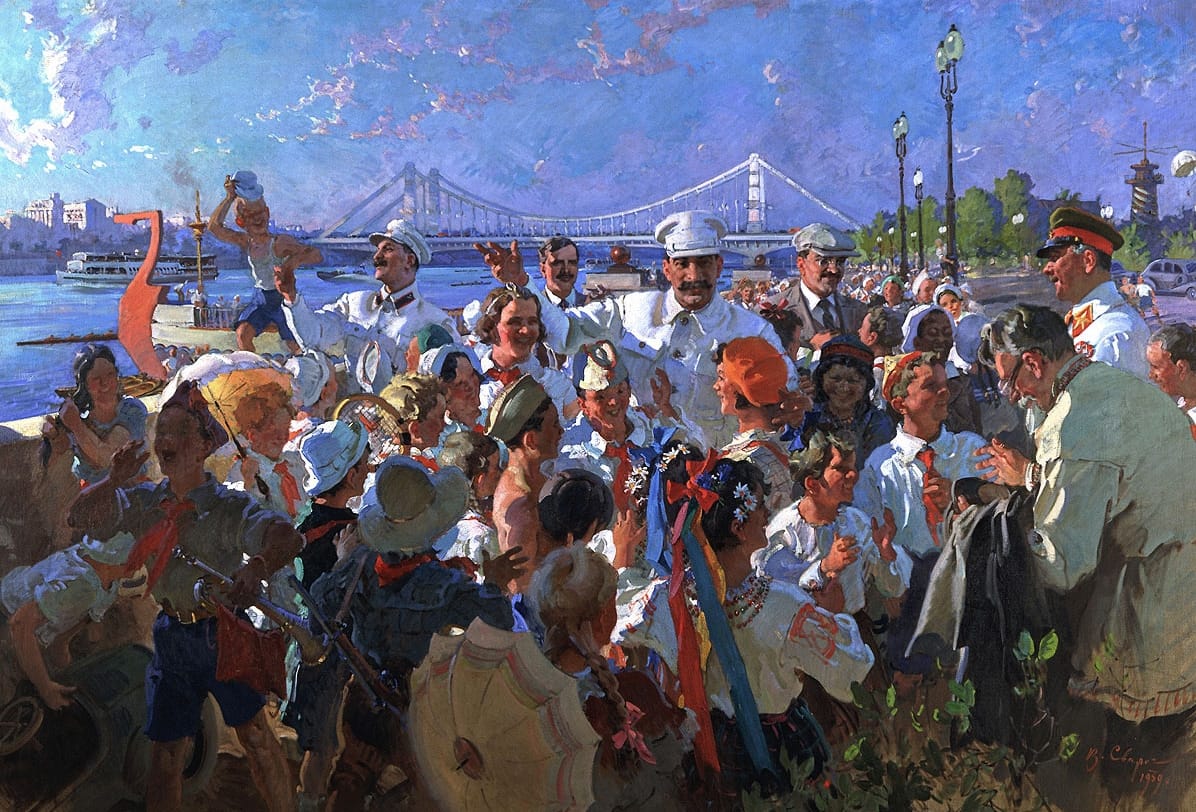
Second, to emphasize the aesthetic contrast with official Soviet art. In those days, the style favored by the Soviet cultural establishment was socialist realism. To enjoy official favor, art had to be figurative and exalt proletarian virtues. In contrast with those directives, so close to propaganda, American abstract expressionism was a breath of fresh air. By showcasing artists like Pollock or de Kooning, the United States positioned itself as the cool superpower among Western European cultural elites.
Finally, one last reason: abstract works weren't easily readable in political terms. If a Marxist painter created works criticizing social injustice, that could be dangerous. But creating works by dripping paint or painting flat fields of color? Perfect: aesthetically groundbreaking, yet politically safe. In a roundabout way, for the CIA, the lack of political content... was a political statement that served them extremely well. The absence of overt political content is, paradoxically, political.
Tetris
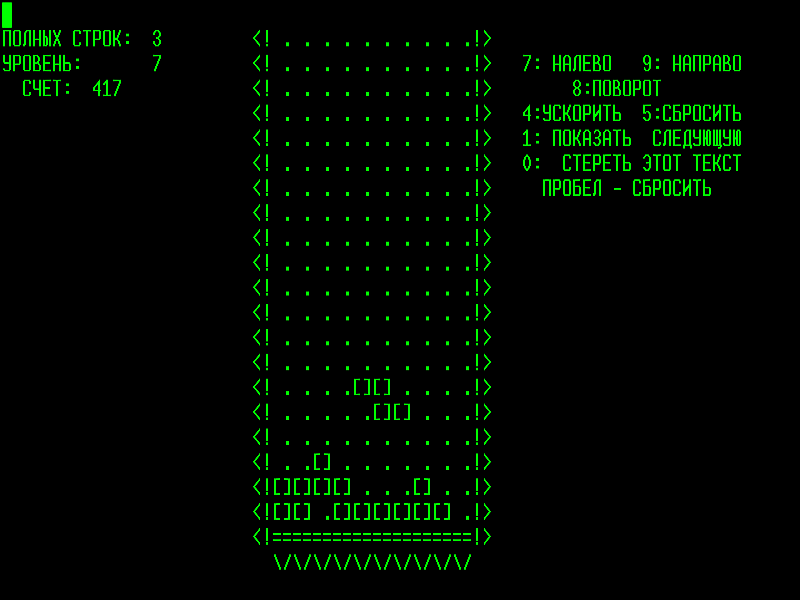
Created by Soviet researcher Alexei Pajitnov in 1984/85, Tetris doesn't seem at first glance like a politicized or politicizable work. And yet, its form could evoke abstract expressionism, which in Soviet Russia could be read as almost subversive. In fact, they share that same lack of explicit positioning.
One could argue that Pajitnov didn't set out to create a deliberately depoliticized work, but that it was a product of his platform's constraints: the original version of Tetris was created on an Elektronika-60 minicomputer that didn't have a graphical display, only a text one. But there are two things I think are worth highlighting.
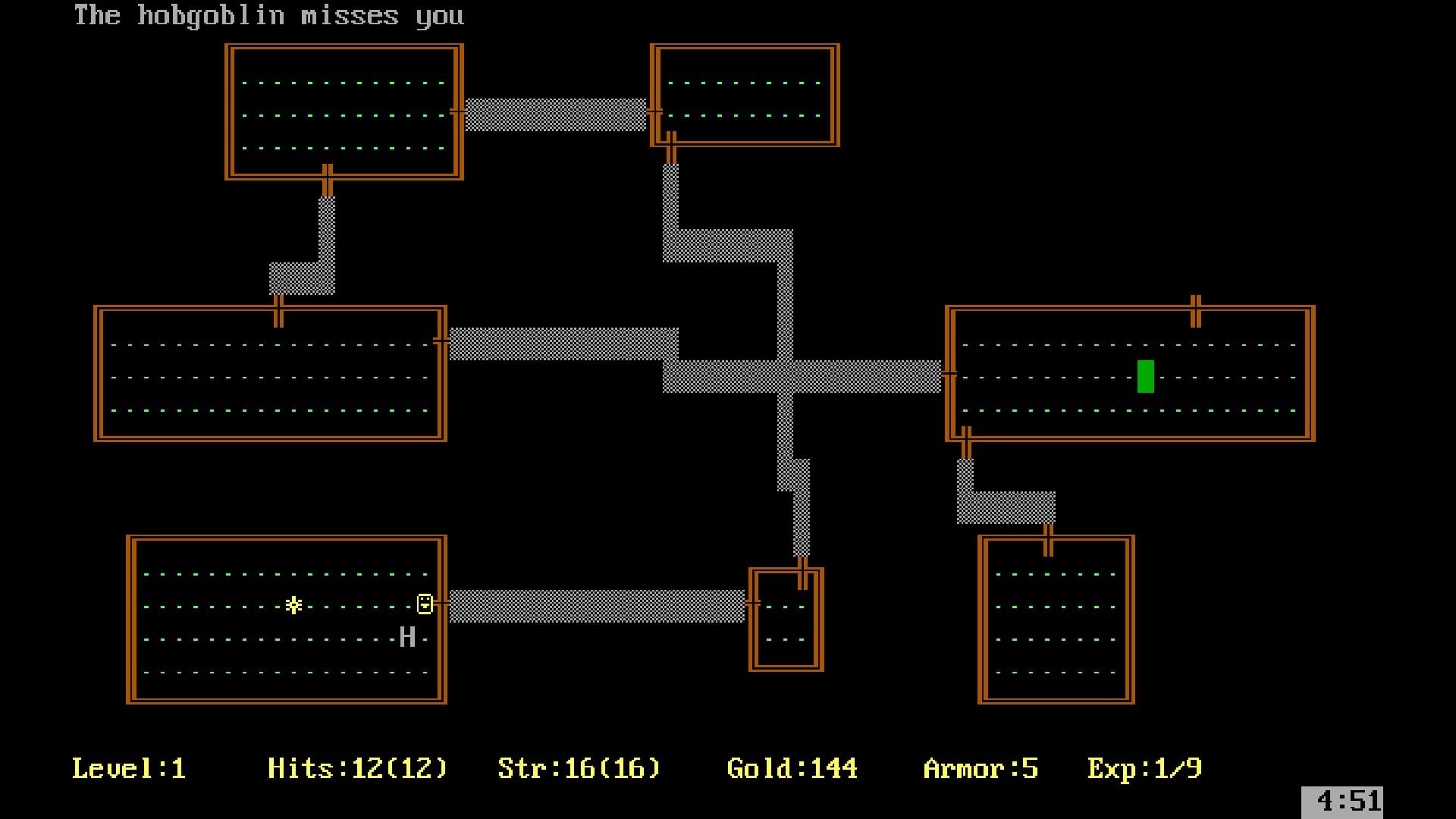
First: on the other side of the Iron Curtain, there were also computer games developed by bored scientists on their computers without graphical monitors. However, none of them looked anything like Tetris. In that category we find strategy games like Star Trek, adventure games like Colossal Cave Adventure or Zork, or even RPGs like Rogue, to which we owe the rise of roguelikes and roguelites in recent decades. Even the first online RPG, MUD, was created in an academic setting. None of these are even remotely similar to Tetris: there were a thousand ways to make a game besides using abstract blocks.
Second, the original Tetris never left the laboratory of the USSR Academy of Sciences. The version that spread throughout the communist world was the DOS version, programmed by Vadim Gerasimov, a colleague of Pajitnov's. That one already has colors, for example, something absent from the original prototype, and you can play it online here. On PC there was no reason to stick to pure abstraction, so we can assume it was a deliberate choice.
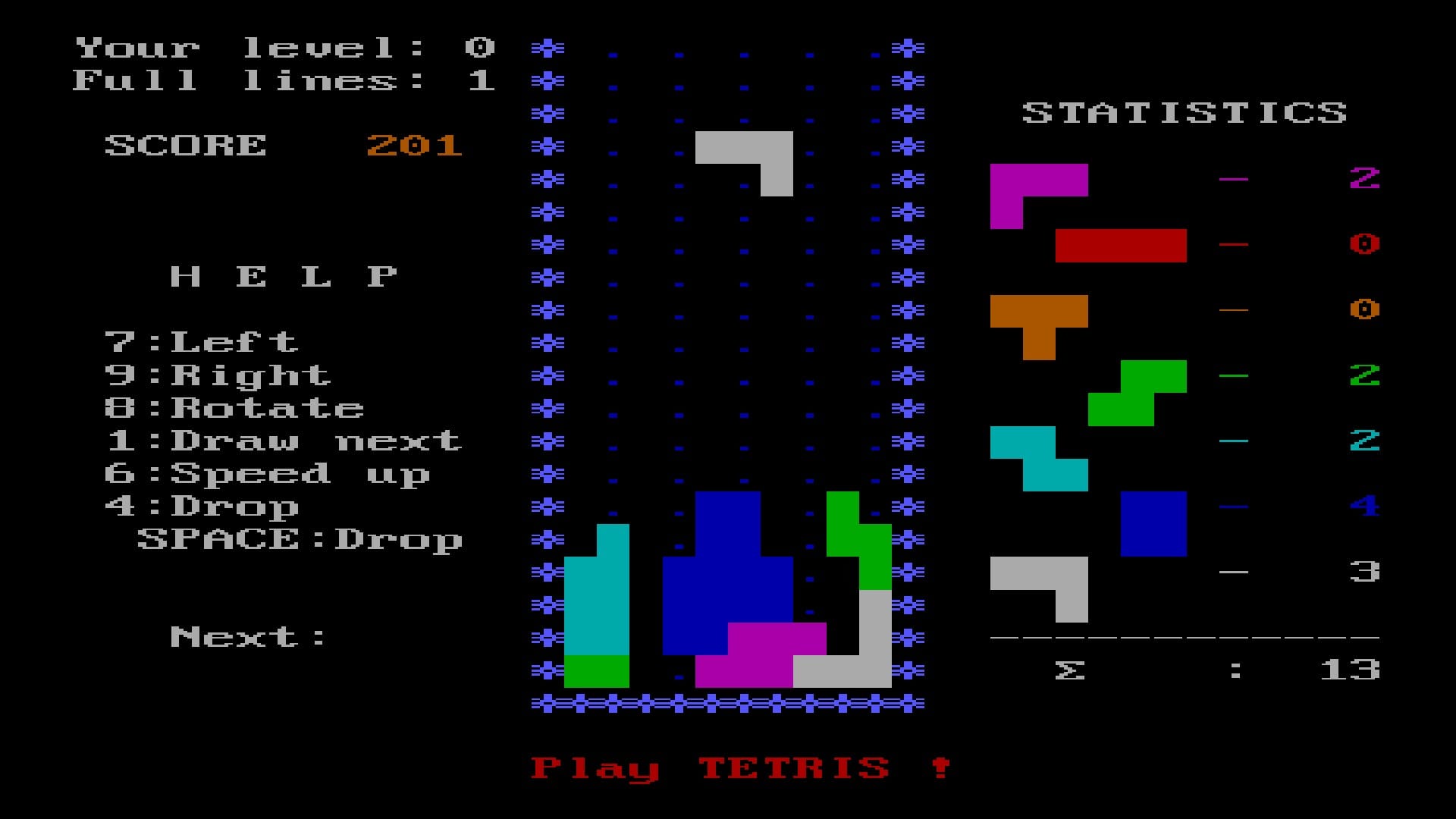
When Western money willing to buy the rights to Tetris appeared, a battle broke out between Pajitnov and Elorg, the state enterprise that controlled the export of software and technology. Pajitnov would receive no royalties for his creation (he only received a small payment from the Academy for its development), and in 1991 he emigrated to the United States. He recovered his rights to Tetris in 1995 and co-founded The Tetris Company with Henk Rogers, a businessman involved in purchasing the rights for the Game Boy version.
So then, what would be the political message of Tetris? Probably none at a conscious level. But a quick look at Pajitnov's biography suggests that, at the very least, he wasn't someone committed to the Soviet project, which was already quite battered by that point. We can even speculate that the man had personal reasons to be opposed: the creator of Russia's greatest cultural export in decades didn't receive royalties commensurate with his role.
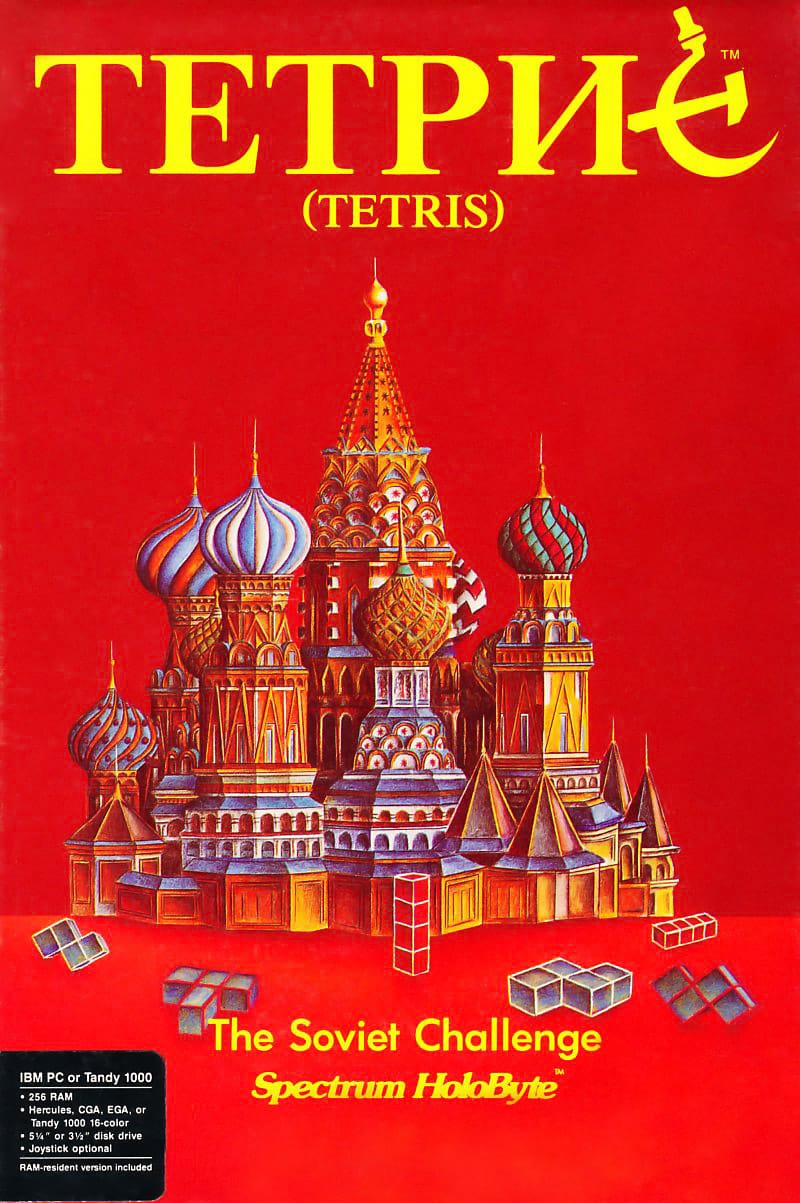
And on the Western side, while the early commercial versions of Tetris were packed with Soviet iconography to capitalize on the exoticism of a Russian-made game, the truth is they didn't offend anyone (and you can try them via IALauncher!). A hammer and sickle in a block game isn't threatening.
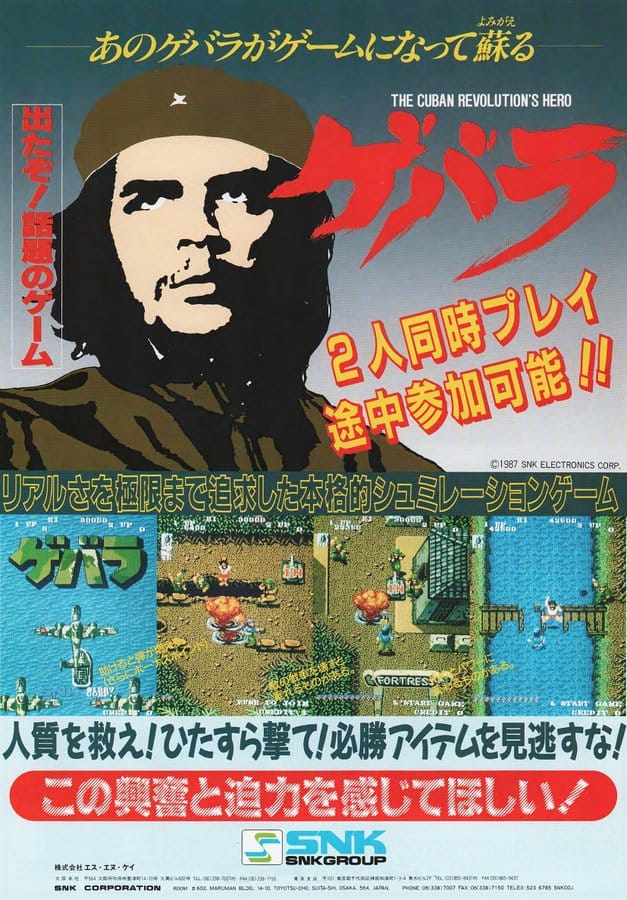
Meanwhile, during that same era, the Japanese game Guevara, a run 'n' gun shooter based on the Cuban Revolution, was censored in its American release (where it launched as Guerrilla War). Because turning communist iconography into merchandise is one thing; glorifying revolutionary heroes is another.
As in most cases, it's impossible to prove what the author was thinking. But just as in the 1950s the CIA used abstract expressionism and filled it with (their own) meaning, in the 1980s the video game industry did the same with Tetris. Because the absence of a political stance is, in itself, a political stance.