The Passion of Ross Ulbricht: The Long Silk Road
14 de mar. de 2025 — Juan Ruocco 🧙♂️
In the early 2010s and at the very birth of Bitcoin, Ross Ulbricht (aka Dread Pirate Roberts) created Silk Road, a digital marketplace hosted on the dark web, the part of the internet not indexed by search engines. Using the Tor network--an anonymization system based on encrypted nodes and .onion addresses--, Silk Road enabled the exchange of drugs and other illicit goods without oversight from governments or traditional financial institutions.
The system guaranteed anonymity and security for its users, at least in theory. Although Edward Snowden later revealed that the NSA had managed to compromise Tor, which led to speculation about whether Silk Road was always a honeypot or whether its downfall was a deliberate operation.
Silk Road and Bitcoin: the decentralization of the black market
Silk Road's main trick was using Bitcoin as a means of payment. By doing so, it managed to connect buyers and sellers globally without requiring identity verification through official documents (known as KYC, Know Your Customer) or relying on the traditional banking system via the SWIFT protocol.
Transactions were carried out through a reputation system and an escrow service, ensuring a degree of reliability within an illegal environment. It was the first time in the history of the Internet that a transnational black market existed without the intermediation of traditional mafias or intelligence agencies (supposedly).
In short, Silk Road was a direct challenge to state control over illicit trade, which explains the force with which it was dismantled. It represented a direct threat to the monopoly on drug trafficking, historically managed by state and paramilitary structures, as evidenced by scandals such as Iran-Contra and the geopolitics of drugs exposed by Colonel Mohamed Ali Seineldin.
2013, the fall of Silk Road
On October 1, 2013, Ross Ulbricht was arrested at the San Francisco Public Library while logged in as administrator of Silk Road. The agencies involved in the investigation (FBI, DEA, IRS, and Homeland Security Investigations/HSI) analyzed blockchain transactions and reviewed the seized servers, finding detailed records of operations, personal files that directly linked Ulbricht to the management of the site, and a staggering 29,655 bitcoins, which at their all-time high exceeded 3.5 billion dollars. The crown jewel. Those numbers kept growing with the fall of other criminals linked to the case, such as James Zhong, accused of stealing 50,000 bitcoins from the site.
One of the mistakes that gave Ulbricht away was a message on a forum in 2011 where he promoted Silk Road under the alias altoid, which he later linked to his personal email. The operation to arrest him was somewhat cinematic, as the police set up an ambush in a public library, where they distracted him with a staged "couple's argument" right in front of him, allowing officers to grab him while he was managing the site's admin panel.
The sentencing of a new libertarian icon
In 2015, Ulbricht was convicted of conspiracy for drug trafficking, money laundering, and computer hacking, receiving a life sentence without the possibility of parole. The severity of the sentence turned his case into a symbol for certain libertarian sectors and crypto-activists, who consider him a martyr of the free market.
Ulbricht's figure became an archetype of the anarcho-capitalist hacker, an evolution of The Pirate Bay ethos, the '90s cyberpunk movement, and why not, of Kim Dotcom and Megaupload. His imprisonment reinforced the idea that the State does not tolerate competition in illicit markets.
During Donald Trump's first presidency (2017-2021), Ulbricht's family repeatedly requested a presidential pardon, to no avail. However, during the 2024 campaign, Trump shifted his stance on Bitcoin: from rejecting it as a threat to the dollar to hinting at its integration into the American economy. As part of his electoral strategy, and appealing to the growing crypto-libertarian movement, he promised to free Ulbricht on his first day in office.
2025, Trump delivers on the pardon
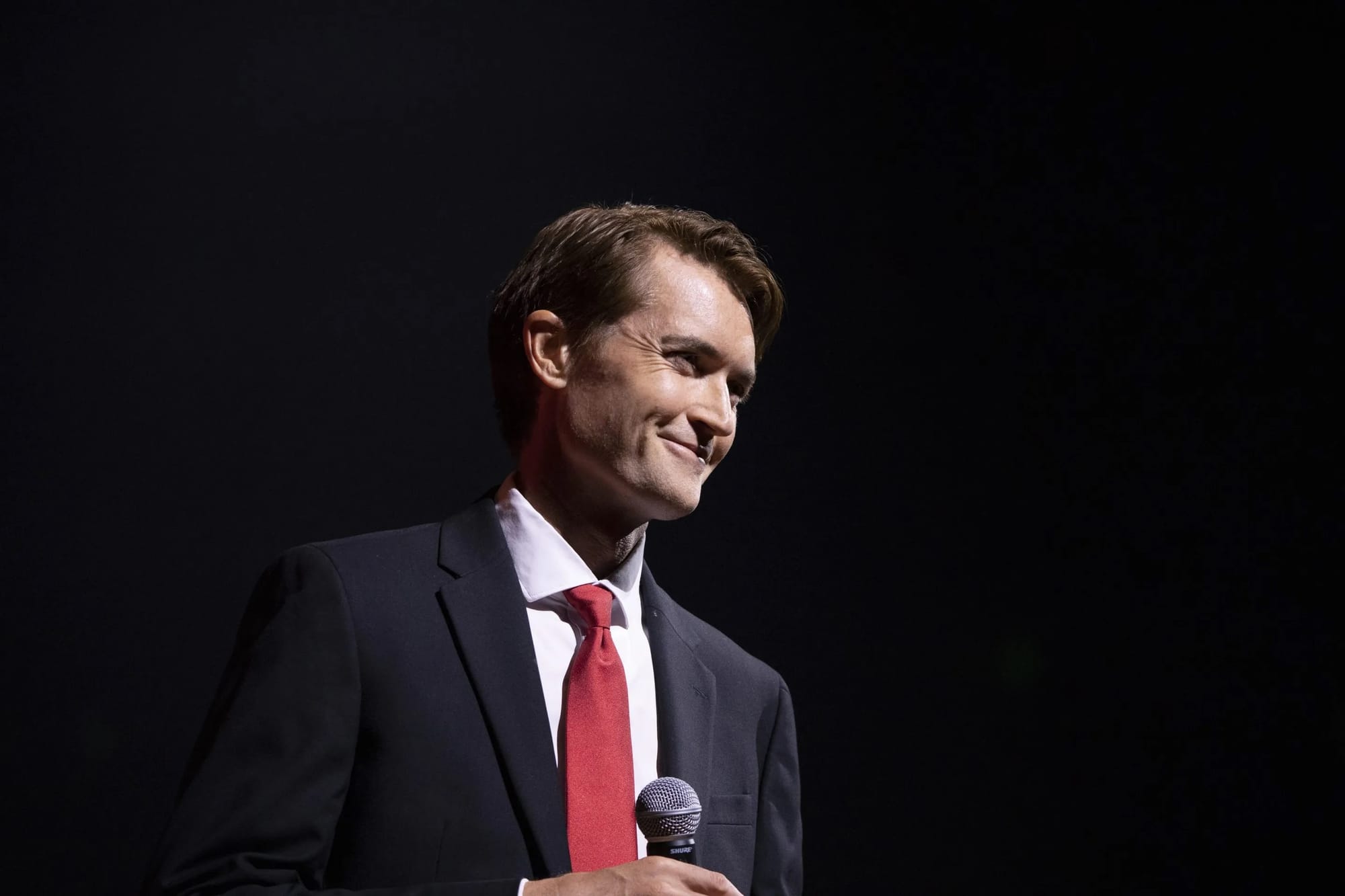
On January 20, 2025, after being sworn in for his second term, Trump signed the executive order that set Ross Ulbricht free. Beyond giving back his private life to an icon of libertarian internet culture, the gesture confirmed his administration's new approach to Bitcoin and cryptocurrencies. This shift was reflected in recent measures regarding the regulation of foreign central bank digital currencies (CBDCs) and the announcement of a "strategic reserve" in crypto.
Curiously, the Ulbricht case also exposes an ideological paradox: a libertarian idol is ultimately freed not by a citizens' struggle or by the market, but by the unilateral decision of a head of state with monarchical power to pardon whomever he pleases. A reminder that, in practice, asymmetry of power remains a determining factor on the political chessboard.
The magnitude and complexity of the case made it quite unique. At least two officers were also charged in a subsequent trial for stealing bitcoins from Ulbricht during the investigation: Carl Force of the DEA and Shaun Bridges of the Secret Service. This reinforces the thesis about at least some law enforcement involvement in the Silk Road scheme. On the other hand, Ulbricht himself was accused of hiring a hitman to kill his partner, but no sentence was ever handed down on that charge.
Two weeks ago today, I took my first steps outside prison walls in over a decade.
— Ross Ulbricht (@RealRossU) February 4, 2025
I was able to liberate Leaf Erikson as well, the little pepper plant that had been clinging to life on the sill of my cell window for the past year or so. pic.twitter.com/Yg242rNnCk
Until death, every defeat is psychological
The presidential pardon closes the chapter opened back in 2013 and makes one think about how, by simply refusing to give up, Ross Ulbricht (the same yet different) regains his freedom and returns to the world sitting on a small fortune, if anything he generated with Silk Road remained hidden from the long arm of the law.
Beyond the repercussions of the case, his transformation into a libertarian icon and his ascent to the crypto hall of fame, there is Ulbricht's tenacious individual determination not to surrender to circumstances but to stand firm in the darkest situation a person can face: being deprived of their freedom. That is what drew particular attention and set him apart from any other similar case. His truly stoic stance of not giving up in adversity and maintaining an activist posture even while imprisoned is what made the difference between him and all the other first-wave crypto bros who fell from grace under various circumstances.

And it is precisely that existential stance of focusing on the only viable options left rather than on misfortune that fueled his idol status. His determination not to waver, not to give up, to stay sane on the edge of madness, fit perfectly into the crypto-libertarian ethos; those who can endure significant market losses, total liquidations, and a return to regular jobs because Ross could endure prison.
It is remarkable how in a society and a community deeply marked by the Protestant ethic (or universal Calvinism), the one who stands out is the one who could fulfill a vicarious role with the pain and defeat of others. Without a doubt, a paradigmatic case.