The Trap of Youth Culture
Internet, the pandemic, home office, dangerous streets and digital entertainment: different generations increasingly mix their obsessions, aesthetics, tastes and narratives.

12 de dic. de 2025 — Luis Paz
Youth culture doesn't exist. Long live youth culture. Literally. Between the early '90s and the mid-2010s, that concept helped delineate editorial, cultural, commercial and entertainment segments. Today, it's just a naïve label. For various reasons – which I'll try to lay out or at least sketch in this text– the idea of a distinct "outh culture" no longer makes any sense. And it's easy to see why: since around 2015, the boundaries between young people and adults, in terms of their interests, behaviours and cultural fetishes, have been dissolving at an accelerated pace. That process shifted into fifth gear during the pandemic. Nothing we hadn't already noticed, of course.
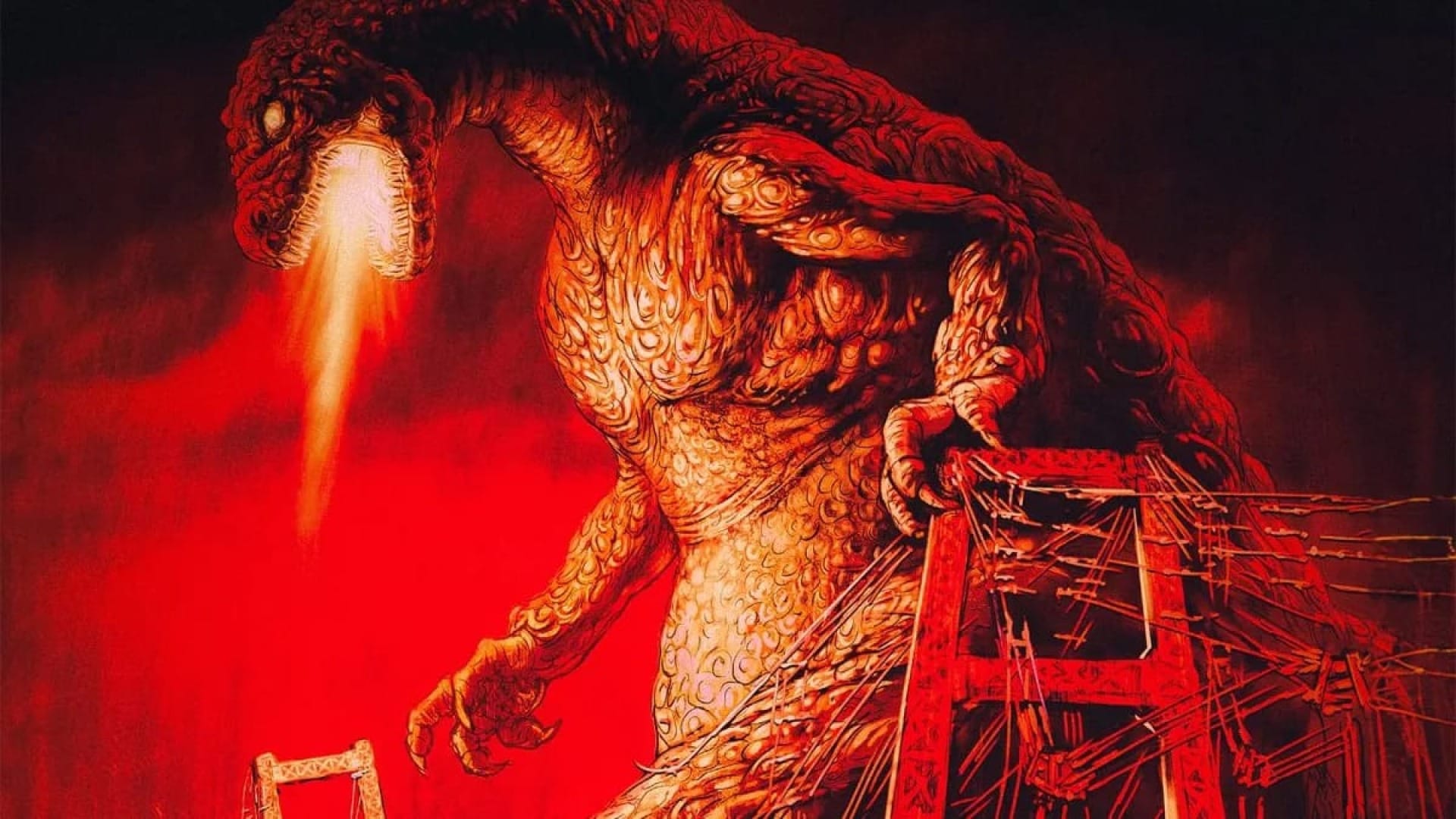
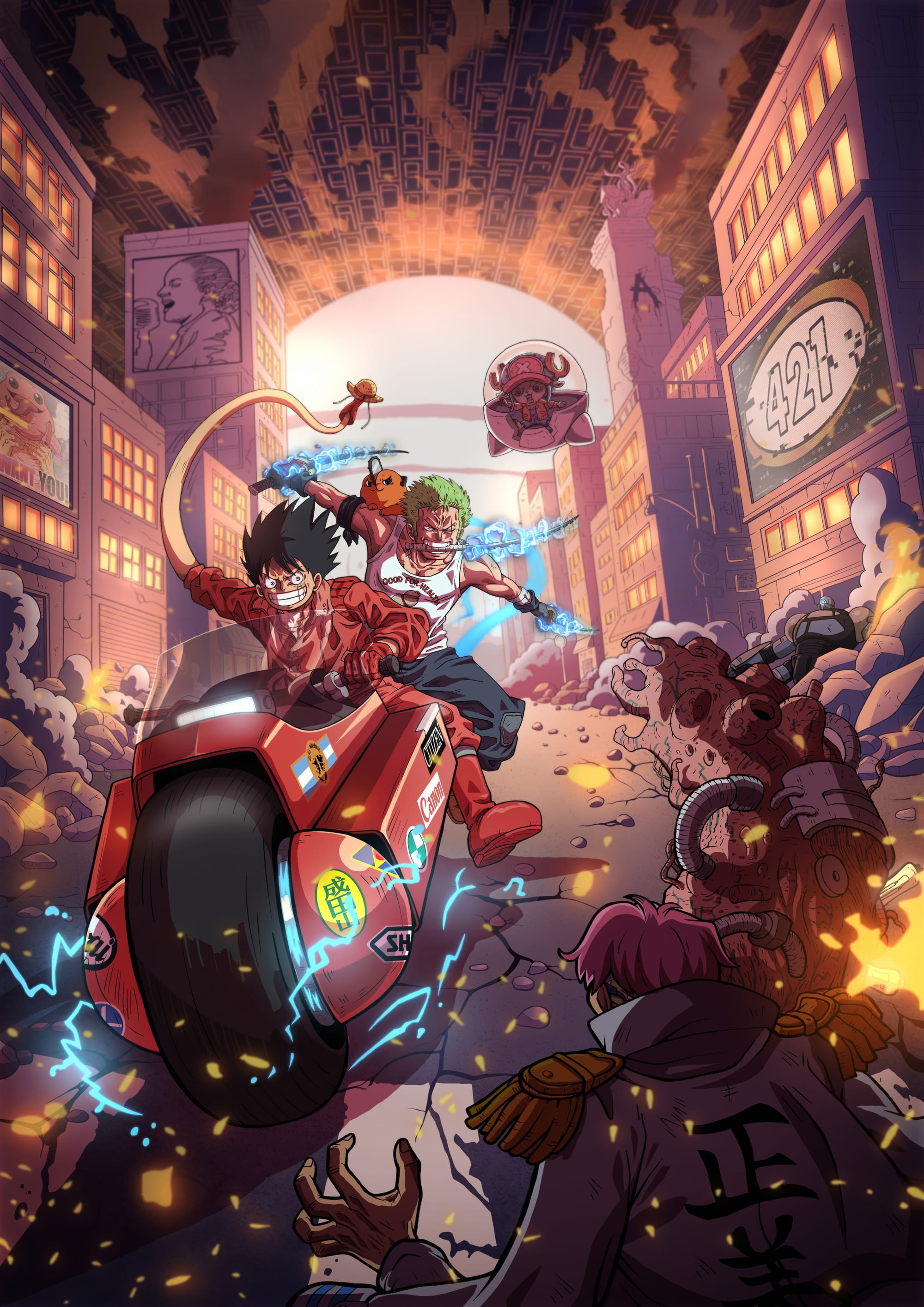
On that road, practically everything that, between 1990 and 2015, was broadly understood as part of the so-called youth culture has become the core of the mainstream: the industrialised culture of video game studios, record labels, film production companies and online platforms that distribute all those works. In a way, 421 is a grand choral essay on this: Fallout, One Piece, Silent Hill, El mató a un policía motorizado, Akira, Dungeons & Dragons –pick any proper noun you like. They were our treasures, and now they are –or soon will be– just another sausage in the butcher shop of cultural industries and IP merchants.
Check the movie listings, year-end lists, gig agendas or video game rankings. The last decade has produced an artificially contemporary mainstream culture: it looks current thanks to its cosmetics, but at its core it wallows in the exploitation of the "new classics" of the 2010s and 2020s, which are really the old niches of the 1990s and 2000s. It's a manipulation of nostalgia, as you can see without having to wake up to some hidden cultural operation; but it might also just be the plain survival of new classics, of characters and stories well written according to what each form of entertainment demands.
My idea –not very original, and rather unflattering towards my millennial contemporaries– is that there's another element, a third leg. Today's cultural mainstream is what it is not because everything we millennials loved was always amazing, but as a consequence of our generation having "taken control" and/or taken over the day-to-day leadership of cultural markets and industries. A few isolated cases might be the result of artistic excellence, but as a whole they're more like an inevitable tail end of the generational turnover among decision-makers.
Every Year the Same Story
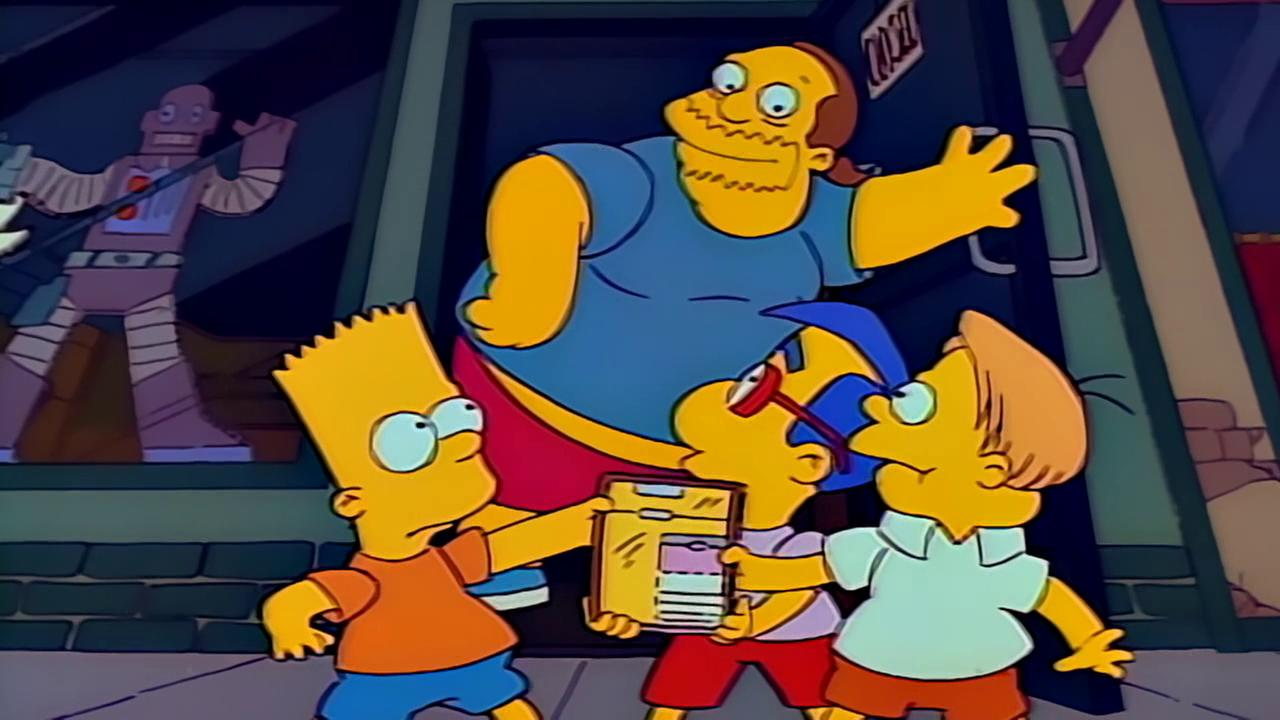
I'm going to keep developing those points, but it's time to start contrasting them so this doesn't sound like a whim. Take cinema, for instance: it's completely dominated by nostalgia. Among the 20 highest-grossing films of 2025, there are only two brand-new titles: Sinners and Weapons. Half of the top 20 are recent instalments of canonical IPs like Lilo & Stitch, Jurassic World: Renace, Superman, Mission Impossible: Final Judgment, The Fantastic Four: First Steps, The Conjuring 4: The Last Rite, Detective Chinatown 1900, Wicked: Forever, Captain America: A New World or Final Destination: Blood Ties. There are also three more sequels: Ne Zha 2, Zootopia 2 and The Bad Guys 2 –second steps for all tomorrow sagas.
And what about the other five in the top 20? They're all based on products with at least a decade of track record in other media, such as manga and anime (Demon Slayer –Kimetsu no Yaiba– The Movie: Infinity Castle), video games (A Minecraft Movie), competitive sports (F1: The Movie), and even previous films: How to Train Your Dragon is a re-imagining, now in live action; while Thunderbolts were branded from day one as "the new Avengers". And next year doesn't look like it'll be any different, with releases set to keep fattening the sagas of Street Fighter, Mario Bros, Avengers, Masters of the Universe, Star Wars, Toy Story, Shrek, Scary Movie, Ice Age, Spider-Man, Scream, Aladdin and even the Fockers films.
In video games, it's the same story. In the list of best-sellers of 2024 for PS4 and PS5, the latest EA Sports football games (FC 24 and 25) are back, alongside Rockstar Games' classics (Grand Theft Auto V and Red Dead Redemption 2), a few superhero titles (Marvel's Spider-Man 2; Batman: Arkham Knight), games based on canonical manga and anime (Dragon Ball: Sparking! Zero) and on literary and cinematic sagas (Hogwarts Legacy). Then you have the latest entries in the usual suspects: fighting games (Mortal Kombat X and 11), war games (Call of Duty: Black Ops 6), racing games (Need For Speed Heat and Payback), and horror games (Resident Evil 4). Plus, of course, the odd trendy multiplayer: Minecraft (which has been iterating since 2009) and Helldivers 2 (the sequel to the 2015 game).
I've already written plenty about music here, but to sum up: the bands currently playing stadiums –local and foreign– mostly made the core of their careers between 1990 and 2015. Miranda!, Babasonicos, Turf, Tan Biónica, Airbag or El mató a un policía motorizado, and on the international side Primal Scream, Meshuggah, Oasis, and even "newer" artists –relatively speaking– like Kendrick Lamar, who built the core of his artistic and sonic identity within that same (now old) paradigm.
Across the three massive industries of film, music and video games, so-called urban music is the main exception: a post-2015 phenomenon, native to youth, raised between the street and social media, which has been renewing layer after layer of the music industry –not just singers, but producers, video directors, stylists, choreographers, publicists, management. Even so, kids don't escape inherited culture: LIT killah leans on early-2000s pop-punk, Duki embodies a mix of gangsta + NBA + weed + status games, Bhavi is forever flirting with fantasy, and Emilia's mp3 concept is built as an intervention on an older idea.
No Young Person Has Ever Talked About “Youth Culture”
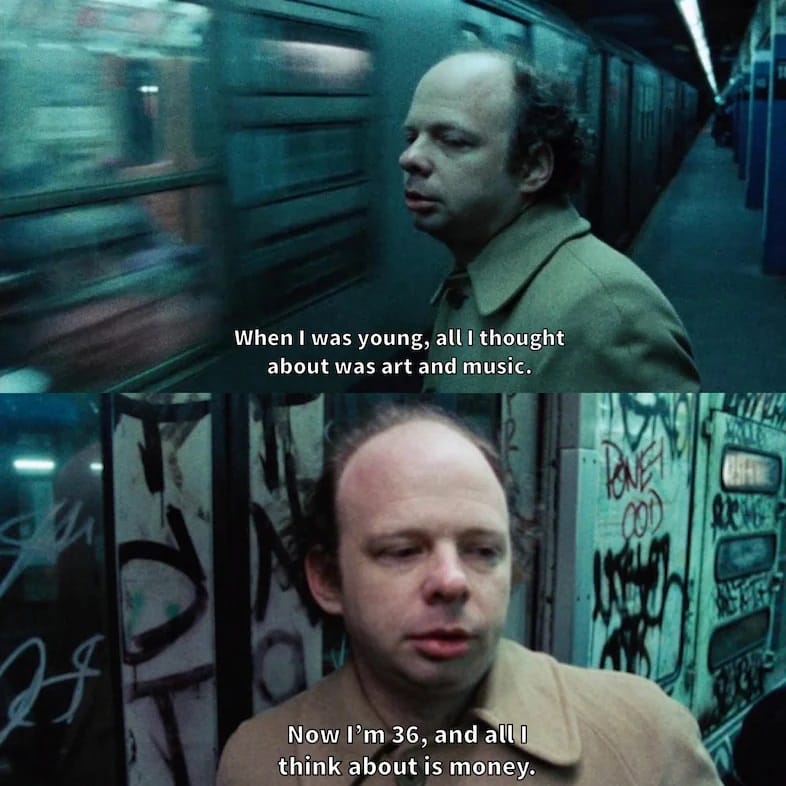
When I say youth culture specifically, I'm not talking about the market for culture aimed at young people –for that we'd have to go much further back into the last century. I'm referring to what editorial circles and cultural industries labelled "youth culture": a segmentation of products, narratives and protagonists. I've never heard any young person talk about "youth culture", but I have heard newspaper directors, magazine editors, heads of indie labels and Culture-with-a-capital-C officials use it.
For at least two and a half decades, the idea of youth culture was a gravitational axis for countless expressions, from anime and video games to psychedelia and pop bands, from genre cinema and independent porn to the paroxysm of supposedly universal concerns like big-print T-shirts, hamburgers or the NBA. Everything that left a mark on the so-called youth culture between 1990 and 2015 is now just plain mainstream across almost all disciplines in the creation, information and entertainment industries.
No, neither today nor in the '90s were there kids who referred to what they do, watch, read, listen to and play as "youth culture". At most, people talked about "alternative culture" or "the underground", concepts much more defined, firm and stoic than "indie". And of course, today's youth have their own alternative culture, but they don't call it youth culture. They don't name their mainstream culture either, because nobody needs to narrativise what they do every day.
Being into superheroes, science fiction, rock, drugs, collecting and isometric-view video games adds points to the "gordo" archetype Círculo Vicioso helped patent –and that, in many ways, trickled into 421. But the idea of "cultura gorda" is still in its infancy. "Rock culture" is something else. "Pop culture" is not enough. "Nerd culture" isn't quite contemporary. But "youth culture" is just ugly.
– Hey, what are you into these days?
– Look, man, I'm really into youth culture right now.
A conversation that would've been totally absurd even in 1995, and would sound even more absurd in 2025. The difference lies in the passage of time: in the '90s and early 2000s it was a concept used by media and cultural industries to compartmentalise, analyse, go deeper and lock out markets aimed at 15- to 25-year-olds. After 2000, as the internet became massive, that segment of youth consumption and culture expanded to 15- to 35-year-olds. Today, if you scan the crowd leaving a Wos stadium show, or a top-grossing movie premiere, or look at the demographic profile of readers of Mariana Enríquez, we're all in the same broth of consumers aged 15 to 65, talking about the weather, the latest Six Sex video, the price of pan dulce and the new Paul Thomas Anderson film. Cultural depression is just another symptom of an organism atrophied by lack of friction.
The Champions of Youth Culture
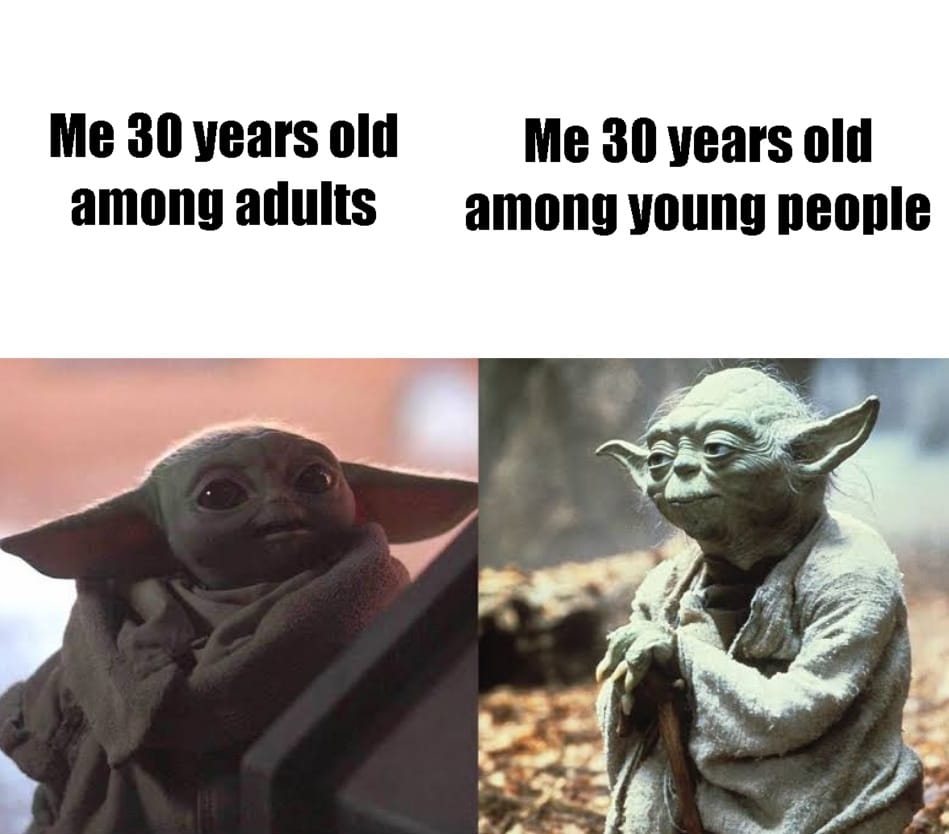
From the early '90s until about ten years ago, cultural journalism in Argentina was defined by youth supplements in newspapers (Clarín shut down Sí! in 2016, and Página/12 still has NO, albeit only in digital form) and by rock magazines, or "youth culture" or "alternative culture" magazines (La Mano, Rolling Stone, Inrockuptibles, Soy Rock). We could add cable-TV references (MTV, Much Music, Nickelodeon, I.Sat, Locomotion, Adult Swim), radio stations like Rock & Pop or Metro, and sites like Indie Hoy. That line is continued in streaming by Futurock, Blender and Olga –all created post-2015– embracing the present but fronted by figures who are themselves daughters and sons of that youth culture: Julia Mengolini, Tomás Rebord, Migue Granados.
In their first twenty years, those media terraformed a couple of generations of kids, giving them what to read, what to listen to, what to watch, what to question, who to lust after and, of course, what to consume. But their weight has faded. They stopped coming out, or shifted fully to digital; in any case, the "youth culture" media lost their nature, their internal logic and –worst of all– their charm. They stopped being important, stopped carrying weight in how information circulates.
The times changed, yes: social networks replaced the curatorial intermediary –once a journalist or outlet with a wealth of professional information and specialisation– with an algorithmic intermediary. But another big piece is that the media themselves –more devoted to "the young" as a market segment than to youth as an object of interest– pushed an eternal adolescence. They had no intention of being left out of the business of juvenilisation and the subsequent infantilisation of culture.
Now, all of culture has ended up as a pastiche consumable by anyone with an income, whether they're 12 with an allowance or 65 with a pension. Age-segmented products no longer make sense. Belonging to a subculture, a scene or a circuit of venues for such an arbitrary reason as the year you were born no longer holds much water. The acceleration of all this is that what stops making sense is age itself –at least as a socio-cultural category– which is reduced to something strictly physiological. The B-side of the cyborg fantasy of '90s nerds: people as body-machines with a specific model and year of manufacture, but all with the same cultural virginity, ready to be prompted by whichever generation is currently in charge.
Nostalgic Culture and the Fallacy of the Nerd Triumph
I'm going to spoil the movie. Today, in 2025, the dominant culture in the media is no longer youth culture but nostalgic culture. The millennial generation –the first to flood the internet– managed at least one thing: viralising niche tastes in order to retroactively validate its own interests, which were often derided or ridiculed at the time. That thing we also call "pop culture" finally "won" because it installed itself as the cultural mainstream, and it managed to do so because the decision-making spaces in media, cultural industries and art circuits are now run by 40-somethings raised under the umbrella of that young, alternative, pop and/or rock culture. People like those of us who make 421.
Our generation has cultural firepower: the power to impose topics, trends and perspectives. Of course, there are references –KOLs, as they're called now– but the mechanism works not because there are five nerdy guys talking about this stuff, but because every micromanagement space in culture is currently staffed by people from that same generation: festival producers, curators, TV programmers, streaming hosts and owners, booksellers, and so on.
I'm sorry to break it to you –to us– but the triumph of pop culture and retro content at the mainstream level doesn't mean that "those in the know" were always right and everyone else finally woke up. On the contrary, the success of certain franchises, certain types of games, music and consumption has less to do with the historical justice of time and the enlightenment of the masses than with something much more mundane, boring and corporate: we can now hammer home that this stuff is the bomb from our sites and mics, and there are people with enough clout to convince a board.
It's nothing more and nothing less than the natural evolution of time passing in the cultural market and industry, paired with the generational turnover in leadership and in patterns of cultural consumption. The kids of the '90s who grew up on anime and consoles are now the ones making money and, above all, making industry-level decisions, either as independent creators or as cogs in legacy machinery. A large part of our output is deeply nostalgic and anchored in our childhood and early adolescence. Its triumph doesn't mean it was unequivocally good –it means that, now, we're the ones who decide what counts as "good".
The nostalgic, retro or simply "old" seasoning of this culture is much more decisive today than its geeky or fantastic side. The niche is no longer that small –and neither are those "kids". Still, I don't see anyone stepping up to name this moment "adult culture" –this moment that larps modernity with digital tricks but is still, essentially, the culture of 40-year-olds, running on the same content as the youth culture of decades ago. Yesterday, youth culture; today, adult culture? Aged culture? Mature culture? Pissed-on culture?
Meanwhile, we sit in this salad bowl where ages mix under a franchised dressing and we share the same infinite playlist of things we've seen, heard in the background or been told we "have to" see. That infinite playlist is the internet. As long as the internet keeps rising as the place for information and entertainment, that playlist will only become more widely distributed. Like a torrent, or like a hive mind. A scenario with no "youth culture" but with young people creating their own culture while being bathed in the radiation of the ex-youths' culture. More and more, it feels like everyone online is the same age: that of an ideal consumer, with time and money, always connected, nostalgic and permanently open to the next doomscroll.
In the chaos of the crowd waiting to board a train at Constitución on a Friday at 5 p.m., we're all a bit like the average Argentine (aka a burnt-out 30-something worker). In the crowd waiting for the next episode of Stranger Things to drop, we also all end up as average followers/consumers.
I Couldn’t Care Less About Youth Culture
Despite what this text might suggest, the death of the concept of youth culture actually brings me a lot of joy. Seriously. Even if I don't love this landscape where we're all the same node receiving the same cultural package, regardless of age. I genuinely believe that the more aesthetic and ethical diversity there is, the more interesting social systems become, whether we're talking about a band of friends, a late-night streaming panel or a whole nation. But beyond the joy, it also gives me plenty of material for one of the things I enjoy most: spinning totally biased and indefensible theories.
This is another rant, take it or leave it:
The age barriers around cultural consumption started to come down hard at the beginning of the century, but there’s been a recent acceleration driven by the pandemic, the new generation of social networks and a set of transformations in the street, on the internet, in nightlife, in culture and in the world of work.
Kids don’t know it, but they’ve lost “the street”. That doesn’t mean they “don’t have street smarts”; it means they have fewer accessible, free outdoor activities than young people from previous generations. Not so long ago, every neighbourhood had a plaza open 24/7, a couple of vacant lots or fields, community clubs, streets where not so many cars drove by and you could play football, skateboard or play hide-and-seek. Today, plazas and skateparks are fenced off and closed at night, asphalt has spread, vacant lots are gone, clubs and cultural centres live on the edge of sustainability and offer fewer activities, and the street is increasingly dangerous.
On the other side, they’re being pulled in by more and more digital products that replace outdoor life experiences: series, video games, the internet, social media. The need to be near Wi-Fi and a power outlet feels almost as vital as the need to go out skating or play a pickup game. Many families don’t let their kids play outside; many parents don’t have the money or time to take them places or let them do things far from home. As a result, kids spend more time indoors, whether in their own homes or someone else’s. Are plazas full? Yes. Was the UPD (Último Primer Día) a massive parade? Also yes. “Are you stupid, can’t you see all the kids going to gigs?” Yes, I’m stupid; and yes, I do see them. But I’m not looking at absolute numbers – I’m looking at proportions.
At the same time, adults have also spent more time at home over the last five years, both because of the pandemic and remote work, and because of job precarisation. The combination of those two trends means more kids and more adults spending more time at home and overlapping more in that shared space than before. If we also assume that the average housing unit in Argentina has deteriorated – from houses that used to have two, three or four rooms to studios or 40-square-metre spaces with a single bedroom – then we can infer that contact between different generations is more frequent and more intense.
In that context, the series parents watch also end up being watched by their children, who pick up the theme song. Parents, while working, hear the cartoons their kids are watching in the background and memorise the dialogue. Kids pick up the catchphrases we bring home from work, and adults pick up the ones kids bring from school. Little by little, we all start to share the same cultural code, whether we’re 5, 10, 15, 27, 35, 60 or 84.
But this urban/housing setup wouldn’t be so decisive if it weren’t for the massive leverage of cultural and entertainment production. A small flat or shared time between children and adults doesn’t have to result in a kind of cross-generational cultural contamination. But when every cultural industry is pointing in that direction, a lot of people will end up taking the path laid out in front of them.
Culture, as an industrial conglomerate, is completely ambitious, voracious and extractivist – just like other industries such as energy or food. In music, one example is someone like Nicki Nicole. She worked insanely well among kids, so they started having her collaborate with Andrés Calamaro, with Miranda!, with No Te Va Gustar. The industry took its product – Nicki Nicole – and applied branding, positioning and leverage to widen the range of people who listen to Nicki Nicole. And suddenly you have 40- and 50-year-olds who are fans of Nicki Nicole, Wos, Dillom, Lali, Milo J or Trueno.
You step out onto the street or log into social media and everything tells you: be young, look young, always stay on trend, always know what’s new, join the conversations about what’s happening. Beyond the pressure from advertising and the inherent dynamics of social media and algorithm management, there’s a layer of enforced youthfulness that shows up in cosmetic surgery, Ozempic, anti-ageing treatments and the Bryan Johnson archetype.
Cultural life has become chronically online. In the age of the attention economy, streaming platforms, social networks and the hyper-financialisation of absolutely everything, we’re all part of the same pool of attention, loyalty, interaction, debt and demand. It’s not just the time lost on X or down rabbit holes from site to site; it’s also the moments we share with partners, friends and loved ones: the series in bed on Netflix, the album in the car on Spotify, the online matches. The internet and the archiving it enables, the absolute dominance of franchises in the audiovisual and gaming industries, the endless cycle of second-hand markets, games-as-a-service, and series that stretch out over time, creating shorter and shorter cycles of nostalgic culture – what else is it to keep watching Stranger Things or even Peaky Blinders so long after?
Home entertainment and the loss of the street for kids; home office and the loss of the street for adults. The media are controlled by old folks (at least 40-somethings). Cultural industries, too. The fact that culture is digital shuts down the escape valve that age used to give you: access to specific places and information for your cohort and your subculture.
All of that, combined with other things that slip my mind right now – plus others we could easily add, like the systematic infantilisation of aesthetics, clothing and food. You go to buy clothes for a 40-year-old guy and they’re basically the same as what a 15-year-old would wear, just in a bigger size. And if you want to buy “40-year-old guy” clothes, you have to go for the same stuff a 40-year-old would’ve worn a century ago: a suit or a pair of dress pants. If that’s what millennia of markets and textile industries have to offer us, imagine how little pressure newer fields like video games feel to cater to your birthdate.
The cultural barrier between generations is up – in the sense that it’s lifted, not blocking the tracks – and the old logic that, if you’re a certain age, you move in certain circuits or get exposed to specific subcultures has broken down. I don’t see anyone eager to get off their train to lower the barrier again. And the industry? No way it’s going to self-regulate. Older folks already have the chip that keeping teenage tastes is cool, a kind of freedom. Kids are born inoculated with the idea that accessing stuff “for grown-ups” is cool. The market sells to everyone, and behind the scenes subsidies are negotiated, incentives are engineered and careers are built on quicksand.
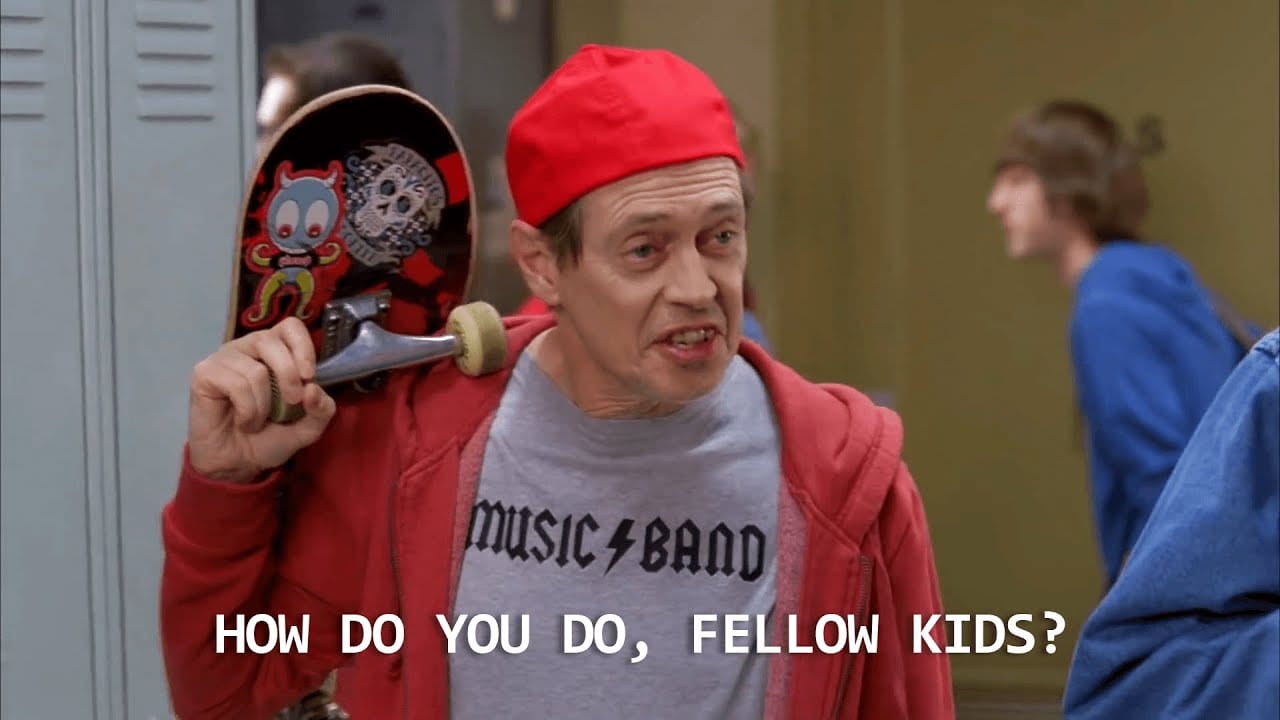
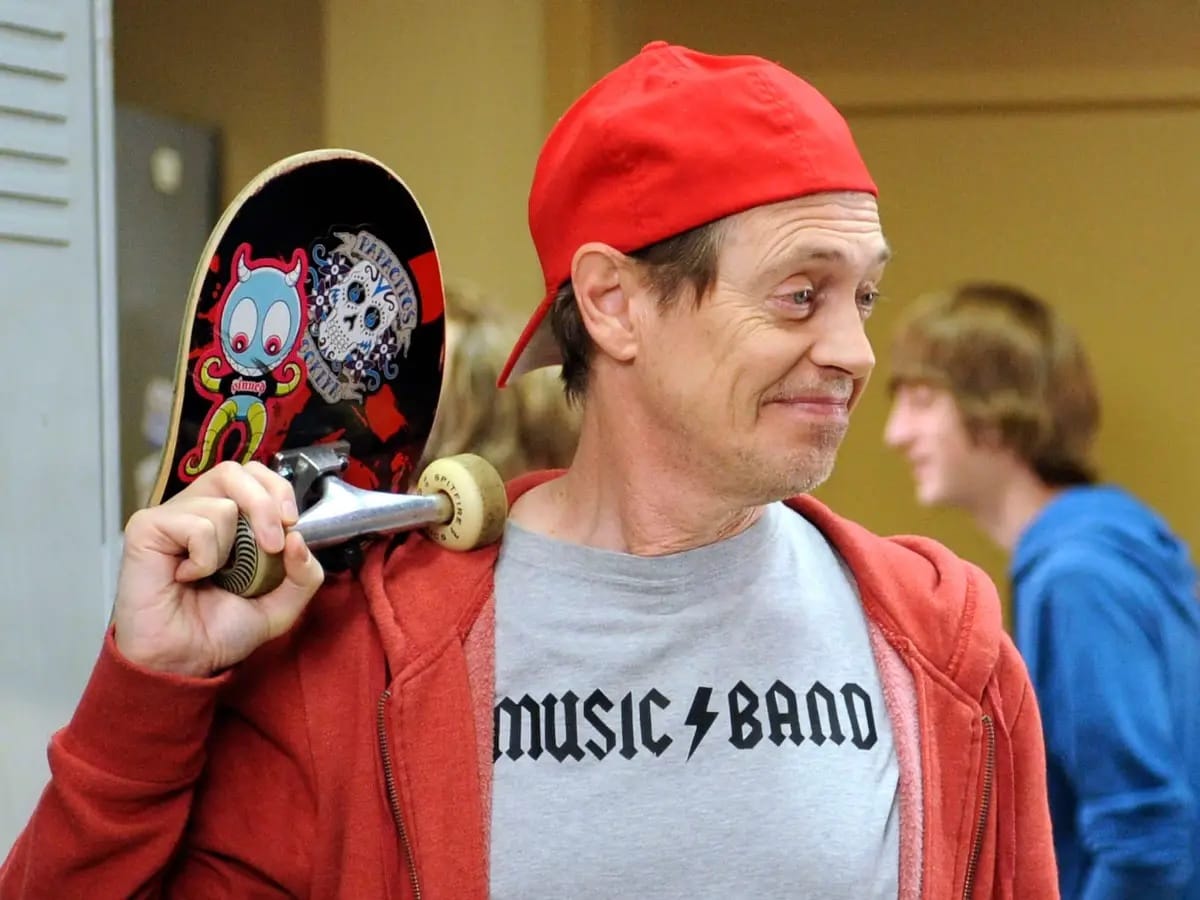
And that's a wrap; this text is done. Pastiche and cocoliche: that's how we all end up –as Juanma so aptly put it in his piece this week– as a 35-year-old Ninja Turtle with a backpack and shorts. Everyone: the 80-year-old grandma and the 5-year-old kid. Cowabunga!