Shadow Ticket May Be Thomas Pynchon's Last Novel
24 de dic. de 2025 — Mariano Vilar
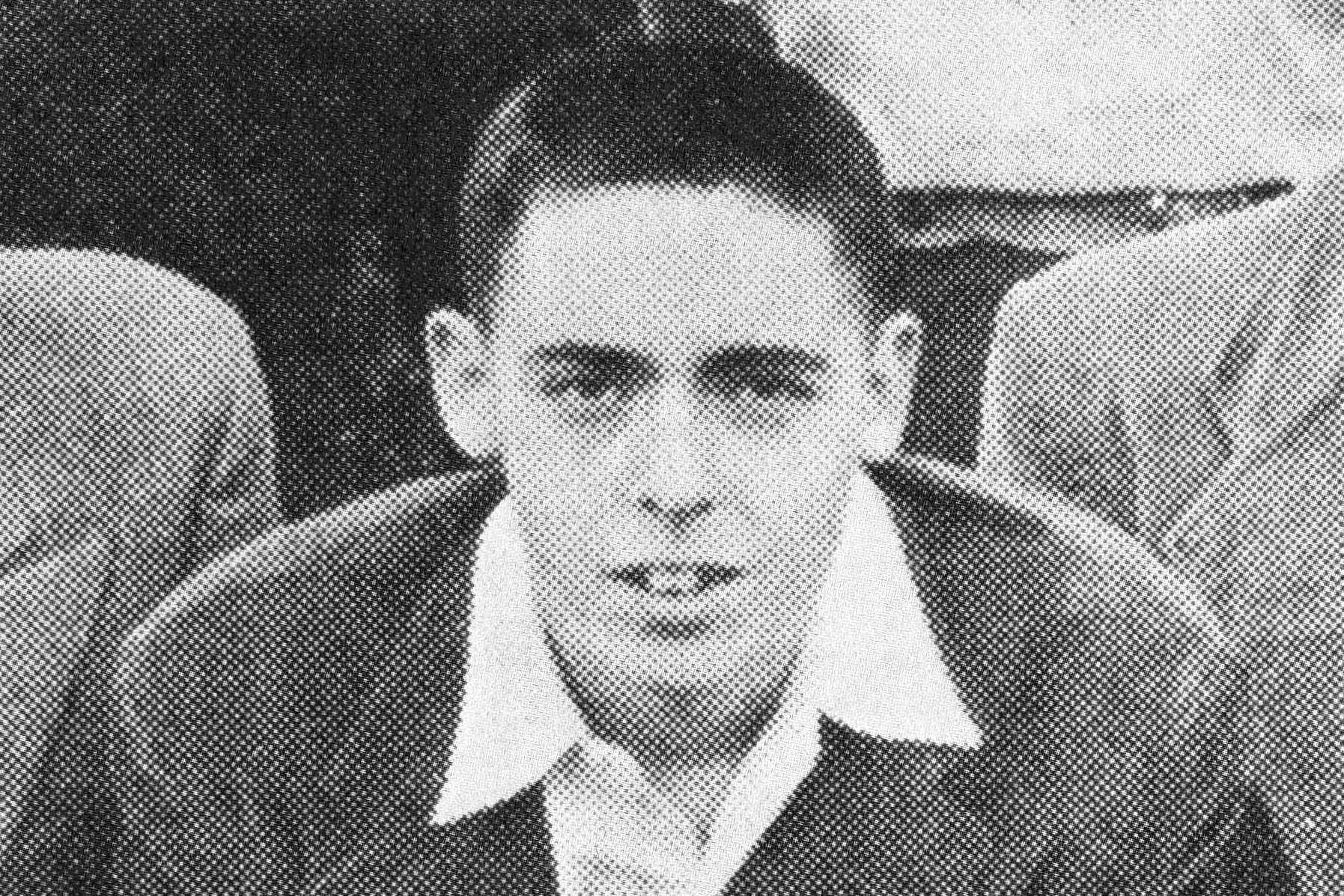
Thomas Pynchon is the most important surviving figure of twentieth-century Great American Literature. His life –famously kept away from cameras, interviews, and social media– preserves an aura of mystery, genius, and what we feel literature once was: something sophisticated and risky, difficult without being solemn, transcendent in its own immanence. Modern and, at the same time, out of time. What can one expect from this combination now that, past the first quarter of the twenty-first century, he's publishing a new novel at 88?
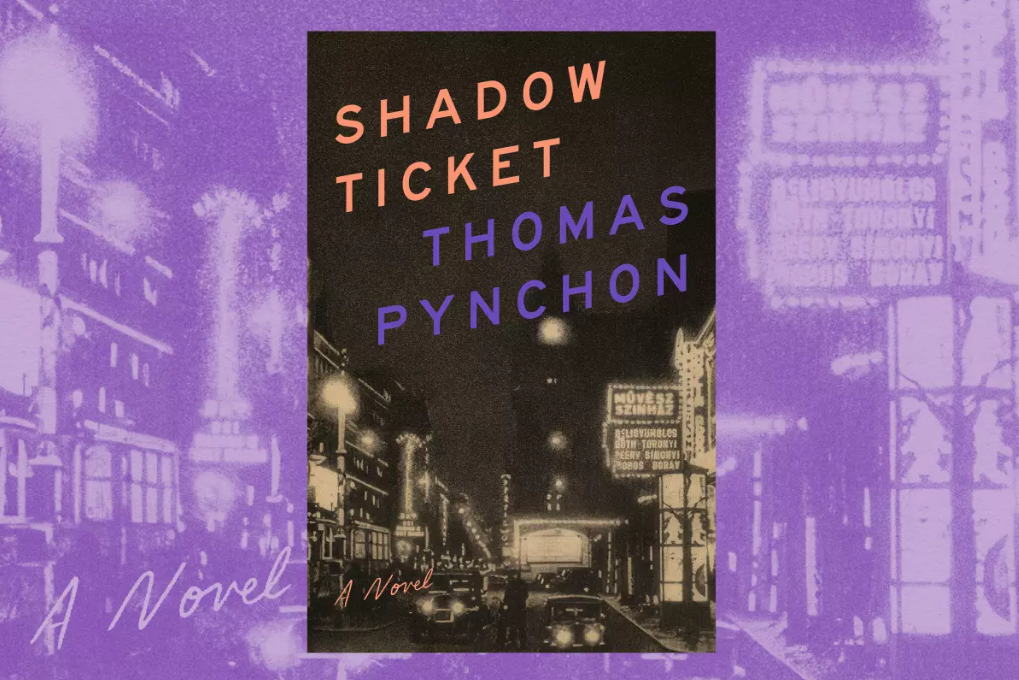
Shadow Ticket is about a detective named Hicks McTaggart –Pynchon's names are a genre unto themselves– who works for an agency in Milwaukee in the 1930s, amid the Great Depression and Prohibition. McTaggart is assigned to track down Daphne, the heiress of a mysterious millionaire-turned-mobster in the dairy business ("the Al Capone of cheese"), who has fled to Europe with a clarinetist. He ends up pulled into dangerous situations involving gangs explicitly or implicitly linked to the emerging fascist/Nazi milieu. But that synopsis is only a bare skeleton, and it says very little about how the novel actually unfolds.
We're not at the same levels of delirium and genius as Gravity's Rainbow (Pynchon's masterpiece, a true rite of passage), but the narrative keeps branching off in every direction: characters multiply according to unclear rules of relevance, and side quests involve golems and undercover agents with teleportation powers.
I don't know when the first Spanish translation will appear, but I can already tell the first headache will be the title. Shadow Ticket, like any good title, lends itself to multiple readings. The most obvious one points to the way ticket can mean an assignment or job –like the support ticket you open on a platform. In that sense, "Shadow Ticket" is something like a "mysterious assignment" and it gestures toward one of Pynchon's most persistent themes: invisible agents, hands pulling strings from the shadows, or hands that merely believe they are.
The novel is largely heir to hard-boiled noir, where detectives move through a carousel of locations and meetings involving mobs, private security outfits, quasi-police groups, ethnic minorities, and government forces. Nobody knows who's working for whom –and if you open Shadow Ticket expecting all the loose ends to get tied up, well, it must be your first Pynchon novel.
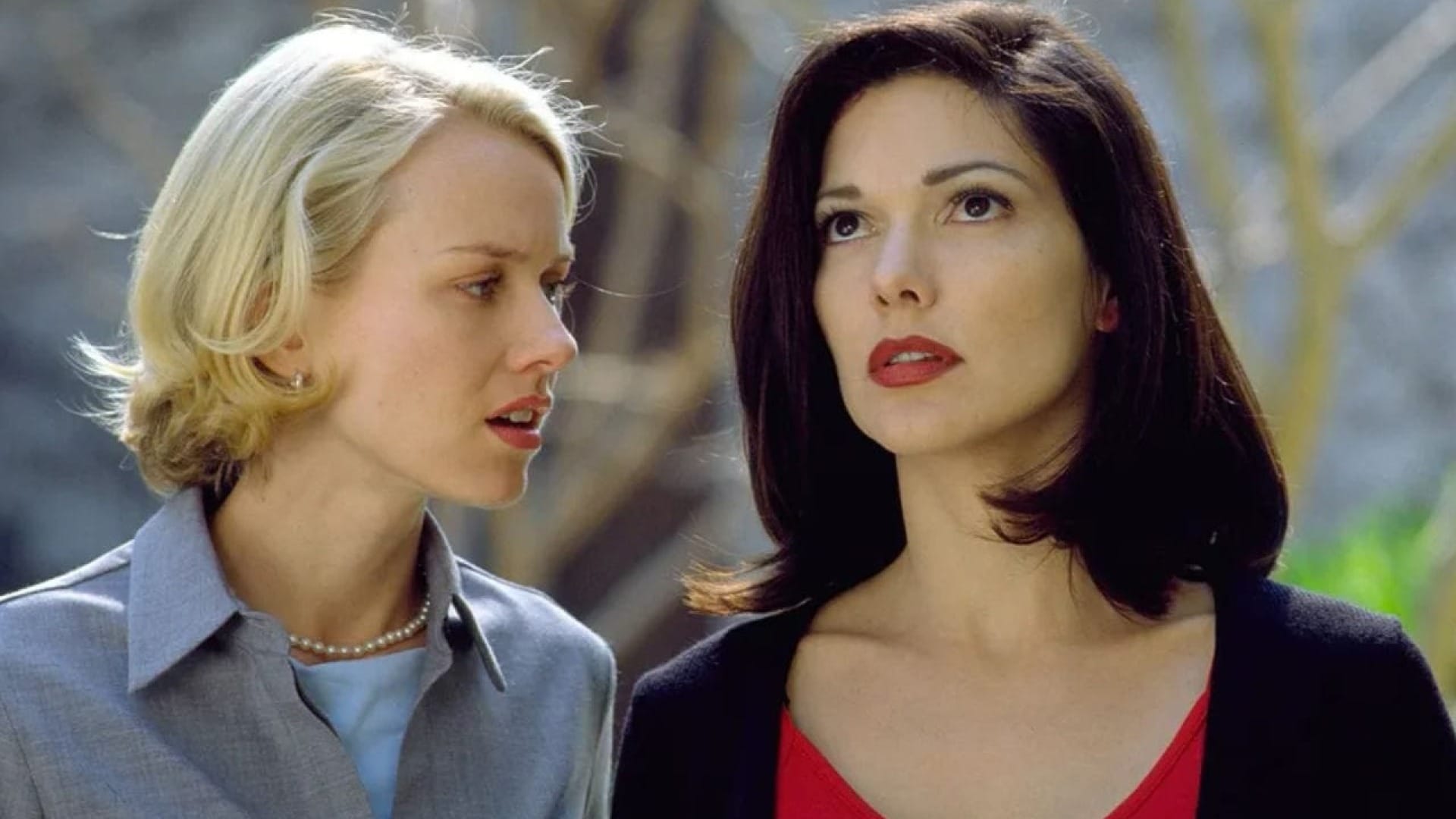
This year's Paul Thomas Anderson film, One Battle After Another, isn't a very faithful gateway into Pynchonian literature. As the film itself points out, it's a very loose take on Vineland, which Pynchon wrote in 1990. In fact, the far-right para-state outfit called the Christmas Adventurers –whose ranks Sean Penn's character (Lockjaw) wants to join– doesn't exist in the book, which is also much more clearly anchored in time: the Reagan years, and the sad leftovers of '60s hippiedom and counterculture.
By contrast, Anderson's other Pynchon adaptation has more in common with Shadow Ticket: Inherent Vice, which sticks far closer to the novel and stars a feral Joaquin Phoenix as "Doc" Sportello –an aging hippie with the aim and reflexes DiCaprio's character completely lacks.
The novel's time setting has prompted a fair amount of speculation. The ruins of the counterculture were, beyond Pynchon, one of the great obsessions of '80s and '90s culture –just as, in Argentina for somewhat different reasons, the '70s were. So why talk about the 1930s now? Isn't the present more Pynchonian –QAnon, Trump, blockchain, the war in Ukraine, and a new "cold war" between the United States and China, thick with psyops?
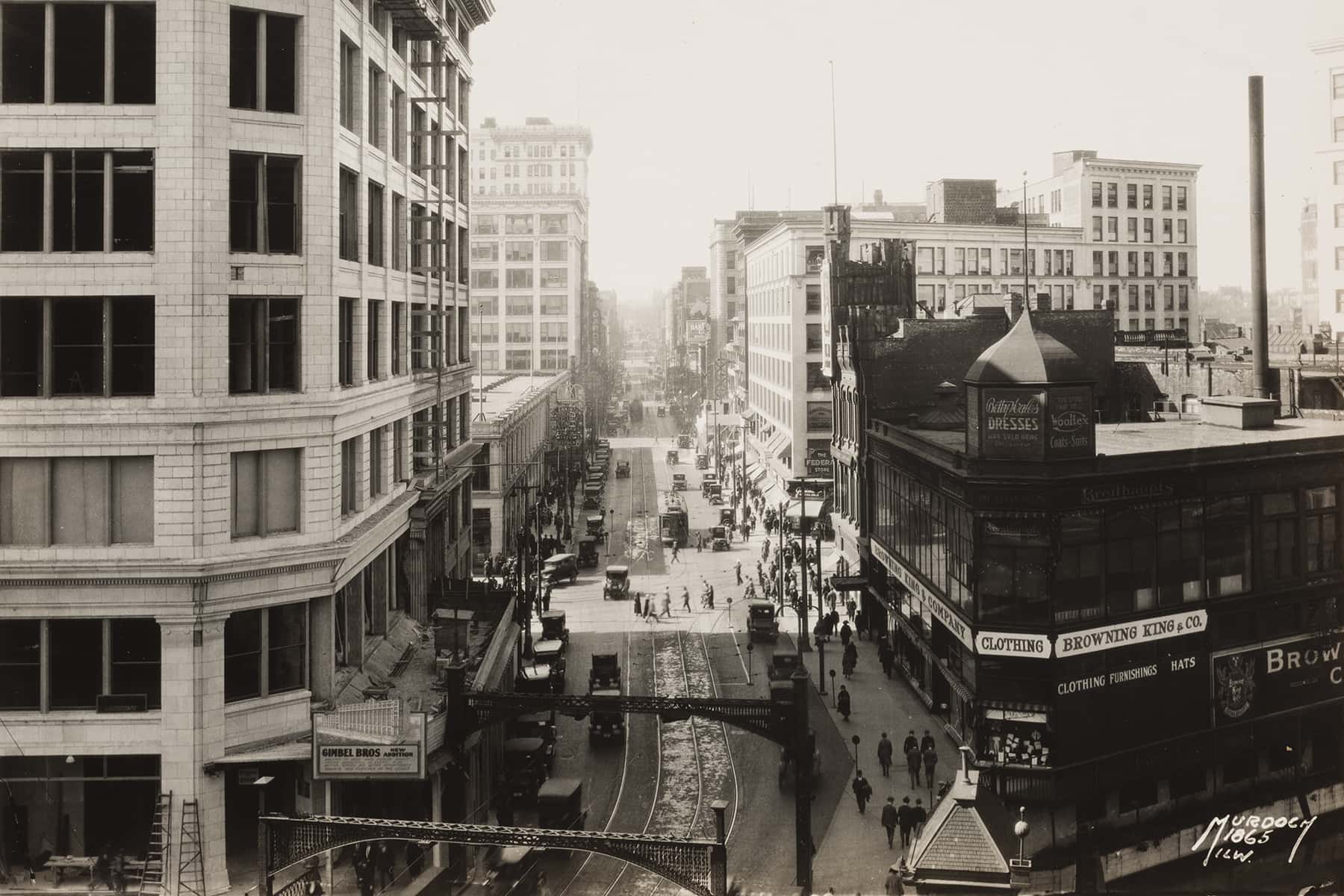

Pynchon isn't going to clarify this in an interview or an Instagram reel, but the novel itself offers a possible answer. The early 1930s were a difficult, complicated period –one that would soon be remembered as a paradise of order and stability. We now know the seeds of horror were already well planted, and Shadow Ticket won't let us forget it. Milwaukee –historically tied to German immigration– is crawling with Nazis bowling. In Europe, it's worse still: Jews are being hunted even outside Germany. And yet, at that moment, there was still a chance for history to bend the other way.
Here's a paragraph I translated from the novel that captures it well
What one of them should have been saying is: ‘We’re in the last minutes of a pause that will later seem so wonderful, so calm, so free of worry—if anyone is left to remember it. Still trying to hold on to it before it gets too dark. Until, finally, we turn around to look back at the road we came from, and there’s that last little lightbulb—once so bright, now flickering faintly, about to burn out—and for some time now we should have been saying: Florsheims—a shoe brand—time to get moving.’ (…)
Those you might have saved—those you might at least have steered, somehow, toward a safer stretch of track—are stripped, beaten, killed, captured, and carried off, one by one, into the unspeakable, the irrecoverable.
As in Gravity's Rainbow, Shadow Ticket –which, judging by average life expectancy, has a decent chance of being his last–plays with alternate histories, with historical horizons opening and closing in a blink of imagination. The famously sophisticated Pynchonian prose can move you from a vaguely realistic exchange to a foggy superimposition of times and places, real or impossible. And although paranoia is omnipresent in his work –and this novel is no exception– we'd be mistaken to equate that constant suspicion with an oppressive, grinding mood.
Nothing could be further from Shadow Ticket –which (except in extraordinary passages like the one quoted) often seems concerned, more than anything else, with humor. The dialogue, far from any kind of realism or historical verisimilitude, is hilarious; and it can be more pleasurable to let it wash over you without pretending you fully understand what's happening in the scene, who exactly everyone is, or what their motivations might be.
Reading Shadow Ticket is challenging: period slang from the 1930s (like calling your mouth a "kisser") is everywhere, and Pynchon's plots and transitions rarely give you solid ground to stride confidently into the next episode. It's also fair to say Shadow Ticket isn't Pynchon at his very best. Hicks is far less memorable than many of his protagonists, and while part of the novel's aesthetic project is clearly to make him a man almost without attributes –neither Sherlock nor heartthrob, neither brute nor James Bond, neither paranoid junkie nor gentleman– that choice can blunt the sense of immersion and tension you do get in Vineland and other books.
For literary types in general –and Pynchon devotees in particular– Shadow Ticket still delivers a blend of formal virtuosity and sheer inventiveness, along with his trademark mix of sharp, ever-fresh humor and an undercurrent of tragedy and violence –something you can hear, incidentally, in a lot of European and North American music from the 1930s. The novel is packed with musical references, including a nod to Gardel and Le Pera. There's a search for an innocence that feels essential to American culture –an innocence it knows it can't truly recover, and so it has to keep inventing at every step.
We'll see whether this is Pynchon's last. He has nothing left to prove –and in any case, he's the one demanding that literature –maybe culture as a whole– prove it can do without him.
I close with a brief dialogue of Shadow Ticket:
—As long as you’re not one of those metaphysical detectives out to find Revelation. If you read too many crime stories in magazines, you start thinking it’s all about who did it. What really happened. The hidden history. Yes, yes: seeing all the cards at the end of a hand. For some people, that sort of thing turns religious surprisingly fast.
—I've got enough to worry about in real life.
—Good luck, kid. Hate to tell you, but the only ‘real’ part of the whole affair is when someone’s shooting at you. In practice, ‘real’ means dead… anything else, there’s always room for a conversation.”