The New Era and Bubble of Trading Card Games

5 de ene. de 2026 — Juanma La Volpe
The world of trading card games (TCGs) has been on an incredible growth streak since 2020, in terms of both new products and brand-new games. But it's also one of the hardest markets to survive in –because keeping a card game "alive" is brutal when you're competing against titans with more than 20 years of momentum. You know these monsters well: the games that started it, defined it, and somehow outlived every wave since year zero –Magic: The Gathering, Pokémon, and Yu-Gi-Oh!
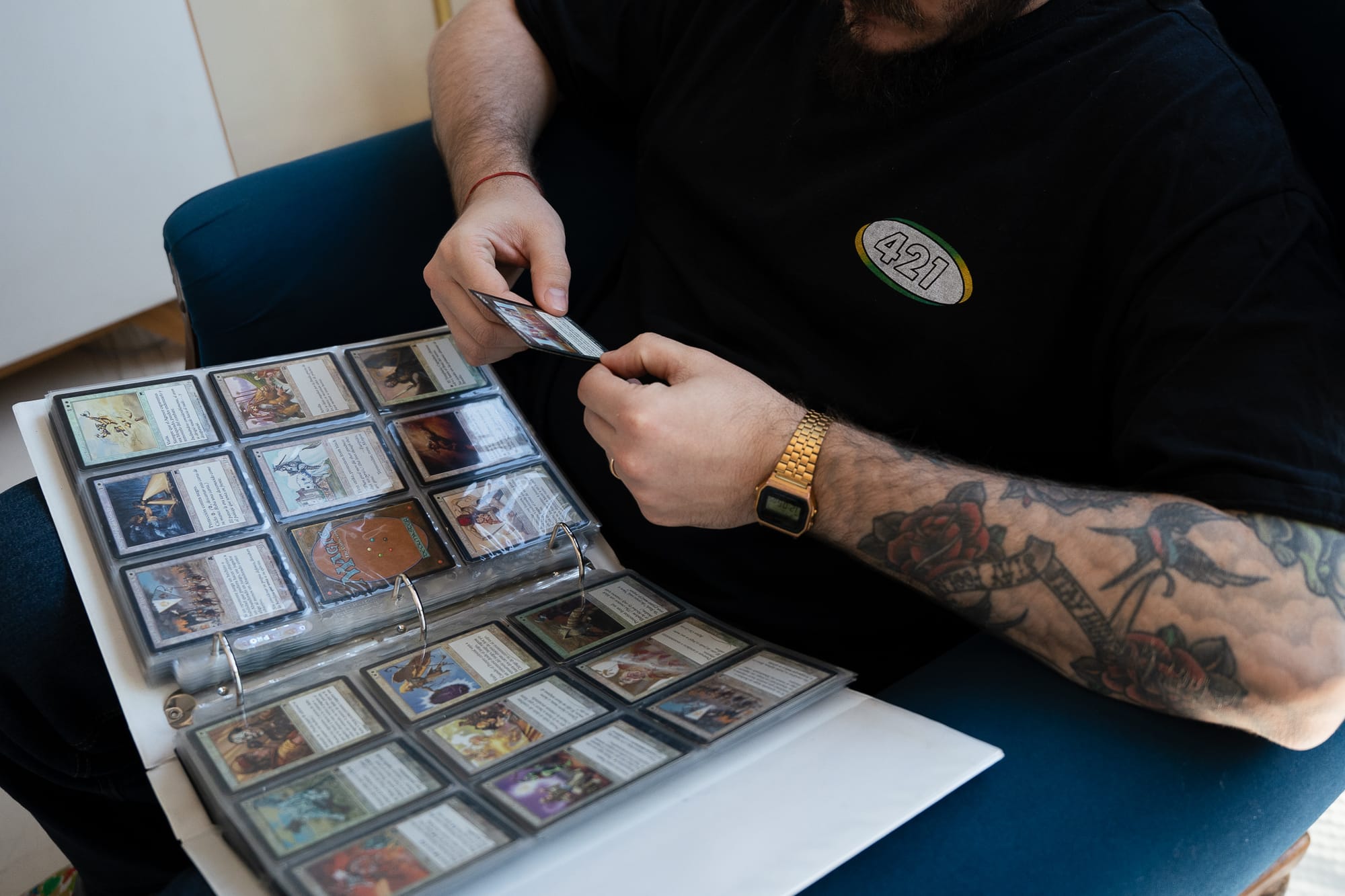
When the first big wave of card games hit nerd culture in the '90s, it didn't take long before board game companies and pop-culture IP holders saw a new gold rush. As Magic and Pokémon solidified, hundreds of games appeared –and died. Some more popular than others, but most cards ended up in the same place: a grimy warehouse, eventually dumped as bulk lots.
In the late '90s and throughout the 2000s, even games with genuinely good systems –like Legend of the Five Rings or Vampire: The Eternal Struggle (the Vampire: The Masquerade TCG)– eventually disappeared. So did the obvious cash-grabs aimed at squeezing fans: the Austin Powers game, or the thousand attempts at making a Star Wars TCG stick. The market got saturated, and only the fittest survived: games that managed to build community, a secondary market, and a competitive circuit. Those are the foundations of a functional TCG –and it's very hard to pull off when the other side of the ring has been leading the market for decades, like the Big Three.
Starting in 2020, games entered a kind of hypercapitalist mode. Magic, for example, went from "a few dozen releases a year" to a triple-digit ecosystem if you count everything (Commander products, bundles, Secret Lair drops, and so on). And in 2025, under the newer direction for MTG –where sets tied to outside IPs like Avatar: The Last Airbender, Final Fantasy, or Spider-Man are part of the plan– the machine keeps accelerating.
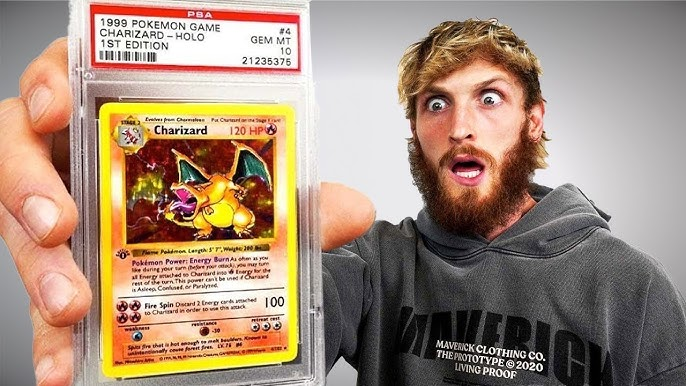
Meanwhile, Pokémon turned into a full-on gambling frenzy, fueled by Twitch streamers ripping booster packs during the pandemic to see what the most expensive pull would be. Logan Paul and DJ Tricky, among others, made a show out of cracking sealed boxes –helping grow a base of speculators who treated sealed product like an "investment + loot box" hybrid. Suddenly, the scene was flooded with people who didn't care about learning to play, only about pulling expensive cards to collect or flip. That mentality bled into almost every popular game.
And then new games started showing up, riding this boom that mixes financial speculation with a very sincere desire to pick up a hobby –play, collect, and belong to a community.
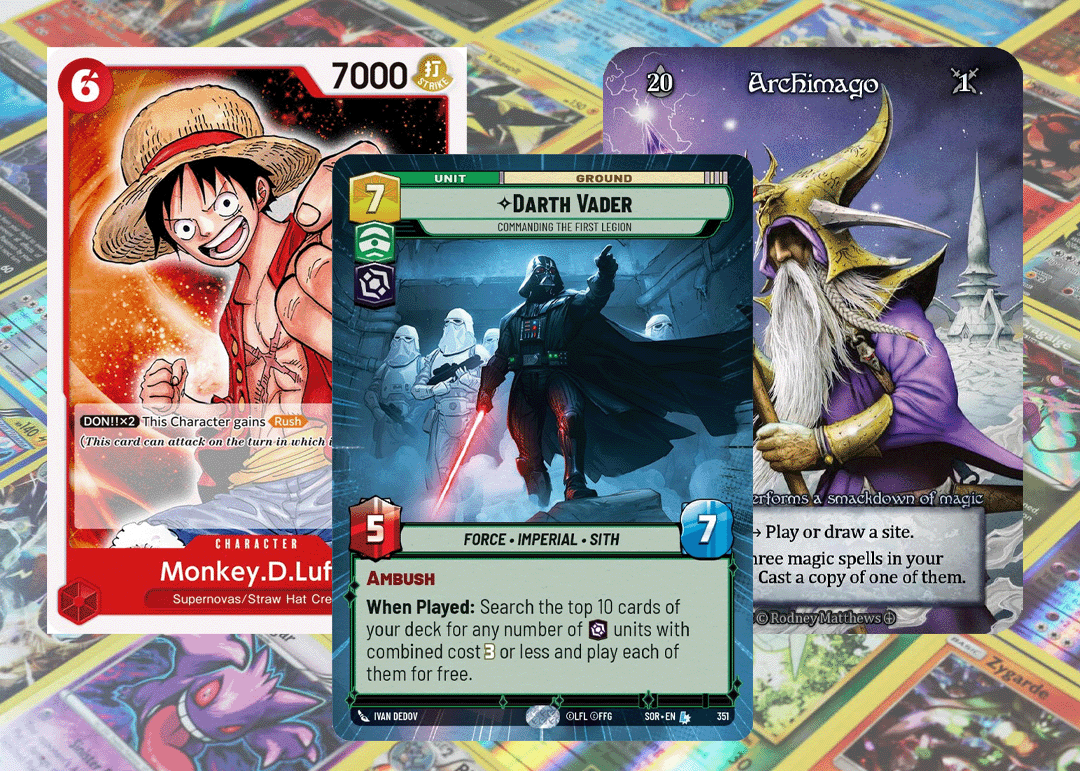
This new wave leaned hard on recognizable intellectual properties to stand a chance against the Big Three. In 2023, Bandai's One Piece Card Game became a clear success story (especially compared to other Bandai attempts that fizzled). As we head into 2026, the games that are building communities and staying alive are One Piece Card Game, Disney Lorcana, Gundam Card Game, Star Wars Unlimited, and the brand-new Riftbound, based on the League of Legends universe.
And as a personal pick, I'm adding the only one getting some real traction without a famous IP: Sorcery: Contested Realm, a love letter to '90s Magic.
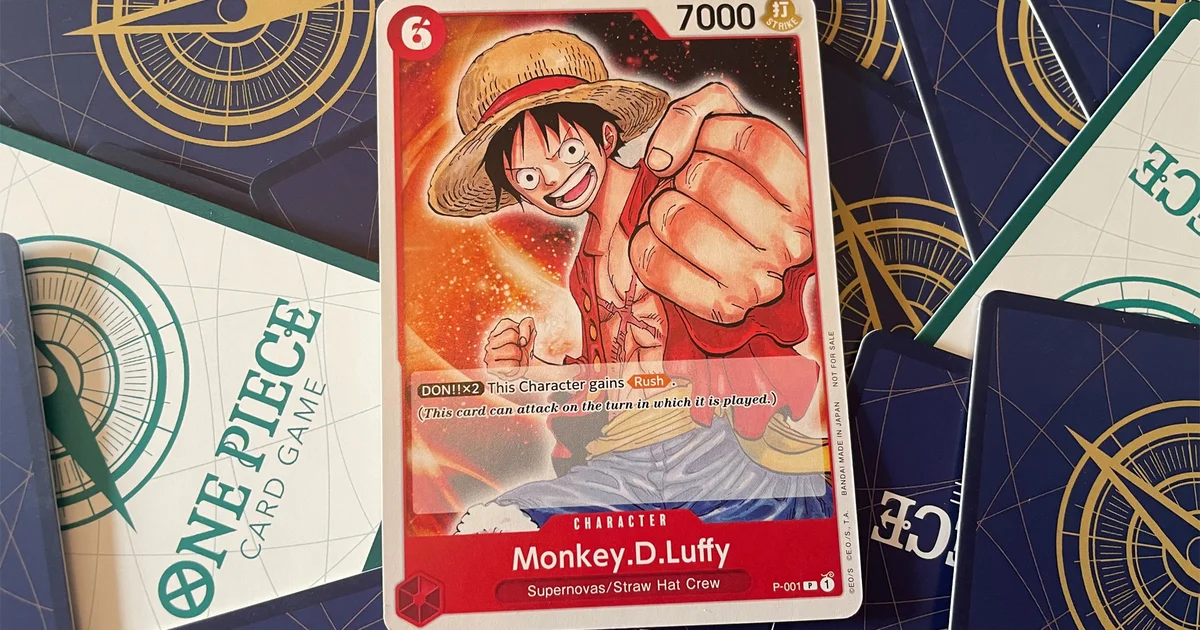
One Piece Card Game (2022, Bandai)
Bandai's model borrows from the Japanese TCG playbook (including Pokémon): it's not just about gameplay –rarity treatments matter a lot, and ultra-rare variants can get wildly expensive. The game already has a long runway of releases, plus special products. At the same time, you can still find starter decks around "normal TCG money": roughly USD 15–20.
How Does It Play? You use a 50-card deck and a Leader. The main resource is DON!!: a separate 10-card deck that generates 2 DON!! per turn to play characters and power up attacks. You win by reducing the opposing Leader's life to zero and landing the finishing blow.
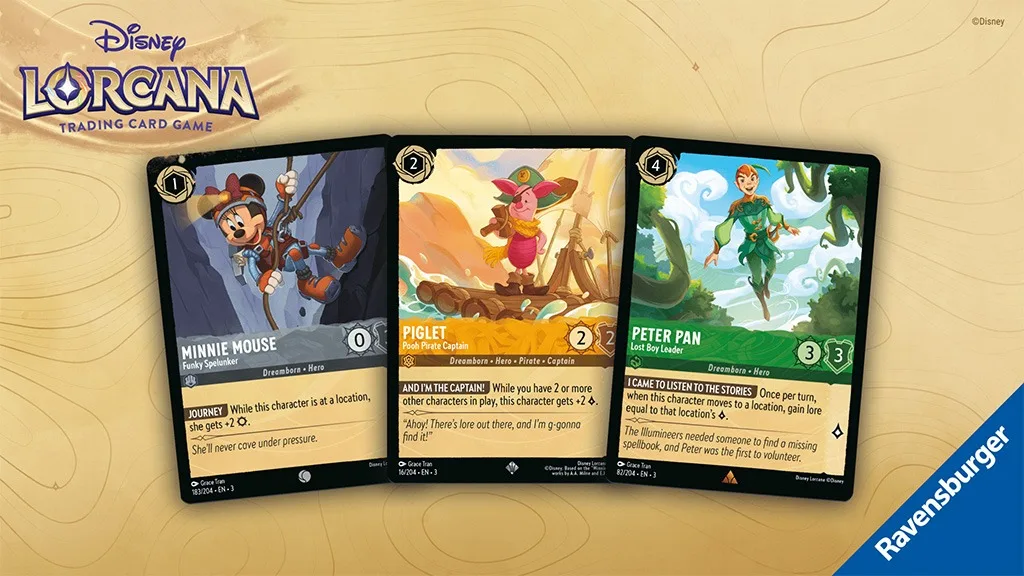
Disney Lorcana (2023, Ravensburger)
What initially looked like the scam of the century –Disney launching a TCG to vacuum up speculators– ended up becoming a real, stable game in the US and Europe. With special chase editions and plenty of collectible gravity, Lorcana also pulled in lots of people from outside the traditional TCG scene… who then actually started playing. Starter decks are priced similarly to One Piece, but Lorcana leans hard into pricier bundles and special products.
How Does It Play? You use Ink to summon characters and send them on quests. The goal isn't to defeat your opponent directly –it's to be the first to collect 20 Lore. It's accessible and family-friendly… at least until a nerd breaks the meta.
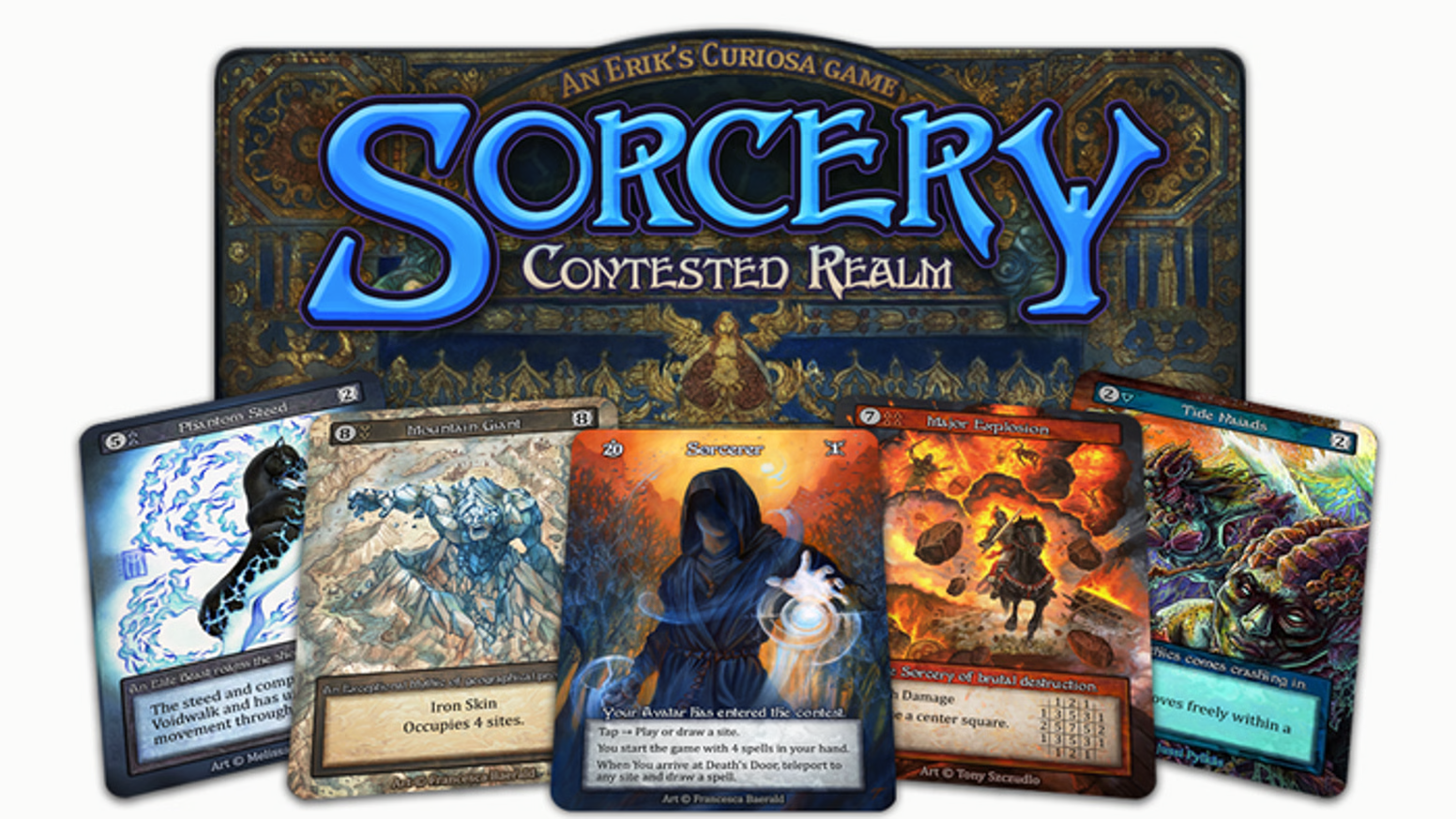
Sorcery: Contested Realm (2024, Erik’s Curiosa Limited)
This is the game for old-school Magic boomers –which means, yes, I'm absolutely flying the flag for it. Sorcery feels like a mashup of Magic's Commander vibes with a board, adding literal space to the strategy –almost like "TCG + chess". It evokes retro MTG, but also old PC strategy energy (think Heroes of Might and Magic). The lead designer is Erik Olofsson, who previously worked on Path of Exile at Grinding Gear Games.
How Does It Play? You use one deck to discover Sites and another Spell deck to summon creatures, all on a 5×4 grid board ("The Realm"). Positioning and terrain control are fundamental. Among the newer games, it's the most complex –and also the one that feels like it has the deepest long-term strategy.
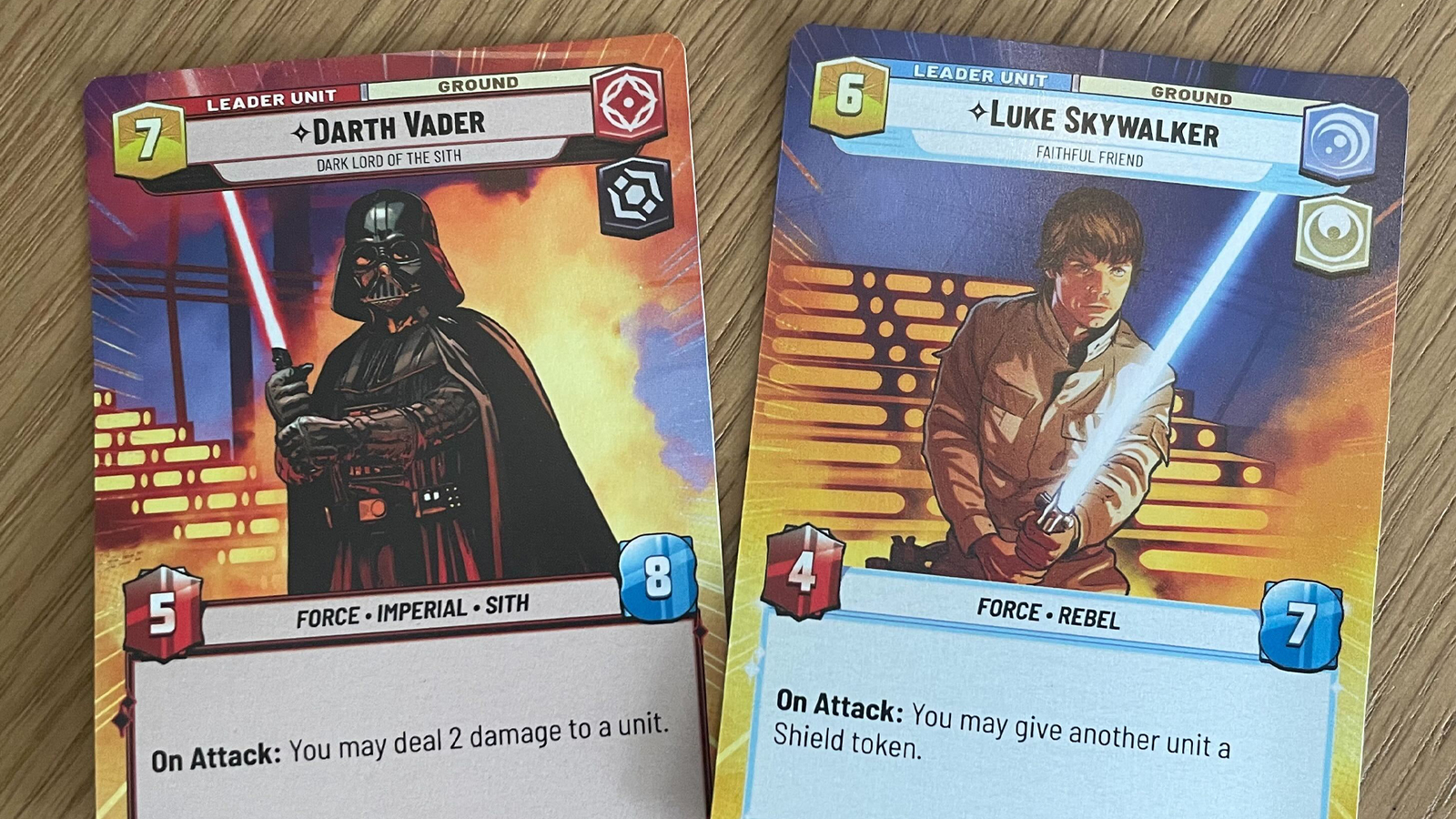
Star Wars Unlimited (2024, Fantasy Flight Games)
With six sets released by late 2025, the latest (but not the first) Star Wars card game finally managed to build a community that supports it and keeps it alive. Competitive events in the US have been doing very well, and it really looks like the Lucas universe has found a lasting home in TCG form. There are already multiple products announced into 2026, and it also has a two-player starter product that makes onboarding easy.
How Does It Play? Your objective is to destroy the enemy Base. The game is played across two arenas –Ground and Space– which forces you to split attention and resources. Each turn, players alternate taking a single action, which makes the pacing fast and tactical. It's approachable, but it can get more complex as your experience (and your deckbuilding) grows.
The Hits of 2025
In 2025, two games entered the circuit and quickly positioned themselves as serious contenders.
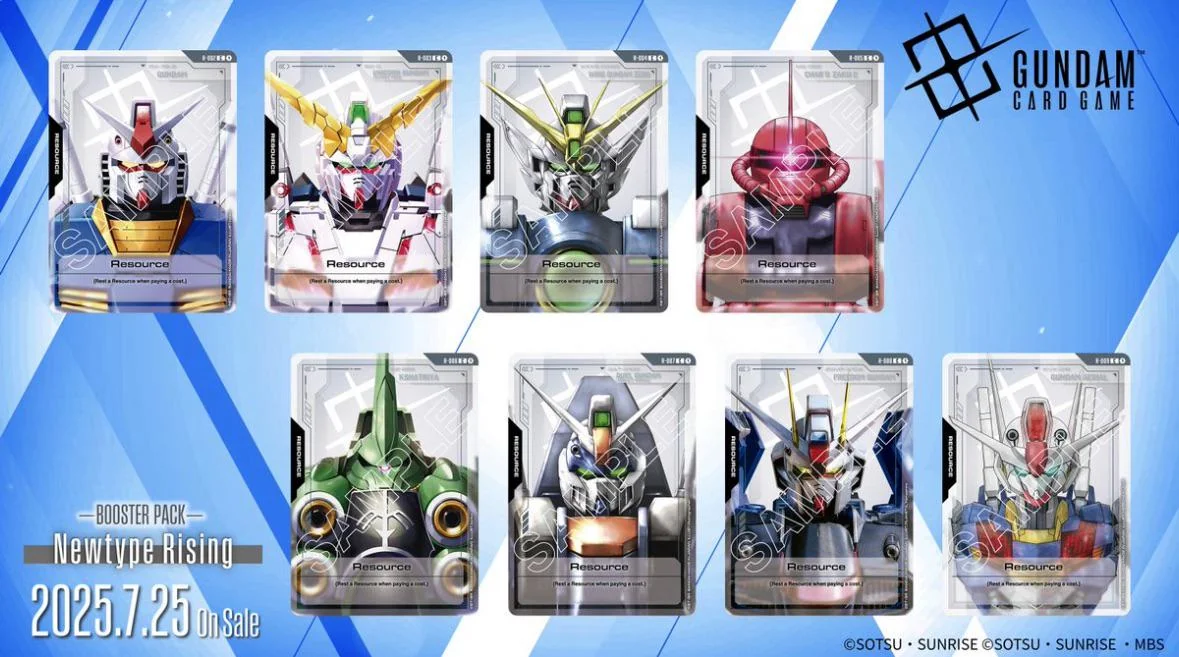
Gundam Card Game (2025, Bandai)
Based on the iconic franchise of Japanese military mecha, the game launched in July 2025 and quickly started attracting both TCG nomads hunting for the next thing and Gundam fans who don't usually get this kind of hands-on hobby outside Japan. That said: with Bandai, my general advice is always "play it if you love it, buy it if you're into it –but be cautious", because the company has a reputation for launching multiple games and not supporting all of them long-term.
How Does It Play? It uses Energy as a resource system, and includes Pilot mechanics that attach to Mobile Suit units to unlock special abilities. It's a damage-driven game where you win by defeating your opponent, and it's a bit more mechanically demanding than other Bandai titles like One Piece.
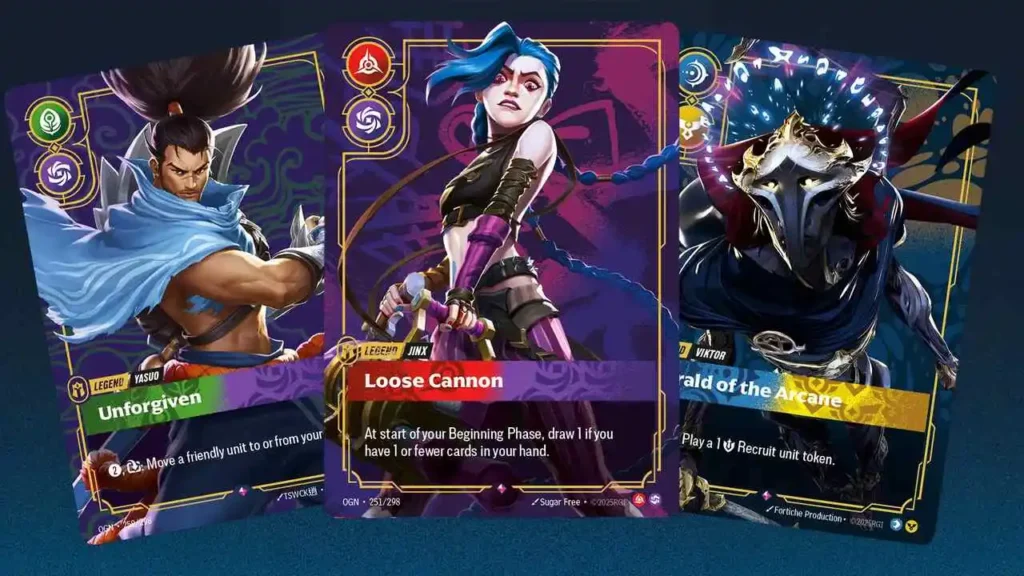
Riftbound (2025, Riot Games)
League of Legends –one of the biggest esports ecosystems on the planet– entered the TCG space with what might be one of the strongest debuts you can ask for: Riftbound landed in the Top 5 best-selling TCGs on TCGplayer's Q4 2025 list. With an enormous built-in fan base, community formed instantly, and the game also benefited from strong early reviews of its systems. Riot's official positioning is very "pick-up-and-play": the Proving Grounds box is designed for 2–4 players and aims to get you playing quickly.
How Does It Play? You play on a board with Battlefields. Players choose a Champion and a Rune deck. The goal is to capture objectives to reach 8 points. It includes movement and positioning-driven combat, which gives it a dynamic, tactical feel.