Velociraptors Magazine, Not All Birds Fly

31 de mar. de 2025 — Admin
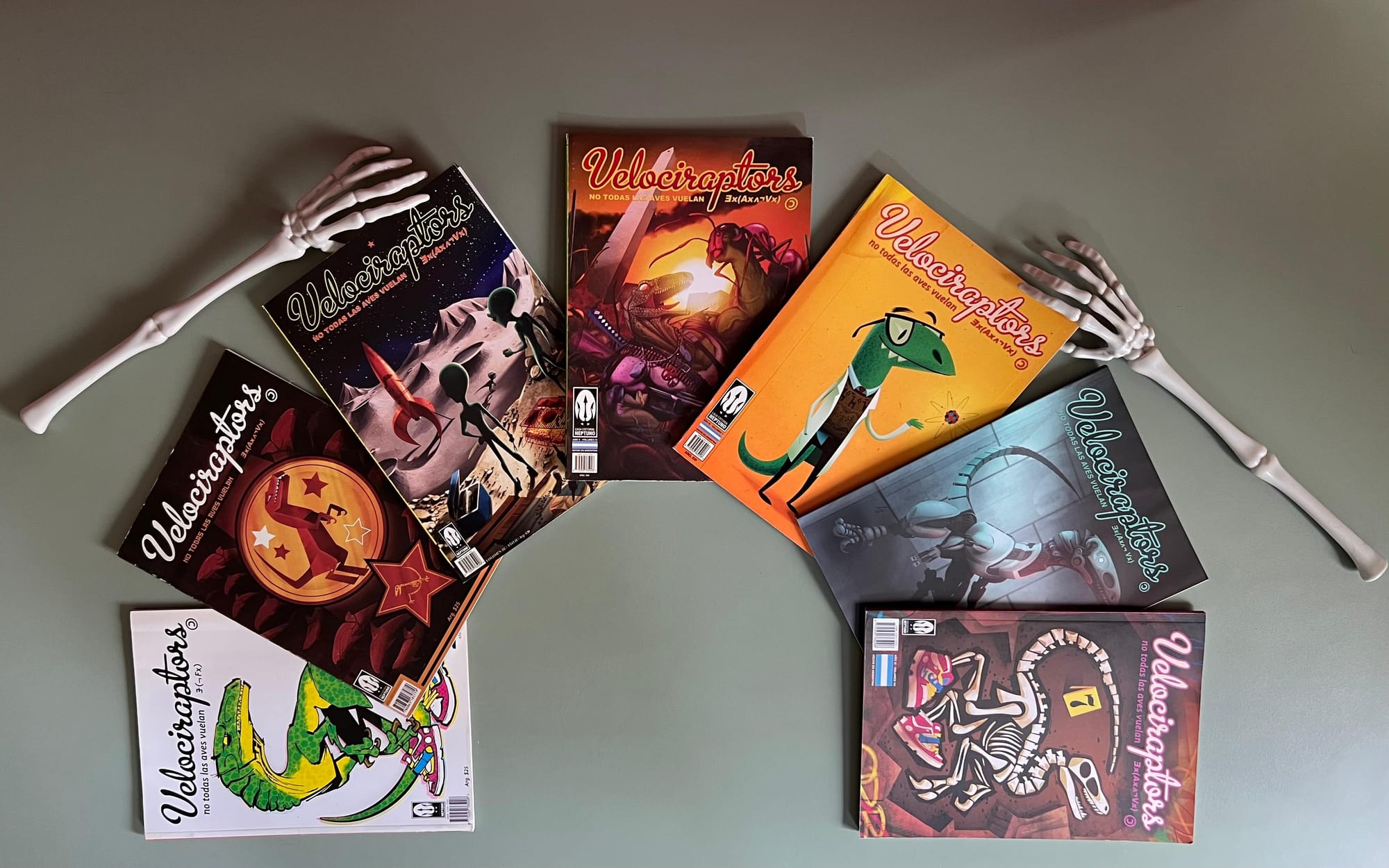
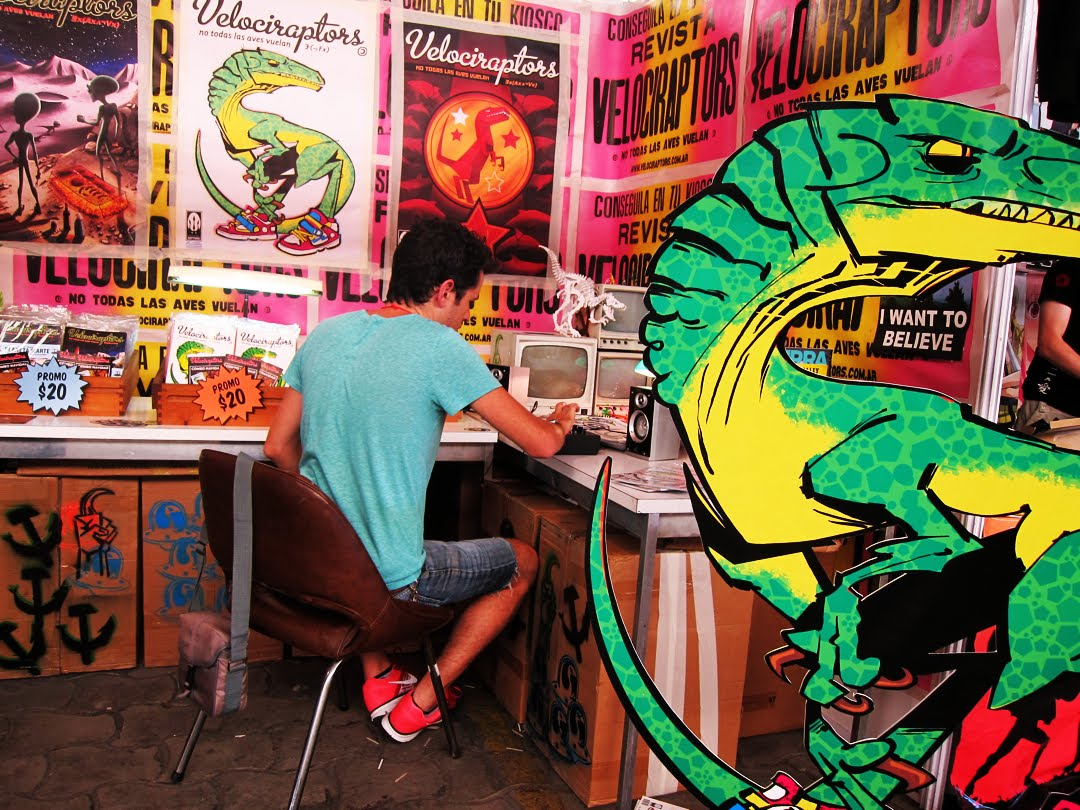
Velociraptors Magazine was an independent publication that, with an irreverent and laid-back tone, reflected on the intersections between nature, science, technology, and the strange. It was published in Argentina, more or less periodically, between 2012 and 2023, by Editorial Neptuno. Gradually, it gained some notoriety within the alternative cultural circuit, eventually being elevated to the status of a "cult" magazine, especially among artists, writers, and figures from the Buenos Aires underground scene. It circulated in small print runs and was distributed at newsstands, printed arts fairs, select bookstores, art galleries, and cultural centers.
The magazine consisted of seven themed issues, conceived around the idea of a collection. Traces like the rainbow colors and the "V" that emerged when stacking the spines of each volume bear witness to that pursuit. Along the same lines, its editors organized each issue's content around a major thematic axis (such as dinosaurs, space, the future, nuclear energy, or social insects), proposing a magazine that would feel current without being "about current events". And although the goal had been to publish one issue every six months, endless internal and external complications stretched the project over a decade. Finally, its seventh volume was published in April 2023. In a highly recursive move, the editors decided to dedicate it to the theme: the end.
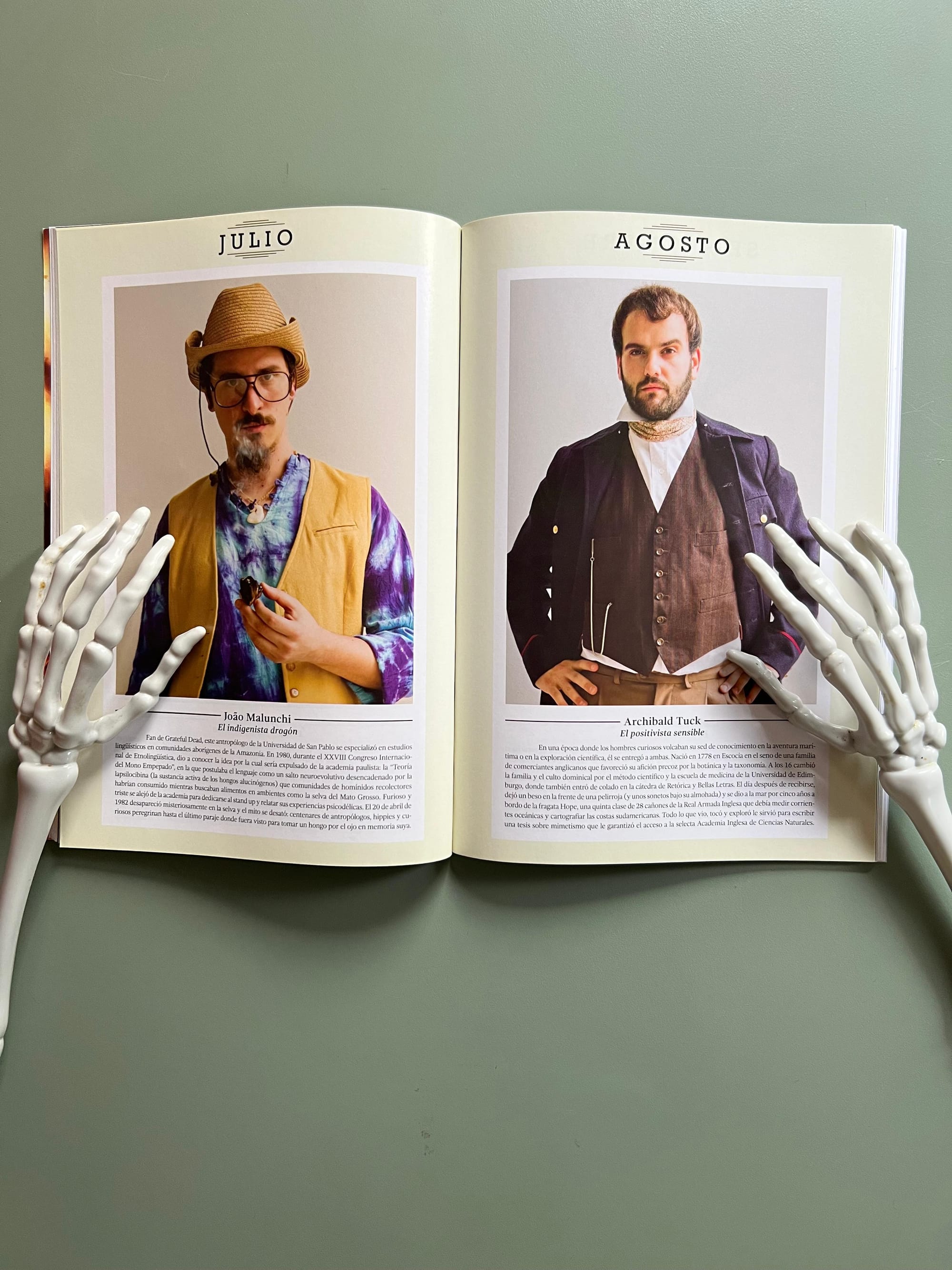
Hard to fit into a single category, more than once its editors tried to explain it to puzzled audiences as a "science popularization" magazine. But although it discussed science or showed what certain scientific institutions looked like on the inside, these materials shared space with weird fiction stories, conspiracy theories, impossible interviews, philosophical essays with no conclusions, calendars of people in costumes, tendentious visual collages, and a raw aesthetic that broke with what was conventionally seen in popular science-type magazines. To make matters worse, all their titles (incredibly long) were placed upside down, just an annoying detail from their designer. The local publishing circuit deemed it irreverent, marginal, uncomfortable, and very entertaining. It undoubtedly made its contribution as a "cultural" magazine.
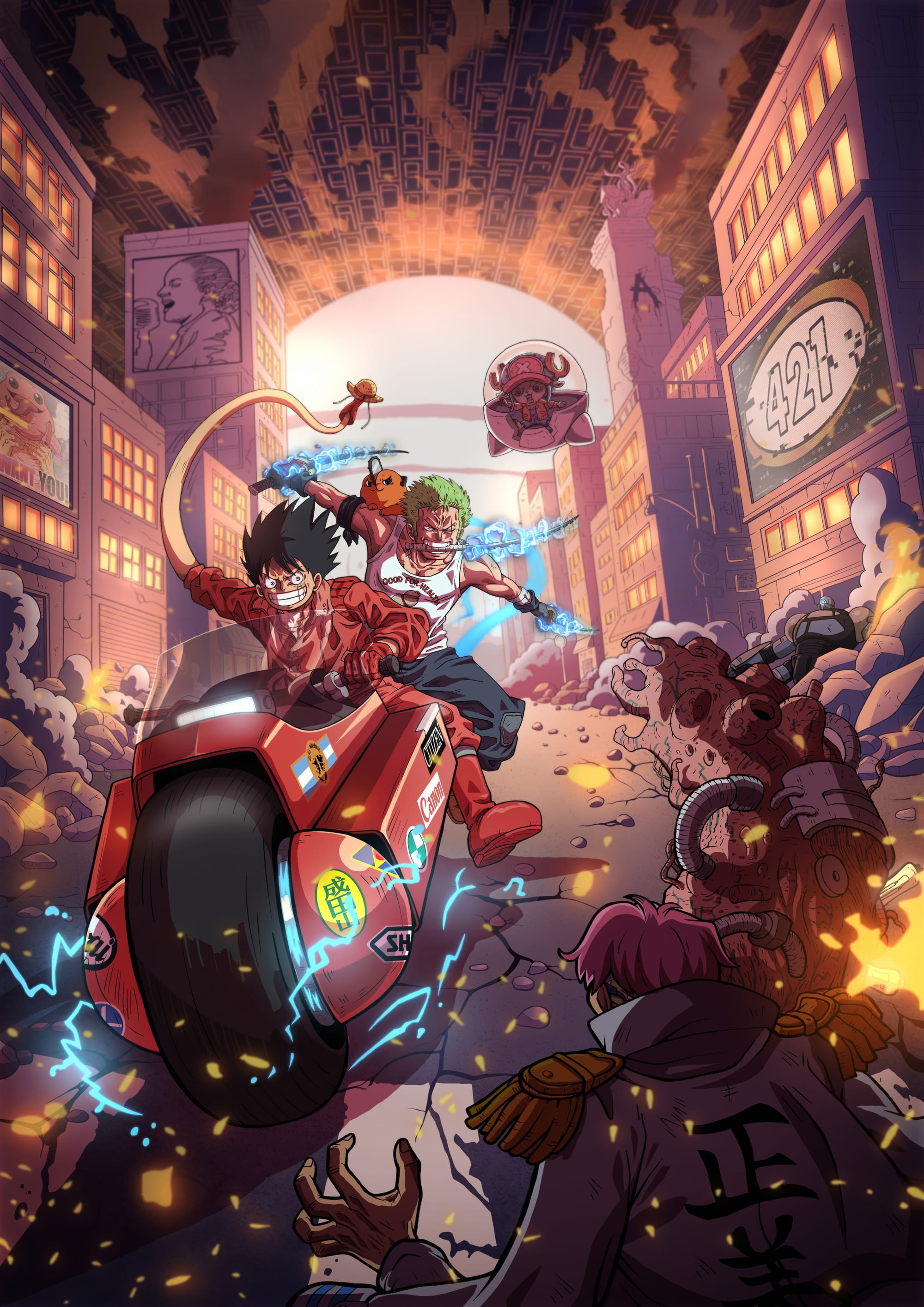
The initial group responsible for editing was composed of Juan Ruocco as creative director (aka herr Direktor), Clara Ruocco as managing editor, Laura Monnanni, Silvia Quiñoa on the writing staff, and Guido Marino on graphic design. Over time, some roles shifted until a creative triad was consolidated: Clara Ruocco, Laura Monnanni, and Juan Ruocco. In addition, the magazine counted on a significant number of collaborators in illustration, writing, and photography. Frequent contributors included: Franco Spagnolo, responsible for all seven cover illustrations; Marcelo "Carne" Yañez as illustrator of inside front and back covers; Hernán Anlló, Ezequiel Vila, and Jonah Schwartz contributing assorted texts; Juan Quirque with his folk rendition of the character Sub Zero; Victoria Ventura on copy editing; Agustina Jaurena on photography; and grandma Marta, posing for the back covers.
Perhaps as a final gesture of love and loyalty toward this project, its editors decided to digitize it and make it available for remote reading. All issues of Velociraptors magazine are available for free at this link. Those who wish to purchase some of the few remaining print copies can contact Editorial Neptuno to arrange their purchase.
Velociradio: Science Popularization and Mass Culture for Your Walkman!
Velociradio was the official podcast of Velociraptors magazine, launched in 2015 to complement and expand the content of the print publication. The podcast tackled topics similar to those in the magazine, including science fiction, technology, philosophy, and alternative culture, presented with the same distinctively experimental and irreverent approach.
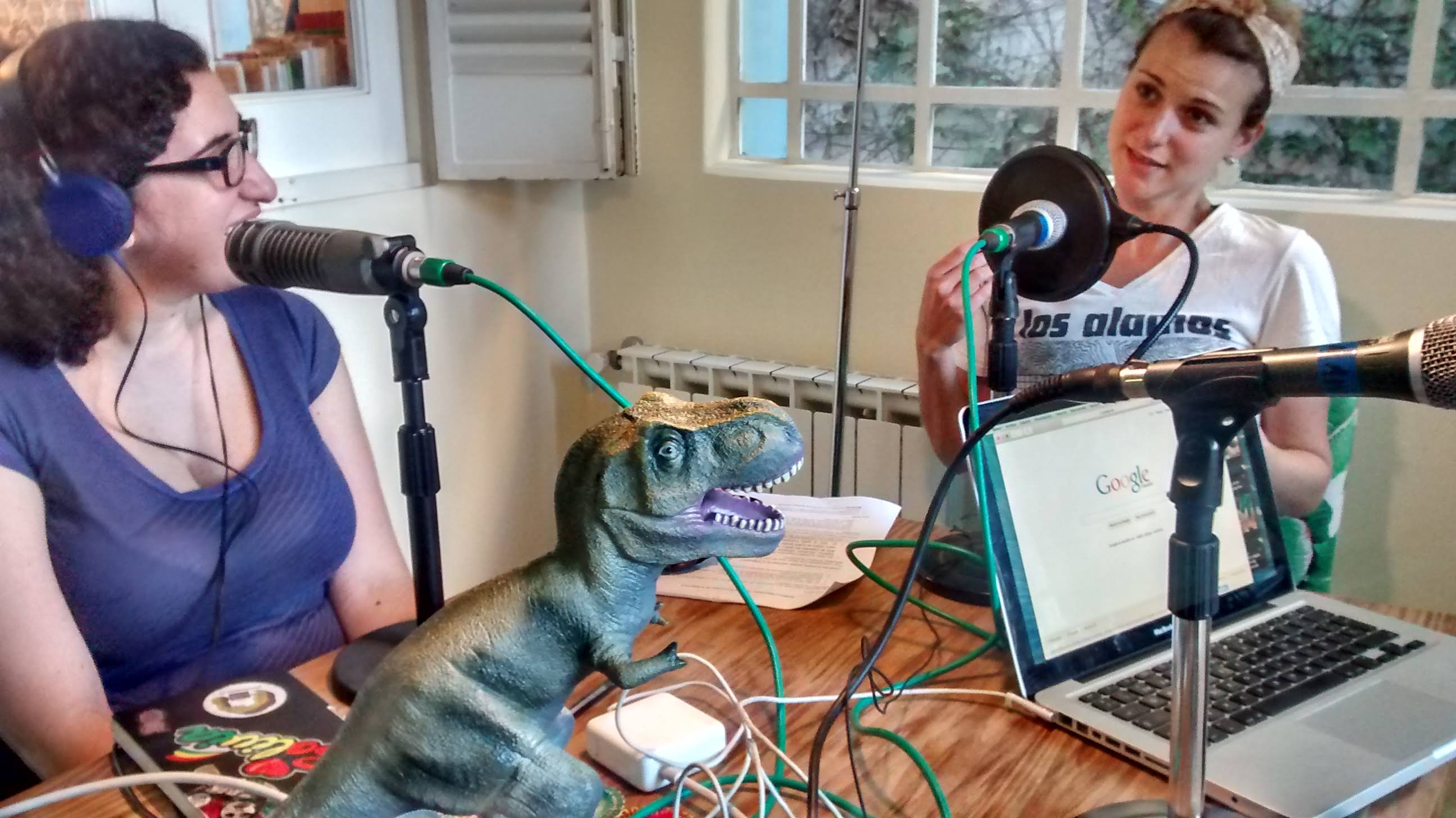
It served as a support pillar for the Velociraptors project as the gap between issues grew ever longer. The topics covered were nearly the same as those in the magazine, with the addition of short humor or fiction segments. In Velociradio, the creative triad of Juan Ruocco, Laura Monnanni, and Clara Ruocco, who set the editorial direction for each magazine issue, moved into hosting each podcast episode. Silvia Quiñoa participated in several episodes with her column Creo de que ("I Believe That"), sparking debates around controversial topics such as vaccines, conspiracy theories, and fracking. This editorial spin-off also benefited from the invaluable contribution of Jonah Schwartz on production and Agustina Sojit on fake commercials and iconic segments like Muertas de hambre ("Starving to Death"). Velociradio is available on platforms like Spotify, Google, and Apple Podcasts, where listeners can access its episodes and subscribe for updates.