Why Playing Is Not “Wasting Time”
20 de feb. de 2026 — Rafael Molinero Rosa

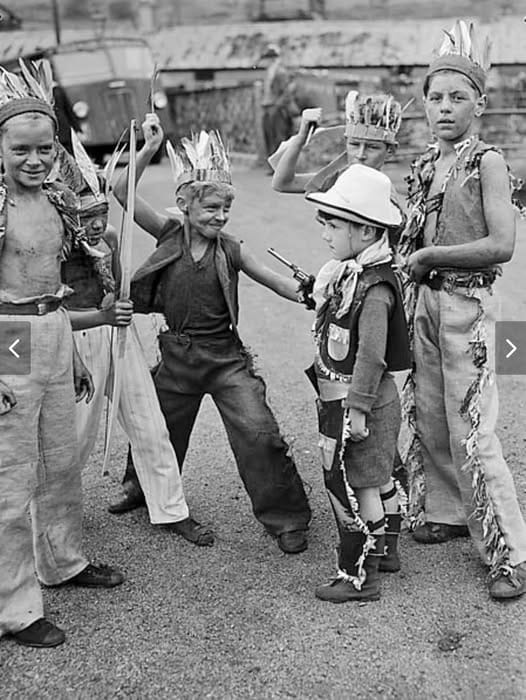
That image from our childhood, running with a broom between our legs shouting 'giddy up, little horse,' was not just a prank. In that moment, we were operating on the edge of a fictional world; we were cowboys, vaqueros, or gauchos, playing 'pretend.'
What happens when we play? Since time immemorial, humanity has immersed itself in fictional worlds, from oral tales to cinema, theater, literature, and games. In each of these, the spectator is abstracted from the real world and transported to a fictional realm. These worlds often feature characters we can relate to, and due to certain special traits they possess, we feel a connection with them.
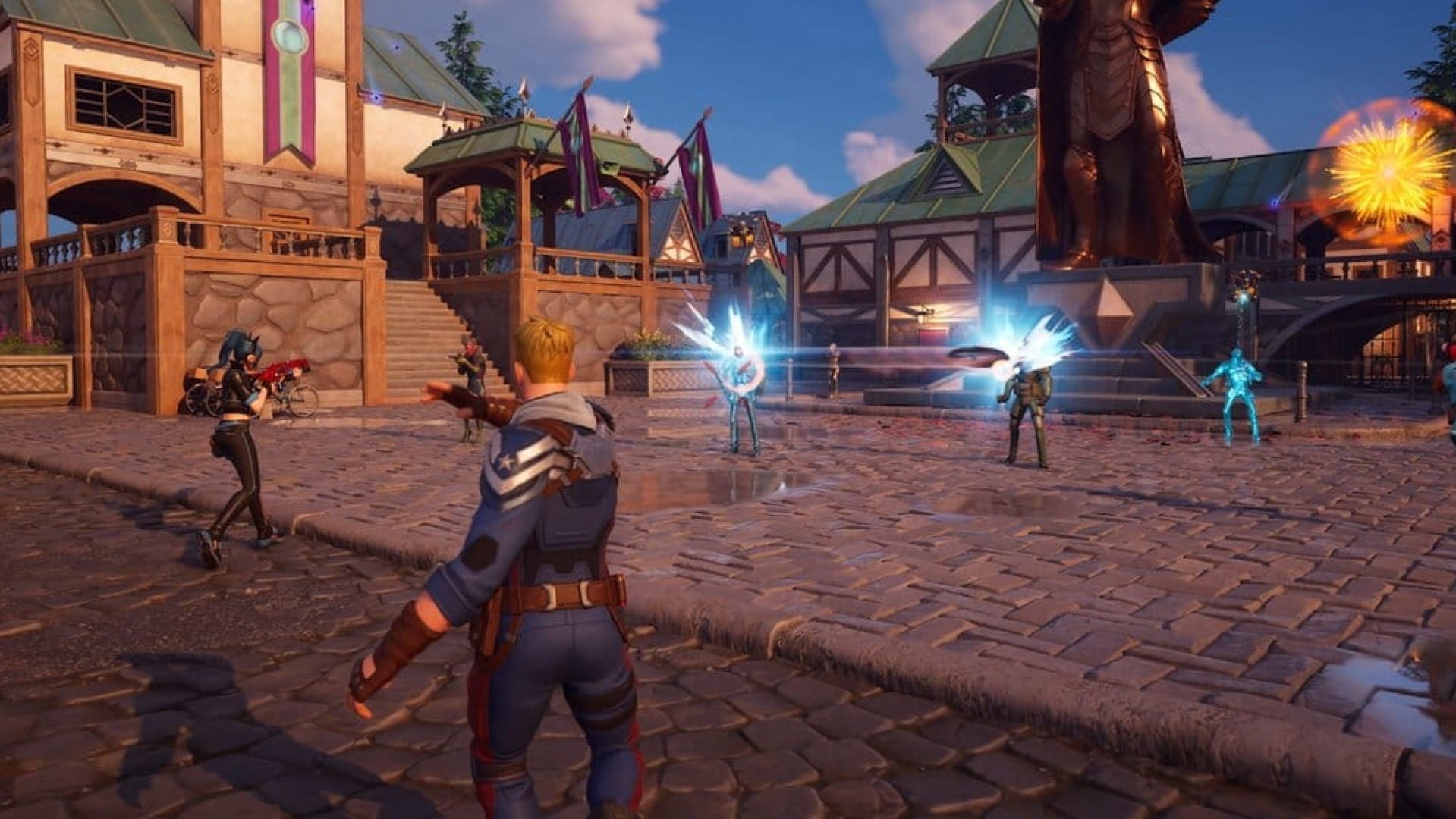
In both cinema and literature, there is the possibility for the reader or viewer to make choices: this is the case with interactive movies or choose your own adventure books, where actions are limited by the format. But it is especially in games that we make decisions for the characters: we can experience the entire adventure as a character or suffer alongside them (also with certain limitations, depending on the game), whether rescuing a princess, escaping a zombie apocalypse, or collecting marbles of the same color. So, do we escape from the real world when we play?
The trap of "distraction"
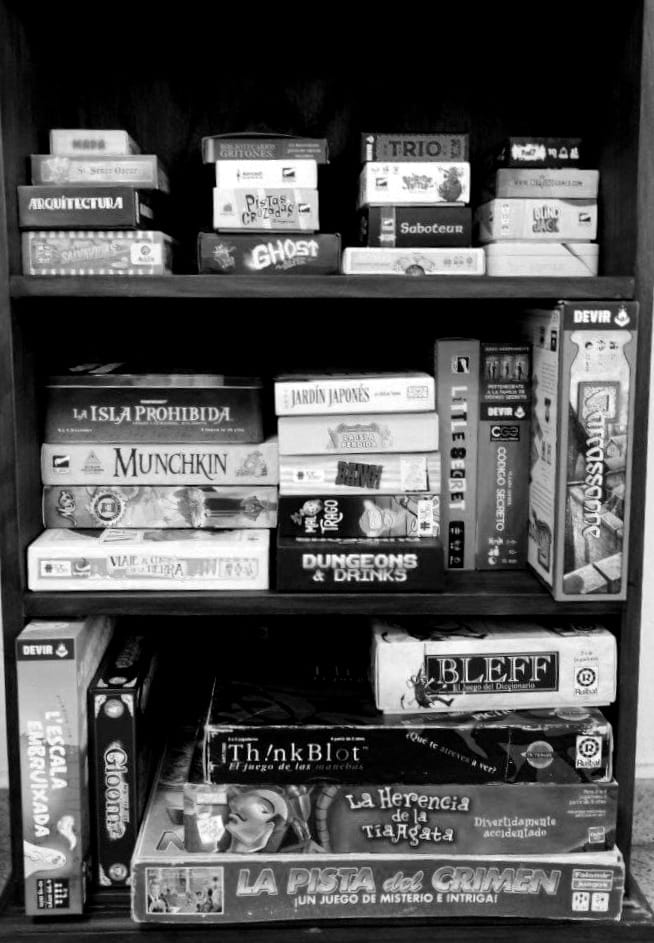
In some interviews I conducted with gamers who use video games and board games, including tabletop role-playing games, the last question I asked was: What is the point of playing? The main response was 'to escape from routine, from daily life, from work and from school.' Engaging in an action that requires nothing more than your attention and your body. Based on my own experience, one of my first impressions is that those who play see it as a break from the ordinary world, a way to break free from the everyday through a playful action with rules that structure that performative world. However, theory tells us something deeper.
The magic circle. What is play really?
The word play comes from the Latin terms iocus and ludus-ludere. Both refer to 'joke,' 'fun,' or 'jest,' and are often used interchangeably along with the expression 'playful activity.' The Dutch philosopher and historian Johan Huizinga warned that play is a cultural phenomenon that predates culture itself. We do not play because we are human; we are human because we play. Huizinga explains that in Latin, a single word ludus/ludere encompassed the entire realm of children's play, recess, liturgical representation, and also theater. In "Play and Its Social Projections," sociologist Gregorio Fingermann (1970) defines play based on a series of idiomatic significations, including certain characteristics: 'The term play and the verb to play (jeu and jouer in French, gioco and giocare in Italian) derive from the Latin term jocus, 'play,' which means both 'lightness' and 'frivolity,' characteristics of the act of playing.' The RAE defines play as 'a recreational or competitive exercise governed by rules, in which one can win or lose.' This definition is one of the nineteen it presents in its dictionary.
So I can momentarily define play as an action of entertainment that has no other end than fun and/or relaxation. There is no end in itself other than playing. In play, we are transported, and in many of them, we make decisions and suffer the consequences through a character. This attribute neutralizes our 'rational control,' and it is what the French philosopher Jean-Marie Schaeffer, in his book Why Fiction? (1999), calls a biological and cognitive need. We are not wasting time: we are using a simulation to process reality.
The four engines of experience
Huizinga characterized play as a cultural phenomenon rather than a psychological one. In Homo Ludens (1938), he proposes certain guidelines to understand what it is: 'play is older than culture,' since animals, without having been taught by humans, play from a young age. One of the main characteristics of play is that it is free, with a disinterested nature, an 'otherness' that does not belong to ordinary life. It can be transmitted by tradition and can be repeated at any moment, always possessing rhythm and harmony.
Huizinga states: 'the child plays with perfect seriousness, and we can say it with full right, sacred seriousness. But he plays and knows he plays. The athlete also plays with passionate seriousness, fully committed and with the courage of enthusiasm. But he plays and knows he plays. The actor immerses himself in his performance, in the role he plays. Yet, he plays and knows he plays. The violinist feels a sacred emotion, lives in a world beyond and above the ordinary, and yet knows he is performing or, as it is said in many languages, playing (playing). The playful character can be inherent to the most sublime action.'
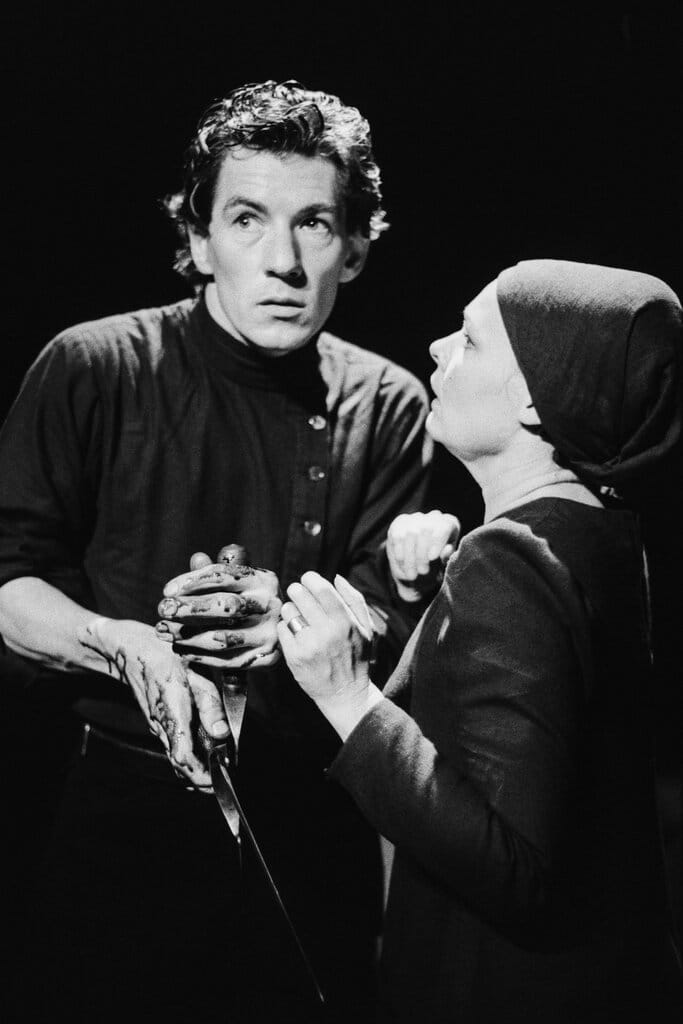
Huizinga also wonders if a sacrificing priest, when performing his sacrificial rite, is not playing. The answer is yes. Culture in its most primitive phases, he explains, has a playful tone, as it develops in the forms and with the spirit of a game. Thus, 'play is a free action or occupation that takes place within determined temporal and spatial limits, according to absolutely obligatory rules, although freely accepted, an action that has its end in itself and is accompanied by a feeling of tension and joy of the awareness of being otherwise than in ordinary life.'
Roger Caillois, in Games and Men: The Mask and the Vertigo (1958), provides a series of characteristics that define play as such. First, play must be free; no one can force someone to play, as it is a voluntary activity. Second, play is an activity separate from reality, as it separates from everyday life in a determined space and time. Third, it is uncertain: the outcome of the game is not predetermined; doubt plays a fundamental role. Fourth, it is unproductive, as no goods or wealth are created in it, nor any new elements of any kind; once the game is over, everything returns to the exact state it was in when the game began. Fifth, play is characterized as regulated; it has precise, arbitrary, non-ordinary laws for conducting the activity. Lastly, it is fictitious, as it exists in a secondary reality in which one is playing; fantasy is the main element.
Caillois classifies two types of games. On one hand, paidia: activities related to fun, improvisation, filled with fantasy, what we commonly know as 'children's play.' On the other hand, ludus: activities with difficulty in reaching the final outcome, requiring ingenuity, skill, dexterity, and patience. They often have more complex rules.
Within these two main categories, there are four subcategories that apply to either of the two. They are:
- Agon (Competition): Struggling on equal terms, like chess or soccer. This type of game requires training, discipline, and perseverance.
- Alea (Chance): Surrendering to fate, like dice or flipping a coin. They serve to abolish the natural or acquired qualities of individuals, leaving them in absolute equality regarding luck.
- Mimicry (Simulation): The heart of immersion; convincing oneself and others that one is someone different. This characteristic replaces the disguise of reality and the simulation of a second reality, the act of 'as if.' Examples include theatrical representation and dramatic interpretation or tabletop role-playing games.
- Ilinx (Vertigo): The pursuit of losing stability, like on a roller coaster. They consist of an attempt to momentarily destroy the solidity of perception and inflict a kind of voluptuous panic on the lucid consciousness.
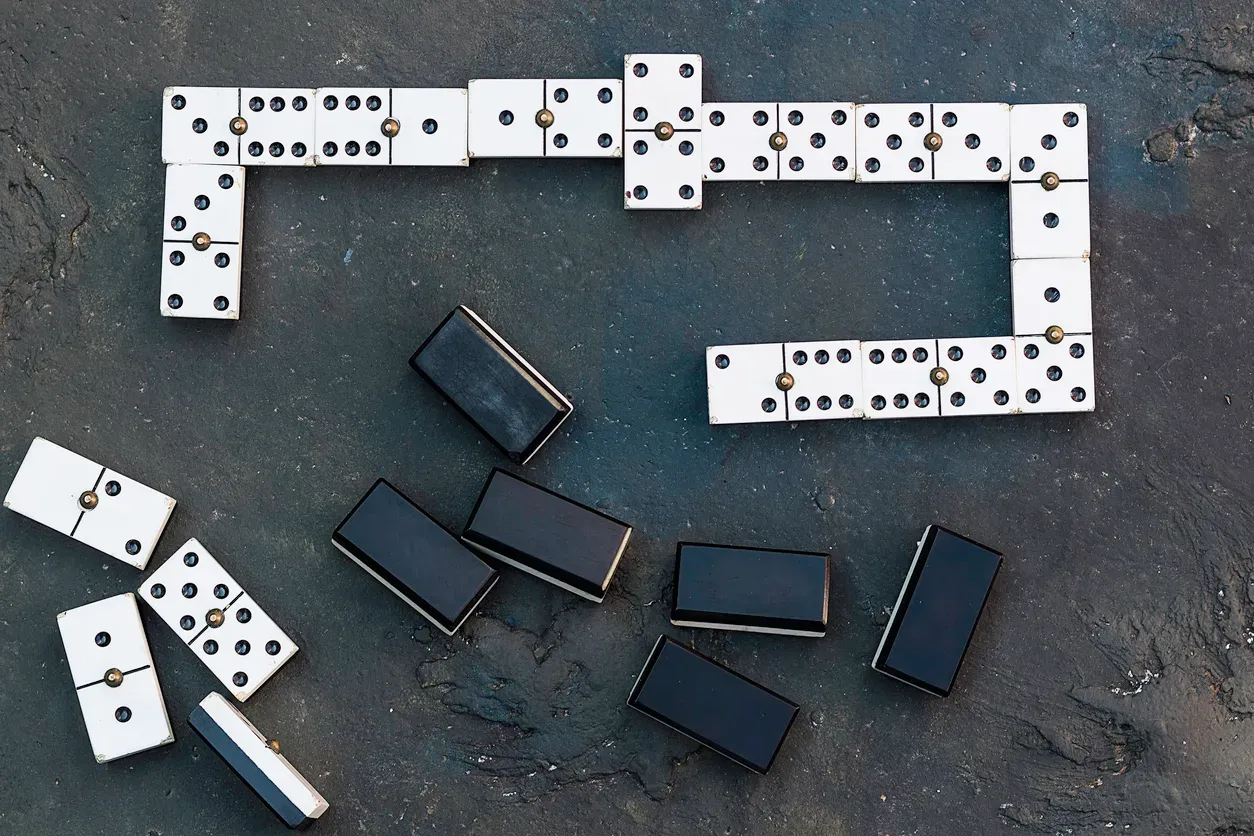
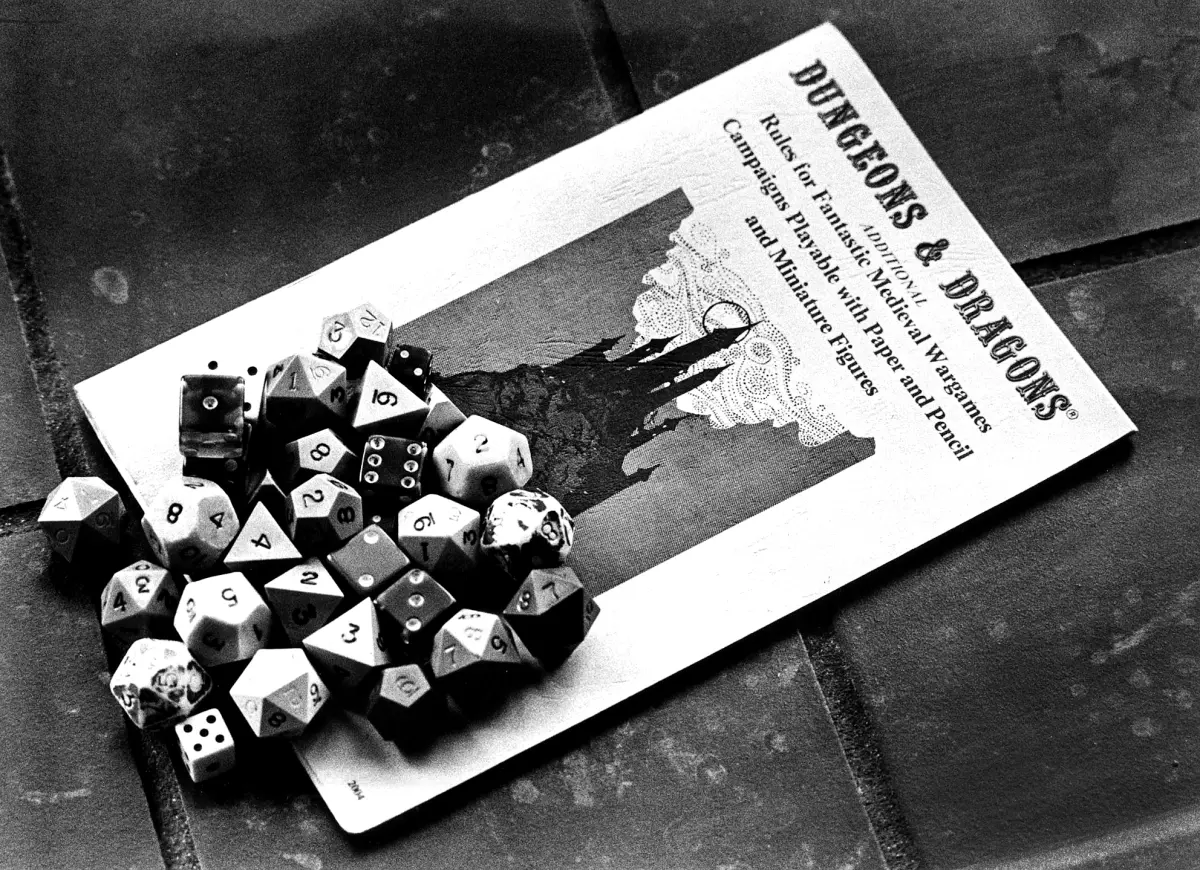
There are games that combine two or more of these categories. For example, role-playing games like Dungeons & Dragons combine mimicry, the representation of a character, and alea, the chance of dice for certain situations. Playing cards or dominoes combines alea, as the cards/tokens are obtained at random, and agon, as a certain level of skill and/or ability is needed to win the game.
Caillois concludes by pointing out that when play becomes institutionalized, it turns into a cultural instrument. Games exemplify the moral and intellectual values of a culture, while also helping to clarify and develop them.
Shared worlds through play
Schaeffer analyzes the reasons why we have consumed more fiction in recent times than ever before. This includes literature, film, and video games; a need to engage with imagined worlds that replace reality. Essentially, Schaeffer tells us that we don’t read novels or watch movies just for "art," but because our brains are wired to play with reality and learn through that process.
The author argues that in the face of mimetic activities (like games), we adopt an ambivalent attitude, a mix of fascination and distrust: “Fascination, because we actively seek out simulations of all kinds and nothing pleases us more than to swallow the bait of play. (…) Distrust arises when the enchantment breaks: is there not something unsettling in the fact that we can be so easily captivated by simulations? (…) That ability of appearances to neutralize our instances of ‘rational control,’ does it not constitute more than enough reason to distrust all imitation?”
The flight simulator of life
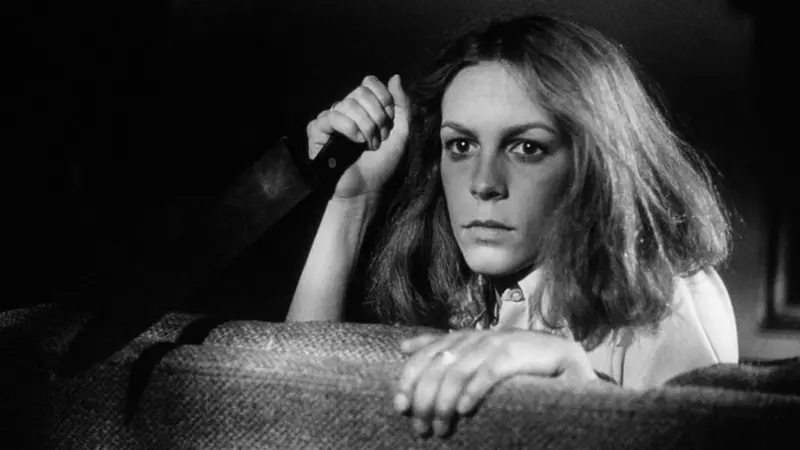
As I delved into the theories of play, I began to feel closer to “the function of play.” Greenberg (1994) proposes in World in creation that play not only serves to relieve emotional tensions through symbolism: it is an activity primarily characterized by the exercise of imagination. A person’s mind while playing must be engaged in the activity of model building. Models in action, which will help deal with various situations, both inside and outside the game. In other words, testing possible scenarios. For instance, this is the case when we watch a horror movie and consider that the protagonist could have made a different decision.
In the same vein, Schaeffer argues that fiction is a learning device. It allows us to experience situations, ethical dilemmas, and intense emotions without suffering the real consequences. It’s like a flight simulator for human life: you can "crash" emotionally in a book and come out unscathed to apply that wisdom in the real world.
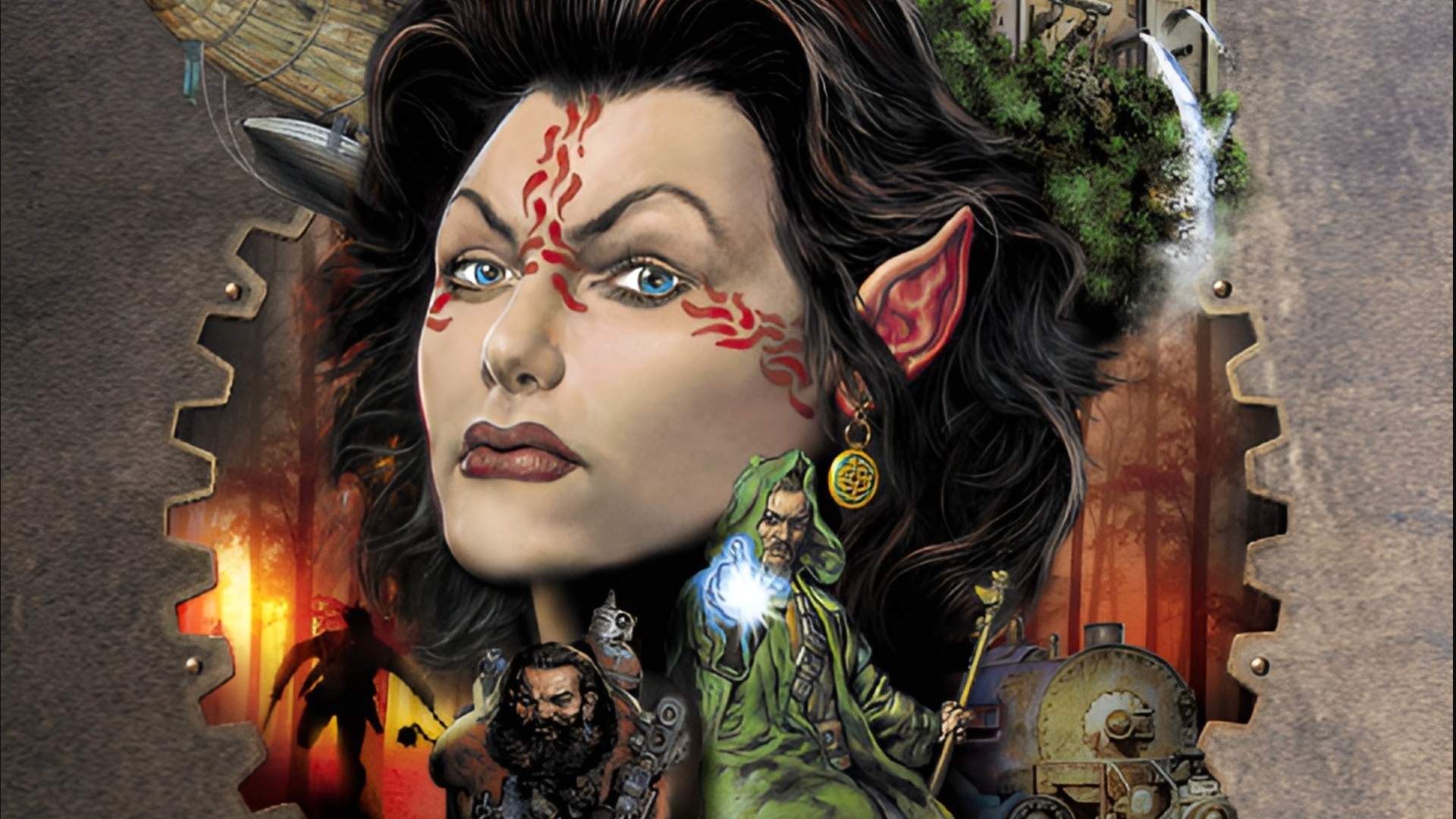
There are tabletop role-playing games, like Dungeons & Dragons, a collaborative game immersed in epic fantasy. In it, each player has a character with abilities and traits defined by a game manual and by the player themselves. One of the players is known as the dungeon master, who is responsible for directing the game, providing the adventure's objectives, and role-playing (interpreting/performing) the characters that are not players' (non player characters - npc). The master also structures the story so that players can “get into it,” meaning they feel immersed in the game and their characters.
By role-playing, the right to distort reality is exercised from a safe position, free from real danger (for the players), as if the game were a space where one both is and is not simultaneously (with a freedom limited by the rules of the game and the master), which allows for the expansion of the imagination of the one carrying out a certain action. A position in which players have certain limitations in action, within the possibilities offered by the game rules, to react to a situation in the way their imagination allows them.
Each player tends to focus the narrative on their actions, their own story, and their personal desires. But all are protagonists; the story is about everyone and no one at the same time, as it is the point of convergence between all that is narrated. This space is clearly one of polyphony (Manuel Hernández Pérez, 2012) where several independent voices combine to form a work.
In this sense, Schaeffer makes a vital distinction: immersion is not belief. When you cry over the death of a character, your body reacts in a real way, but your brain knows it’s a simulation. The author criticizes those who see fiction as a dangerous "illusion" or a deception; for him, humans are perfectly capable of entering and exiting those worlds without losing their judgment (under normal conditions, of course).
In conclusion
Unlike what dictionaries or common sense might dictate, playing is not the opposite of seriousness nor a simple "escape" from reality. It is, in fact, the place where we build the mental models to survive it. So, play is not a pause in ordinary life; it’s the dress rehearsal for life. When we play, we accept arbitrary and unappealable rules to feel the tension and joy of "being otherwise." The next time you see someone immersed in a playful or fantasy world, don’t think they are escaping. Think of them as training. As Schaeffer says, “fiction is not an ornament of culture, but a tool in the architecture of our mind.” Because, at the end of the day, culture is nothing more than a game we take very seriously.