Carlos Busqued: The Misanthrope Who Revolutionized Argentine Literature

2 de mar. de 2026 — Admin
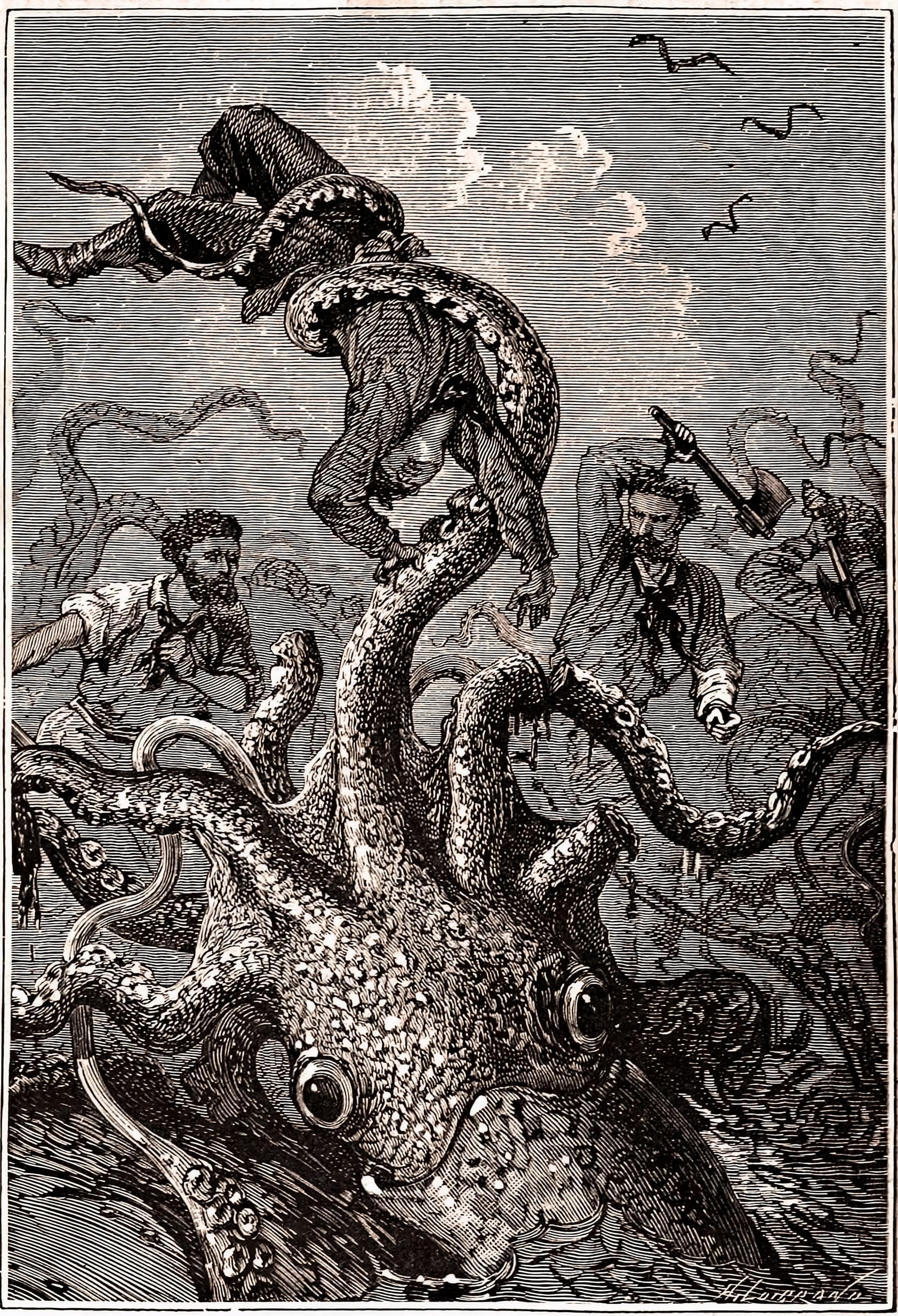
Below the thunders of the upper deep;
Far, far beneath in the abysmal sea,
His ancient, dreamless, uninvaded sleep
The Kraken sleepeth: faintest sunlights flee
[…]
Then once by man and angels to be seen,
In roaring he shall rise and on the surface die.
With these verses from the poem about The Kraken by Alfred Tennyson, Busqued inaugurates his debut novel: Bajo este sol tremendo (2009), a work that, along with Magnetizado (2018), makes up his limited but substantial bibliography. His work resonated deeply and was a turning point in the Argentine literary scene. He preferred quality over quantity, publishing only when the material was worthy of surfacing.
From my humble position, I propose to lay out a profile of Carlos: not just his role as a writer, nor the mark he left as a pioneering forum member from his blog; one that encompasses both, but also brings us closer to who he was as a person: spiritually, just another "fat guy". “Fat guy” is a term coined by Argentine internet users to describe someone who is an expert in, obsessed with, or deeply involved in something specific. Busqued understood the fundamental importance of separating signal from noise to leave a legacy that wouldn’t fade in the saturation.
The Sight or the Power of the Archive
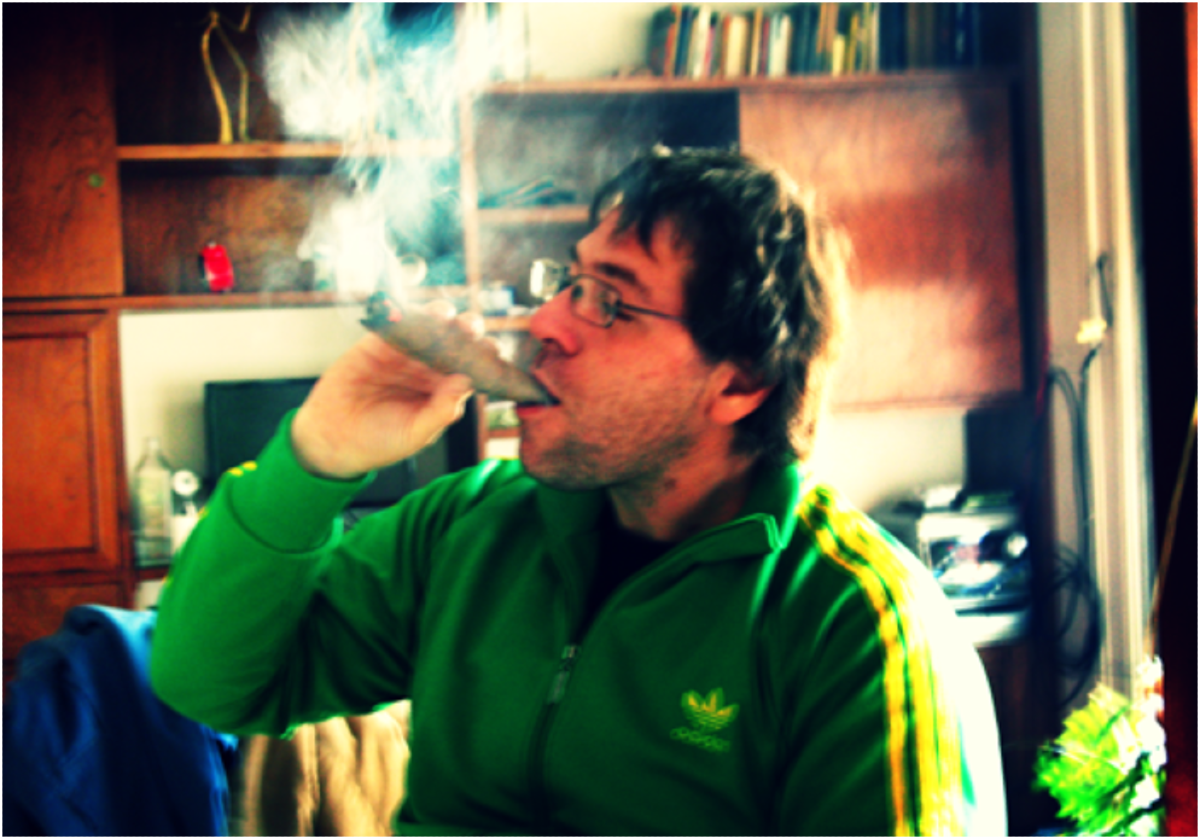
For those who haven’t read him, Carlos Busqued might just be that ghostly user on X who occasionally appears cited, shedding light on any topic. A mechanical oracle, a sort of Paul the Octopus of the timeline predicting the future, even from the depths of the beyond. However, I would question all the mystique attributed to him. More than predicting, Busqued recorded.
Twitter served as an interface for his thoughts. He used the platform to jot down his ideas almost in real-time, without over-processing them. That accumulation (over 250,000 posts) didn’t follow a performative logic, but rather a compulsion to archive. Without a doubt, he had a razor-sharp eye for reading the zeitgeist, but before attributing him esoteric gifts, it’s worth considering the method that made his work stand out: perceive, filter, write. Once he established the story he was going to tell, he went through the production stage and, like the best storytellers, he compulsively cut. Everything that strayed from the monotony of the narrative and wasn’t strictly necessary in those terms was out.
The Definitive Fat Guy
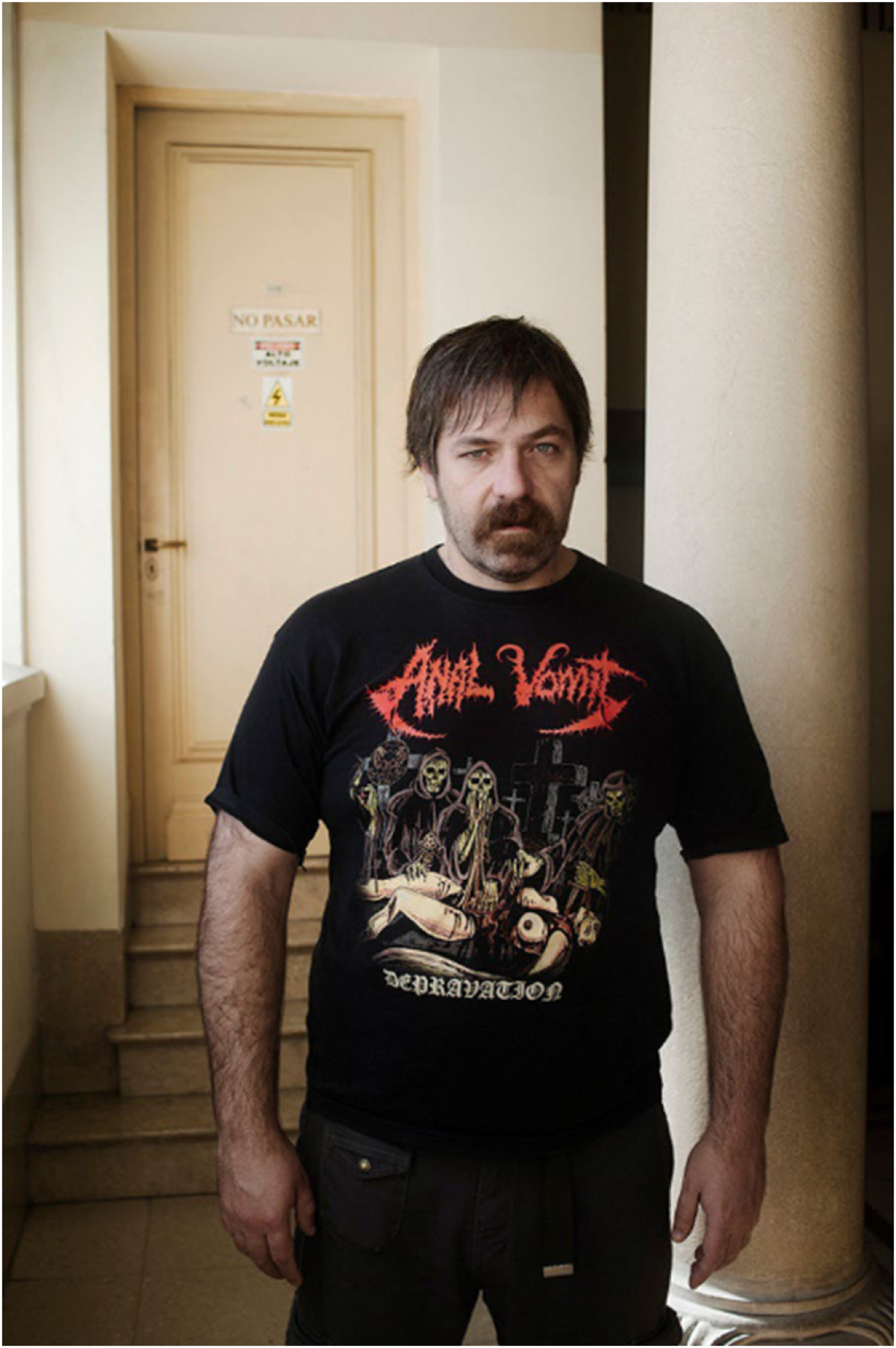
At first glance, if you scroll a bit through his profile (@carlosbusqued), which is among those that can be considered foundational to what Twitter once was, you won’t take long to encounter misanthropic posts where he expresses total apathy for humanity as a whole. If you search for his name on Google Images, the result shows a hefty guy, almost always wearing death metal t-shirts (Cannibal Corpse, Anal Vomit, Blaspheme) or with some particular print like “Jesus is my captain” or “this isn’t here.” Suddenly, two concepts emerge: net weight, developed in Círculo Vicioso, and that theorem which states that hippies are bad people who larpean kindness while metalheads are great guys who appear to be the opposite.
Behind his virtual shell of insensitivity, Carlos hid a great tenderness: anyone who left him a message or sent him good vibes surely received a response in kind from him.
He was born in 1970 and grew up in Presidente Sáenz Peña, Chaco, a place that left its mark on him due to the ferocity of its ecosystem. He graduated as a Metallurgical Engineer from UTN in Córdoba, where he was a teacher and part of EDUTECNE, the publishing house that disseminates the technical, scientific, and cultural knowledge acquired at the university. He was also a producer for the university radio and brought a podcast to life when no one even knew what that word meant. We can think of La Nutria es un animal del crepúsculo as a sort of sonic essay by Carlos.
Another valuable record is his blog, which he sometimes used as a diary to share his progress (or stagnation) with writing. In this sense, Carlos was transparent about the ups and downs and the effort that literature and life itself entail. While he took pride in having written, the rigor of his self-demand regarding his production made him assert that there were less torturous ways of sublimation. He struggled with bureaucracy and paperwork; utility bills could pile up in his mailbox until they cut off his water or electricity, a situation he faced with some frequency. In an interview, he confesses that he smoked up to 7 joints a day because he couldn’t understand how people managed to cope with reality. In another, he states: “I’ve always been that guy with a lack of initiative, with a demotivating attitude. I hate having to earn a living, fighting for it, calculating. I think if one is born, they should be compensated.”
One thing he did enjoy was reading. In his canon, he placed authors like Philip K. Dick, Burroughs, Tolkien, Lovecraft, Capote, Dennis Cooper, or Bukowski. Additionally, (a common denominator for the fat guy) he loved spending hours browsing the Internet, diving into rabbit holes that piqued his curiosity, like the mythology of the giant squid, the lore of some serial killer, or war documentaries. Much of that is present in his blog.
Borderline Carlito, the Old Blogger
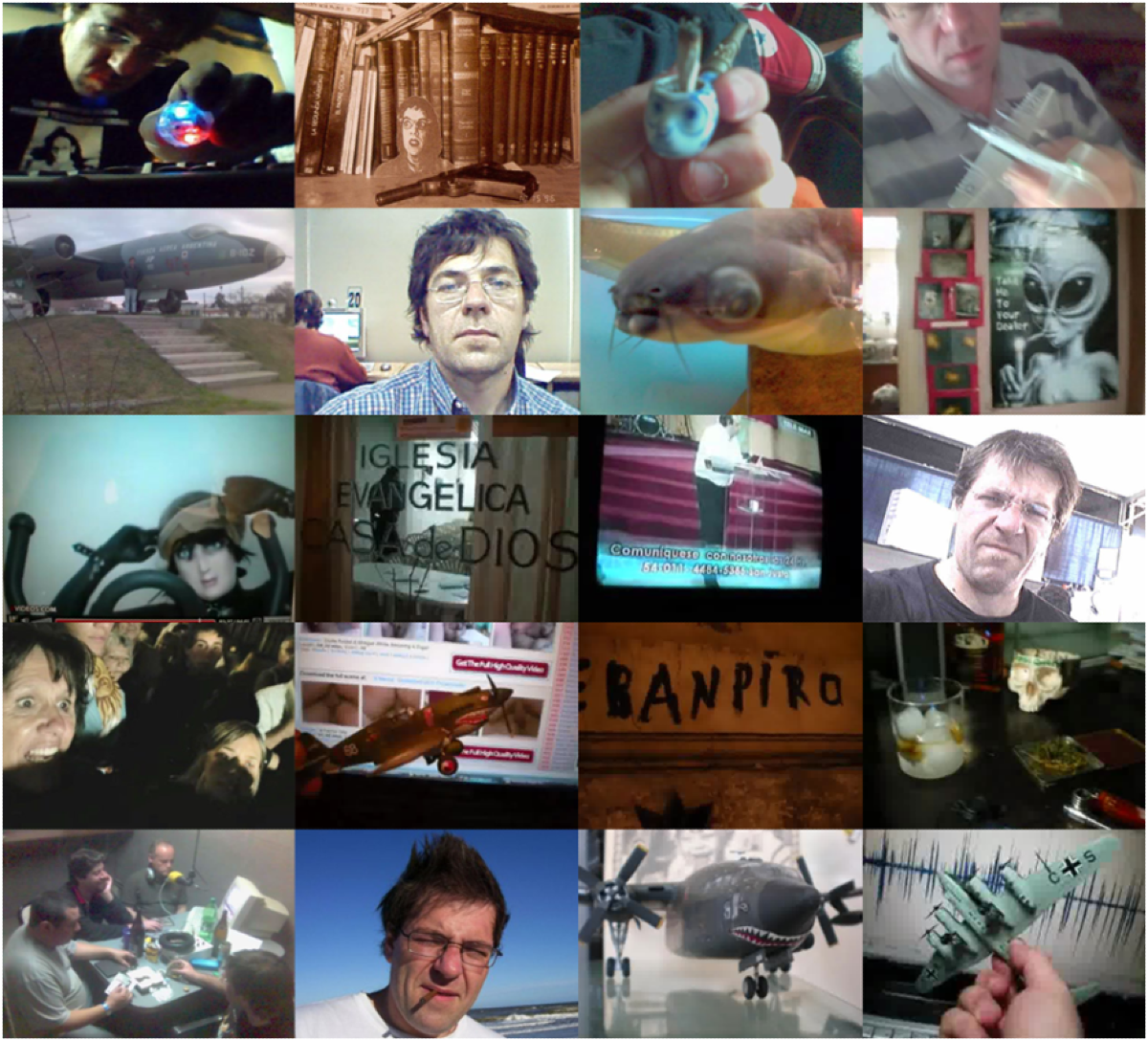
The first entry of his blog, Borderline Carlito, dates back to 2004. This digital ruin covers topics that are as interesting as they are varied: a chronology of Kraken sightings, a chronicle of a visit to the UFO museum in Entre Ríos, data on World War II planes he built to scale, or an analysis of the rhetoric evoked by the evangelist pastors who appear in the trippy television dawn.
Carlos paid close attention to what was happening in the margins. He moved through cities like an anthropologist of the underclass, documenting graffiti with conspiratorial messages, following a guy who wrote anti-Zionist premises, or collecting posters with extremist slogans that people left on the street for sport. The sphere of radicalized right-wing as a refuge for the congregation of broken people attracted him like a magnet, to the point of attending neo-Nazi marches or military parades in a “perceptive state” to mingle among the attendees’ fauna.
With the same insight, in another entry he tells you about the progress of the fish tank for his unnamed axolotl or his adventures in scoring marijuana, at a time when that task could represent a titanic effort.
There is an extended version of his blog, created by an anonymous user (@KrakenTremendo) with explanations of the references and sources he used, and in 2024 the Blatt and Ríos publishing house released a selection of texts bearing the same name as the blog, Borderline Carlito.
Moreover, much audiovisual material from the blog is embedded from his YouTube channel, where most of his videos don’t exceed 500 views.
Another high point of this archive is that we can access the journey Carlos took until he published his first novel, from being completely off the radar, just another node in the network of bloggers, to his work putting him on the map. After his divorce, Carlos was going through one of the most critical moments of his life. Sunk in despair and fueled by hatred, he began to write and tried his luck sending the novel to several literary contests, but he received no responses.
On the blog, we can find embryonic texts that were later trimmed from the final version, as well as the drafts of the email correspondence he had with the very owner of Anagrama, Jorge Herralde, who, after reading Carlos's text, decided to go ahead with the publication of Bajo este sol tremendo in 2008, despite not winning the prize awarded by his publishing house that year.
Bajo este sol tremendo (2009)
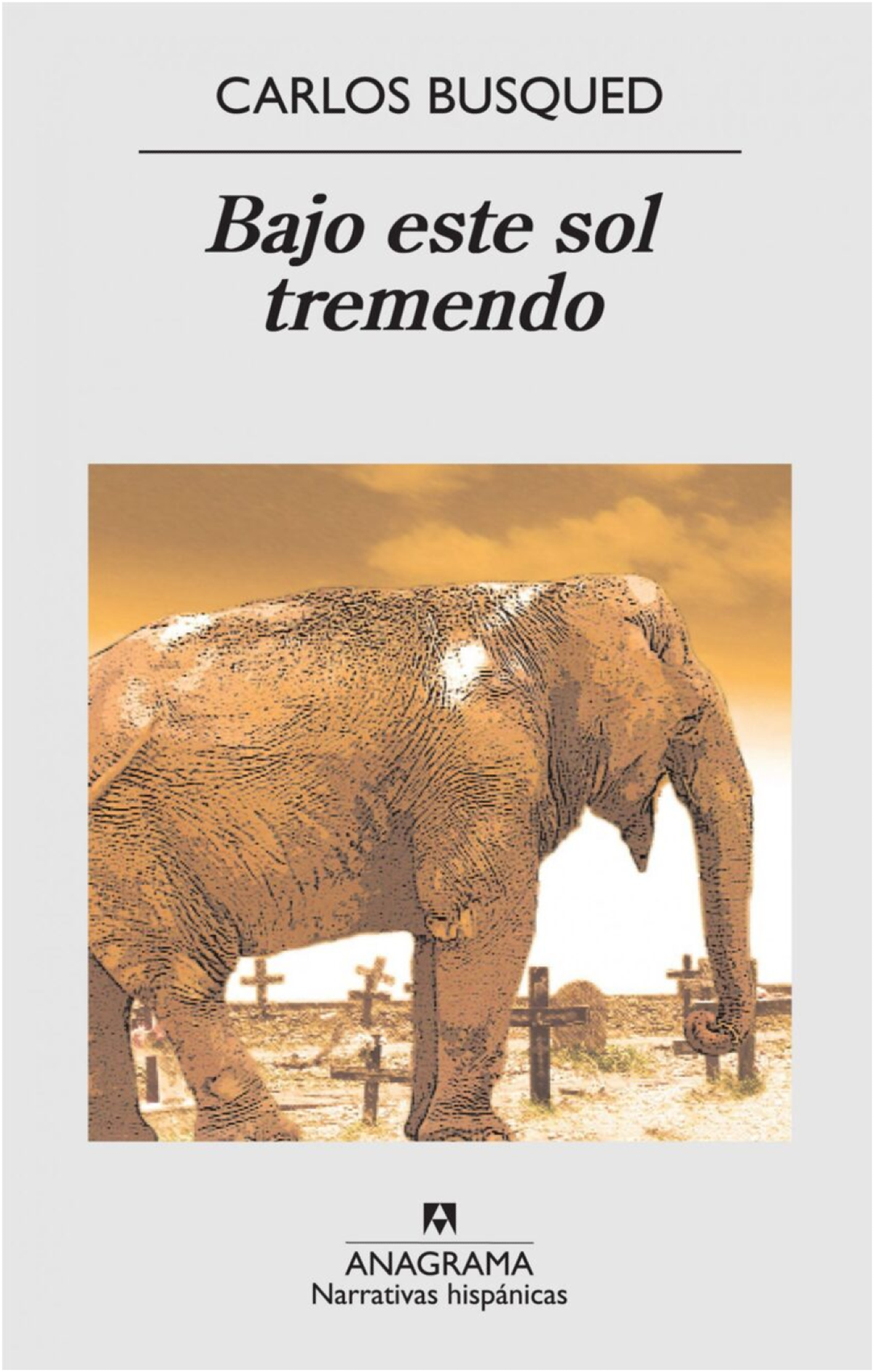
Cetarti is smoking a joint while watching Animal Planet. He gets a call from Lapachito, a hellish little town lost in Chaco, to inform him that his mother and brother have been shot dead with a shotgun: with that act of violence, the train of Bajo este sol tremendo sets off.
Carlos has often recounted that the novel arises from a local feeling, from the unease of being on the wrong side of history; his father was part of the Air Force during the dictatorship, and amidst the depression he was experiencing, he realized certain dark episodes in which his father had been involved. As a child, he frequented circles where military figures mingled, like the aeroclub in Sáenz Peña, where he was frightened by the cold stare of a guy nicknamed “the Pig” as he removed his dentures. These and other elements, like the axolotl or building model airplanes, are just some of the autobiographical pieces he draws upon to construct the narrative. However, his work could not be further from what is called literature of the self. The book is built around an idea close to classic film scriptwriting; there are no profound reflections, just a narration of events, as if we were seeing what the lens of a camera captures behind the characters.
Since recommending it is already a cliché, I’ll proceed to list potentially enticing incentives: a cloud of marijuana smoke that condenses a suffocating atmosphere from beginning to end, a road, extortion kidnappings, porn movies, sexual violence, rabid dogos, and more. Top-notch. With prose as sparse as it is impactful, Carlos revolutionized the national literary paradigm.
Magnetized (2018)

After the unprecedented and resounding success of Bajo este sol tremendo, it would take him almost ten years to publish another book, this time a nonfiction, although one could say that no genre fits its architecture. In 1982, Ricardo Melogno got into a taxi, and when he reached his destination, he shot the driver in the head, smoked a cigarette in the car, and went to eat a napolitana milanesa. For dessert? Chocolate mousse. He repeated this exercise two more times in Buenos Aires and once in the Province, at just 20 years old and, at first glance, without a concrete motive.
Under the pretext of discovering why, Carlos interviewed him for over 90 hours, and the result is a tour through the spiral of the Kafkaesque mental health system and a manual of lessons that provides a lifetime of wandering among wards. We also gain insight into the ordinary dynamics of the conscription service, all infused with a backdrop of black magic, weaponized spiritualism, and hypotheses that consider the autistic spectrum among the diagnostic possibilities that influenced Ricardo's leitmotif. Carlos would end up identifying with his interviewee, partly due to the absence of victimization and partly because of the antisocial streak. It's now in its 11th edition, and as a fun fact, let’s add that the next film by Sebastián Ortega, although with noticeable differences, will be based on the book and will star Valentín Oliva, aka “Wos.”
Separating signal from noise
The pandemic was the imposition (or the perfect excuse) for Carlos to accelerate his voluntary isolation from the outside world. Recently, to cut down on smoking, he was consuming Avanti cigars, which he referred to as “poison.” Sedentary behavior and a not-so-healthy diet led to a heart attack, which he suffered in his apartment in the San Cristobal neighborhood in 2021.
Like other figures in Argentine culture —Fabian Bielinsky (Nueve Reinas, 2000; El Aura, 2005) or Lucho Bender (Felicidades, 2000)— he died unexpectedly, and his departure created the feeling that he had so much more to write. He left an unfinished novel about neo-Nazis set in Córdoba, which he said would close a sort of trilogy with his two previous books.
Just like the kraken of old maritime tradition, Carlos surfaced in the literary world without warning but with a clear idea: technical obsession, compelling narratives, and seriousness in effort. Stepping away from all solemnity, Carlos's approach proposes navigating iteration and combating plateaus by establishing a personal criterion that takes the need to express oneself but uses it to make a contribution. A criterion that produces pieces that do not add to the endless noise pollution and the slop generated today by AI. To create something worthy of being shared, and that leaves a message before sinking back into the frigid abyss of the ocean: that the fat man knows that the fat man can.