The Tradition of Nekketsu: From Dragon Ball to Jujutsu Kaisen
Is anime today nothing more than a mass-produced, algorithm-driven product? This article explores how nekketsu (action anime) is not merely empty repetition, but rather revives a tradition that links Jujutsu Kaisen to Dragon Ball and ancient epic legends.
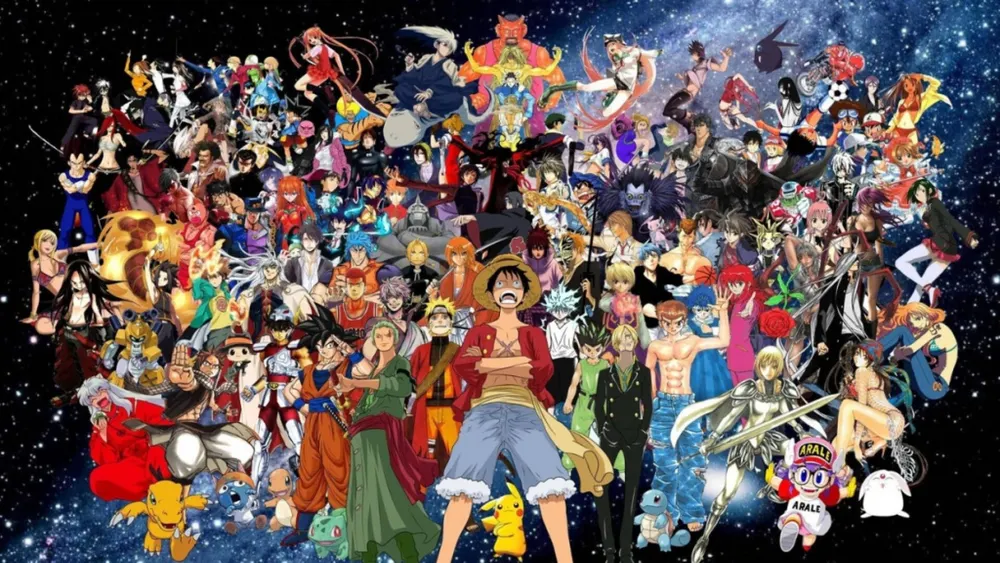
For those of us who watched anime in twenty pixelated parts on YouTube, it's clear that a lot has changed. In just over a decade, anime has transitioned from circulating in obscure fansub communities weird to establishing itself as a global industry generating approximately $25 billion annually.
In the past, it was something for night owls with the Argentine Lazer magazine under their arm; today, it's one of the most popular forms of entertainment worldwide. It used to be niche, had its own channel, and there was a distinction between closet otakus and people walking down the street dressed as Naruto. Now, anime costumes are common at parties.
Anime has undergone a process of normalization, closely tied to the expansion of its audience through platforms like Crunchyroll. Its mainstream shows have adapted to the international market, allowing us to sidestep some eccentricities that were so common just a few years ago. The oddities were encapsulated by marketing campaigns as effective as nihonjinron, the cultural policy that for decades convinced half the planet that Japan was all about geishas, samurais, and cherry blossoms. This Japanese gospel was carefully promoted by the state program Cool Japan, which, through the Cool Japan Fund created in 2013, has invested $500 million to promote Japanese culture through soft power and tourist traps.
Anime has undergone a process of normalization, closely tied to the expansion of its audience through platforms like Crunchyroll. Its mainstream shows have adapted to the international market.
Now we're all otakus, aren't we? But this massification has led to accelerated and algorithmic consumption, which tends to present each new release as a fresh source of cosplays for streamers and fandoms. Japan is cashing in by selling a ton of junk that oneshoteas you. Anime is experiencing a process of carcinization where everything approved by “exploitive studio no. 3” is an adaptation of some light novel just to fill the gaps among the animes that all the kids are watching, featuring a protagonist who is a fantasy of the average passive consumer.
The problem isn't that anime is mainstream, bro. The issue is that, in this process, the very tradition of the genre is diluted. When the audience stops recognizing rewrites and homages, anime becomes consumed as an anodyne product. Intertextuality becomes invisible.
 Juanma La Volpe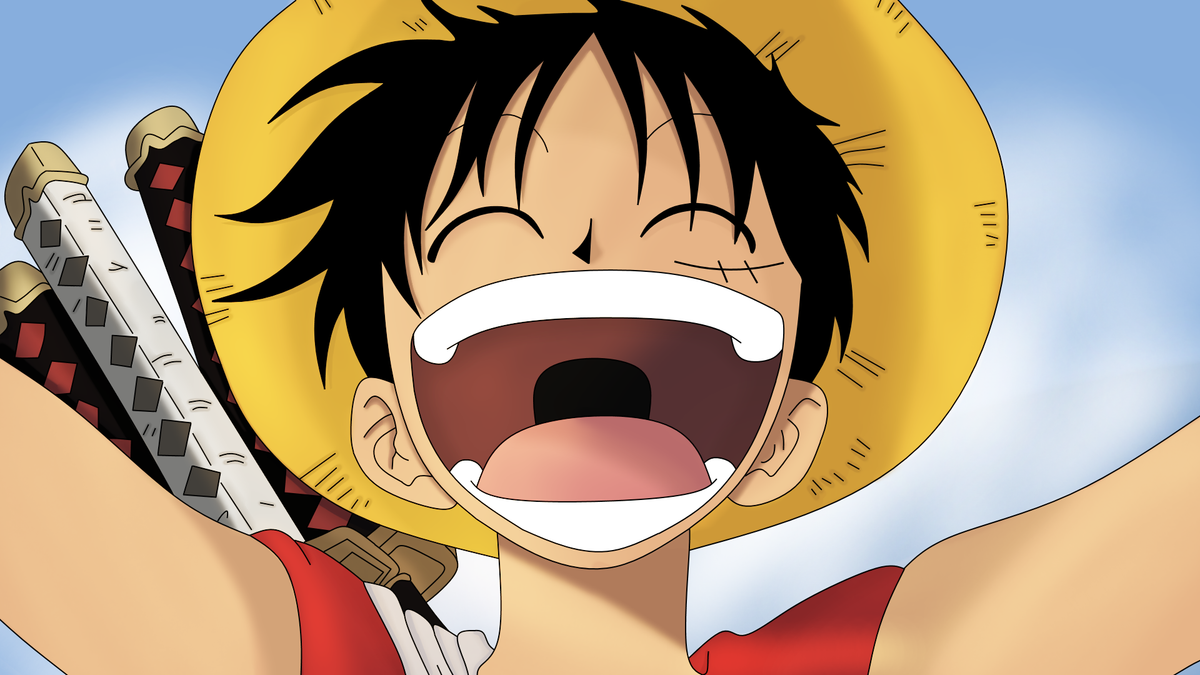
Today's anime seems to be a continuation of the dismissive comments from the past: “watching cartoons of Chinese girls.” But anime isn't just a sequence of isolated commercial successes. In anime, especially in shōnen, there's a system of tropes that are rewritten and enrich the symbolic framework.
Ignoring that genealogy doesn't diminish the pleasure, but it does impoverish interpretation. Mapping it allows us to understand that every new series is another chapter in a dialogue that began centuries ago. It's beautiful, at the very least, to realize that, for example, the nekketsu subgenre (fighting anime belonging to shōnen) fits into a centuries-old Eastern canon involving religion, ideology, and politics. I'll delve deeper into this subgenre in the article.
What is shōnen?
Shōnen is manga aimed at young males. It's a demographic cut. In narrative terms, it operates with a fairly stable structure. The protagonist wants to become the best. He wants to be Hokage, captain, king of the pirates, hero number one, or simply the strongest. It all depends on the world. That goal organizes the story's journey. The path usually includes training, defeat, rivalry, and community before reaching a transformation that redefines the protagonist.
Now, within shōnen, there's nekketsu. From the Japanese 熱血, literally “hot blood,” it's a subgenre that includes anything that places young males in adventurous/violent situations. This can involve battles, brawls, or toppling a government.
Since most shōnen mangas belong to the nekketsu subgenre, the demographic cut has ended up overlapping with the subgenre itself. This doesn't mean there aren't romantic comedies within shōnen, or that genres can't be combined.
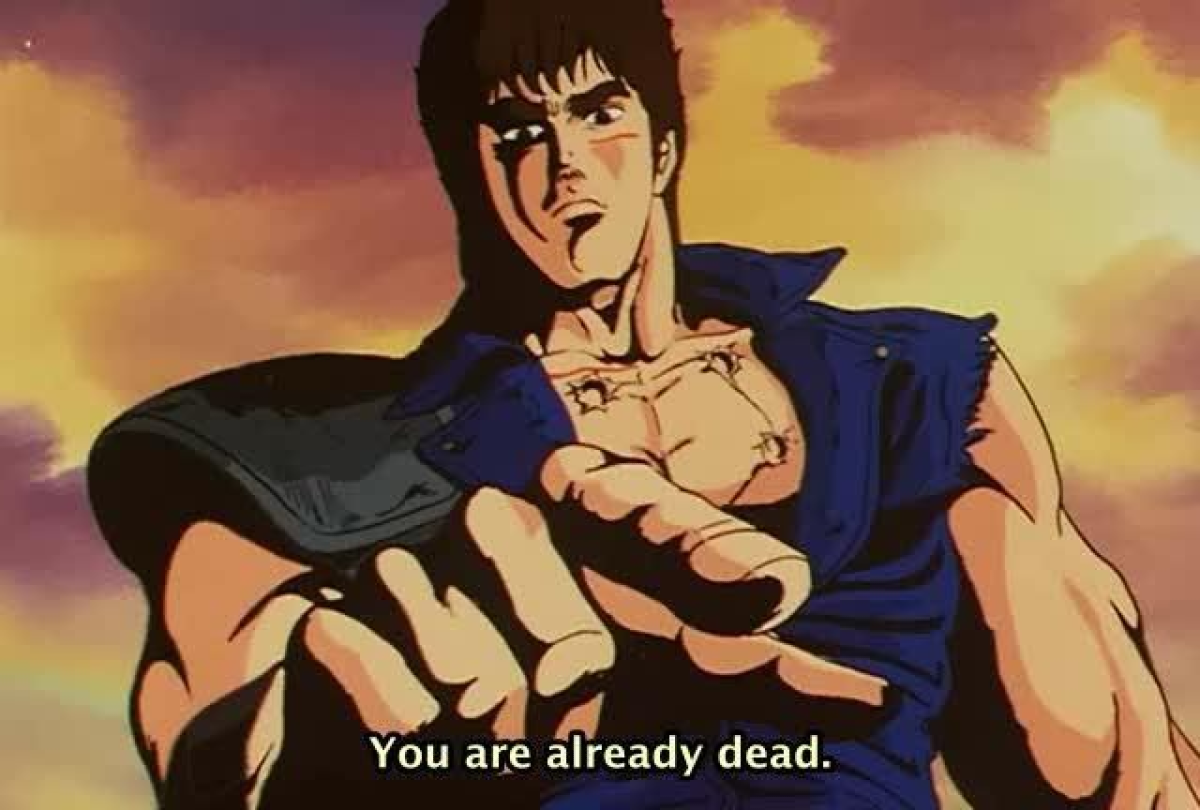
The tradition: before manga
A simple way to understand that fighting shōnen is connected to a long-standing tradition is to look at the origins of the elements that compose it. There's a routine formula: a spiky-haired, extroverted protagonist with latent talent, a cooler rival who challenges him, a constant escalation of power, a decisive transformation. Without the historical context, all of that seems like pure repetition. I often see fans disappointed because the conflicts in series they thought were different and edgy ultimately get resolved thanks to the power of friendship.
But they ignore that this is one of the central topics of the genre. For shōnen and, more specifically, nekketsu there's a cultural substrate that is easily detectable intuitively, but it has a name: yamato-damashii.
It's quite evident to anyone who has seen more than two animes that the hard-magic system is entirely focused on community, effort, and cunning. The hero not only battles the villain in combat but also debates with him while fighting. The victory is overwhelming not just because he has physically defeated him, but also because he has out-argued him. The pinnacle moment of victory is when the hero intertwines the final blow with the irrefutable argument that shows that, in the face of true virtue, the villain's cynicism is not clarity, but weakness.
For shōnen and, more specifically, nekketsu, there is a cultural substrate that is easily detectable intuitively, but it has a name: yamato-damashii.
The yamato-damashii, often translated as “Japanese spirit,” is a concept used to value the local against external influences: originally against China and later against the West. It condenses a series of values associated with perseverance, moral rectitude, loyalty, and the ability to overcome adversity. During the Heian period, for example, this Japanese common sense was prioritized over Chinese intellectual prestige. Centuries later, during the Meiji Restoration, it was revived in a context of accelerated Western modernization. Texts from Nihonjinron were used to reinforce a collective imaginary of harmony, tatami floors, and inscrutability. The Nansō Satomi Hakkenden, for instance, is a novel published in eight volumes during the 19th century that tells the story of eight warriors who must unite, face trials, and collect pearls to restore order. This text inspired Inuyasha and the Power Rangers.
At the same time, the concept of yamato-damashii is not static. In contemporary shōnen, it can take on various nuances. Some animes play with the idea that perseverance does not always guarantee justice. Others depict rigid institutions that betray the spirit they claim to defend. However, the original idea remains: character is forged under pressure and revealed in adversity. Understanding this dimension allows us to read shōnen as something more than just youthful entertainment.
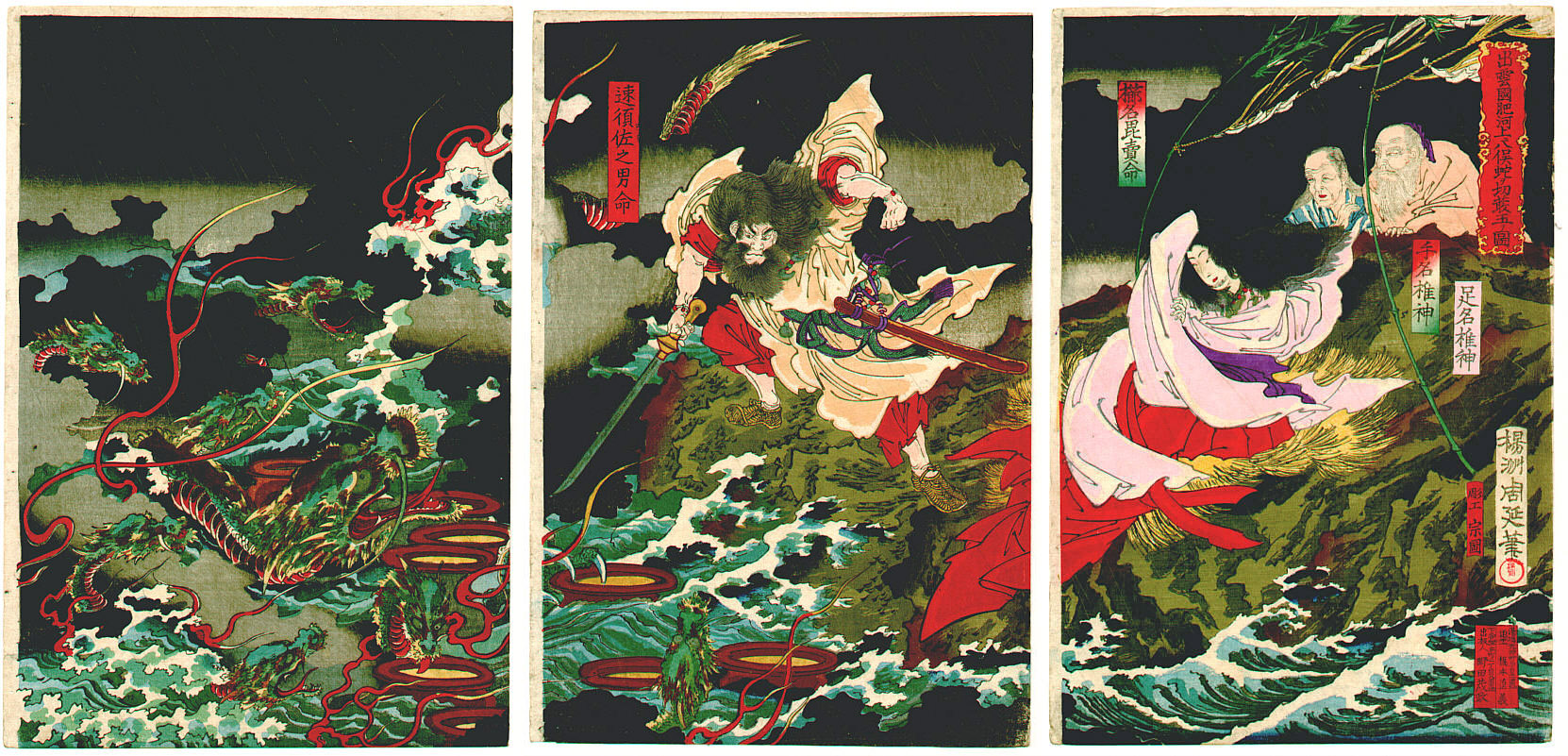
Moreover, the Japanese mythical tradition captured in the Kojiki and the Nihon Shoki serves as a database that mangakas reuse. Jiraiya, Yamata no Orochi, Momotarō, Amaterasu, and their legends are ingredients for entire arcs that mangakas rewrite.
The case of Dragon Ball Z
The exaltation of friendship and effort dialogues with a centuries-old tradition. Journey to the West from 1590 was the basis for Dragon Ball: the Monkey King Sun Wukong, influenced by Hanuman from the Rāmāyaṇa, is the quintessential example of the nekketsu protagonist, Goku. In fact, Son Goku is the Japanese translation of the name Sun Wukong, a warrior who challenges celestial bureaucracy and faces adversities alongside his companions on a transformative journey. Dragon Ball is the one that codifies the nekketsu model. It established the tournament, the rival as a mirror, the infinite escalation of power, and the visual image of the aura. It invented the ball. Everything that seems normal to us today was brought by Goku.
 Ezequiel Vila
Italo Calvino said that a classic is a book that carries the imprint of what came before and leaves a mark on everything that follows. Dragon Ball meets both conditions. It is an heir to Journey to the West, to 80s American cinema, and to Confucian-Buddhist-Taoist syncretism. Toriyama's work dialogues with the productions of Bruce Lee, Jackie Chan, and wuxia literature. At the same time, it shapes the Big Three. Naruto, Bleach, and One Piece cannot be fully understood without that precedent. Much of the subsequent shōnen is a child of Dragon Ball Z.
Its impact has been felt globally. In Latin America, Dragon Ball is a collective phenomenon as broad as The Simpsons. There are murals with Goku painted on them, and it shares costumes in joy parades with Spiderman and Donald Duck. In the U.S., it circulated as much as 70s kung fu cinema. Just as Wu-Tang Clan took its aesthetic from martial arts, artists like Frank Ocean and Kendrick Lamar incorporate references to anime without irony or marketing winks, simply because it is part of the cultural landscape of their generation.
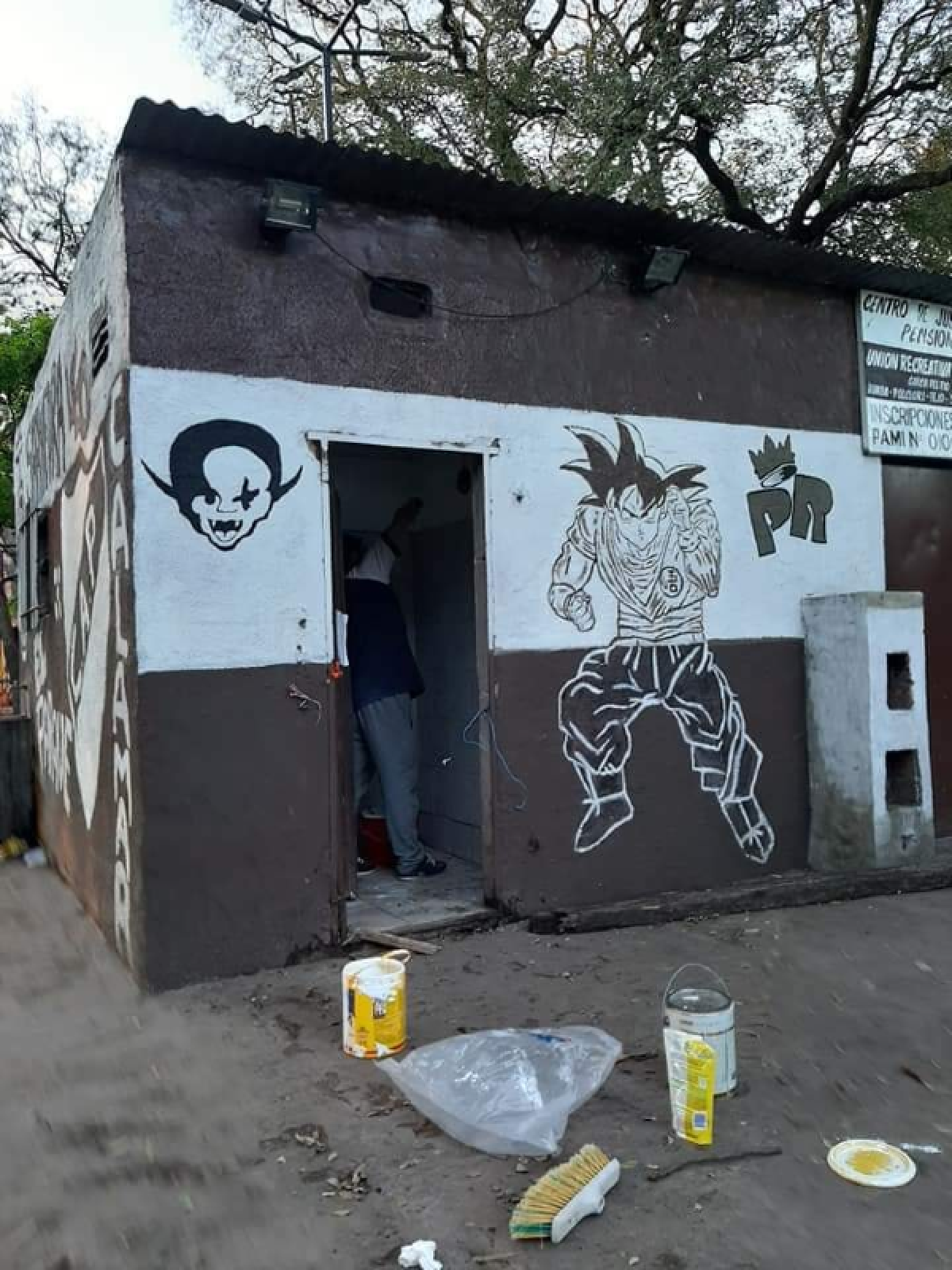
Dragon Ball engraves in stone elements that were once very scattered within shōnen and turns them into the standard. The pacing of the manga is clockwork. The dramatic progression moves forward clearly, without digressions. The power escalation is a source of delight, because it predates the powerscaling nonsense of counting corners in football instead of hugging your friends. Visually, it redefines the way fights are drawn. Toriyama was a master at using panels and white space; he simplified backgrounds, and the fights were the most legible to date. Perhaps it was due to laziness, but the design of the Super Saiyan was revolutionary and also saved ink because there was no need to color the hair black.
Protagonists and rivals
To demonstrate the cumulative tradition, it suffices to take a contemporary character and trace its genealogy. To make a koseki of the work. For example, Jujutsu Kaisen is a rewriting of Bleach and Naruto. Both, in turn, dialogue with Hunter x Hunter and Dragon Ball, among others.
In particular, Itadori Yūji from Jujutsu Kaisen is a good starting point for an example. A conventional shōnen protagonist thrown into a more contemporary, more seinen world. The character embodies elements that already appeared in the protagonist of Bleach, Kurosaki Ichigo.
On one hand, the aesthetics of that anime: dark uniforms, drip, spiritual entities, a hidden world coexisting with the everyday, the cool fights, the aura before a transformation. The “domain expansions” are heirs of the bankai and the territories of Yu Yu Hakusho. Additionally, the anime is extremely clippeable.
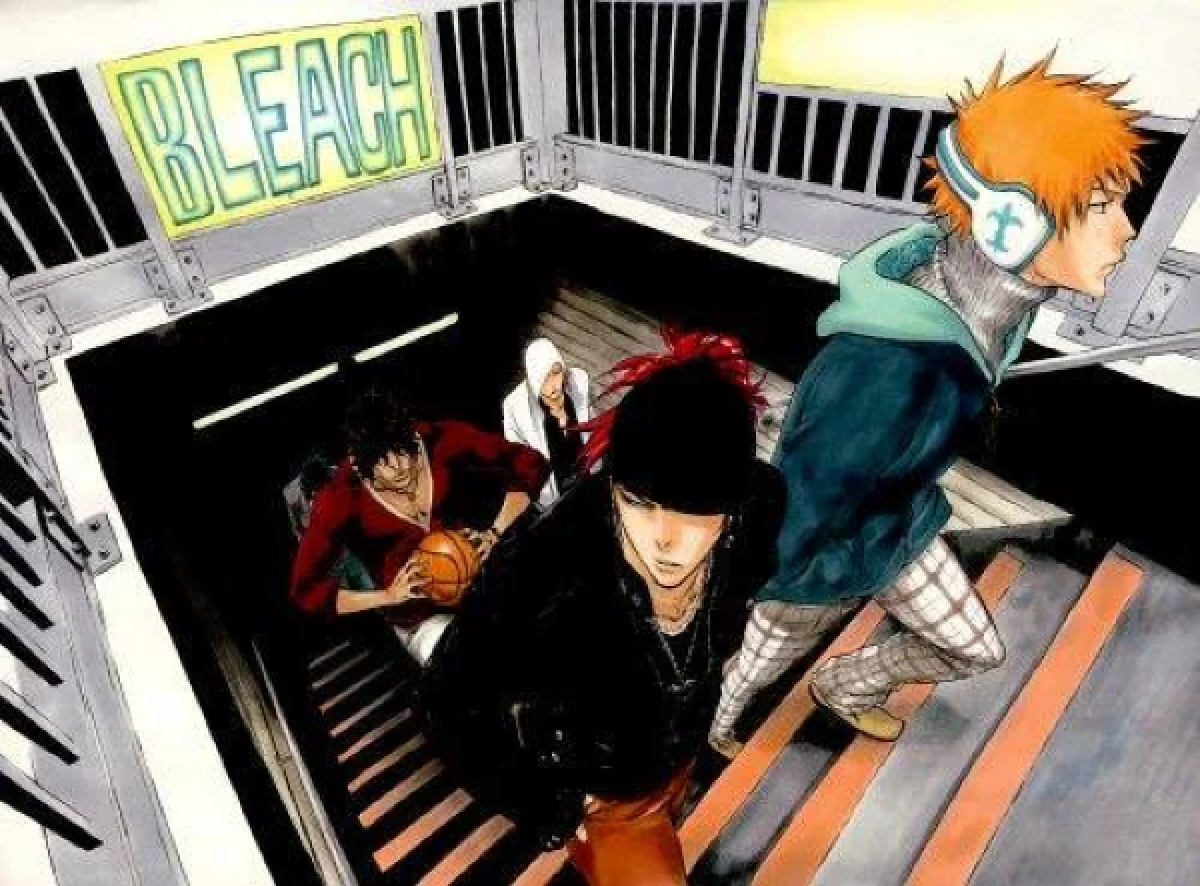
On the other hand, we have the character. Ichigo was already a hybrid anomaly functioning as a substitute shinigami (unable to be captain or climb ranks). Itadori from Jujutsu radicalizes these elements: he is a cog among the exorcists, a mere vessel to house his inner demon. But he is also capable of integrating other abilities: he has physical power or learns techniques from cursed fetuses.
The figure of the inner demon is central to Japanese storytelling and has also evolved over time. In Journey to the West, we have Wukong, who is a beast in his own right. Later, in Dragon Ball, Goku loses control under the full moon and transforms into Oozaru, partially inspired by the werewolf. Ichigo grapples with his inner hollow in an ethical debate. Itadori from Jujutsu Kaisen directly hosts Sukuna, an invincible super demon who can usurp his body, reminiscent of Kurama's early appearances in Naruto, but without seals or restrictions.
The group dynamic in Jujutsu Kaisen inevitably harkens back to Naruto: three students and a charismatic mentor who hides his face. It's Team 7 rewritten in a modern key. Instead of ninjas, they are cursed sorcerers. Even the personality construction resonates with that tradition: the impulsive protagonist, the more introspective companion, the strong female figure, and the cool white-haired sensei with a friend who returns from the dead.
But the rival figure coded in Sasuke doesn’t originate there either. The most stereotypical origin traces back to Han in Enter the Dragon, and going even further, his design is unthinkable without the influence of Yoshihiro Togashi. The dark intensity of Hiei from Yu Yu Hakusho, the tragedy of the massacred clan reminiscent of Kurapika from Hunter X Hunter, and the cold aesthetic that contrasts with the vitalist protagonist.
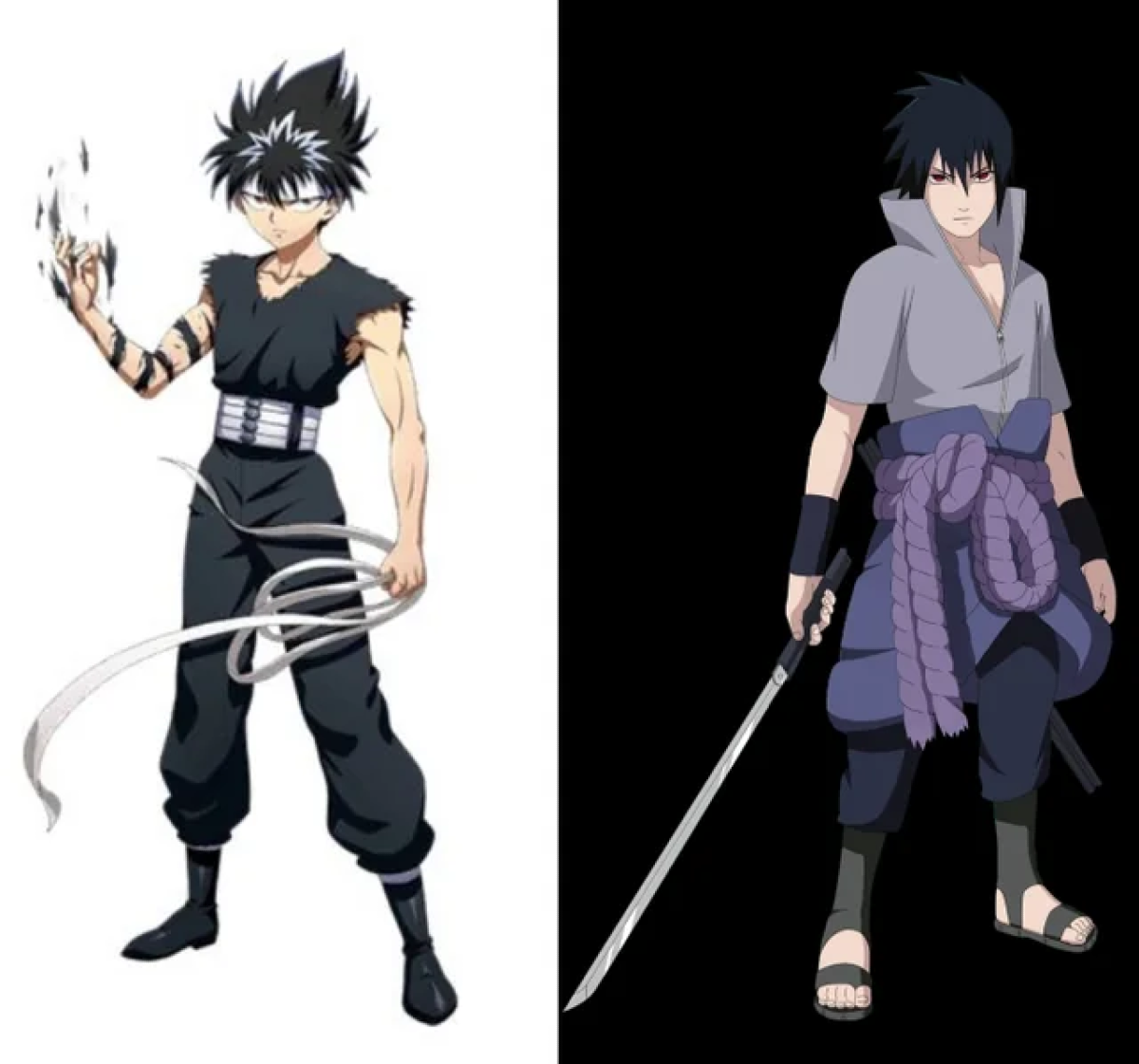
Even the chunin exam arc in Jujutsu is a descendant of the Budokai Tenkaichi tournament from Dragon Ball. The visual palette is part of that logic. The protagonist in warm colors contrasts with the rival in cool colors. Deku and Bakugo are a conscious inversion of this trick.
It's a code so naturalized that it goes unnoticed. By the time we reach Megumi in Jujutsu Kaisen, we immediately recognize that he will be the friendly rival.
Magic Systems
An interesting evolution in anime is the concept of life energy, which embodies one of the pillars of Yamato Damashii. In the early modern animes, energy is presented as something homogeneous: everyone uses ki, energy in the form of lightning, pew pew.
Over time, authors introduced more precise rules. Abilities began to differentiate based on personality, technique, or specific conditions. Power ceased to be measured solely by quantity and began to be defined by its restrictions and particular characteristics.
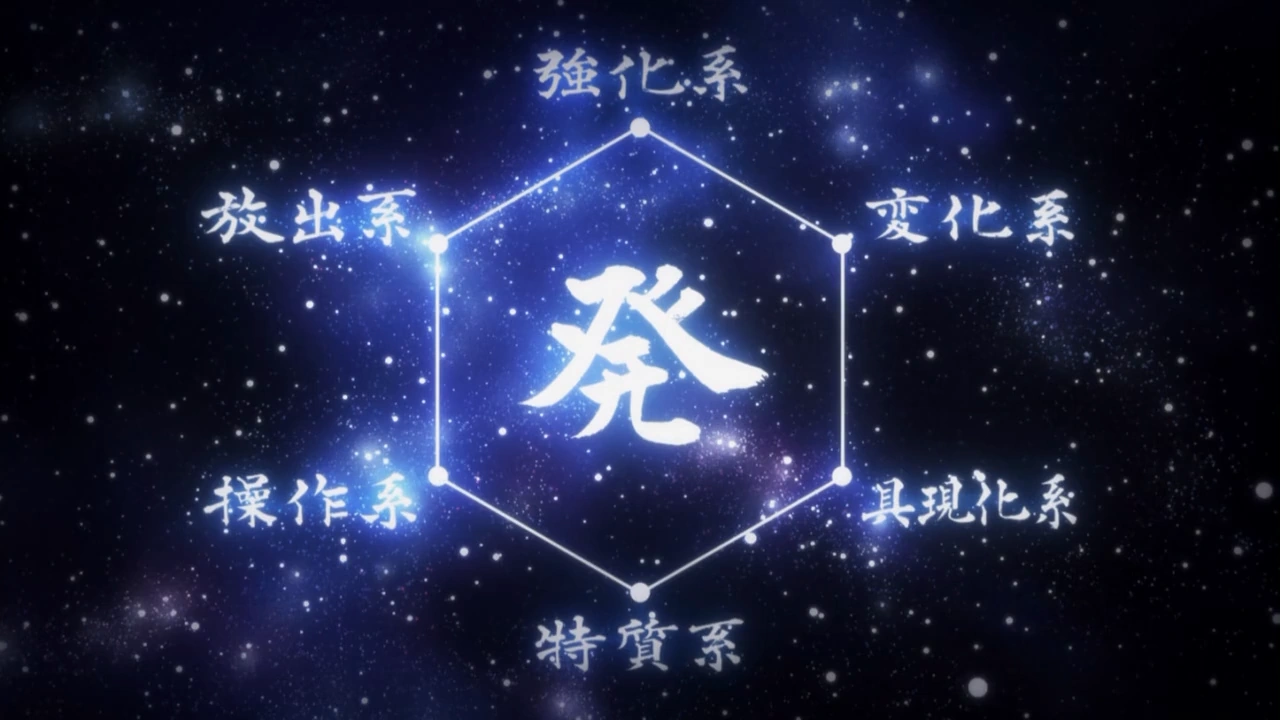
Creativity in the use of powers took center stage. Indirectly, this was also the main influence for the ranged battle system we see in Pokémon, Yu-Gi-Oh, Beyblade, and other franchises where battles occur through proxies.
In Jojo’s Bizarre Adventure, they began to use Stands, manifestations of each individual's spirit. Each Stand had unique abilities, representative of its bearer’s personality. With this precedent, Yoshihiro Togashi invented nen. A system of energy similar to ki, but combined with the restrictions and creative potentials that Stands had.
This sophistication responded to a narrative need. As the audience became familiar with the power escalation, the system required greater complexity to maintain dramatic tension. This is evident in the manga of Jojo’s: a Stand from the third season becomes a gun, but a Stand in the eighth season, if someone pursues, tries to get closer, investigates, or even shows hostile intent toward the user, activates a chain of improbable but physically possible events that can be confused with bad luck, the misfortune of which scales proportionally to the persistence of the pursuer and can manifest through accidents, collisions, or stumbles.
In Jujutsu Kaisen, the power structures respond more to the user's creativity than to pure energy, but with a notable shift in tone: it went from being life energy to becoming pacts with demons or residual power from negative emotions, which turns into cursed energy.
The worldbuilding of the stories responded to this change in the conception of energy. The celestial pantheon that Wukong faces in Journey to the West is the celestial bureaucracy proposed by Confucius. It is harmonious and organic. Its hierarchy is natural. But in Dragon Ball Z, the celestial pantheon has a natural hierarchy, but it is no longer harmonious; it is filled with mortal beings capable of shattering the divine hierarchy. In Bleach, the celestial pantheon, the soul society, is a system that appears to function harmoniously, but with a military hierarchy imposed as an artificial order.
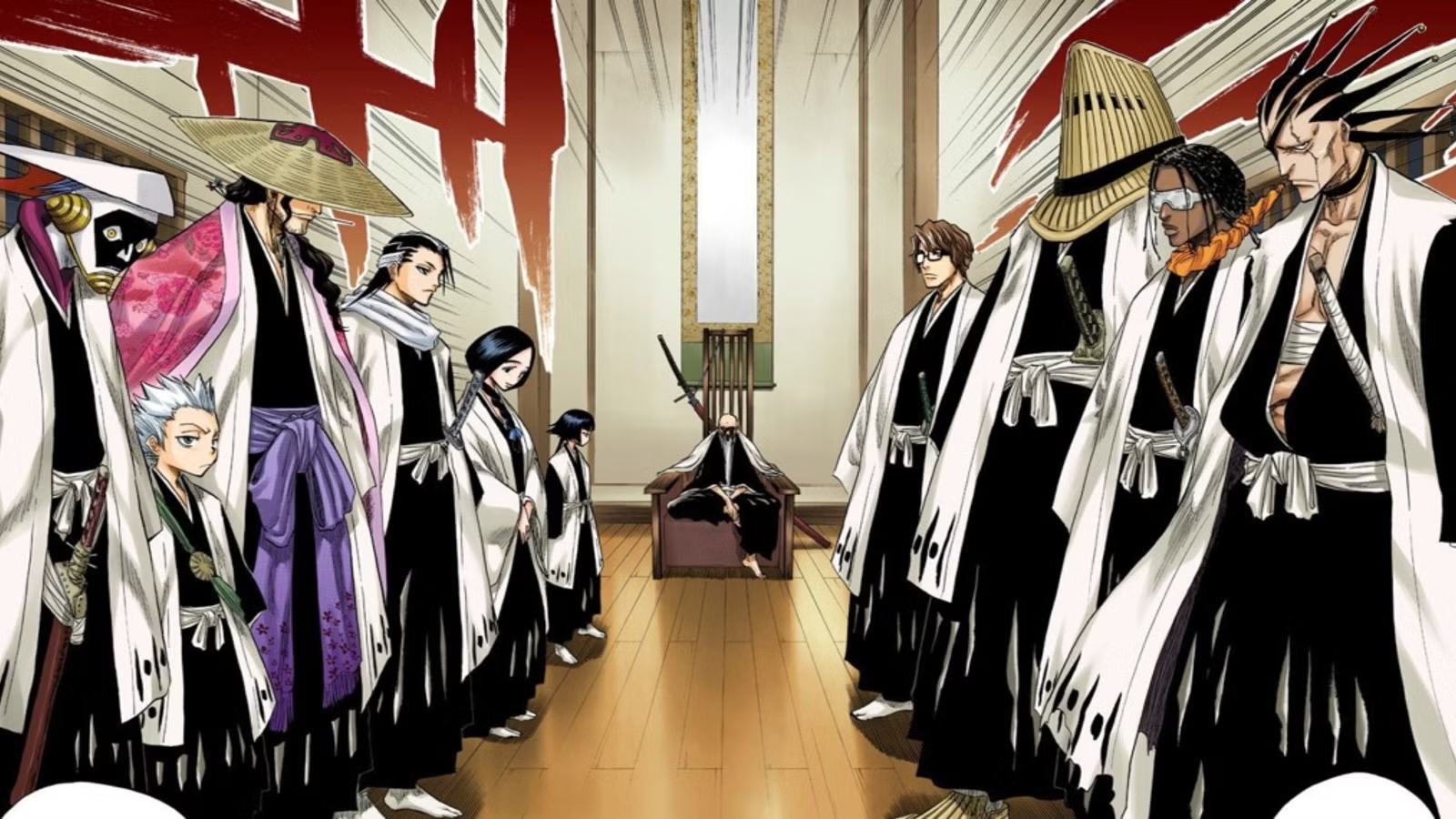
Finally, in Jujutsu Kaisen, the organization of exorcist clans is neither natural nor harmonious. Itadori fights against a corrupt system that has no interest whatsoever in the balance of the world. The families operate under hidden interests in a web of corruption that has been woven from the very beginning, intertwined with the history of upheavals and bloodshed in Japan.
I find it moving that anime has not lost its structural density. Its symbolic and intertextual richness remains intact.
The murky river
Mangakas do not work in isolation. Kishimoto took what he learned from Toriyama and Togashi. Gege Akutami rethought Bleach and Naruto. Each work echoes the previous one. Fogwill rewrites Borges in Help a él. Borges rewrites Dante in El Aleph. Dante includes Virgil in the Divine Comedy. Virgil rewrites Homer in The Aeneid. Shōnen is more or less similar.
Mangakas read manga. When they include a reference, they are winking at their readers because they assume we enjoy the genre as much as they do. Understanding the long, murky river of influences allows us to grasp anime from a much deeper place connected to the topics that precede it. It’s beautiful to understand where everything we enjoy today came from.
There's no need to become a scholar. No one needs to read the Kojiki before watching Jujutsu Kaisen. It's just an invitation. Knowing that Itadori carries a chain that passes through Ichigo, through Goku, and through the story of a monkey from 600 years ago moves me a little. Suddenly, I'm no longer just consuming another series. I'm participating in a tradition.
Las notas de 421 no tienen paywall
Y a cada colaborador se le paga por su trabajo. Las dos cosas dependen de los suscriptores.