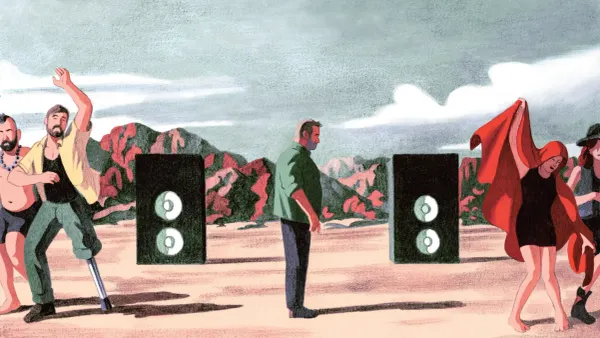
Ferro's 26 Years in the B League
An odyssey of loyalty, pain, and hope: Ferro’s unforgettable struggle to return to Argentina’s First Division.

More than 26 years ago, Ferro was relegated to the second division of Argentinian football. Since that moment, returning to the top tier has been an odyssey endured by more than three generations of verdolaga fans who yearn for the ultimate dream. Hundreds of kilometers traveled, over 35 coaches, 300 players, stadiums across the country, strange schedules, faulty broadcasts, unknown teams, bizarre situations, 38 clubs fighting for two spots in the Liga Profesional, and a love that endures.
On July 17, 2000, on a chilly night in Rosario, Ferro played its last match in the Primera División of Argentinian football. The team that escorted it to the depths of the second division was Newell's Old Boys. The Lepra won 2-0, but the relegation had been sealed five matches earlier when Lanús delivered the final blow with a 7-0 thrashing in Caballito. The Verde had been stumbling for a while, and aside from a few isolated seasons with interesting performances and hints of greatness, it couldn't find its footing in the old short tournaments, even going over 873 minutes without scoring a goal and becoming the laughingstock of everyone. The statistics were harsh: in the 2000 Clausura Tournament, it only won 2 matches, drew 2, and lost 15, rounding off one of the worst campaigns in history. The end was inevitable, and Ferro went down to the B. Still, hell has more circles, and 24 matches later, it suffered a second relegation to the B Metropolitana, forgotten by any divine deity.
Returning to the top tier has been an odyssey endured by more than three generations of verdolaga fans who yearn for the ultimate dream.
At that moment, my grandfather Osvaldo Pascual Alcaide, a die-hard Ferro fan from the neighborhood, begged me to support another club to avoid so much suffering; I told him it was too late: I had fallen in love with the neighborhood, the colors, and the devotion of the people. Ferro was the embodiment of the Argentine middle class and was collapsing alongside the country, but my innocence remained intact. After battling a season in the B Metropolitana, in a titanic and absurd tournament, on July 5, 2002, the Verde played the return match against Deportivo Español. Even though it won 1-0 with a goal from Cristian Tula (my personal and earthly idol), it wasn't enough (having lost the first leg 3-1 in Bajo Flores) and was left at the gates of the second division. The blow was devastating and was felt in the police batons and the tear gas that made us cry more than the actual sporting pain. That Christmas, bankruptcy was declared, and Ferro hit rock bottom.
After that came the infamous judge Herrera, who tried to sell club land for his own benefit, and whose plan was thwarted thanks to the Telenoche camera. Later, Mascardi came in to give the squad a quality boost and fight in the 2003 season (bringing Ferro back to the second division), followed by the subsequent flight of the businessman, which frustrated the promise of: "Don't be scared, we'll see each other in a year, taunting Boca and River fans.
Unbeknownst to us, Ferro fans became protagonists of a sporting and urban odyssey to return to the Primera División. In the following seasons, Ferro struggled in the second division without any prominence, except when it fought for promotion to avoid relegation in 2007 against Estudiantes de Buenos Aires. Then it became a nightmare: it could be a contender, but it ran out of steam when it needed to step up.
My grandfather Osvaldo Pascual Alcaide, a die-hard Ferro fan from the neighborhood, begged me to support another club to avoid so much suffering; I told him it was too late.
At that moment, the only feelings that dominated me were the fear of relegating again and the doubt of how one could sustain being a Ferro fan with such adverse sporting results, years of frustrations, and a lack of authentic idols. The attachment and sense of belonging that the neighborhood and being part of a club provide are part of the answer. All that love inherited from family endures even in tough times and allows for even greater enjoyment of the good moments. Ferro's institutional muscles are its multiple disciplines, and its soul is football.
This season, Ferro started off on the wrong foot under Sergio Rondina (current coach of Chacarita), but turned things around with the arrival of a familiar face: Juan Sara, a fan and former player of the institution, who took charge of the first team after a poor experience in the 2023 season. Not even the most optimistic verdolaga fan would have thought that under his leadership, the team would go on to reach 11 unbeaten matches, topping the toughest tournament in the world with overwhelming statistics (12 wins, 1 draw, 3 losses). After two setbacks against Morón and Godoy Cruz (rivals on the Mad Max-like road that is the division), Ferro returned to victory, beating Los Andes 2-1 in Lomas de Zamora (with the historic event of the return of visitors to the Gallardón Stadium). It also defeated Atlanta and All Boys at home, putting 6 points between them and their closest pursuer.
Ferro depends on itself. As of today, there are still 10 matches left until the longed-for final, and the dream remains alive. I don't know anyone who doesn't want Ferro to return to the elite of Argentinian football; even Vélez, the classic rival, longs for the Verde to return to Primera. I am convinced that all the pain endured over the years will be rewarded with the ultimate joy, and I can't imagine the feeling that will wash over me at that moment.
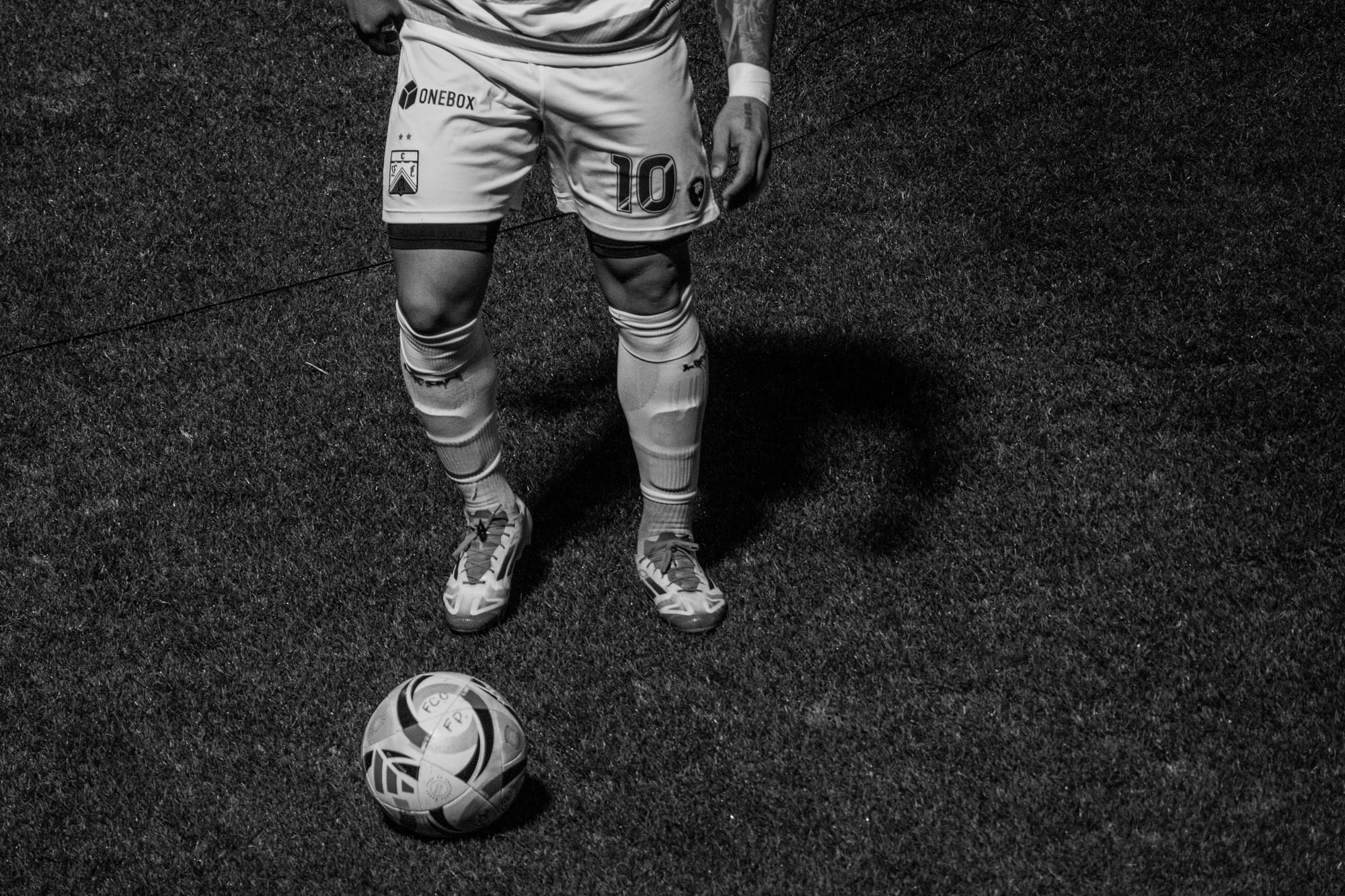
In 2025, Ferro seemed poised to fight for the tournament (with a star coach and a team featuring players from the previous season) but ended up battling to avoid relegation, escaping three matches early after beating Los Andes in Lomas de Zamora.
In 2025, Ferro seemed poised to fight for the tournament (with a star coach and a team featuring players from the previous season) but ended up battling to avoid relegation, escaping three matches early.
At that moment, the only feelings that dominated me were the fear of relegating again and the doubt of how one could sustain being a Ferro fan with such adverse sporting results, years of frustrations, and a lack of authentic idols. The attachment and sense of belonging that the neighborhood and being part of a club provide are part of the answer. All that love inherited from family endures even in tough times and allows for even greater enjoyment of the good moments. Ferro's institutional muscles are its multiple disciplines, and its soul is football.
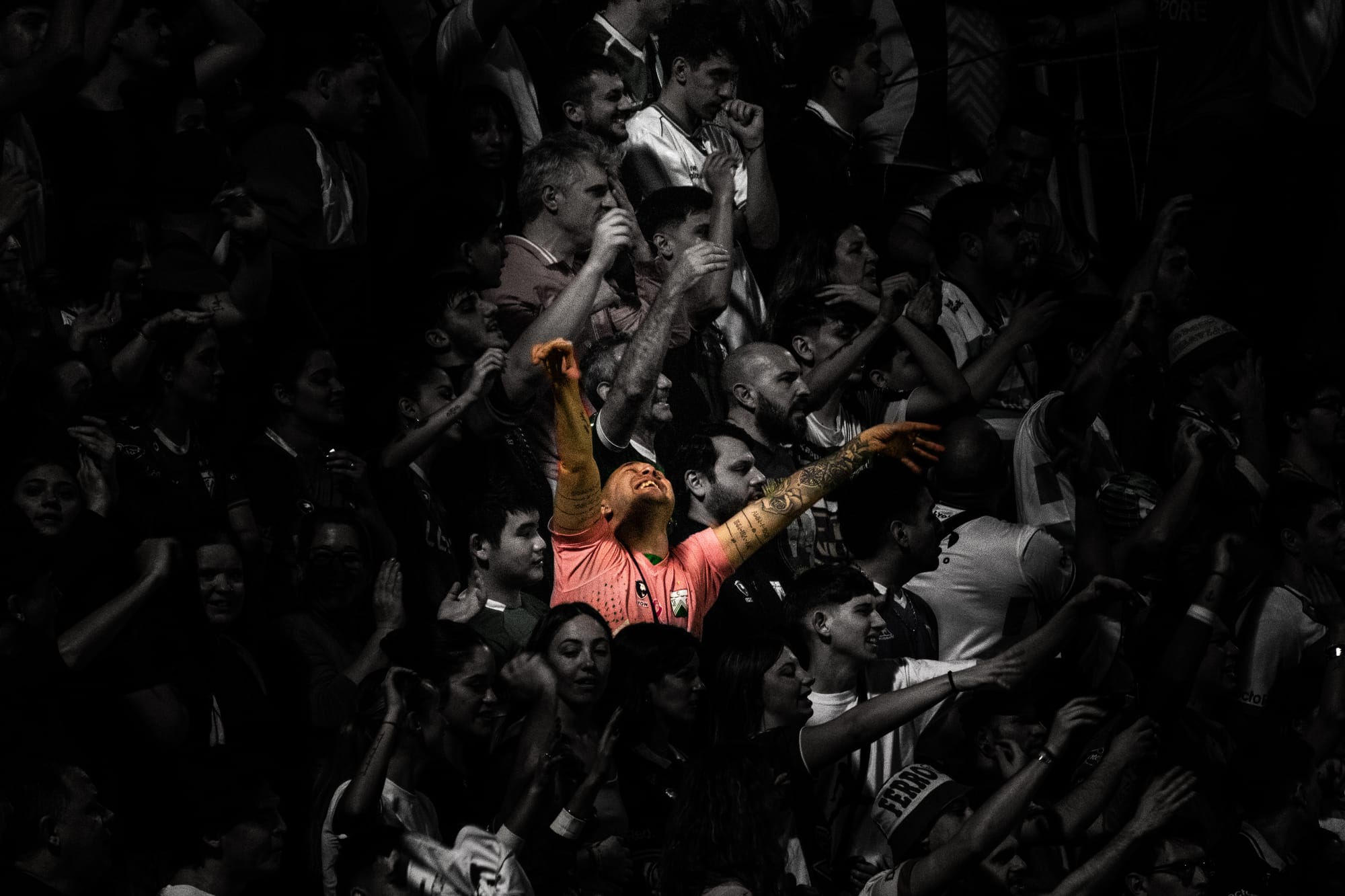
This season, Ferro started off on the wrong foot under Sergio Rondina (current coach of Chacarita), but turned things around with the arrival of a familiar face: Juan Sara, a fan and former player of the institution, who took charge of the first team after a poor experience in the 2023 season. Not even the most optimistic verdolaga fan would have thought that under his leadership, the team would go on to reach 11 unbeaten matches, topping the toughest tournament in the world with overwhelming statistics (12 wins, 1 draw, 3 losses). After two setbacks against Morón and Godoy Cruz (rivals on the Mad Max-like road that is the division), Ferro returned to victory, beating Los Andes 2-1 in Lomas de Zamora (with the historic event of the return of visitors to the Gallardón Stadium). It also defeated Atlanta and All Boys at home, putting 6 points between them and their closest pursuer.
Ferro depends on itself. As of today, there are still 10 matches left until the longed-for final, and the dream remains alive. I don't know anyone who doesn't want Ferro to return to the elite of Argentinian football; even Vélez, the classic rival, longs for the Verde to return to Primera. I am convinced that all the pain endured over the years will be rewarded with the ultimate joy, and I can't imagine the feeling that will wash over me at that moment.
Las notas de 421 no tienen paywall
Y a cada colaborador se le paga por su trabajo. Las dos cosas dependen de los suscriptores.