How Did a Clumsy Crybaby Redefine Anime? The Origins and Rise of the Global Sailor Moon Phenomenon: From the Japanese Economic Crisis of the 1980s and Toy Marketing to the Psychology of “Kawaii.”
Tsukino Usagi is fourteen years old, gets bad grades, is late everywhere, and cries over anything. She eats too much, is clumsy, fearful, and is more interested in sleeping than saving the world. She is also one of the most recognizable characters in anime history.
In 1992, Toei Animation executives approved Sailor Moon. Until then, no one had managed to fully blend the audiences. Action shows were for boys; romance and friendship shows were for girls.
The success was immediate. But it was the result of a series of seemingly counterintuitive decisions. To understand how groundbreaking its creator, Naoko Takeuchi, was, it's helpful to start a bit further back.
In the name of the Moon
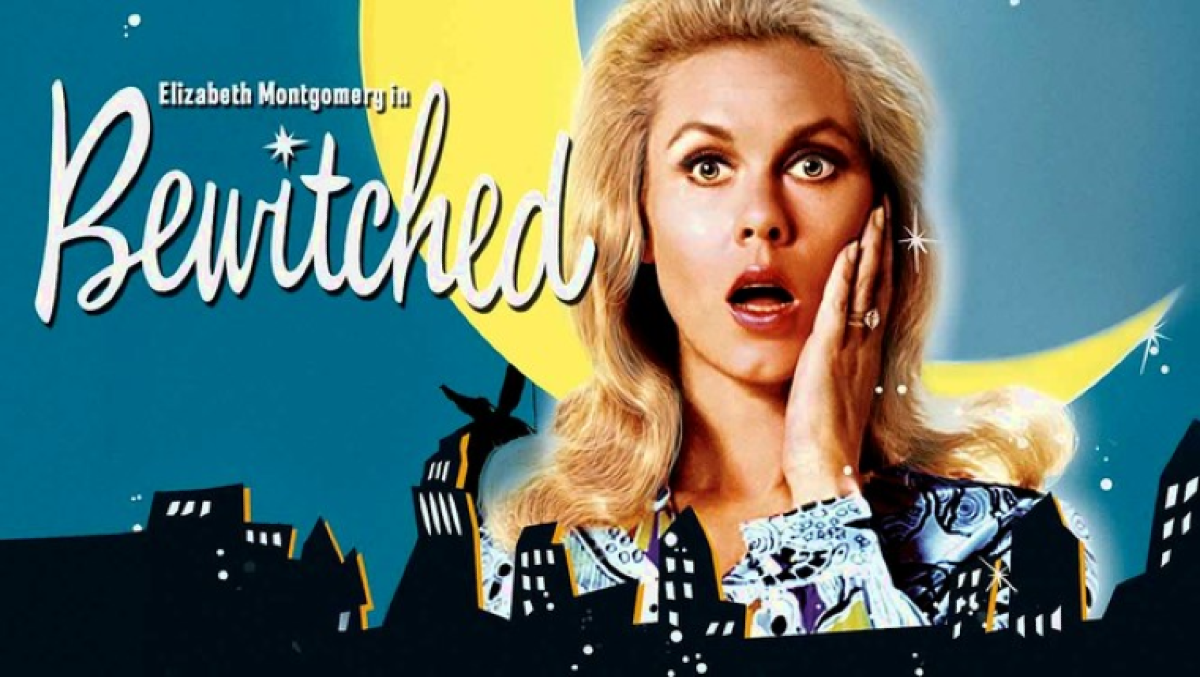
The Japanese term Mahou Shoujo (魔法少女) translates to "Magical Girl." It's a popular subgenre of fantasy in anime and manga featuring girls or teenagers who gain powers through a mystical object (like wands, brooches, or pendants) to fight dark forces, balancing their school life with saving the world. It's interesting to note that the origins of Mahou Shoujo are inspired by the famous American series from the sixties, Bewitched.
Bewitched (1964).
The first anime based on the series, called Mahou Tsukai Sally (1966), was about a little witch named Sally who tried to live a mortal life, just like in Bewitched. In this anime, we see the first magical transformation, an element that would become crucial in the future. In Sally's case, it was still quite simple and not particularly significant.
In 1992, Toei Animation executives approved Sailor Moon. Until then, no one had managed to fully blend the audiences. Action shows were for boys; romance and friendship shows were for girls.
Next came the series Hana no ko Runrun (1969), which was set in a more European environment, and its superpower was having the right outfit for every occasion. This anime was better received by Western audiences due to its similarities with Cinderella and other content that was already being consumed at the time. From Runrun, Toei found a niche and began to work on it systematically. For years, Mahou Shoujo was basically a one-studio franchise, and with each new series, they added an element or product that the next one would inherit, develop, and sell.
Now, with a more commercial vision, we can start thinking about magical girls and toys.
Relationship with Objects
It would be naive not to consider the role that the commercial dimension played in the development of the genre. Mahou Tsukai Chappy (1972) introduced the first magical wand, combining the cheerleader's baton with the concept of a magic wand that would be used in shows like Sailor Moon and Sakura Card Captor. With the introduction of this object, a series of elements began to appear that solidified the direct relationship between product promotion and the shows themselves.
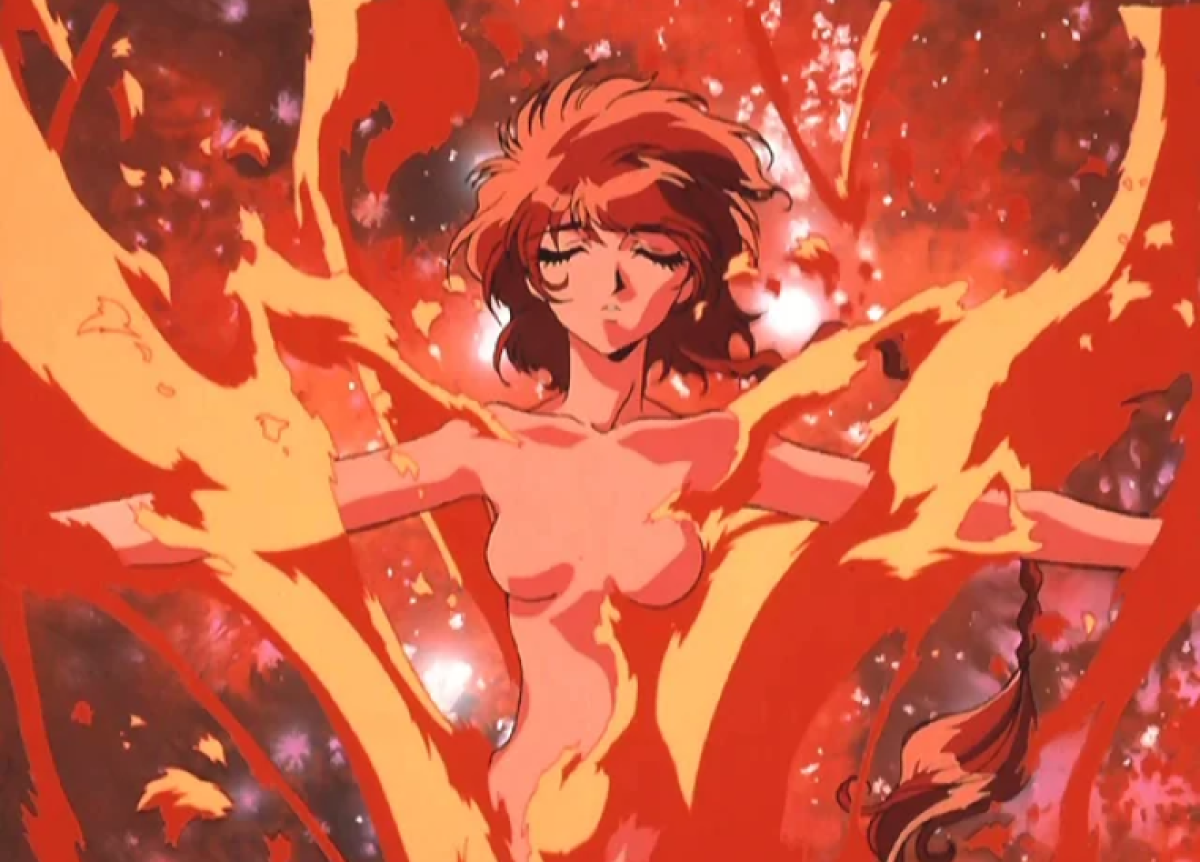
To further expand the market, the program Cutie Honey (1973) began to take elements from Shonen and mix them with Shoujo to attract male audiences. Amid weekly monster battles and action scenes, the element that most attracted boys was the "first transformation," which combined the morphosis of Sentai Kamen (like Power Rangers) with female nudity. This sequence would later evolve into a trope of its own in Mahou Shoujo.
Hi, I'm Troy McClure, and I'll leave you with what everyone wanted to see: nude scenes.
Around the same time, the show Majokko Meguchan (1974), with Majokko being a synonym for Mahou Shoujo, introduced elements that would be developed later. It included, for example, the tomboy character, a female rival, and the real possibility of the protagonist losing a battle, with consequences that lasted more than one episode.
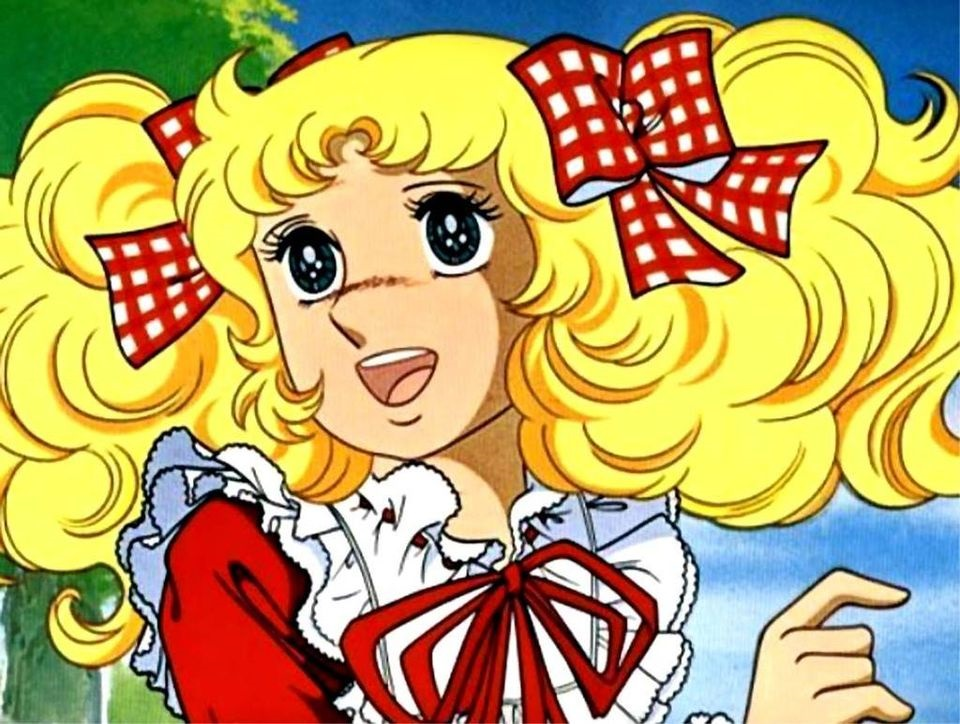
By the late seventies, however, Toei's monopoly on this type of show led to saturation. The audience began to show signs of fatigue and started to prefer other non-magical shoujo anime, such as Candy Candy (1976).
In 1982, Studio Pierrot began to compete with Toei with Magical Princess Minky Momo, which shifted from naif themes to slightly more mature ones. In this anime, the transformation aged a preteen girl thanks to a magic mirror (which, of course, was sold along with many other products). It was the first shoujo program to use the image bank method to save time in production and reuse certain sequences. Because of this, the transformation lasted about 23 seconds and was featured everywhere, of course, with moments of nudity.
Candy Candy (1976).
On the other hand, this series paved the way for new generations of Mahou Shoujo to explore darker themes, as the protagonist was run over by a truck (this scene is seen as humorous in retrospect and even influenced the classic setup of the modern isekai genre).
To further shape the conventions of the genre, Studio Pierrot, which had launched several Mahou Shoujo shows, decided to release Majokko Club Yoningumi, a crossover movie where all the girls joined forces. This formed the first team of girls.
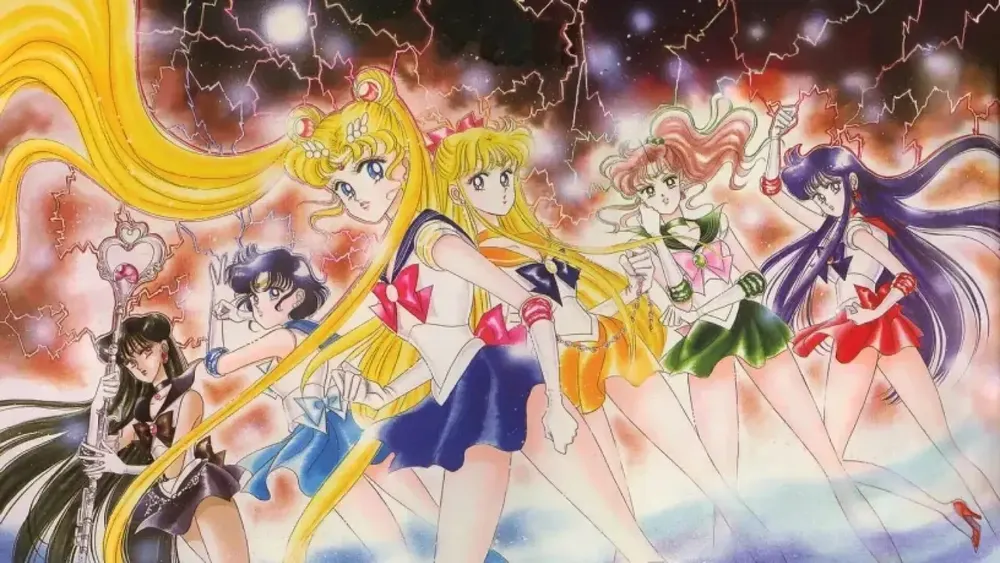
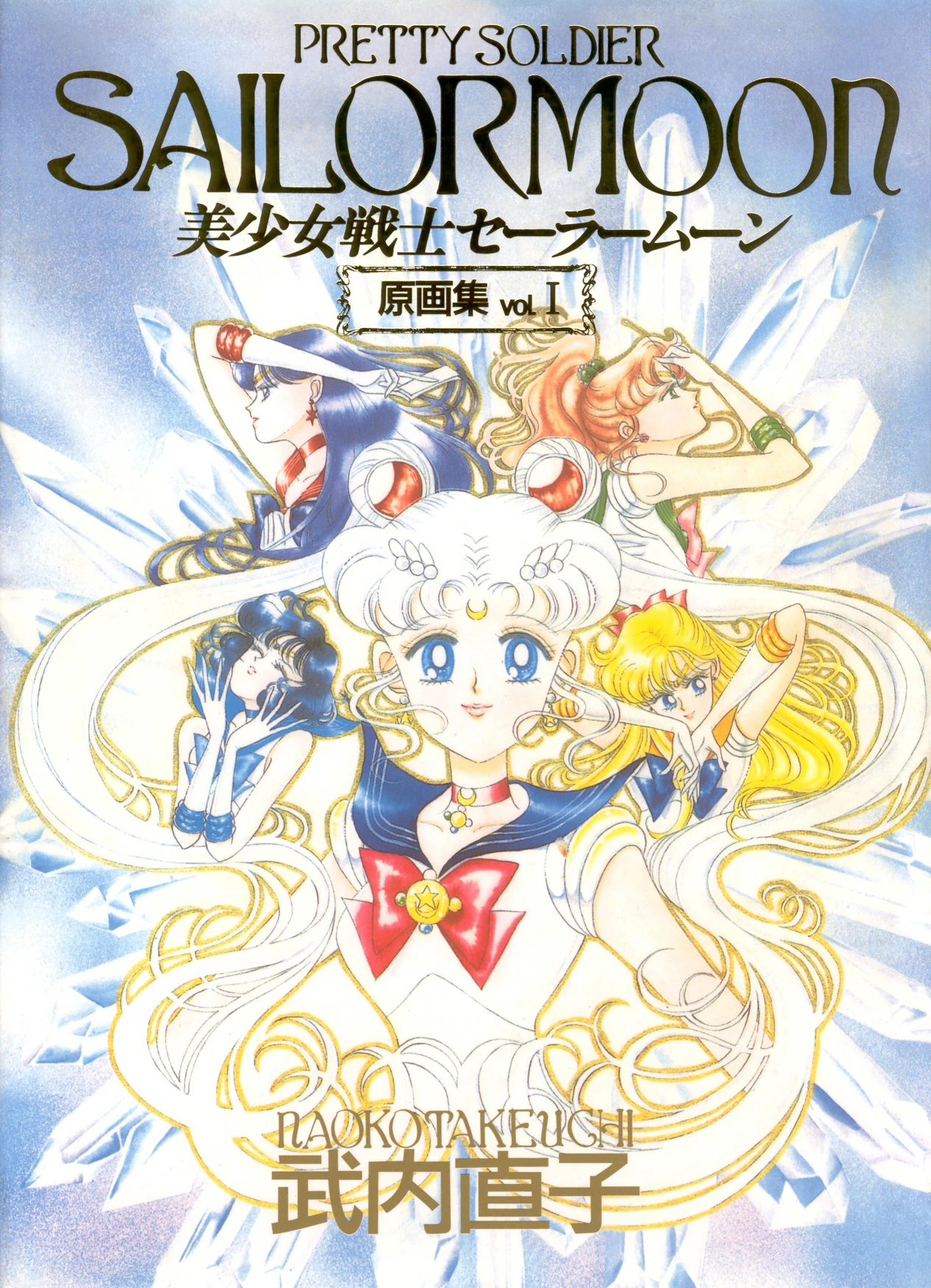
Finally, if we mix all these elements (a squad of magical girls with long transformations and colorful wands along with plenty of action), we arrive at 1991 with Pretty Soldier Sailor Moon.
Original manga artwork by Naoko Takeuchi.
The Decline of Masculinity
To understand the rise of girls taking action, it's important to grasp the sociocultural context that allowed such an idea to prevail in a world that still had highly segmented cultural consumption.
At the beginning of the nineties, Japan experienced an economic slowdown after nearly forty years of prosperity, giving rise to the Japanese Lost Decade or Ushinawareta Juunen. This marked the start of a slow period of corporate restructuring, unemployment, and significant social anxiety.
This led to a major shift in social values, including a questioning of the male figure. Economic changes and unemployment particularly affected men, who had previously been seen as middle-class office workers and providers. The decline of the 'breadwinner' manifested in the emergence of new masculinities that continue to shape Japan today.
Don't ask me—I'm just a guy.
Kawaii as a response
With Japanese masculinity in crisis, it was time for girls to take on crime-fighting roles in television shows. Naturally, this shift would come hand in hand with products to sell in droves, and since the male ideal had fallen, it was time to reinvent the female one. From the rise of fashion in Harajuku and student movements, Japan transitioned from a fierce past filled with swords to a soft and friendly future.
In this context, many Japanese women developed a hyper-feminine style that was not aimed at the male gaze, but rather for themselves—a femininity constructed by and for women that, in its hypertrophy, generated fascinating aesthetic phenomena.
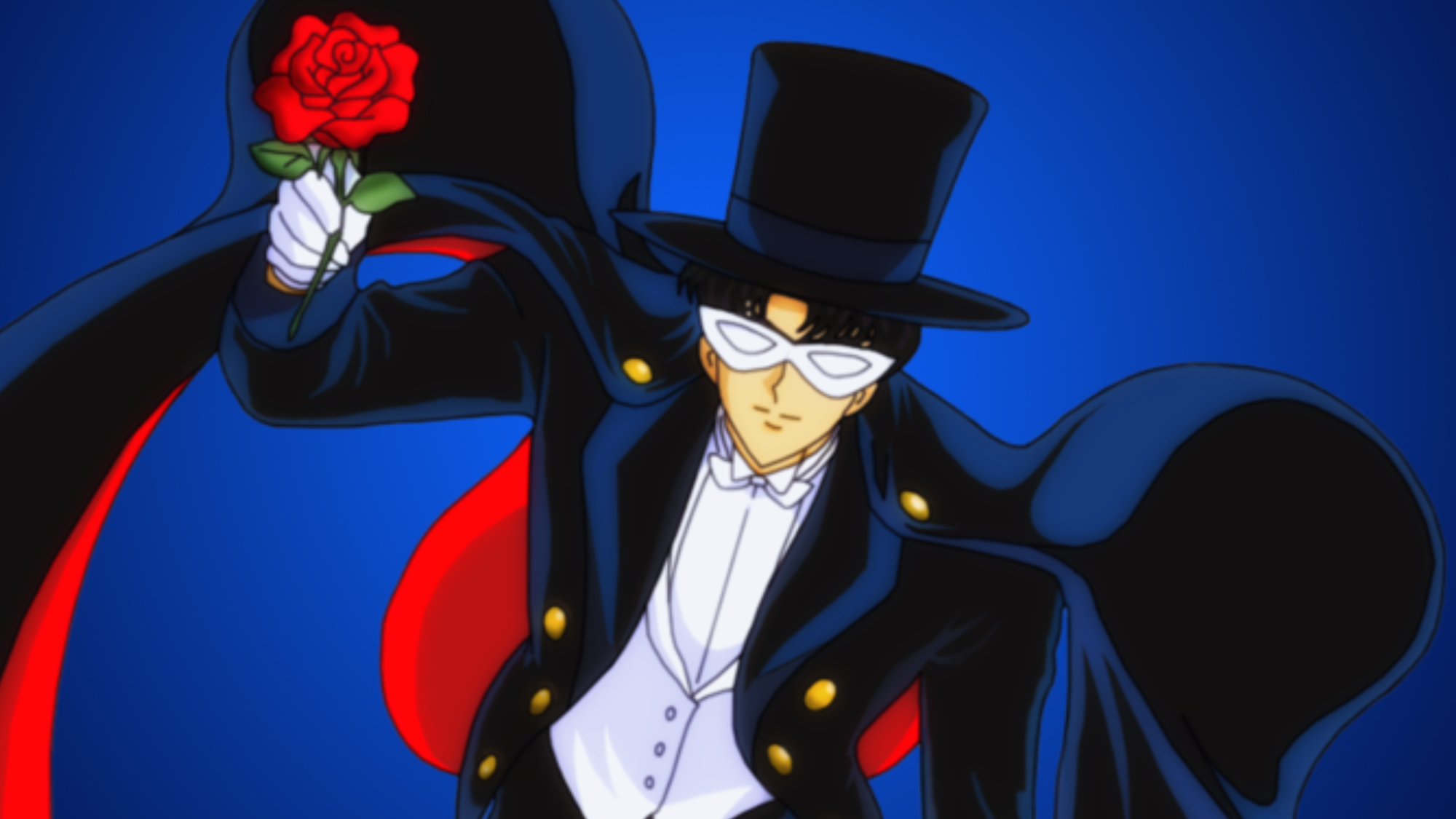
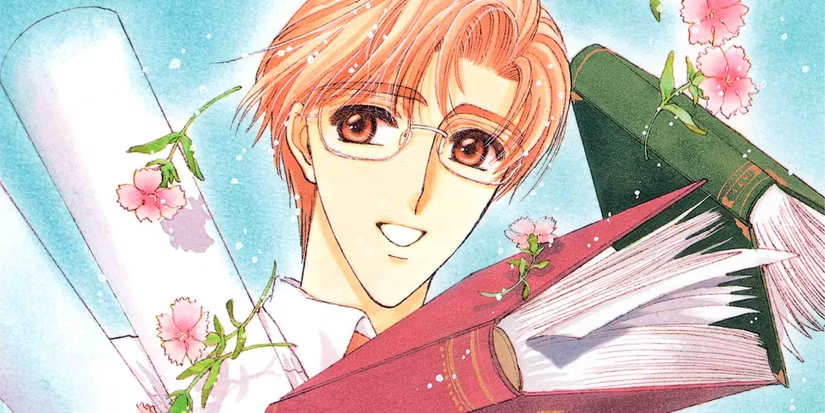
The brief appearances of men in the nineties Mahou Shoujo series are generally through androgynous characters or those in secondary roles, like Sakura's father or Tuxedo Mask.
The brief appearances of men in the nineties Mahou Shoujo series are generally through androgynous characters or those in secondary roles, like Sakura's father or Tuxedo Mask (his association with roses and being the 'knight in distress'), demonstrating that a man doesn't always have to be tough or rugged, but can also be beautiful and vulnerable. This kind of aesthetic stands in direct opposition to the model of femininity as a 'submissive and quiet wife' constructed in Japan. Refusing to be 'someone's wife,' male characters emerge as 'someone's husband,' reaching levels of nomenclature similar to 'Pampita's ex-husband.'
Sakura's dad.
The heroines retain the previous archetype of the teenage male superhero, who must balance his public and private life while fulfilling obligations and responsibilities. At the same time, to maintain the idea of Mahou Shoujo alongside the responsibilities of adulthood, they focused on transformations that enhance purity and naivety (instead of nudity), creatively redefining what it means to be cute and sweet.
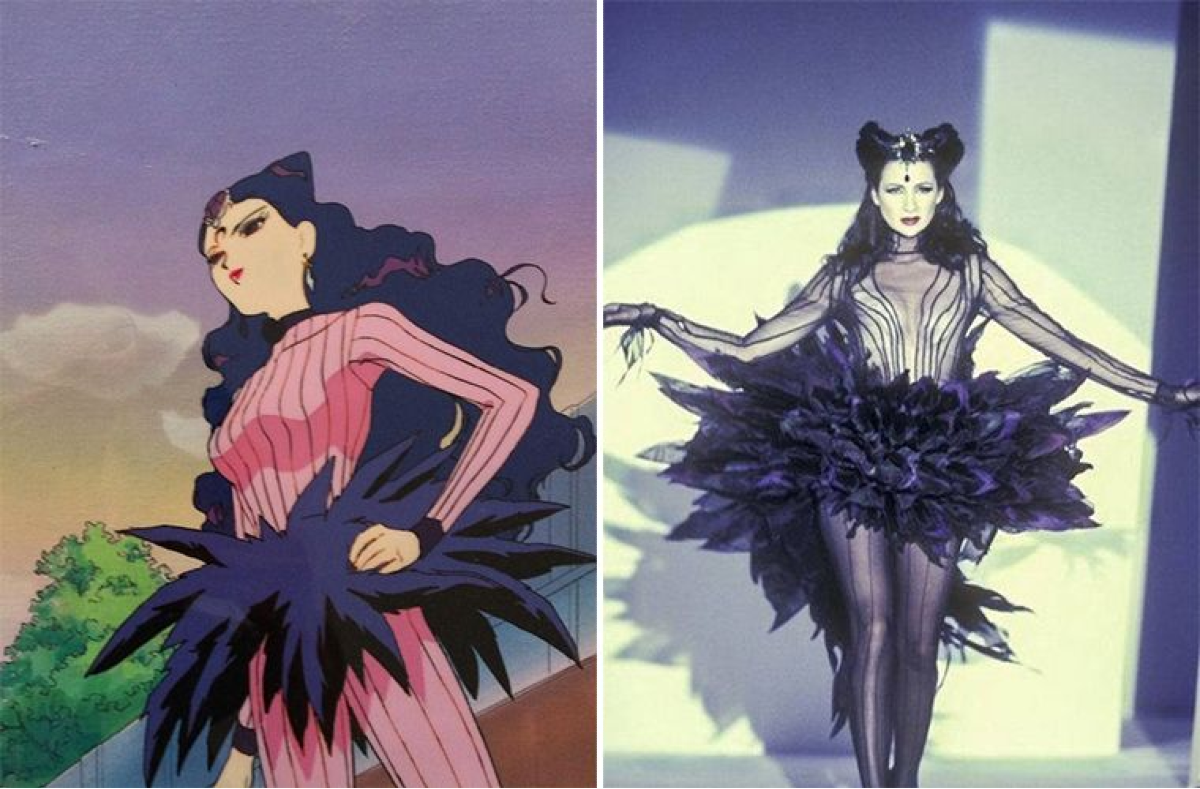
By the nineties, the products for sale merged with the concept of the Japanese idol. The protagonists of Mahou Shoujo took on the same role as Barbie in the West. They weren't just selling toys; they were selling an aesthetic ideal, and the girls who bought Minky Momo's magic mirror or Sailor Moon's wand were also buying an image of what they were supposed to be. Sailor Moon's outfits are a reinterpretation of the Japanese seifuku uniform to enhance innocence. In contrast, the villains are more seductive adult women with a less naive appearance. Takeuchi, the creator of Sailor Moon, directly took runway pieces from Mugler or Yves Saint Laurent to dress her villains.
Wearing a Thierry Mugler from 1992.
The term 'Sailor Moon' originates from the Japanese popular myth that there is a rabbit cooking on the Moon. The protagonist's name, Tsukino Usagi, is a play on words between Tsuki no usagi, which means 'Moon Rabbit.' The translation altered it to 'Serena' to at least have some connection to the Moon.
The biology of cuteness
To understand why kawaiiended up occupying so much space in Japan, we oddly need to talk about birds.
In the fifties, Dutch Nobel Prize-winning ethologist Nikolaas Tinbergen described a bizarre behavior among birds: the preference for the exaggerated over the real. Supernormal stimuli are maxxed out versions of natural stimuli that provoke a stronger instinctive response than the original stimulus. One can trick a bird into feeding a puppet instead of its own chick simply because the puppet is, let's say, much bluer. It's so blue that the mother doesn't even realize her real chick is right there, next to it, with its mouth open waiting to be fed.
Another, more human example is pornography and sugary foods. The organism evolved to crave sugar because it's scarce in nature. So now we consume toxic amounts, suffering serious consequences.
Tinbergen discovered that the nervous system responds to supernormal stimuli, not to authenticity.
Will the same happen with cuteness? A study by Aragón et al. (2015) showed that more than half of people feel, although it may seem contradictory, high levels of aggression in response to elevated stimuli of cuteness. It's the famous case of girls who suffocate their pets by hugging them too tightly.
Anime worked because it holds the contradiction without resolving it: the extreme cuteness that also generates the impulse to destroy it, the imperfect heroine who saves the universe.
The so-called cute aggression, which leads to pinching, biting, and the desire to squeeze cute creatures, are automatic responses to stimuli generated by characteristics present in babies and puppies. According to these studies, it is a form of emotional regulation in which an opposing impulse is activated to compensate for the other. The brain releases the pressure of positive overflow with the vocabulary of aggression, without any intention of real harm.
According to researchers like Sianne Ngai, these responses are used as engines of consumption. Hence the market for kawaii.
“The kawaii object, in its exaggerated passivity and vulnerability, simultaneously incites the desire to protect it and to possess it, control it, crush it with affection. There is always something violent in extreme tenderness. And that tension is precisely the engine of consumption.”
Perhaps it's due to Japanese syncretism, that ability to absorb opposites without needing to resolve them. Kawaii behaves this way. And Sailor Moon took kawaii to the extreme. The anime worked because it holds the contradiction without resolving it: the extreme cuteness that also generates the urge to destroy it, the imperfect heroine who saves the universe, the innocent aesthetic that sparks a desire to consume, the naivety and empowerment, whose other side is commodification and fanservice. Sailor Moon is a cultural phenomenon that doesn't collapse under its own contradictions; instead, it exploits them. There, I believe, lies its success.
✦ Suscribite
Las notas de 421 no tienen paywall
Y a cada colaborador se le paga por su trabajo. Las dos cosas dependen de los suscriptores.