Why the Japanese in Buenos Aires Were Dry Cleaners
From the Ironing Board to Legend: Why the Japanese Dry Cleaner Became a Symbol of Social Mobility in Argentina.

From the Ironing Board to Legend: Why the Japanese Dry Cleaner Became a Symbol of Social Mobility in Argentina.
When I was a kid, I thought my parents never slept. I would get up to go to school, and my dad was already washing. By the time I went to bed, he had gone back to ironing for a while after dinner. "It's endless work," he would say. The thing is, the shirt you washed on Monday comes back to you on Thursday. Customers would come into the shop with a suit that had a ripped shoulder or a tie with a wrinkled lining and leave saying, "I have a couple more things to bring next time."
My mom would sit in the afternoon sewing buttons on freshly ironed jackets. Her hand with the threaded needle looked like a little bird pecking at food.
I would get up to go to school, and my dad was already washing. By the time I went to bed, he had gone back to ironing for a while after dinner.
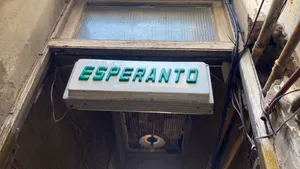
The Japanese dry cleaner is one of those historic and common places in the Buenos Aires landscape. Nowadays, few members of the community continue with the business, yet the idea of a Japanese dry cleaner remains present in the Argentine collective imagination.
The first Japanese immigrants who arrived in Argentina were not dry cleaners. There was no special relationship between the community and laundry at that time. Like many other newcomers, they worked in slaughterhouses, metalworks like Talleres Vasena, or in domestic service. No immigrant community arrives defined by a trade. In the case of the Japanese, the explanation lies in the Buenos Aires that welcomed them.
After the centenary of the Republic, the traditional Argentine family was modernizing. Buenos Aires grew both horizontally and vertically. Homes became smaller, and the spaces for washing clothes shrank. Large stores like Gath & Chaves or Harrods expanded the clothing market, popularizing outfits that had previously been quite exclusive. The emerging middle class sought to distinguish itself with these new trends. The demands for fashion from these new citizens required new services. Starch shirts and collars with maximum firmness and whiteness, impeccably brushed hats, and trousers with creases and pleats became part of the appearance attributed to decent people—or at least, those who aspired to be. In this context, alongside the Argentine middle class, the Japanese community began to transform.
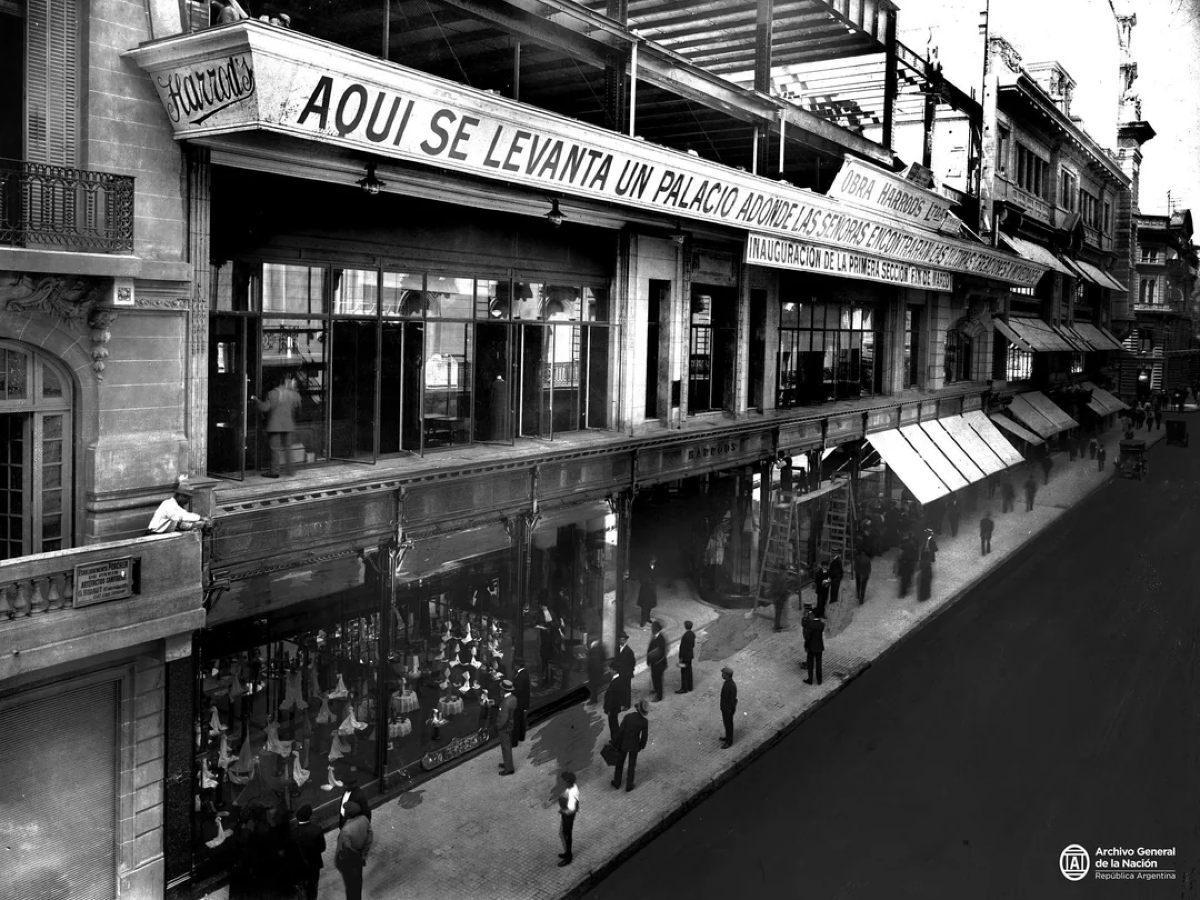
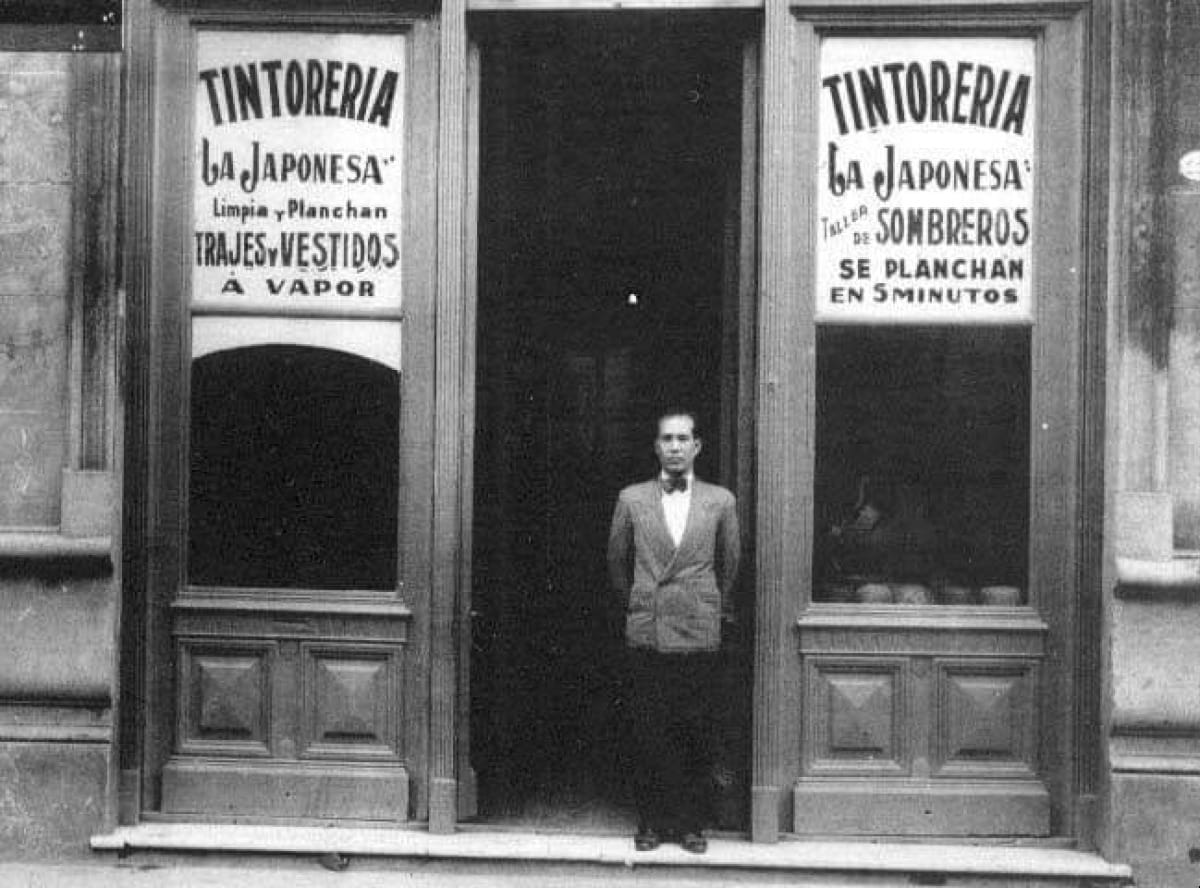
From the early second decade of the 20th century, Japanese people began to leave wage labor and try their luck in self-employment. After briefly experimenting with cafes, in 1912, the first two Japanese dry cleaners appeared: Tsuta Nakamura at Lavalle 418 and, almost simultaneously, Hatsutaro Kotani in Barracas. The growth of dry cleaners accompanied the expansion of middle-class neighborhoods in Buenos Aires. Between 1900 and 1940, as suits ceased to be the exclusive domain of the elite and became widespread, everyone began to wear jackets and ties. A suit cannot be washed at home, and maintaining it was part of the cost of belonging to that respectable middle class. As the suit became the uniform of the Argentine citizen, the dry cleaner advanced throughout the city. Keeping the outfit clean, pressed, and with the crease intact was a way of belonging that discreetly linked dry cleaners to social mobility.
The growth of dry cleaners accompanied the expansion of middle-class neighborhoods in Buenos Aires.
The dry cleaning business was attractive because it required relatively accessible initial capital, responded to changes in society, and did not demand a strong command of Spanish. Moreover, the language could be learned while working alongside another compatriot, making it possible to pass it on to more countrymen through family and community networks. After working for another Japanese person, many managed to save enough to open their own business. In just a few years, Japanese dry cleaners became a true labor niche.
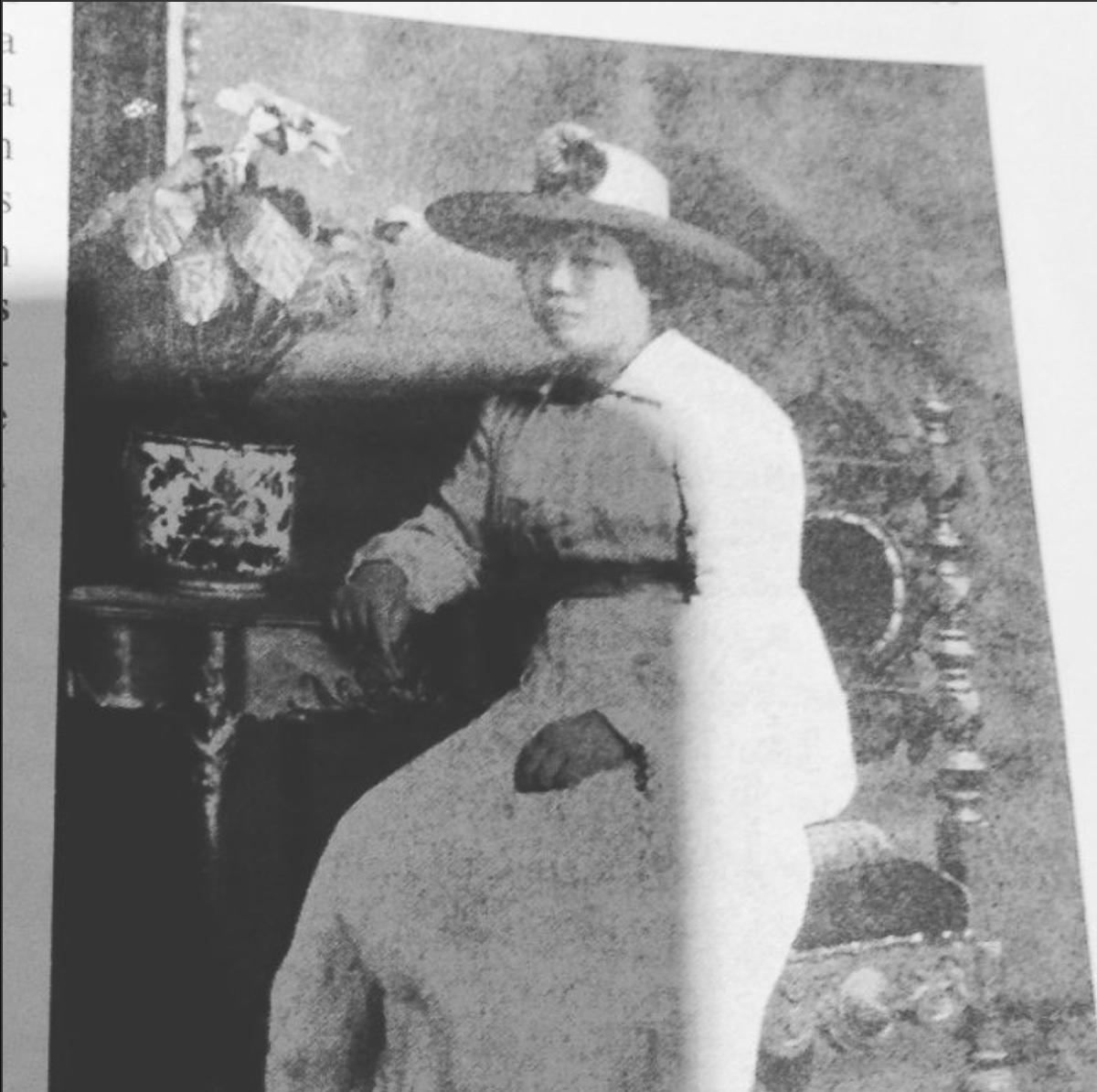
It’s also worth noting that, for the most part, even today, businesses operate in a family manner. My mom used to handle the customers because she spoke better Spanish than my dad, who, in contrast, did the washing and ironing. As was the case with many immigrant businesses, the home occupied the back room or the upper floor of the shop. The noise from the laundry and the steam from the machines were part of domestic life. The division between private life and work became a bit blurrier; home and work were practically the same place. Neighbors would see us sweeping the sidewalk, how my mom attended to customers, how we closed the shutters in the afternoon, or how I, as a kid, took out the trash at night. It was almost a house open to the neighborhood. Perhaps being exposed daily helped create a public image of the community. The dry cleaner ended up being the place where many Argentines first met a Japanese family.
At the beginning of the 20th century, Japan's victory over Russia also helped consolidate an image of discipline and modernity internationally. In Buenos Aires, that reputation was particularly fertile due to the city's fascination with Eastern exoticism. The Buenos Aires elite wanted to be "the Paris of South America," and that aspiration also included Japanism, which collected ukiyo-e, screens, lacquers, porcelain, and textiles.
Japanese immigrants knew how to capitalize on a series of attributes that society already attributed to them, such as neatness, punctuality, discipline, and cleanliness. It’s interesting to observe that these stereotypes did not translate through the same trade across Latin America. In Peru, for example, they evolved into the figure of the butler and domestic worker; in Brazil and Bolivia, into that of the specialized farmer, which somewhat overlaps with Argentina and Uruguay through their plant nurseries.
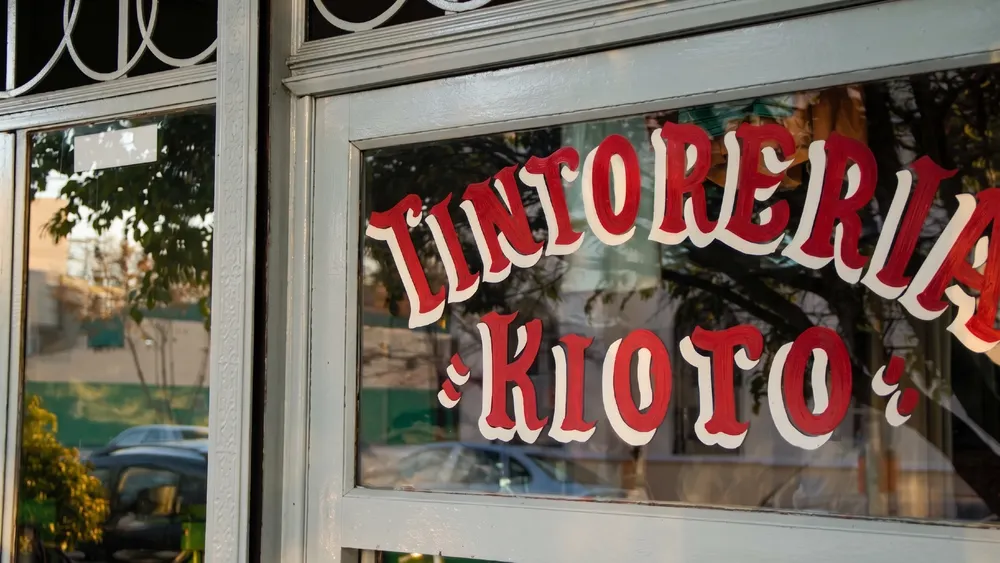
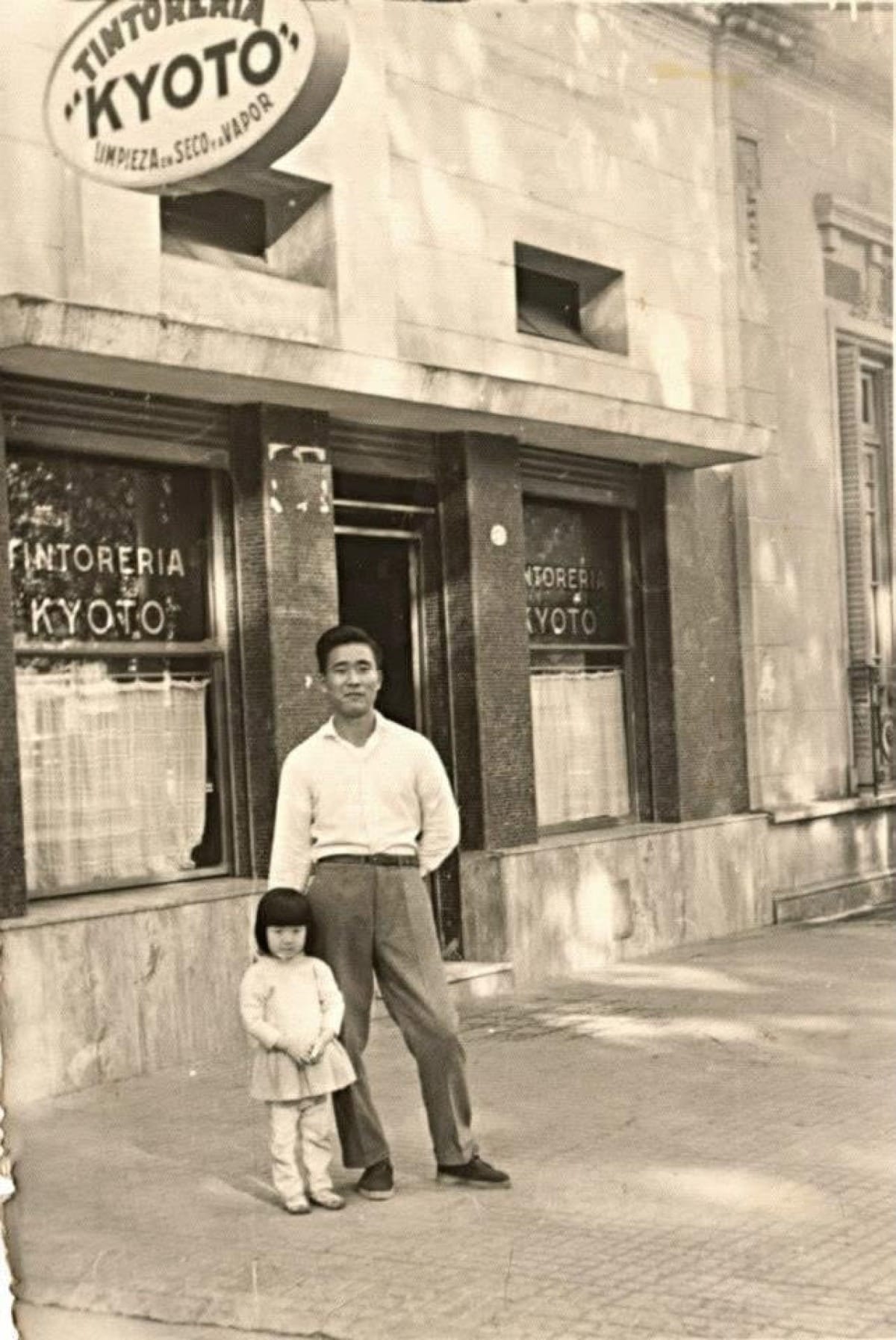
In the case of Argentina, the Japanese reputation found its niche in Japanese dry cleaners. For many customers, the Japanese brand served as a guarantee of responsibility, and the community quickly turned that perception into a commercial brand through the names of their shops. By 1930, about twenty-two dry cleaners were named "Japonesa," and at least another twenty had names like "Japón" or "Nippon." It was essential to display some word related to the country on the signs as a mark of quality.
Today, the disappearance of Japanese dry cleaners coincides with the disappearance of the Buenos Aires that made them possible. The suit is no longer the uniform of the middle class, synthetic fibers have simplified clothing care, and the city has become increasingly impersonal. Customers no longer return every week to the same counter or know the family living behind the business. They receive an order, buy some glasses, or pay at a register and keep walking. If Japanese dry cleaners became a common place, it was partly because the stereotype coexisted daily with real people. Today, the city offers contact among strangers, with much less community interaction. The way a city integrates its immigrants also shapes the kind of common places it builds around them.

The same process can take on opposite signs depending on the community and historical context. If at one point the name "Japanese" added value to a dry cleaner, today the imagery surrounding other communities can operate in the opposite direction. Symbolic capital is built historically and can translate into prestige or suspicion, thus conditioning how a society receives both individuals and the businesses they undertake. Just compare different sectors: some nationalities serve as a guarantee of quality in certain services; others carry distrust and suspicion.
Today, the disappearance of Japanese dry cleaners coincides with the disappearance of the Buenos Aires that made them possible.
The labor niche, by becoming the main point of everyday contact between immigrants and the host society, also serves as an ambassador for an entire community. After all, these are simplifications, because none of these groups should be reduced to that work. Children study other careers, new generations are born, and occupations change, always following the “My son the doctor” path. However, the common place often survives much longer than the historical conditions, and when the trades that gave rise to them disappear, so do the concrete people who could complicate them.
For a century, Argentines integrated Japanese immigrants behind the counter because the shirt washed on Monday would be brought back on Thursday. The shop in the neighborhood allowed a trade to have a face and a family. Today, encounters still exist, but they rarely last long enough to produce that same recognition.
The story of the Japanese dry cleaner is a good example of how a city constructs its images. We’ll have to see if contemporary forms of work produce another type of encounters and another type of imagery. I believe these stories of communities integrating into the country give us some clues on how to envision a better future and coexistence based on the organization of a city.
Y a cada colaborador se le paga por su trabajo. Las dos cosas dependen de los suscriptores.