Nahuelito: The Science Behind the Patagonian Legend
The legend of Nahuelito draws on plesiosaurs, aquatic giants that once swam through prehistoric Patagonia.
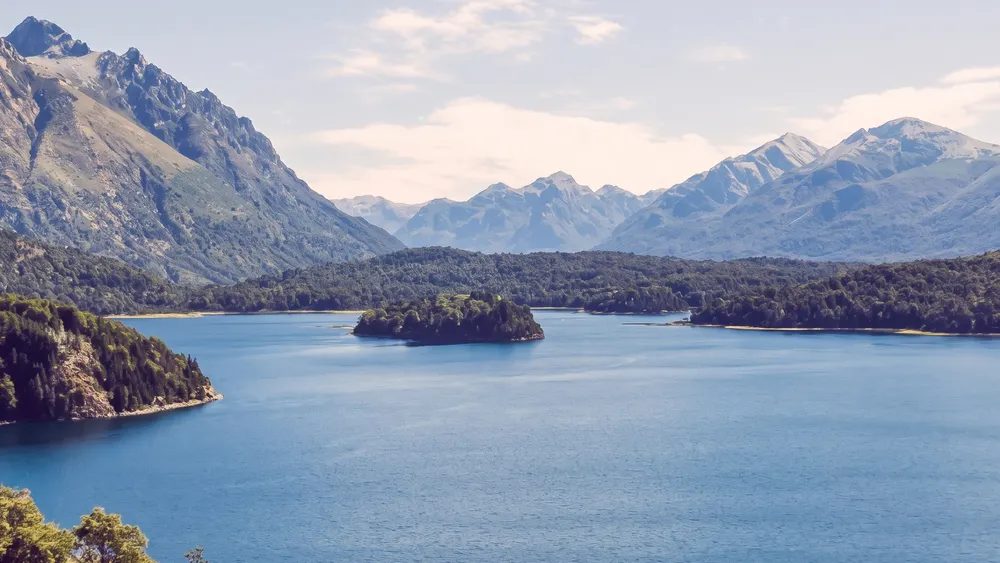
Our fascination with large reptiles and the dark depths of bodies of water has led humans to dream up endless aquatic monsters. Argentina is no exception: taking our cue from the legends of mysterious Loch Ness and its creature, we adopted a similar animal to inhabit one of Patagonia's iconic lakes. The legend of Nahuelito drew both tourists and scientists to the Nahuel Huapi area, hoping to find traces of the strange creature or catch a glimpse of it. The truth is that "Nahuelito" really is in Patagonia, just not the way you'd imagine, and these creatures are very well studied and well known to paleontology.
During the Mesozoic Era, while dinosaurs ruled the land, the sea belonged to several groups of reptiles, loosely referred to as "marine reptiles." Within this group there are several reptile lineages that aren't related to one another but share similar ecological adaptations, in this case a fully aquatic life. One of the most successful and common groups of that era was the plesiosaurs, whose name comes from plesio, "near," and saurus, "lizard," because they were once thought to be related to lizards and snakes. In reality, they belong to a unique group of reptiles called Sauropterygia.
The truth is that "Nahuelito" really is in Patagonia, just not the way you'd imagine, and these creatures are very well studied and well known to paleontology.
Plesiosaurs have a very distinctive body plan: a broad body with a short tail, legs transformed into large flippers, and an extremely long neck; in fact, relative to body size, they have the longest necks of any reptile. And at the end of that very long neck sits a head packed with sharp, pointed teeth, which they used to catch prey. The first complete plesiosaur specimen was discovered by paleontologist Mary Anning in England in 1823, making it one of the first fossil vertebrates ever studied and named. Since then, specimens have turned up in Jurassic and Cretaceous sediments all over the world, Antarctica included.
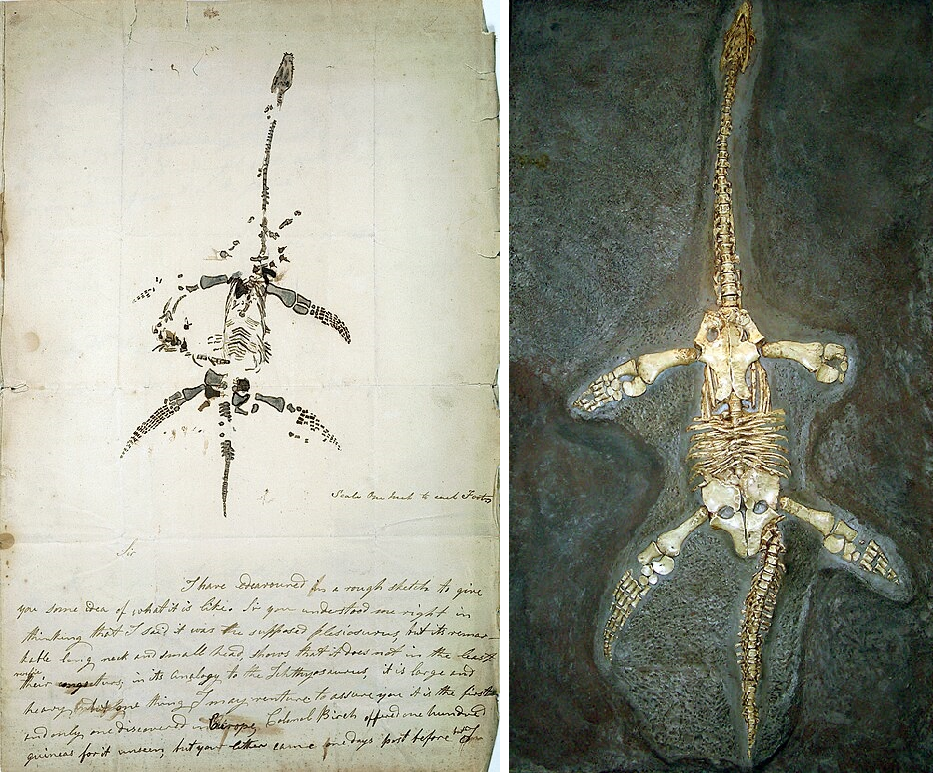
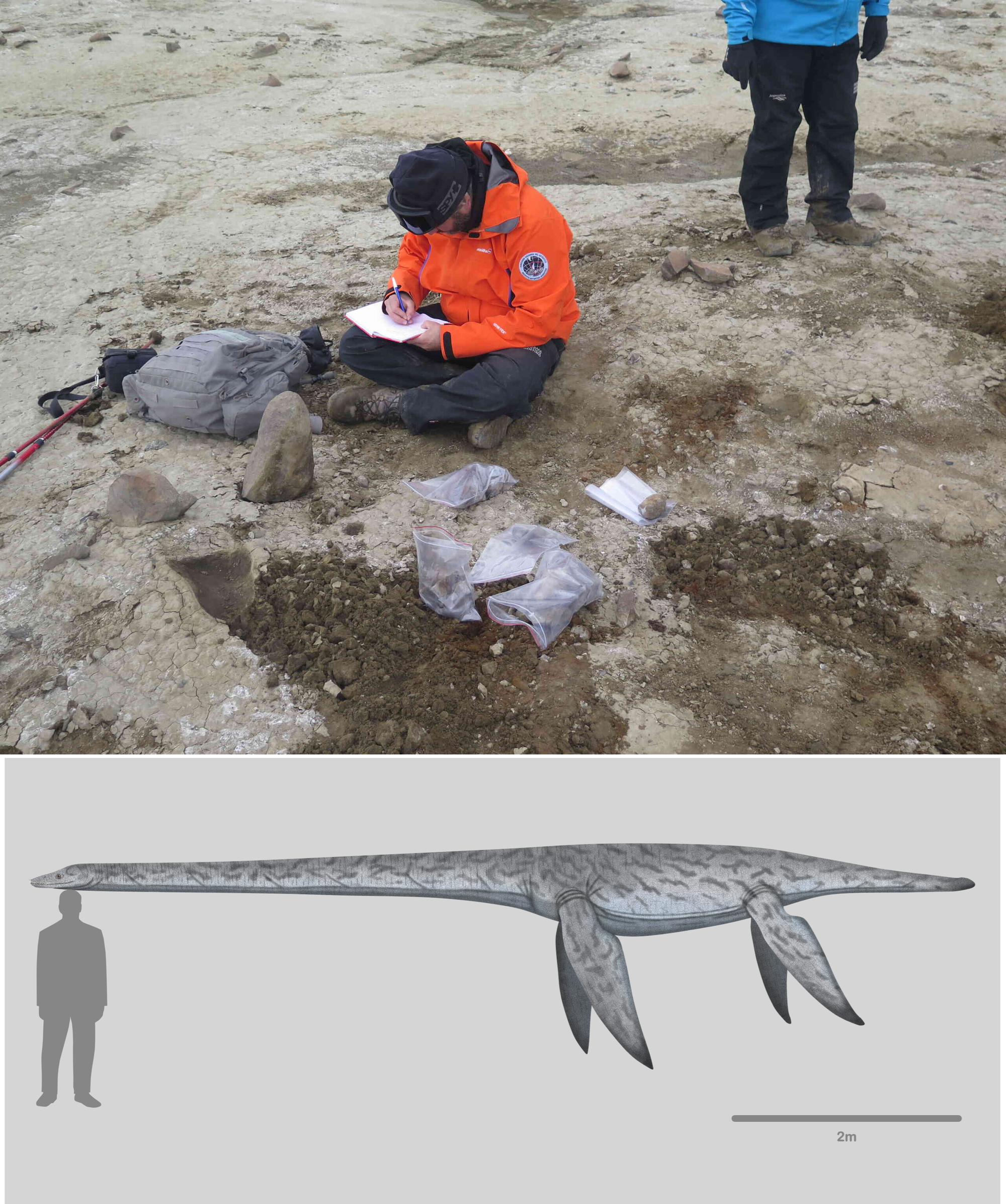
Among plesiosaurs, the ones closest to what we picture as "Nessie" are the Elasmosauria, plesiosaurs with very long necks and very small heads. They ranged from 4 to 12 meters in length and had necks with lots of cervical vertebrae (between 50 and 70 on average), with genera like Elasmosaurus and Albertonectes sporting more than 70 vertebrae in the neck. You could say that animals like Albertonectes had a powerful throat, but also a deep one (sorry, I had to make the joke).
Despite appearances and what the popular imagination tells us, having a very long neck doesn't mean it's flexible and moves like a snake. Plesiosaur vertebrae are wide but short discs with flat faces on both sides, plus short cervical ribs, so they don't offer much sturdiness for anchoring large amounts of muscle. In fact, several anatomical studies indicate that the necks of plesiosaurs like elasmosaurs were very slender and not very flexible, since the vertebrae had limited movement. That would have kept them from lifting their heads high out of the water like a swan, because they simply didn't have the strength to do it. And while they could arch their whole neck sideways and up and down, and gentle curves were possible, they could never have pulled off an "S"-shaped posture, which would require more than 360° of vertical flexion.
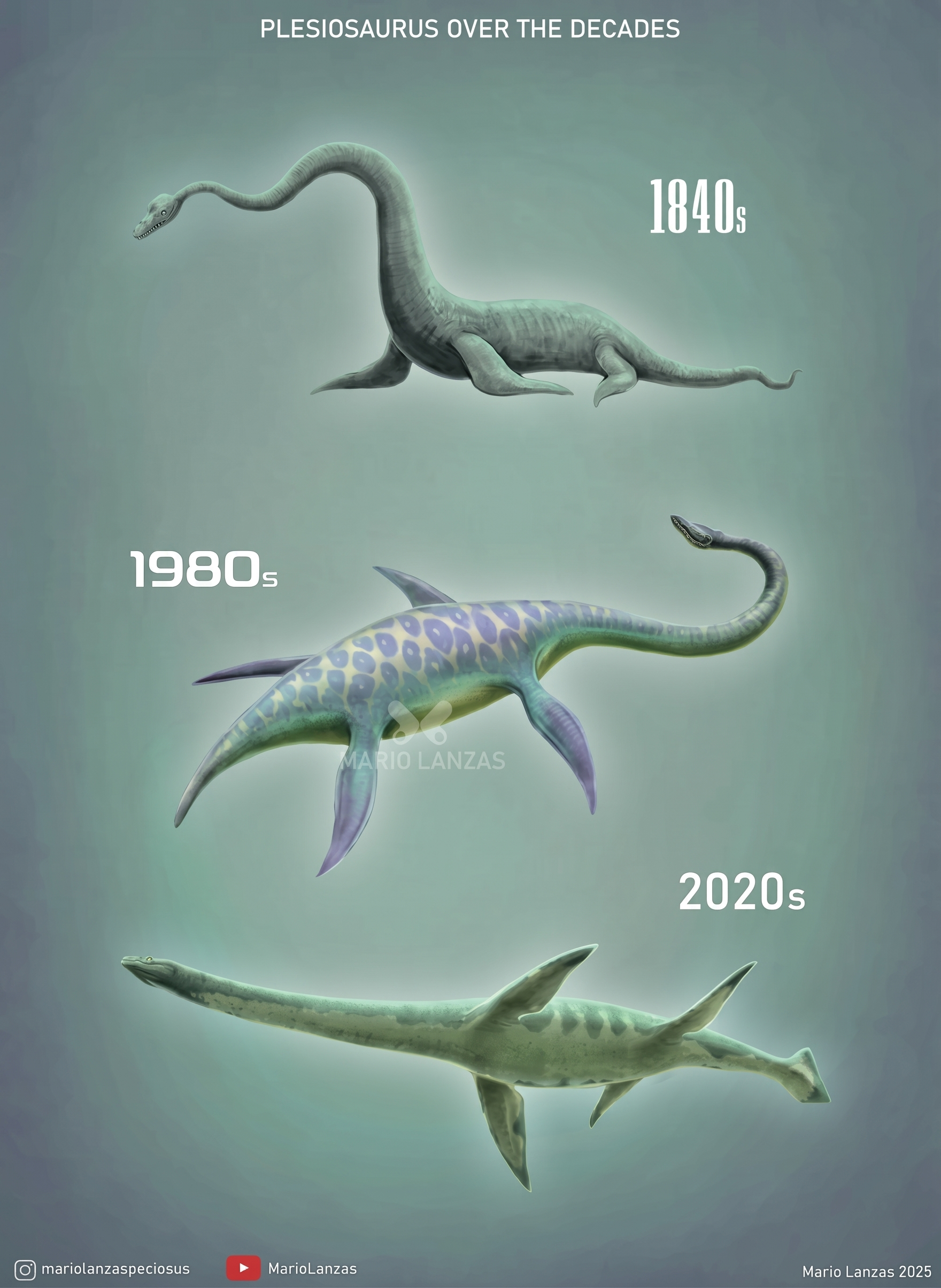
Elasmosaurs were mostly marine and inhabited the oceans during the Cretaceous, toward the end of the age of dinosaurs (between 133 and 66 million years ago). They preyed on fish and mollusks, and some even evolved into plankton filter feeders. They swallowed their prey whole, and to grind up their food they used stomach stones (gastroliths), rocks the animal swallowed on purpose. Although there's an enormous diversity of plesiosaurs, today we're focusing on this group for two big reasons: their undeniable anatomical resemblance to the mythical "Nessie" and, above all, because their fossils are part of our country's paleontological record.
Our sea monsters
As we've seen in previous articles, Patagonia was a land of giants on land, and our seas were home to sea monsters too. The story of Argentine plesiosaurs began in 1940, when the first fossil of this kind of reptile was found in Chubut. It was described and named the following year by Ángel Cabrera as Aristonectes parvidens. The fossil remains of this species were found at a place known as Cañadón de los Loros, in Paso del Sapo, Chubut Province, and sent to the Museo de La Plata. The specimen is pretty incomplete: it consists of a partial skull articulated with the jaw, 29 vertebrae, and an incomplete left forelimb. Its name comes from the Greek aristos, meaning "best" or "superior," and nectes, "swimmer," so it would be "the best swimmer," so named because it was the most complete plesiosaur found in Argentina at the time. Its species name, parvidens, means "small teeth."
Aristonectes has always been hard to classify because the specimen is so incomplete, but it kicked off the study of these reptiles in the Southern Hemisphere. In the La Colonia Formation in Chubut (home of our iconic Carnotaurus), two very peculiar species adapted to warm, shallow waters were found. On one hand, there's Kawanectes lafquenianum, a small, short-necked plesiosaur (3 to 4.8 meters) that tended to live in estuaries. Its name pays tribute to the Kawa, the ancient sea that covered the region, and to the Mapuche word for sea (lafquen). On the other, sharing the same ecosystem, swam Chubutinectes carmeloi. Its skeleton was preserved so completely that during the excavation 350 gastroliths were found in its stomach area.
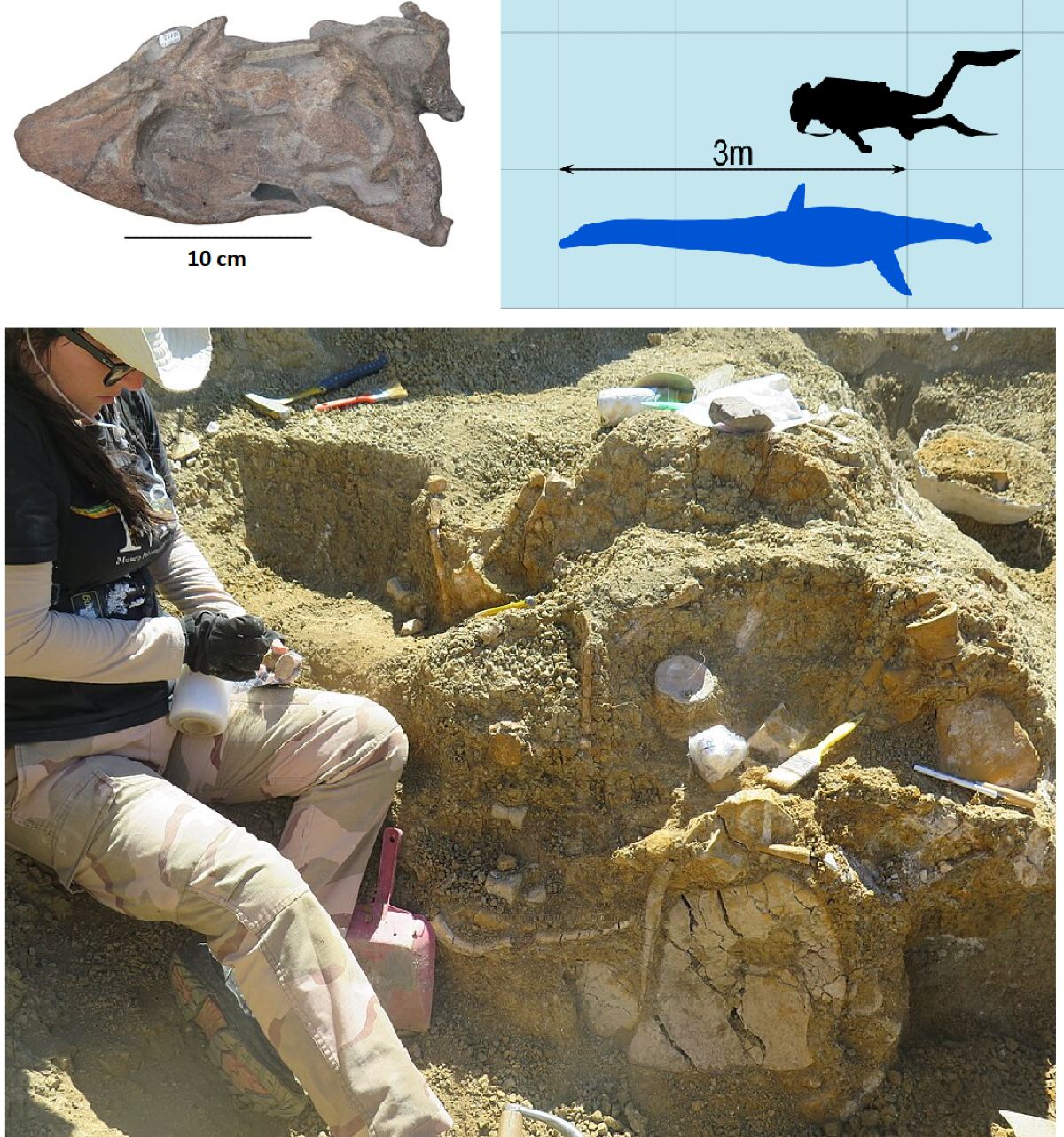
The record of these sea monsters isn't limited to Patagonia: Antarctica is also a key spot for these fossils. From Vega Island, on the Antarctic Peninsula, came Vegasaurus molyi, a 6.5-meter, 800-kilo animal. Recovering its nearly complete skeleton took three expeditions during the Antarctic summers between 1993 and 2005; in fact, its name honors Juan José Moly, a paleontological technician who took part in 17 Antarctic campaigns. Nearby, on Marambio Island, in the James Ross archipelago, scientists discovered Marambionectes molinai, a "Marambio swimmer" more than 7 meters long, of which part of the skull is preserved.
The story of Argentine plesiosaurs began in 1940, when the first fossil of this kind of reptile was found in Chubut.
Among the most recent finds is one that literally came out of the water, right here in the 21st century. Argentinonectes calafatensis was discovered submerged under half a meter of water on the shore of Lago Argentino (Santa Cruz). To get it out, the team had to build sandbag dikes and drain the area multiple times just to be able to dig. The effort paid off with one of the most complete plesiosaur fossils, which also shows pachyostosis (bone thickening) in the ribs, a typical trait of marine vertebrates that helps animals counteract their body's buoyancy in water and dive with ease.
A brief history of Nahuelito
The look of elasmosaurs has always been unmistakably tied to the image of the Loch Ness Monster, or "Nessie," and, not to be outdone, to our own local myth: Nahuelito of Lake Nahuel Huapi. Although the legends about Nessie are quite a bit older (with reported sightings going back to the 19th century), the Patagonian myth has a much more recent and well-documented origin.
The story began in 1922, when word spread of an alleged sighting that had happened years earlier, in 1910, by an American worker living in the Epuyén area. The account, published by the Canadian newspaper Toronto Globe, described a creature between 5 and 7 meters long whose neck and head stuck up 2 meters out of the water. That same year, the director of the Buenos Aires Zoo, Dr. Clemente Onelli, received a letter from a gold prospector who claimed to have seen enormous footprints on the shore of Lake Nahuel Huapi and a colossal beast wading into its waters.
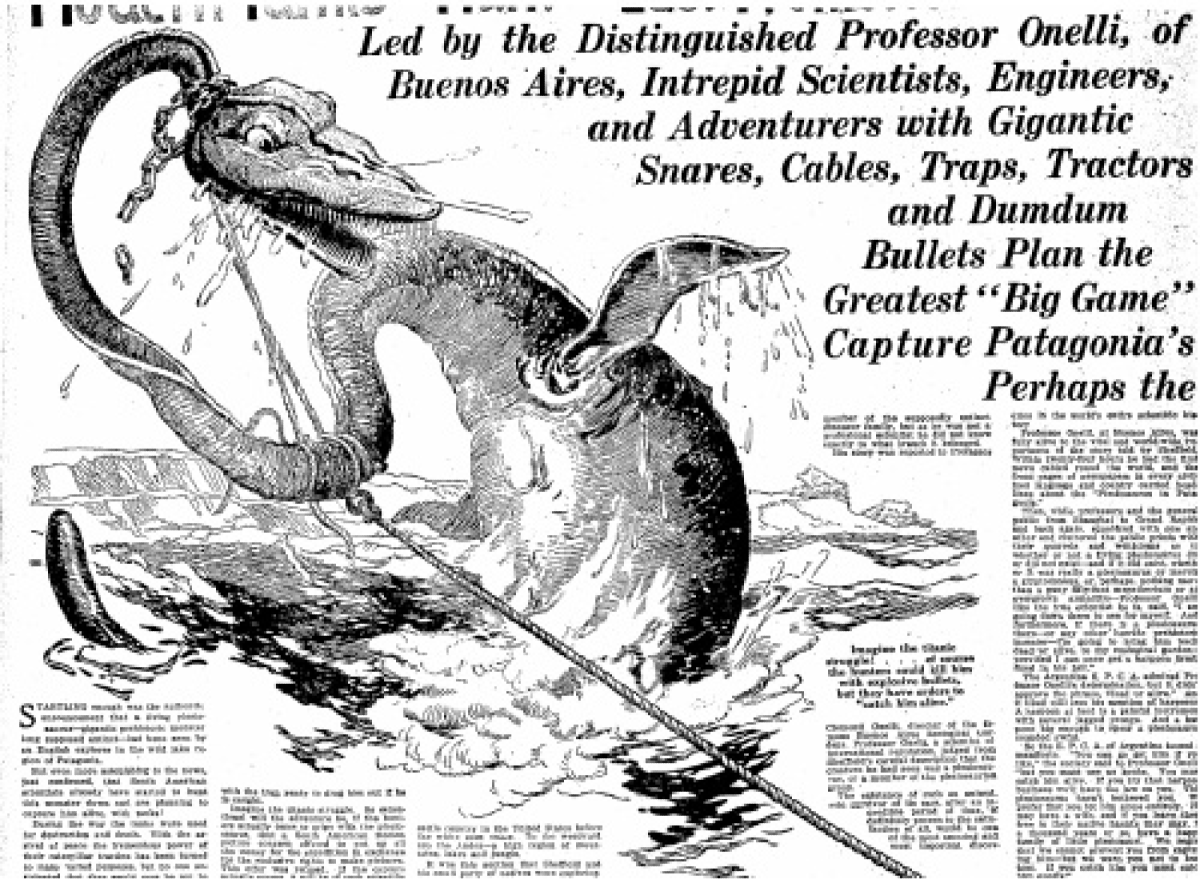
Convinced by the report, Onelli decided to organize an official expedition to capture the animal. The team included hunters armed with high-caliber rifles (elephant-hunting caliber) and they even brought dynamite. Such an arsenal led to serious red tape with the Ministry of the Interior over the permits for the expedition. In the end, it went ahead… with zero results.
Seven months later, with no new sightings, Onelli received a letter from Bariloche claiming the creature had been captured. The news caused a huge media frenzy, both at home and abroad. But it was all a prank: the "capture" was nothing more than a parade float built by businessman Primo Capraro for a local parade. Capraro had snapped a photo of the dummy to spread the rumor, in a masterful publicity stunt to promote tourism in the area (what an old-school clickbaiter!).
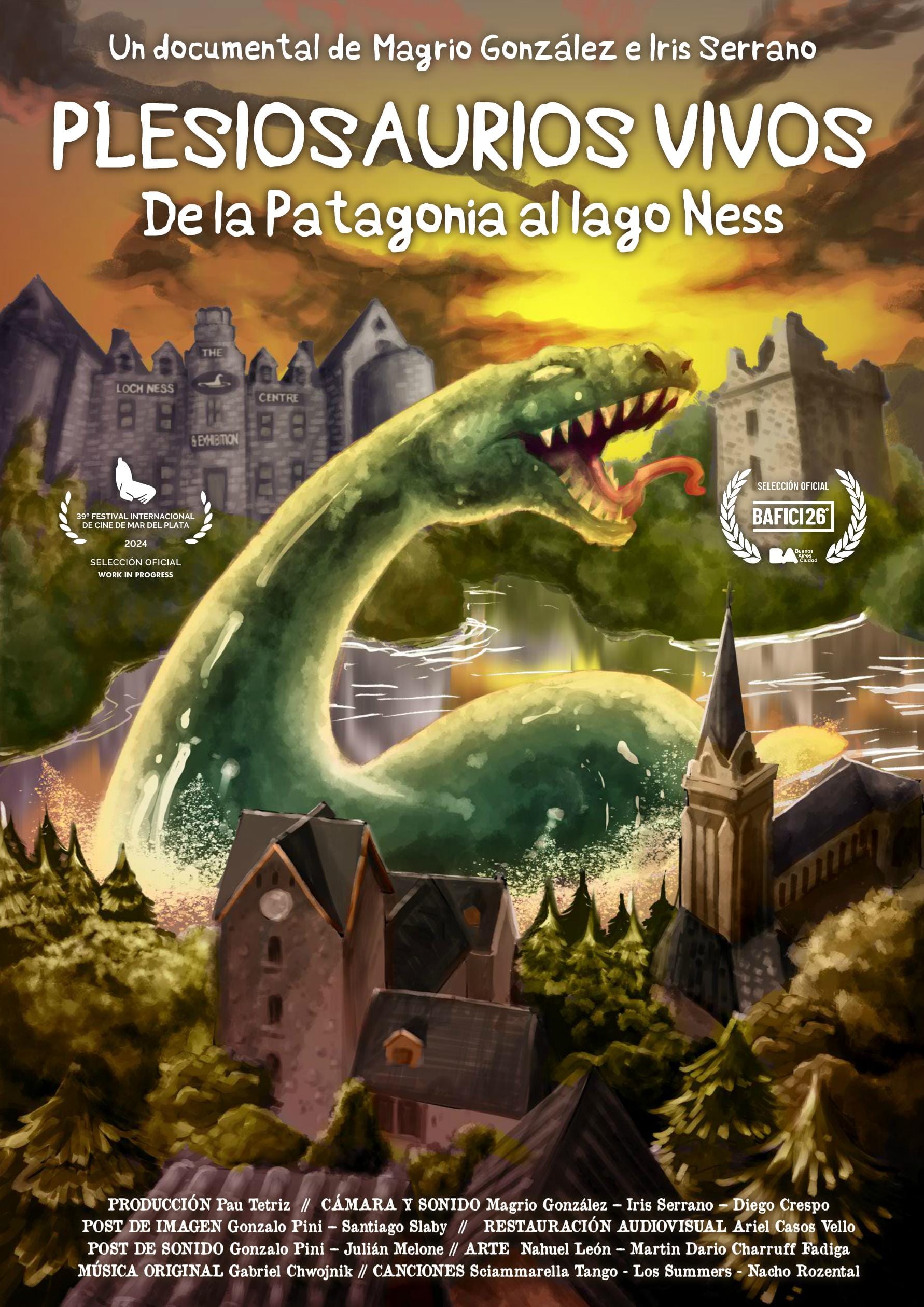
Although tourism in Patagonia has kept growing ever since and Nahuelito became a household name, nobody has ever been able to produce a single piece of real photographic evidence of the monster's existence. If you want to dig deeper into the origin of this myth, the comparison with Nessie, and the details of the local history of Lake Nahuel Huapi and its "monster," I can't recommend the Argentine documentary Plesiosaurios vivos enough. They hold screenings in different cities around the country throughout the year. Here's their Instagram page (@plesiosauriosvivos) so you can keep up with dates and news; if you get the chance, don't miss it, because it's really thorough and entertaining.
Could plesiosaurs be living in Nahuel Huapi?
Maybe the answer is kind of obvious, but plesiosaurs went extinct along with the dinosaurs 66 million years ago, so first things first: no, there can't be plesiosaurs around today, because there's no record of this kind of animal for millions of years. But let's play around for a bit with the possibility that these reptiles survived the extinction.
First things first: if we're talking about animals—because they are animals, not fantasy monsters or magical creatures—it wouldn't be possible for just one of them to have existed for millions of years. We'd have to be talking about a population of these animals living in these lakes and slippery enough that nobody ever sees them, which is pretty hard to pull off for animals that are at least 7 meters long and weigh 800 kilos. If there were a population of these animals in these lakes, we'd have run into one by now; I seriously doubt they'd go that unnoticed.
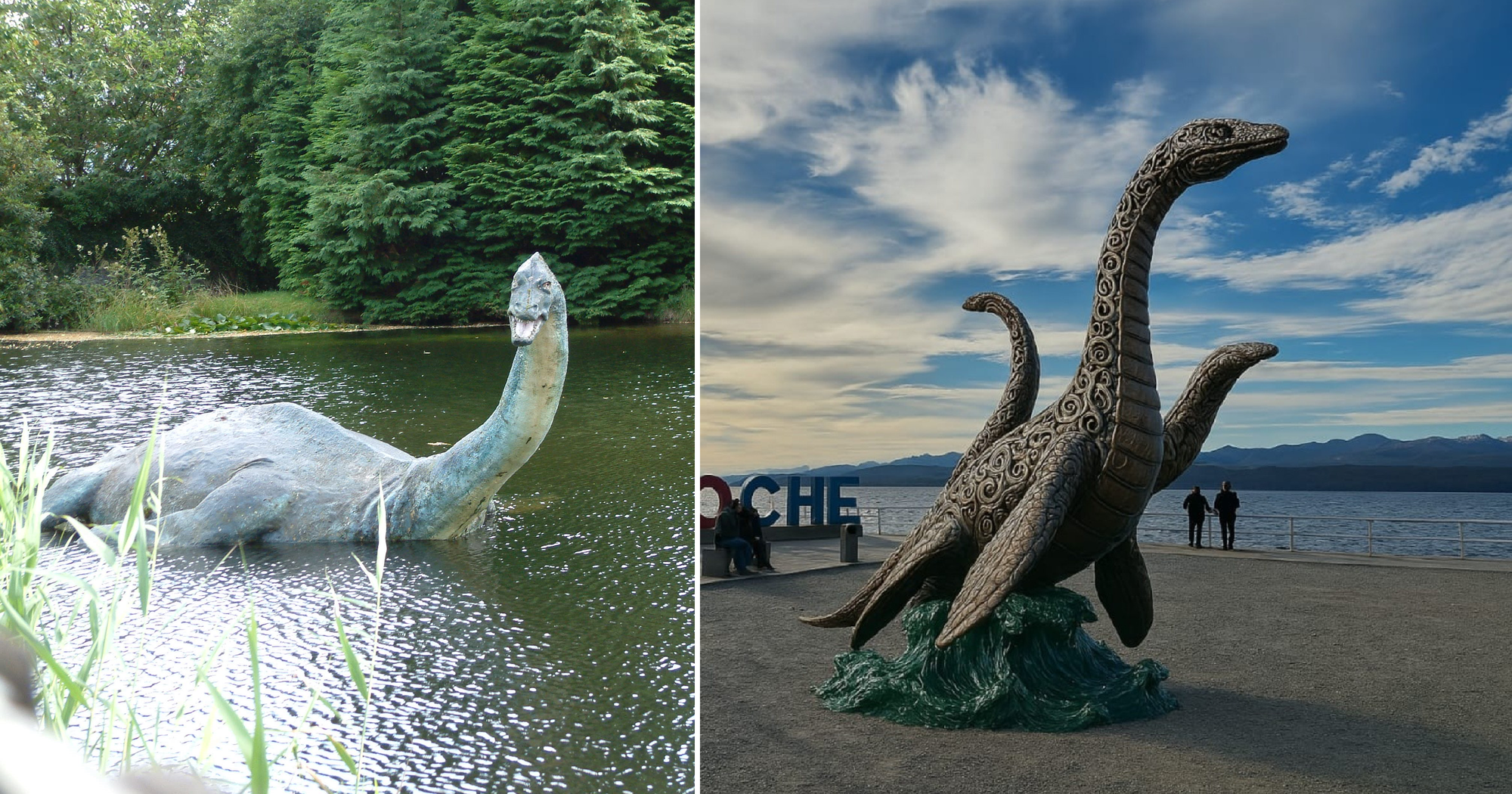
The second issue to raise is where these animals would live. Because we're not talking about vast, deep oceans, which might leave a bit more room for such a big animal to "slip away" or "hide" from view. On top of that, they would have had to develop adaptations to freshwater life, because plesiosaurs were mostly marine; but let's also suppose they could have adapted to a different kind of aquatic environment. As it happens, the two places proposed as their habitat, Loch Ness and Nahuel Huapi, are freshwater lakes—large, sure, but not exactly suitable for these reptiles. Let's take a closer look at these bodies of water.
Loch Ness is one of the largest bodies of water in Scotland: it covers 56 km² of surface area and reaches about 230 meters deep, with a long, narrow shape because it sits on an ancient geological fault known as the Great Glen Fault. Next to Nahuel Huapi, though, it falls way short: the Patagonian giant stretches over 557 km² and comes close to 400 meters deep (my country, my country!).
Despite the difference in size, both share a common origin: they're glacial lakes. Even though thousands of years may seem like an abyss of time to us, in geological terms these are extremely recent formations. Both lakes were shaped during the last Ice Age, when the continuous advance and retreat of enormous masses of ice gradually carved out basins in the preexisting landscape. With the final thaw, those huge depressions filled with water, a process that continues to this day, fed by melting glaciers. Loch Ness is estimated to be between 10,000 and 12,000 years old, while Nahuel Huapi is roughly 19,000. So if you were thinking they might have been an oasis where a relict population of plesiosaurs survived for millions of years, the math doesn't add up there either.
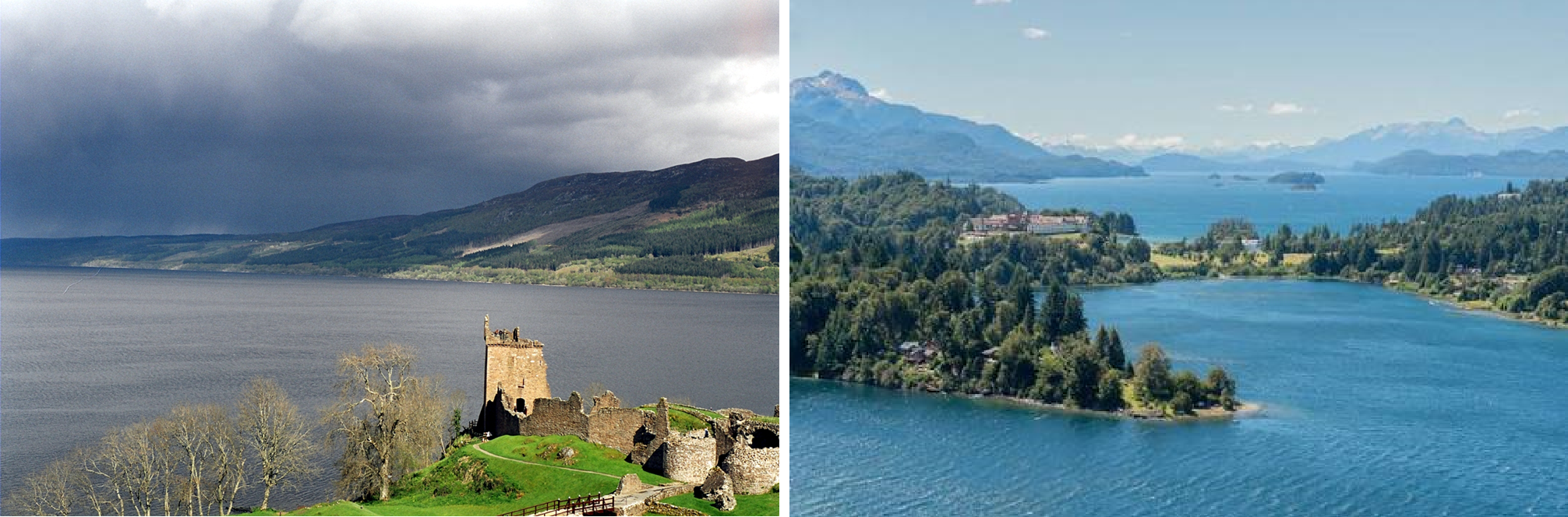
Another trait these lakes share is their low biological productivity; in ecological terms, they're known as "oligotrophic" lakes. Being so deep, cold and glacial in origin, they hold a very meager amount of suspended nutrients. Since the base of the food chain is so scarce, the fauna they can support is minimal and dominated by a few species of small fish. In short, these lakes simply don't have the biomass needed to sustain a breeding population of giant predators that would have to devour dozens of kilos of meat a day.
As it happens, the two places proposed as their habitat, Loch Ness and Nahuel Huapi, are freshwater lakes—large, sure, but not exactly suitable for these reptiles.
On top of the lack of food, there's the temperature. Plesiosaurs thrived in the seas of the Mesozoic, an era when global temperatures were considerably higher than today's. Plunging a marine reptile (even assuming they had some degree of advanced thermoregulation, as some recent studies suggest) into the icy waters of a modern glacial lake would be a sure death sentence for the poor animal.
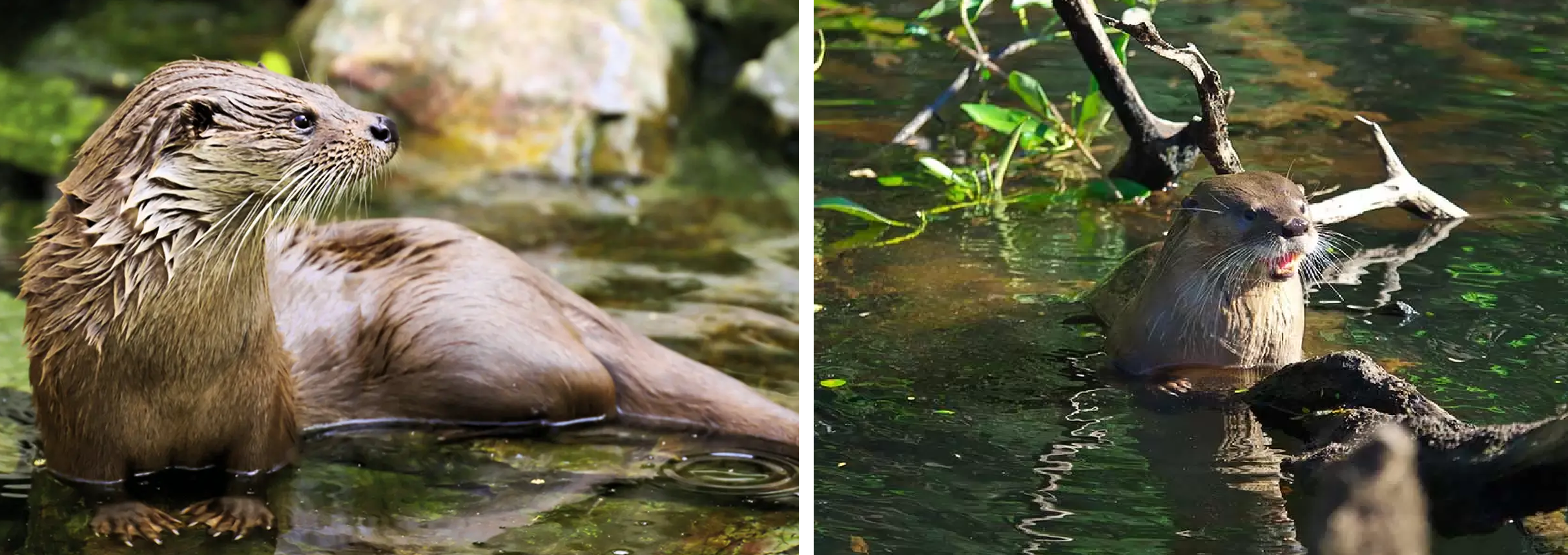
In fact, in both Loch Ness and Nahuel Huapi, the big hunters along the shore are otters (the Eurasian otter over there, and our lovable huillín in Patagonia). And while they're longish mammals, excellent swimmers and pretty slippery, aside from the occasional scare in the half-light, we could hardly classify them as water monsters.
So, as you can see, for geological, biological and ecological reasons, there's no way a plesiosaur is peacefully living in these lakes, being extremely good at hiding and leaving no trace whatsoever of its existence. The truth is that the myths of Nessie and Nahuelito fed off each other for decades thanks to doctored photos, exaggerated stories and that very human tendency to look for mysteries where there's only a shadow on the water. What's undeniable in this whole story is our fascination with giant reptiles, which goes back centuries. The real sea monsters did exist; you just have to know which rocks to look in. Even so, I have to give folklore its due. Because, let's be honest, it doesn't matter if a paleontologist walks you through all the scientific evidence, point by point, showing that Nahuelito can't possibly exist. When you travel south and visit Nahuel Huapi, you're going to stand on the shore, take in the vastness of the water and ask yourself, "What if I see it?"
Las notas de 421 no tienen paywall
Y a cada colaborador se le paga por su trabajo. Las dos cosas dependen de los suscriptores.